Lie down
The body is meant to shift from motion to stillness, but the brain hasn't got the memo yet. So there's turning, climbing out, one more question. A visible sequence gives the body something to follow while the head catches up. The steps below show how.
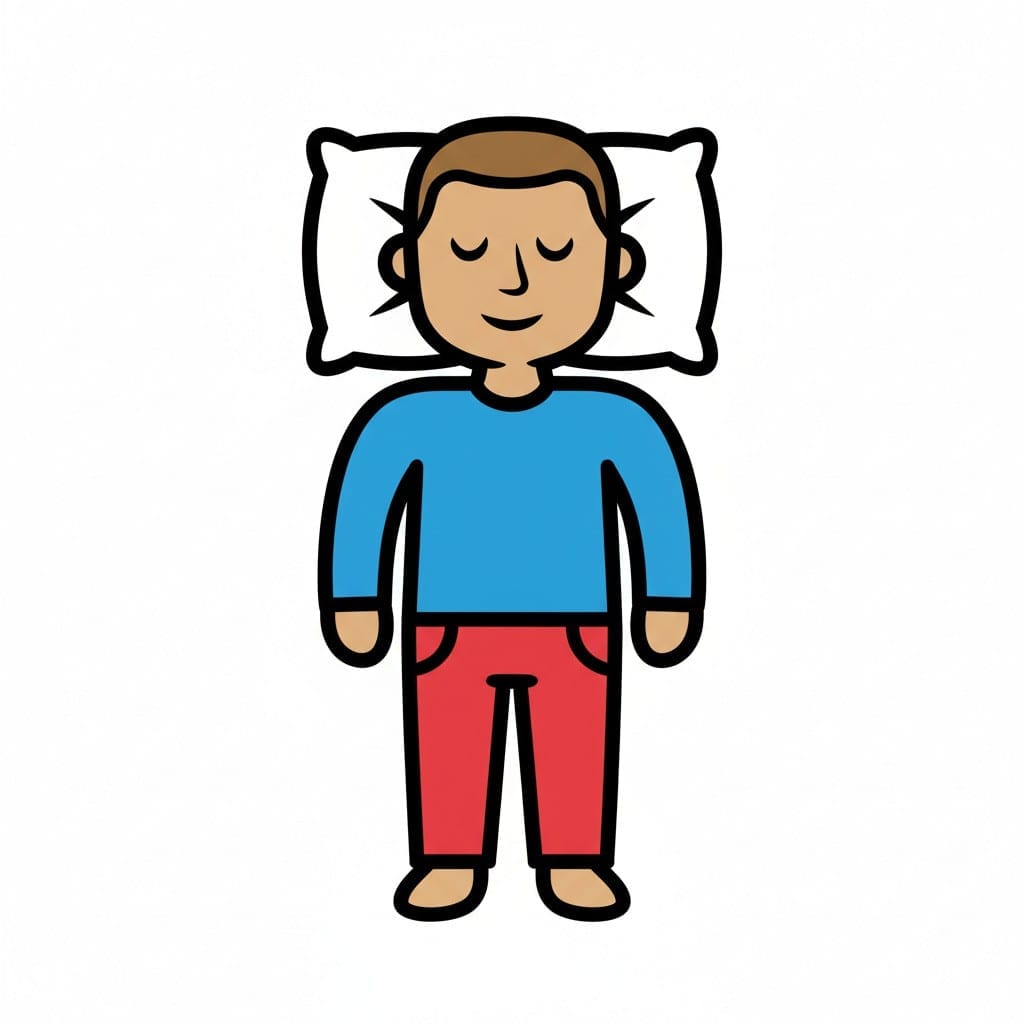 ♂
♂Lie down
A boy is lying down on a pillow with his eyes closed.
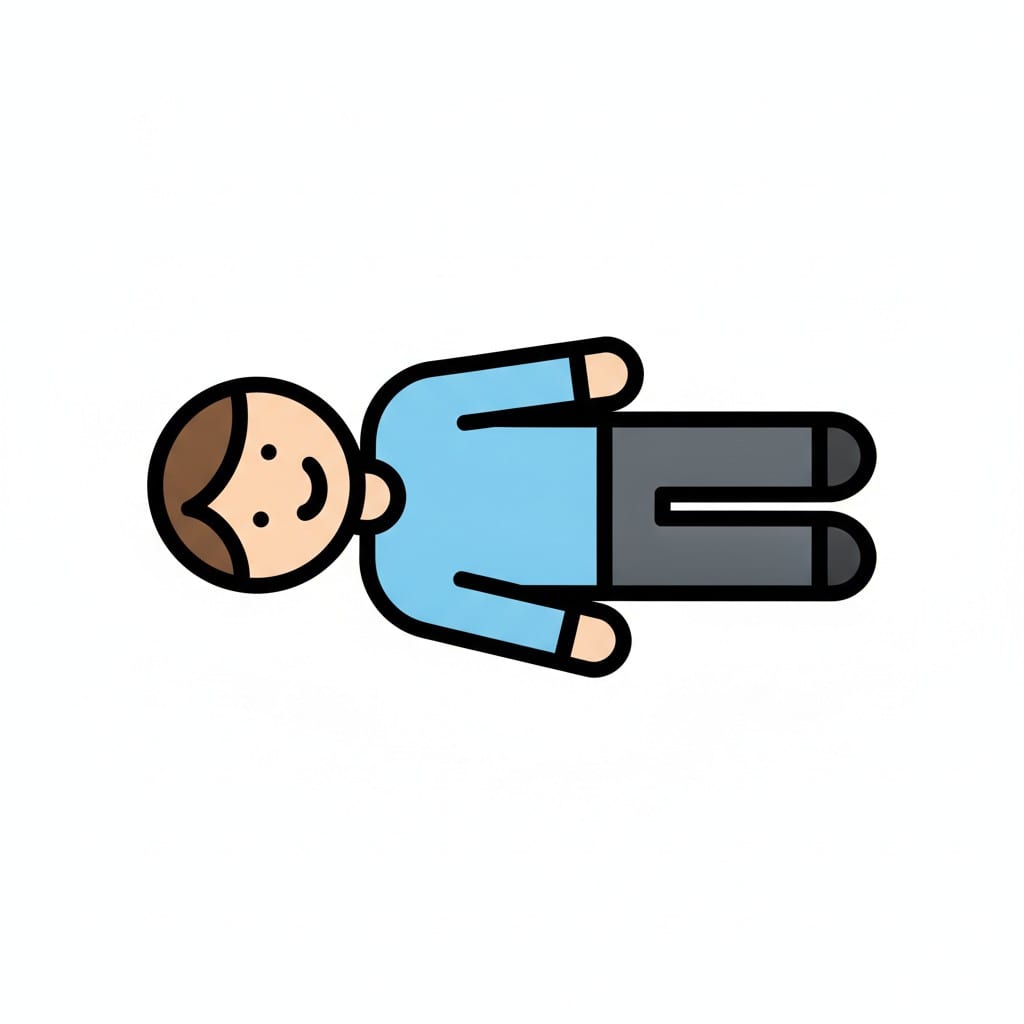 ⚲
⚲Lying down
A child lies flat on their back.
About this visual support
Lying down isn't one decision, it's a sequence of small step-downs. Legs stop swinging, shoulders drop, breath slows. Many children manage to physically get into bed, but the body still wants to keep going. The evening fills up with small journeys: a glass of water, one more cuddle, a question that has to be asked right now.
Visual support turns the wind-down into a visible sequence rather than a vague instruction. Under the covers, soft toy beside the pillow, eyes closed, breathing slow. When the steps exist on the outside, the child doesn't have to construct them from the inside, which is the very thing that's hard when tiredness and over-arousal collide.
One practical tip: pair each picture with a very small physical action, not a feeling. Not relax, but let the shoulders sink toward the mattress. Not calm down, but take three long breaths. Then the body has something to do, and the stillness arrives on its own. If you'd like the whole evening routine as a string of pictures on a phone, Routined is free to try for fourteen days.
Use this image in a schedule
Build your own visual schedule with this image and download it as a print-ready PDF. Completely free.
More similar visual supports
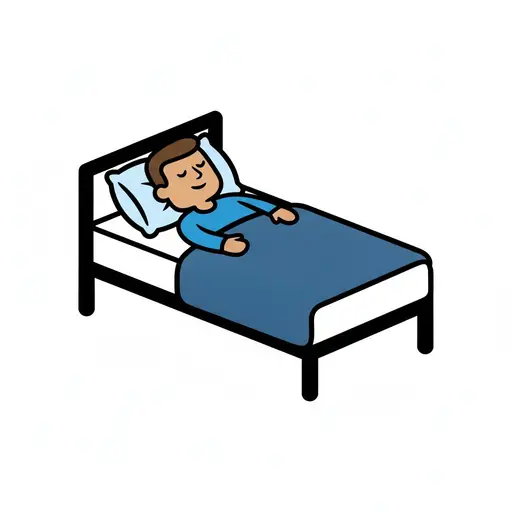
Lie in bed
A boy lies resting in bed under a blue blanket.
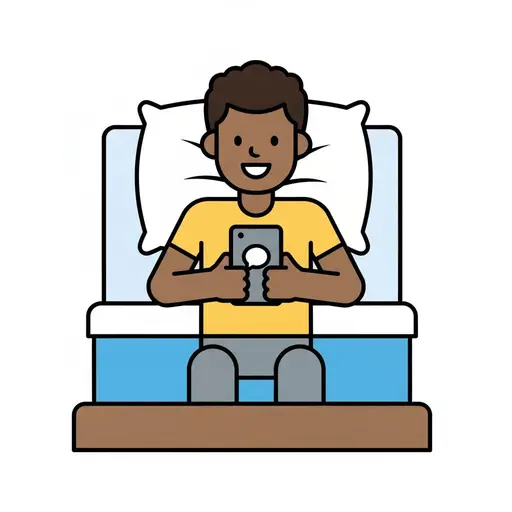
Phone in bed
A boy sits up in bed against his pillow, holding a phone with both hands.
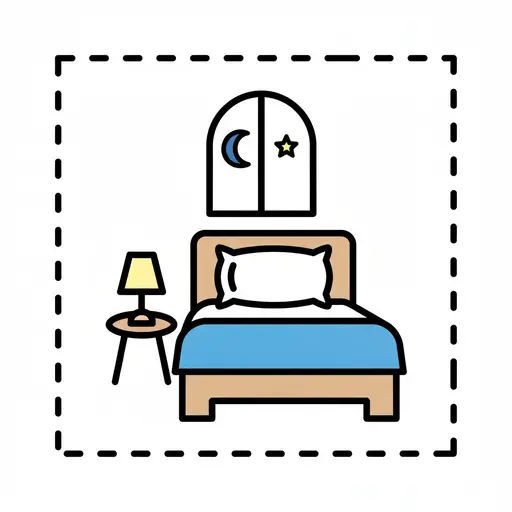
Bedroom
A bedroom scene with a made bed, a bedside table with a lamp, and a window showi...
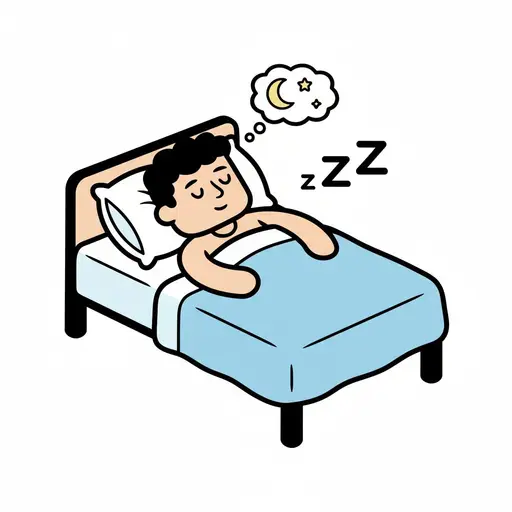
In Bed Quiet Time
A boy lies in a bed under a blue blanket with a thought bubble showing a moon an...
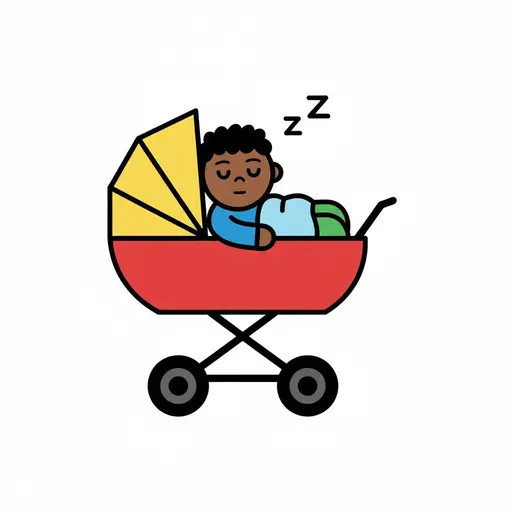
Nap in the stroller
A child sleeping inside a red stroller with the yellow sun canopy raised and two...
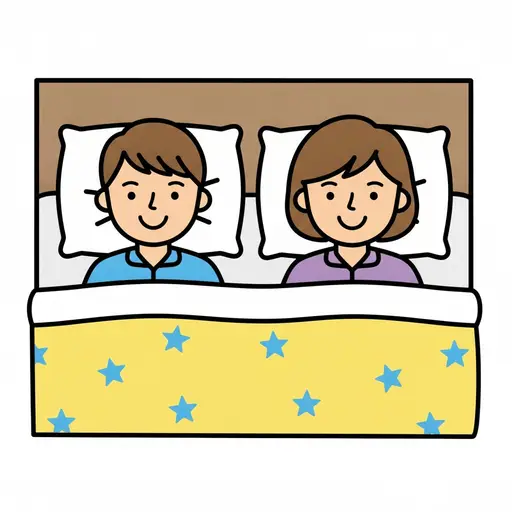
Go to bed with mom
A child and mom lie next to each other in a bed with a yellow duvet with stars.
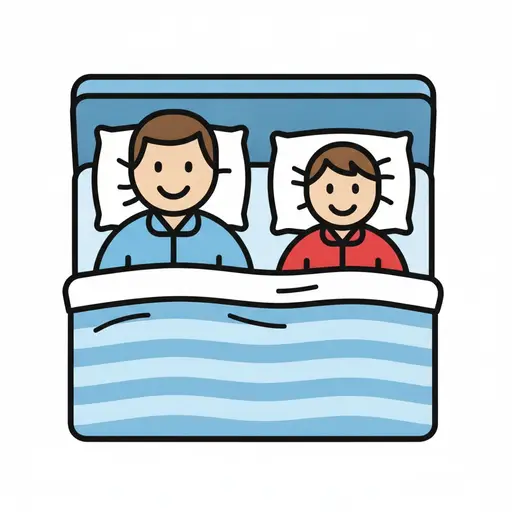
Go to bed with dad
Dad and a child lie next to each other in a bed with a duvet and pillows.
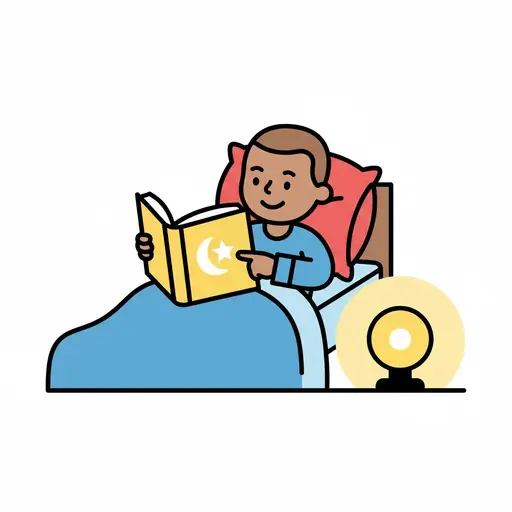
Story time
A boy is lying in bed reading a yellow book. A bedside lamp with a warm glow is ...
This visual support in other languages
Take the visual supports with you
In Routined you build schedules from these pictures, add timers and voice instructions, and your child follows the day on their own.


* 14-day free trial, then $2.39 a month or $20.99 a year (US pricing). Cancel anytime.