Lie in bed
Once the head hits the pillow the day is not always over for the brain. It is still scanning for sound, light, a last conversation — and without a clear closing signal the body refuses to land. The visual support below provides that signal.
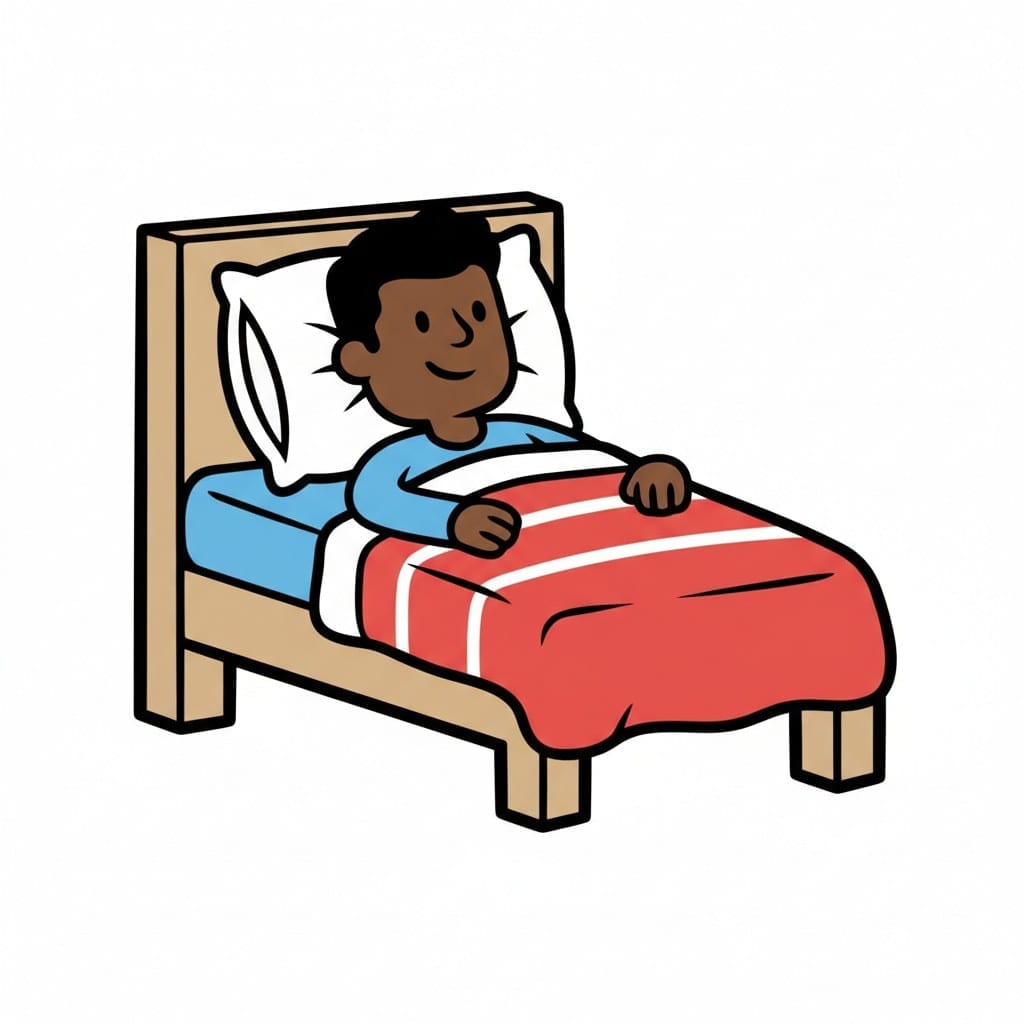 ♂
♂Lie in bed
A boy in bed under a red and blue blanket, smiling calmly.
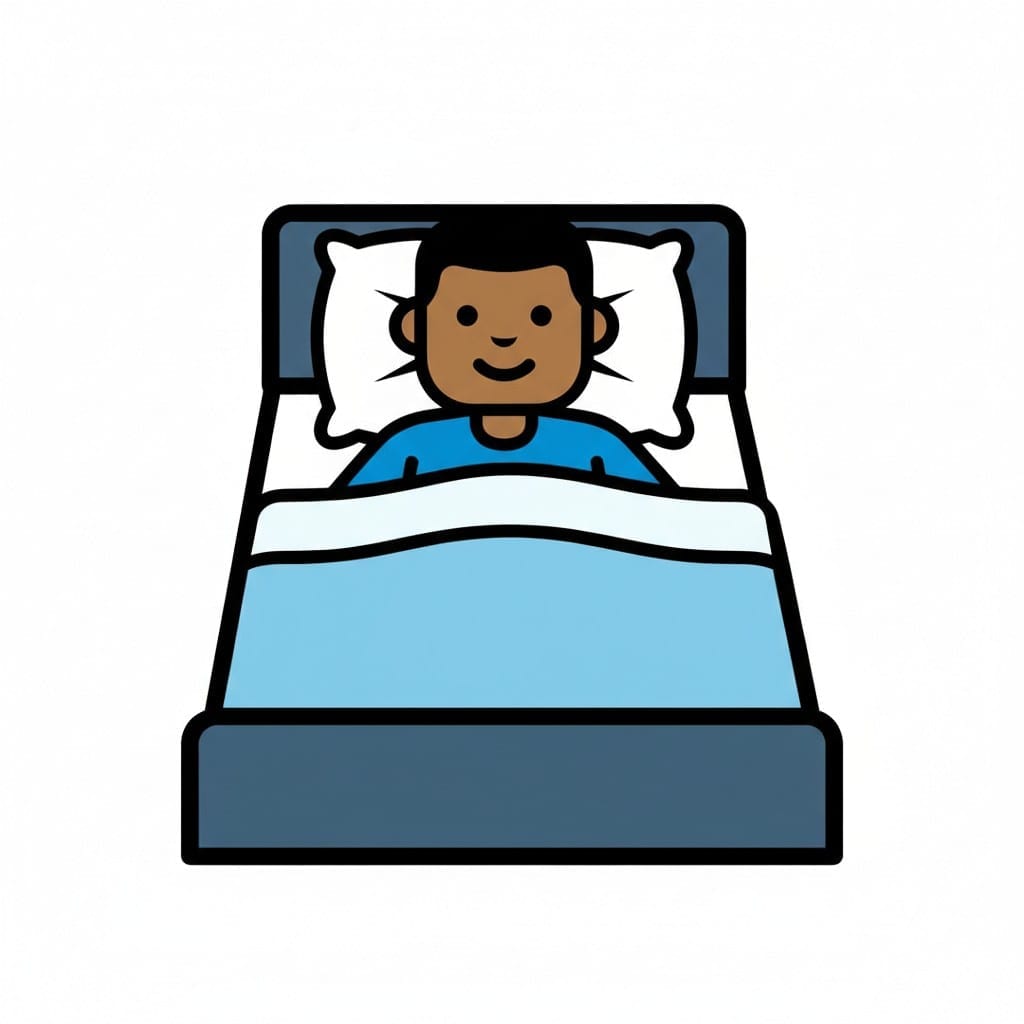 ♂
♂Tucked in bed
A boy lying in a bed with two pillows and a blue blanket.
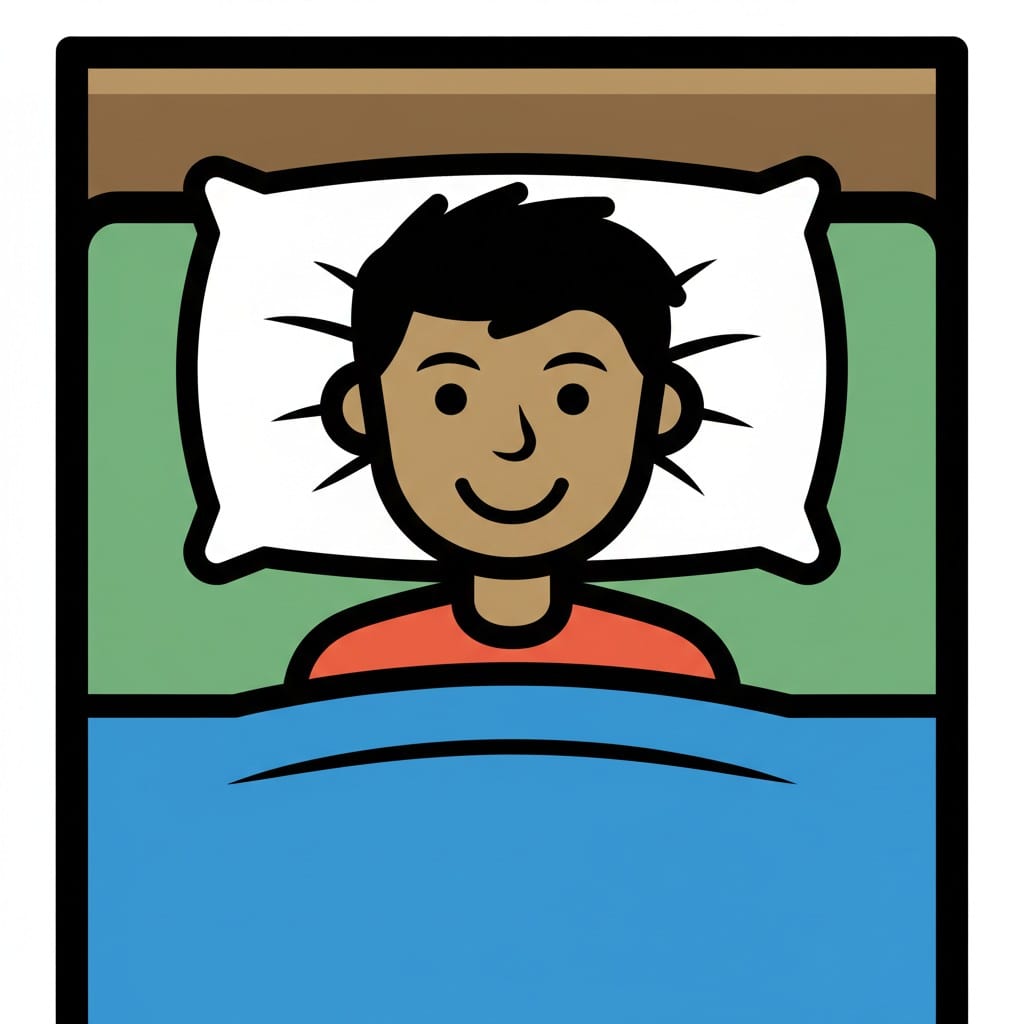 ♂
♂Resting on the pillow
Close-up of a boy's face on a pillow in bed.
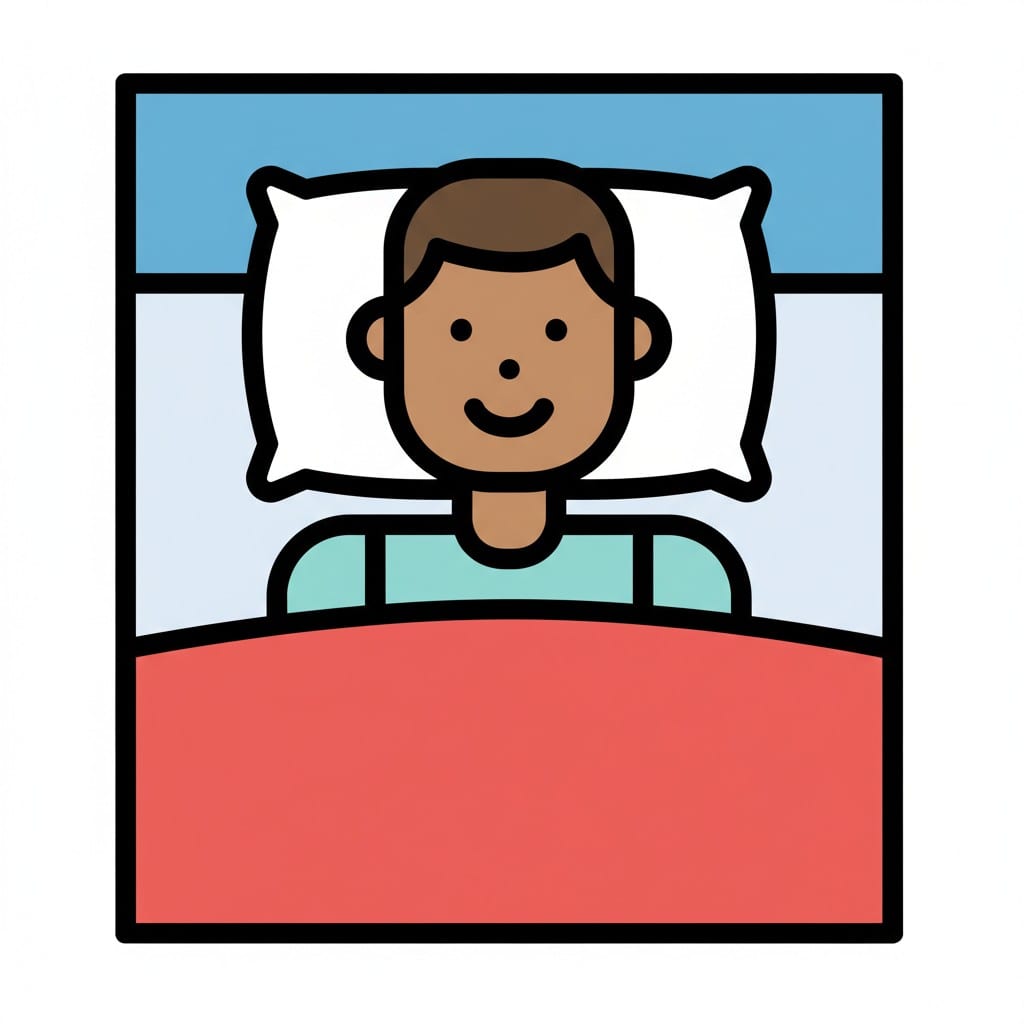 ♂
♂Bedtime
A boy resting with his head on the pillow in bed.
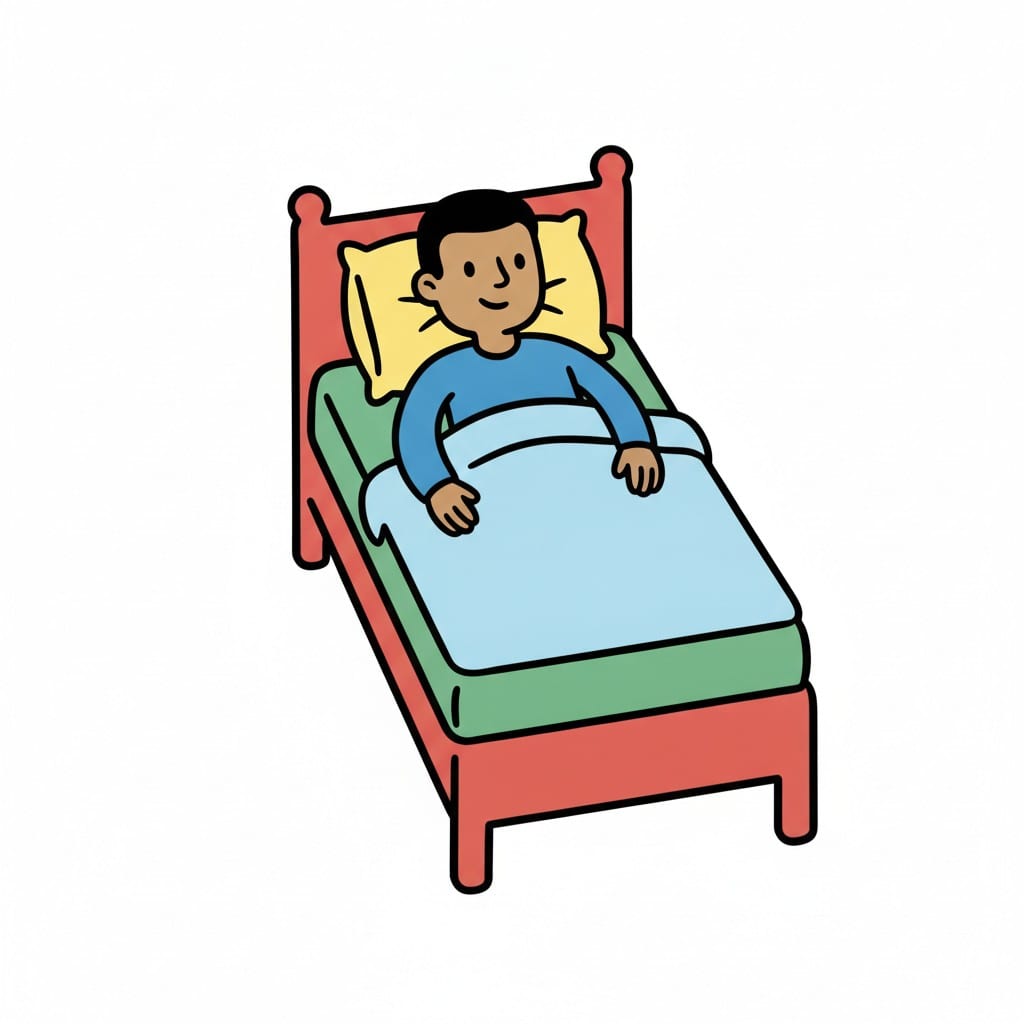 ♂
♂Lying in bed
A child lies in bed under a blue blanket.
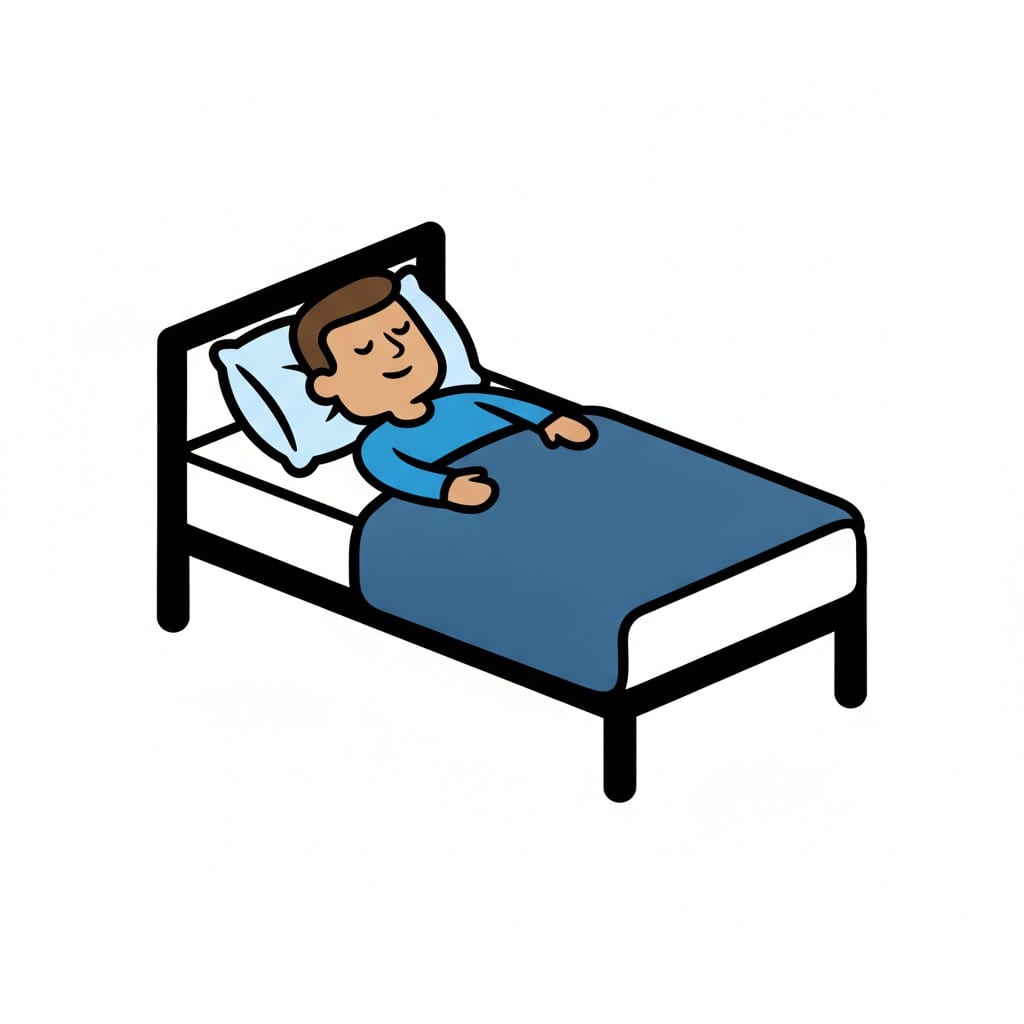 ♂
♂Resting in bed
A boy lies resting in bed under a blue blanket.
About this visual support
Sleep does not come automatically the moment the head lands on the pillow. It comes when the brain receives a signal that nothing new is happening, that the day's events are wrapped up, and the moment is now only about being still. For many children that signal is the missing piece — the body is tired, but the mind is still on the day's rhythm.
The visual support acts as a visual full stop. When the picture of lying in bed is the last thing the child sees before the light goes out, it functions as a closing marker: before the picture, things happened; after the picture, nothing more. For a brain that would otherwise miss that the day is over, the picture becomes the actual ending.
One concrete tip: place the picture where the child already looks — on the foot of the bed, by the lamp switch, above the pillow. It does not need to be spoken, only seen. And in a longer evening sequence — shower, pyjamas, brush, read, lie down — it works as the last check in the row. If you want to build the whole evening so the child can follow it alone, you can string the visual supports together in Routined.
Use this image in a schedule
Build your own visual schedule with this image and download it as a print-ready PDF. Completely free.

More similar visual supports
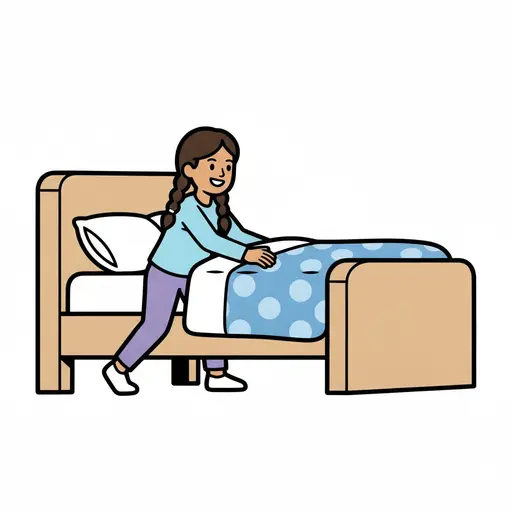
Get Into Bed
A girl gets into bed under a spotted duvet.
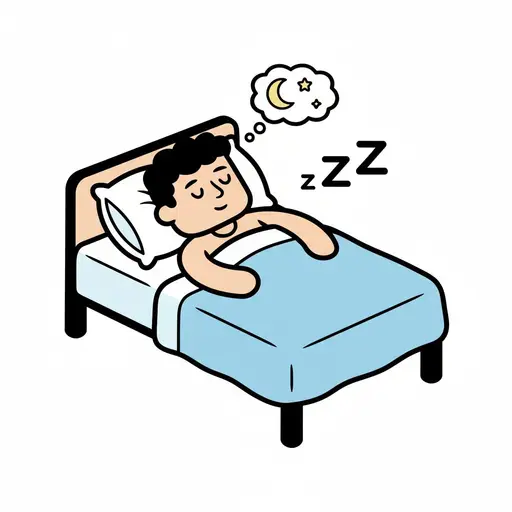
In Bed Quiet Time
A boy lies in a bed under a blue blanket with a thought bubble showing a moon an...
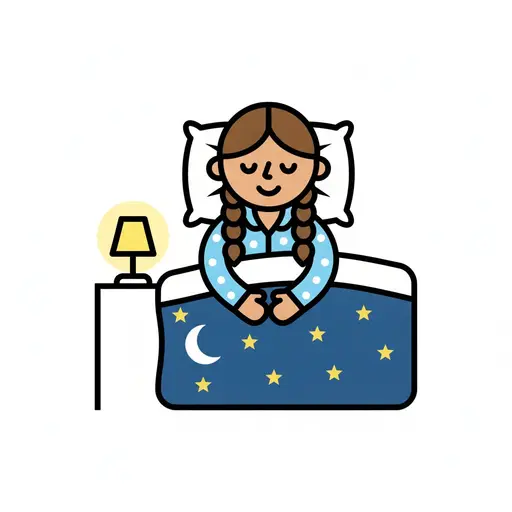
Pyjamas at bedtime
A girl in spotted pyjamas sits in bed with her eyes closed while the bedside lam...
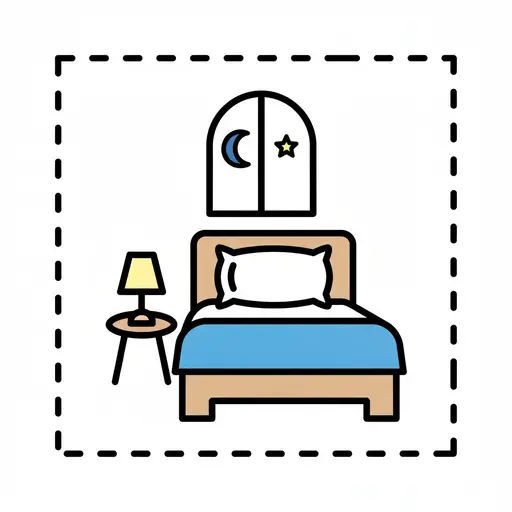
Bedroom
A bedroom scene with a made bed, a bedside table with a lamp, and a window showi...
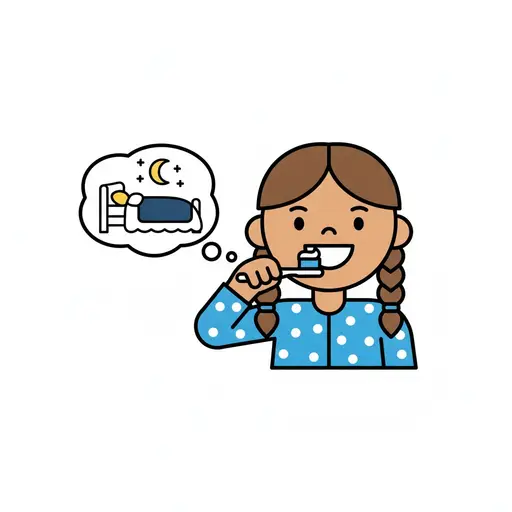
Get ready for bed
A girl in spotted pyjamas brushes her teeth while a thought bubble shows a bed u...
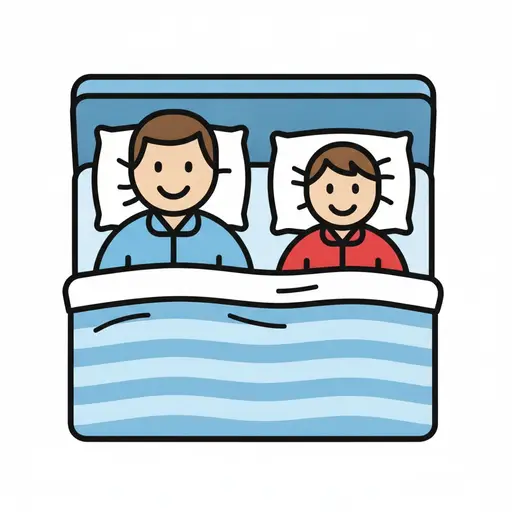
Go to bed with dad
Dad and a child lie next to each other in a bed with a duvet and pillows.
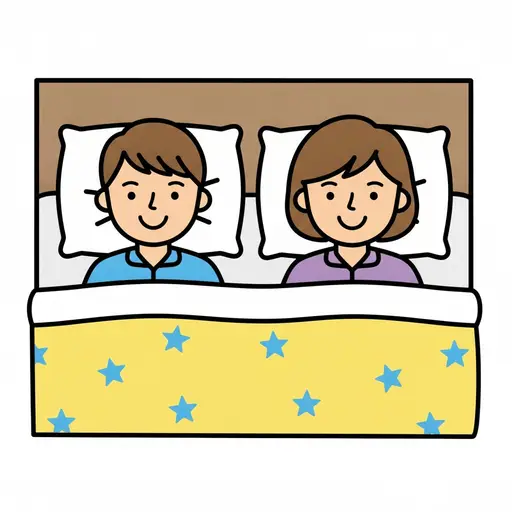
Go to bed with mom
A child and mom lie next to each other in a bed with a yellow duvet with stars.
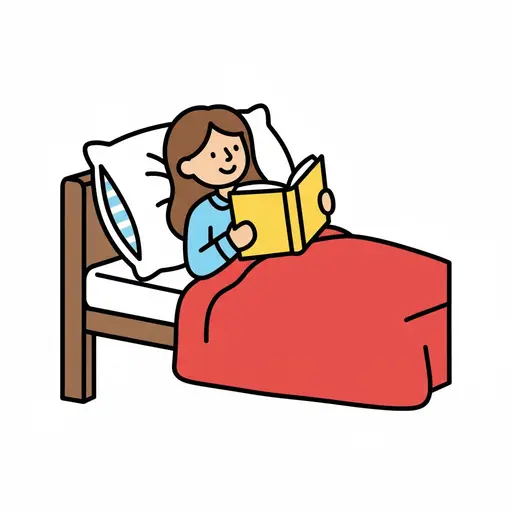
Goodnight Story
A girl sits up in bed reading a book while thinking of the moon and stars.
Take the visual supports with you
In Routined you build schedules from these pictures, add timers and voice instructions, and your child follows the day on their own.


* 14-day free trial, then $2.39 a month or $20.99 a year (US pricing). Cancel anytime.