Lights out
The moment the light goes off, some children get more wired, not less. The quiet itself feels loud. The visual support below holds a calm order they can follow when stillness alone is not enough.
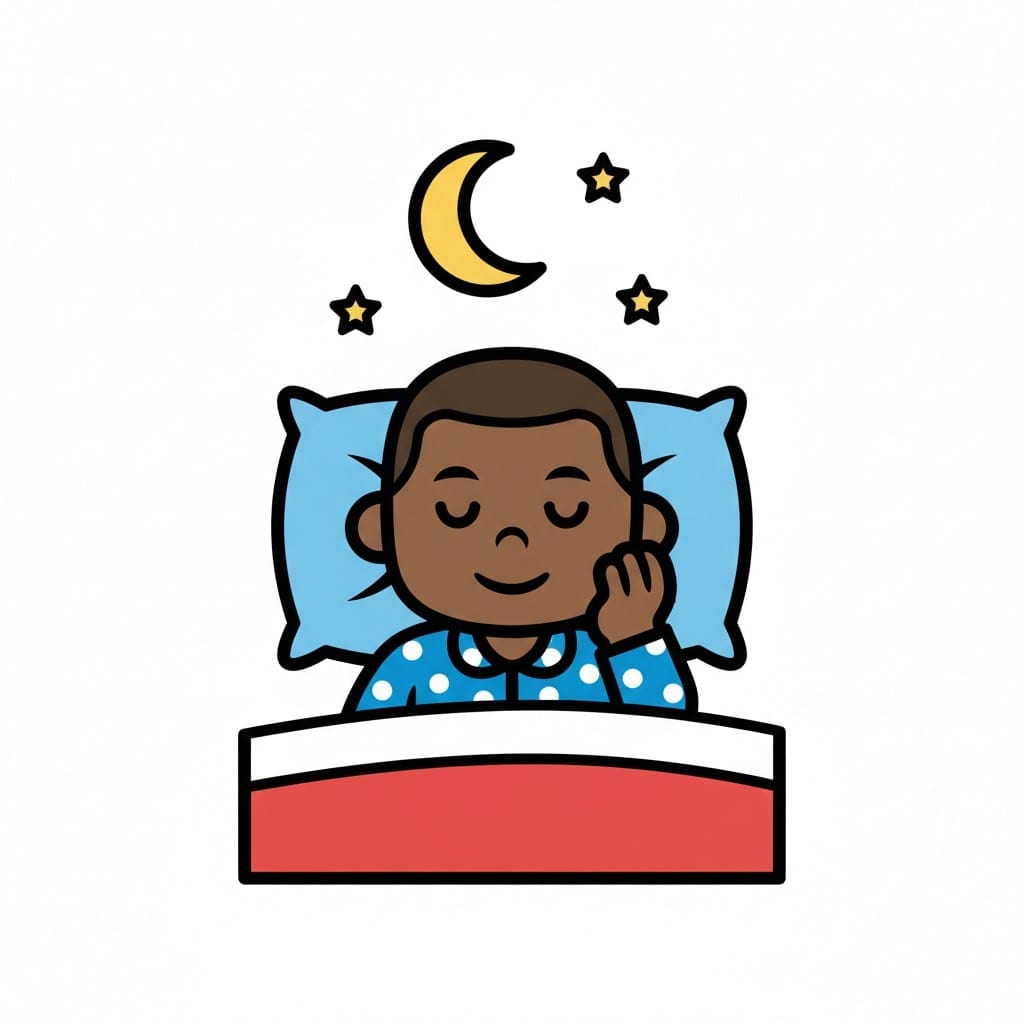 ♂
♂Goodnight
A boy is sleeping peacefully in his bed with a pillow and blanket, under a moon and stars.
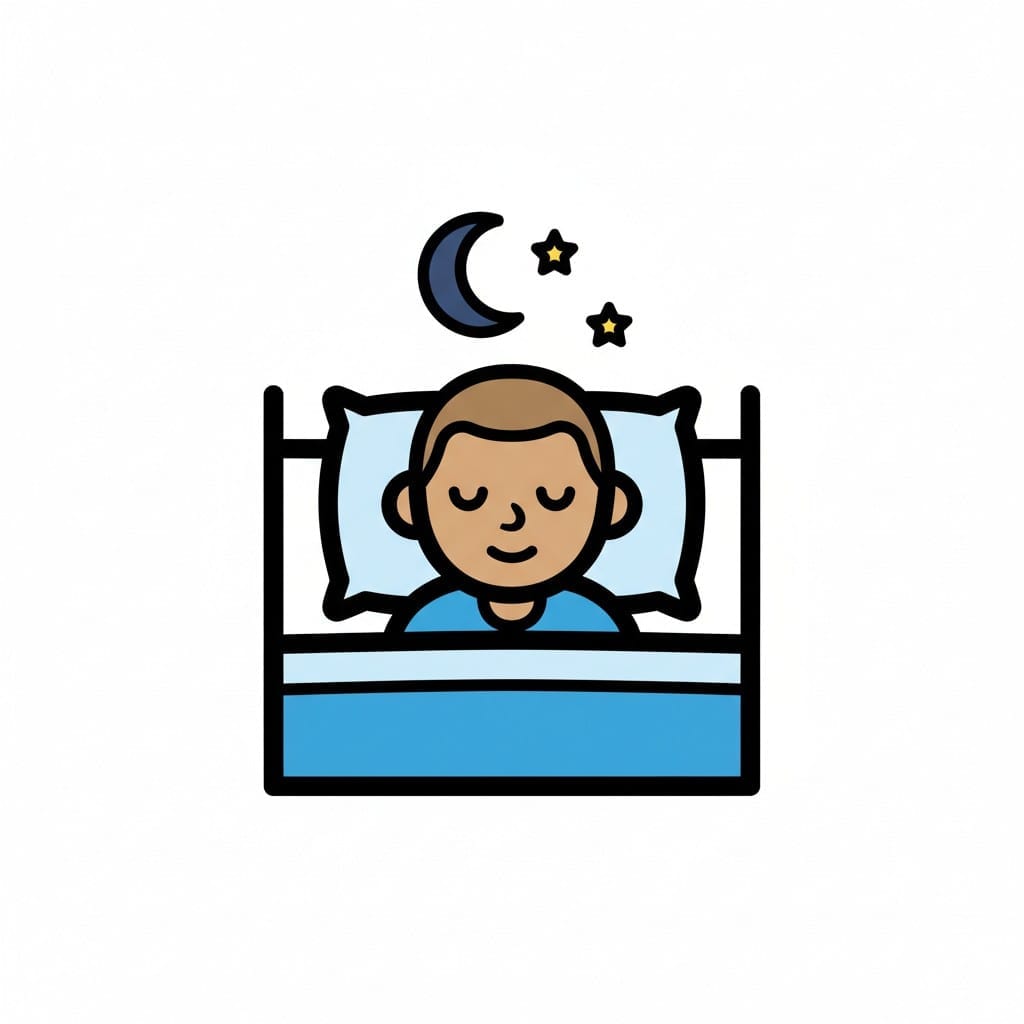 ♂
♂Goodnight
A boy is sleeping in a bed, with a moon and stars above, symbolizing night.
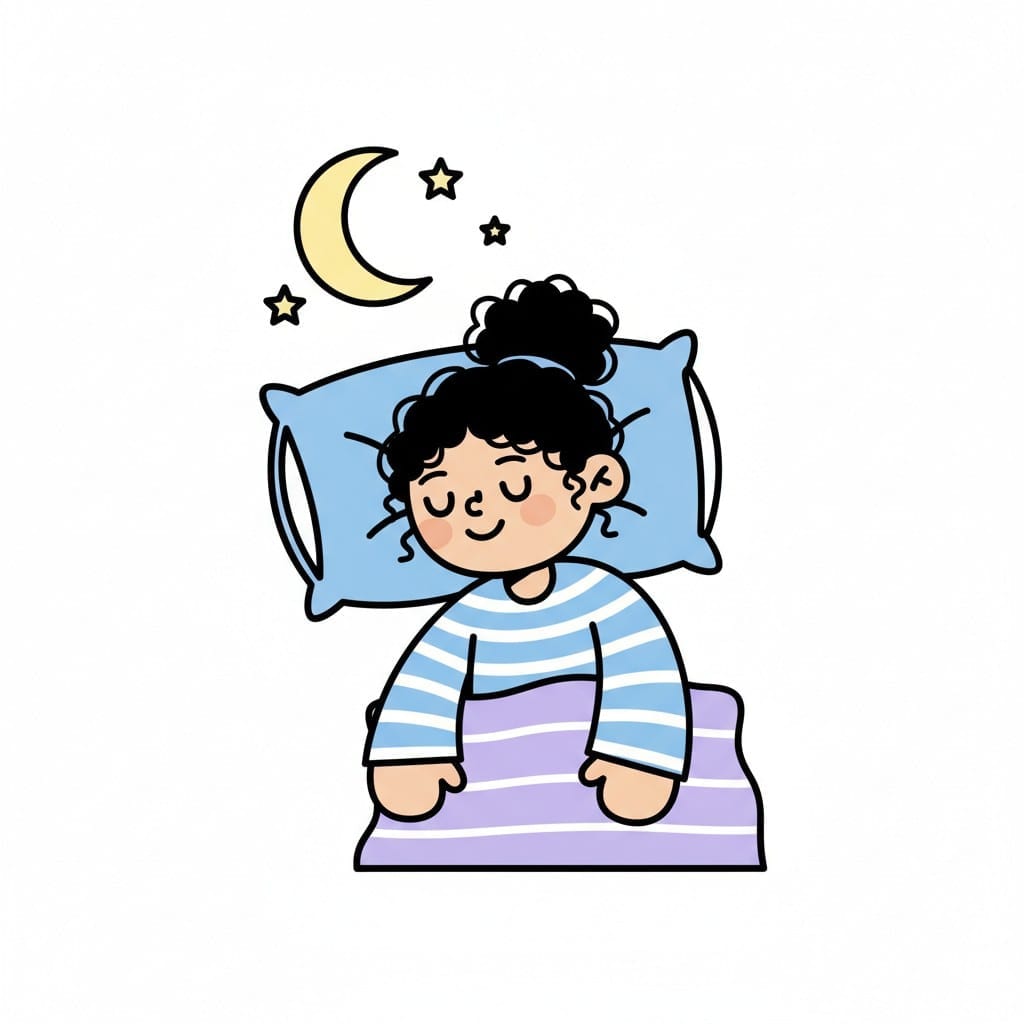 ♀
♀Goodnight
A girl sleeping soundly in bed with a moon and stars above her head.
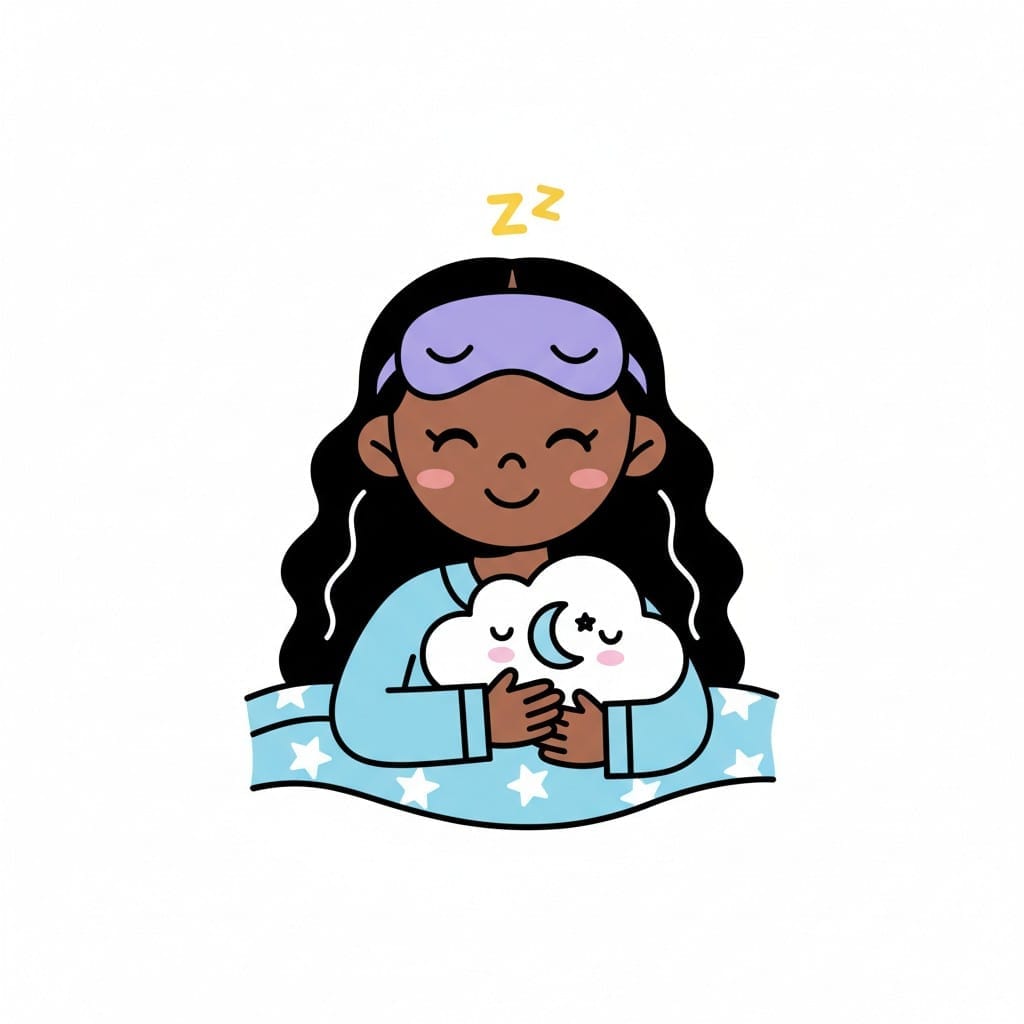 ♀
♀Goodnight
A girl wearing a sleep mask and holding a cloud while sleeping in bed.
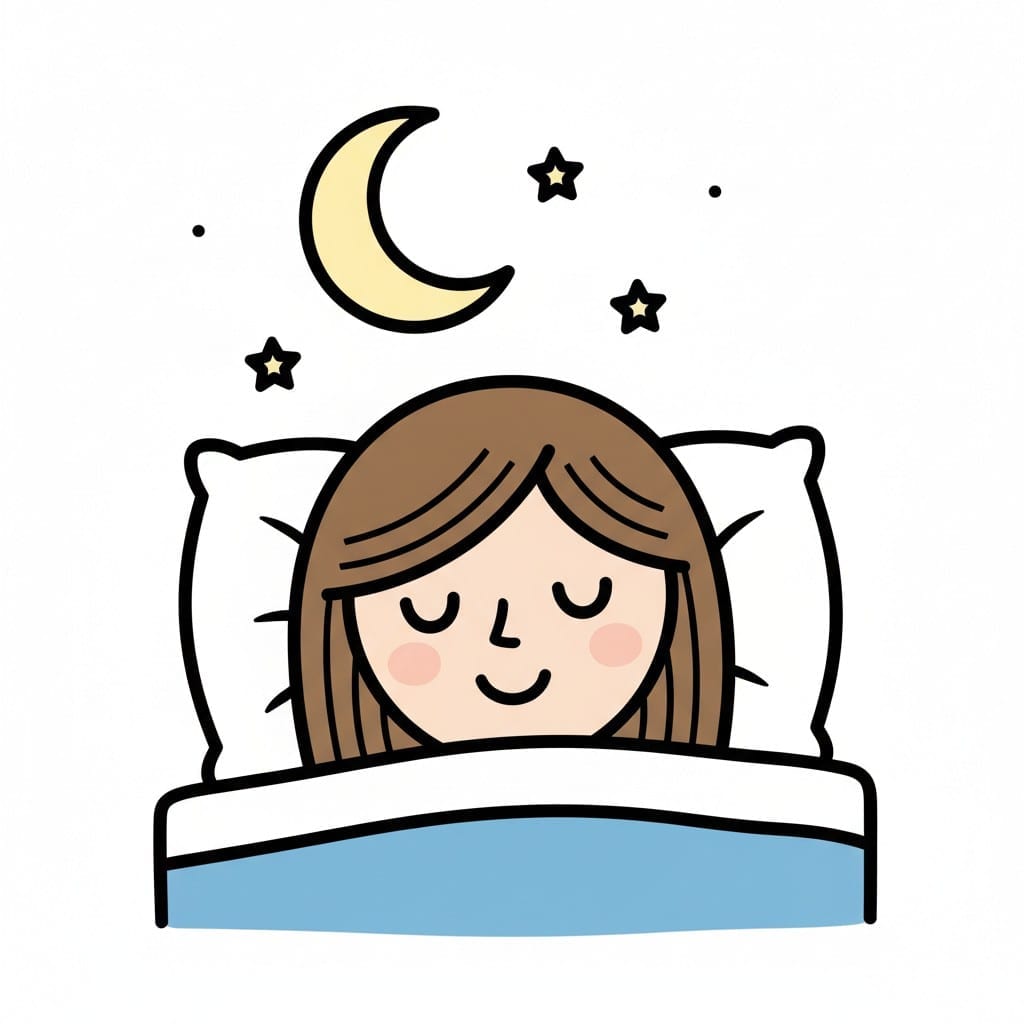 ♀
♀Girl asleep between two pillows
Between two white pillows, a girl with long brown hair sleeps peacefully under a blue duvet as a crescent moon and stars shine overhead.
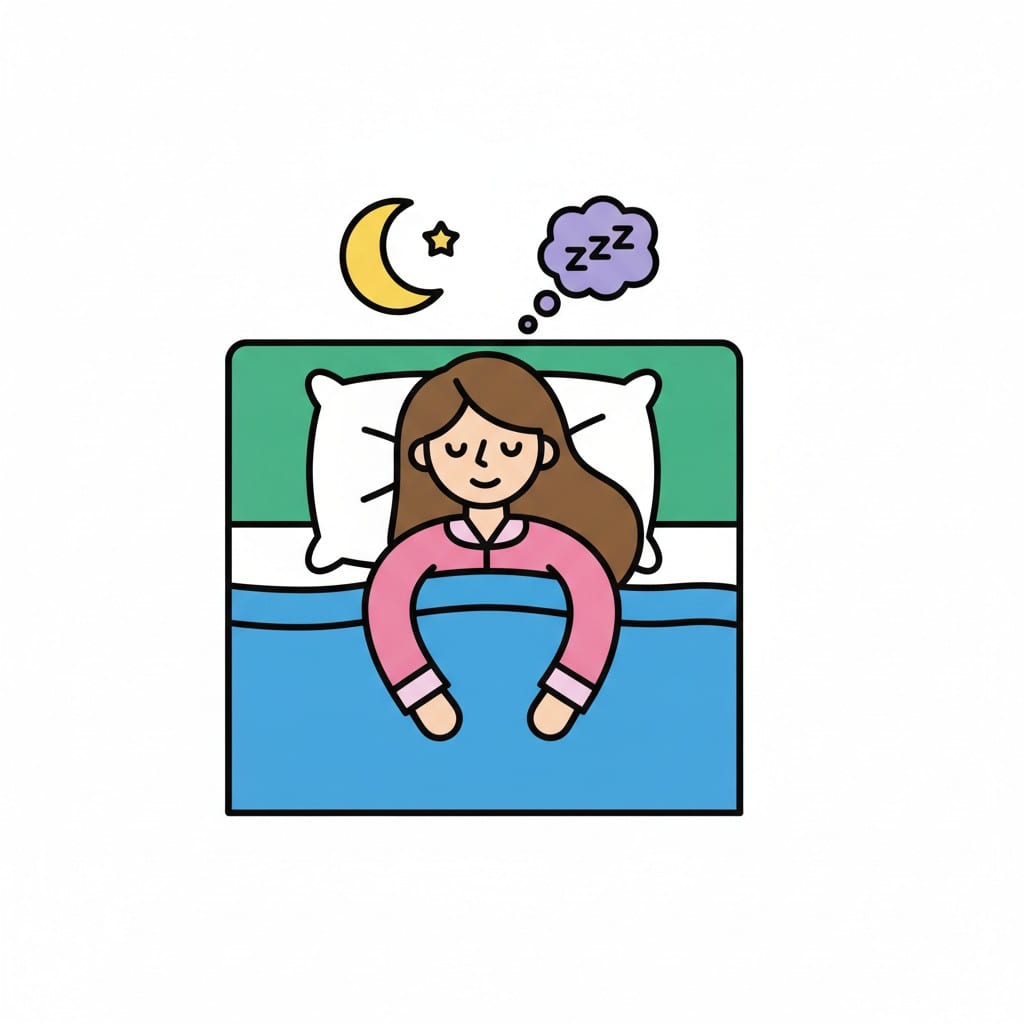 ♀
♀Sleeping soundly
A girl sleeps in her bed with a moon, a star and a zzz bubble above her.
About this visual support
Winding down is a paradox. The routine is meant to lower the activity level, yet for many children it is the quiet itself that turns the volume up inside their head. As talk, play and background noise fade, thoughts get louder and the body starts hunting for something to do. Bedtime needs an architecture of its own, not just a switched-off lamp.
A visual support gives that architecture. When the child can see that pyjamas come first, then water, then teeth, then a short song and finally the dark room, the silence has somewhere to land. The brain stops scanning for the next input because the next input is already on the wall.
One practical idea: add a small transition card right before the lights go off, something physical like one last look out the window, a slow breath, or a palm placed on the belly. It gives the body a real final step instead of the abstract instruction to go to sleep. If you want to build the whole sequence digitally and let your child tick off each card, you can try the Routined app for fourteen days at no cost.
Use this image in a schedule
Build your own visual schedule with this image and download it as a print-ready PDF. Completely free.
More similar visual supports
Bedtime
A girl with long wavy hair sleeps peacefully in her bed under a white duvet, wea...
Go to sleep
A girl sleeps with her eyes closed under a purple blanket with a moon and stars,...
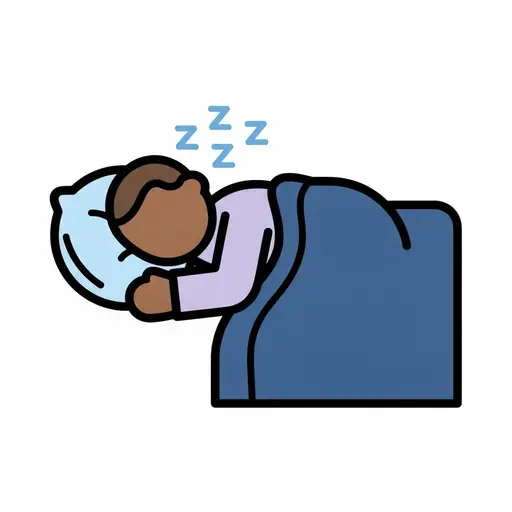
Sleep
A child sleeps with their head on the pillow under a blue blanket, with Z letter...
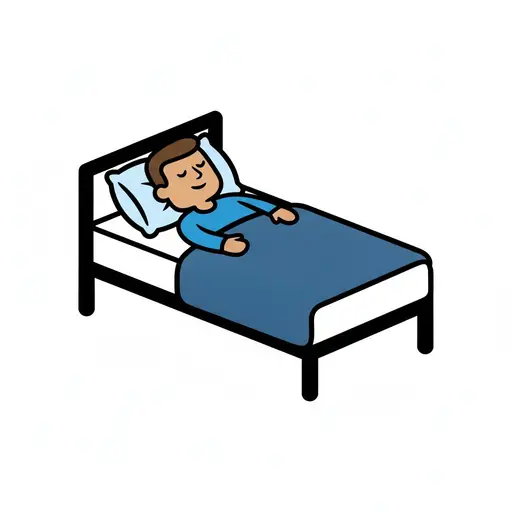
Lie in bed
A boy lies resting in bed under a blue blanket.
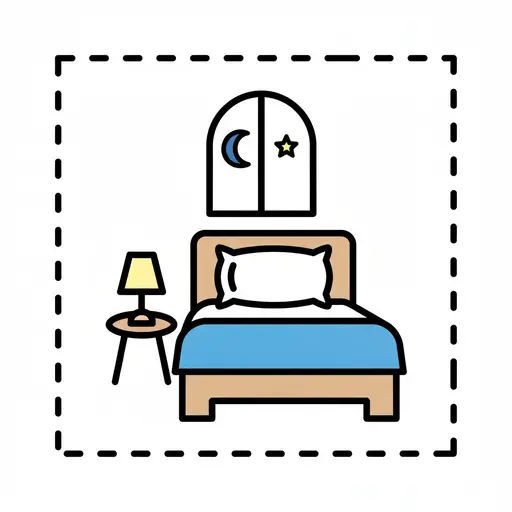
Bedroom
A bedroom scene with a made bed, a bedside table with a lamp, and a window showi...

Night Diaper
A diaper icon with a moon, a star, and 'zzz' symbols, indicating a night diaper.
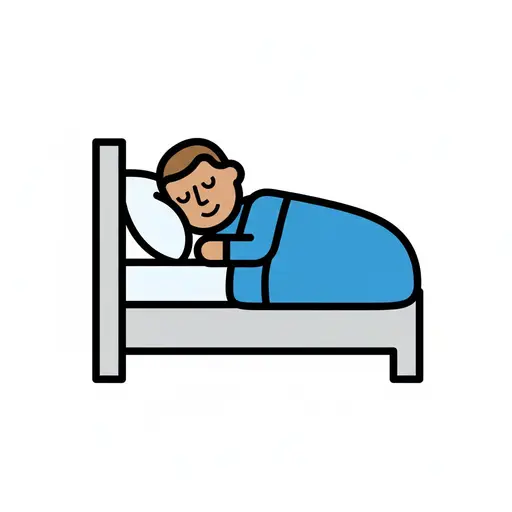
Sleep alone
A person is sleeping peacefully in a bed, covered with a blue blanket.
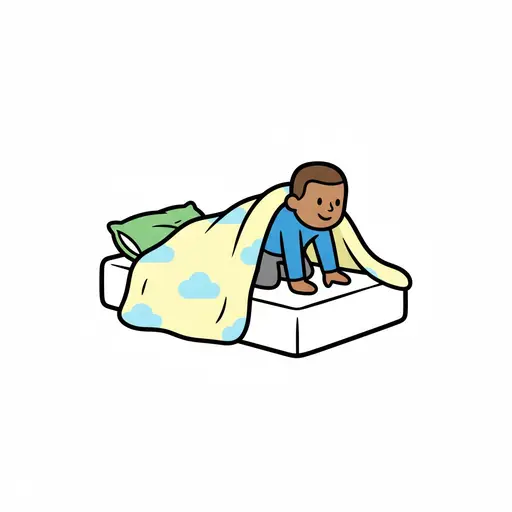
Crawl into bed
A child crawls under the duvet in bed.
This visual support in other languages
Take the visual supports with you
In Routined you build schedules from these pictures, add timers and voice instructions, and your child follows the day on their own.


* 14-day free trial, then $2.39 a month or $20.99 a year (US pricing). Cancel anytime.