Cards and pasta
One hand holds the cards, the eyes count colours, the fork rests beside the plate – and the pasta is slowly cooling between turns. Two tasks run in parallel, and the visual support just below helps you switch between them without losing one.
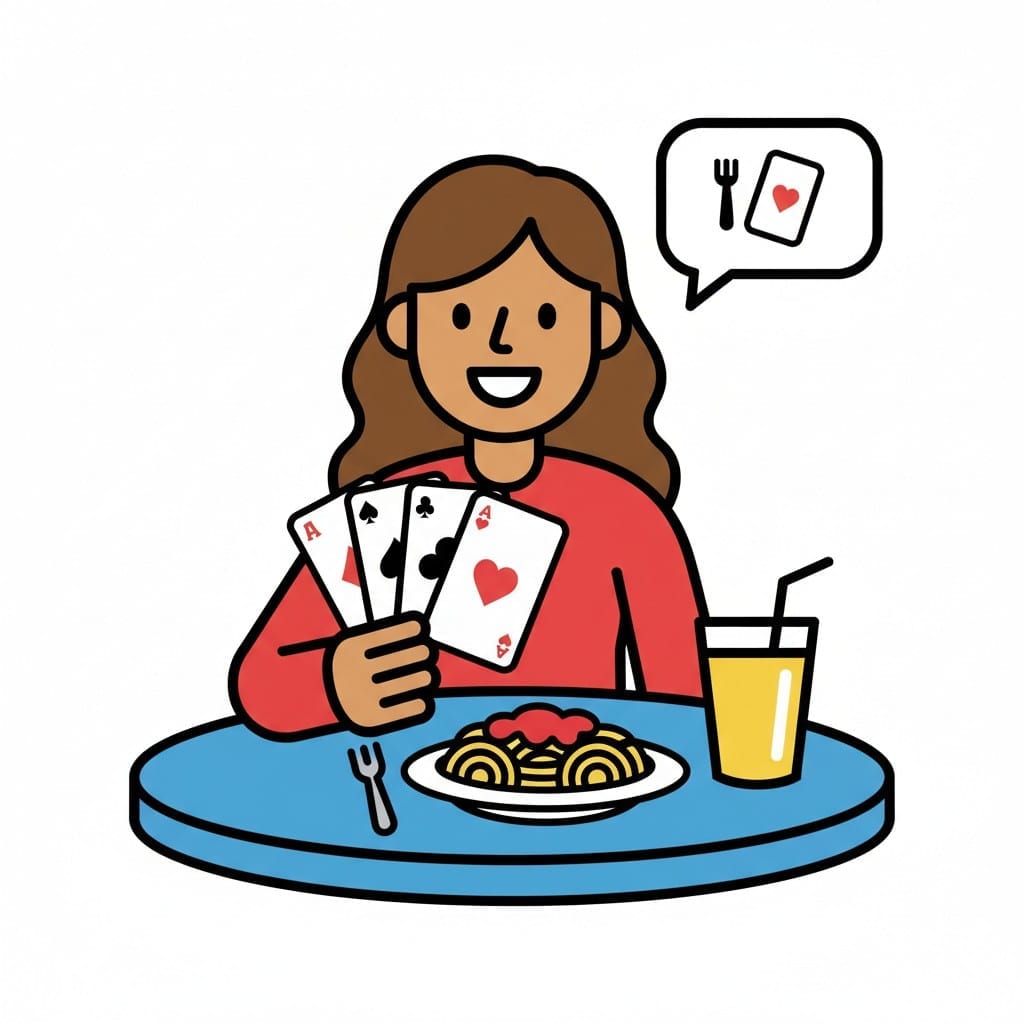 ♀
♀Playing cards with spaghetti
A smiling woman with long brown hair and a red shirt holding a hand of playing cards in front of a blue plate of spaghetti and a glass of juice.
About this visual support
Two things want the brain at once: the game wants you to remember what the last player put down, the meal wants the food actually eaten. For many kids the game wins, because it is concrete and has an opponent waiting – the plate feels more like background. The result is cold pasta, half-finished turns and an adult starting to mutter about dinner.
With visual support for cards and pasta, the parallel becomes visible steps: your move, take a forkful, the opponent, another forkful, sip. It stops being a double task held in the head and turns into a rhythm the eyes can follow. The pasta cools a little less when it is clear when to chew.
A concrete tip: keep the cards slightly off to the side of the plate, not on top, and agree that the fork takes one round after every move. If you want to combine this with a silent timer or a whole meal sequence on screen, you can put it together in Routined and save it for the next pasta night.
Use this image in a schedule
Build your own visual schedule with this image and download it as a print-ready PDF. Completely free.

More similar visual supports
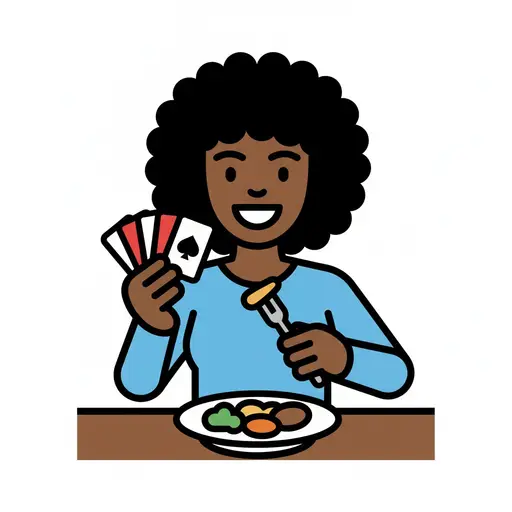
Cards and dinner
A smiling girl with voluminous curly hair holding playing cards in one hand and ...
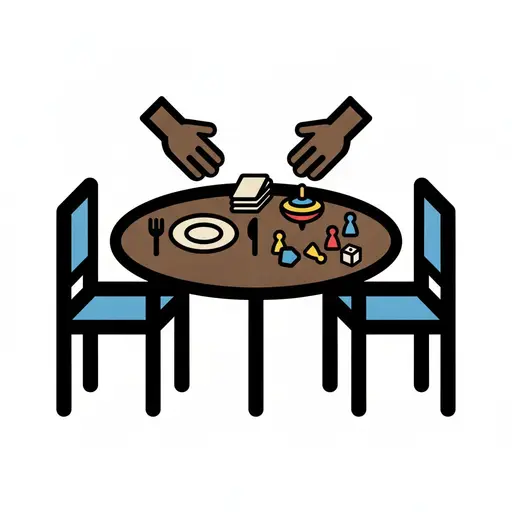
Dinner games
A table with a plate and small game pieces, with hands playing.
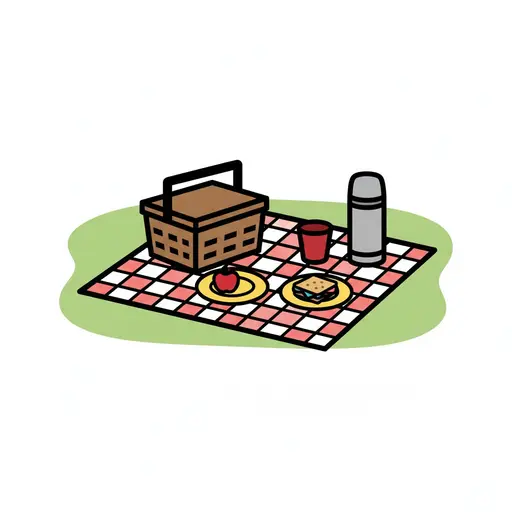
Picnic
A red and white checked picnic blanket on grass with a brown wicker basket, a si...
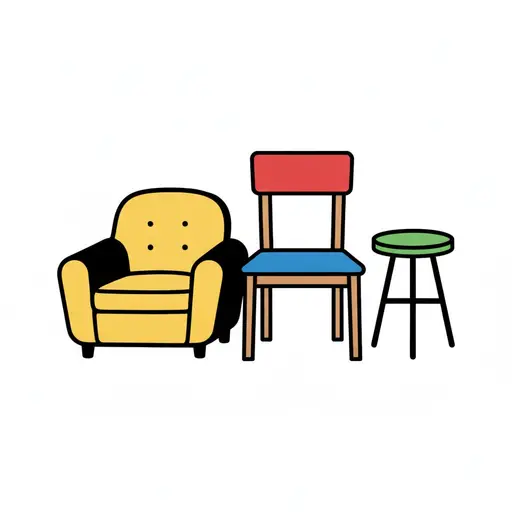
Settle into chair
An armchair, a chair and a stool.
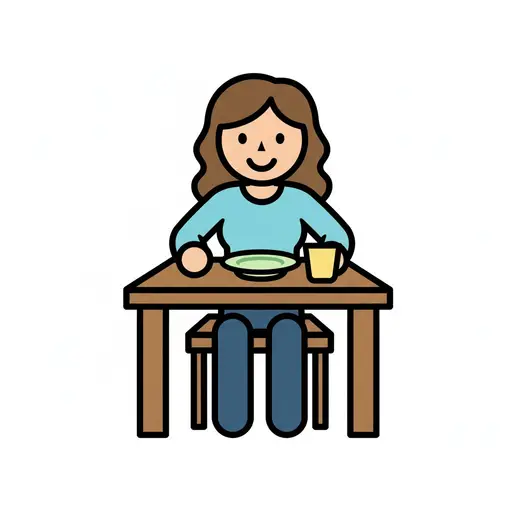
Sit at table
A woman sits at a table with a bowl and a cup.

Sit on chair
A person sits on a yellow chair, smiling.
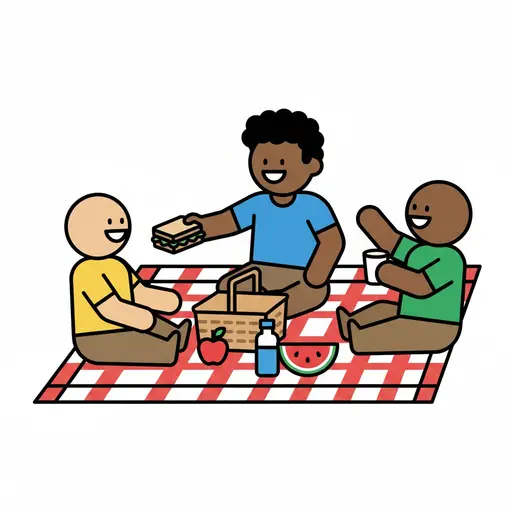
Picnic with friends
A smiling friend handing a sandwich to another friend over a picnic blanket whil...
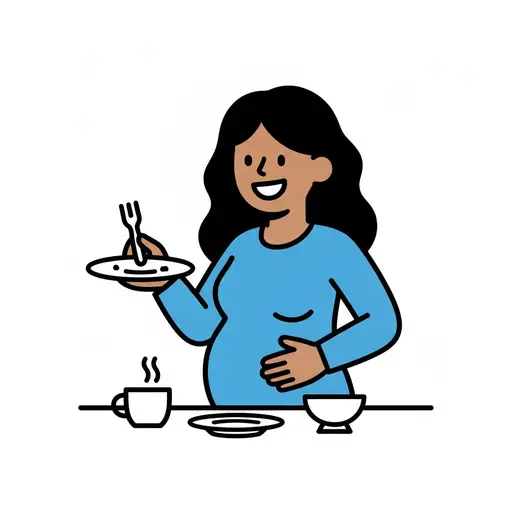
After dinner
A woman holds a plate with a fork and rests a hand on her stomach, with a cup an...
Take the visual supports with you
In Routined you build schedules from these pictures, add timers and voice instructions, and your child follows the day on their own.


* 14-day free trial, then $2.39 a month or $20.99 a year (US pricing). Cancel anytime.