Home snack
Mid-build or mid-game the stomach stays quiet until it suddenly shouts. By then a calm pause is already off the table. The visual support below shows a snack as a short, clear sequence.
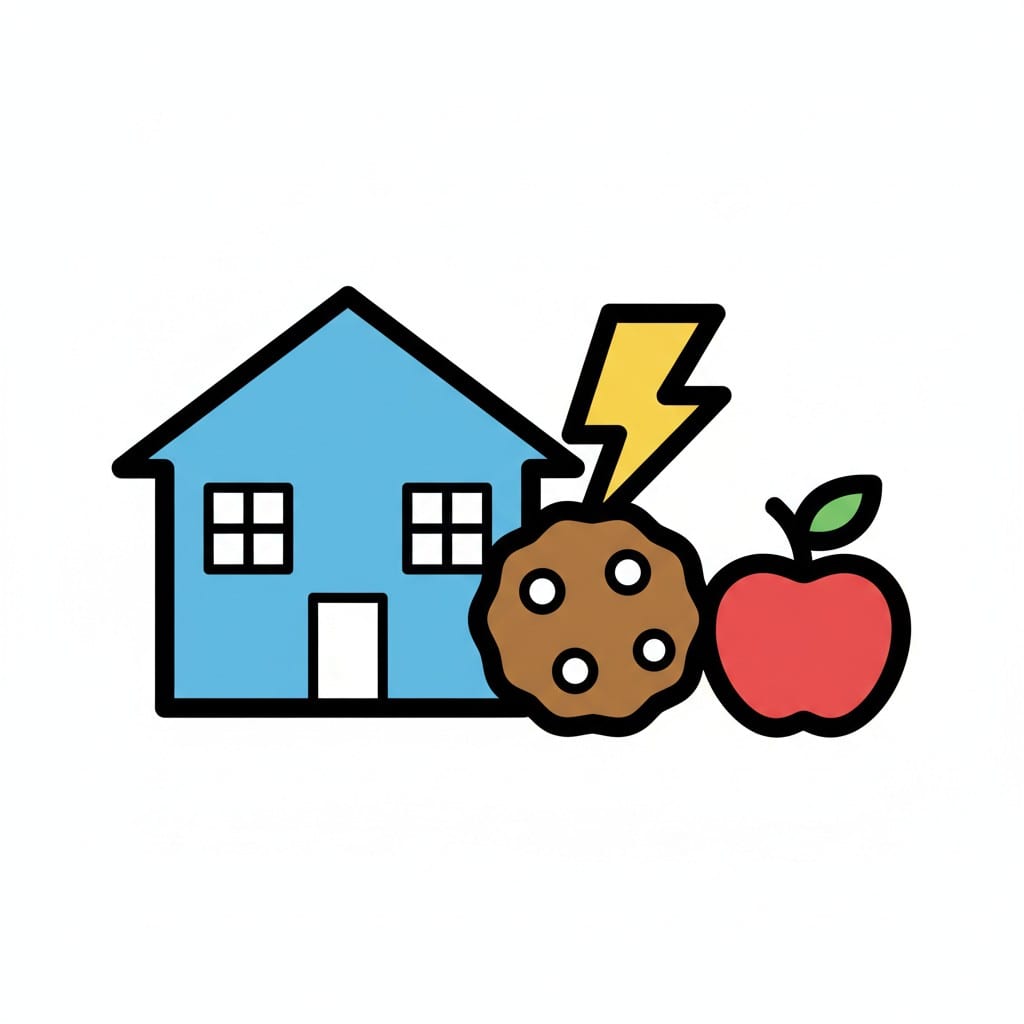
Home snack: cookie, apple
A house next to an apple, a cookie, and a lightning bolt symbol.
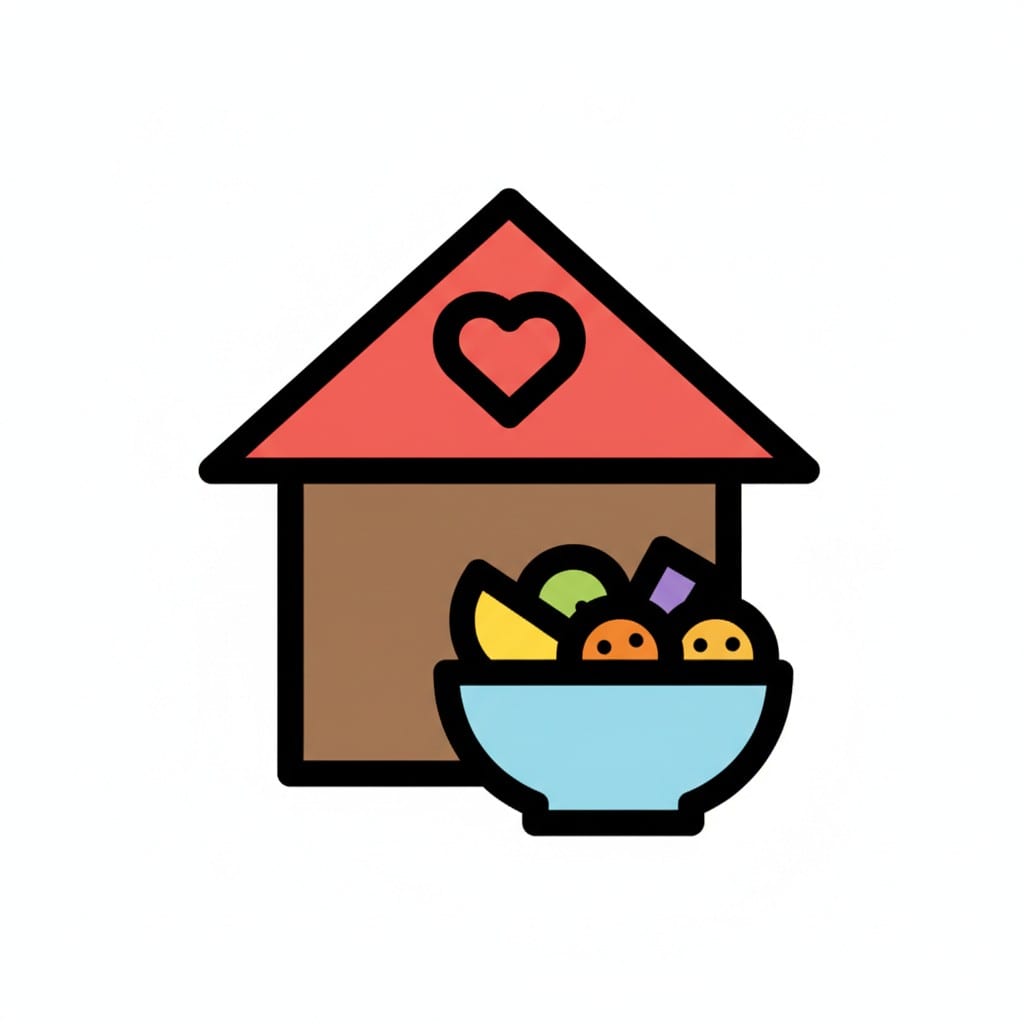
Home snack: fruit bowl
A house with a heart on the roof next to a bowl of fruit.
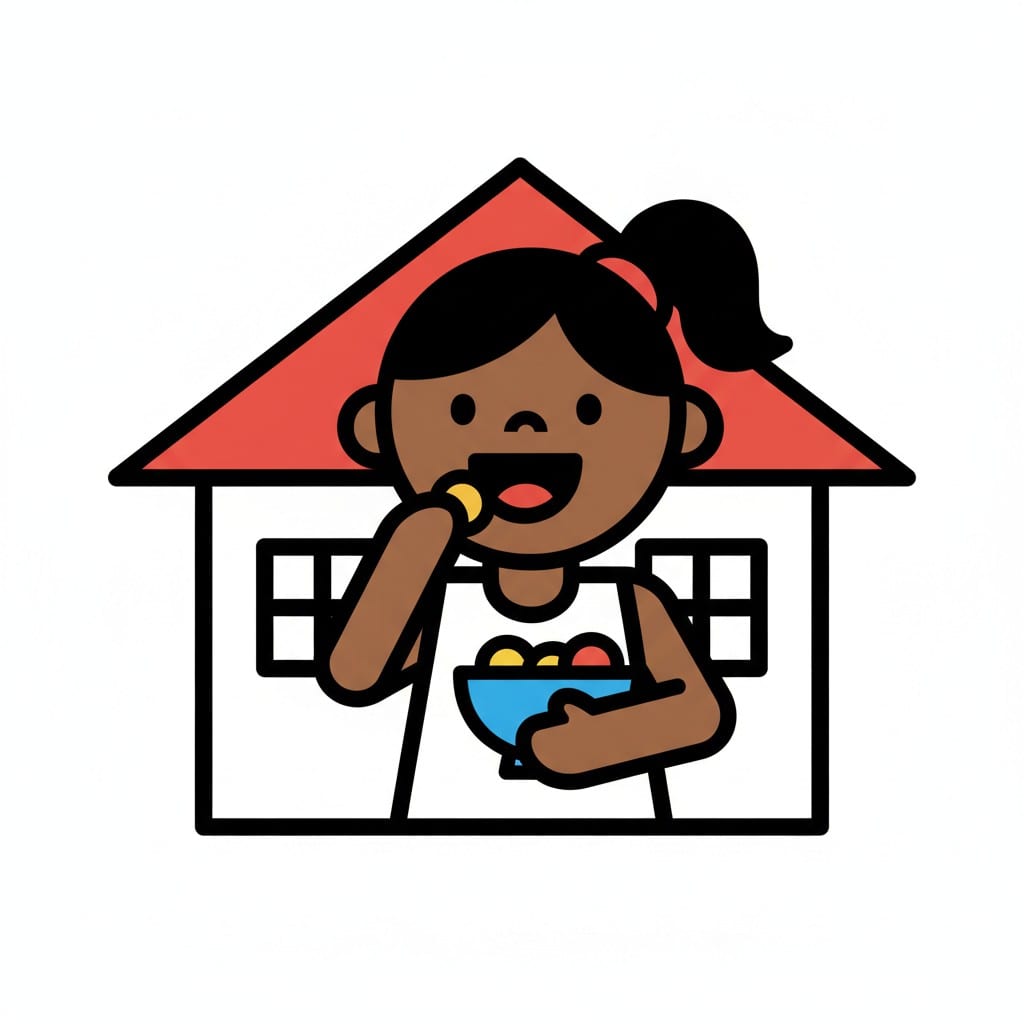 ♀
♀Girl eating home snack
A girl sitting inside a house, eating a snack from a bowl.
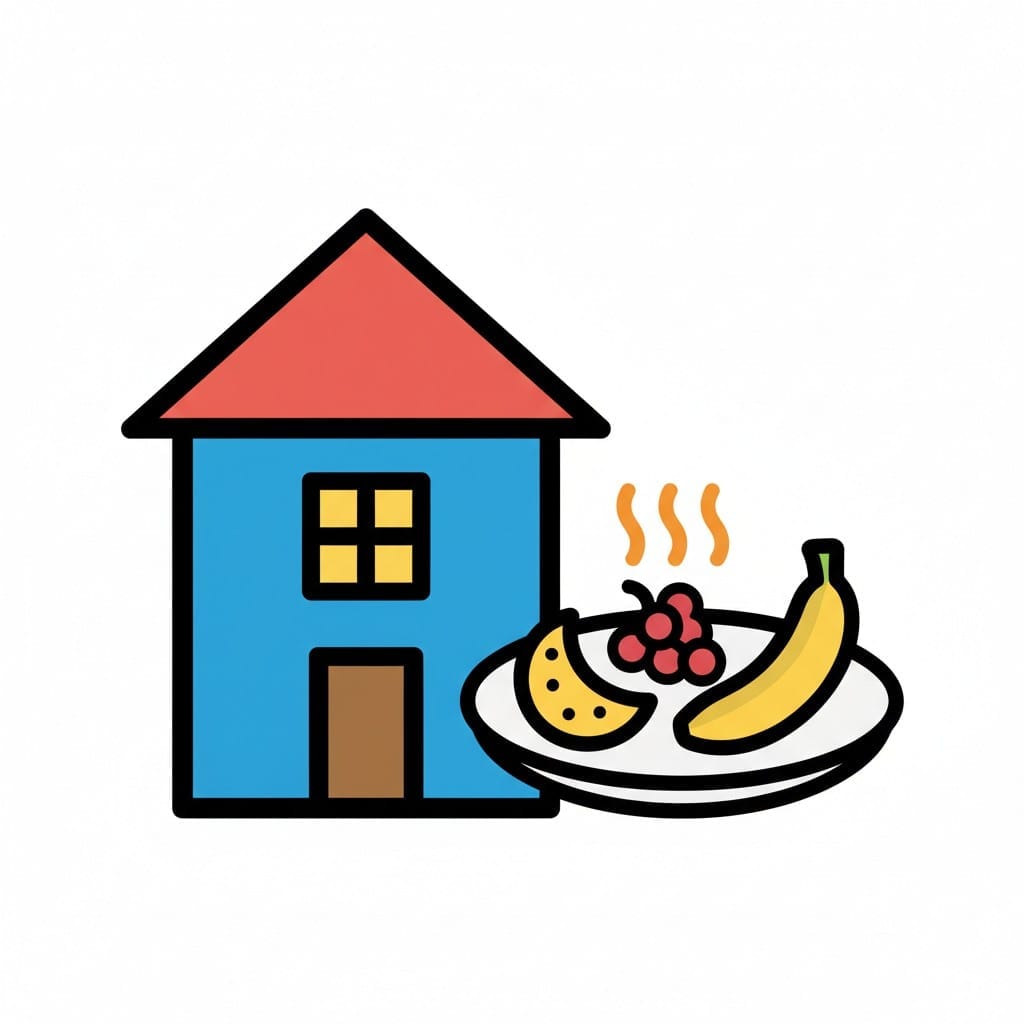
Home snack: warm fruit
A house next to a plate with a banana, a watermelon slice, and warm berries.
About this visual support
The tricky thing about snacks is that hunger rarely arrives politely. For many children the signal shows up as a sudden spike in irritation, right when play is most absorbing. Being interrupted by an adult saying time to eat then becomes one of the harder moments of the day, even though the body genuinely needs the food.
Visual support gives the transition a soft ramp. When the child can see the sequence wash hands, fetch plate, pick two items, sit down, the kitchen stops feeling like a vague interruption and becomes a short mission with an end in view. That is often enough for play to let go without a fight.
A small move that helps: let the child pick the two snack pictures themselves about half an hour ahead, so the decision is already made when the stomach wakes up. Then the kitchen is just collection, not a decision. To pair the snack with a timer or a fuller afternoon routine, Routined offers a 14-day free trial.
Use this image in a schedule
Build your own visual schedule with this image and download it as a print-ready PDF. Completely free.

More similar visual supports
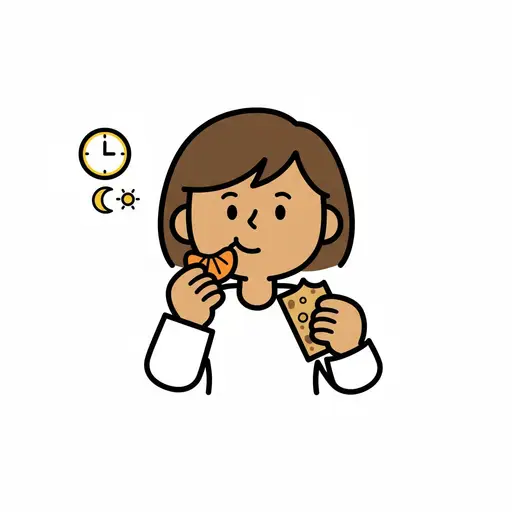
Afternoon snack
A girl eating an orange slice and holding a cracker. Day, night, and clock icons...
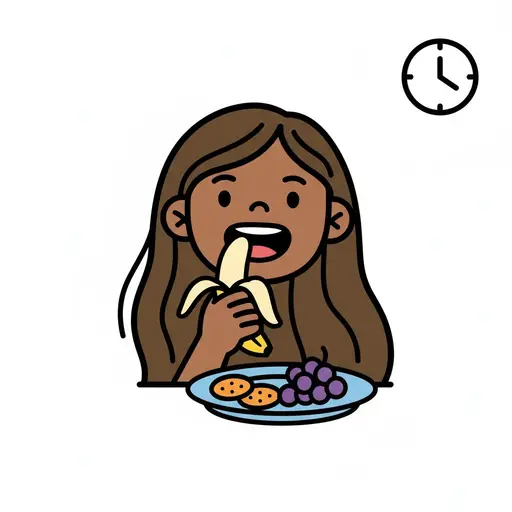
Eat afternoon snack
An illustration of a girl eating a banana. She has a plate with cookies and grap...

Evening snack
One hand holds a bowl of popcorn and the other a remote in front of the TV.
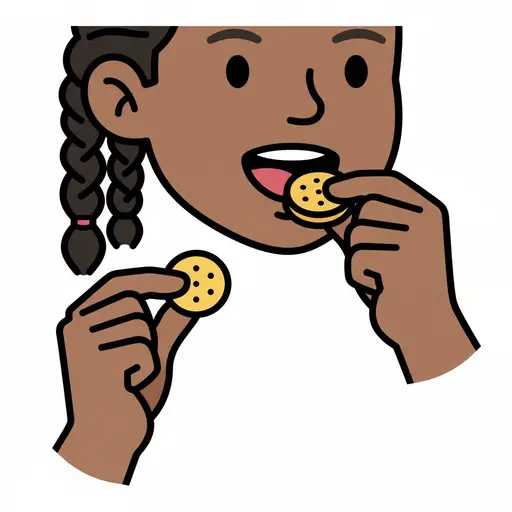
Have a snack
A person holds and eats a small round snack.
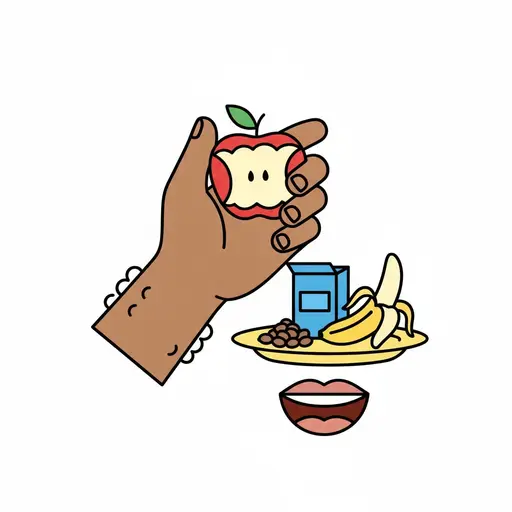
Light bite
A hand holds a bitten apple above a plate with banana, nuts and a juice box.
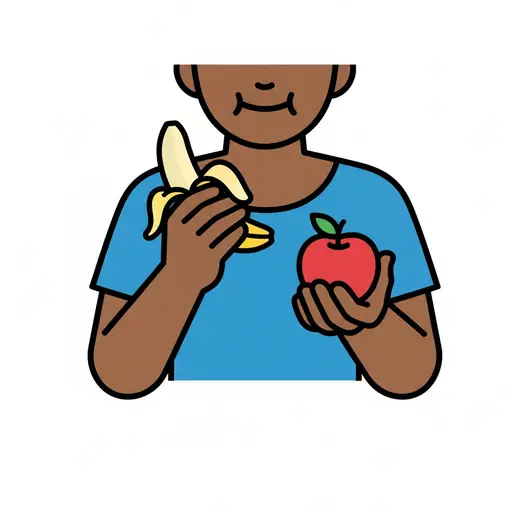
Time for a snack
A person holds a banana and a red apple. The person holds the peeled banana in o...
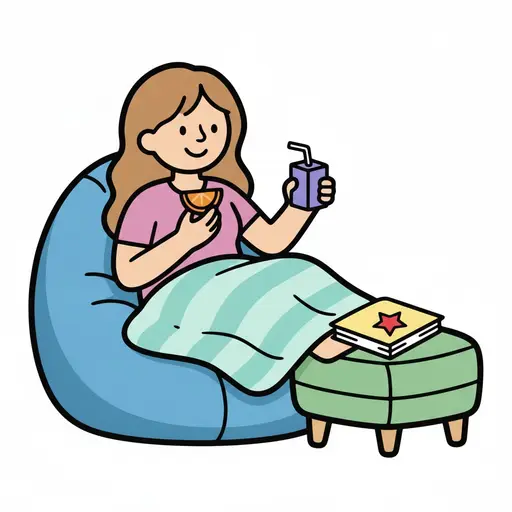
Afternoon Snack And Relax
A girl relaxes in a cozy beanbag chair holding a juice box and a slice of fruit.
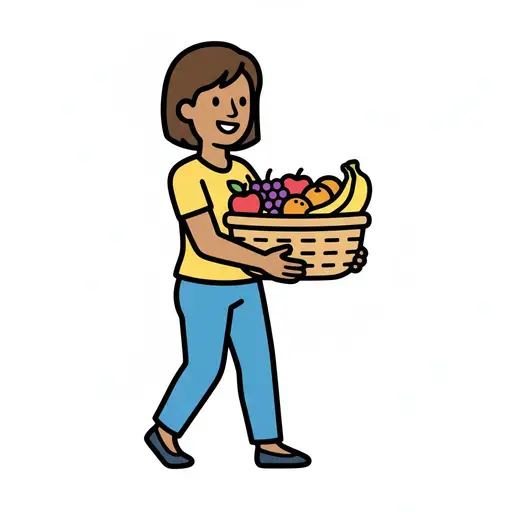
Bring fruit
A woman walks carrying a basket of fruit.
Take the visual supports with you
In Routined you build schedules from these pictures, add timers and voice instructions, and your child follows the day on their own.


* 14-day free trial, then $2.39 a month or $20.99 a year (US pricing). Cancel anytime.