Picnic
Grass tickles through the blanket, an ant finds the sandwich, the breeze grabs the napkin – a picnic is not an ordinary meal, it is a sensory shift. The visual support just below walks through the steps so the surprises do not become the only thing your child remembers.
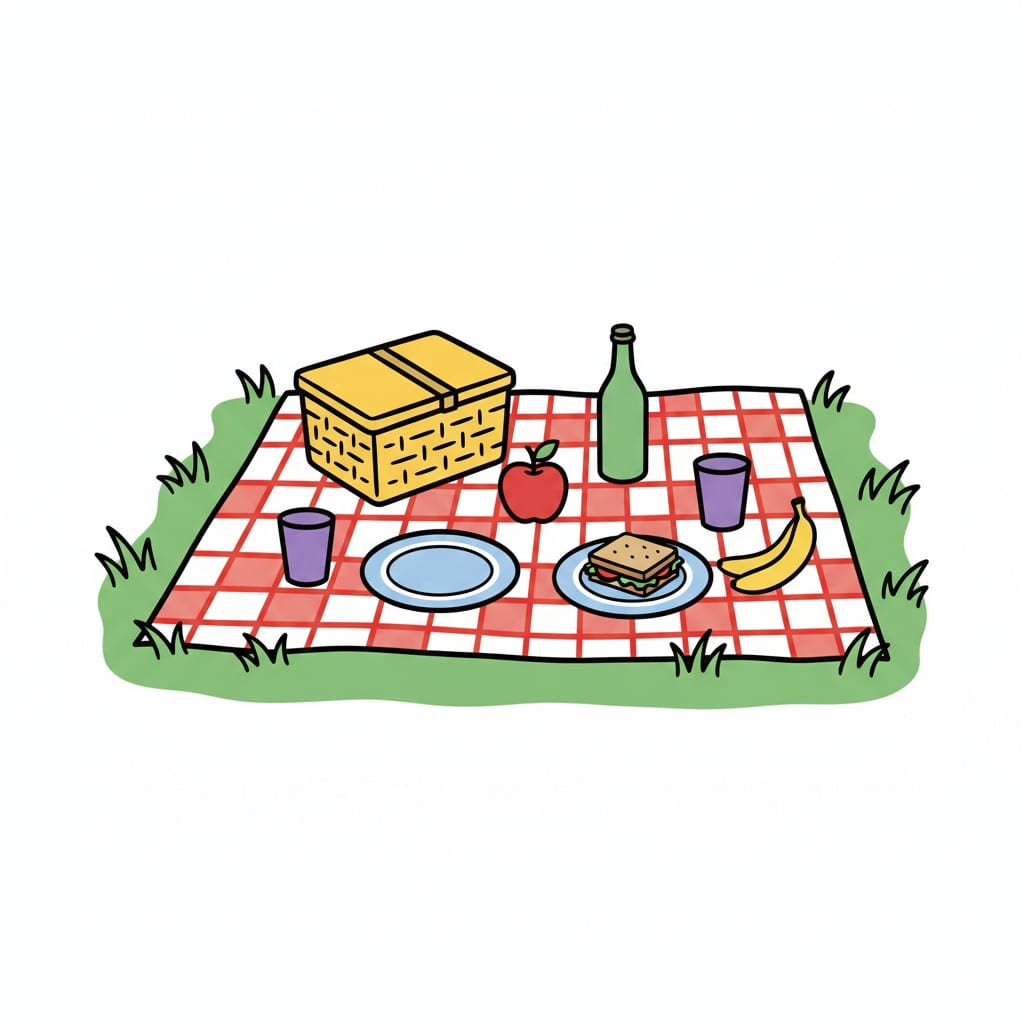
Picnic spread with yellow basket
A red and white checked picnic blanket on grass with a yellow wicker basket, a glass bottle, a red apple, a banana, a sandwich on a plate, and two purple cups.
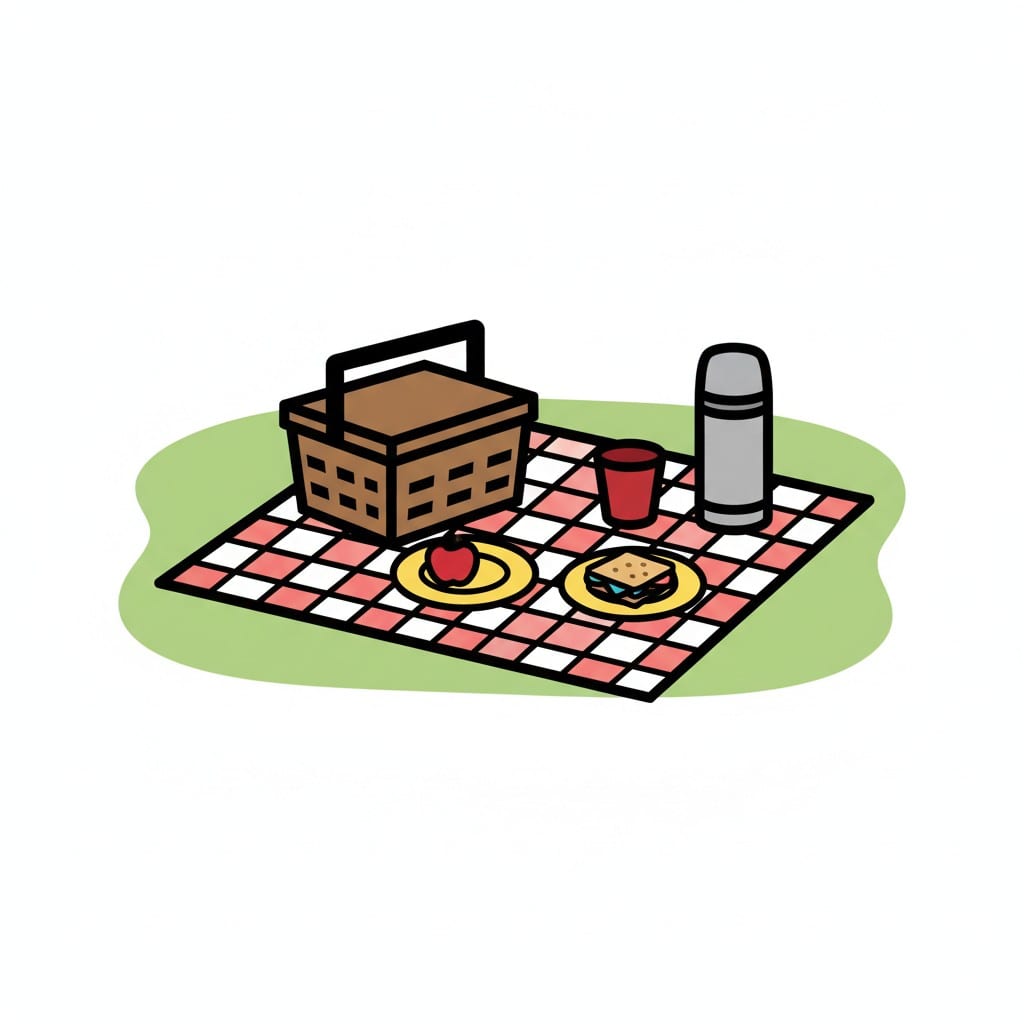
Picnic blanket with thermos
A red and white checked picnic blanket on grass with a brown wicker basket, a silver thermos, a red cup, a red apple, and a sandwich on yellow plates.
About this visual support
At the kitchen table the chair stays put, the light is even and the plate sits where it always does. Out on the blanket none of that holds. Sunlight flickers, the ground is uneven under the seat, there might be flies, the napkin could blow off. Hunger fades fast when attention is busy with all the new input at once.
A visual support helps by drawing a visible frame around what otherwise feels scattered: lay the blanket, take out the food, pour the cup, eat, pack up. Once your child sees the frame, they can sort the impressions instead of being flooded. It is a soft landing in a setting that has no habits of its own.
One activity-specific tip: pack a small personal box where the items that child actually wants sit separately, so the knife does not touch the rest and the napkin stays tucked under the lid until needed. If you want to plan the whole trip with visual support for the walk there, the picnic itself and the way back, you can build the sequence in Routined before you leave the house.
Use this image in a schedule
Build your own visual schedule with this image and download it as a print-ready PDF. Completely free.

More similar visual supports
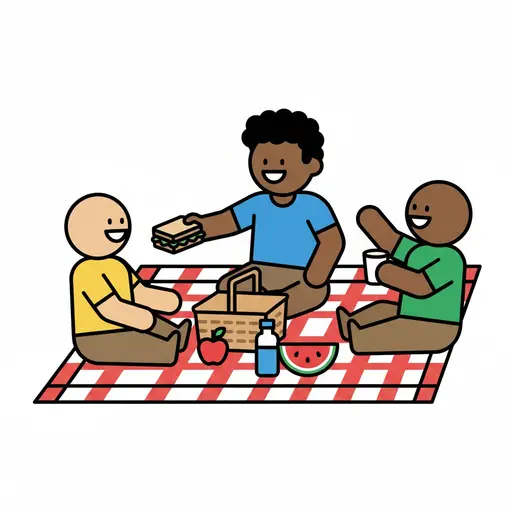
Picnic with friends
A smiling friend handing a sandwich to another friend over a picnic blanket whil...
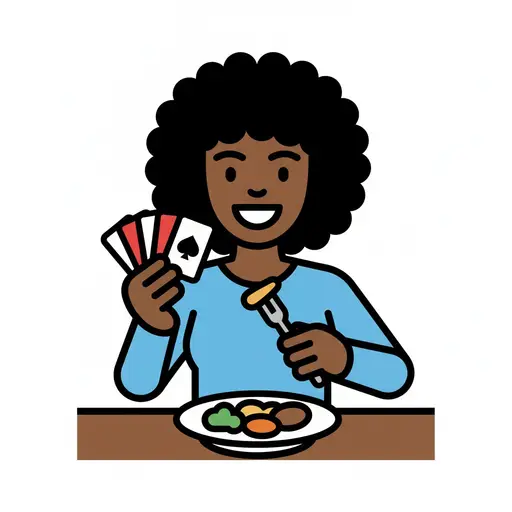
Cards and dinner
A smiling girl with voluminous curly hair holding playing cards in one hand and ...
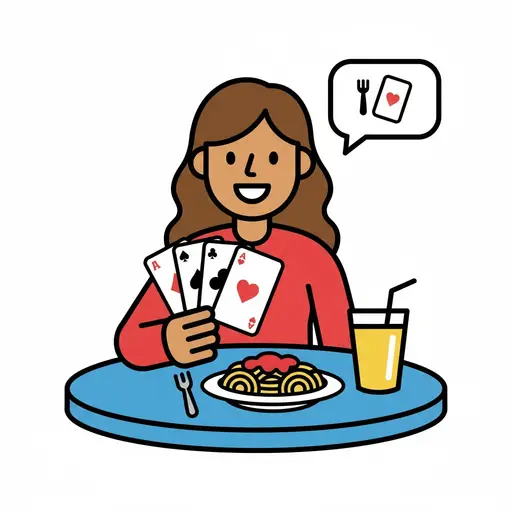
Cards and pasta
A smiling woman with long brown hair and a red shirt holding a hand of playing c...
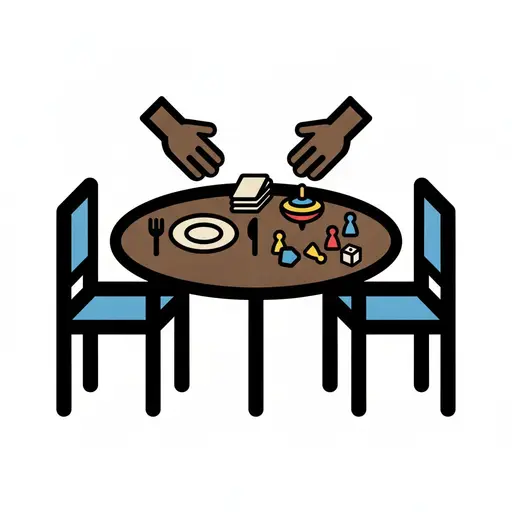
Dinner games
A table with a plate and small game pieces, with hands playing.
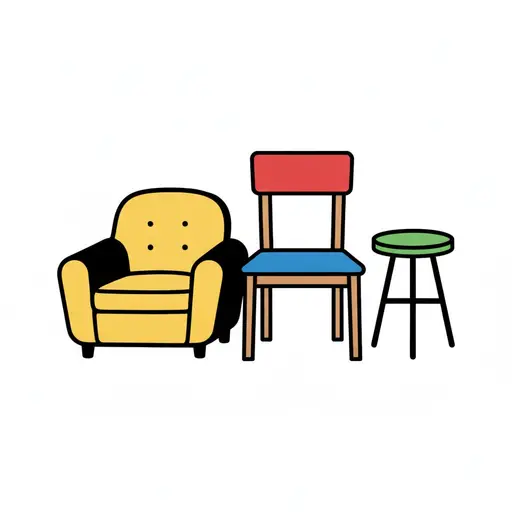
Settle into chair
An armchair, a chair and a stool.
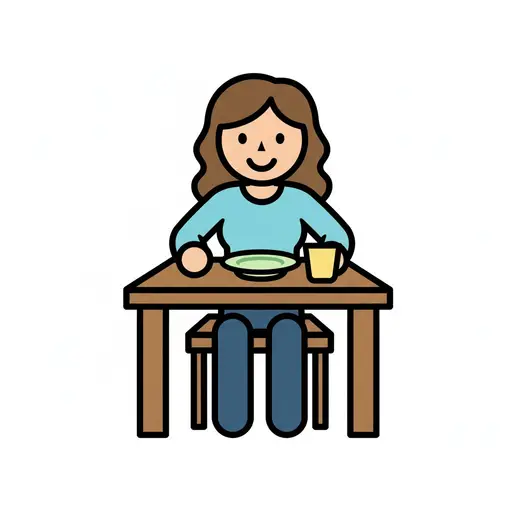
Sit at table
A woman sits at a table with a bowl and a cup.

Sit on chair
A person sits on a yellow chair, smiling.
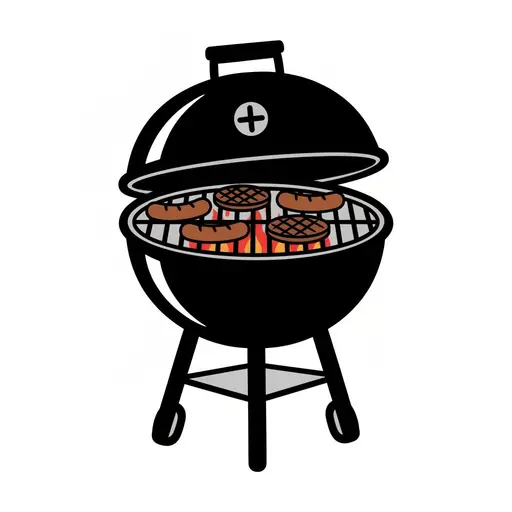
Barbecue
A black charcoal kettle grill with the lid open, showing burgers and sausages co...
Take the visual supports with you
In Routined you build schedules from these pictures, add timers and voice instructions, and your child follows the day on their own.


* 14-day free trial, then $2.39 a month or $20.99 a year (US pricing). Cancel anytime.