Prepare a snack
Standing in front of the fridge with no clear sense of what counts as a snack, the choice itself becomes the obstacle. The pictures below trim the field to a few clear options so the start can happen.
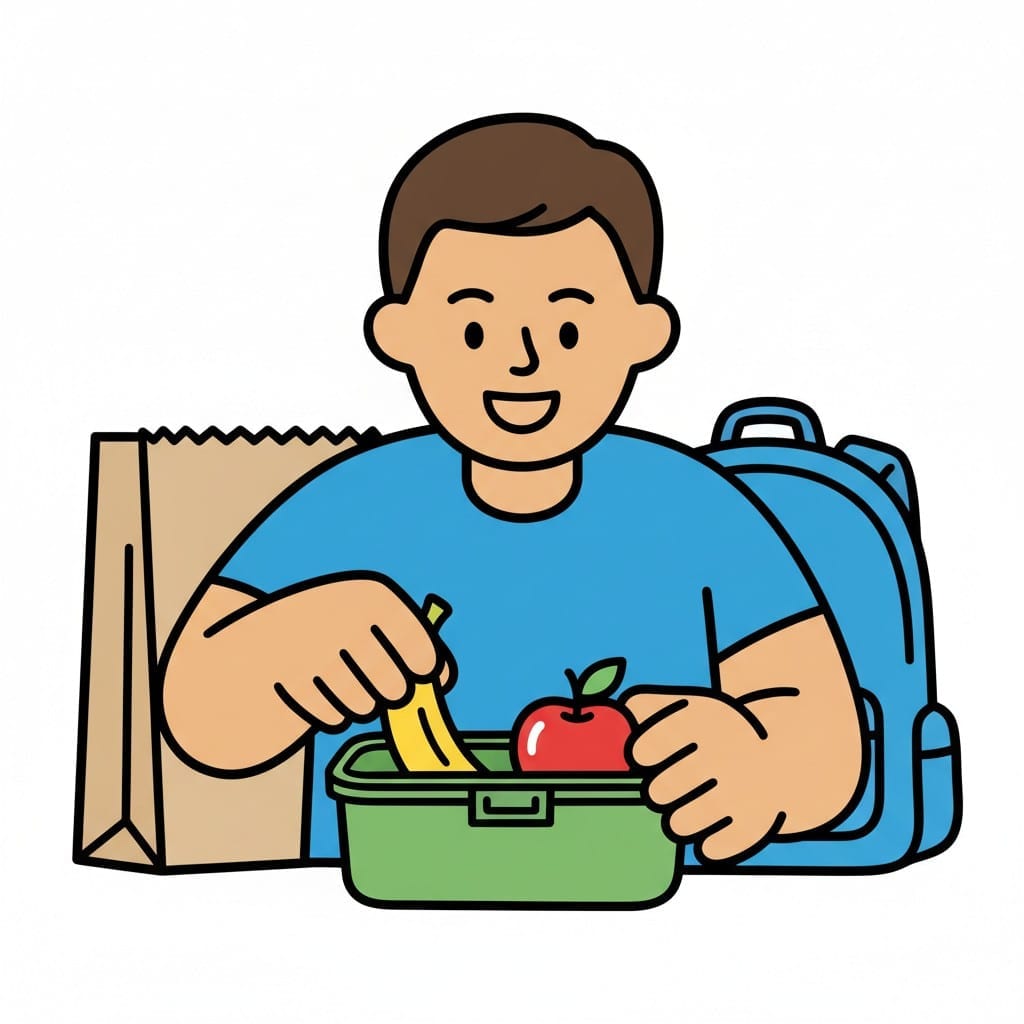 ♂
♂Boy packing snack
A boy packing a banana and an apple into a lunch box. A paper bag and a blue backpack are next to him.
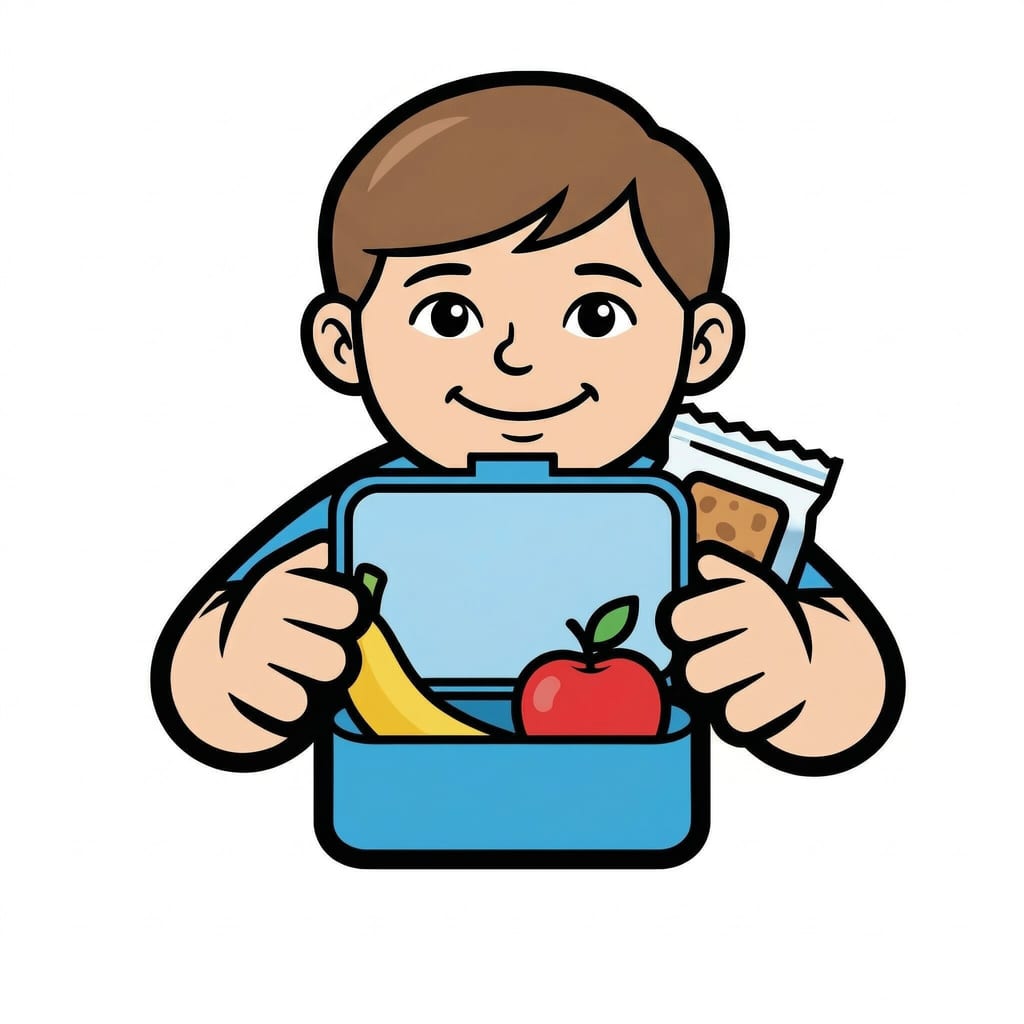 ♂
♂Pack snack
A boy holds an open lunchbox containing a banana and an apple, and a snack bar in his other hand.
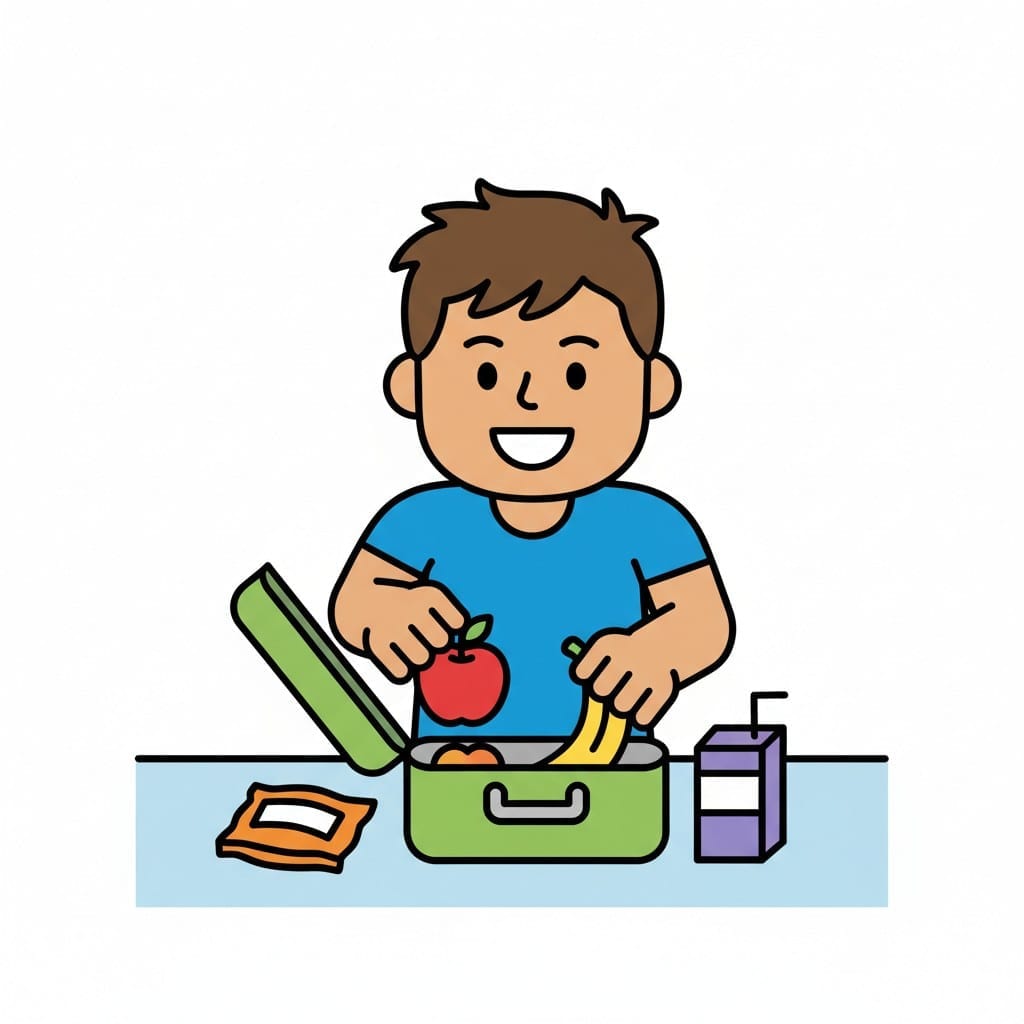 ♂
♂Pack snack
A boy packing an apple and a banana into a green lunchbox. A juice box and an orange snack wrapper are on the table next to the lunchbox.
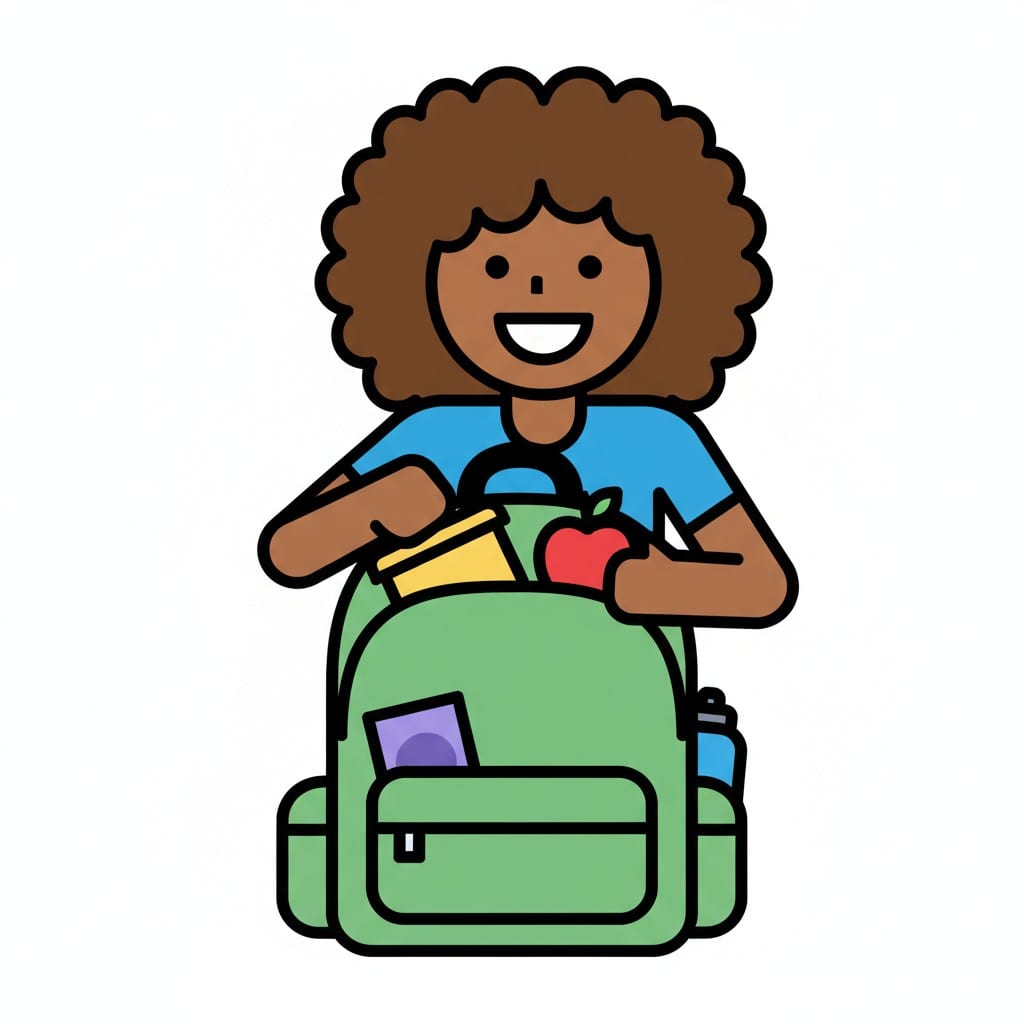 ♀
♀Girl packing snack
A girl packing an apple and a yellow container into a green backpack.
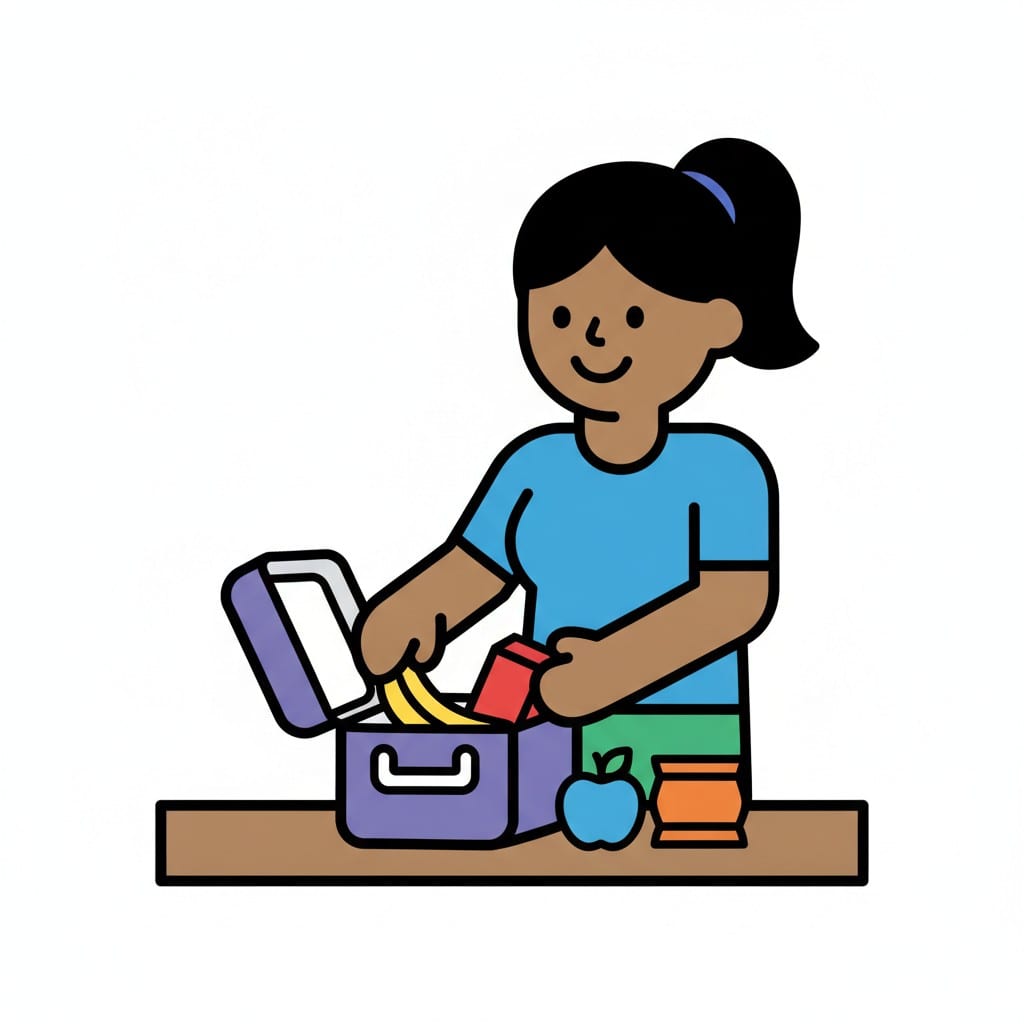 ♀
♀Person packing a banana into a lunch box
A smiling person with a ponytail puts a banana and a carton into a purple lunch box on a table, beside an apple and a tub.
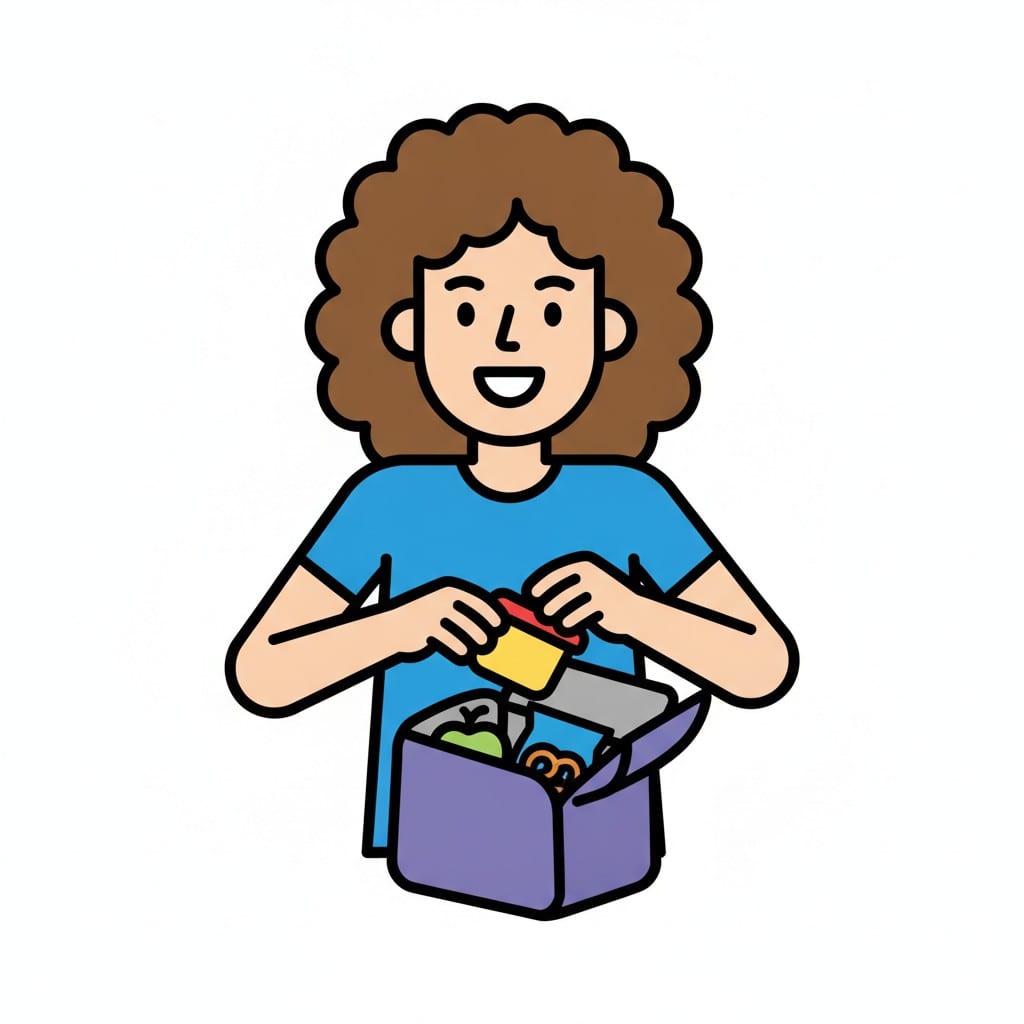 ♀
♀Person closing a packed lunch box
A laughing person holds a purple lunch box with an apple, pretzels and a carton and adds a small tub.
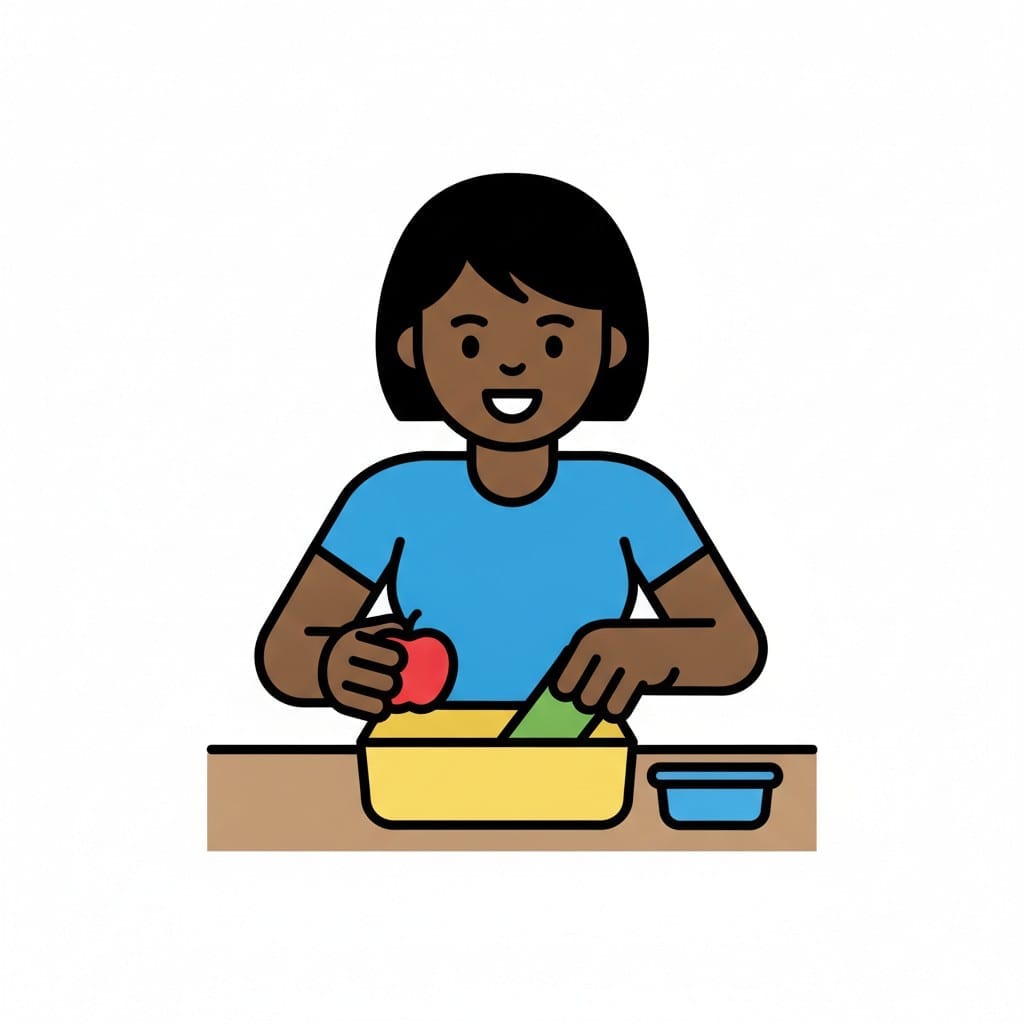 ♀
♀Person filling a yellow lunch box
A smiling person holds a red apple and places a sandwich into a yellow lunch box on a table, beside a small blue tub.
About this visual support
From the outside the snack moment looks like a simple errand, but the real obstacle for the child is rarely hunger or motivation. It is the weight of the decision. The fridge stands open, there is yoghurt, a cheese sandwich, fruit, maybe porridge or a roll, and the brain keeps comparing options without being able to close the loop. The result is full stalling, even when the child is actually hungry.
That is where a visual support pays off. Once the options are pared back to three or four concrete pictures, there is no need to construct possibilities mentally. The child can point, or just look and choose. The cost of deciding drops sharply and momentum returns. It also spares the adult twenty seconds of listing suggestions out loud.
A concrete tip for snack time specifically: anchor a fixed trio of choices to a time of day, for instance fruit, a sandwich and a drink for the afternoon snack. The child then knows in advance which small menu applies and does not have to start from zero each time. In Routined you can link the visual support to a timer that signals snack time, and try fourteen days at no cost.
Use this image in a schedule
Build your own visual schedule with this image and download it as a print-ready PDF. Completely free.
More similar visual supports
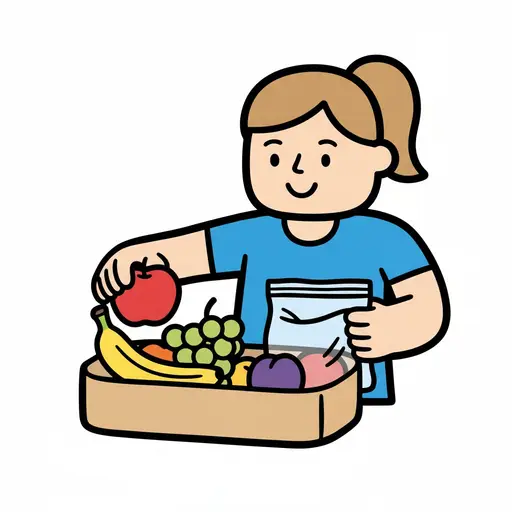
Pack fruit
A girl packing fruit, such as an apple, into a lunchbox.
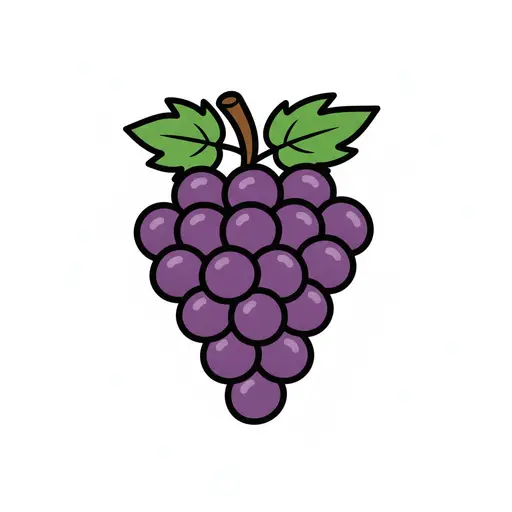
Grapes
A bunch of purple grapes with green leaves.
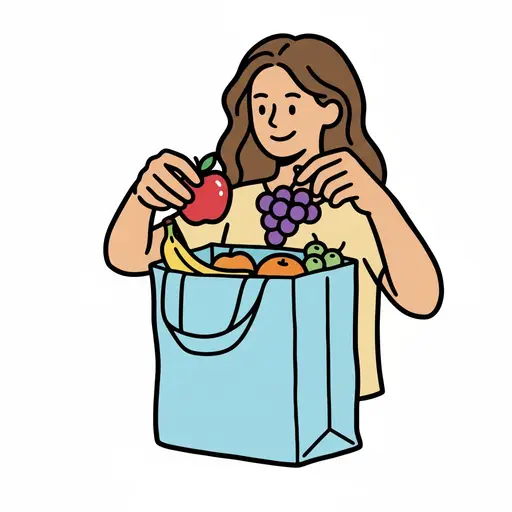
Put fruit in bag
A person putting an apple and grapes into a blue cloth bag.
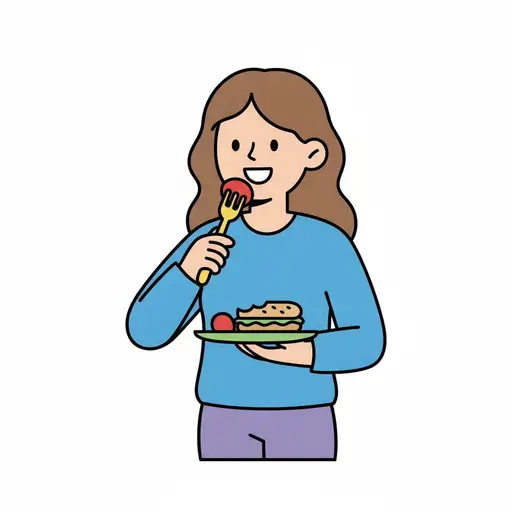
Eat something
A girl with long brown hair holds a plate with a sandwich and eats a tomato with...
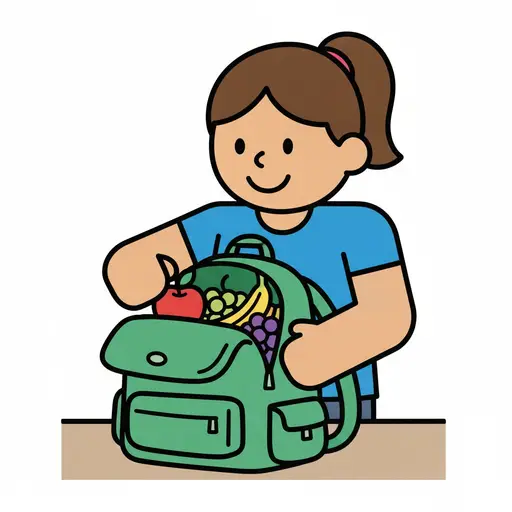
Pack fruit in the backpack
A girl puts an apple and other fruit into a green backpack on the table.
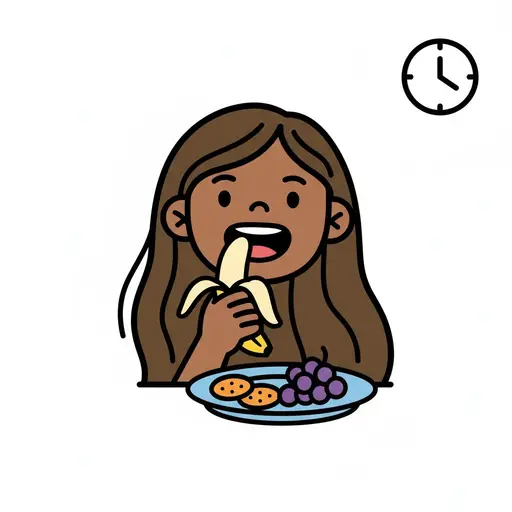
Eat afternoon snack
An illustration of a girl eating a banana. She has a plate with cookies and grap...
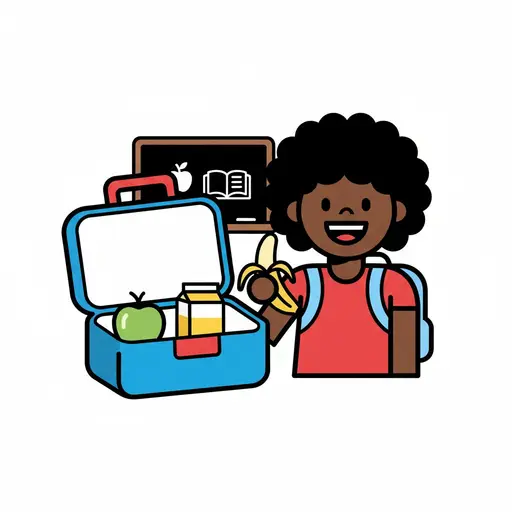
School snack
A girl with a backpack holds a half-peeled banana next to an open lunchbox conta...
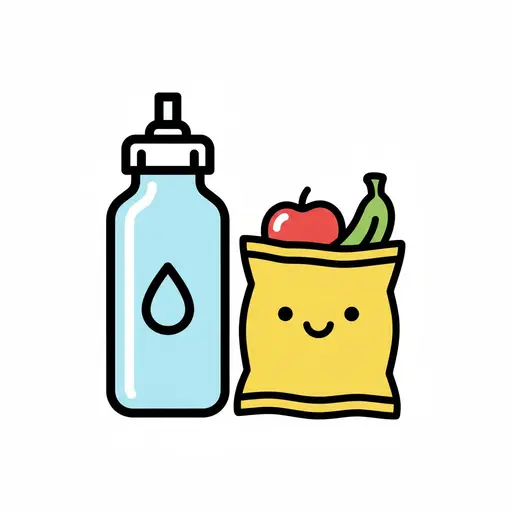
Water bottle and snack
An illustration of a blue water bottle and a yellow snack bag with a happy face,...
This visual support in other languages
Take the visual supports with you
In Routined you build schedules from these pictures, add timers and voice instructions, and your child follows the day on their own.


* 14-day free trial, then $2.39 a month or $20.99 a year (US pricing). Cancel anytime.