Sit on chair
A hard seat, a backrest that does not fit the body and uncertainty about whether wiggling is allowed turn the chair into a puzzle. The visual support below shows where, how long and what the body can do.
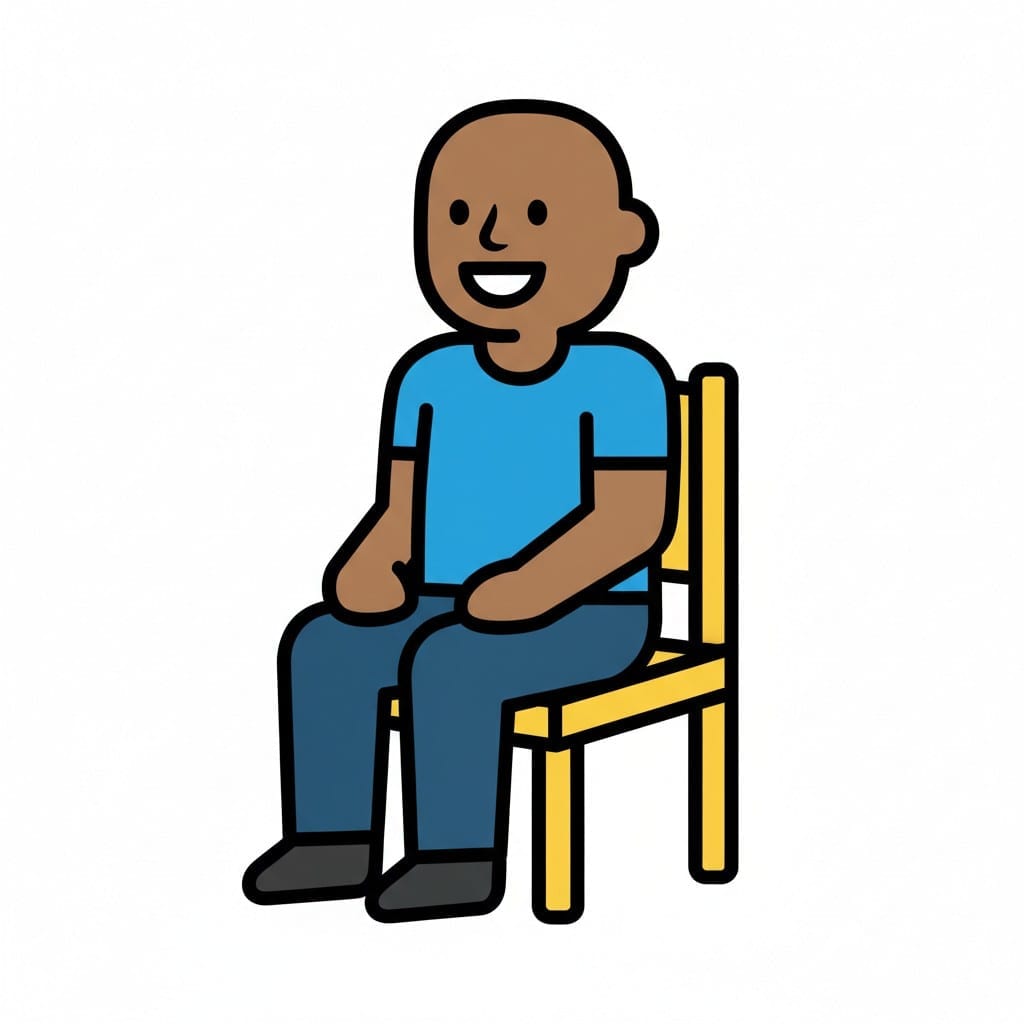 ♂
♂Sit on chair
A person sits on a yellow chair, smiling.
About this visual support
The body reads the chair before the brain catches up. Is it hard or soft, does the backrest actually meet the spine, and can I shift when my leg goes numb? For many children these questions are louder than what the teacher or parent is saying.
Visual support makes the terms of the chair visible. One picture shows the chair and the spot, another shows the duration – a timer or a symbol for the length of the meal – and a third makes it clear that shifting weight or planting both feet is allowed. The child stops guessing, and you stop repeating the same instruction.
A concrete tip: on the first day you try the visual schedule, place a small cushion or a folded sweater on the seat and let a picture of the cushion be part of the sequence. It signals that the comfort of the body counts, not just staying still.
If you want to connect the chair to the rest of the meal or the lesson, you can build the sequence in Routined and save it per situation, so the same chair makes sense both at home and in the classroom.
Use this image in a schedule
Build your own visual schedule with this image and download it as a print-ready PDF. Completely free.

More similar visual supports
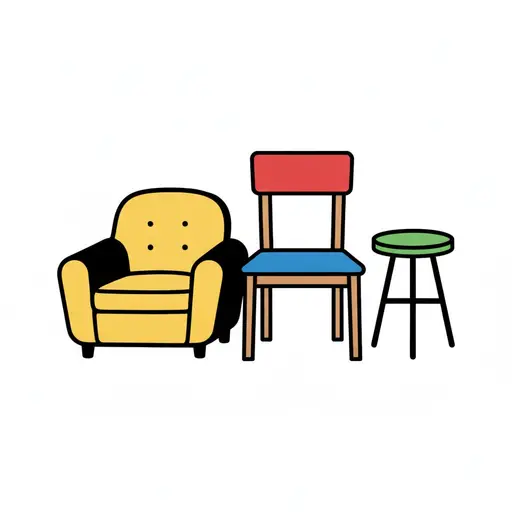
Settle into chair
An armchair, a chair and a stool.
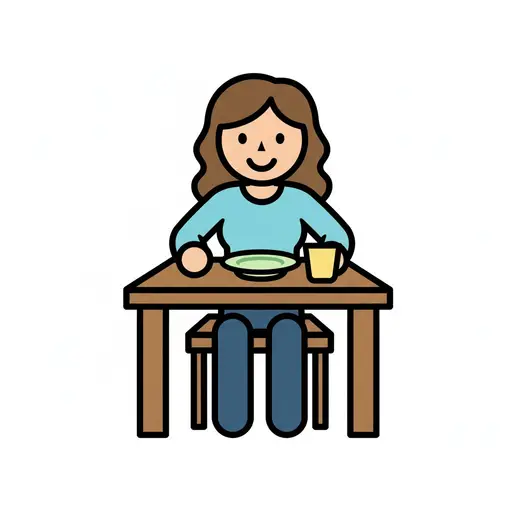
Sit at table
A woman sits at a table with a bowl and a cup.
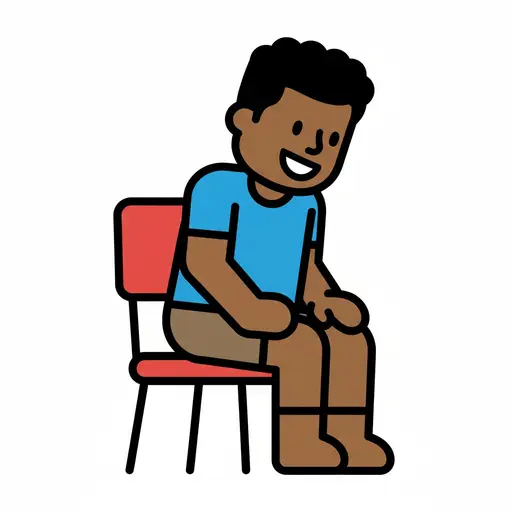
Sit down
A smiling boy in a blue shirt and brown shorts sits on a red chair, looking forw...
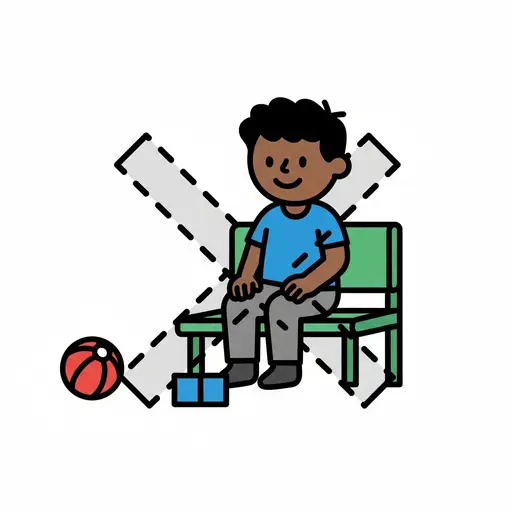
Break time play
A boy sits on a bench next to a ball, with a crossed-out mark showing that play ...

Cards and dinner
A smiling girl with voluminous curly hair holding playing cards in one hand and ...

Cards and pasta
A smiling woman with long brown hair and a red shirt holding a hand of playing c...
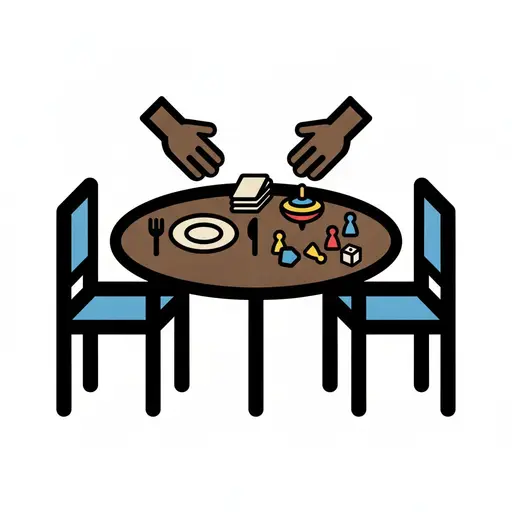
Dinner games
A table with a plate and small game pieces, with hands playing.
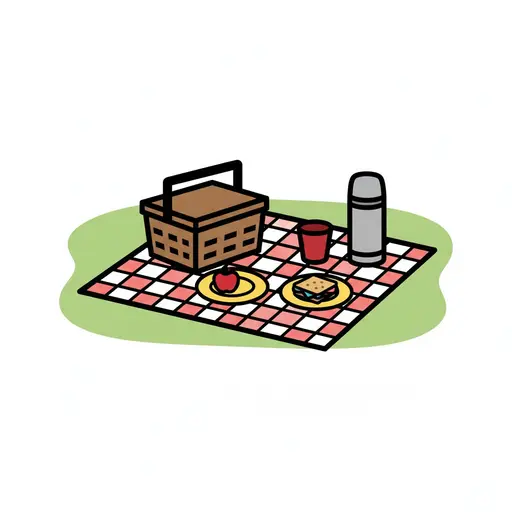
Picnic
A red and white checked picnic blanket on grass with a brown wicker basket, a si...
Take the visual supports with you
In Routined you build schedules from these pictures, add timers and voice instructions, and your child follows the day on their own.


* 14-day free trial, then $2.39 a month or $20.99 a year (US pricing). Cancel anytime.