Supper
Supper often meets a child whose energy reserves were spent at school, after-school or play. Tastes, smells, sounds and conversation collide with a falling curve. The pictures below break the meal into smaller pieces.
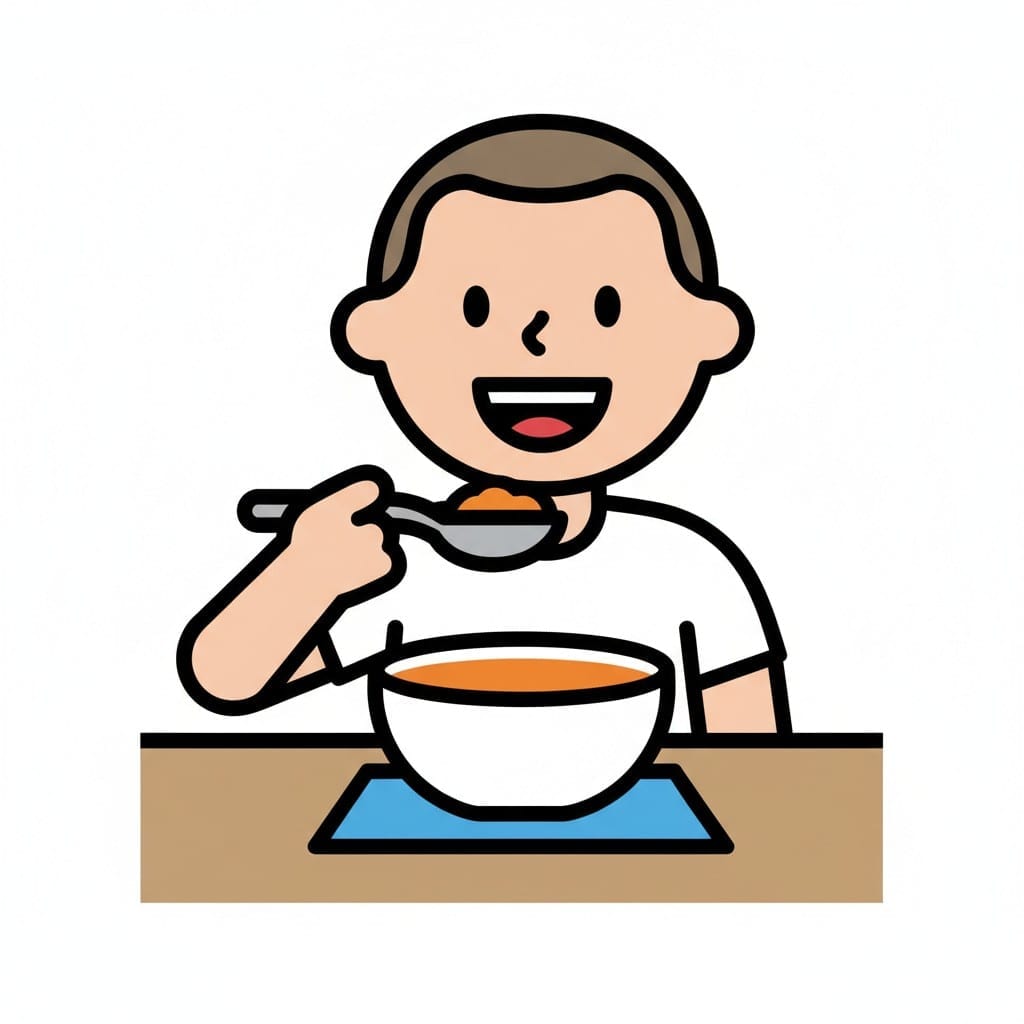 ♂
♂Eating supper
A cartoon illustration of a boy sitting at a table, eating supper from a bowl with a spoon.
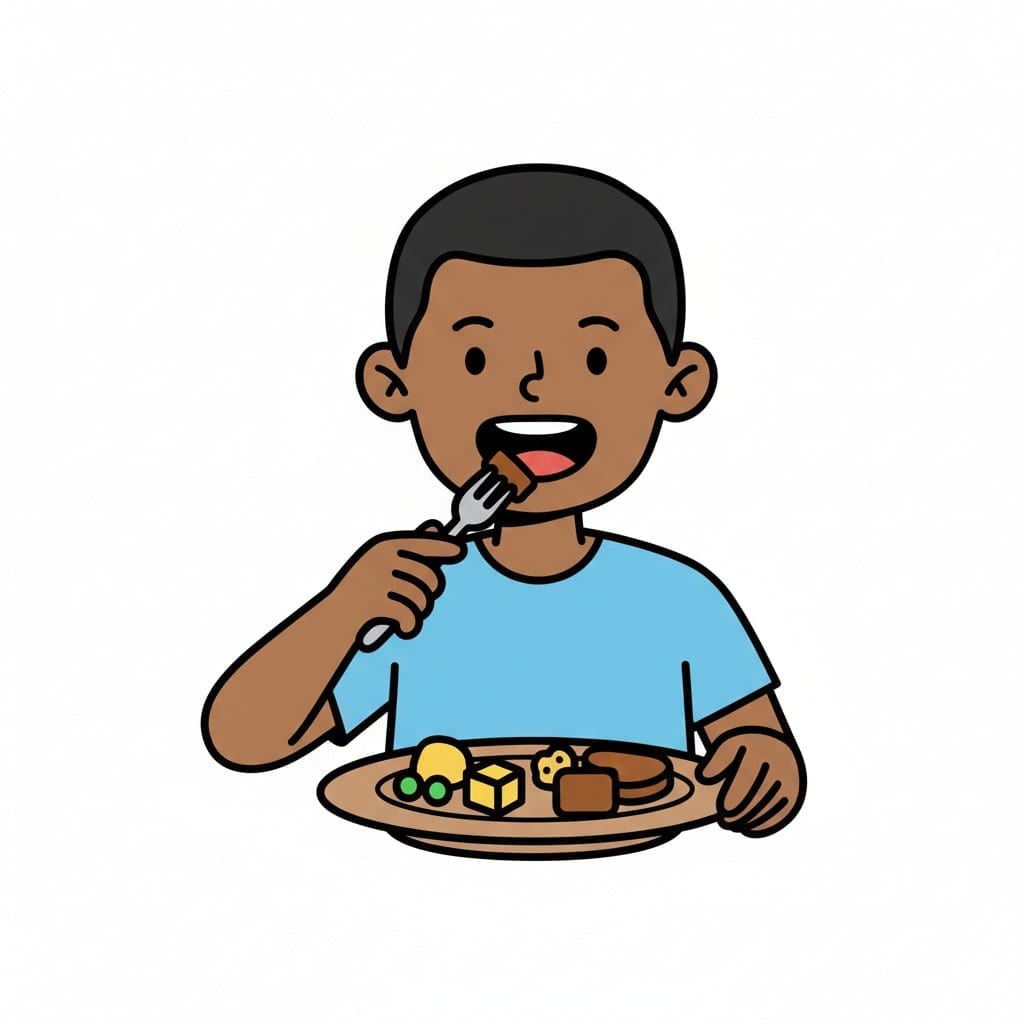 ♂
♂Eat supper
A boy eating supper from a plate with a fork.
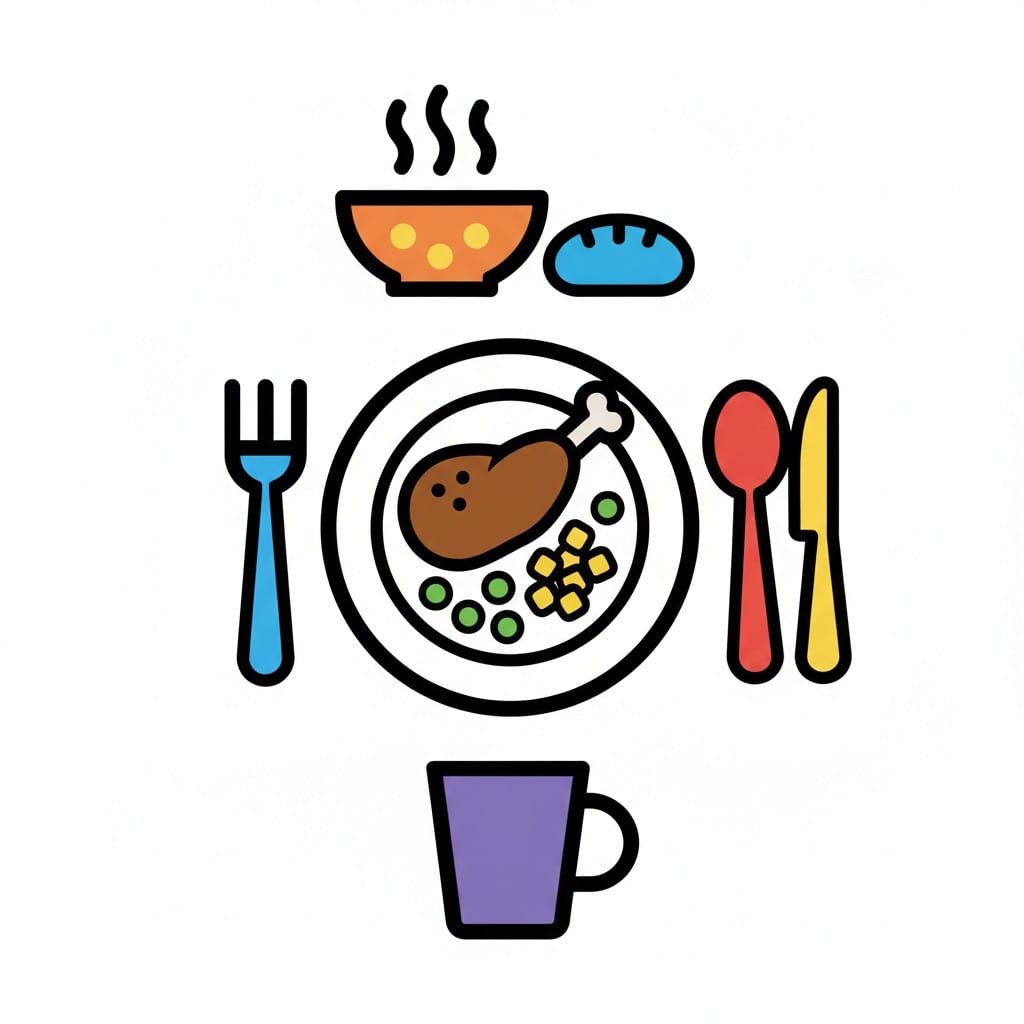
Supper
A complete supper setting with a plate of chicken and vegetables, a bowl of soup, bread, cutlery, and a cup.
Bowl of food
A blue bowl filled with food and a fork in it.
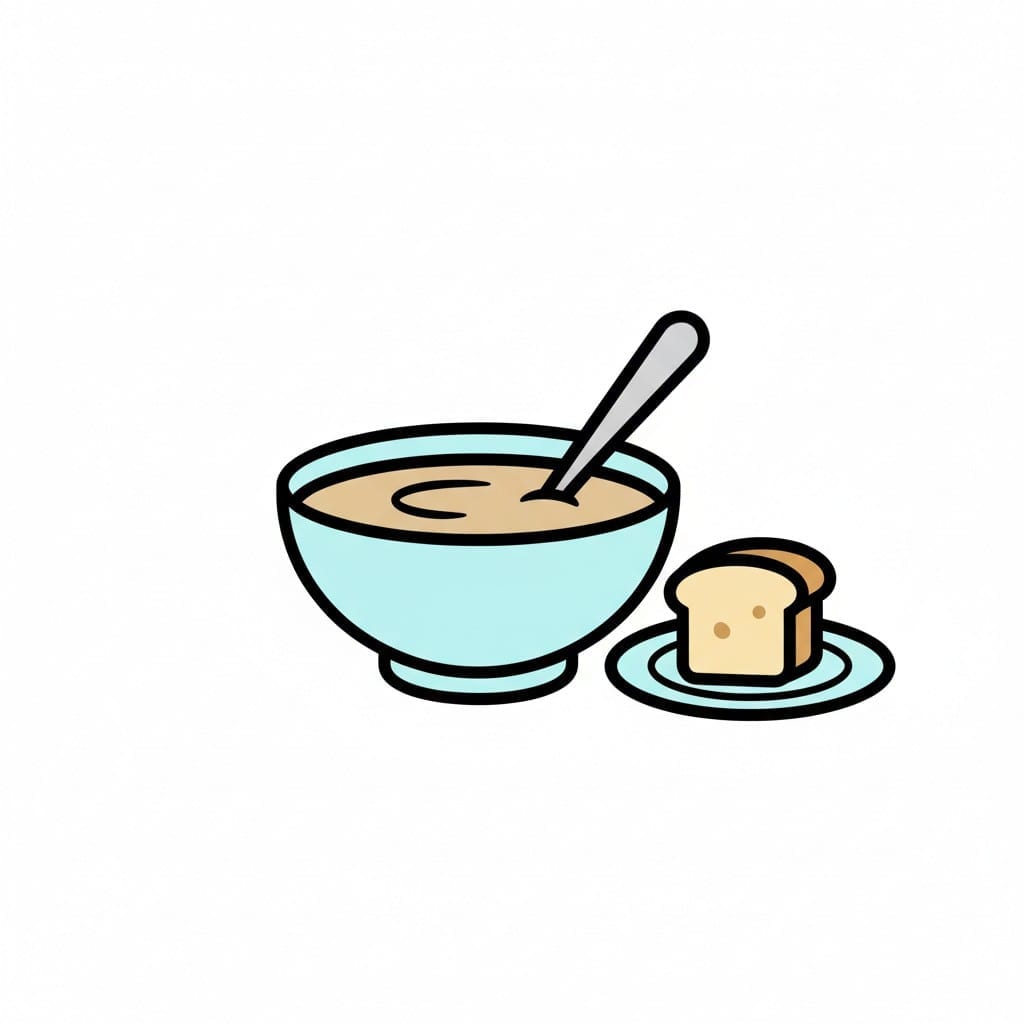
Soup and bread
A bowl of soup with a spoon and a slice of bread on a plate next to it.
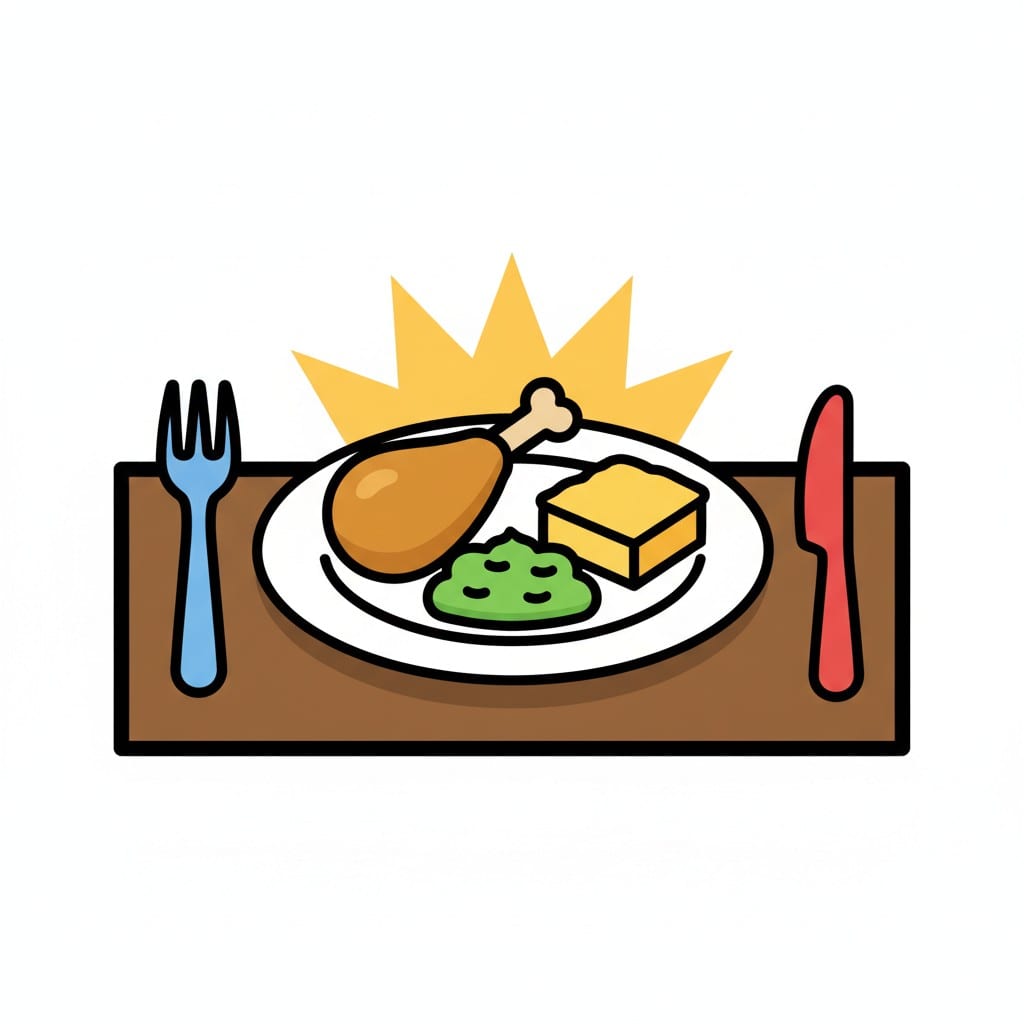
Plate with a drumstick
A plate holding a chicken drumstick, green mash and a yellow piece of cornbread sits on a brown placemat between a blue fork and a red knife.
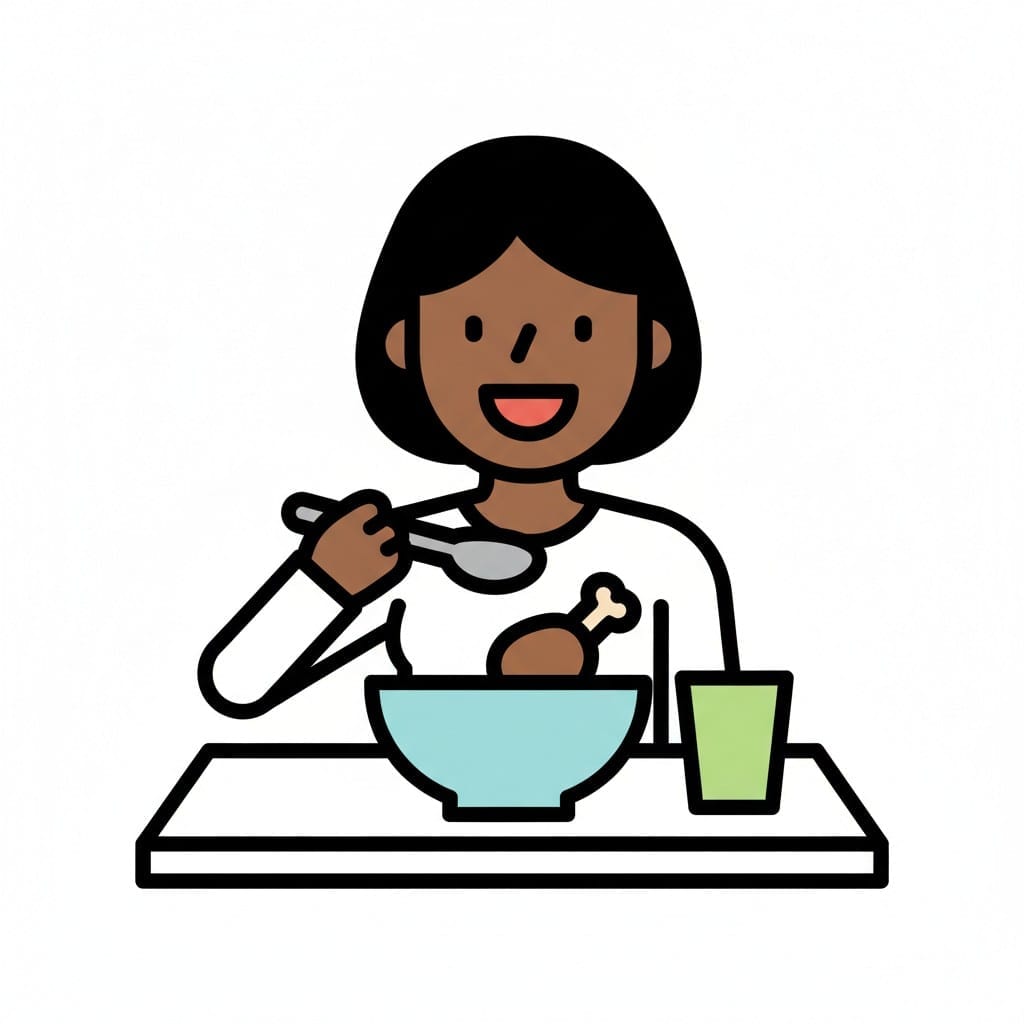 ♀
♀Girl eating from a bowl
A girl lifts a spoon towards her mouth at the table, with a pale blue bowl of food and a green glass in front of her.
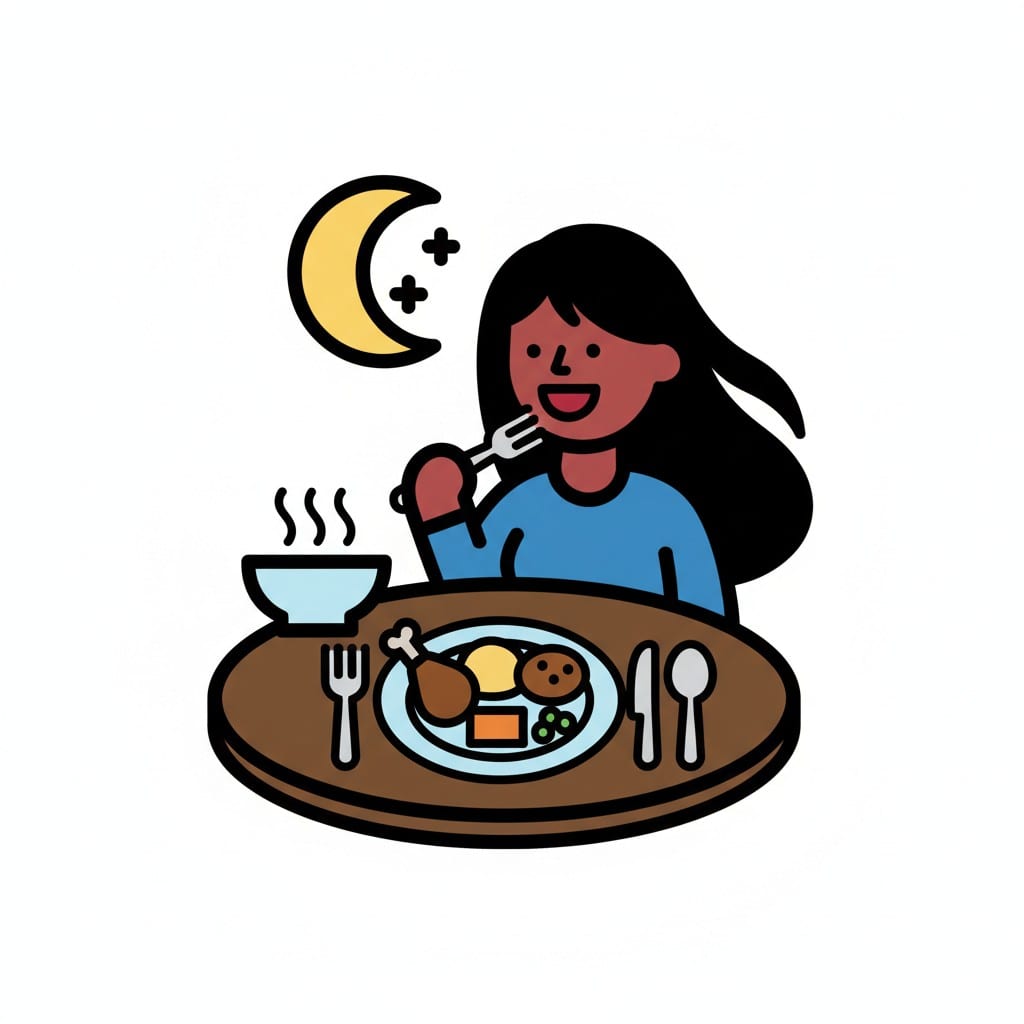 ♀
♀Girl eating an evening meal
A girl with long hair raises a fork to her mouth at a round table set with a plate of food and a steaming bowl, with a crescent moon and stars behind her.
About this visual support
Being full is not the whole point of supper, and being hungry is not really the main challenge either. It is the timing. The clock lands at the hour when both children and adults have least left in the tank, while the meal asks them to stay seated, taste things, manage cutlery, talk and finish without bolting off. All of that at once is a lot for a tired body.
With visual support, supper becomes a series of short moments instead of one long one. Wash hands, sit down, serve yourself, taste, drink, take more or say no thanks, and finally get up and help with one small thing. When each part is shown separately, it also becomes clear that the whole meal does not have to be conquered in a single breath.
A practical tip: slot in a card called ”quiet minute” halfway through — sixty seconds where no one talks and everyone just eats. It gives a sensory pause without anyone leaving the table. If you want to reuse the same evening structure every week, you can save it in Routined.
Use this image in a schedule
Build your own visual schedule with this image and download it as a print-ready PDF. Completely free.
More similar visual supports
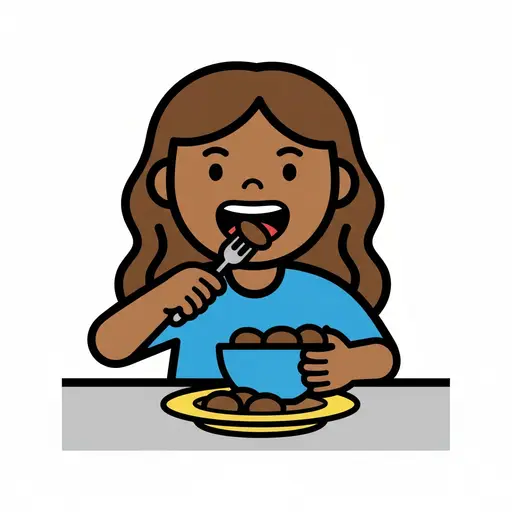
Eat supper
A girl in a blue t-shirt puts a meatball from her fork into her mouth while hold...
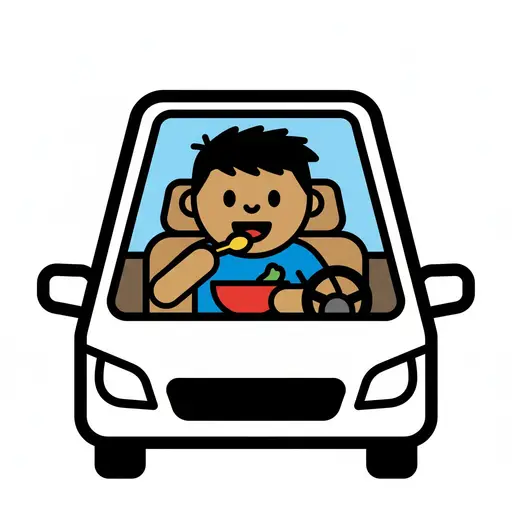
Dinner in car
A person sits in a car, eating from a red bowl with a yellow spoon.
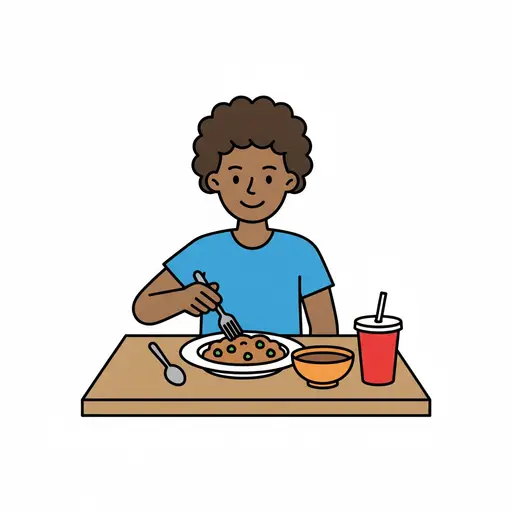
Dinner
A child sits at a table eating from a plate, with a bowl and a red cup beside th...
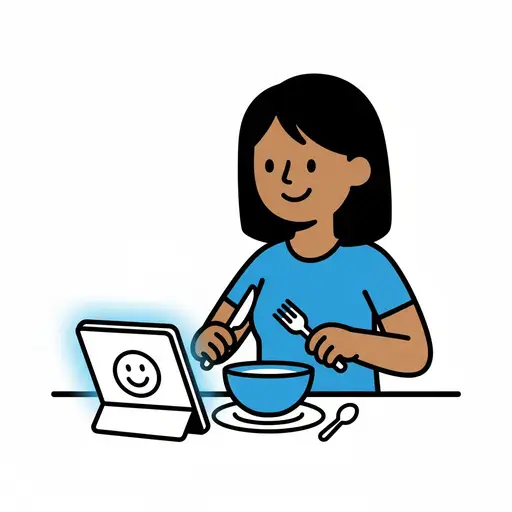
Screen time at dinner
A girl eats from a bowl with a knife and fork while a tablet shows a happy smile...
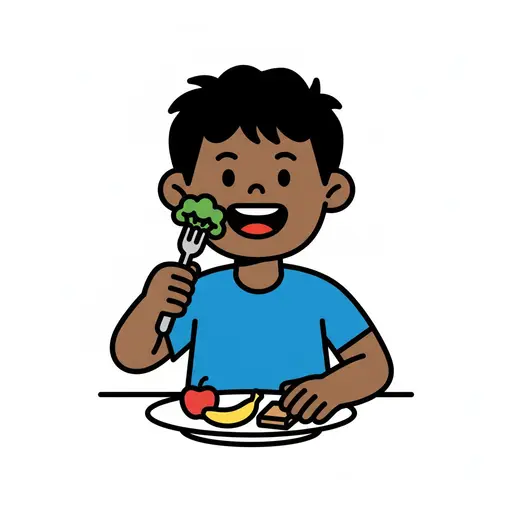
Eat without fuss
A boy is eating broccoli from his plate.
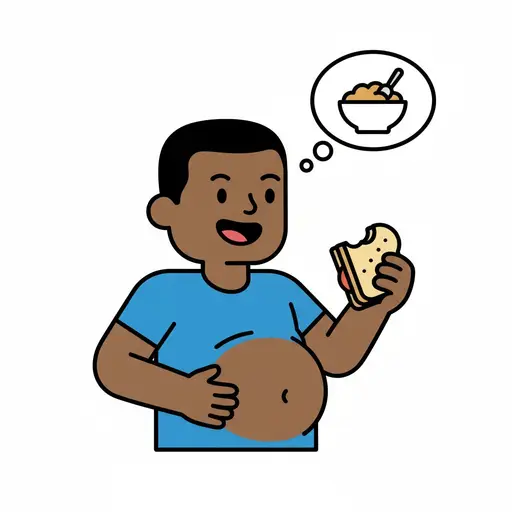
Eat until full
A happy boy eating a sandwich and holding his rounded stomach, with a thought bu...
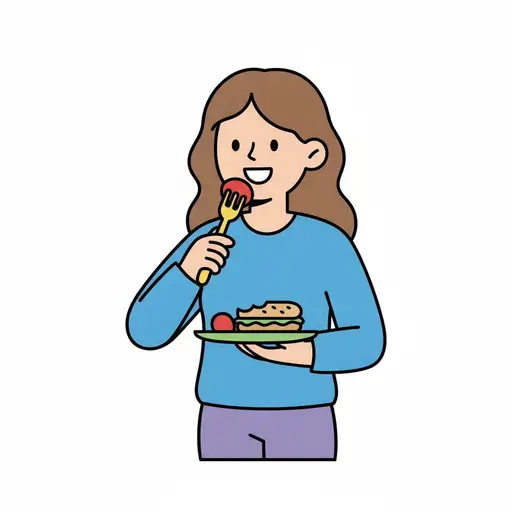
Eat something
A girl with long brown hair holds a plate with a sandwich and eats a tomato with...
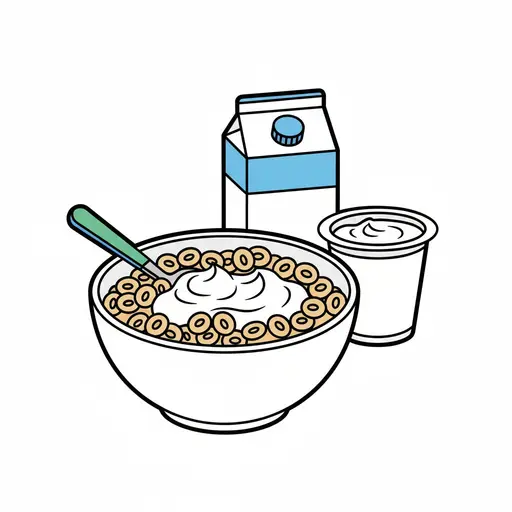
Cereal and yogurt
A bowl of cereal with yogurt, a spoon, a milk carton, and a small yogurt cup nex...
This visual support in other languages
Take the visual supports with you
In Routined you build schedules from these pictures, add timers and voice instructions, and your child follows the day on their own.


* 14-day free trial, then $2.39 a month or $20.99 a year (US pricing). Cancel anytime.