Take glass down
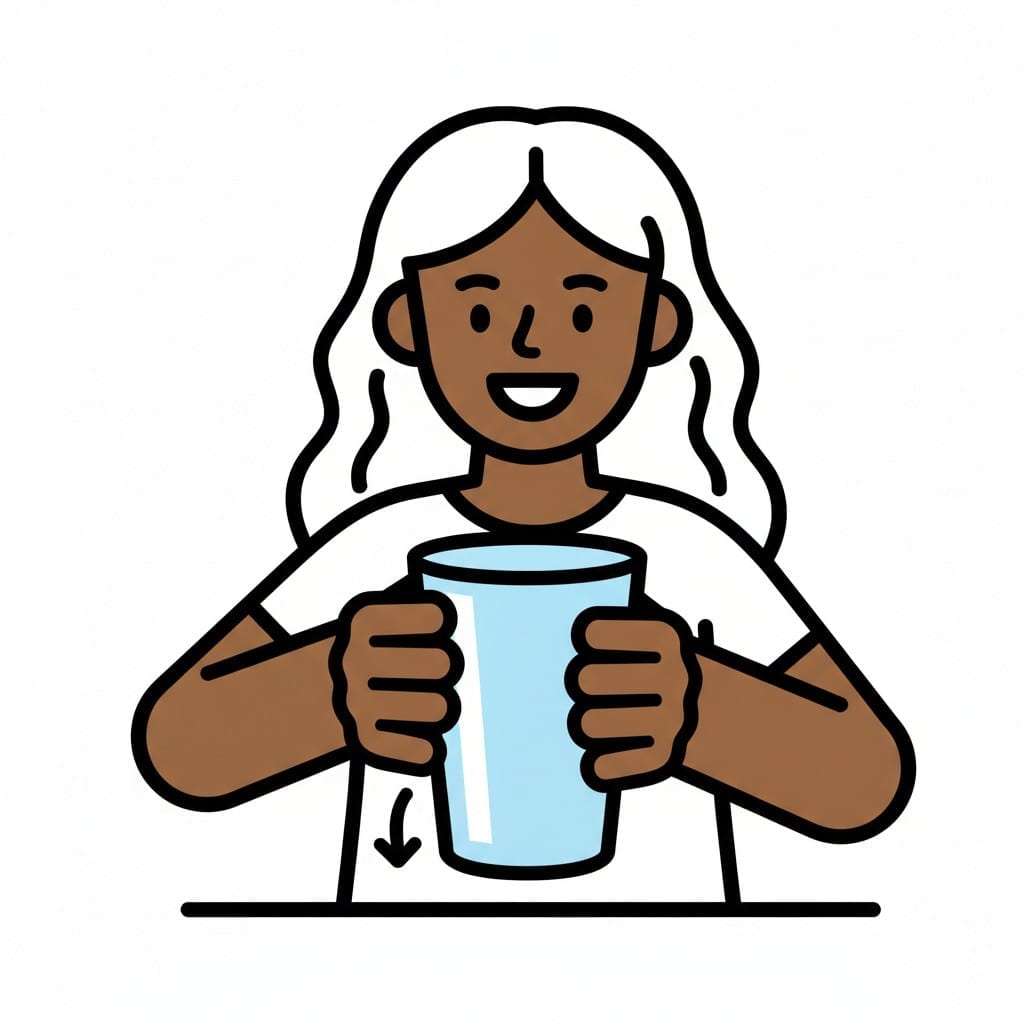
The glass sits up high and feels fragile, and the thought of a broken floor makes the hand hesitate before it even reaches. The visual support below shows a safe grip and a steady place to set the glass, step by step.
 ♀
♀Take glass down
A girl holds a large glass with both hands while an arrow points downward.
About this visual support
What charges the act of taking a glass down is the risk that rides along with it. The glass often sits a stretch up, it is smooth and heavy enough to feel wobbly in a small hand, and the image of shattered glass across the floor makes a child rather not chance it. It is not the reaching that blocks them, but the uncertainty of what happens if it slips.
Visual support eases that worry by showing the act as something that can be done right. A picture of gripping the glass with both hands, one of holding it close to the body, and one of the spot where it is set down give the child a clear path from shelf to table instead of a single nervous stretch.
A concrete tip: decide in advance on a fixed landing spot near the edge and show it on its own picture, so the child knows exactly where the glass is going before it is even lifted. Then the goal is as clear as the grip. In Routined you can put the steps in order and show the landing spot, so the child can rehearse the same safe path every time.
Use this image in a schedule
Build your own visual schedule with this image and download it as a print-ready PDF. Completely free.
More similar visual supports
Make coffee
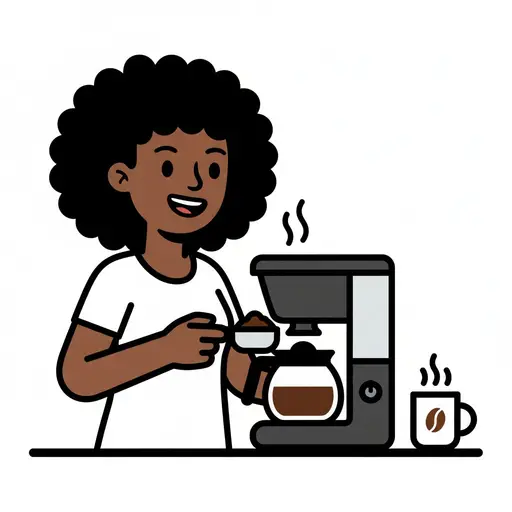
A person making coffee with a coffee machine and a scoop.
Fridge
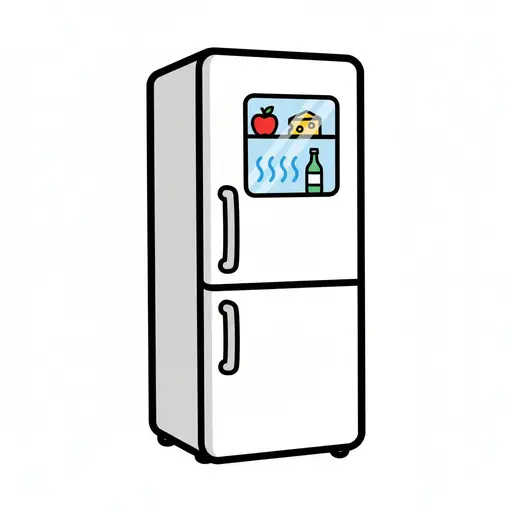
A white refrigerator with a window showing food and a bottle inside.
Choose food
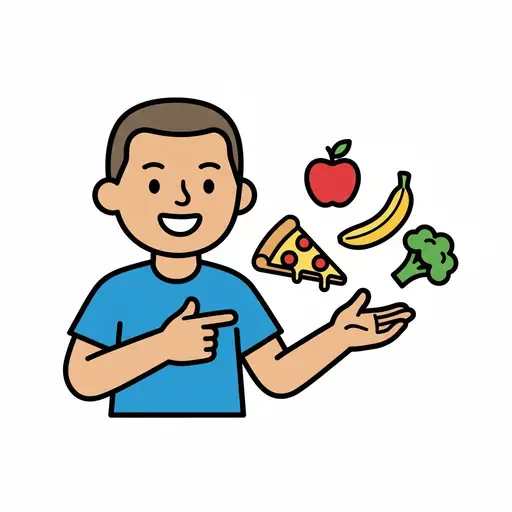
A boy points with one hand while various food items like an apple, a banana, bro...
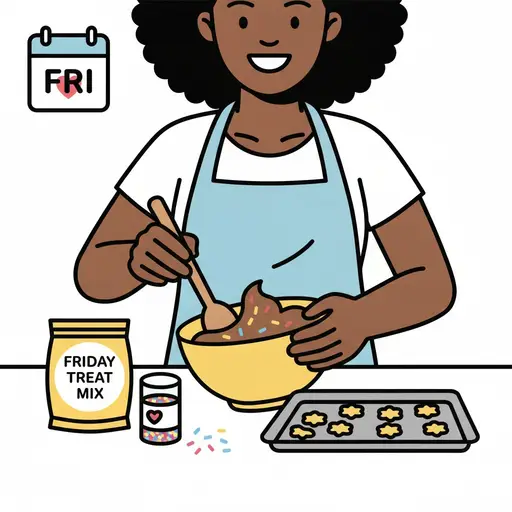
Prepare the Friday treat
A woman in an apron stirs chocolate batter in a bowl beside sprinkles and a tray...
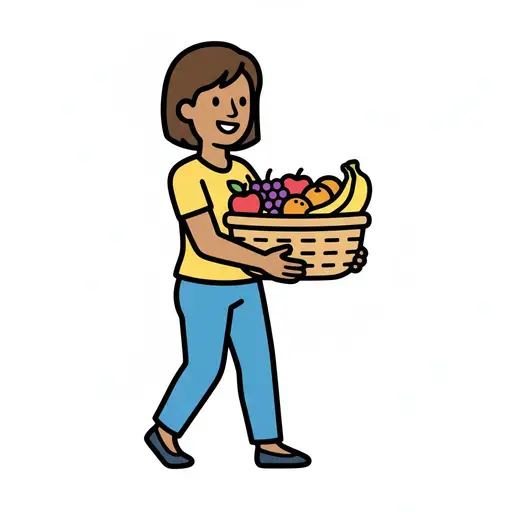
Bring fruit
A woman walks carrying a basket of fruit.
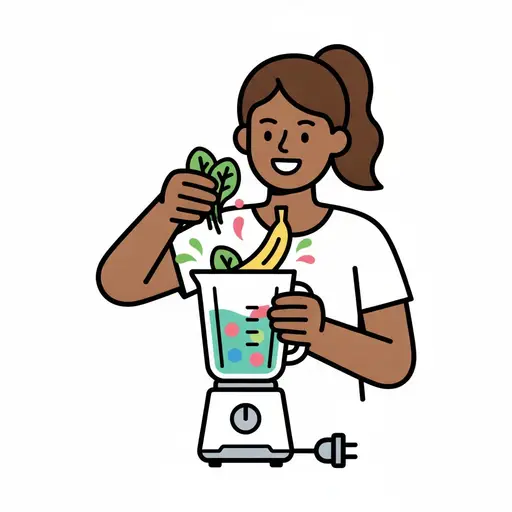
Make Smoothie
A girl puts spinach and banana into a blender to make a smoothie.
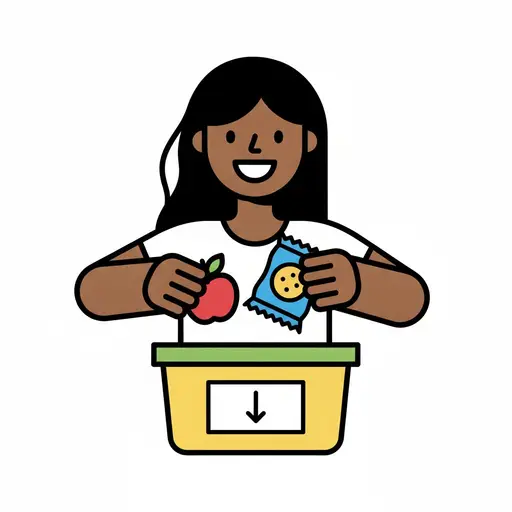
Pack the snack
A girl with long hair lowers a red apple and a packet of biscuits into a yellow ...
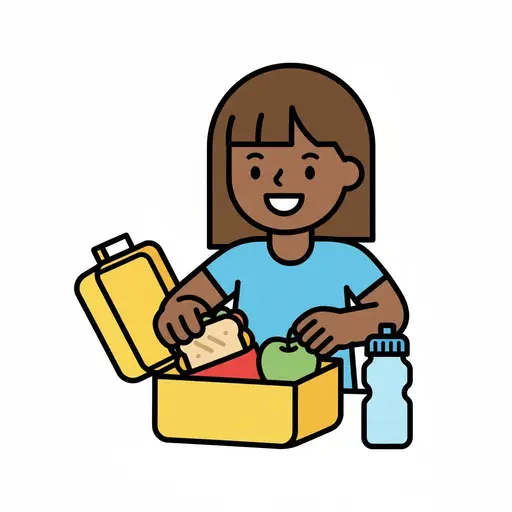
Make Lunchboxes
A girl packs a lunchbox with a sandwich, apple, grapes and juice.
This visual support in other languages
Take the visual supports with you
In Routined you build schedules from these pictures, add timers and voice instructions, and your child follows the day on their own.


* 14-day free trial, then $2.39 a month or $20.99 a year (US pricing). Cancel anytime.