Taste food
A new taste is rarely just taste. Texture, smell and temperature land in the mouth at the same time, and the body reacts before the brain has had a chance to judge. The steps below break tasting into smaller, less scary pieces.
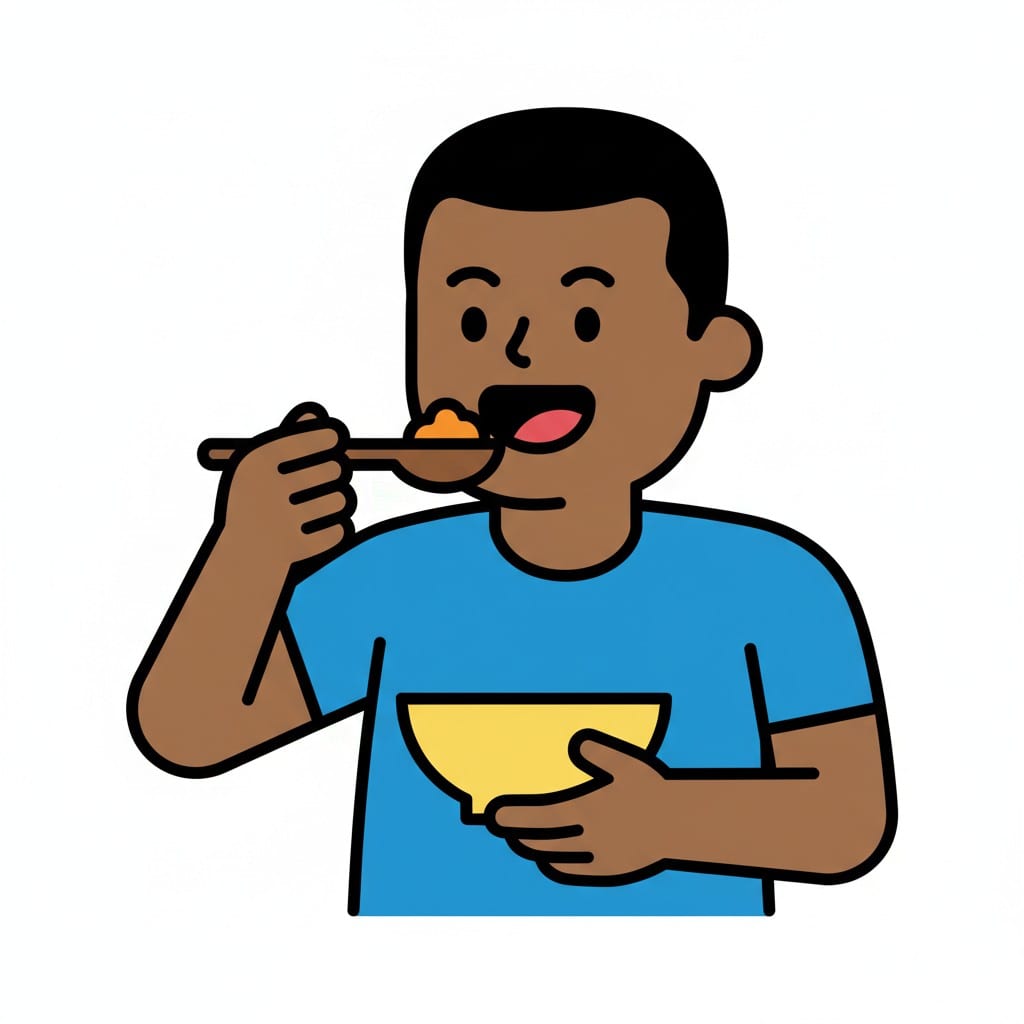 ♂
♂Child tasting food
An illustration of a child tasting food from a spoon with an open mouth, while holding a yellow bowl.
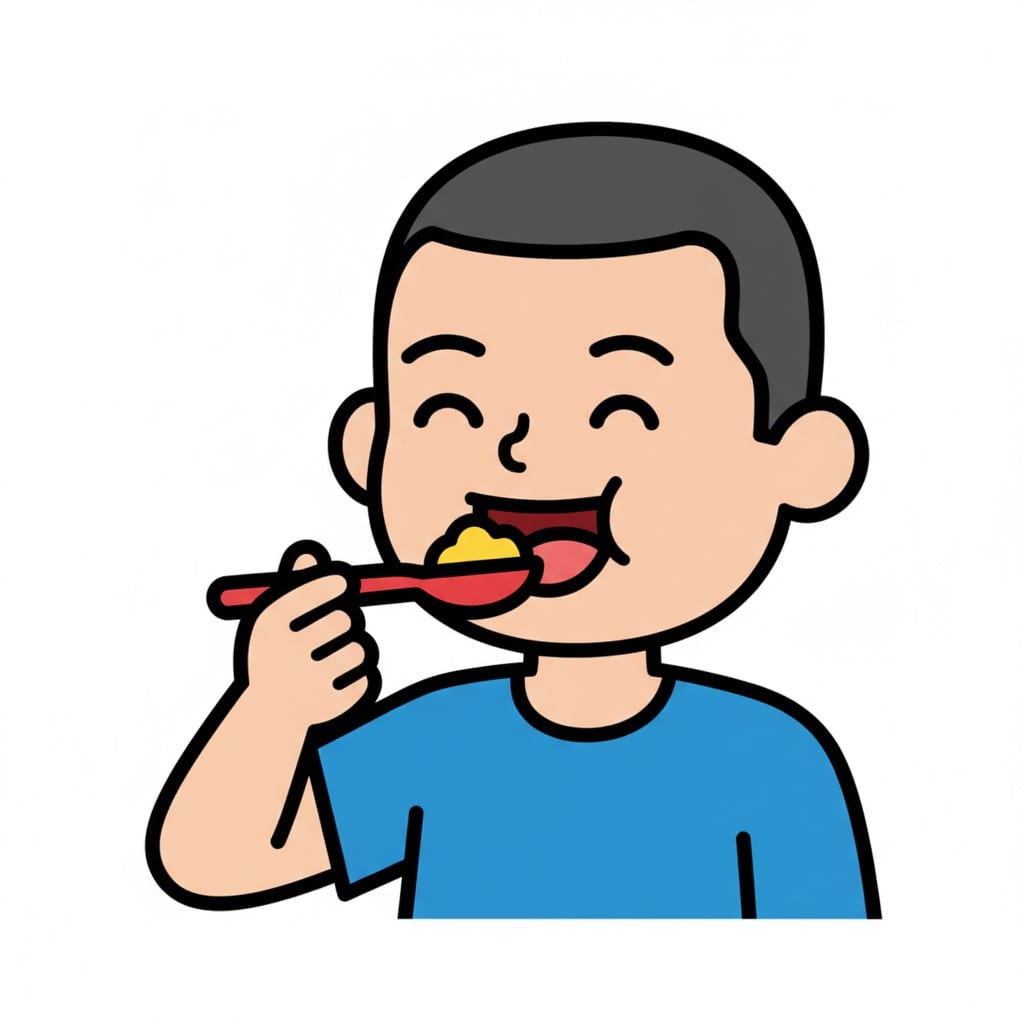 ♂
♂Child enjoying tasting food
An illustration of a child with closed eyes and a happy facial expression, tasting food from a red spoon.
About this visual support
Tasting something new is not a single decision but a chain of small encounters: the look, the smell, that first faintly damp touch on the lip, then the tongue. When all of these arrive at once, refusal often happens before the flavor even gets a chance.
Visual support helps by making each step its own moment. The child can see that smelling first is okay, or licking the tip of the fork and stopping there. A concrete tip: place a tiny piece on the side of the plate, not in the middle of the meal, so it becomes its own little project and doesn’t touch the safe foods. No negotiations – the picture simply shows what the next step looks like, if and when the child is ready.
The mood at the table matters as well. Calm voice, no audience stares, and no comment when the bite actually goes down. In the Routined app you can build a short tasting routine with the exact steps your child needs, and reuse it for the next meal.
Use this image in a schedule
Build your own visual schedule with this image and download it as a print-ready PDF. Completely free.

More similar visual supports
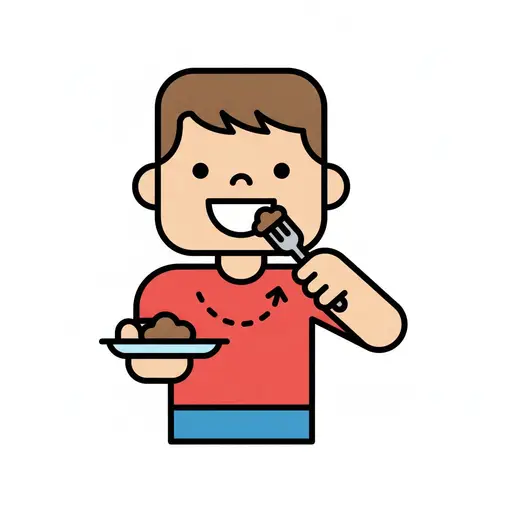
Eat what is offered
A boy holds a plate and lifts a forkful of food to his mouth.
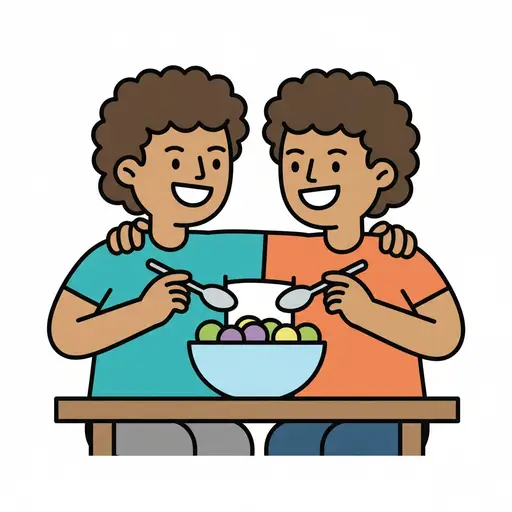
Eat
Two children share a bowl of fruit at the table.
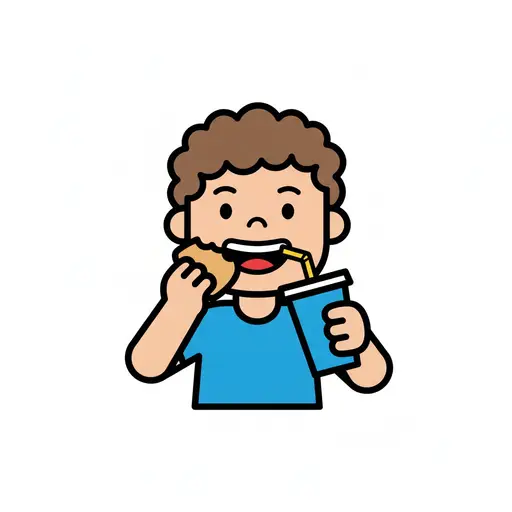
Eat and drink
A child takes a bite of a bun and drinks from a cup with a straw.
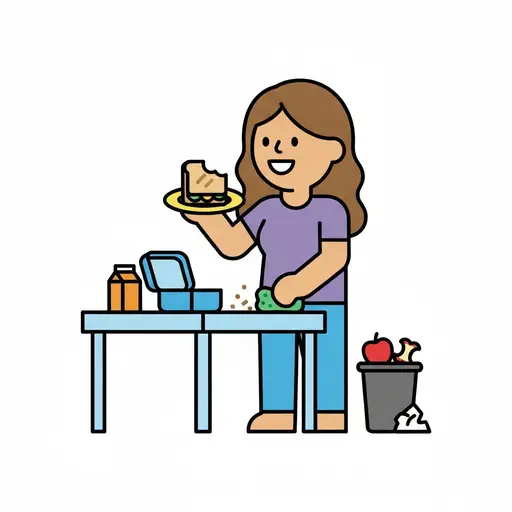
Eat lunch
A smiling person holds up a plate with a half-eaten sandwich and wipes the table...

Eat something
A cartoon boy eating from a blue bowl with a spoon.
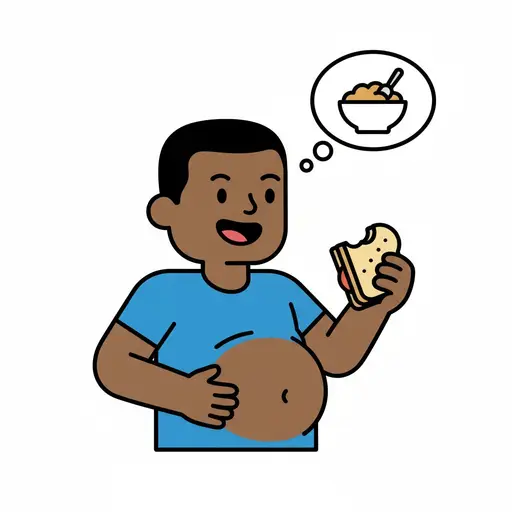
Eat until full
A happy boy eating a sandwich and holding his rounded stomach, with a thought bu...
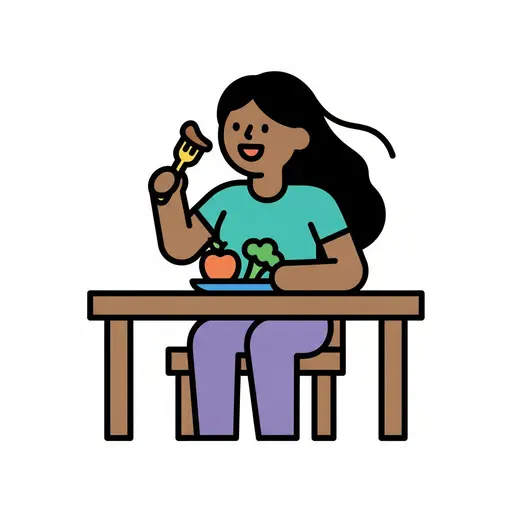
Have a meal
A smiling person sits at a table with a plate of tomato and broccoli and lifts a...
Meals
A plate of food divided into sections, a glass of drink, and a fork, spoon and k...
Take the visual supports with you
In Routined you build schedules from these pictures, add timers and voice instructions, and your child follows the day on their own.


* 14-day free trial, then $2.39 a month or $20.99 a year (US pricing). Cancel anytime.