Apply lotion
Lotion leaves a film between the child and the world that doesn't simply shake off. For someone with tactile sensitivity, a full body application can feel overwhelming. The visual support below shortens the distance.
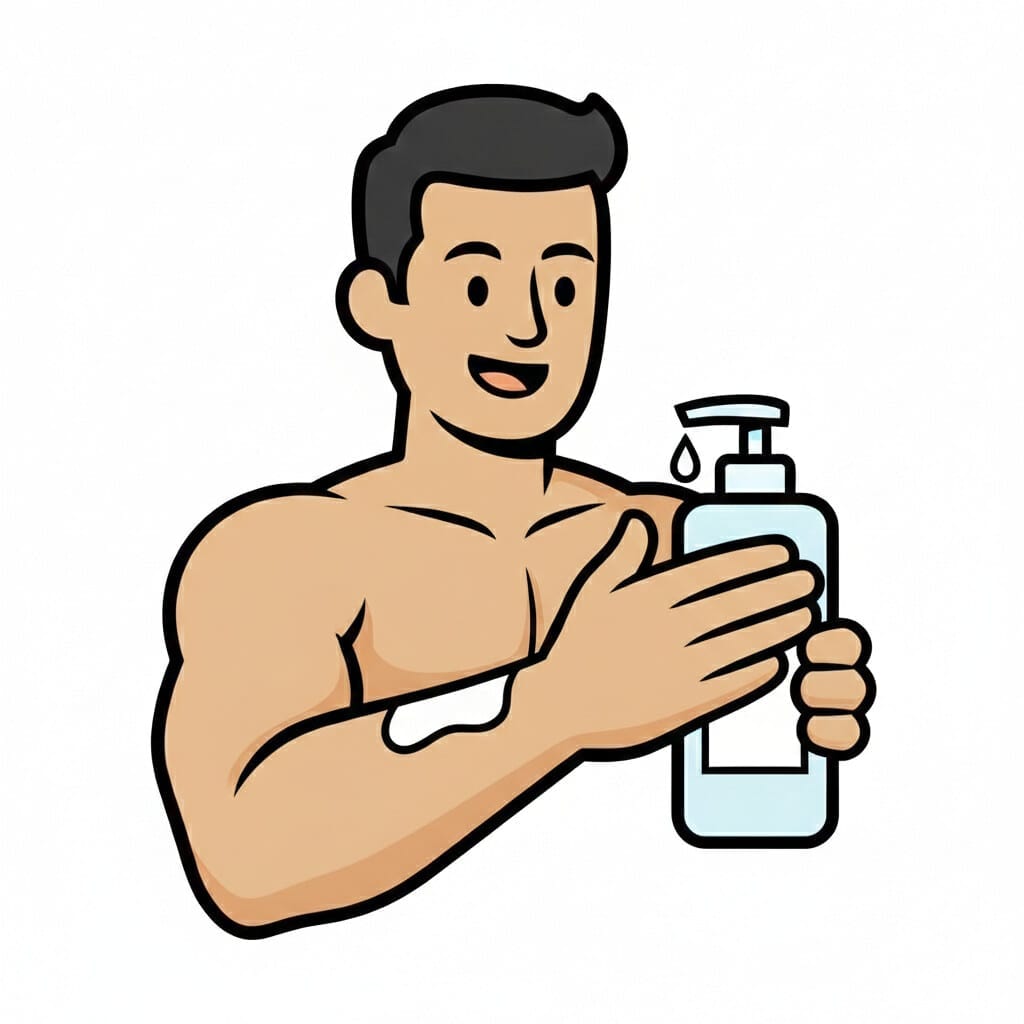 ♂
♂Apply lotion
A man applies lotion from a pump bottle to his arm.
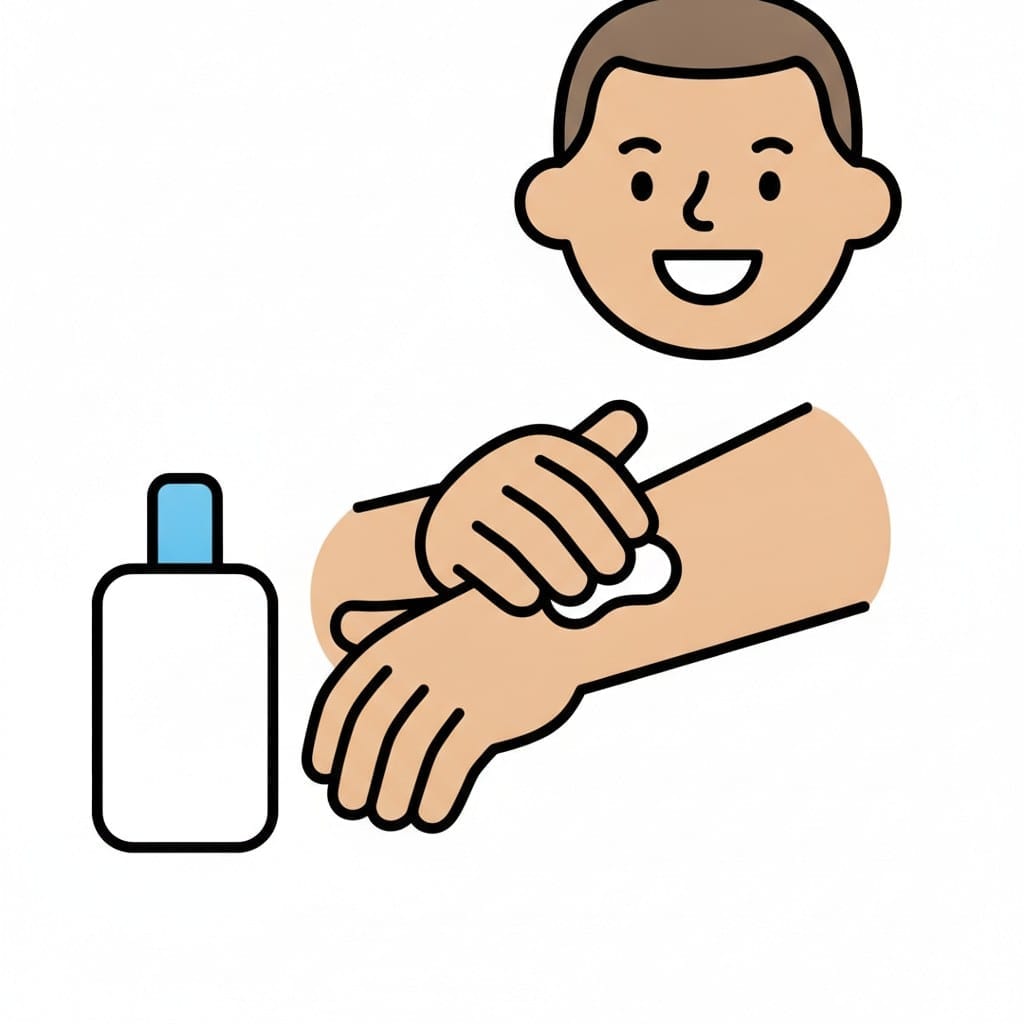 ♂
♂Rubbing lotion into the forearm
A smiling man rubs a dab of white lotion into his forearm, with a white bottle with a blue cap standing beside him.
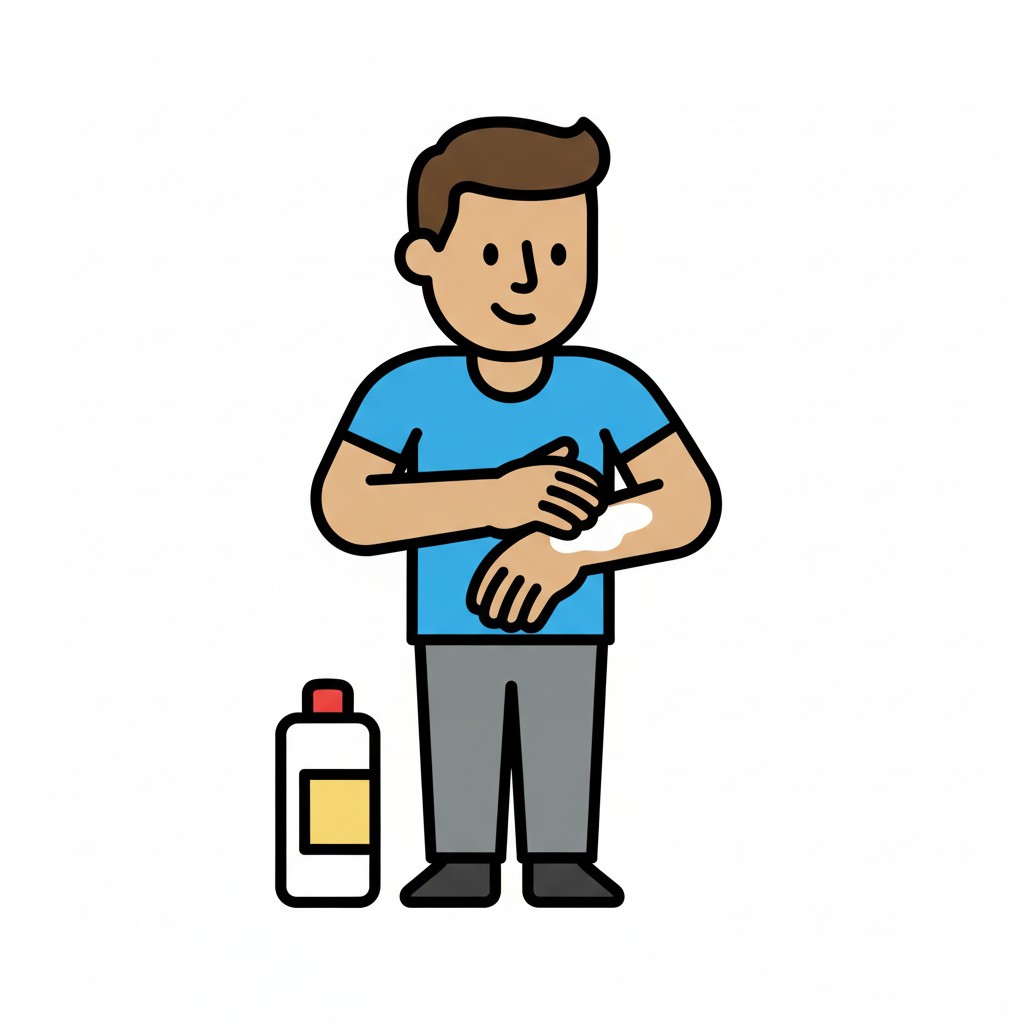 ♂
♂Boy rubbing lotion on arm
A boy rubs lotion onto his arm with a bottle beside him.
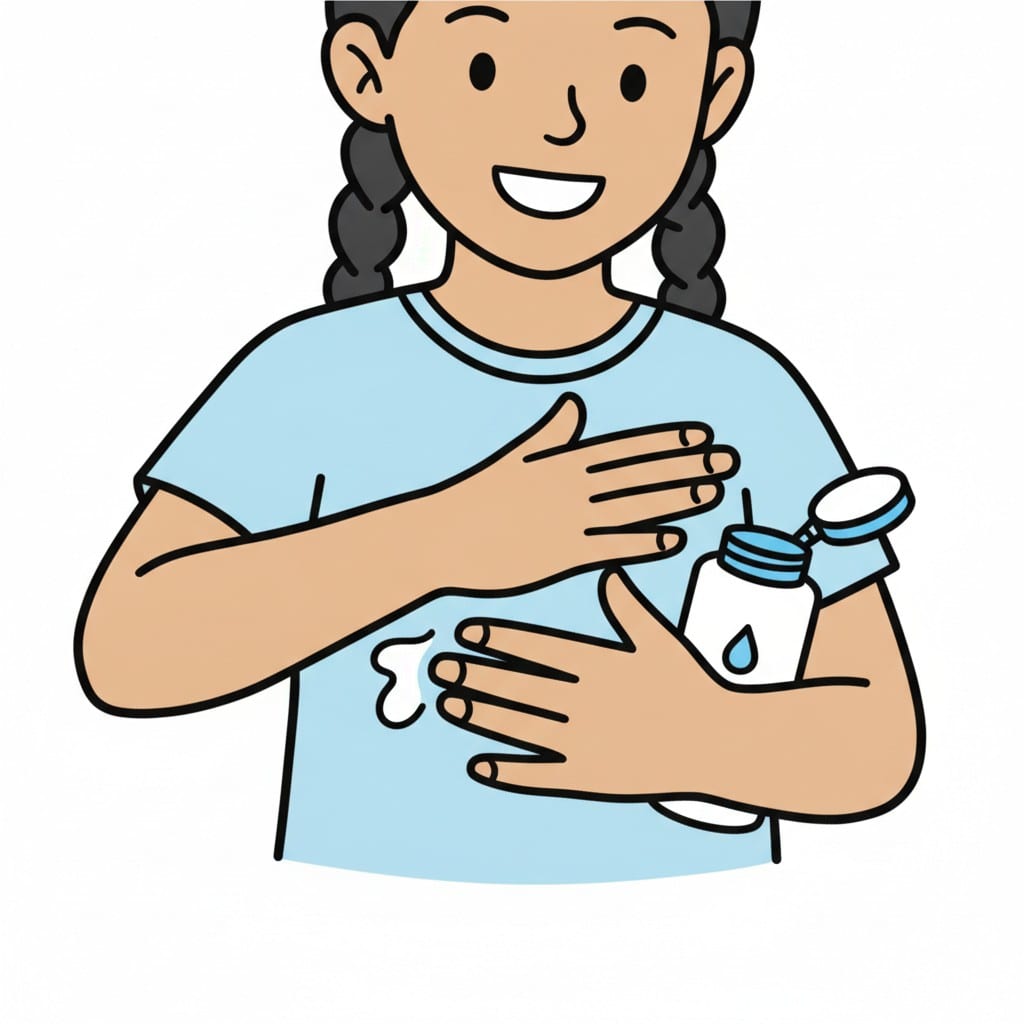 ♀
♀Girl spreading lotion on her hands
A girl with braids rubs a blob of lotion between her hands while tucking the bottle against her arm.
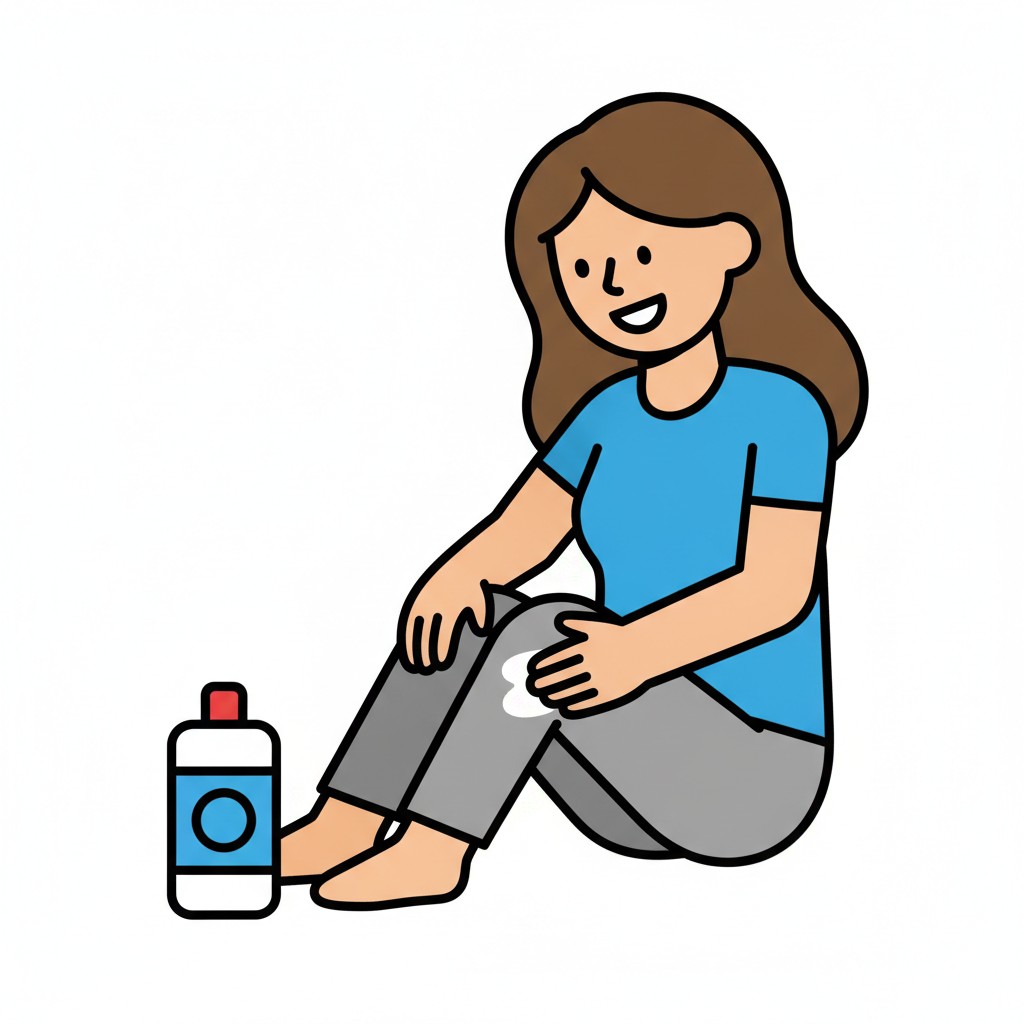 ♀
♀Woman applying lotion to leg
A woman sits on the floor rubbing lotion onto her knee, with a bottle beside her.
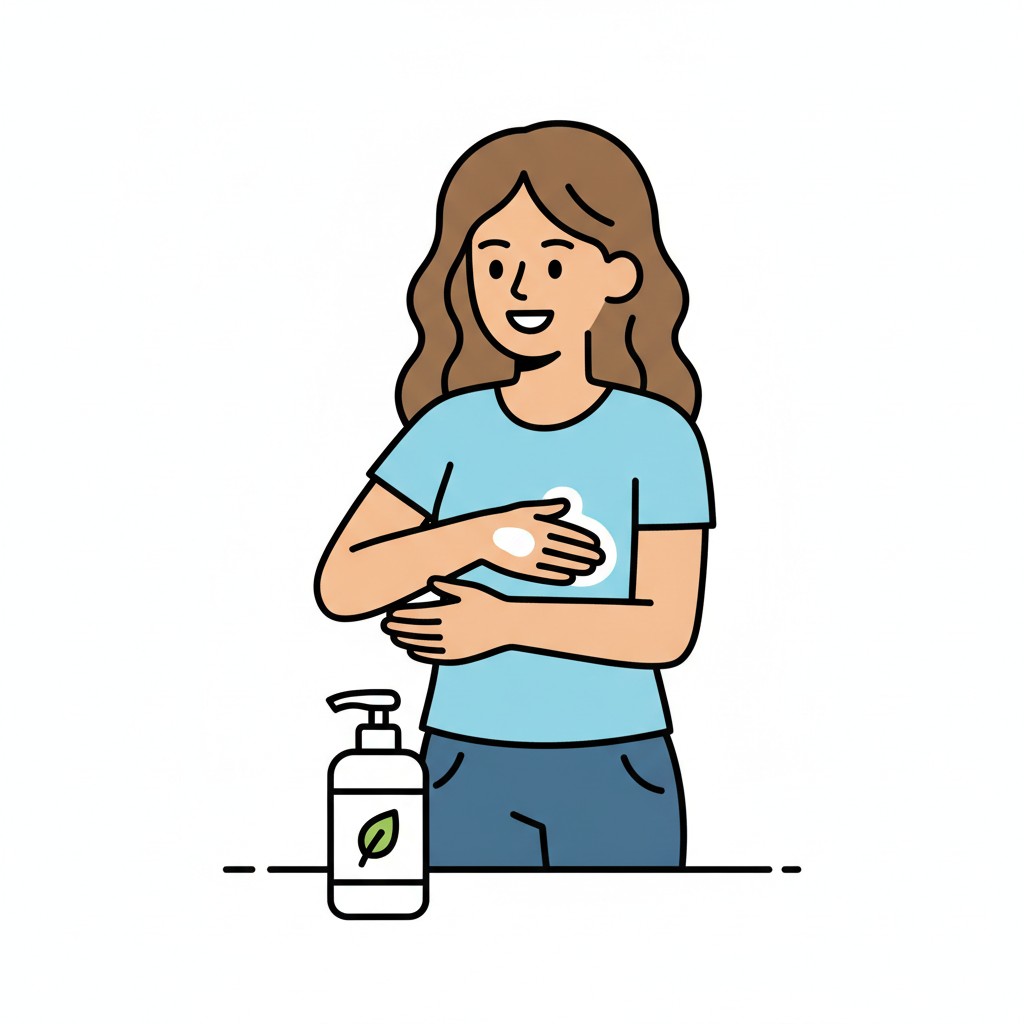 ♀
♀Girl applying lotion to arm
A girl rubs lotion onto her arm next to a pump bottle.
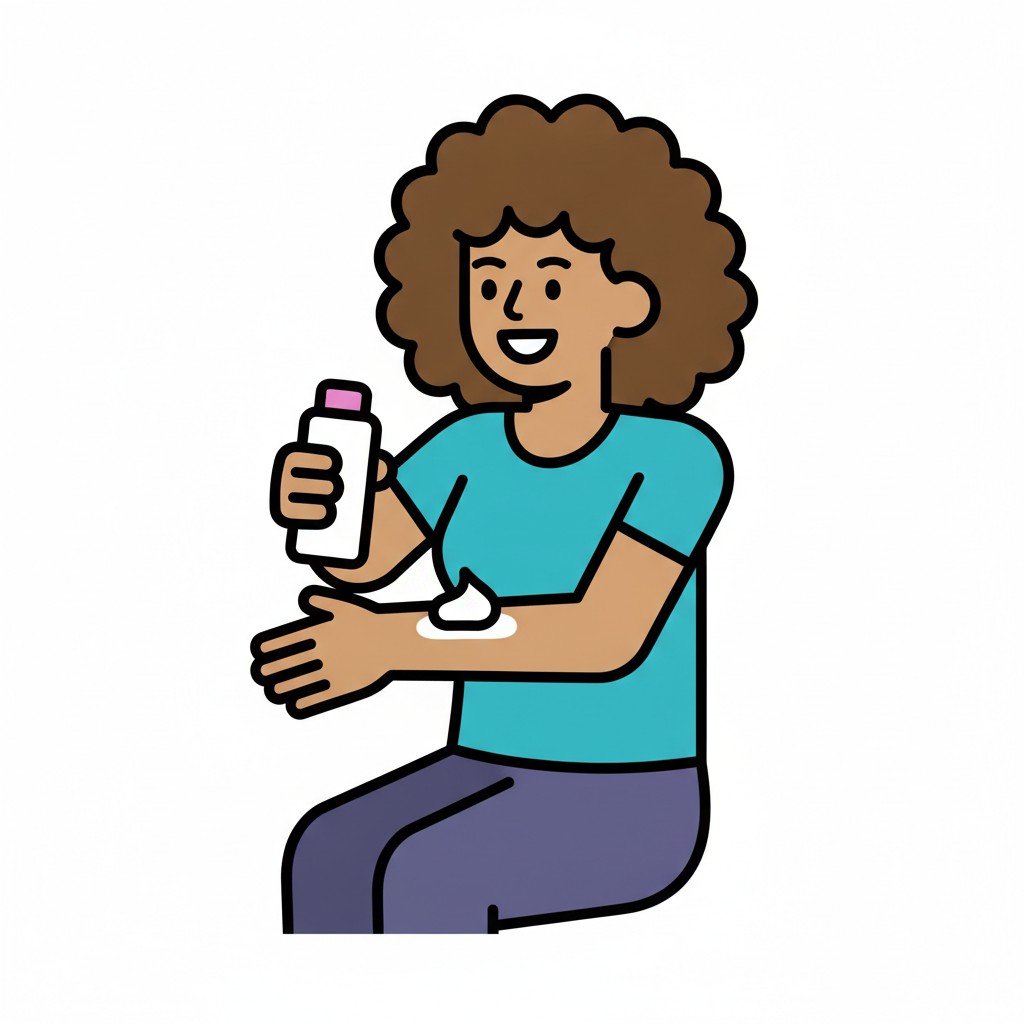 ♀
♀Woman putting lotion on arm
A smiling woman holds a bottle and has lotion on her arm.
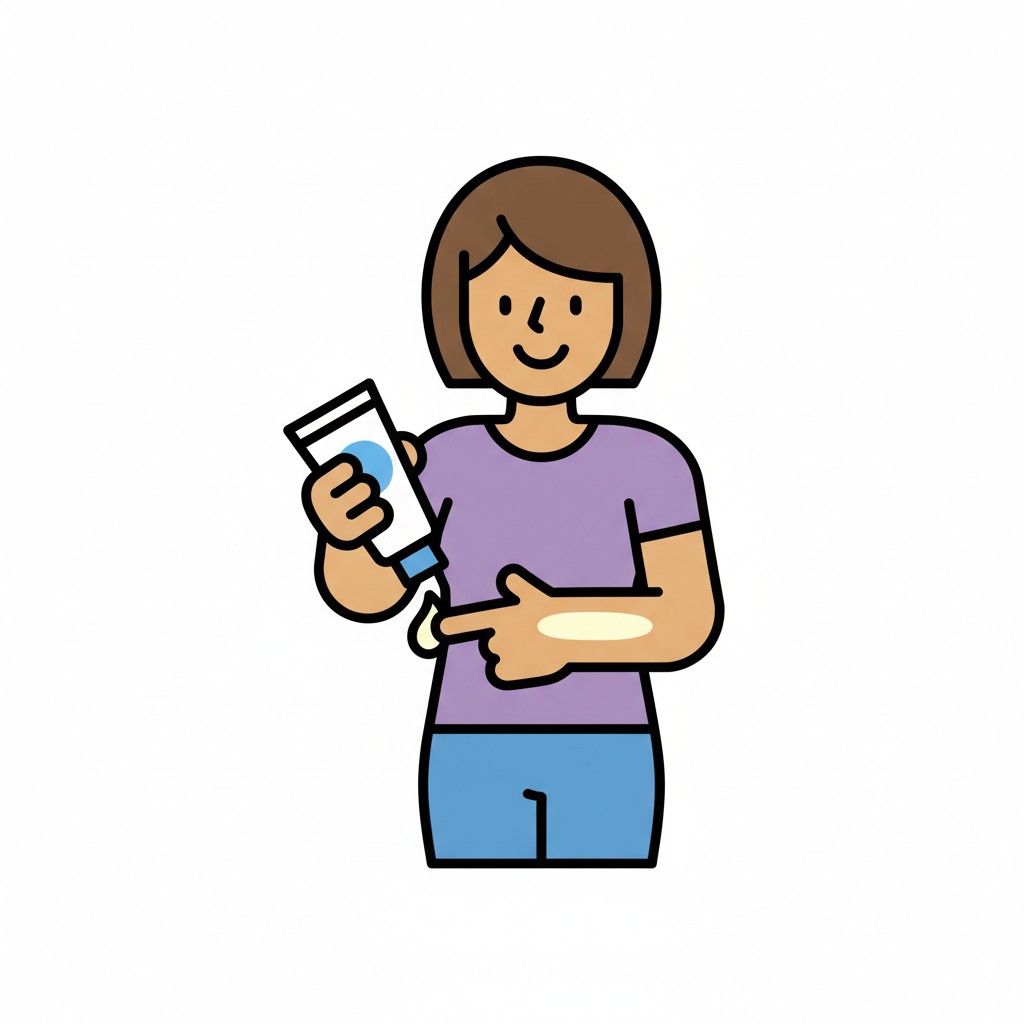 ♀
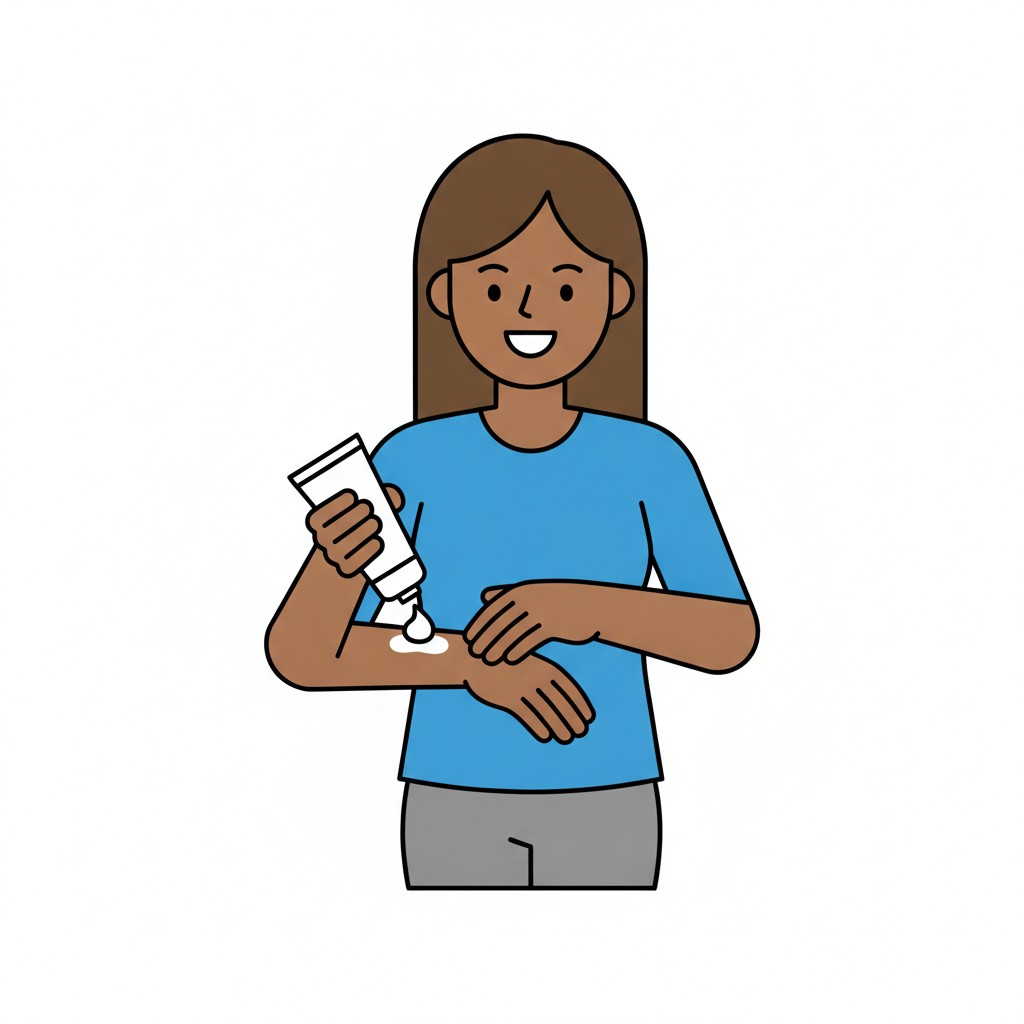
♀Creaming the arm
A woman squeezes cream from a tube onto her arm.
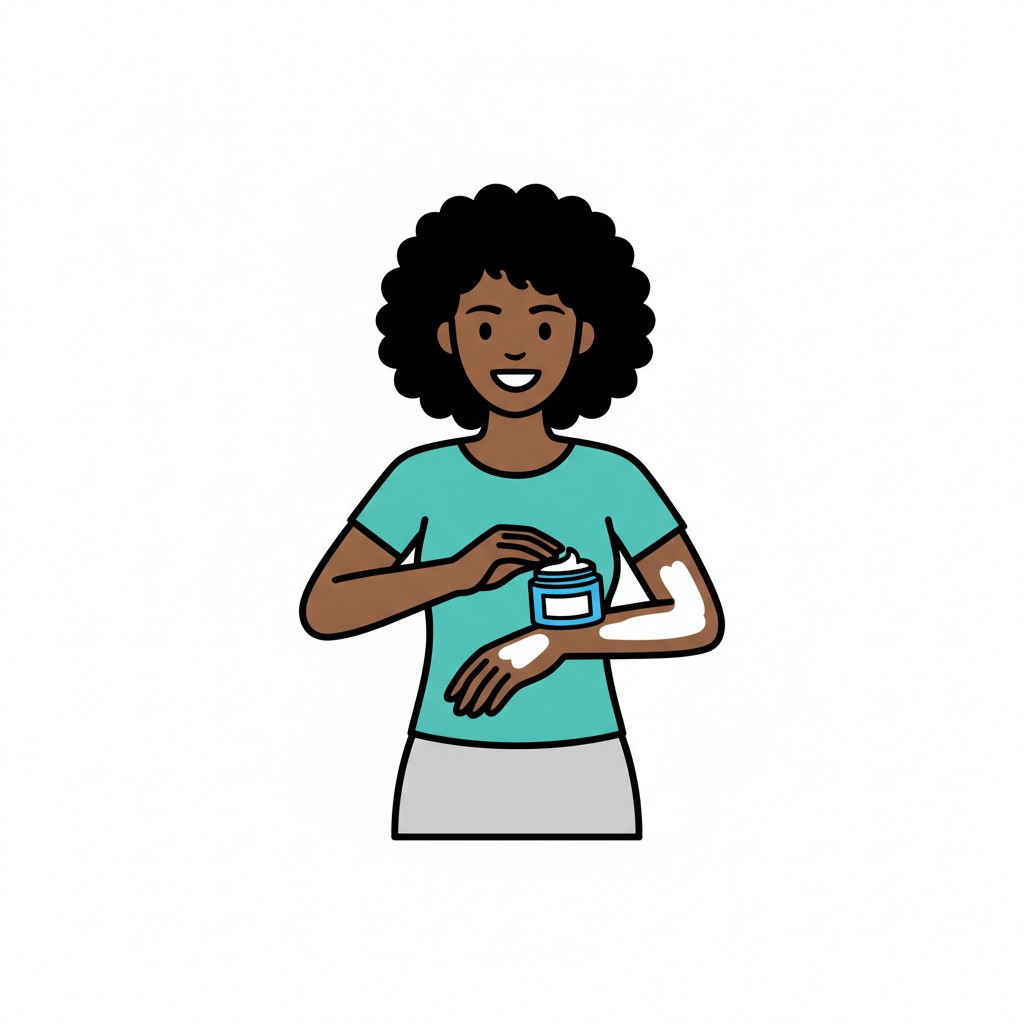 ♀
♀Creaming the arms
A woman rubs cream from a jar onto her arms.
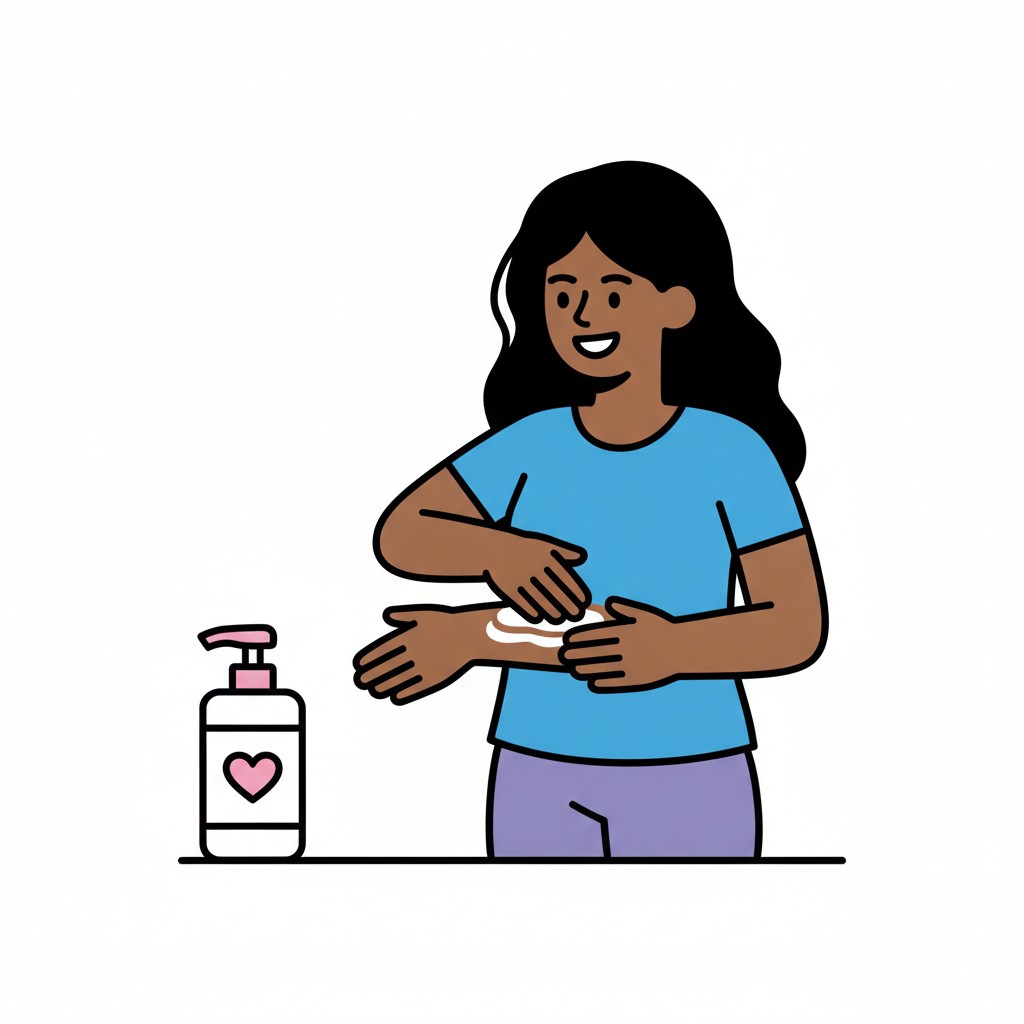 ♀
♀Lotion on arms
A woman rubs lotion on her forearm next to a pump bottle.
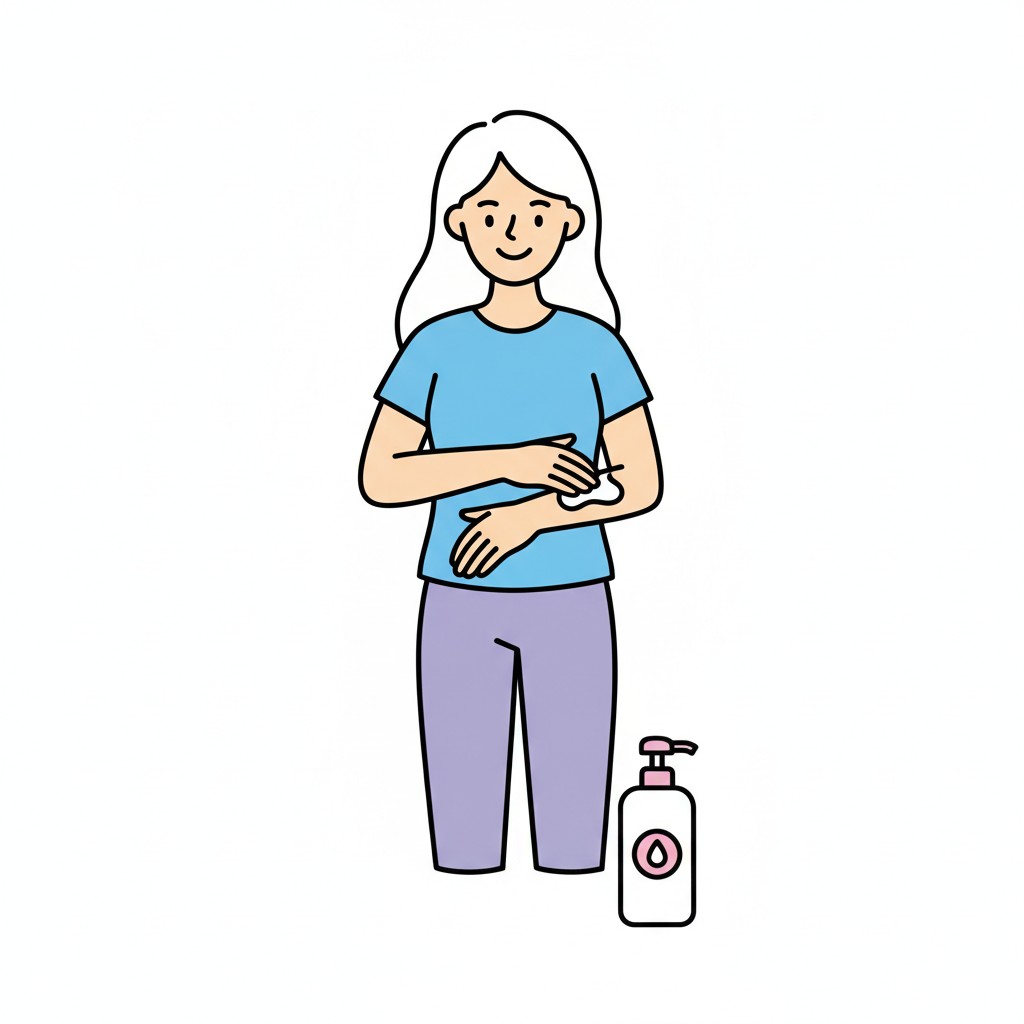 ♀
♀Creaming the arm
A woman rubs lotion into her arm with a bottle on the floor.
 ♀
♀Moisturising arms
A woman squeezes lotion from a tube onto her arm.
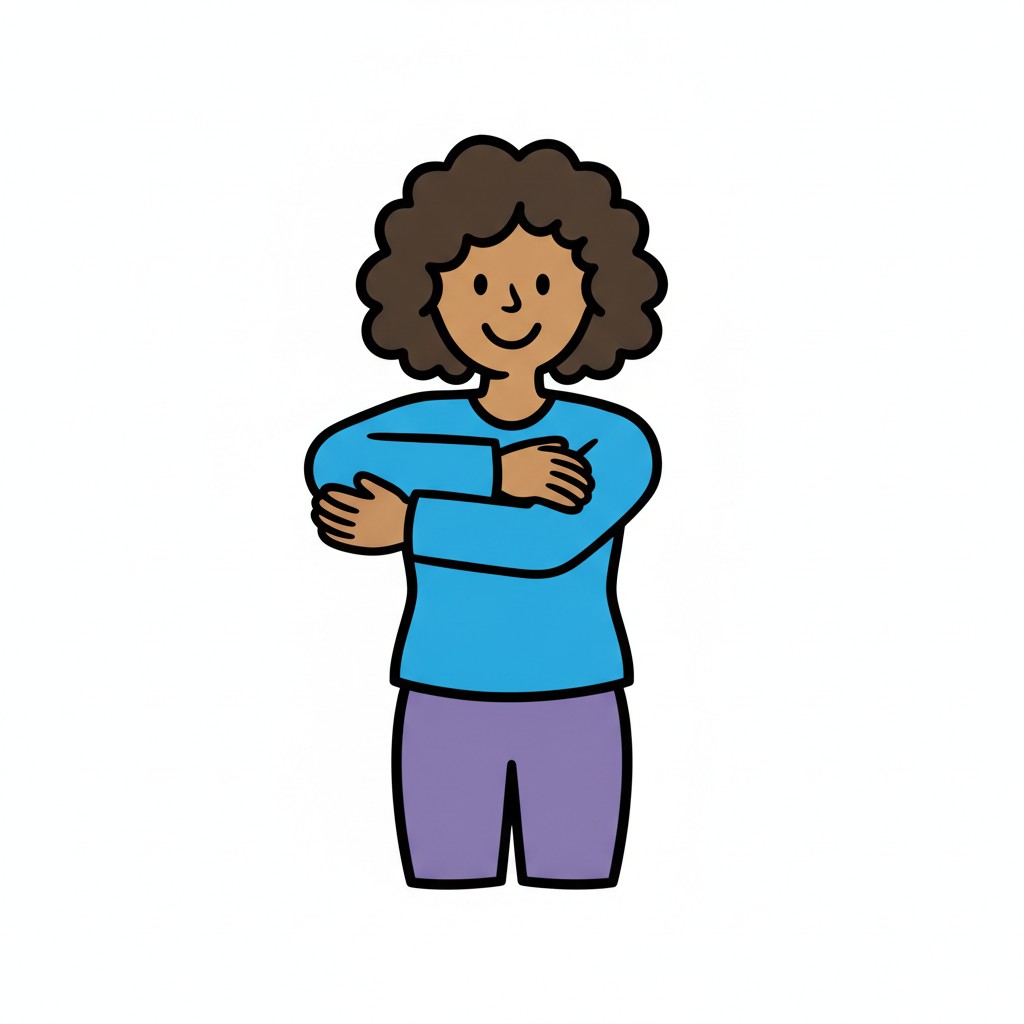 ♀
♀Rubbing the arms
A woman rubs her crossed arms.
About this visual support
For many children, the resistance to lotion isn't really about the cream itself but about what it does to skin sensation afterwards – a faint, sticky film that travels with clothes, sheets and chairs for hours. That feeling stays in awareness long after the moisturising is over. It's why an evening routine sometimes collapses at exactly this step.
With images showing the bottle, one body part at a time and where the cream is meant to go, the child can prepare for exactly what happens where. Sight steers expectation, and expectation steers tolerance. Seeing that legs come first and the belly second – not everywhere at once – is the difference between short discomfort and a big reaction.
One concrete tip: use as little cream as actually needed, roughly a pea per body part, and let the child press it out themselves. The brief motor control shifts focus away from the skin's response. When you later want to tie moisturising into an evening order, you can try Routined free for fourteen days.
This image is part of these ready-made schedules
Use this image in a schedule
Build your own visual schedule with this image and download it as a print-ready PDF. Completely free.

More similar visual supports
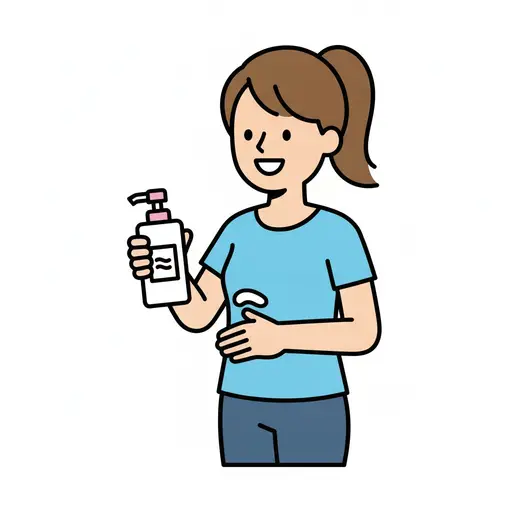
Apply body cream
A woman holds a pump bottle and rubs lotion onto her stomach.
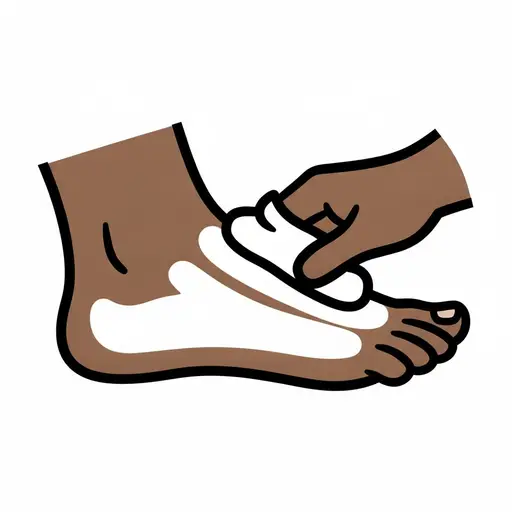
Put cream on the foot
A hand spreads white cream over the top of a foot.
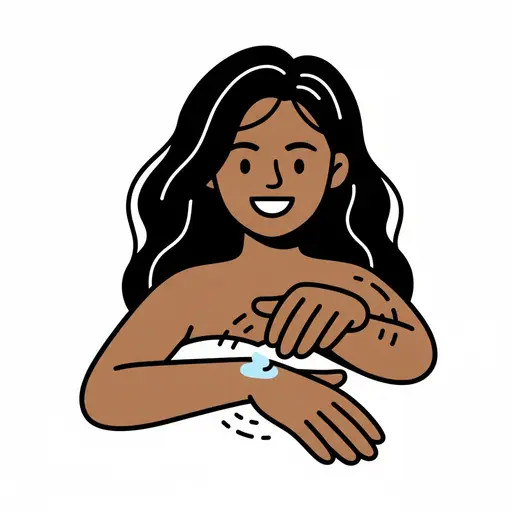
Put on lotion
One hand holds a pump bottle while the other rubs the cream into the skin of the...

Apply cream
A smiling woman holds a tube and rubs cream onto her arm.

Cream cheeks
A happy boy with white cream on his cheeks.
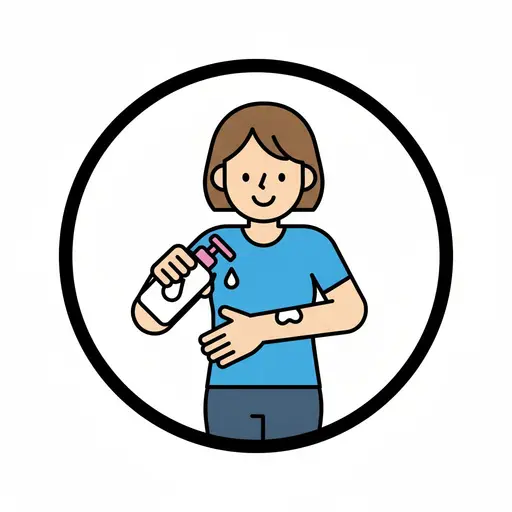
Lotion body
A woman pumps lotion from a bottle and rubs it into her arm.
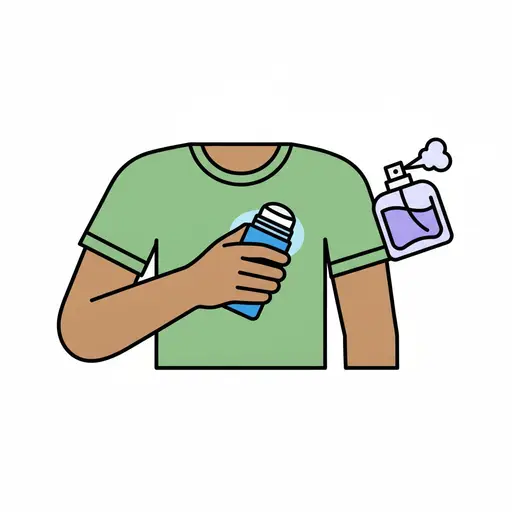
Apply deodorant
A hand applies roll-on deodorant with a perfume bottle nearby.
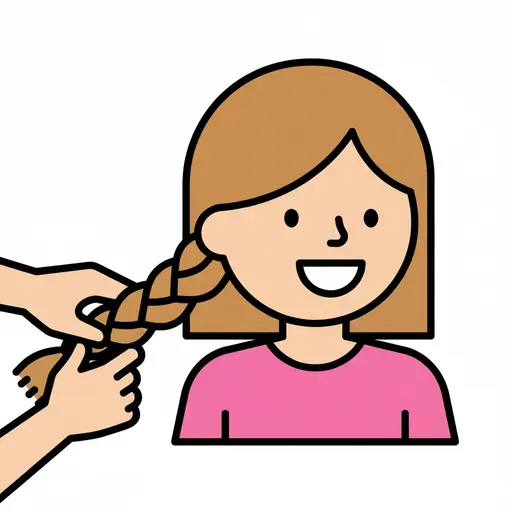
Braid hair
Two hands braid the hair of a smiling girl wearing a pink shirt.
Take the visual supports with you
In Routined you build schedules from these pictures, add timers and voice instructions, and your child follows the day on their own.


* 14-day free trial, then $2.39 a month or $20.99 a year (US pricing). Cancel anytime.