Braces
With braces the mouth never quite gets to rest. Metal presses against tongue and cheek, every adjustment leaves things sore for days, and every meal leaves something behind in the wires. The visual support below walks through the routine that keeps the discomfort in check.
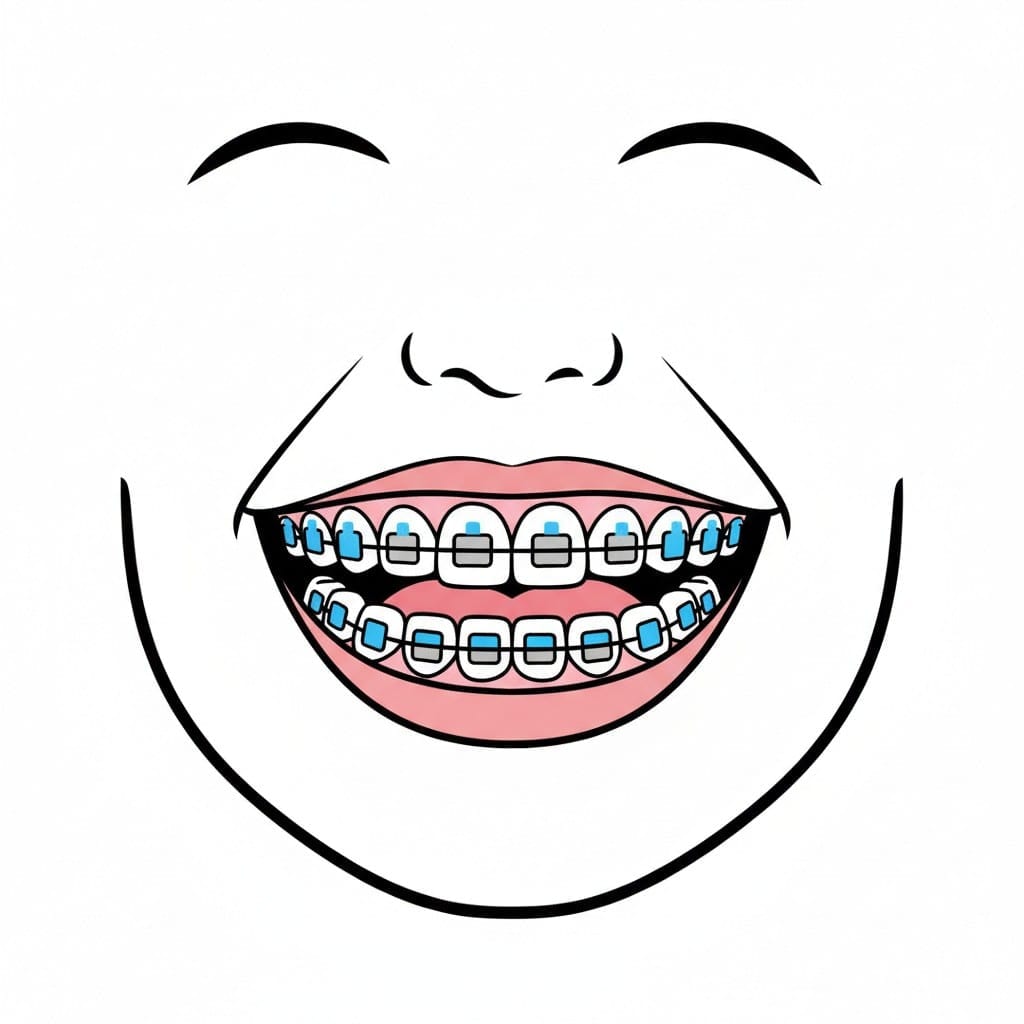
Smiling face with braces
An illustration of a smiling face showing a mouth with dental braces on the upper and lower teeth.
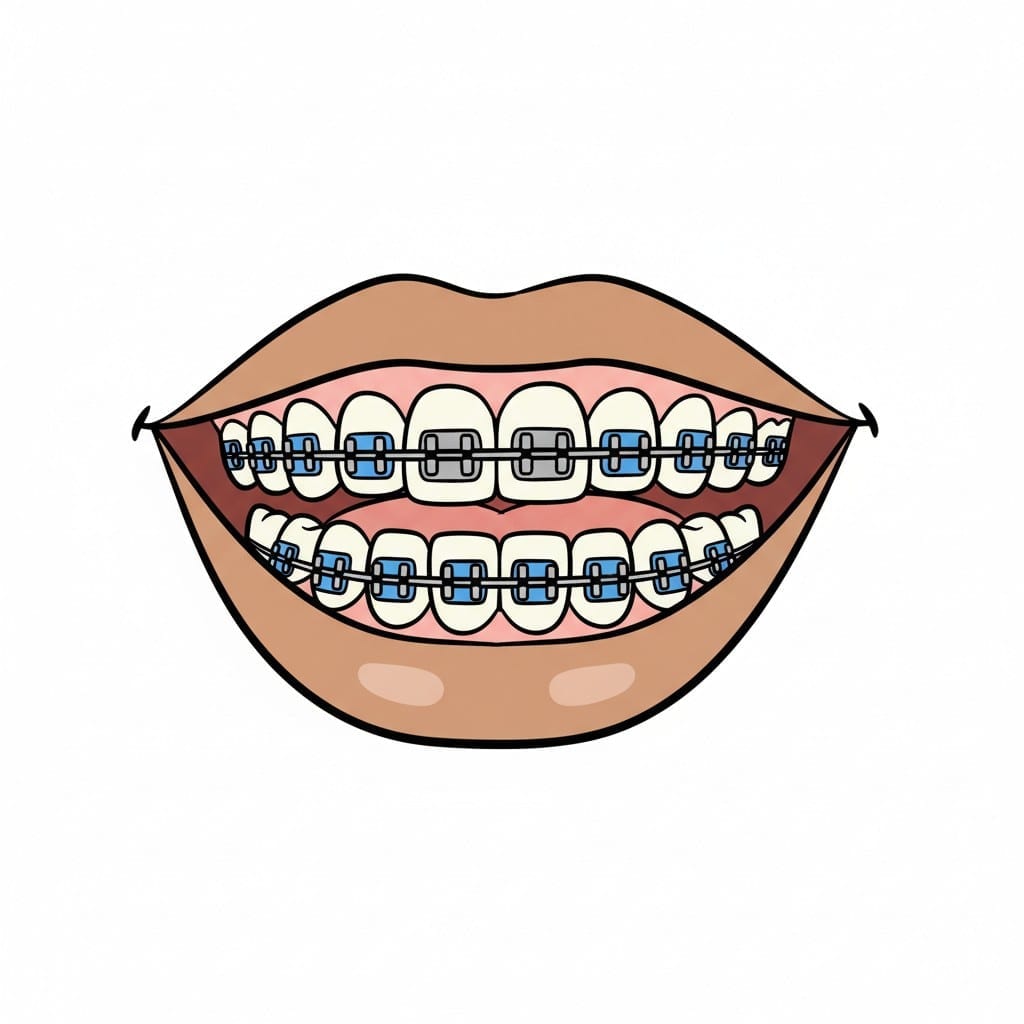
Mouth with braces
An illustration of a mouth with dental braces on the upper and lower teeth in a neutral expression.
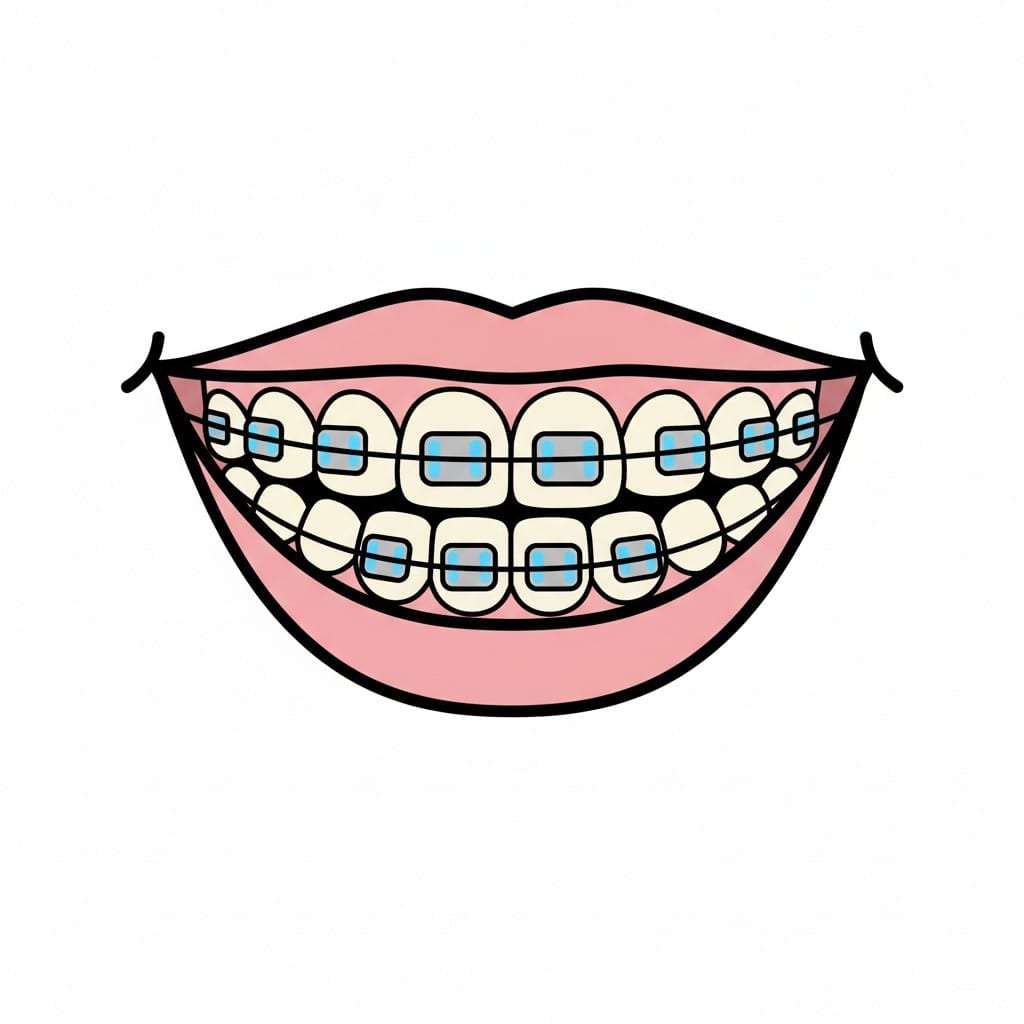
Smiling mouth with braces
An illustration of a smiling mouth showing dental braces on the upper and lower teeth.
About this visual support
What makes braces so wearing is not one sharp pain but the fact that the mouth never gets a few hours of rest. A wire rubs the inside of the cheek, a bracket presses the tongue when the child speaks, and the next adjustment arrives before the last soreness has faded. Add food trapped in ways ordinary brushing cannot reach, and there is suddenly too much to keep track of mentally.
Visual support helps by laying the whole chain of small tasks out in plain sight. Brush in smaller angles between the brackets, use a floss threader under the wire, rinse with fluoride, check for any end poking out, get the orthodontic wax. The steps remove the what-did-I-forget question, which is where frustration usually builds.
One concrete tip: keep a small box with wax, an interdental brush and a mirror in the same spot as the toothbrush, and use a photo of that spot for one of the cards. When the child can see exactly where the gear lives, the threshold for dealing with a sharp end drops sharply. In the Routined app you can add a short evening check after brushing, so discomfort gets caught before it turns into a long night.
Use this image in a schedule
Build your own visual schedule with this image and download it as a print-ready PDF. Completely free.

More similar visual supports
Dentist visit
A person sits in a dentist's chair with an open mouth. A hand with a dental mirr...

Brush teeth and take medicine
A person in a blue shirt is brushing their teeth with a blue toothbrush while ho...
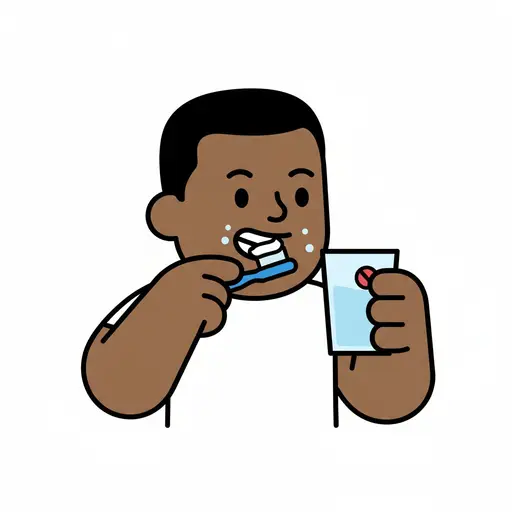
Brush teeth take medicine
A boy brushes his teeth with a blue toothbrush and holds a glass of water with a...
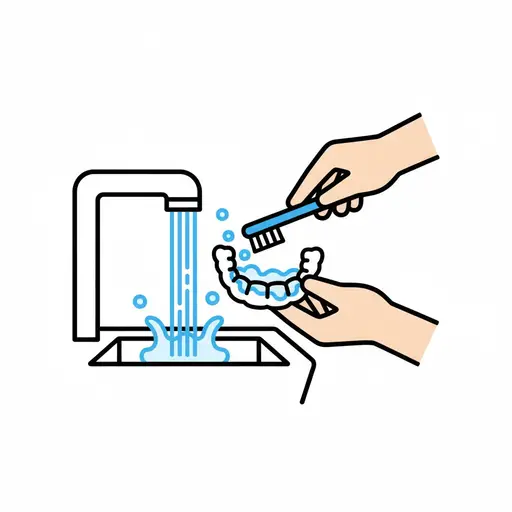
Clean the retainer
Two hands hold a clear retainer and a toothbrush at a sink with the water runnin...
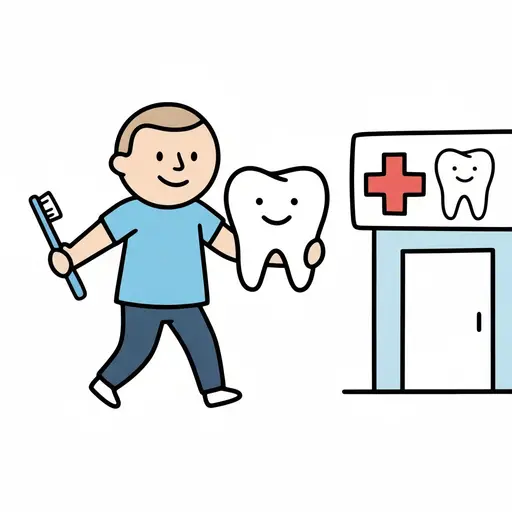
Go to the dentist
A child with a toothbrush walks towards a dental clinic beside a smiling tooth.
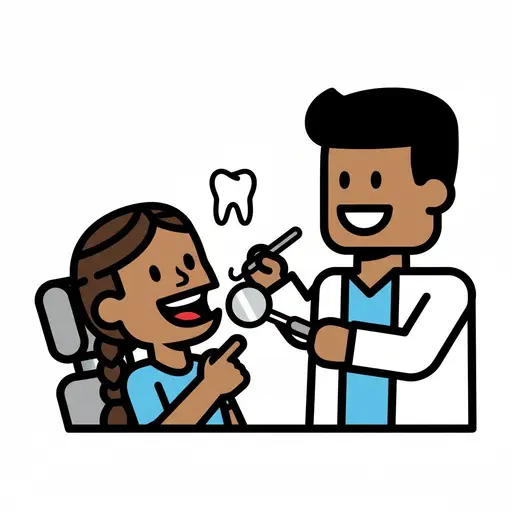
Visit dentist
A child sits in a dentist's chair with an open mouth, pointing to their teeth. A...
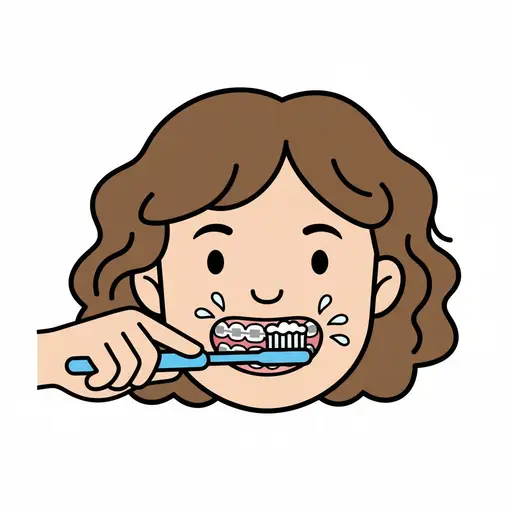
Brush braces
A person brushes their teeth and braces with a toothbrush, showing good oral hyg...
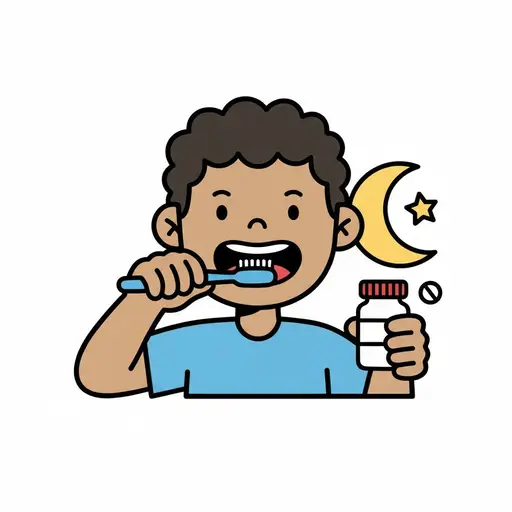
Brush teeth and evening medicine
A boy is brushing his teeth with a toothbrush in his mouth and holding a medicin...
Take the visual supports with you
In Routined you build schedules from these pictures, add timers and voice instructions, and your child follows the day on their own.


* 14-day free trial, then $2.39 a month or $20.99 a year (US pricing). Cancel anytime.