Bring glasses down
Glasses against the nose and ears feel unfamiliar, and because they make no fuss they are easy to leave behind. Two things collide: a new sensation on the face and nothing to prompt you in the moment. The steps below hold both together.
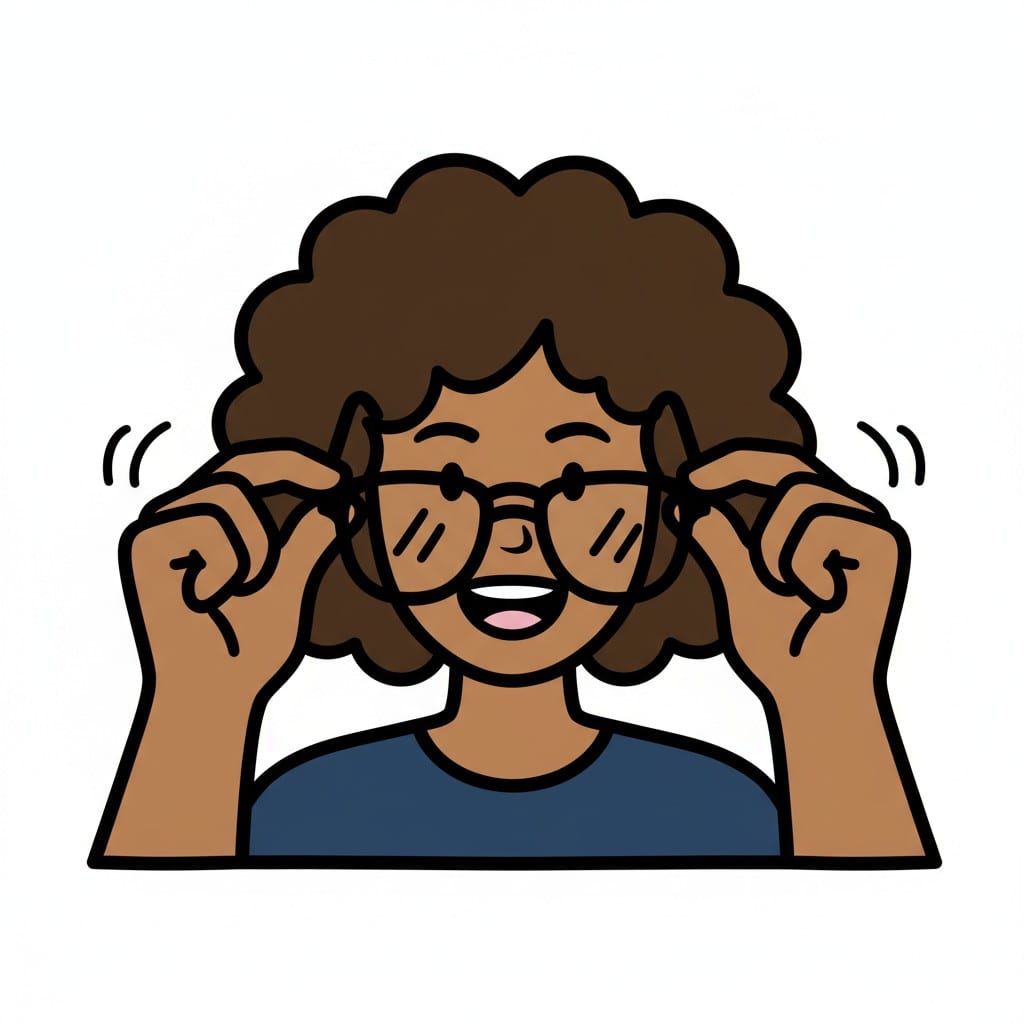 ♀
♀Putting on glasses
A smiling girl adjusts her glasses with both hands.
About this visual support
The odd thing about glasses is that they feel both like too much and too little. Against the bridge of the nose and behind the ears they sit unfamiliarly and demand attention for the first weeks, yet they weigh almost nothing and make no sound, so when thoughts wander nothing flags that they stayed on the nightstand. Two forces pull in opposite directions at once.
That is why visual support works best when it ties the sensation and the memory together. A picture showing where the glasses are kept, one showing them being put on calmly with both hands, turns the act into a small habit rather than something you happen to remember. Seeing the steps in advance also softens the strangeness, because the child knows what is about to happen to the face.
One concrete tip: link the glasses to a fixed place and a fixed moment, such as right after breakfast at the same shelf. Putting them on then attaches to something the child does anyway, not to remembering out of nowhere. In the Routined app you can add the glasses as a recurring step and pair it with a moment that is already well established.
Use this image in a schedule
Build your own visual schedule with this image and download it as a print-ready PDF. Completely free.
More similar visual supports
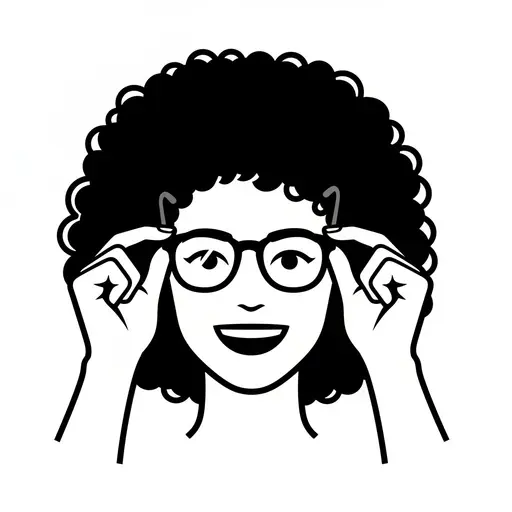
Take off glasses
A girl takes off her glasses with both hands.
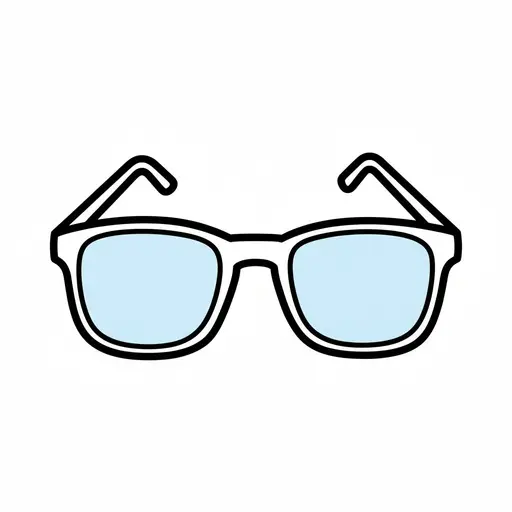
Clean the glasses
A pair of glasses with clean light blue lenses and a black frame.
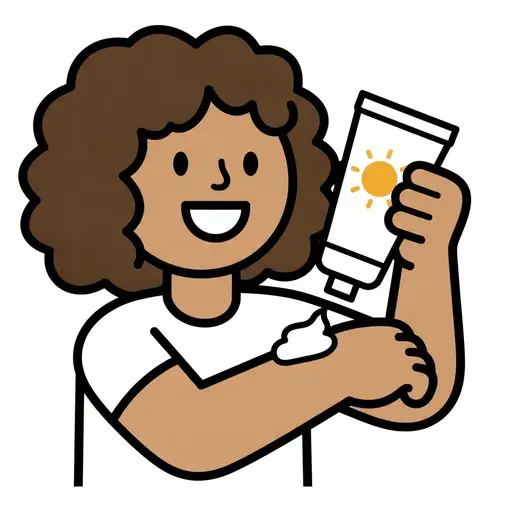
Sunscreen
A smiling girl holds a sunscreen tube marked with a sun and has a dab of white c...

Ritalin
A medicine bottle with a prescription label next to a capsule and a pill.
Armband
A person wears a red armband on their upper arm and points at it.
Weigh yourself
A girl stands barefoot on a bathroom scale and looks straight ahead.

Medication
A medicine bottle with a cross, a dropper bottle and some tablets.
Eye drops and rinse
A smiling person holds a small dropper bottle above their eye as a blue drop fal...
This visual support in other languages
Take the visual supports with you
In Routined you build schedules from these pictures, add timers and voice instructions, and your child follows the day on their own.


* 14-day free trial, then $2.39 a month or $20.99 a year (US pricing). Cancel anytime.