Cap
A cap is rarely just something on the head. It presses against the forehead, casts a shadow over the eyes and can feel sweaty within two minutes. The pictures below show both the steps and the feeling, so the child knows what to expect.
 ♂
♂Putting on a cap
A boy puts on a red cap.
 ♂
♂Putting on the beanie
A boy pulls on a red beanie.

Cap
A red and blue baseball cap with the letter A on the front.
About this visual support
The moment a cap goes on, the head suddenly has three new signals at once: pressure across the forehead, a darker field of vision, and a fabric that wasn't there a second ago. For a child who registers sensory input strongly, that combination alone can be enough to rip the cap off – not in protest, but because it is too much.
Visual support for caps works best when it shows both the action and the sensation. One picture of putting the cap on, one of where the shadow lands, and one showing when it is okay to take it off again – for example when you step inside the shop. The cap then becomes a tool with a clear start and end, not a demand worn all day.
Concrete tip: let the child try two caps side by side with a picture for each, and choose. The one that is chosen tends to be pulled off less often. In the Routined app you can place the cap into the getting-dressed routine and check it off once it is on.
Use this image in a schedule
Build your own visual schedule with this image and download it as a print-ready PDF. Completely free.
More similar visual supports

Put on sunscreen
An illustration of a woman putting sunscreen on her arm.

Use sunscreen
A person is applying sunscreen to their leg.
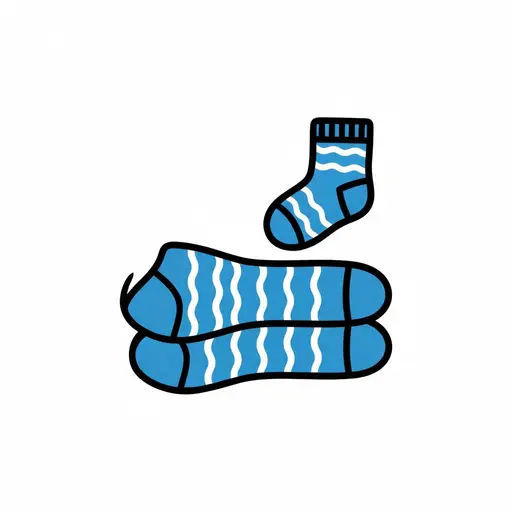
Extra socks
An image of three blue socks with white wavy stripes, two are stacked and a thir...

Shorts
A pair of blue shorts with an elastic waistband, a red drawstring and pockets on...

Turban
A blue turban with a round yellow and red brooch at the front.

Change clothes
A child pulls a yellow sweater over their head.
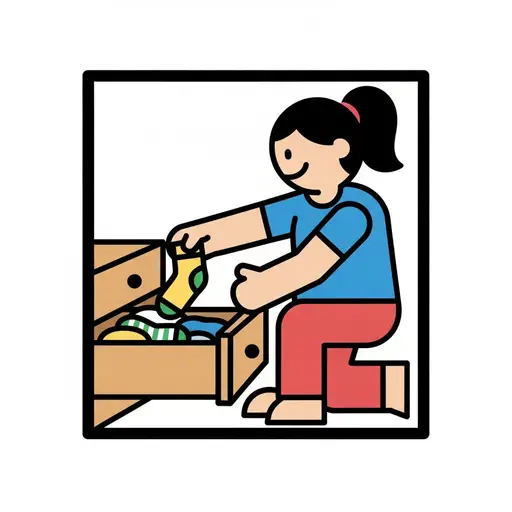
Socks
A girl with a ponytail kneels and takes a pair of socks out of an open drawer.
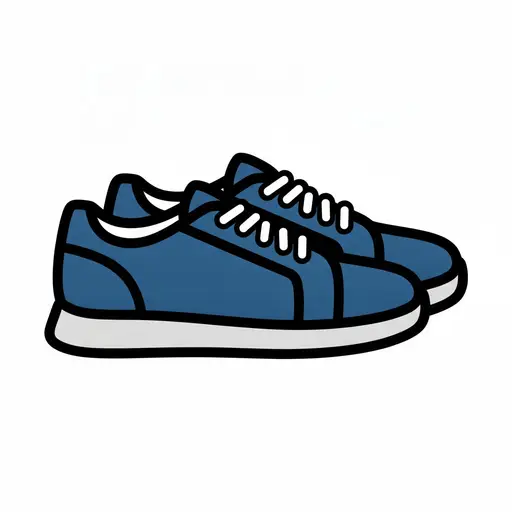
Shoes
A pair of blue trainers with white laces and white soles.
This visual support in other languages
Take the visual supports with you
In Routined you build schedules from these pictures, add timers and voice instructions, and your child follows the day on their own.


* 14-day free trial, then $2.39 a month or $20.99 a year (US pricing). Cancel anytime.