Dress
Before the first sock is on, a seam in the wrong place can stall the whole morning. The visual support below makes the order visible so the body does not have to guess.
 ♂
♂Dress
An illustration of a boy wearing a blue t-shirt and blue shorts, standing with his hands on his hips and smiling.
 ♂
♂Dress
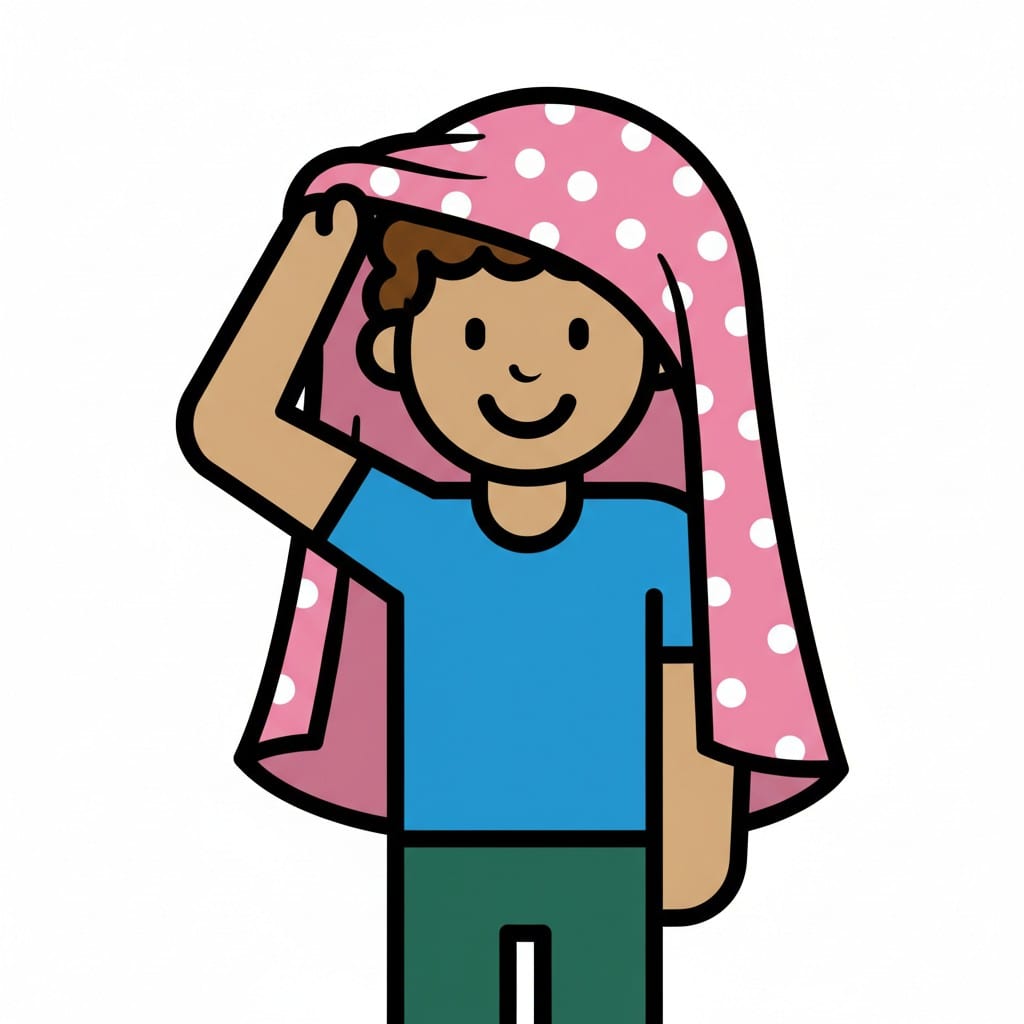
A boy smiling while putting on a pink polka-dot blanket.
 ♂
♂Man putting on a t-shirt
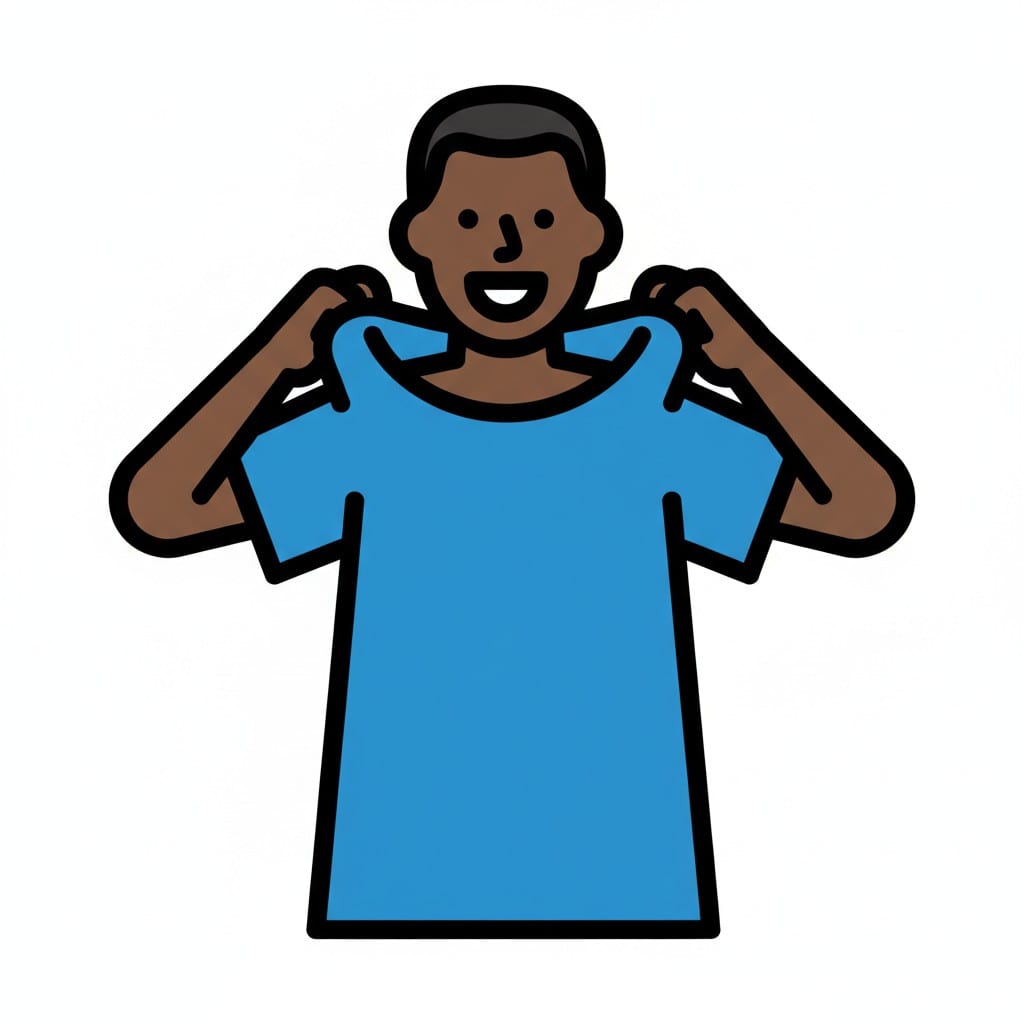
A smiling man holds a blue t-shirt by the shoulders and pulls it on over his head.
 ♀
♀Dress
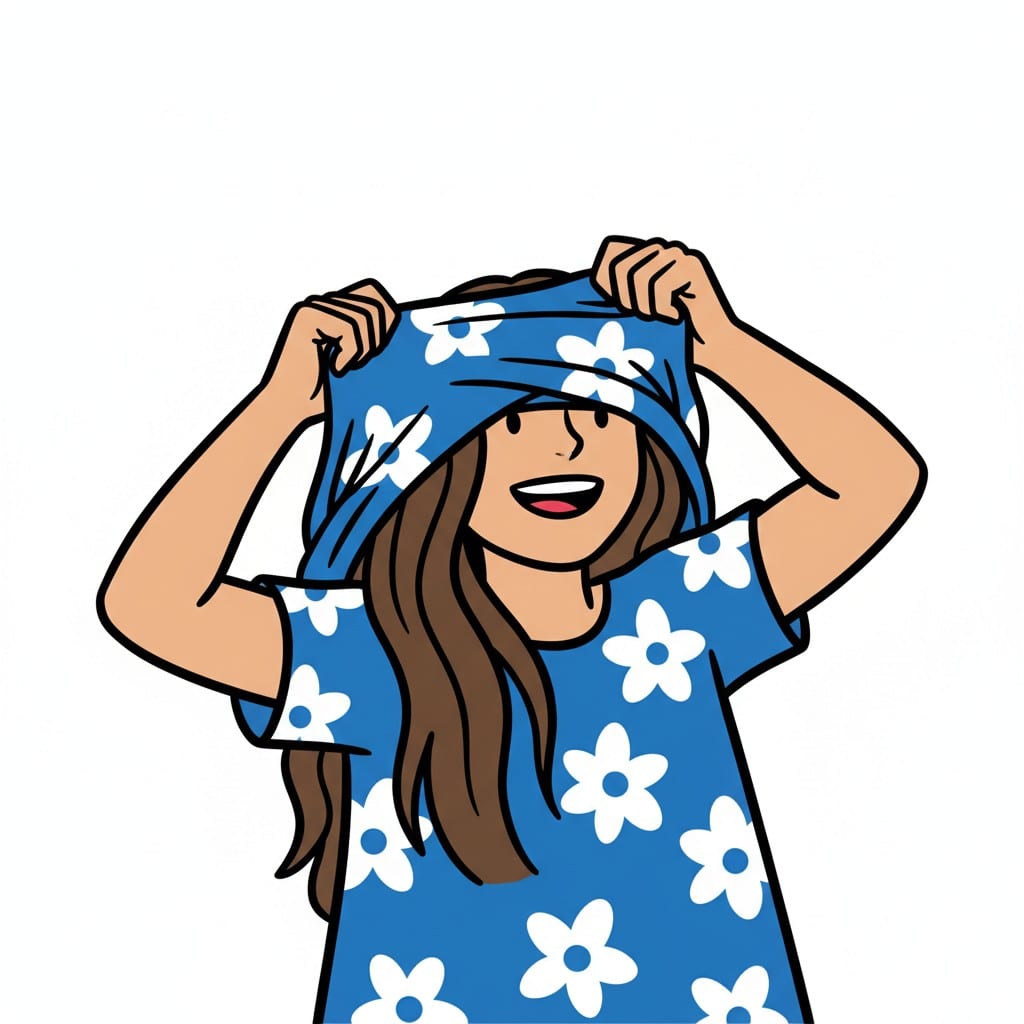
A woman pulls a blue dress with white flowers over her head, smiling.
 ♀
♀Dress
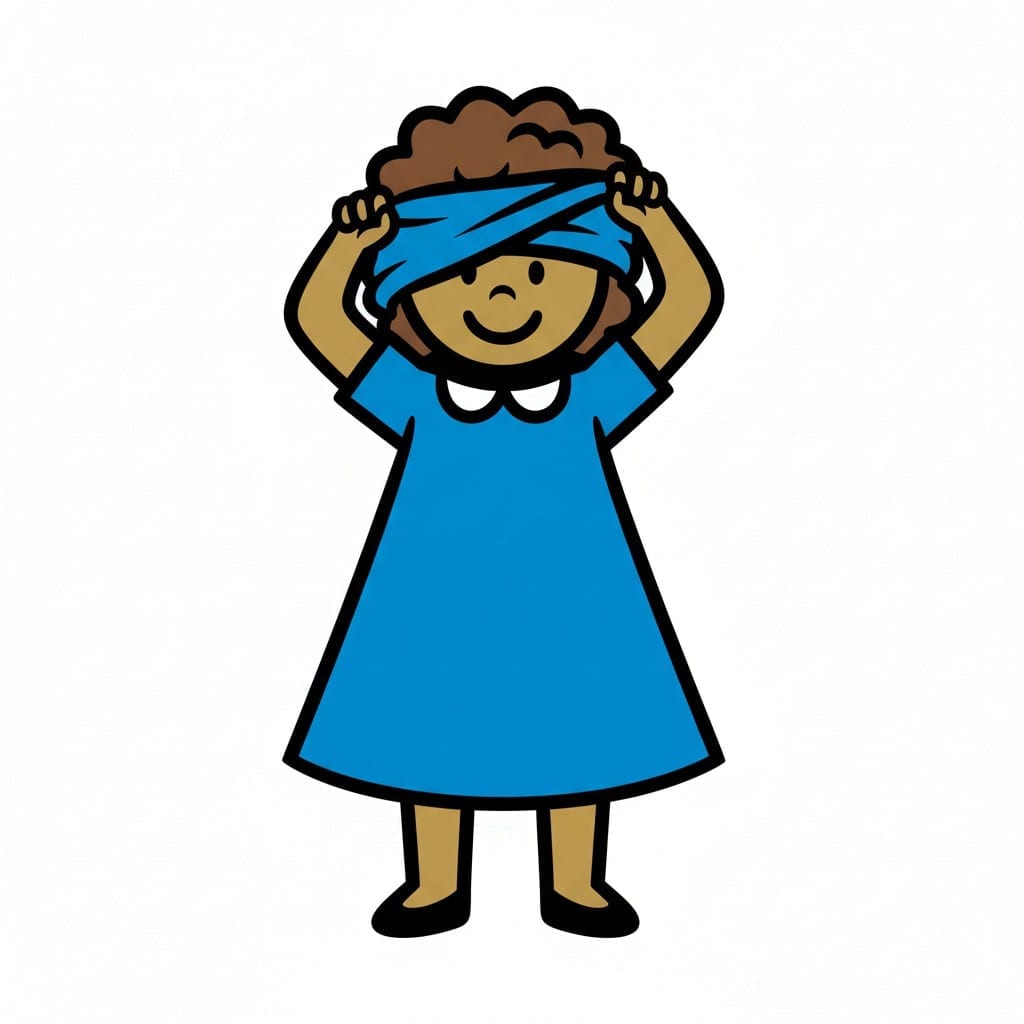
A child pulls a blue dress over her head, with only her smiling mouth visible.
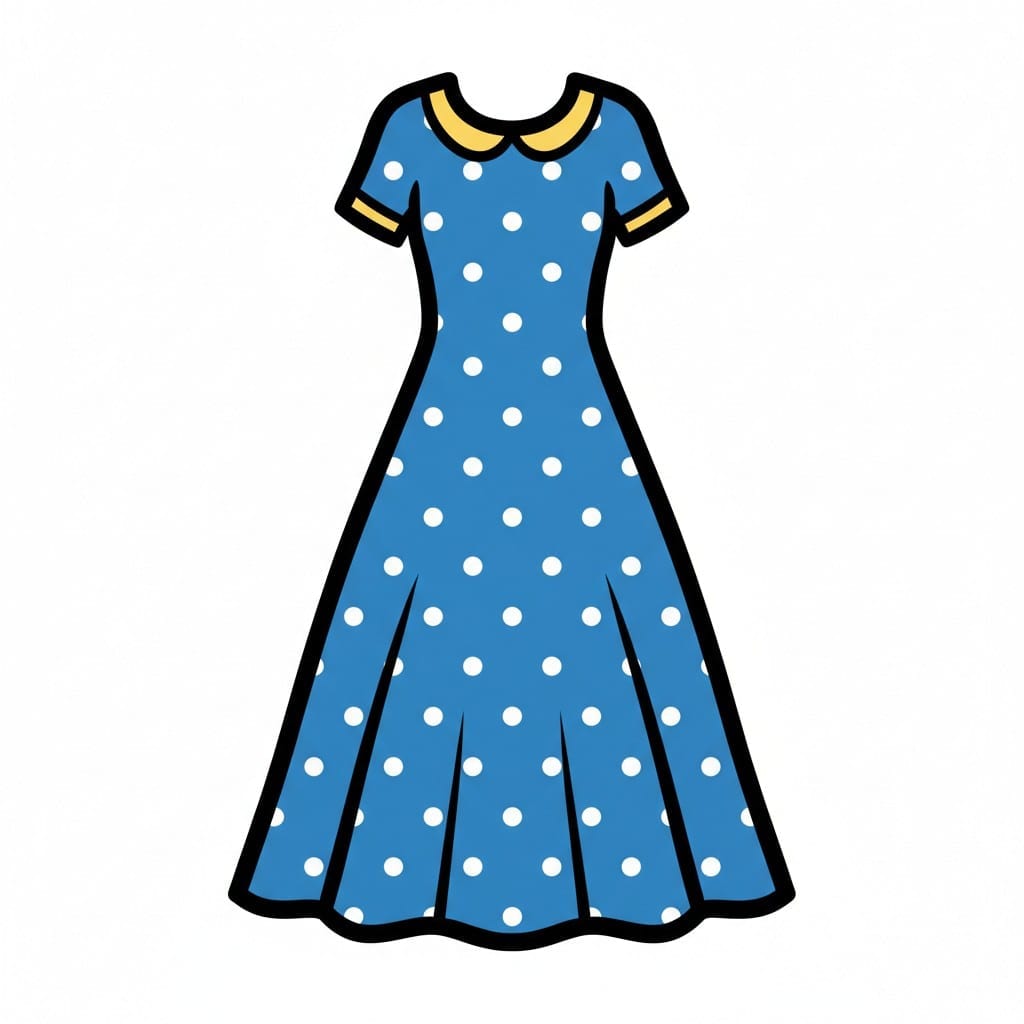
Dress
A blue dress with white polka dots and a yellow collar.
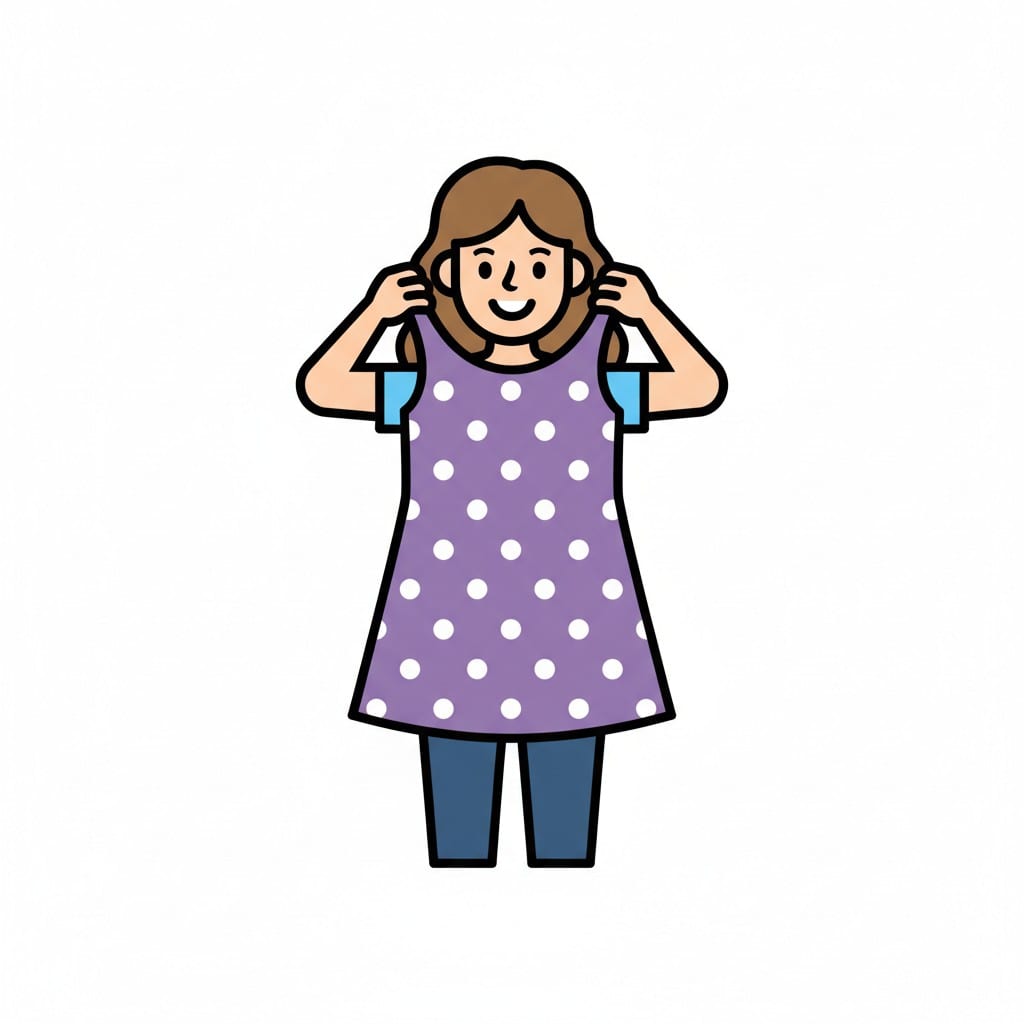 ♀
♀Putting on a dress
A girl pulls on a purple dress with white polka dots, holding it at the shoulders.
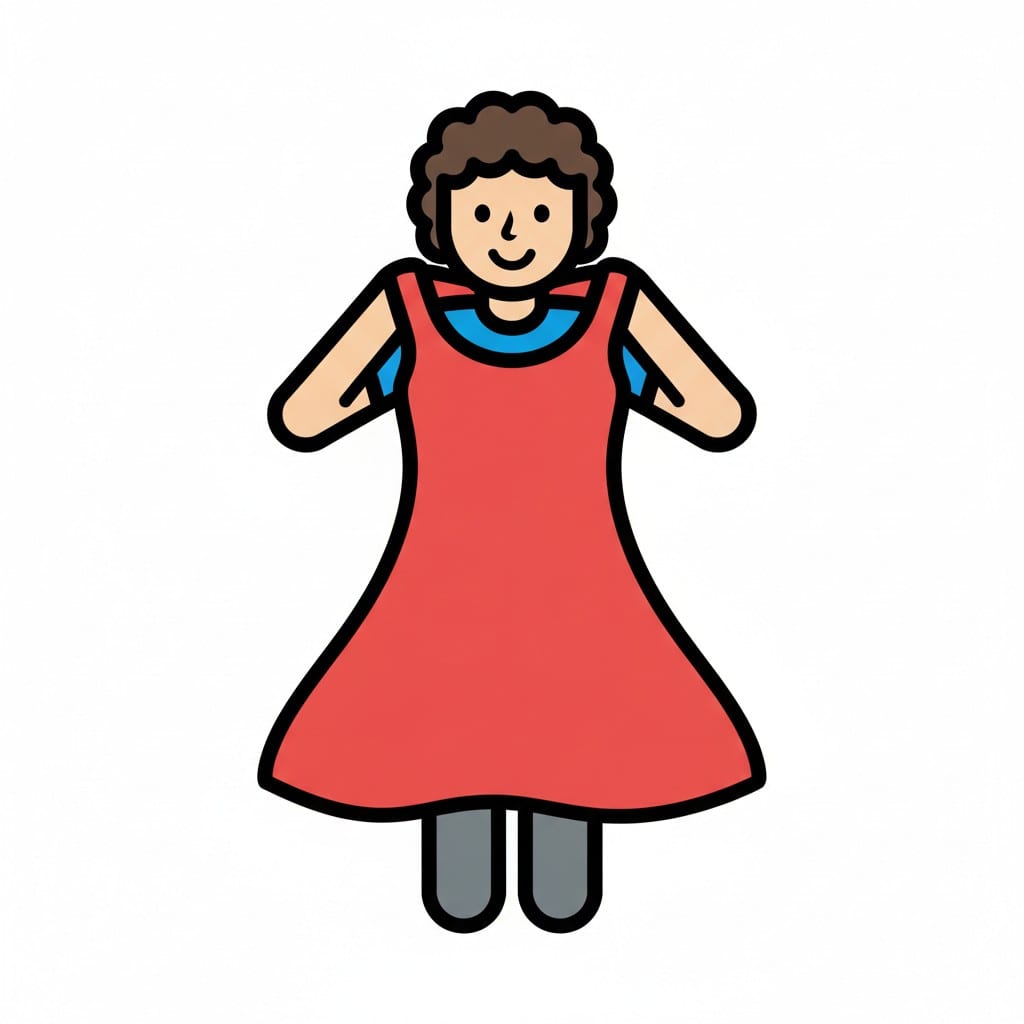 ⚲
⚲Putting on a dress
A child pulls a red dress on over their head.
About this visual support
Getting dressed is rarely just getting dressed. A seam in the sock, a tag at the neck or the wrong piece first can tip the whole morning before the shirt has even gone on. The sensory layer blends into the sequence: what comes next, why is the arm caught, why are the trousers backwards now.
A visual support for dressing makes the order visible, item by item, so each step becomes one small problem instead of a tangled one. A specific tip here: lay out the clothes in the same order as the pictures, socks closest to the child and shirt furthest away, so the movement runs through the room and not just through words. Many children, especially those on the autism spectrum, settle when the hips already know where the hand is heading.
In Routined you can build the dressing sequence as its own morning routine, with sounds or a timer per item, so the child can follow the steps even when you are in another room. The app offers a fourteen day free trial.
Use this image in a schedule
Build your own visual schedule with this image and download it as a print-ready PDF. Completely free.
More similar visual supports
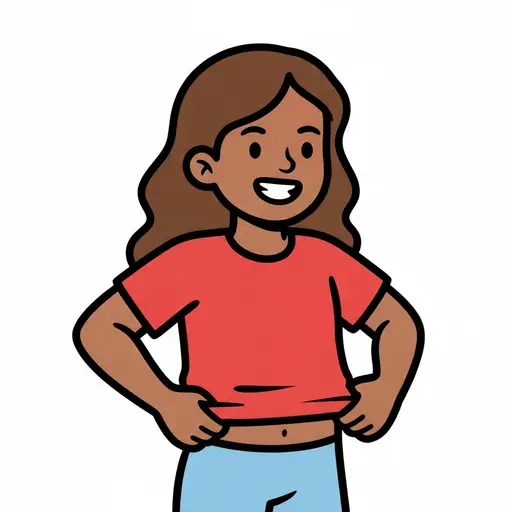
Put on clothes
A girl in a red t-shirt and light blue trousers tugs the hem straight and smiles...
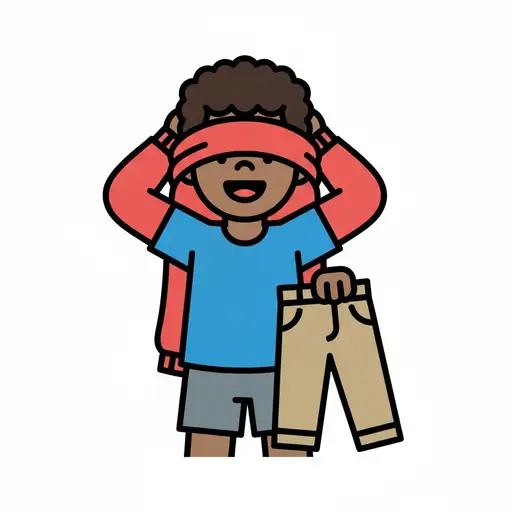
Put on an outfit
A boy pulls a red sweater over his head while holding a pair of beige trousers.
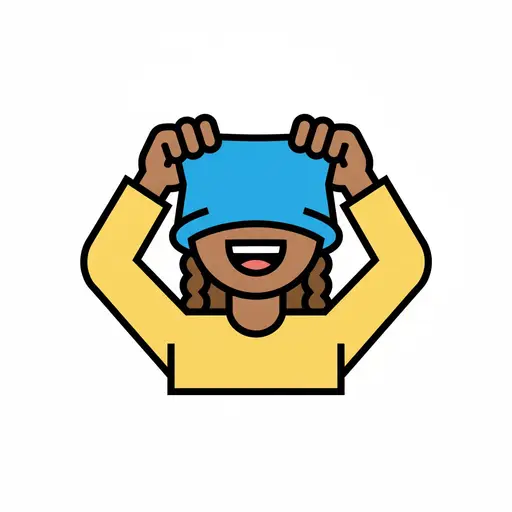
Dress myself
A laughing girl holds a blue top with both hands and pulls it down over her head...
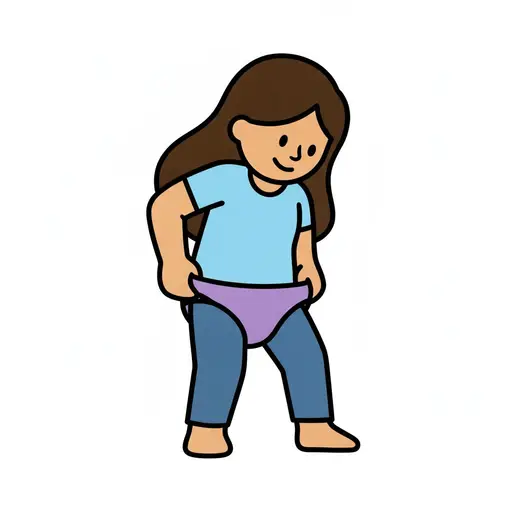
Put on underwear
A girl pulls up a pair of purple knickers.
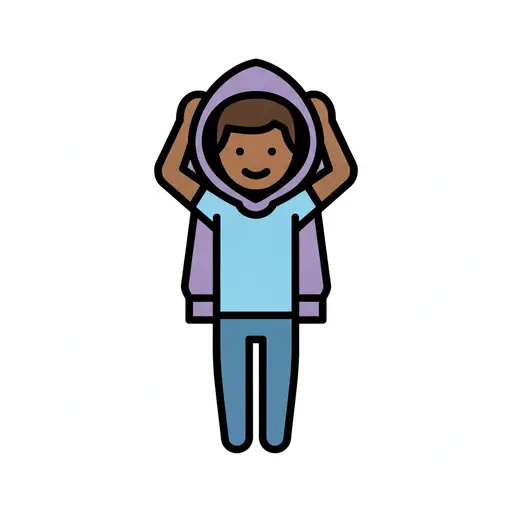
Get dressed
A child pulls a purple hoodie over their head.
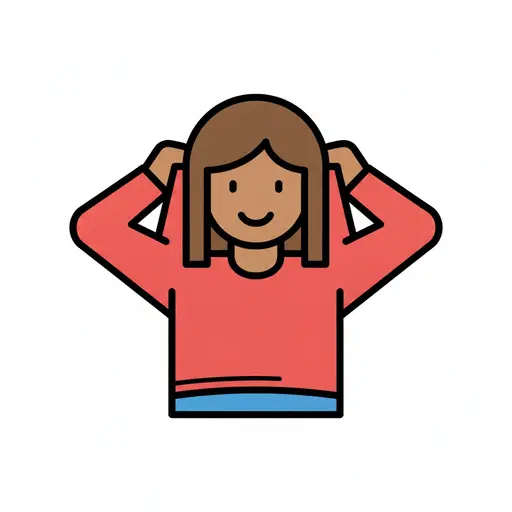
Put on sweater
A girl pulls a red top down over her head.
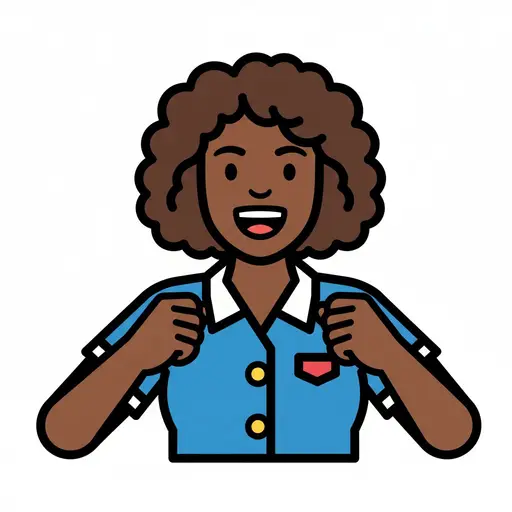
Put on uniform
A smiling woman wearing a blue uniform shirt with buttons and a badge.
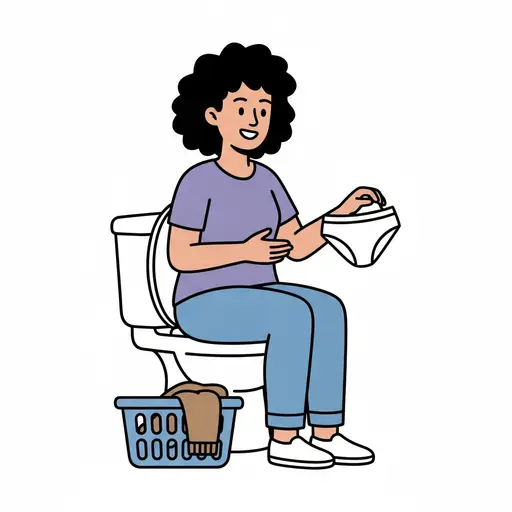
Change underwear
A woman sits on the toilet holding clean underwear with a laundry basket below.
This visual support in other languages
Take the visual supports with you
In Routined you build schedules from these pictures, add timers and voice instructions, and your child follows the day on their own.


* 14-day free trial, then $2.39 a month or $20.99 a year (US pricing). Cancel anytime.