Dress myself
Buttons end up crooked and the shirt goes on backwards. It is not stubbornness, it is fine motor skills that still need repetition. The visual steps below let your child practise one stage at a time without you hovering at the shoulder.
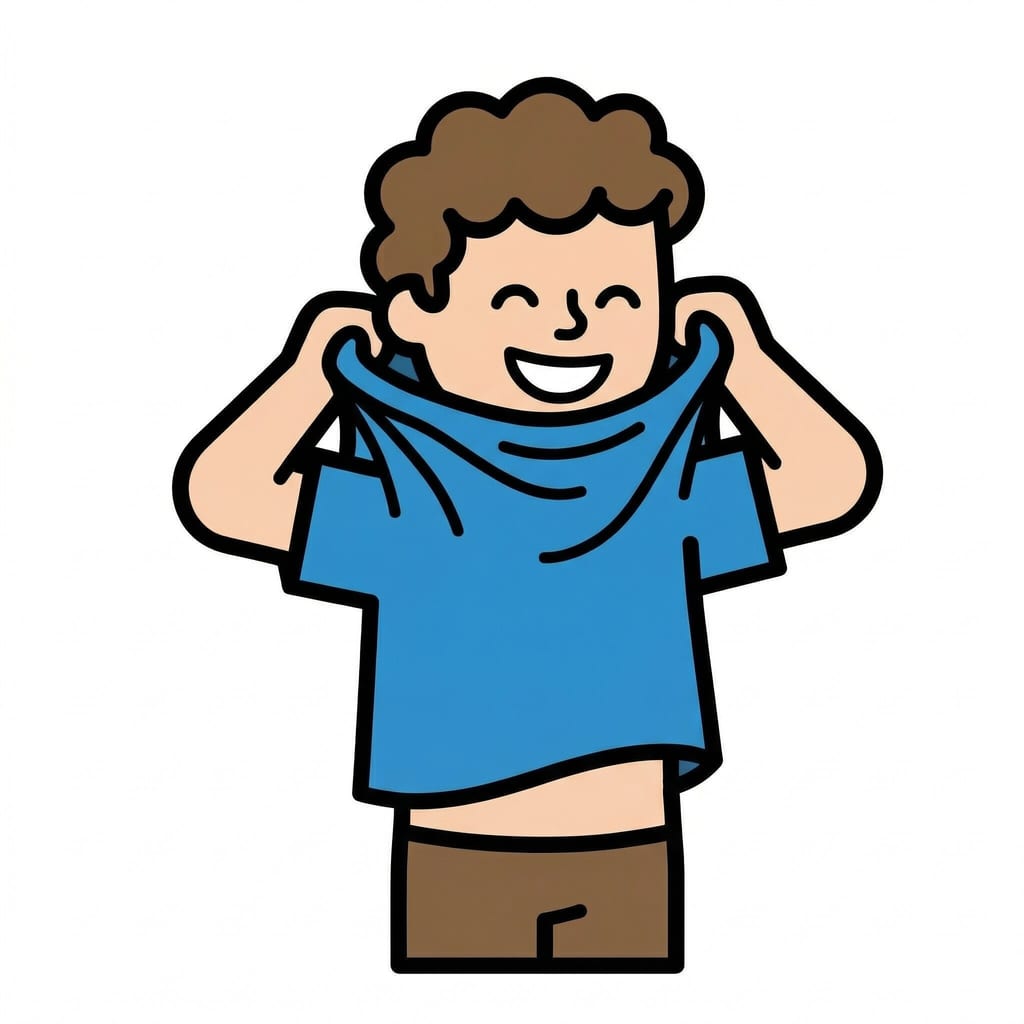 ♂
♂Dress t-shirt
A boy is putting on a blue t-shirt.
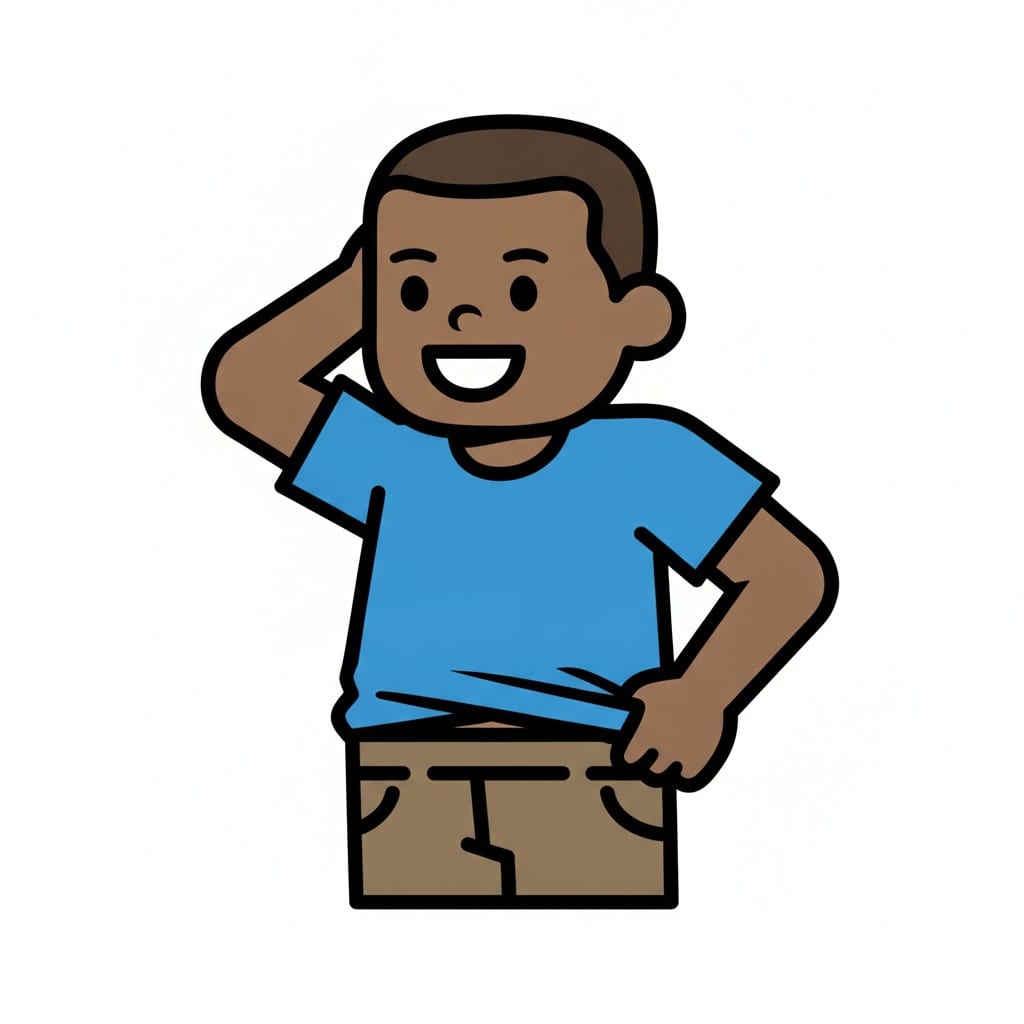 ♂
♂Boy putting on trousers
A smiling boy in a blue t-shirt pulls up a pair of beige trousers.
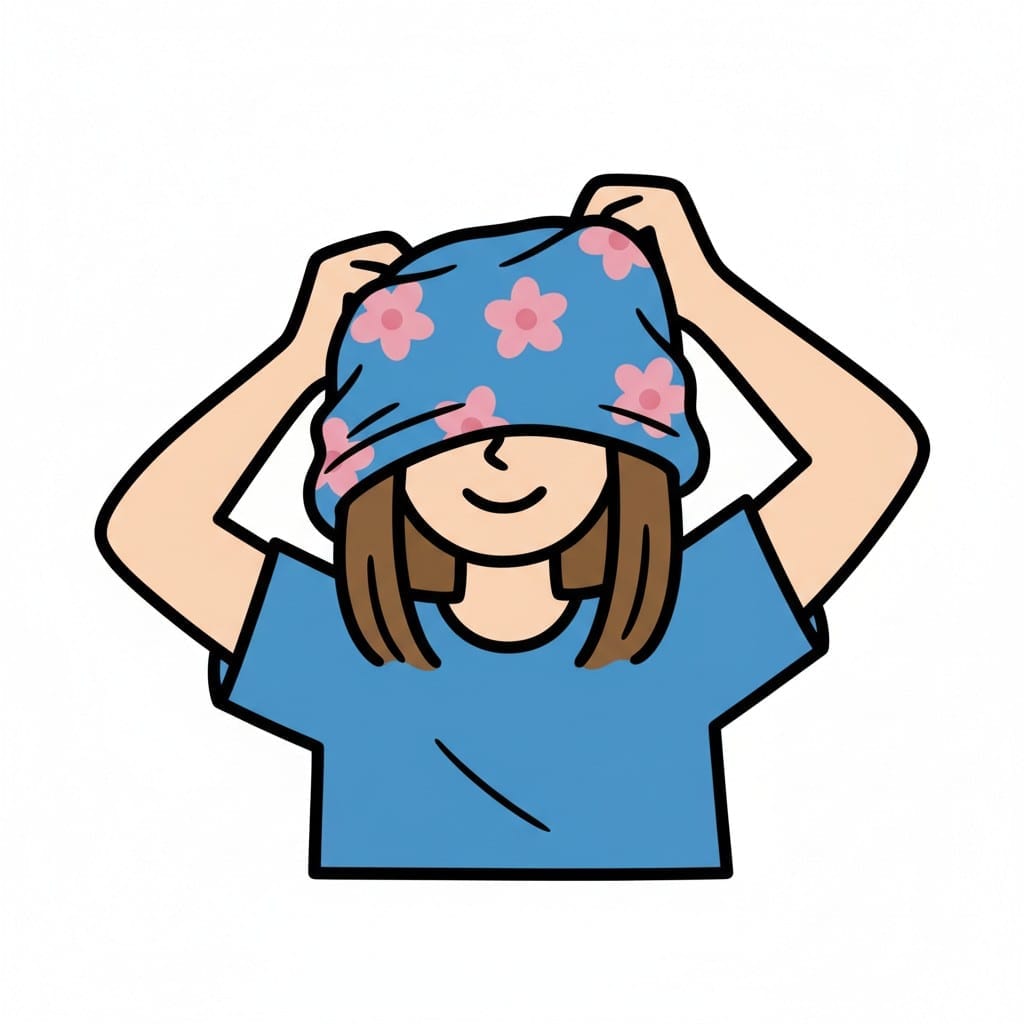 ♀
♀Put on hat
A person putting on a blue hat.
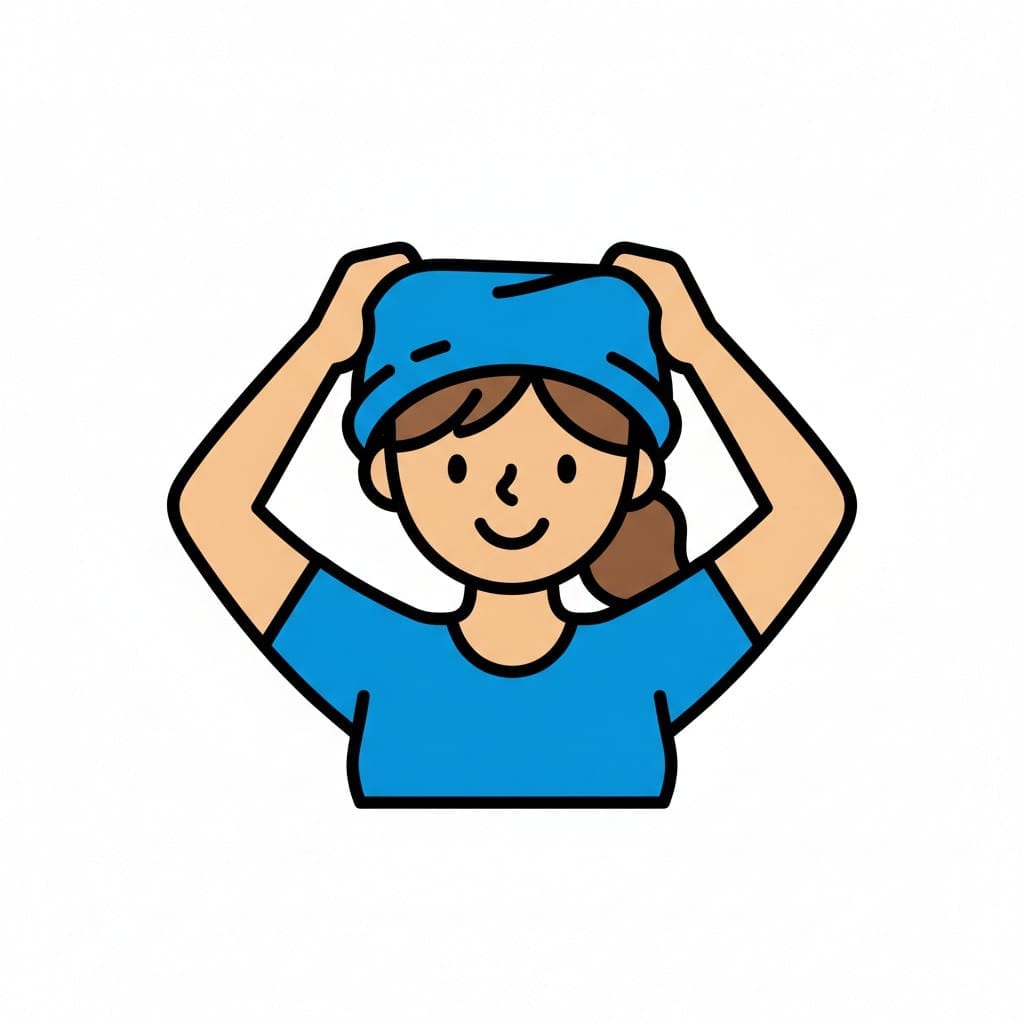 ♀
♀Put on shirt
A person putting on a blue shirt.
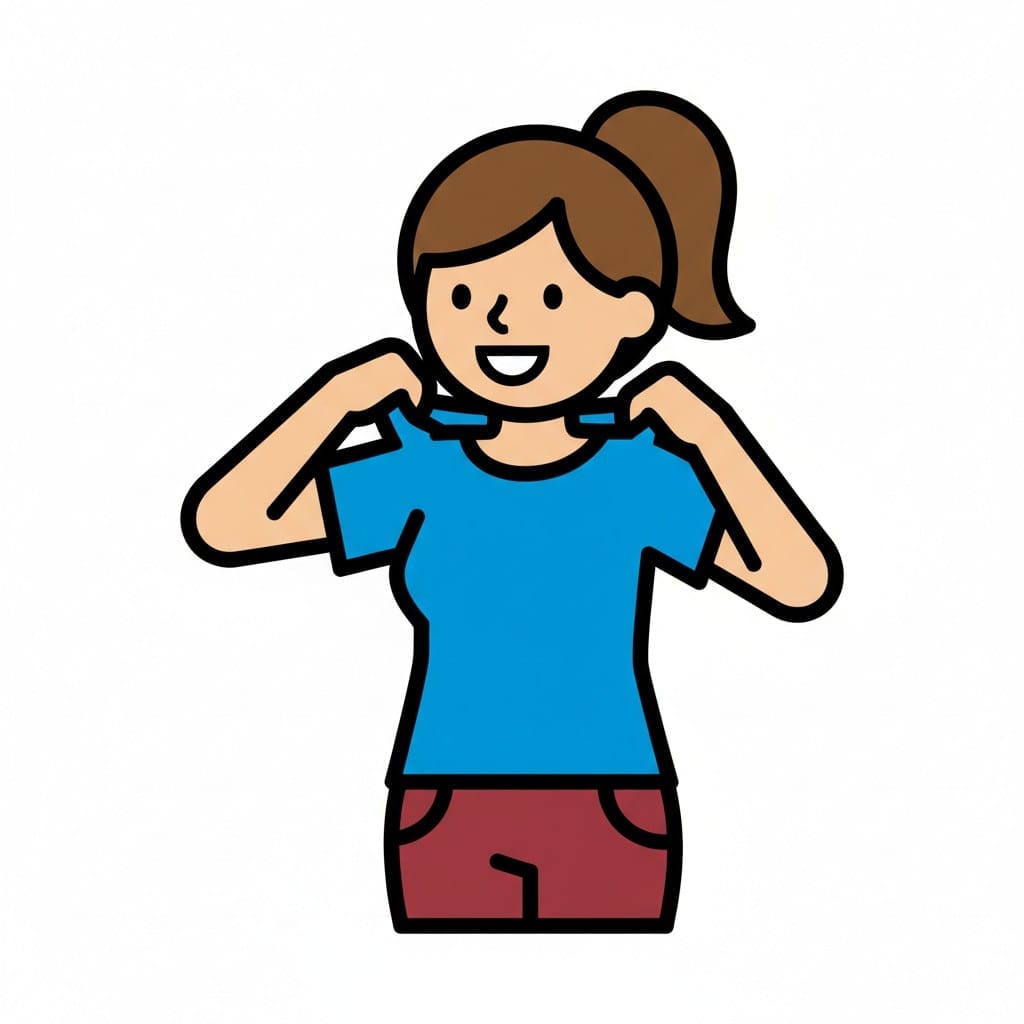 ♀
♀Girl putting on a t-shirt
A girl with a ponytail pulls a blue t-shirt into place over her shoulders while wearing red shorts.
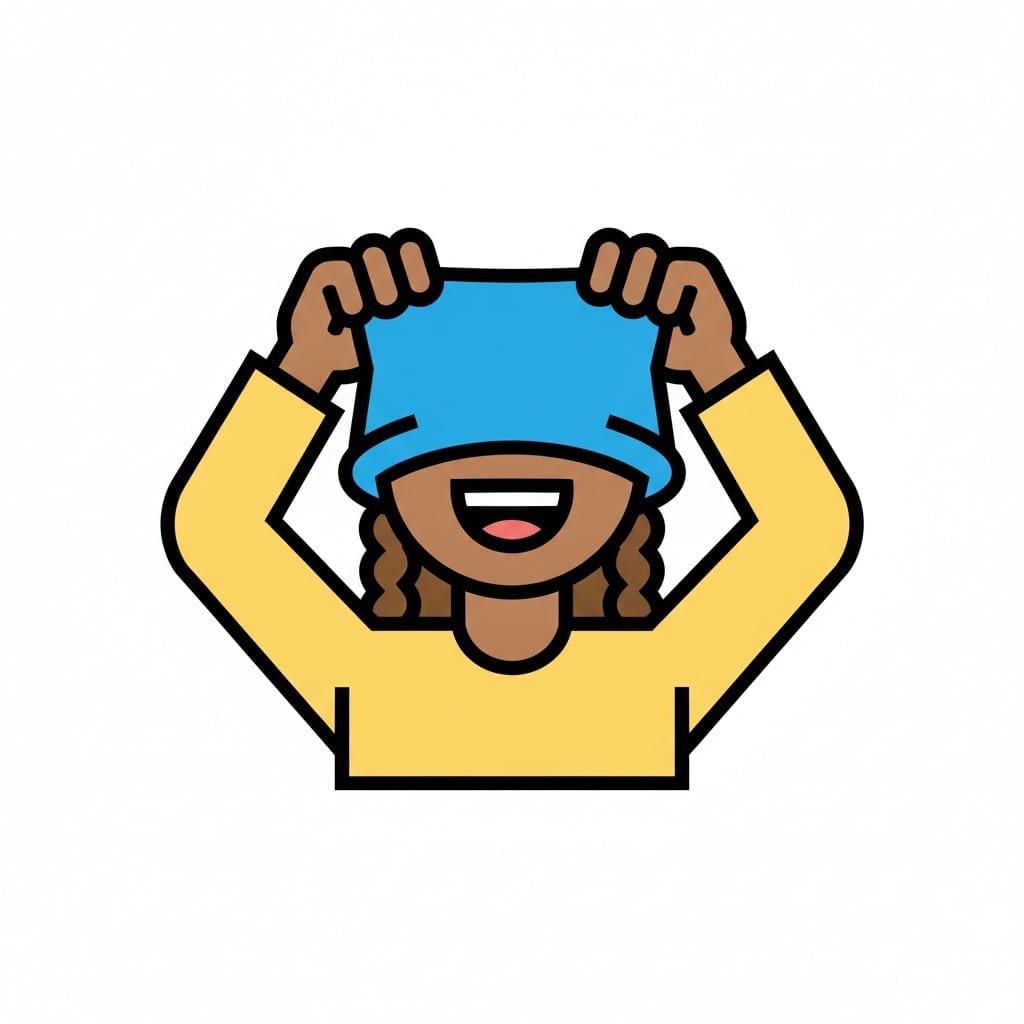 ♀
♀Girl pulling a top over her head
A laughing girl holds a blue top with both hands and pulls it down over her head.
About this visual support
Getting the right arm into the right sleeve is a chain of small motor decisions: which side is the front, where my thumb belongs when I pull the trousers up, how to grip a zipper without pinching the fabric. Adults stop noticing these choices. For a four-year-old, each one is still a separate puzzle.
Visual support breaks dressing into a sequence the child can read on their own. Instead of you calling out the next item, the cards do the prompting. That removes most of the morning negotiation and shifts the lead to the child. A practical move: lay the clothes out in the same order as the cards, on the bed or floor. The path from picture to garment becomes obvious, and your child can check progress by glancing at the wall.
For tops, turn the shirt right-side out and place it with the back facing up. Front-versus-back stops being a guess. When you want the same sequence to follow your family into preschool or grandparents, you can build it in Routined and try the app free for fourteen days.
Use this image in a schedule
Build your own visual schedule with this image and download it as a print-ready PDF. Completely free.

More similar visual supports
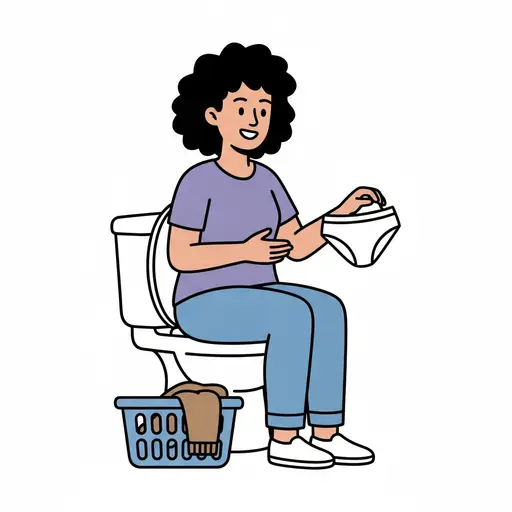
Change underwear
A woman sits on the toilet holding clean underwear with a laundry basket below.
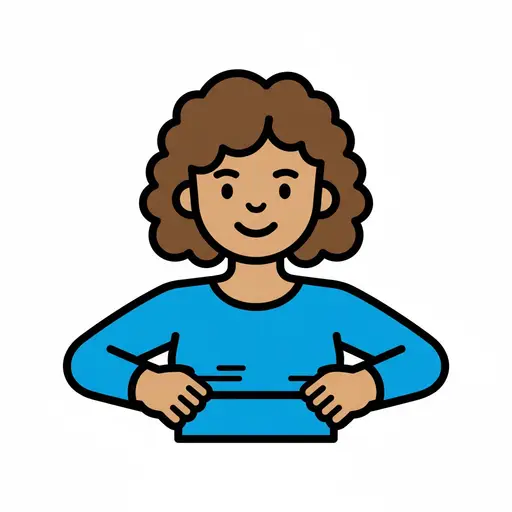
Get dressed yourself
A girl pulls a blue shirt over her head while getting dressed.
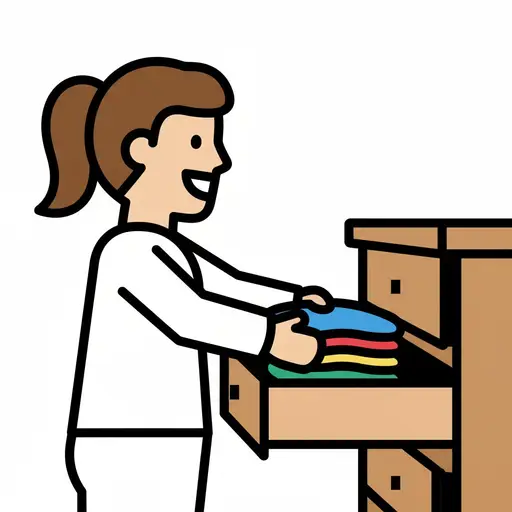
Get out clothes
A smiling woman takes folded clothes out of a dresser drawer.
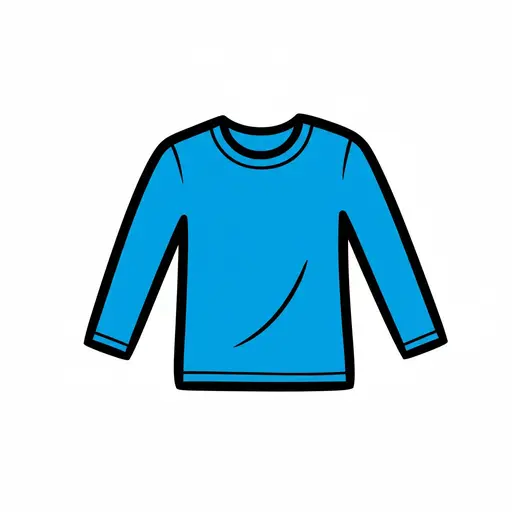
Long sleeve shirt
A blue long sleeve shirt viewed from the front.
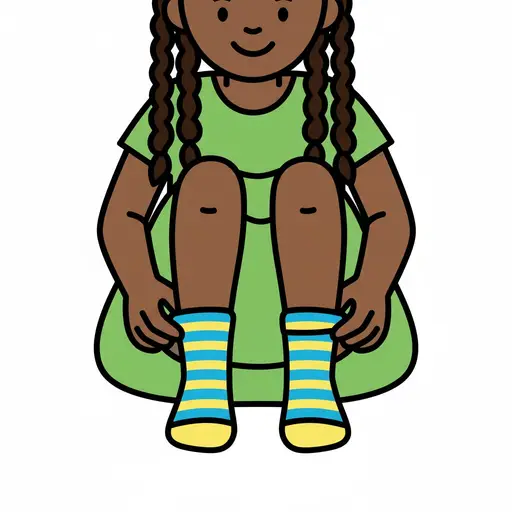
Pull on socks
A girl is sitting down and putting on a pair of striped socks.
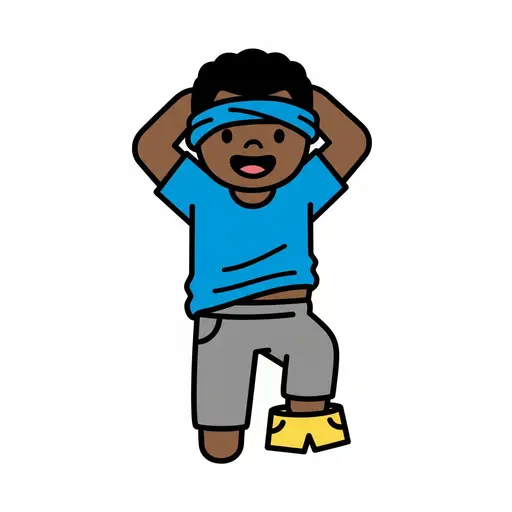
Put on an outfit
A boy is putting on a pair of yellow shorts over his gray pants. He is also wear...
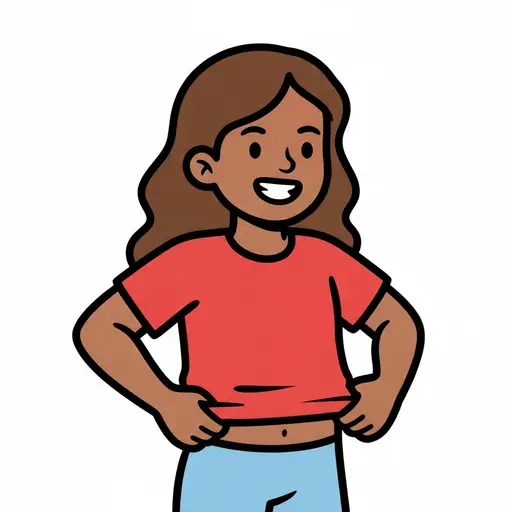
Put on clothes
A girl in a red t-shirt and light blue trousers tugs the hem straight and smiles...
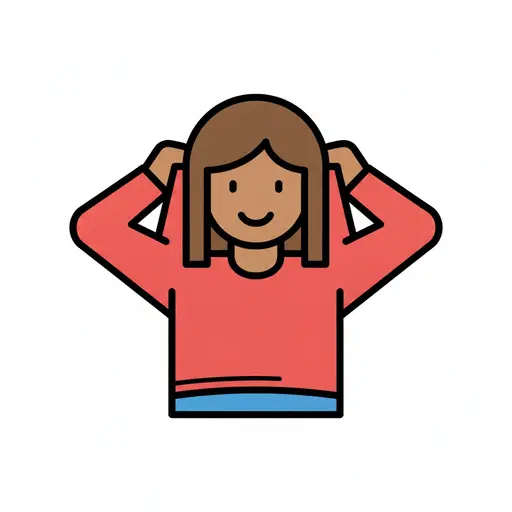
Put on sweater
A girl pulls a red top down over her head.
Take the visual supports with you
In Routined you build schedules from these pictures, add timers and voice instructions, and your child follows the day on their own.


* 14-day free trial, then $2.39 a month or $20.99 a year (US pricing). Cancel anytime.