Dye hair
Hair dye is not really about the dye — it is about the wait. Cold colour on the scalp, a smell that bites and a sense of time that disappears under the plastic. The steps below give a heads-up before each part happens.
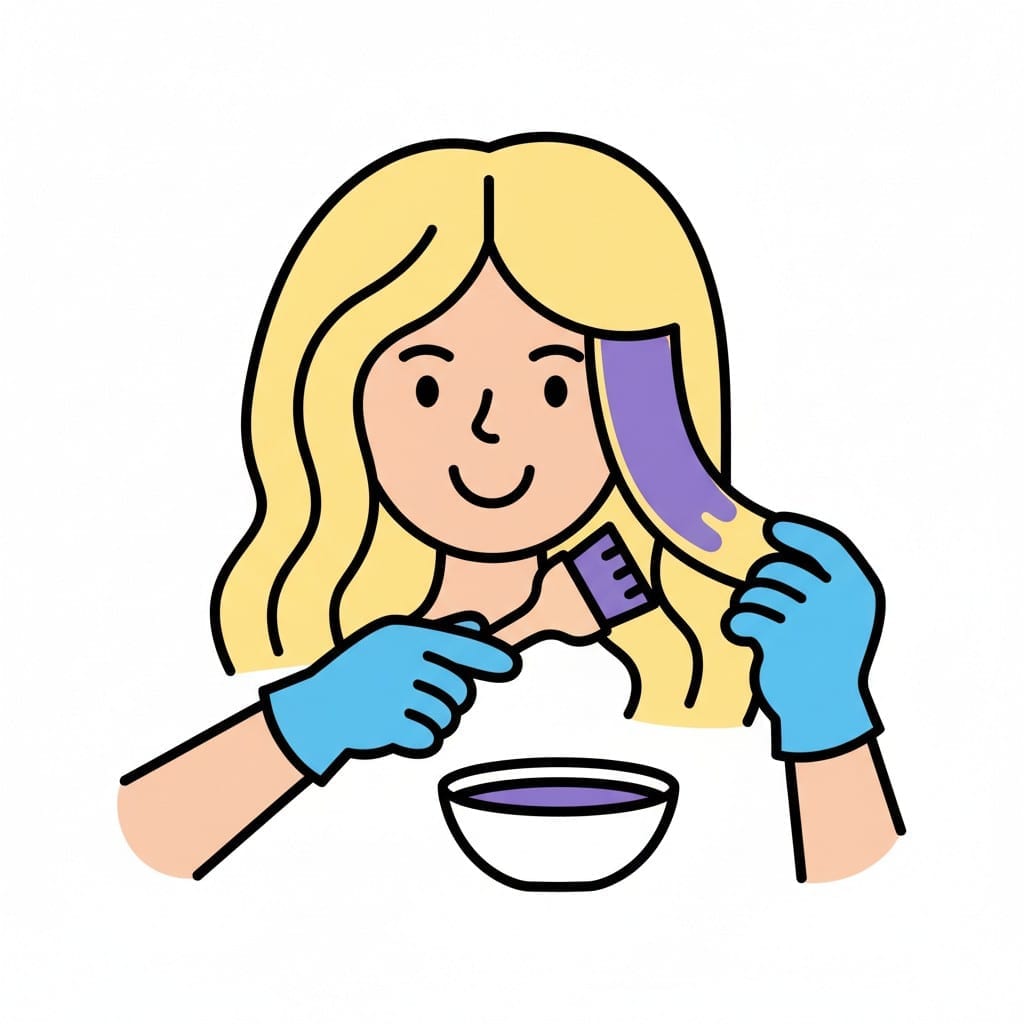 ♀
♀Dye hair
A person with blonde hair applying purple hair dye to a section of their hair with a brush. A bowl of dye is visible, and the person wears blue gloves.
About this visual support
For many children the dye itself is never the problem. The problem is everything around it: the smell that hits the second the bottle opens, the cold, sludgy mixture clicked onto the head, and then twenty minutes under a plastic cap where every second feels like three. It is a full sensory menu served without a break.
Visual support helps because it tells the child what is coming, not what is happening right now. When the picture of the plastic cap is on the table before it goes on, putting it on stops being a surprise and becomes a confirmation. And when a time card shows three minutes turning into five and five into ten, the wait hangs on a ladder instead of drifting in a cloud. For children who get easily overwhelmed by sensory input, that predictability cuts the reaction down sharply.
A concrete trick: have a familiar film or audiobook ready to start the instant the cap goes on. The shift from unfamiliar smell to familiar sound acts like a mental safety line. If you want to connect the dyeing to the rest of the evening with shower and hair finish, you can build the whole evening in Routined and try the app free for 14 days.
Use this image in a schedule
Build your own visual schedule with this image and download it as a print-ready PDF. Completely free.

More similar visual supports
Straighten hair
A woman is straightening her hair with a flat iron.
Braid hair
Two hands braid the hair of a smiling girl wearing a pink shirt.
Cream face
A woman is creaming her face.
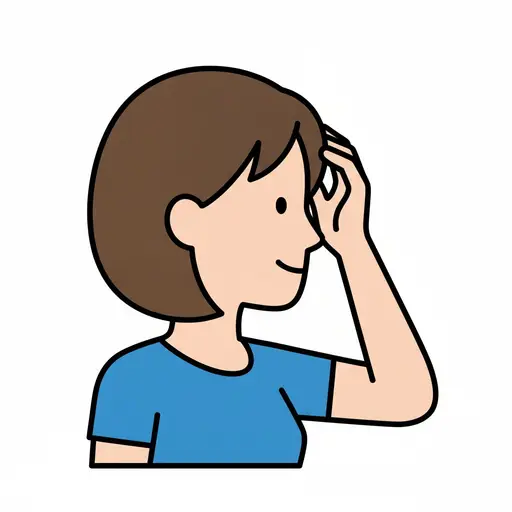
Do hair
A woman runs her hand through her hair.
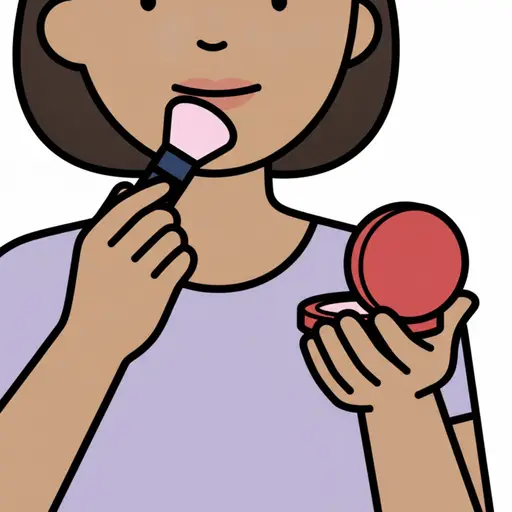
Do makeup
Close-up of a person applying blush with a brush and a compact.
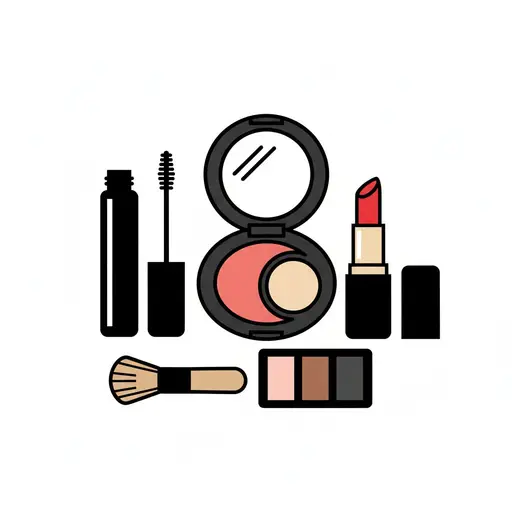
Makeup
An illustration of various makeup products including powder, brush, mascara, lip...
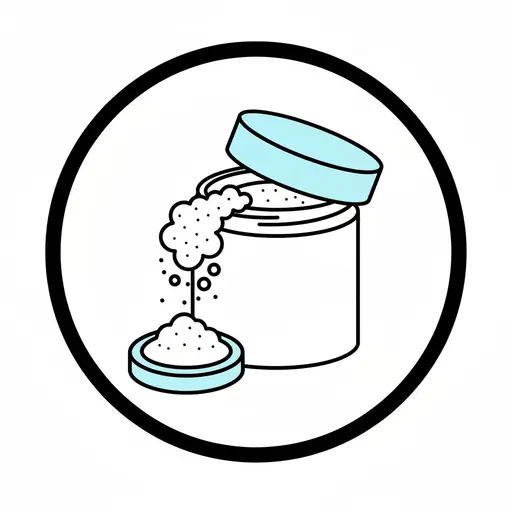
Powder
A jar of loose powder with the lid off, pouring some powder into a small dish.
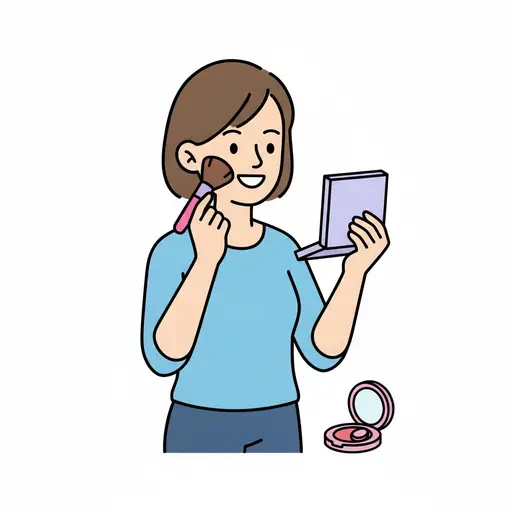
Put on makeup
A woman applies blush with a brush while holding a mirror.
Take the visual supports with you
In Routined you build schedules from these pictures, add timers and voice instructions, and your child follows the day on their own.


* 14-day free trial, then $2.39 a month or $20.99 a year (US pricing). Cancel anytime.