Hygiene
Water that suddenly turns too hot, fingers slipping in soap and a rough towel: hygiene can hold many small discomforts that make a child give up halfway. The visual support below splits the routine into steps you can predict.
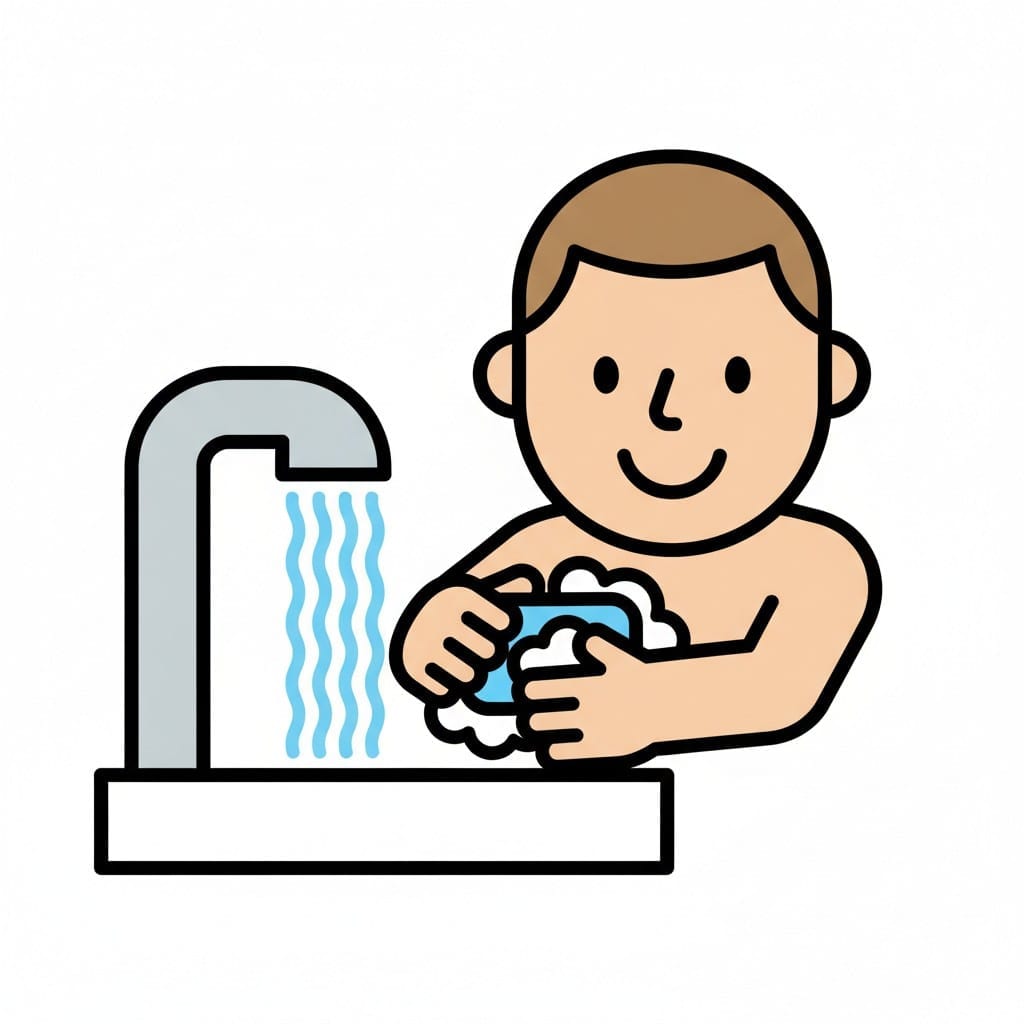 ♂
♂Washing with soap
A boy stands at a sink with running water washing himself with soap and lather.
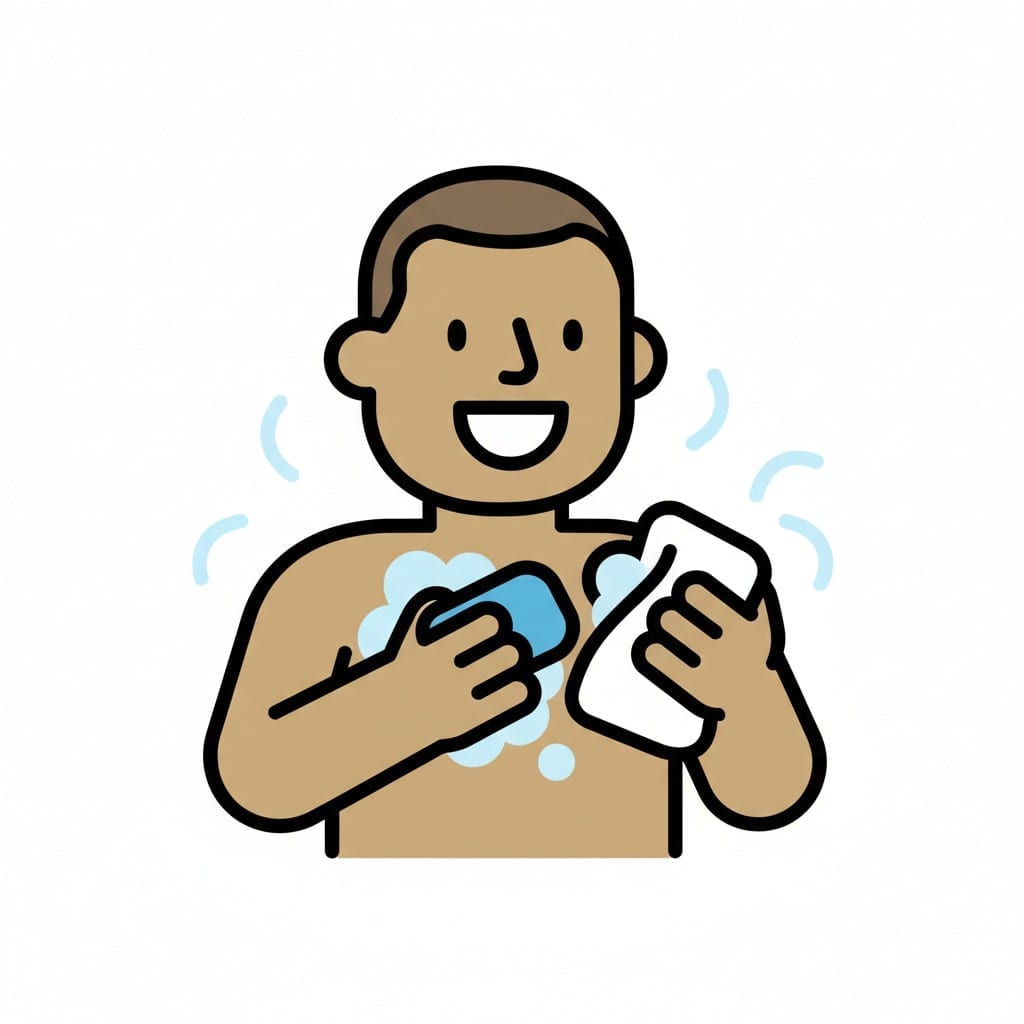 ♂
♂Washing with soap and cloth
A boy washes his chest holding a bar of soap in one hand and a cloth in the other.
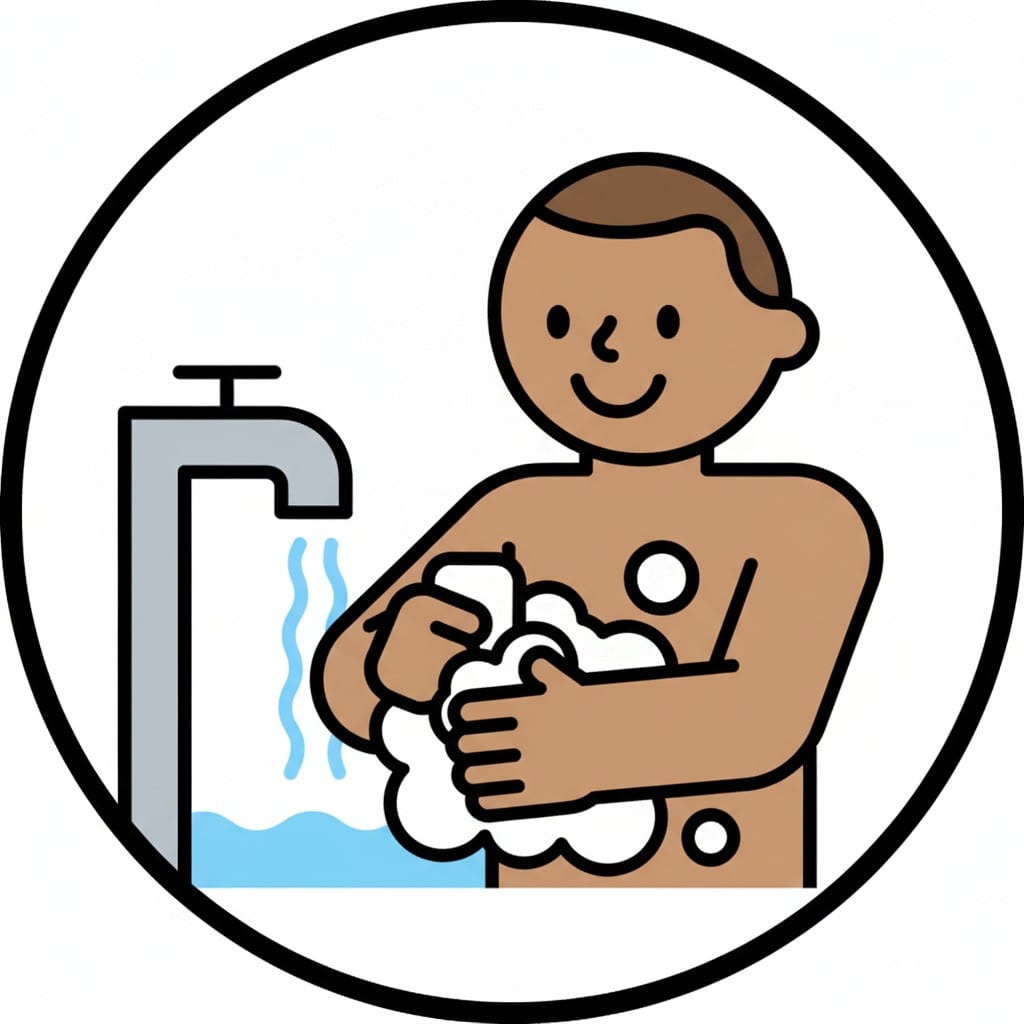 ♂
♂Washing at the sink
A boy washes himself with soap and lather at a tap with running water.
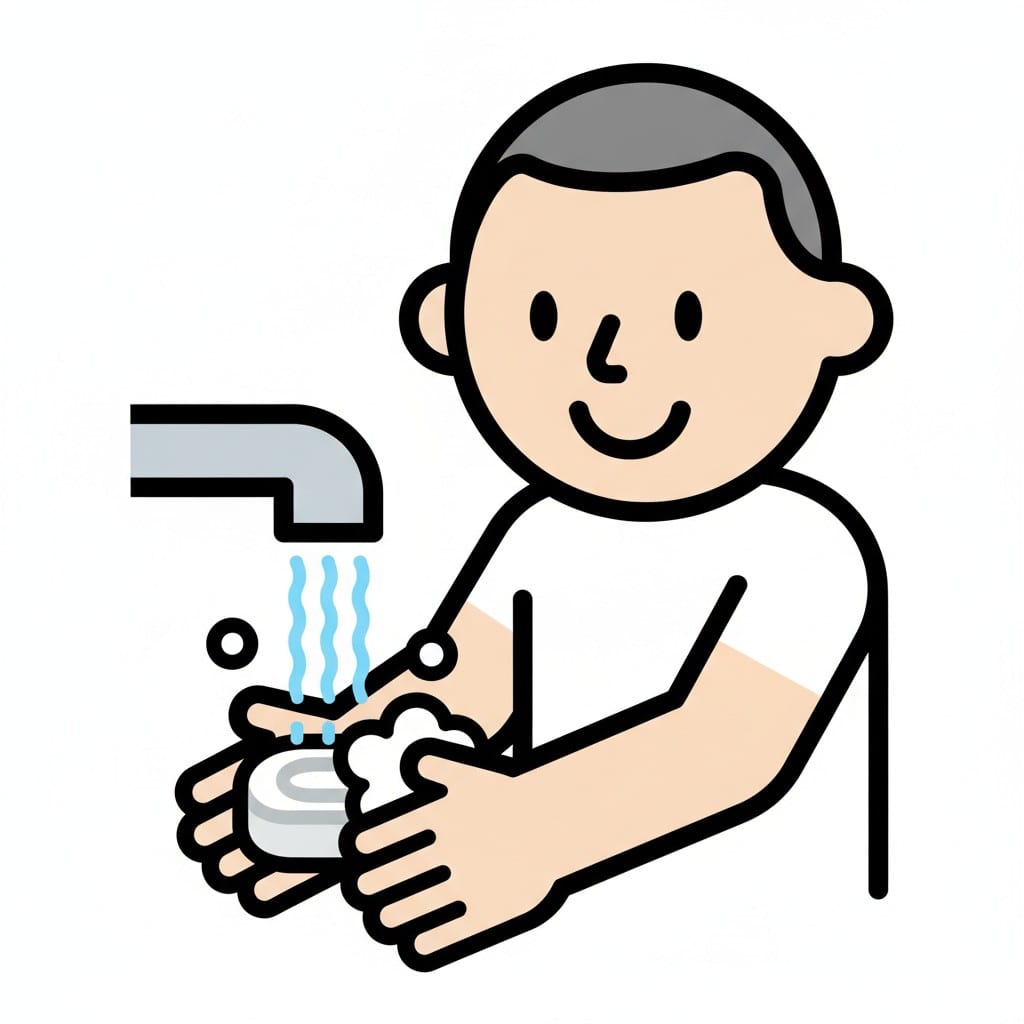 ♂
♂Washing hands
A person washes their hands with soap and lather under running water from a tap.
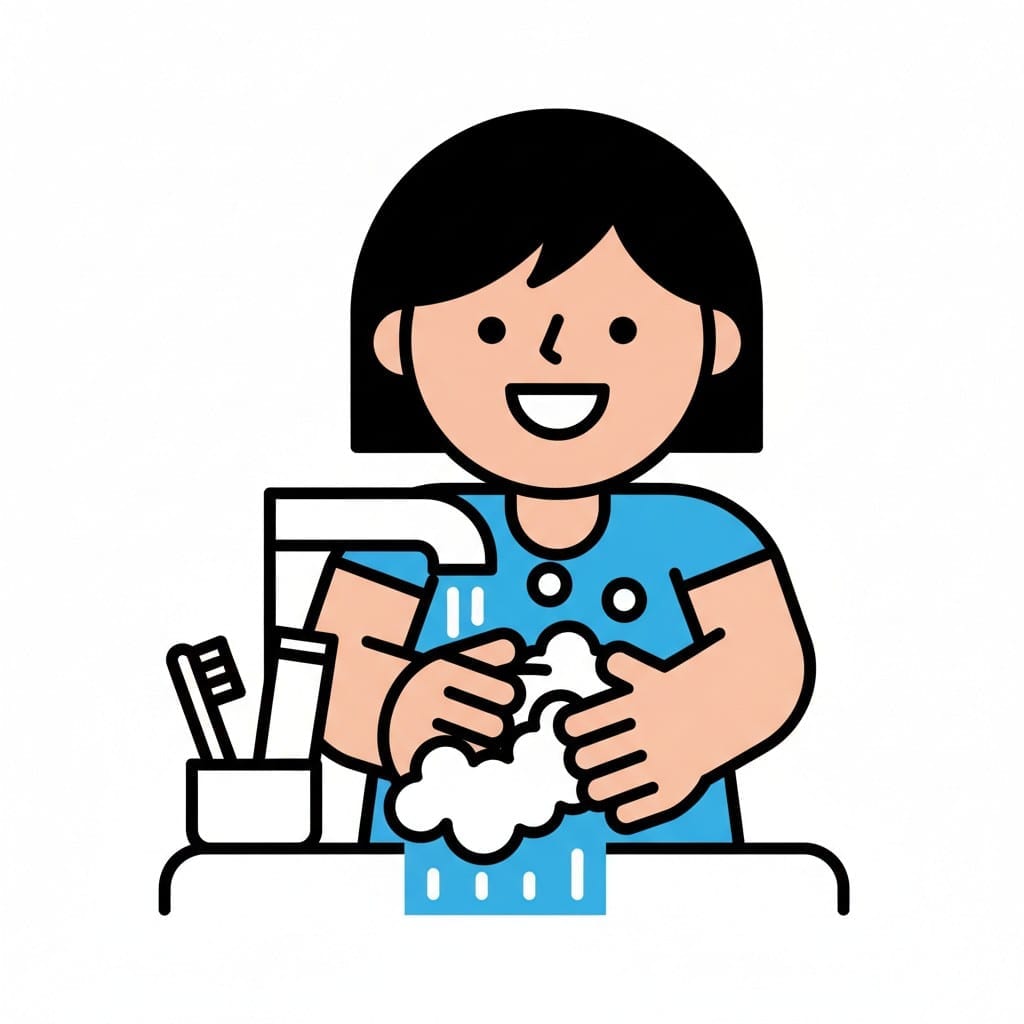 ♀
♀Washing hands
A girl washes her hands with lather at a sink with a toothbrush and toothpaste nearby.
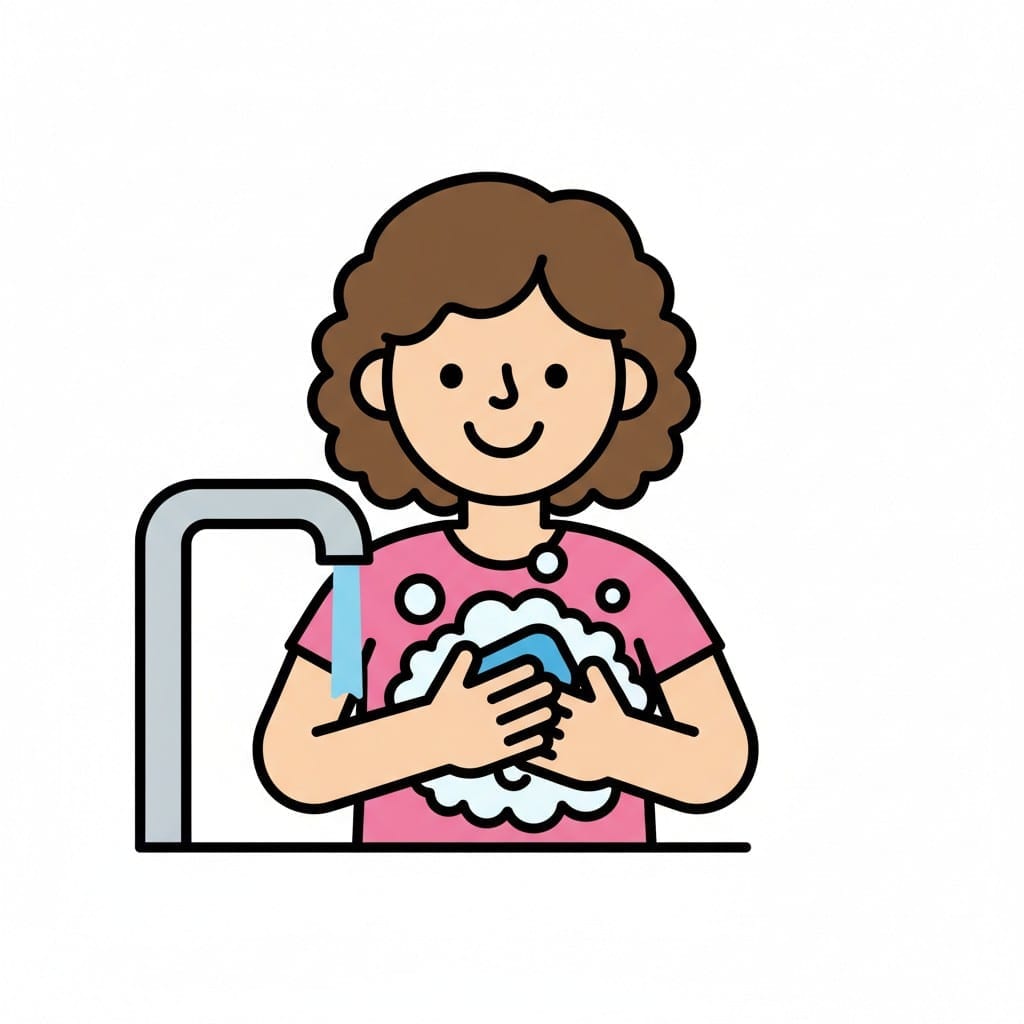 ♀
♀Washing hands with soap
A girl washes her hands with soap and lather under running water from a tap.
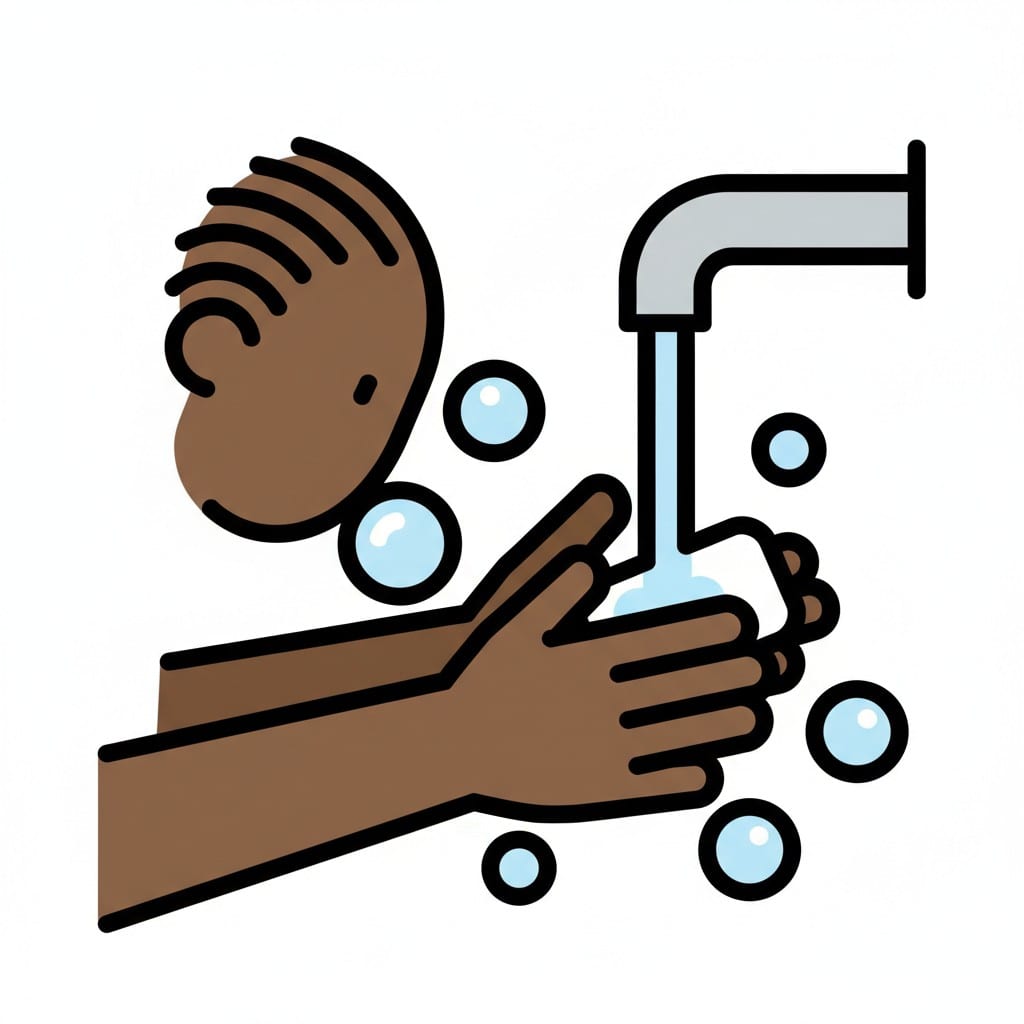 ♀
♀Washing hands under the tap
Two hands being washed with lather and bubbles under running water from a tap.
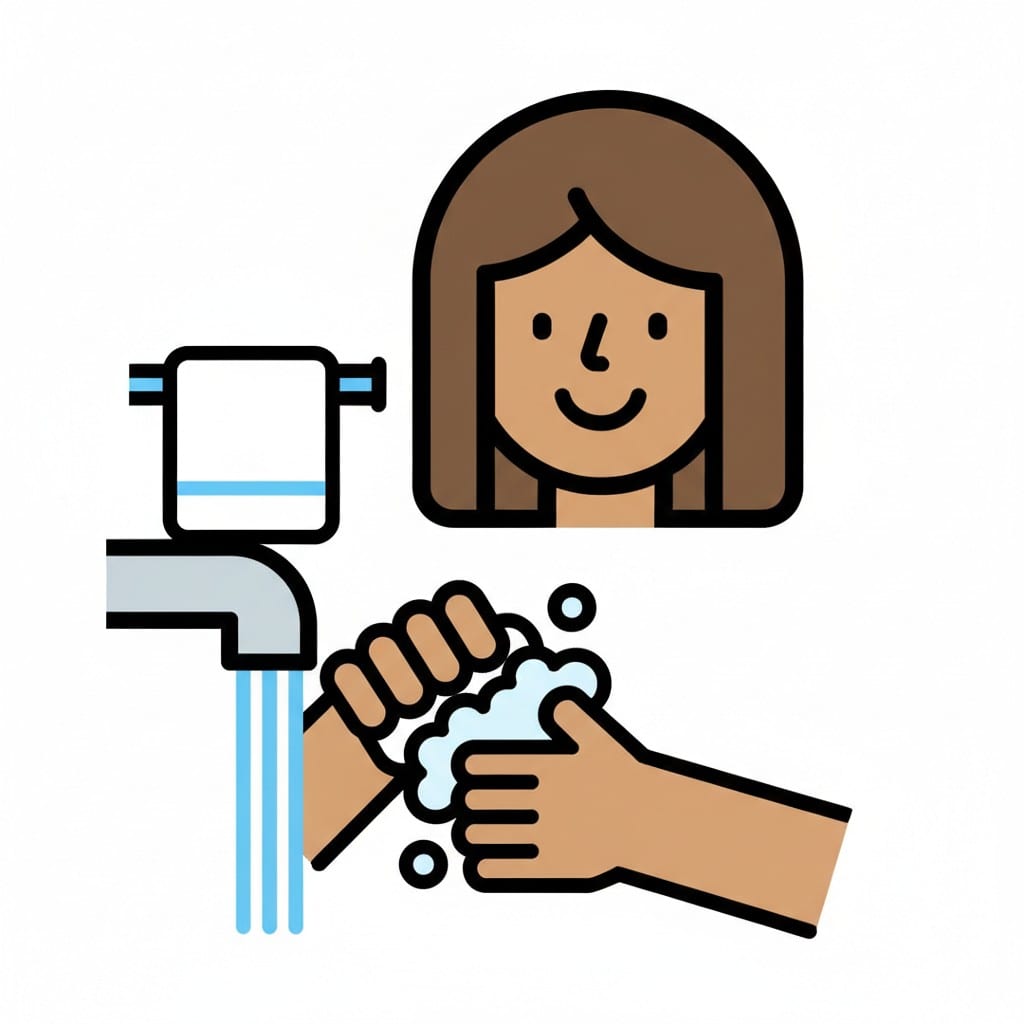 ♀
♀Washing hands with a towel
A girl washes her hands with lather under a tap with a towel hanging nearby.
About this visual support
Hygiene touches the skin more than most everyday tasks, and that is exactly why it can become an uphill struggle. The water feels too hot one second and too cold the next, the fingers slide around in soap and the towel scratches. When every part is unpredictable, a child easily pulls away before the washing is even finished.
With visual support the routine gains a visible order where the child knows what comes next: roll up the sleeves, wet the hands, soap, rub, rinse, dry. Knowing that the rough drying comes last and not in the middle makes the whole chain easier to tolerate, because the discomfort gets a place and an ending instead of appearing by surprise.
A concrete tip: test the water together before you start and let the child feel that it is lukewarm, so the temperature becomes a known factor rather than a shock. If you want to link the cards to a short timer for the rinse, Routined is free to try for fourteen days.
Use this image in a schedule
Build your own visual schedule with this image and download it as a print-ready PDF. Completely free.
More similar visual supports
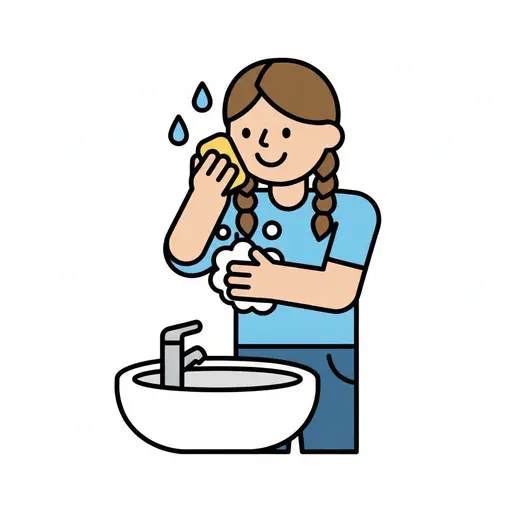
Wash face and hands
A girl washes her face with soap and has suds on her hands.

Wash face
Beaming with her eyes shut, a girl with big curly hair holds handfuls of pale bl...
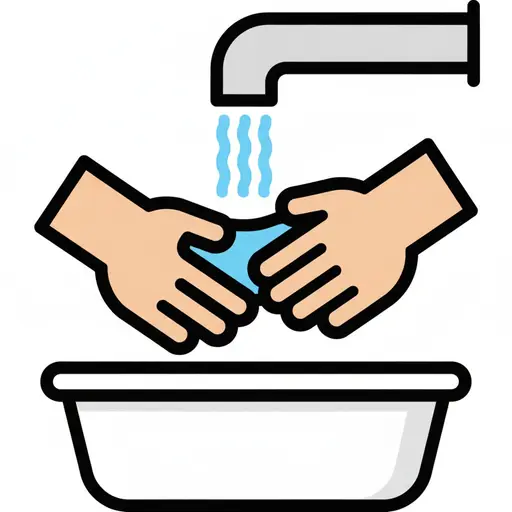
Get clean
Two hands are washed under a tap above a basin.
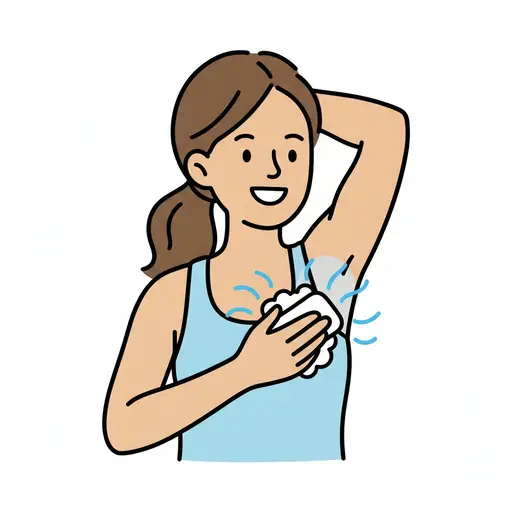
Wash underarms
A person with a ponytail lifts one arm behind the head and washes the underarm w...
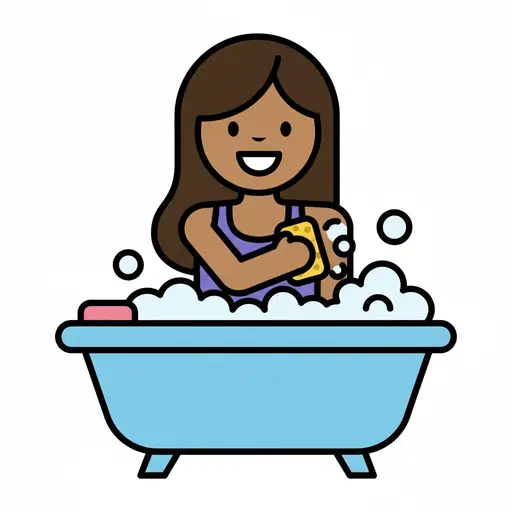
Bathe
A smiling girl sits in a bathtub full of foam and washes her arm with a yellow s...
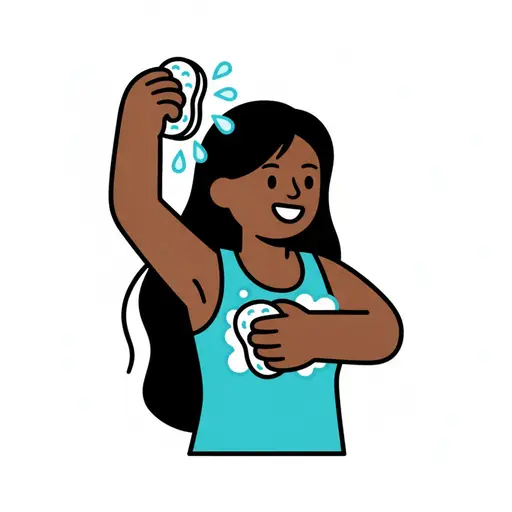
Wash your armpits
A girl holds up a dripping sponge and washes her armpit with soapy foam.
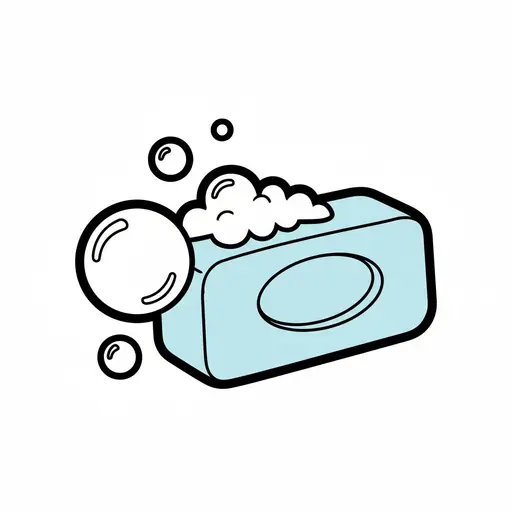
Soap
A blue bar of soap with lather and bubbles around it
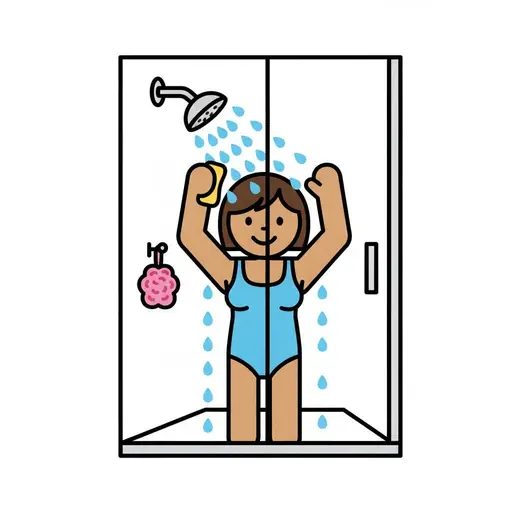
have a shower
A girl in a swimsuit stands in a shower cubicle with her arms raised and a spong...
This visual support in other languages
Take the visual supports with you
In Routined you build schedules from these pictures, add timers and voice instructions, and your child follows the day on their own.


* 14-day free trial, then $2.39 a month or $20.99 a year (US pricing). Cancel anytime.