Personal care
The comb that catches and tugs, the feeling against the scalp, the need for small precise movements, what looks like a simple habit can be a strain. No wonder resistance shows up. The pictures below break the steps into calmer pieces.
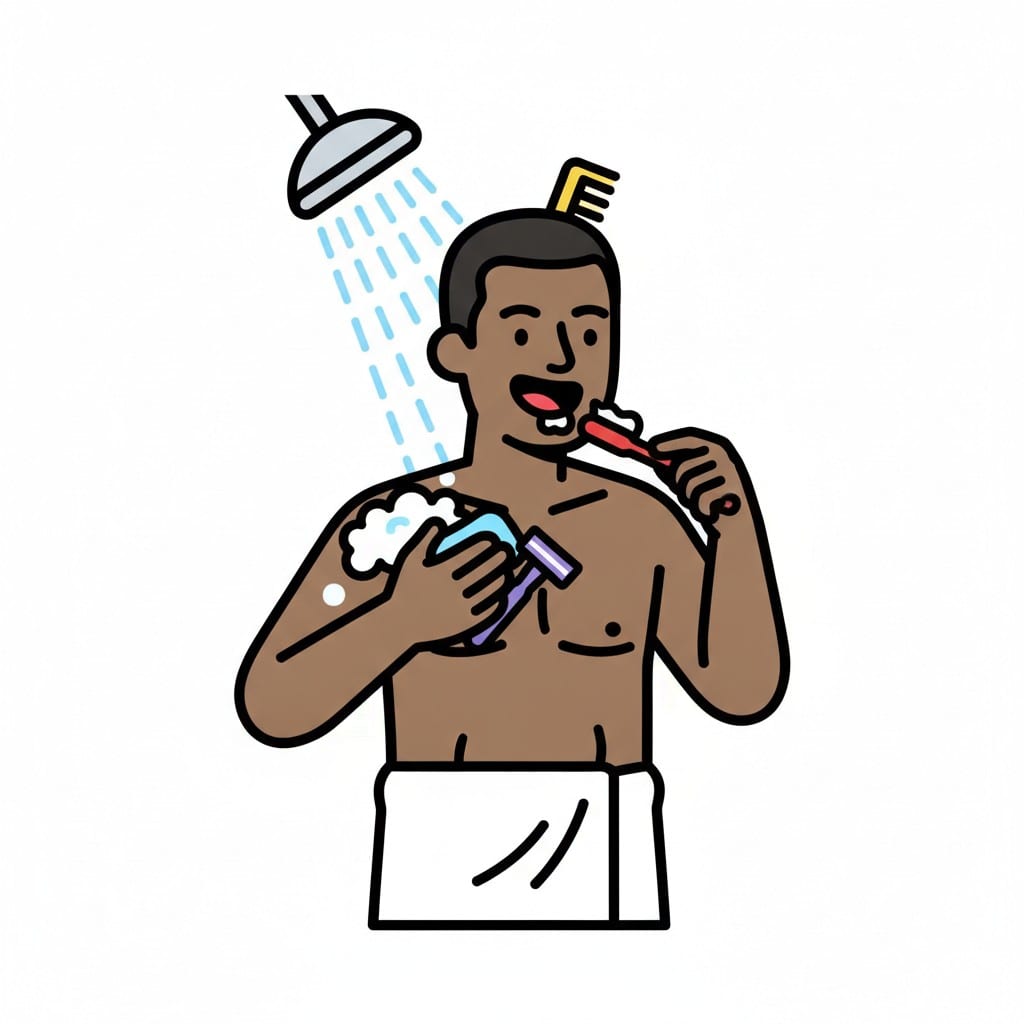 ♂
♂Personal care
A child in the shower brushes their teeth and shaves, a towel around their waist.
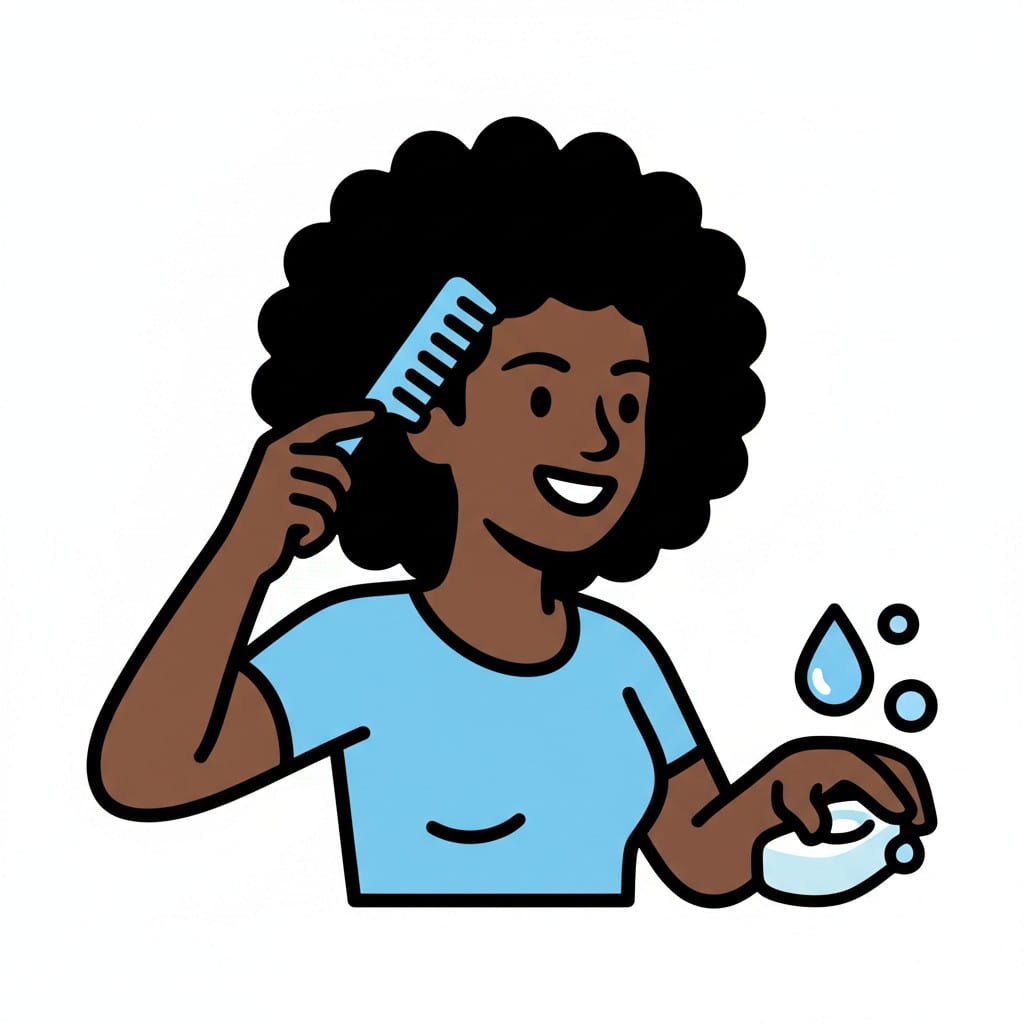 ♀
♀Personal care
A happy child combs their hair with a blue comb.
About this visual support
Caring for your own hair holds more demands than it first seems. The hand has to hold the comb at the right angle, pull just hard enough, find the tangles and at the same time put up with the small tug at the scalp. For a child with a sensitive scalp or with fine motor skills that have not quite settled, this becomes one of the harder moments of the day, not because it is difficult on paper, but because the body protests.
Visual support helps by making the order visible and predictable. When a child sees that combing starts low in the ends and works upward, a few strokes at a time, it is easier to follow along and to know when it ends. An ending you can see makes it possible to bear the discomfort a little longer.
A concrete tip for combing: add a picture of dampening the hair or spraying a little conditioner right at the start. Wet hair glides more easily and the comb catches less, which removes much of the tugging. End the order with a mirror picture, so your child sees the result and ties the routine together. You can build the whole care order in Routined and try it free for fourteen days.
Use this image in a schedule
Build your own visual schedule with this image and download it as a print-ready PDF. Completely free.
More similar visual supports
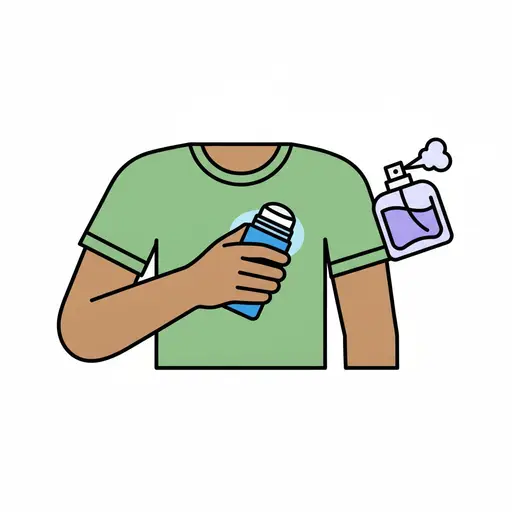
Apply deodorant
A hand applies roll-on deodorant with a perfume bottle nearby.
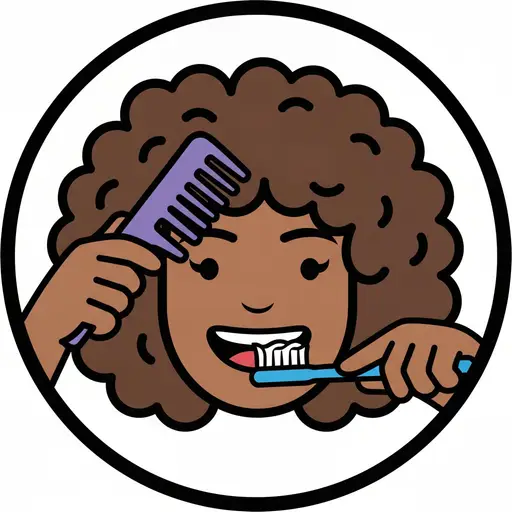
Brush Teeth, Comb Hair
A girl combs her curly hair with a comb and brushes her teeth with a toothbrush.
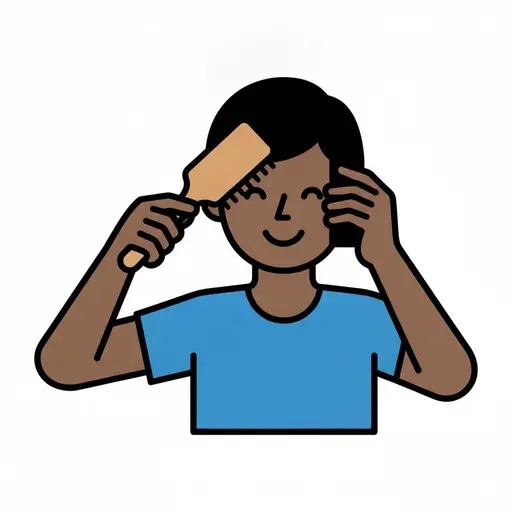
Brush hair
A smiling person with short dark hair brushes their hair with a wooden hairbrush...
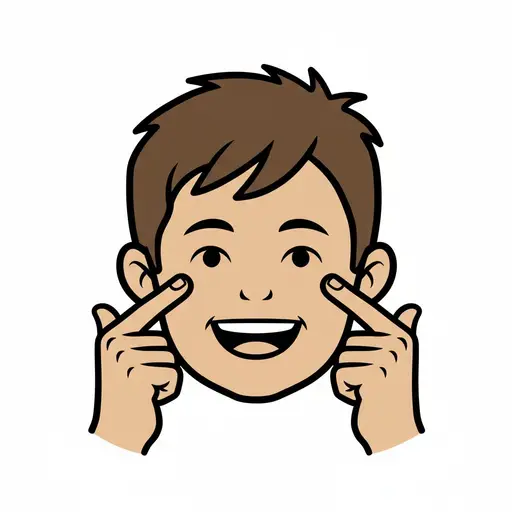
Fix face
A smiling boy points to his cheeks with his index fingers.
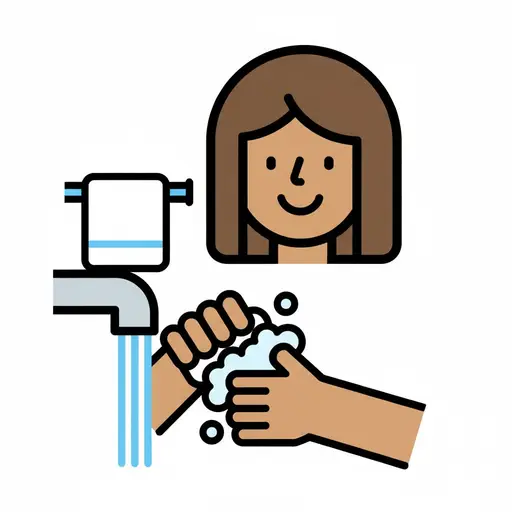
Hygiene
A girl washes her hands with lather under a tap with a towel hanging nearby.
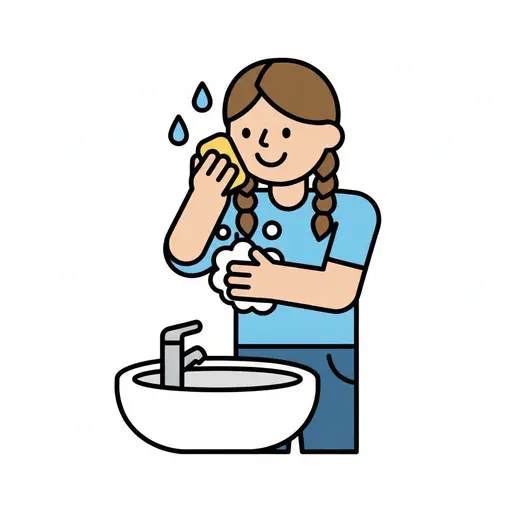
Wash face and hands
A girl washes her face with soap and has suds on her hands.
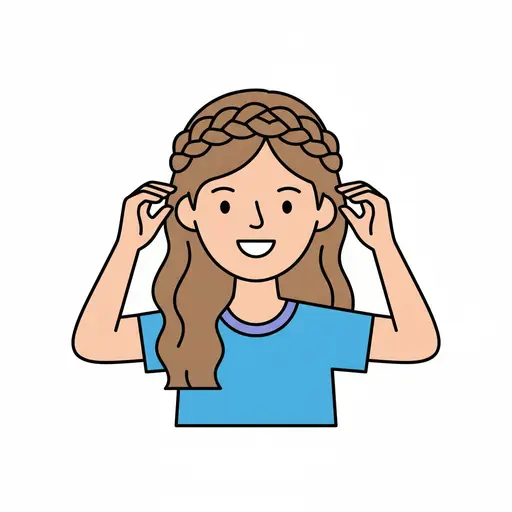
Style my hair
A girl with a braided crown holds her hair.
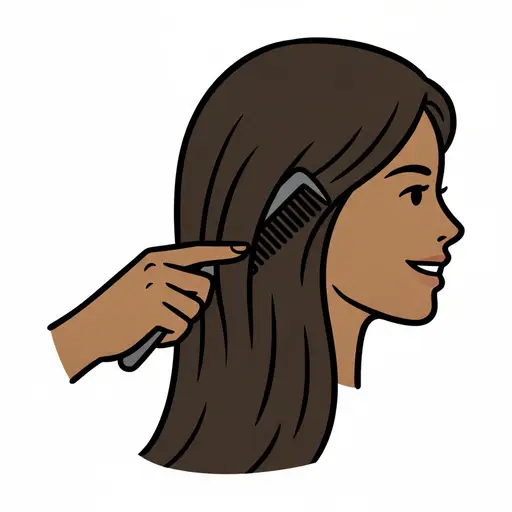
Comb hair
Seen in profile, a woman has a grey comb drawn down through her long brown hair.
This visual support in other languages
Take the visual supports with you
In Routined you build schedules from these pictures, add timers and voice instructions, and your child follows the day on their own.


* 14-day free trial, then $2.39 a month or $20.99 a year (US pricing). Cancel anytime.