Put on an outfit
Changing clothes is not just swapping fabric. It is a boundary between outside and inside, play and dinner, day and evening. The visual support below makes that crossing visible so the child can keep up.
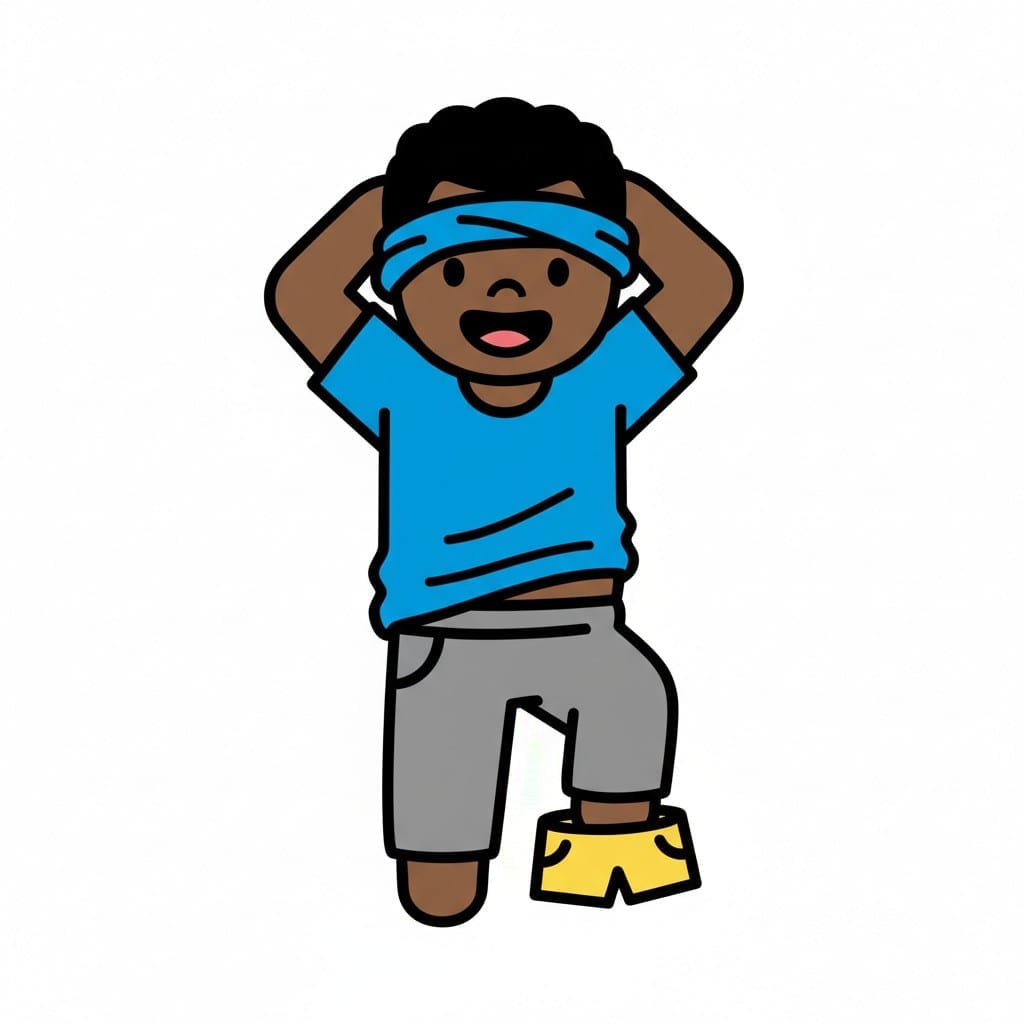 ♂
♂Put on shorts
A boy is putting on a pair of yellow shorts over his gray pants. He is also wearing a blue t-shirt and a blue headband.
About this visual support
The change itself is a border. On one side lies something the child is already inside – play, time outdoors, a film – and on the other side something else is waiting. That is why changing can feel larger than it looks: the trousers are not the problem, leaving what was going on is.
Visual support gives that crossing its own space. A before picture, a changing picture, an after picture – three steps that give the child something concrete to hang the move on. It is easier to end something when you can see that a new scene is already laid out. Children with strong sensory reactions benefit from seeing the next set of clothes in advance, so scratchy labels or cold fabric do not come as a surprise in the middle of a half-dressed moment.
A concrete tip: lay the next outfit out in the order it goes on, so the picture in the app and the pile of clothes say the same thing. In the Routined app you can mark the change as a short routine of its own between two larger activities, so the child can see it is a thing in itself and not just a pause.
Use this image in a schedule
Build your own visual schedule with this image and download it as a print-ready PDF. Completely free.

More similar visual supports
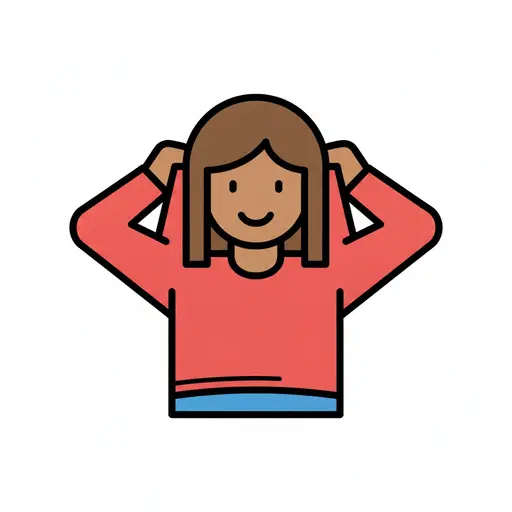
Put on sweater
A girl pulls a red top down over her head.
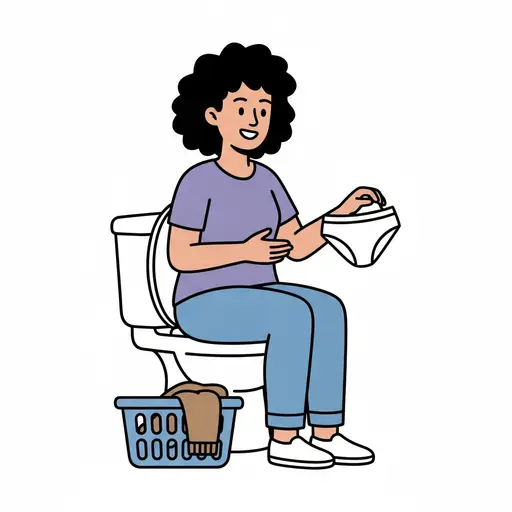
Change underwear
A woman sits on the toilet holding clean underwear with a laundry basket below.
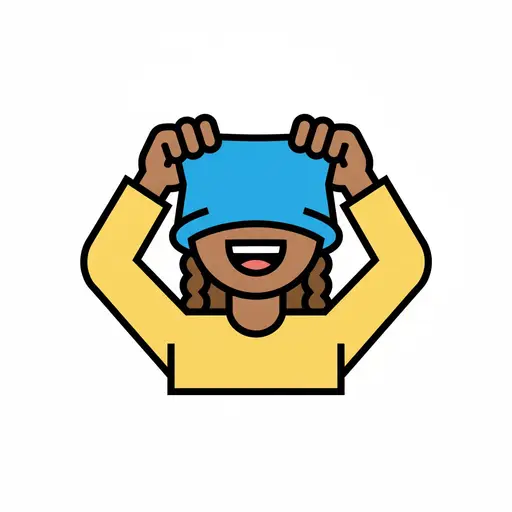
Dress myself
A laughing girl holds a blue top with both hands and pulls it down over her head...
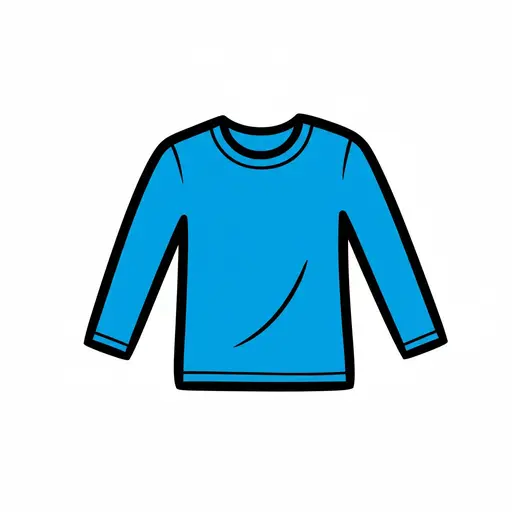
Long sleeve shirt
A blue long sleeve shirt viewed from the front.
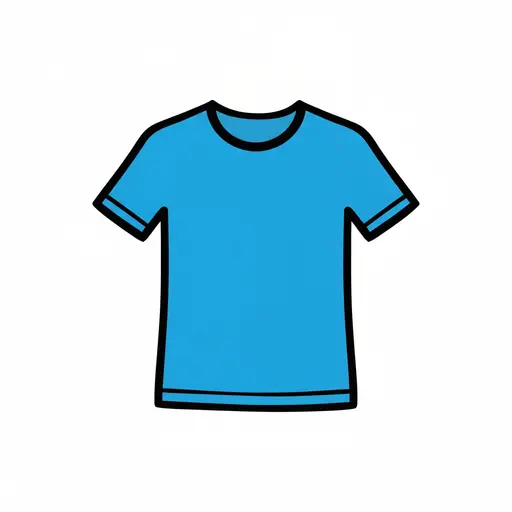
Put on a top
A bright blue short-sleeved T-shirt.
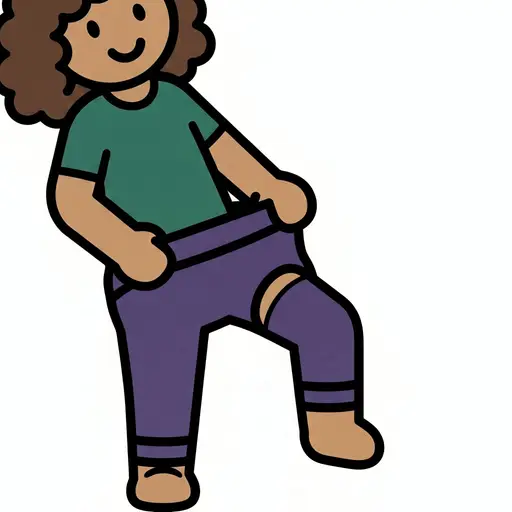
Put on leggings
A smiling person putting on purple leggings.
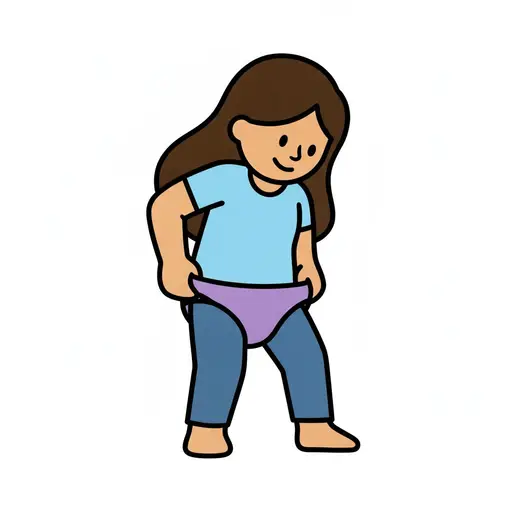
Put on underwear
A girl pulls up a pair of purple knickers.

Socks
A blue and a green sock side by side.
Take the visual supports with you
In Routined you build schedules from these pictures, add timers and voice instructions, and your child follows the day on their own.


* 14-day free trial, then $2.39 a month or $20.99 a year (US pricing). Cancel anytime.