Sad
Sadness rarely arrives clean. It often mixes with tiredness, hunger or a frustration that has not yet found words. The visual support below gives the child something to point at before language is ready.
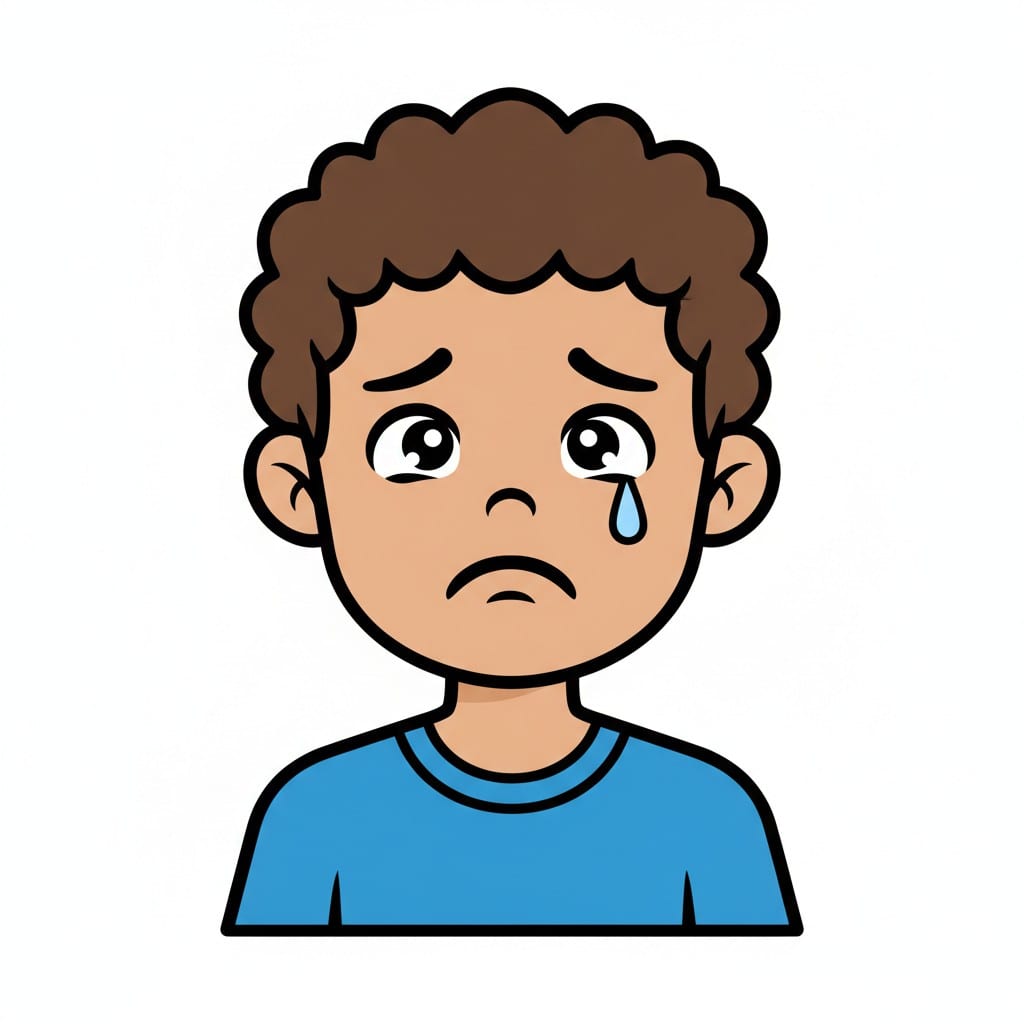 ♂
♂Sad boy
Image of a boy with a tear rolling down his cheek, displaying a sad facial expression.
 ♀
♀Sad girl
Image of a girl's face with tears streaming down her cheeks, displaying a very sad facial expression.
About this visual support
Being sad sounds like a clear thing but rarely feels that way from the inside. In a child, sadness often sits in a knot together with tiredness, hunger or disappointment, and without language to pull the threads apart the whole body grows heavy. The adult ear hears crying, but the child may not know what they are crying about.
Pictures offer a halfway house between the body signal and the conversation. When a child can point to an image that shows sad, they do not also have to find the words at the same moment, one thing at a time. Naming the feeling out loud after the child has pointed acts like a mirror, and the mirror itself tends to calm.
A concrete tip: keep the feelings card visible during quiet moments too, not only mid-cry. Then it becomes a familiar tool and not something that only appears once things are already too big. Many families pin a few emotion images by the breakfast table. In the Routined app you can gather several feeling images in one view so the child can choose between them.
Use this image in a schedule
Build your own visual schedule with this image and download it as a print-ready PDF. Completely free.
More similar visual supports

Worry
A boy with a worried expression resting his hand on his chin, with swirly though...
Eye doctor
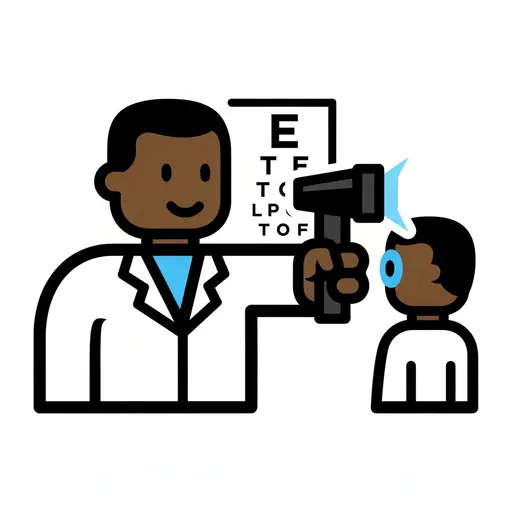
An eye doctor examines a child's eye with an instrument in front of an eye chart...
Take off glasses
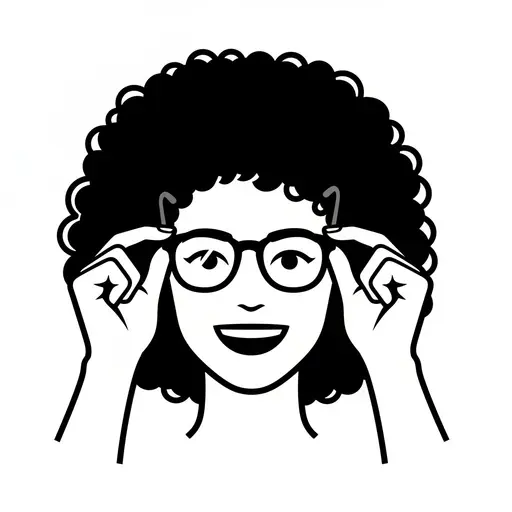
A girl takes off her glasses with both hands.
Check the eyes
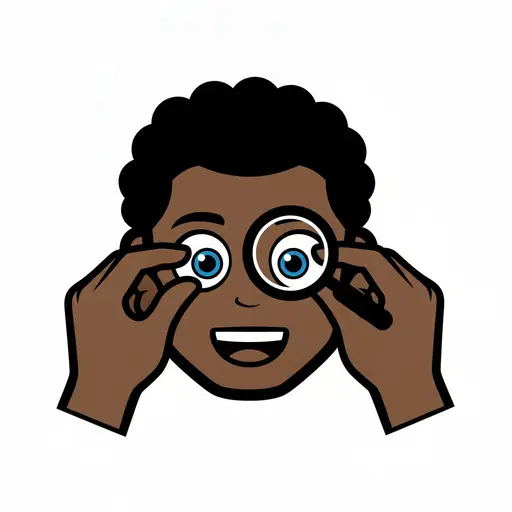
A child holds a magnifier up in front of one eye.
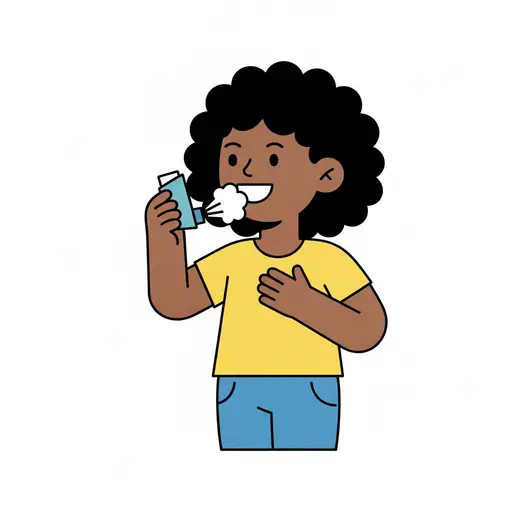
Take asthma medicine
A smiling person in a yellow t-shirt holds a blue inhaler to their mouth with on...

Night medicine
A dark blue medicine bottle marked with a cross sits beside a yellow moon and st...
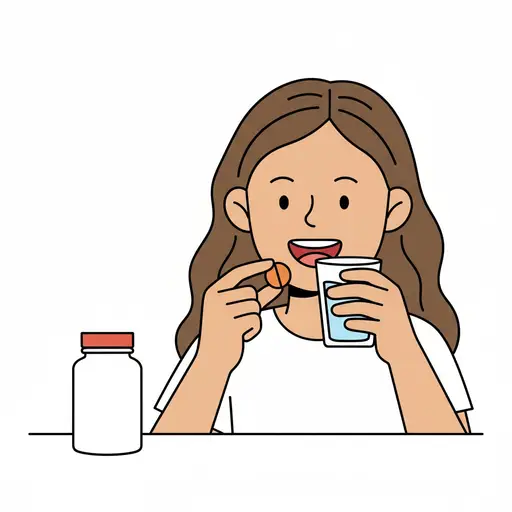
Take vitamin
A person takes an orange vitamin with a glass of water, a bottle stands next to ...
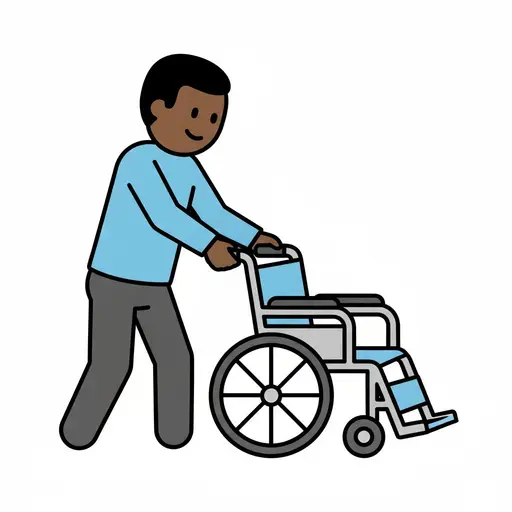
Get the wheelchair
A man walks pushing a blue wheelchair.
This visual support in other languages
Take the visual supports with you
In Routined you build schedules from these pictures, add timers and voice instructions, and your child follows the day on their own.


* 14-day free trial, then $2.39 a month or $20.99 a year (US pricing). Cancel anytime.