Shorts
Bare legs against the chair, the grass and the wind – for a child used to long trousers, the switch is not just summer starting but a brand new feeling on the skin. The visual support below makes the change visible before the clothes change.
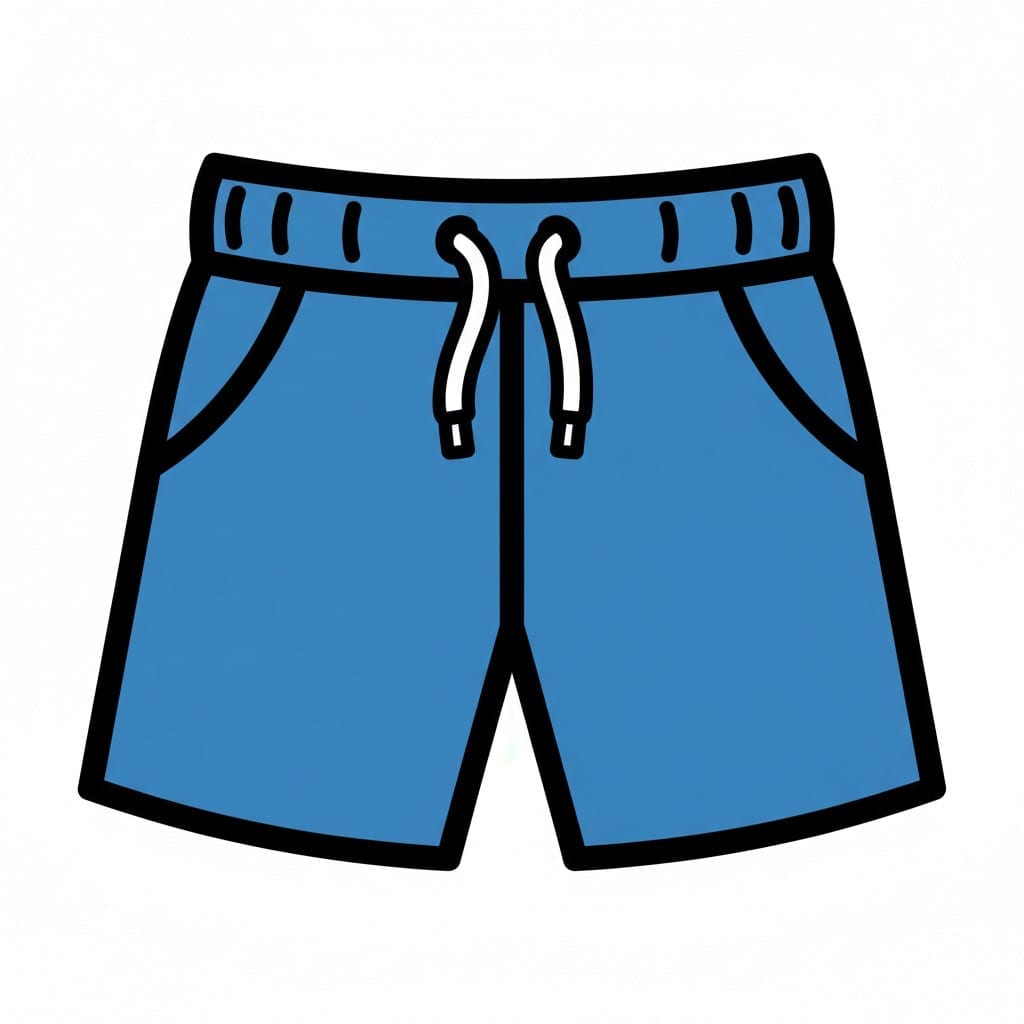
Shorts
A pair of blue shorts with white drawstrings.
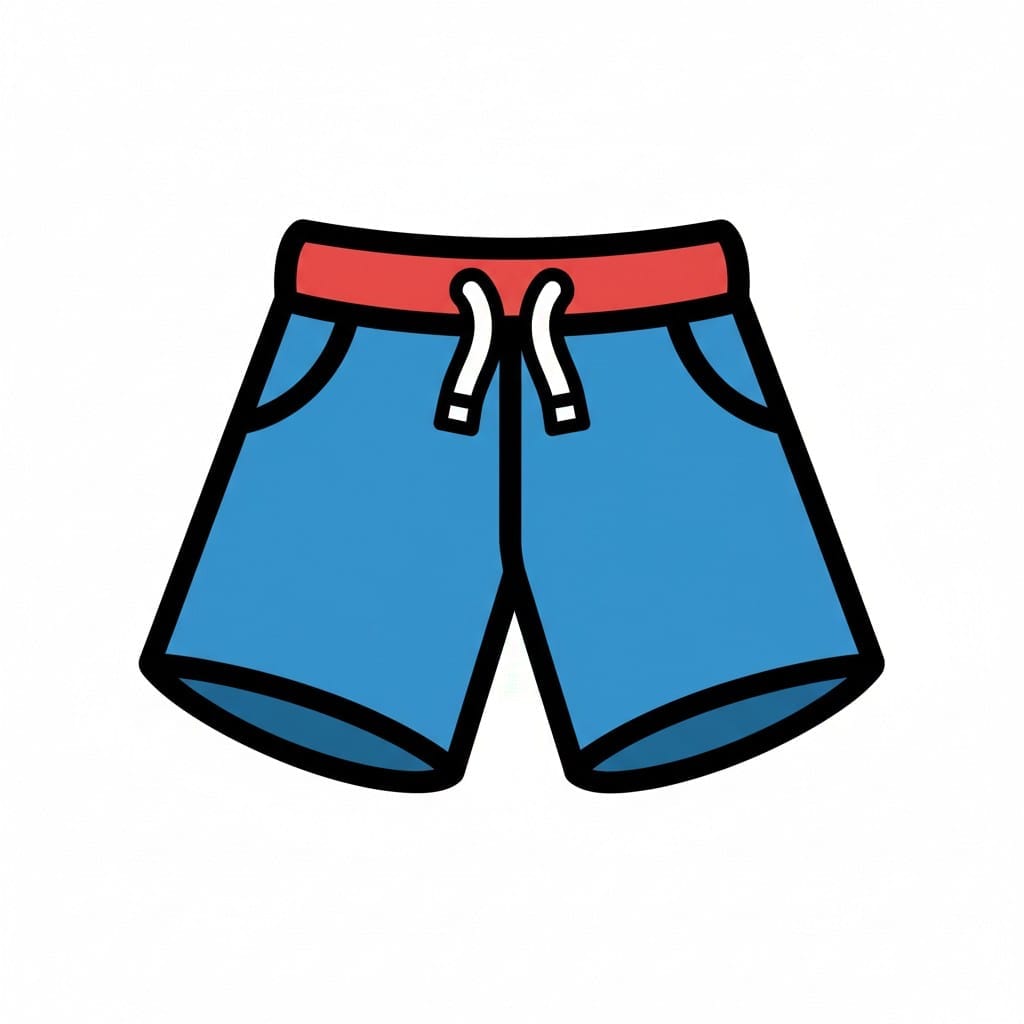
Shorts
An illustration of a pair of blue shorts with a red waistband and white drawstring.
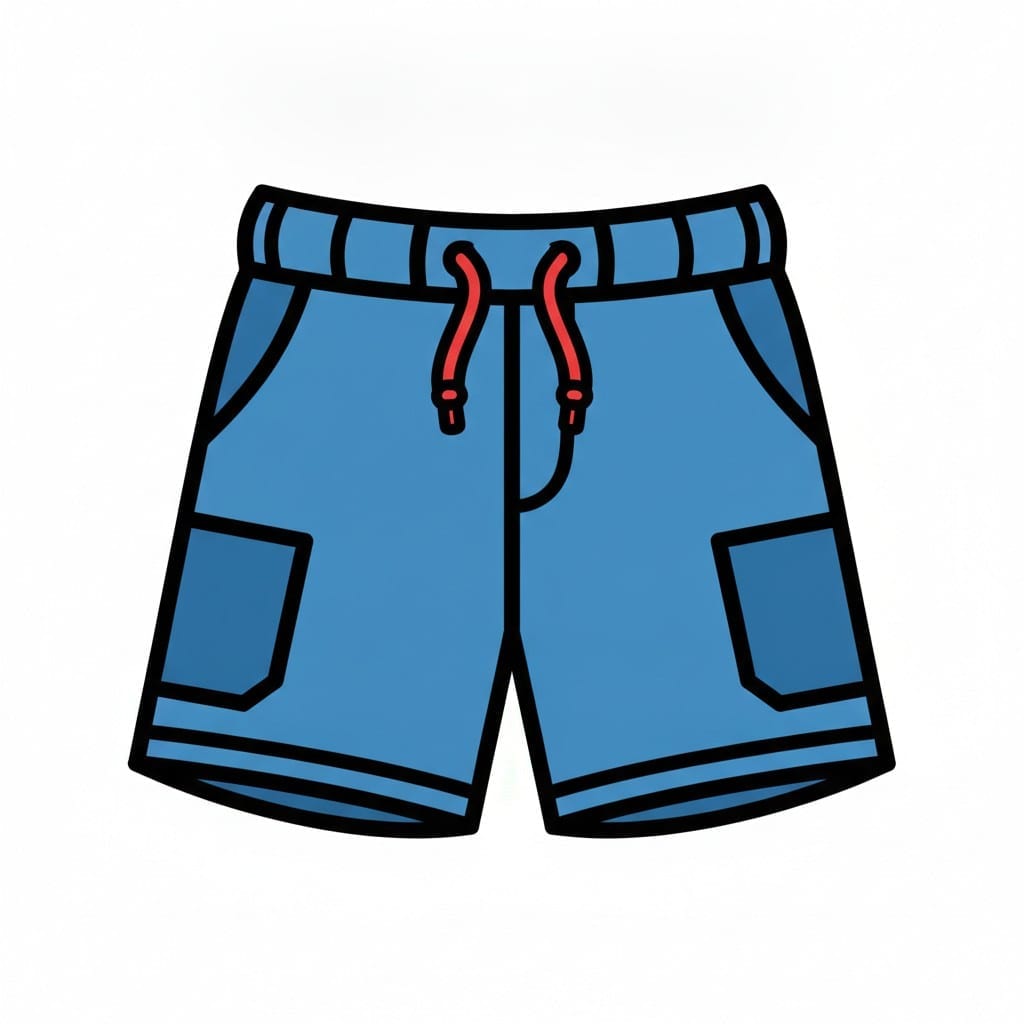
Blue shorts with a red drawstring
A pair of blue shorts with an elastic waistband, a red drawstring and pockets on the front.
About this visual support
Shorts are rarely about the garment itself. They are about skin suddenly meeting things that have been covered for half a year: the rib of a wooden chair, an ant climbing, the wind changing direction. Moving from long trousers to shorts is not a clothing change but an environment change happening on the thigh. That explains why a child used to trousers can react more strongly than expected.
With visual support you can build the transition in words and pictures before it happens in real life. Show the trousers, show the shorts, show how the legs may feel and where shorts will be worn. The new sensation is then expected and short-lived rather than a sign that something is wrong. Predictability stops the skin from being a surprise.
A concrete tip: leave the shorts next to the long trousers for a week with no demand to switch. The picture can show both options and let the child choose morning by morning. When the choice is voluntary, the resistance drops and the garment becomes an option instead of a requirement. Routined can show the week's weather and help match the clothing choice with the day's temperature.
Use this image in a schedule
Build your own visual schedule with this image and download it as a print-ready PDF. Completely free.

More similar visual supports
Pants
A pair of blue jeans.
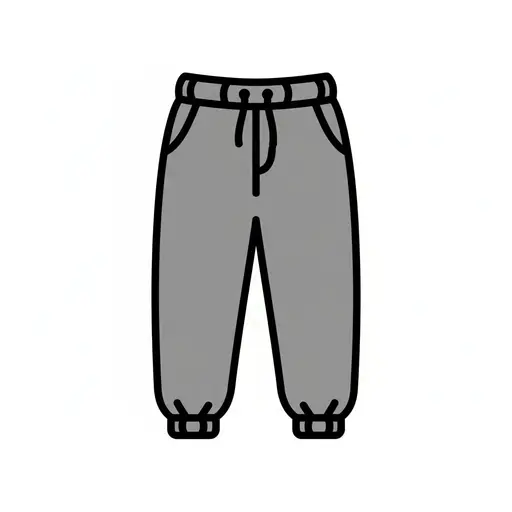
Sweatpants
A pair of grey sweatpants.

Apply sunscreen
A girl applies sunscreen to her cheek with her hand, holding a blob of sunscreen...
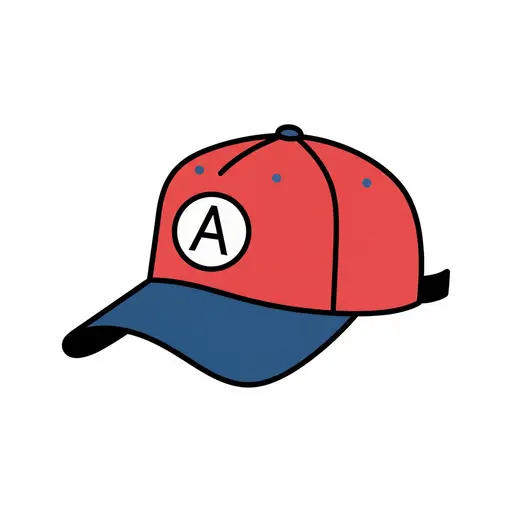
Cap
A red and blue baseball cap with the letter A on the front.
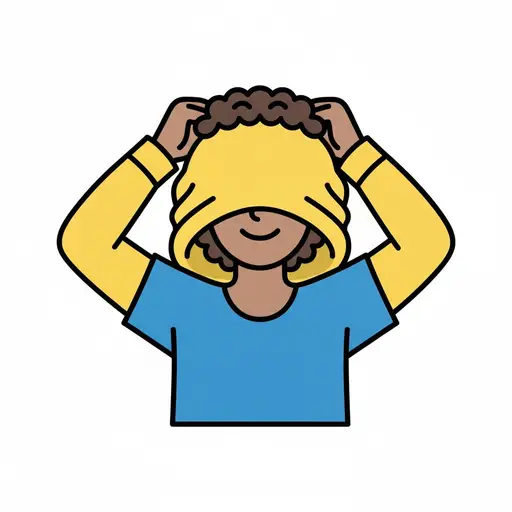
Change clothes
A child pulls a yellow sweater over their head.
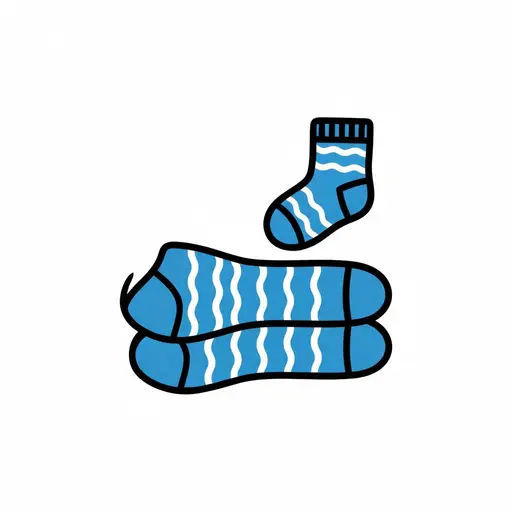
Extra socks
An image of three blue socks with white wavy stripes, two are stacked and a thir...
Overshirt
A folded blue overshirt with brown buttons.
Rub on sunscreen
A person applies sunscreen to their arm from a tube.
Take the visual supports with you
In Routined you build schedules from these pictures, add timers and voice instructions, and your child follows the day on their own.


* 14-day free trial, then $2.39 a month or $20.99 a year (US pricing). Cancel anytime.