Sunscreen
The cream is cold, sticky and usually arrives just when the child wants to dash outside. The visual support below breaks the lotioning into clear moments, so the sensation gets a beginning, a middle and an end before the sun and the play take over.
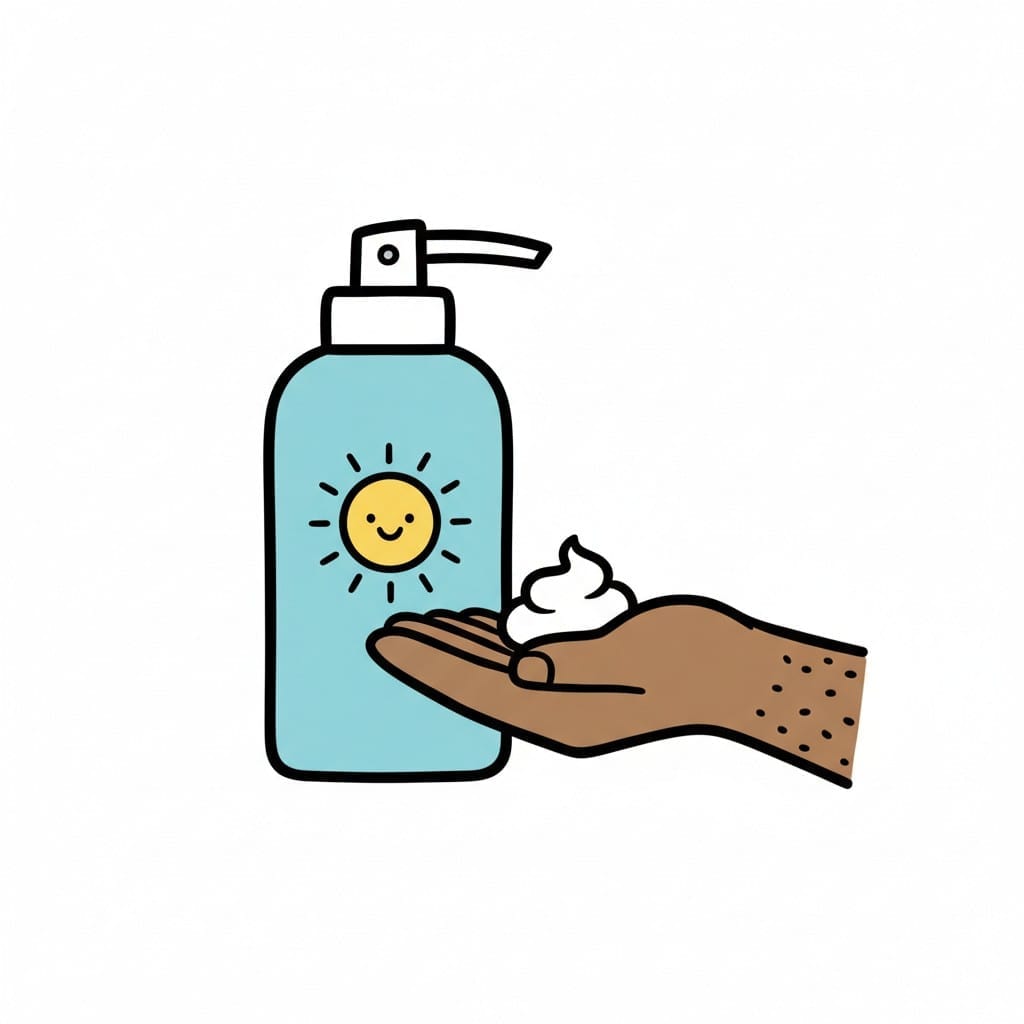 ♂
♂Pumping sunscreen into a hand
A blue pump bottle with a happy sun symbol dispensing a swirl of white sunscreen into an open hand.
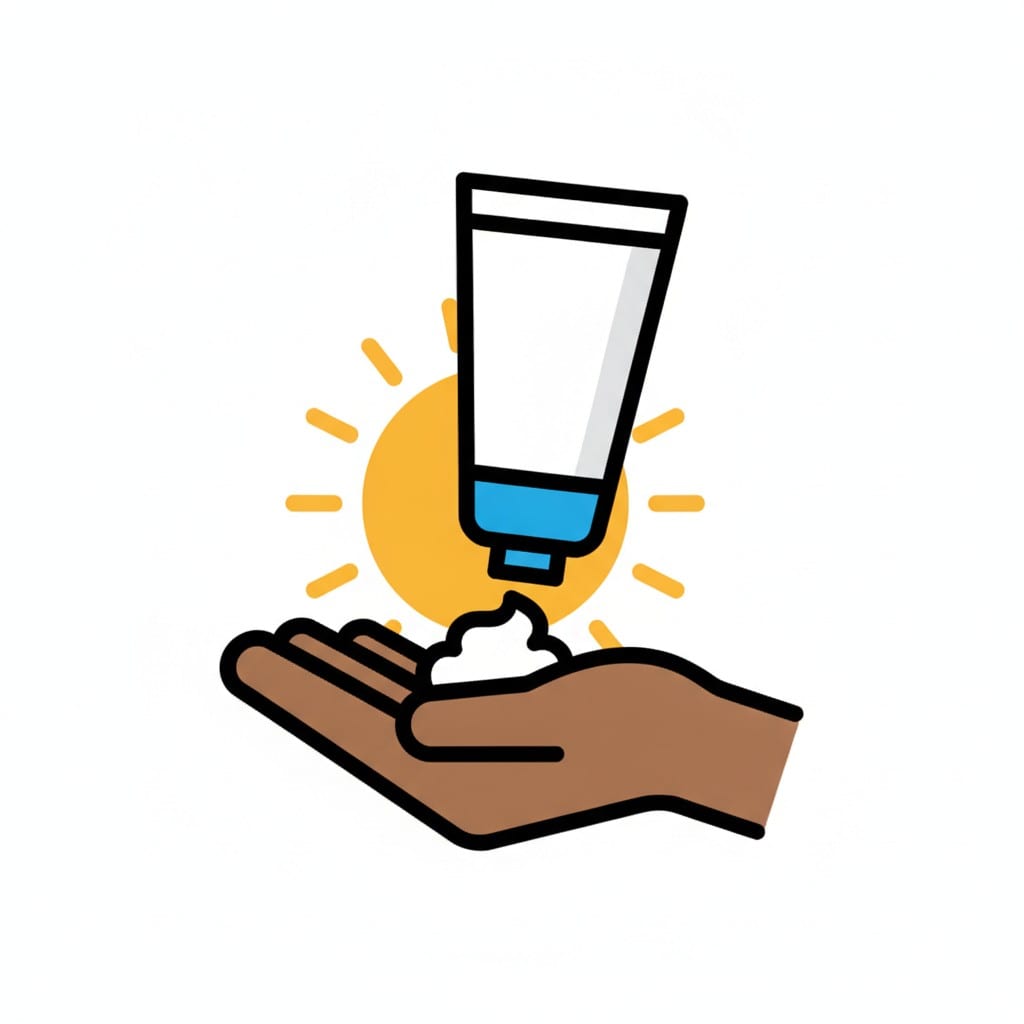 ♂
♂Sunscreen squeezed into a palm
A tube squeezes a blob of white sunscreen into an open palm in front of a yellow sun.
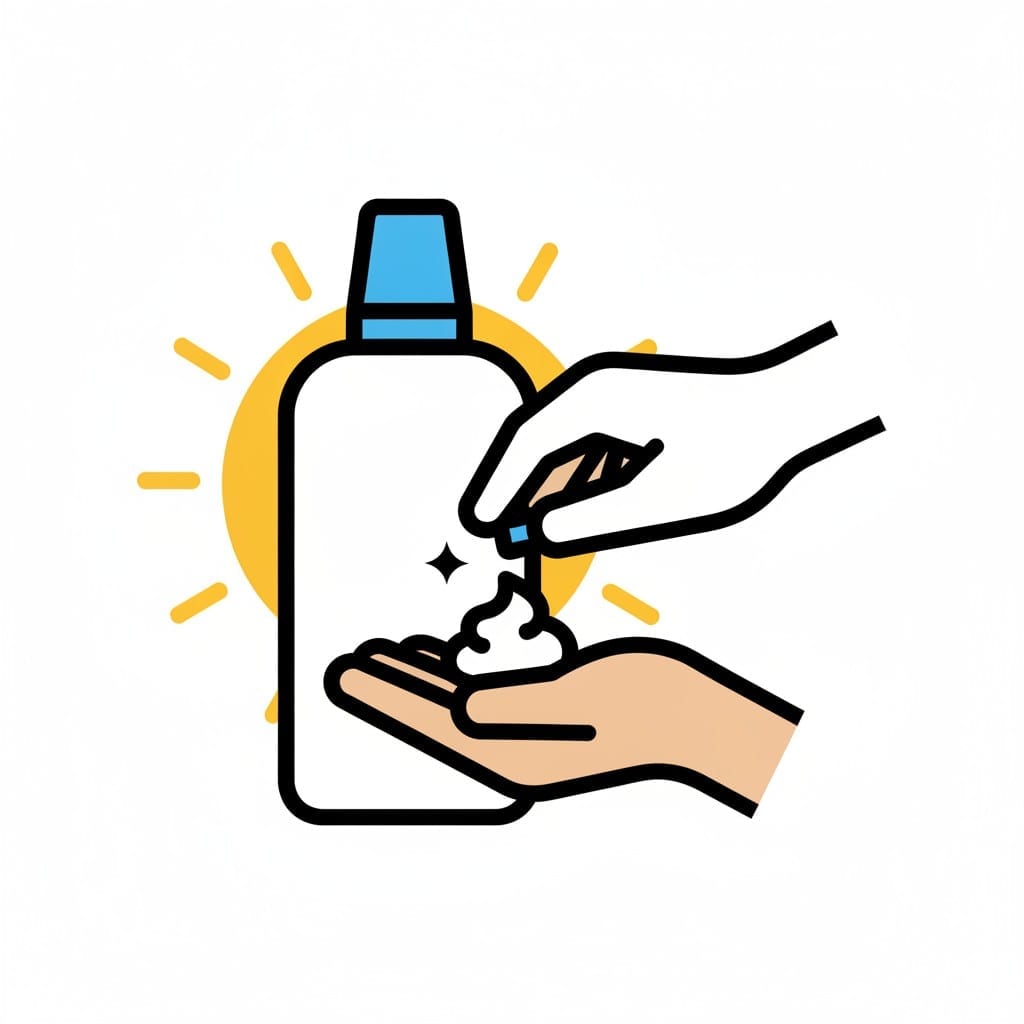 ♀
♀Apply sunscreen
Two hands pump sunscreen into a palm in front of a sunscreen bottle and a sun.
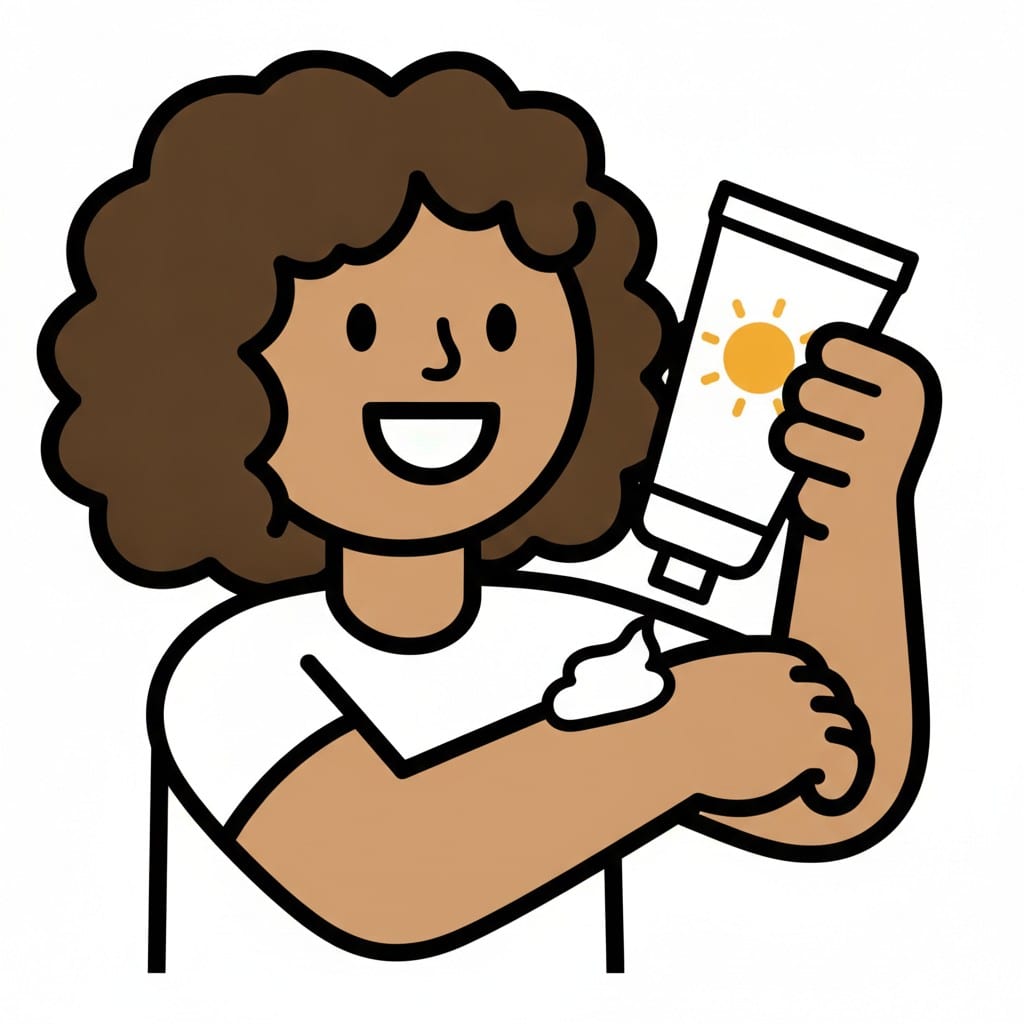 ♀
♀Girl putting sunscreen on her arm
A smiling girl holds a sunscreen tube marked with a sun and has a dab of white cream on her forearm.
About this visual support
Sunscreen is not primarily a skin thing for the child, it is a sensory event. A cold dab in the palm, a sticky contact with the cheek, a brief stretch where everything feels strange before it passes. And it always happens when play readiness is at its peak and the sun is shining invitingly through the door.
Visual support helps by making those seconds predictable. When the picture shows a cold dab, then soft rubbing, then dry skin, the child knows the unpleasant part has an ending. It becomes easier to stand still for ten seconds if the body knows ten seconds is the whole deal, not an open-ended feeling without a clear stop.
A concrete tip that often works: warm the cream between your own hands first and name the body part that is coming next before you touch it. That way the child is not surprised by cold skin-on-skin contact. For children with sensory sensitivity, this small moment can be worth its own little routine. If you want to weave sunscreen into the morning before an outing, you can add it in the Routined app.
Use this image in a schedule
Build your own visual schedule with this image and download it as a print-ready PDF. Completely free.

More similar visual supports
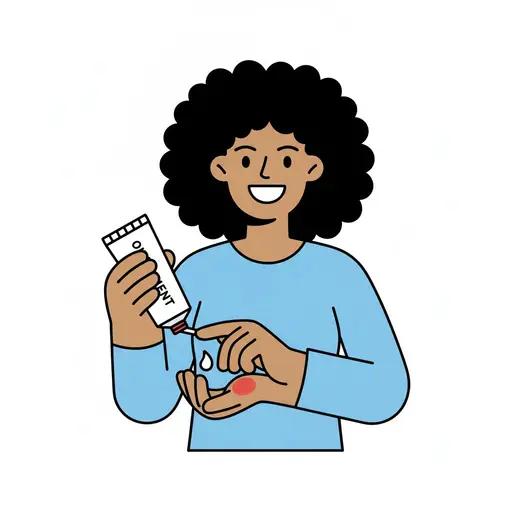
Apply ointment
A woman rubs ointment from a tube onto her hand.
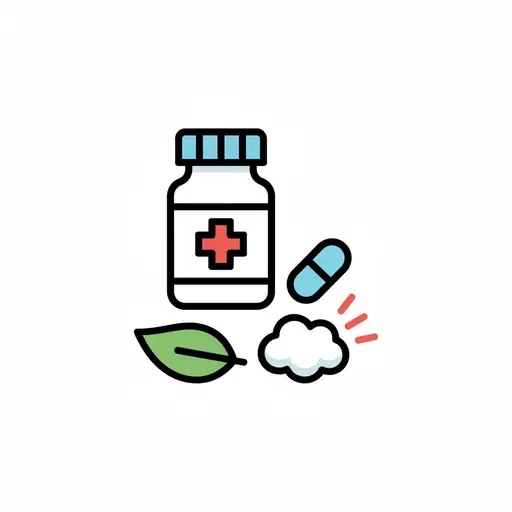
Allergy medicine
Medicine bottle with a red cross next to a capsule, a leaf, and a cloud.
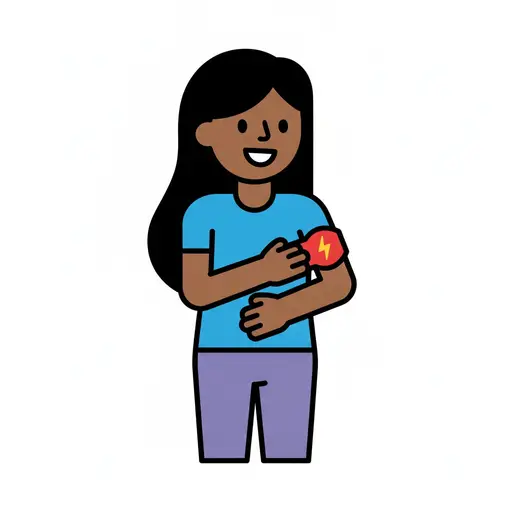
Armband
A person wears a red armband on their upper arm and points at it.
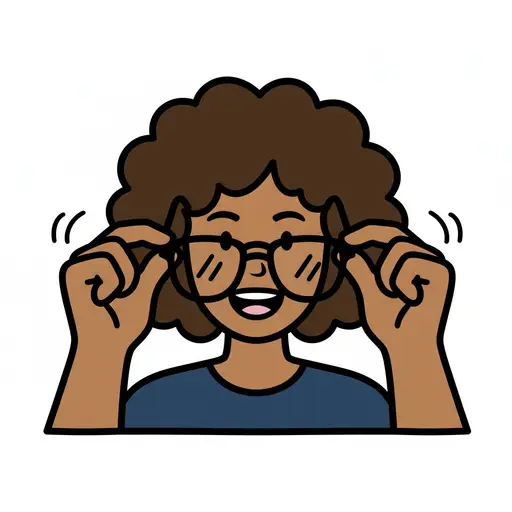
Bring glasses down
A smiling girl adjusts her glasses with both hands.
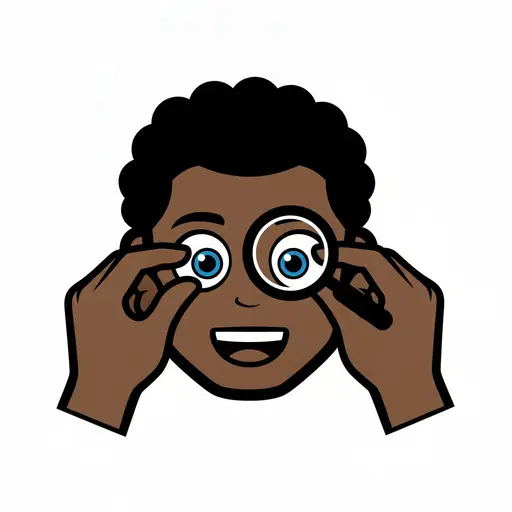
Check the eyes
A child holds a magnifier up in front of one eye.
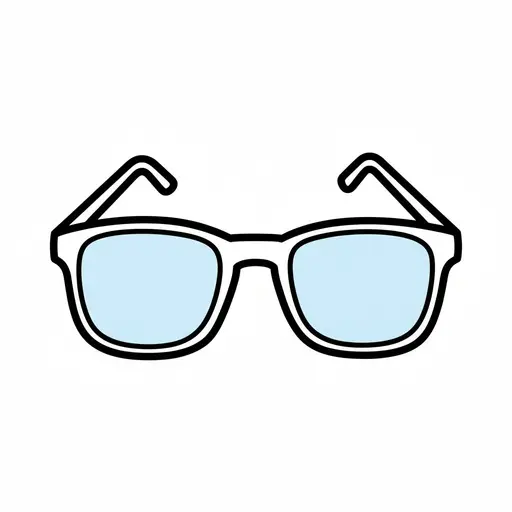
Clean the glasses
A pair of glasses with clean light blue lenses and a black frame.
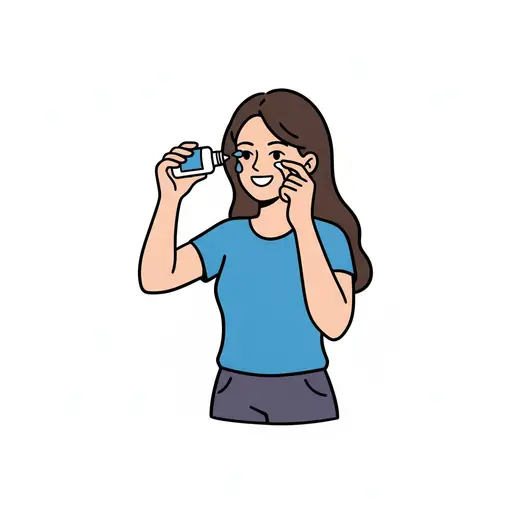
Eye drops
A smiling person holds a small bottle of eye drops above their eye and pulls dow...
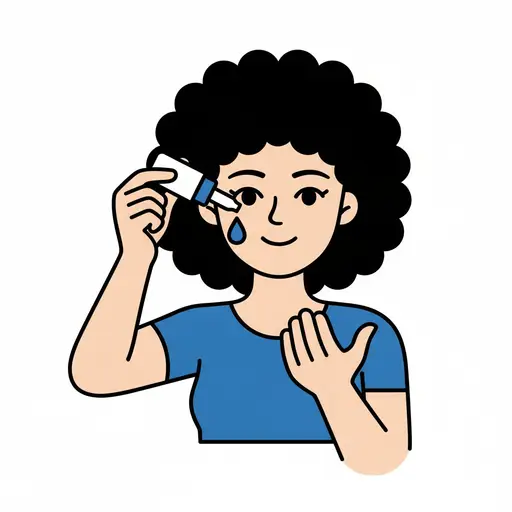
Eye drops and rinse
A smiling person holds a small dropper bottle above their eye as a blue drop fal...
Take the visual supports with you
In Routined you build schedules from these pictures, add timers and voice instructions, and your child follows the day on their own.


* 14-day free trial, then $2.39 a month or $20.99 a year (US pricing). Cancel anytime.