T-shirt
A t-shirt that looks completely normal can still be wrong: the tag scratches, the seam sits crooked, the fabric feels rough. The visual support below lets the child choose before clothes are already on.
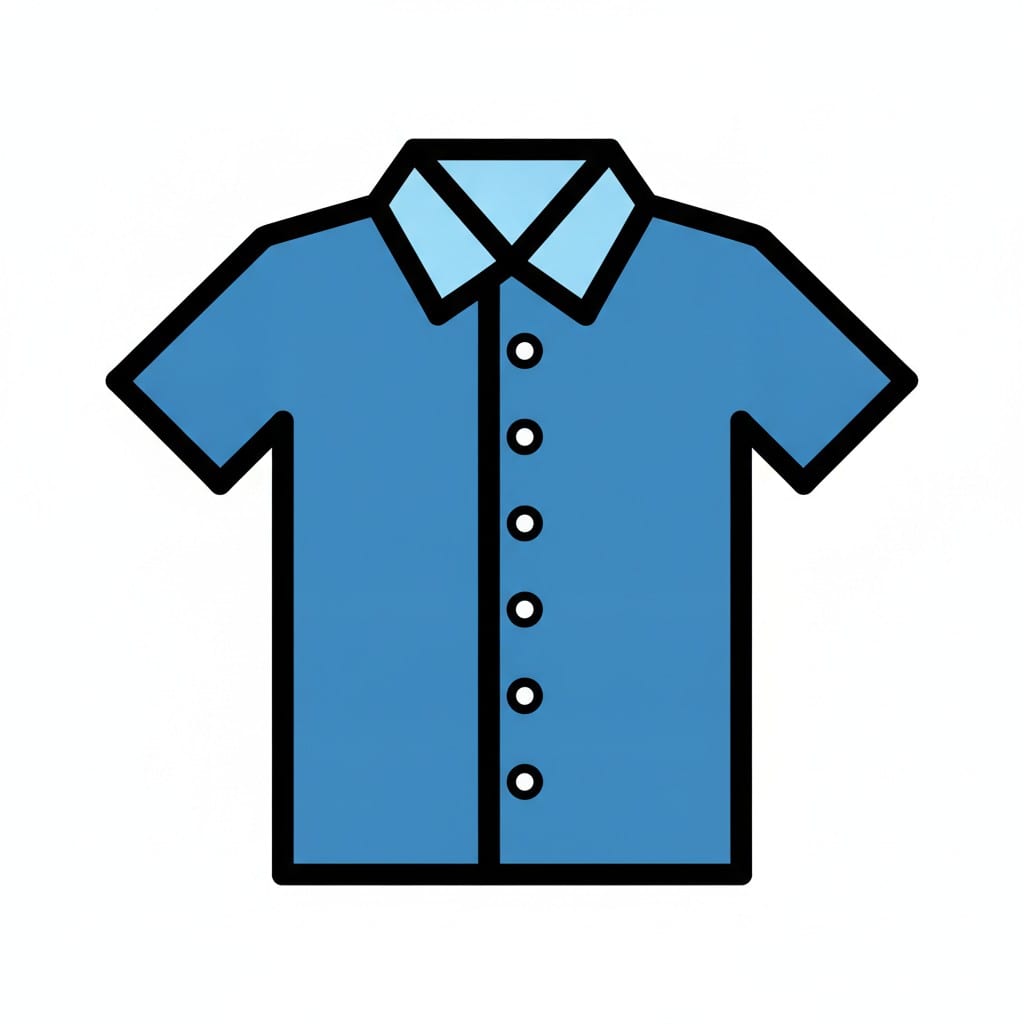
Shirt
A blue short-sleeved button-up shirt.
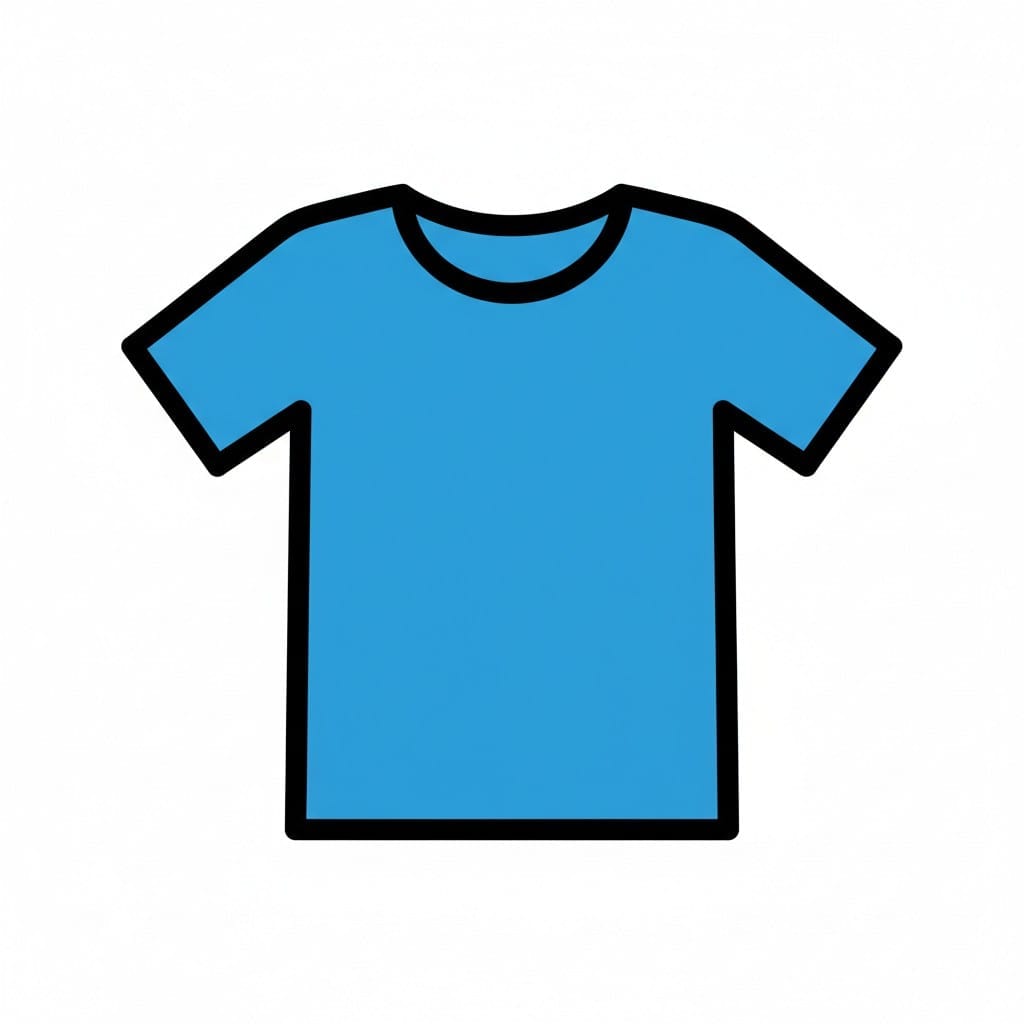
T-shirt
An illustration of a blue T-shirt.
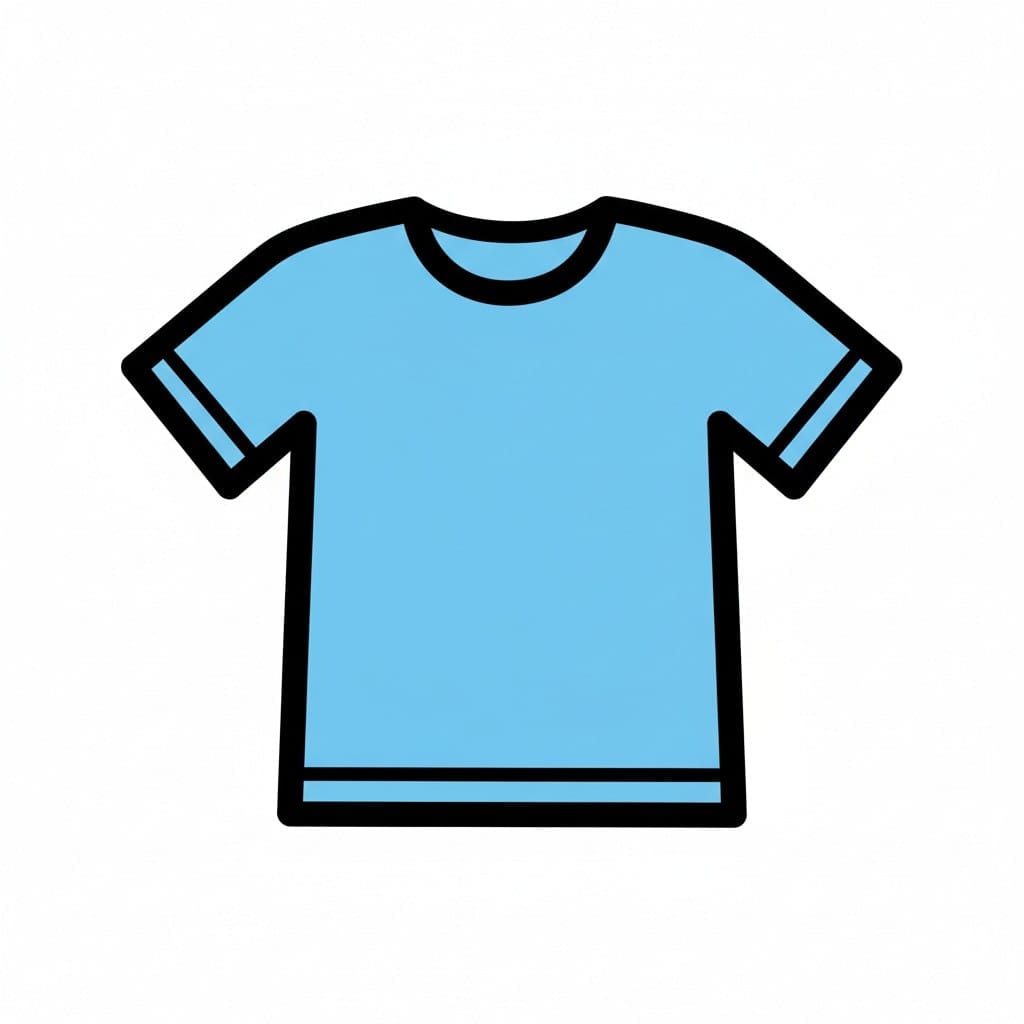
T-shirt
An illustration of a light blue T-shirt.
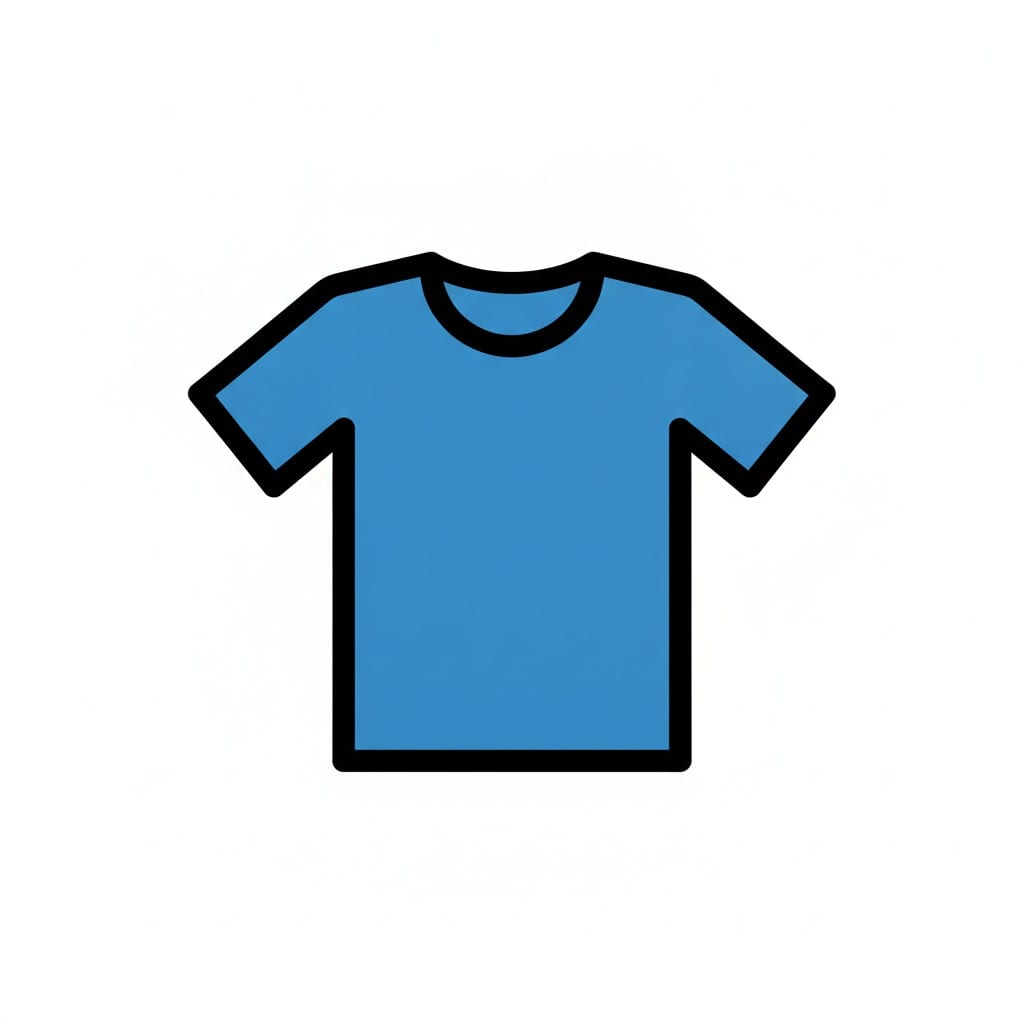
T-shirt
A plain blue T-shirt.
About this visual support
For many children, the t-shirt question is decided by details adults barely register. A small tag at the back of the neck, a seam that twists at the shoulder, or simply fabric that feels too warm against the skin – and the garment is suddenly impossible. When the decision has to be made with the shirt halfway over the head, you usually get tears instead of dialogue.
Seeing different t-shirts as pictures before getting dressed works better. The child has time to point at the one that feels right, you start noticing the pattern over weeks (short sleeves with loose fabric, no prints across the chest, always soft cotton) and the morning holds fewer surprises. For children who are extra sensitive to sensory input, this small preview moment often makes the difference between a calm start and a meltdown.
One concrete tip: cut or fold out every neck tag in advance, then sort the tops by fabric instead of colour. That way the pictures match what the child actually meets in the drawer. If you want to connect the choice to the rest of getting dressed, you can build a sequence in Routined and let the child tick off one garment at a time.
This image is part of these ready-made schedules
Use this image in a schedule
Build your own visual schedule with this image and download it as a print-ready PDF. Completely free.

More similar visual supports
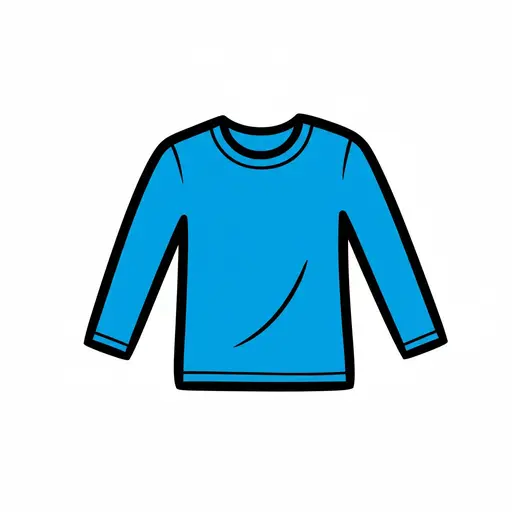
Long sleeve shirt
A blue long sleeve shirt viewed from the front.

Clean underwear
Illustration of a pair of clean, light blue underwear with yellow polka dots and...
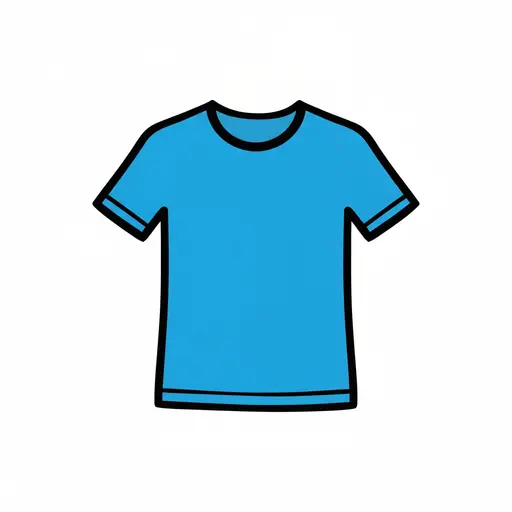
Put on a top
A bright blue short-sleeved T-shirt.
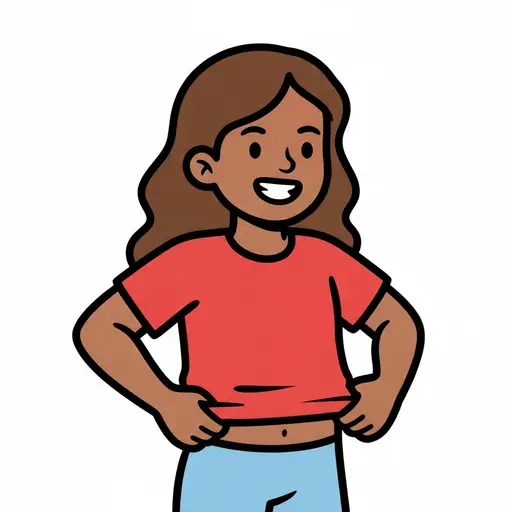
Put on clothes
A girl in a red t-shirt and light blue trousers tugs the hem straight and smiles...
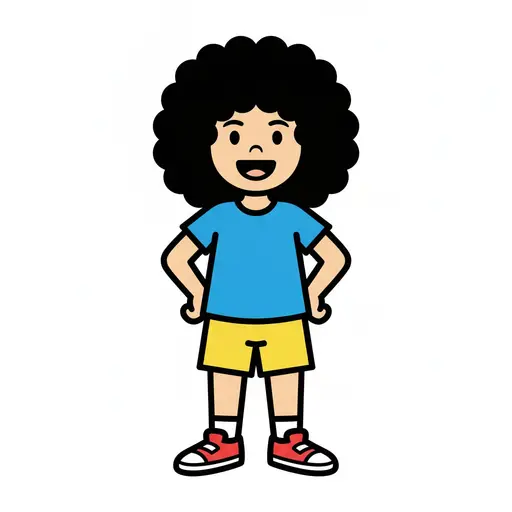
Wear shorts
A happy child stands in a blue T-shirt and yellow shorts.
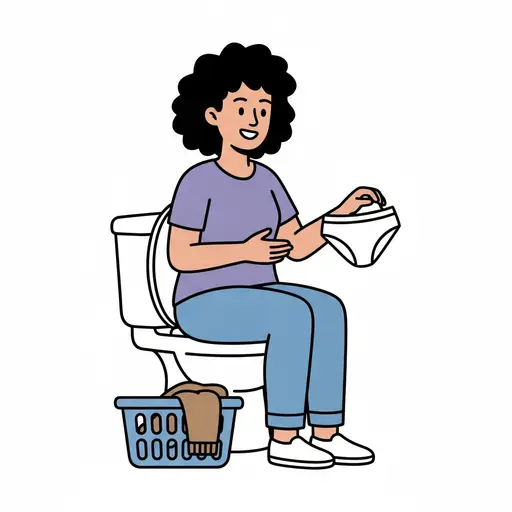
Change underwear
A woman sits on the toilet holding clean underwear with a laundry basket below.
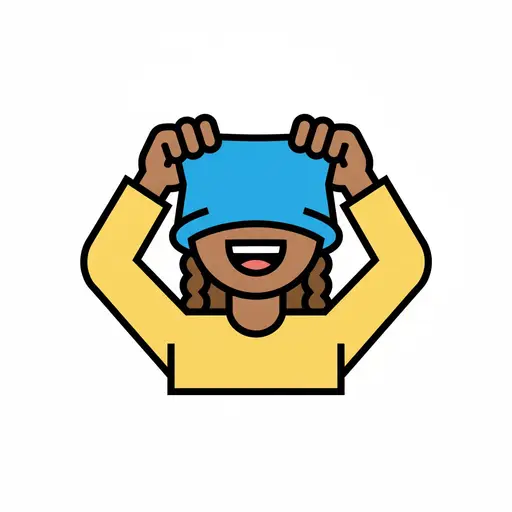
Dress myself
A laughing girl holds a blue top with both hands and pulls it down over her head...
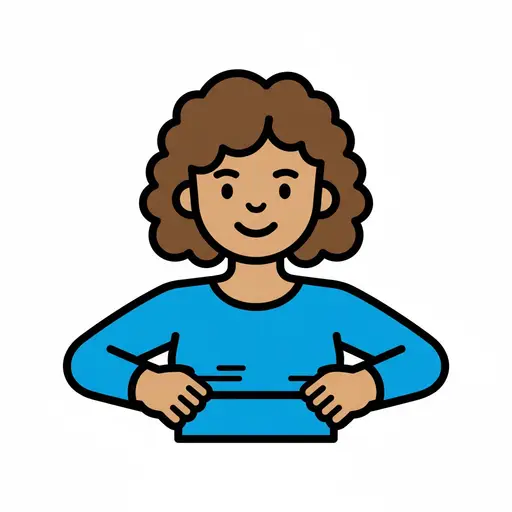
Get dressed yourself
A girl pulls a blue shirt over her head while getting dressed.
Take the visual supports with you
In Routined you build schedules from these pictures, add timers and voice instructions, and your child follows the day on their own.


* 14-day free trial, then $2.39 a month or $20.99 a year (US pricing). Cancel anytime.