Take medicine
The taste is bitter, the pill feels twice as big as it looks, and the body reads the swallow as a small threat. The visual support below breaks the moment into calm steps the body can follow.
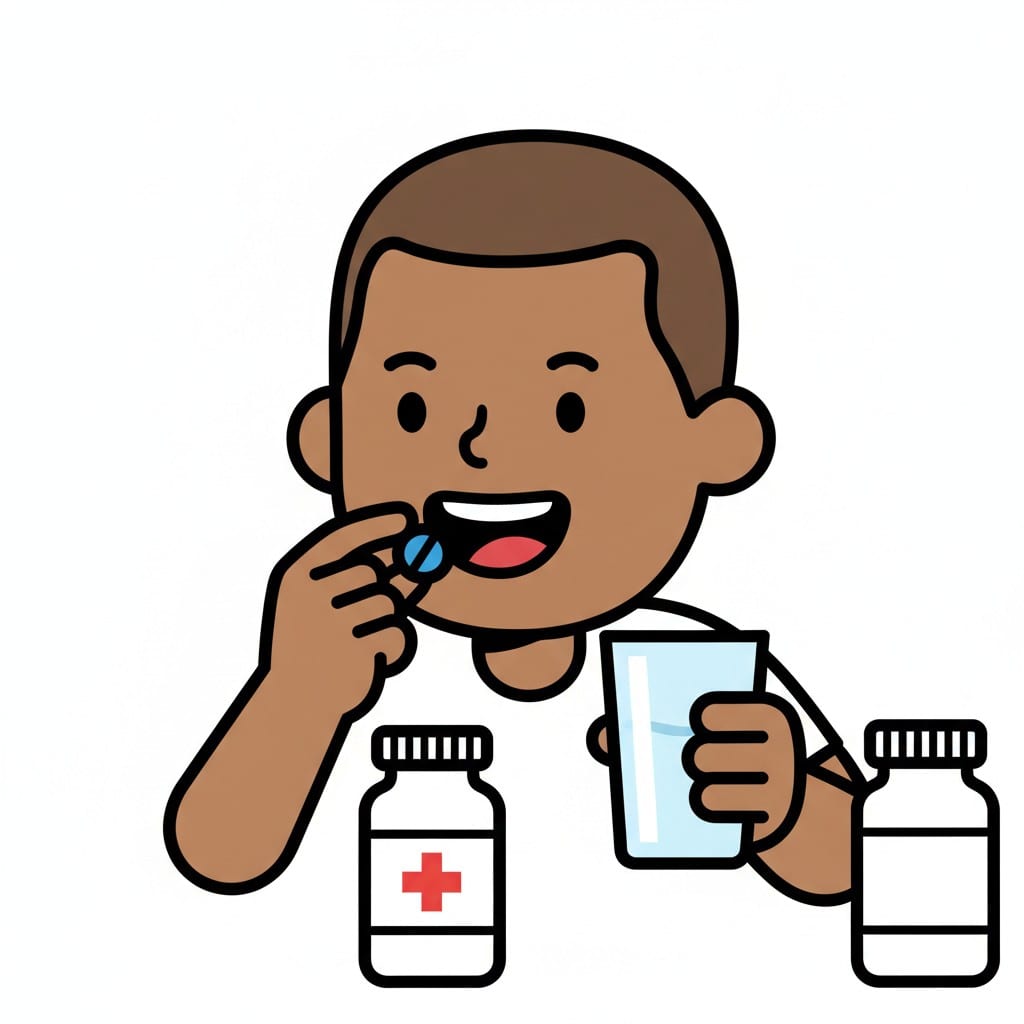 ♂
♂Taking medicine
A person holds a medicine tablet to their mouth with one hand and a glass of water with the other. Two medicine bottles are on the table.
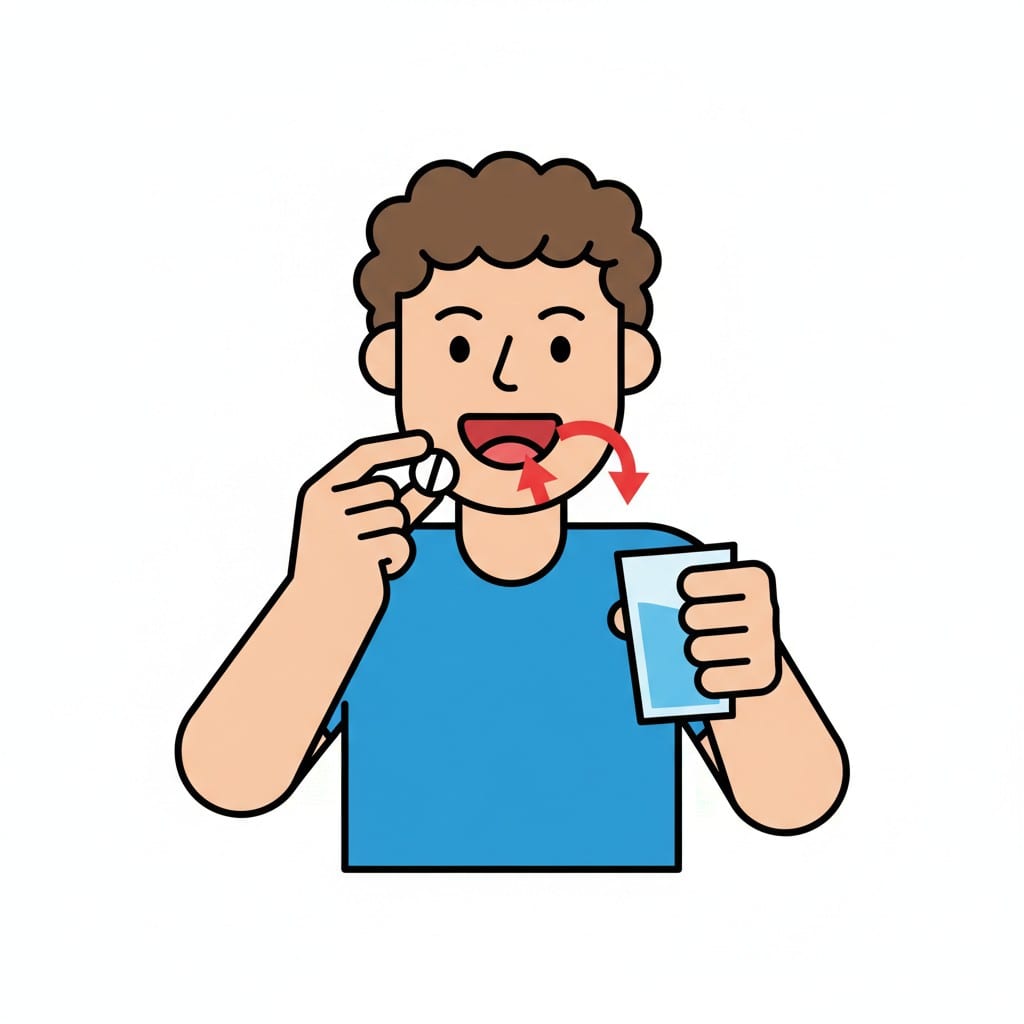 ♂
♂Taking pill and swallowing
A person holds a pill to their mouth with one hand and a glass of water with the other. Red arrows indicate swallowing.
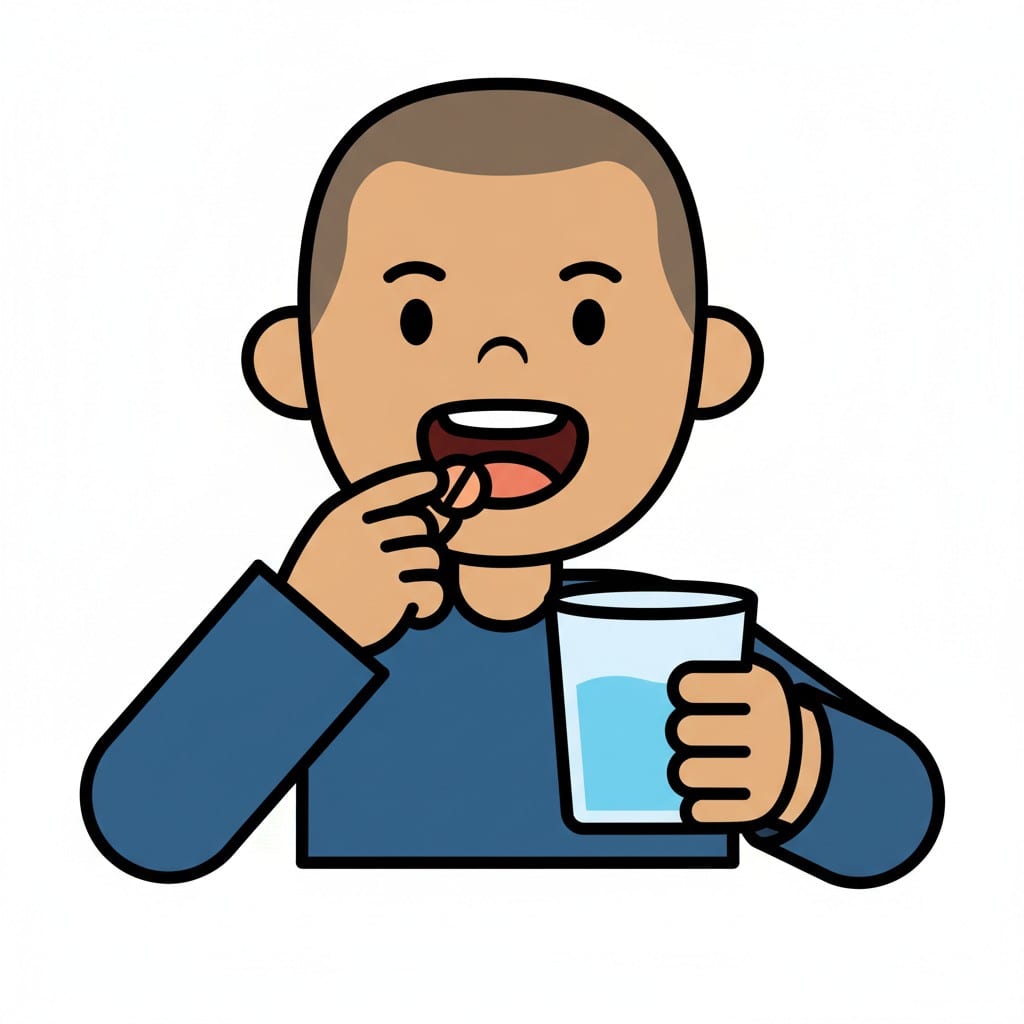 ♂
♂Taking medicine
A person holds a medicine tablet to their mouth with one hand and a glass of water with the other.
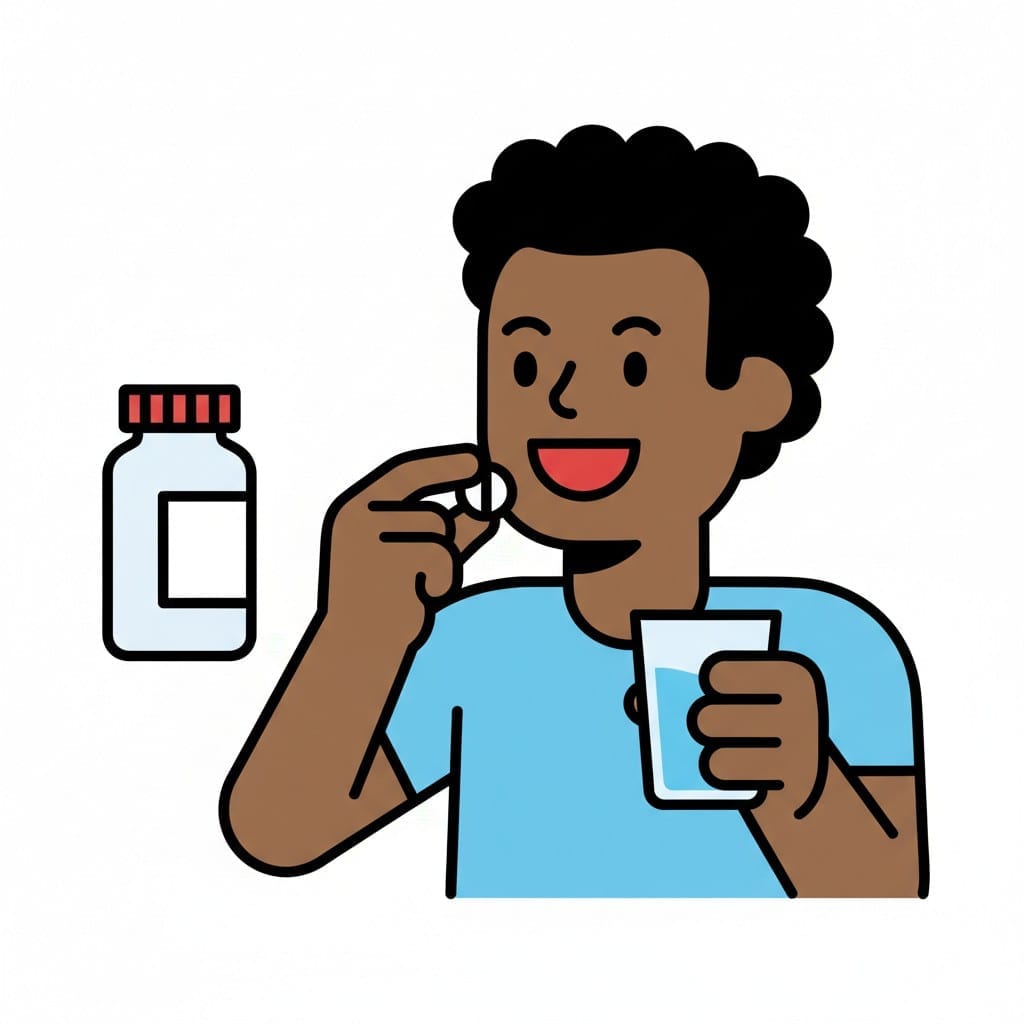 ♂
♂Take medicine
A boy taking a blue pill with a glass of water.
♂Taking medicine with water
A boy places a capsule in his mouth while holding a glass of water, with a medicine bottle on the table.
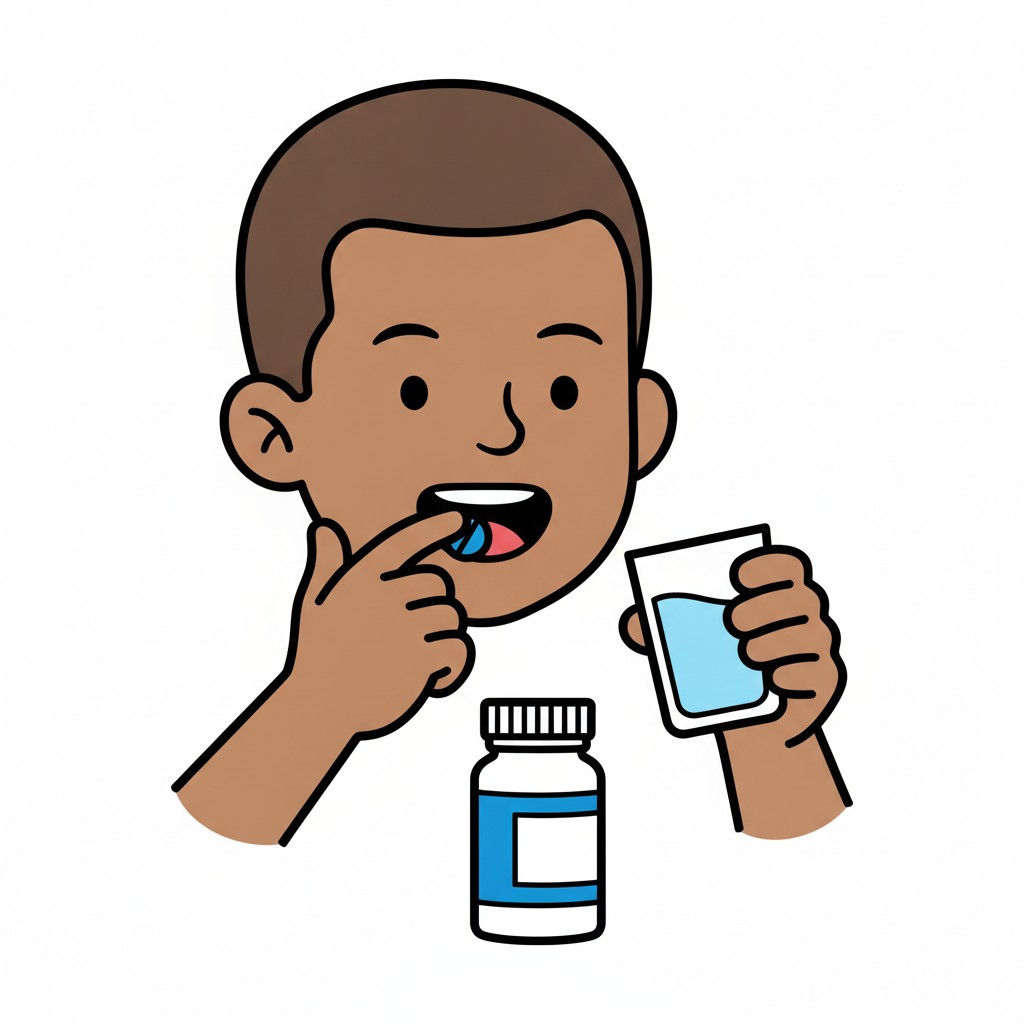 ♂
♂Take the tablet with water
A person puts a tablet in their mouth and holds a glass of water, with a bottle in front of them.
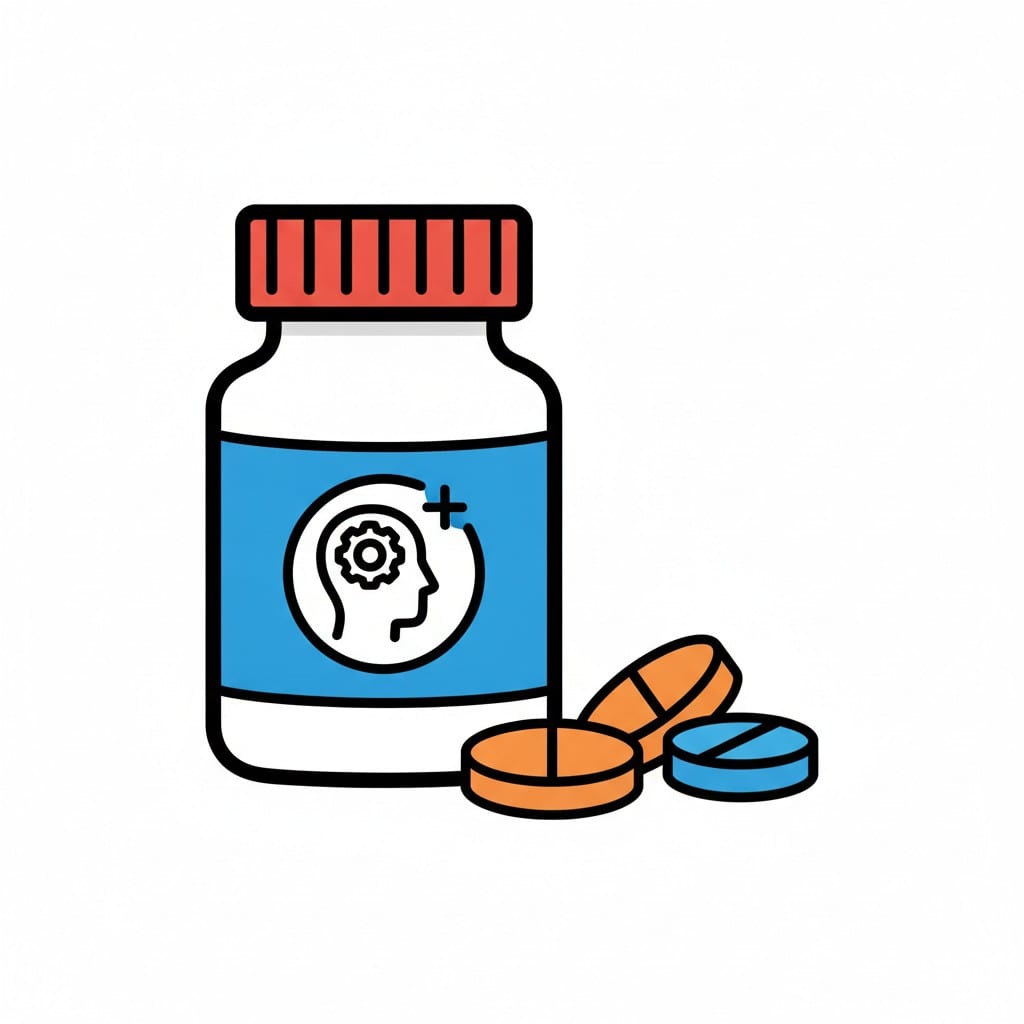
Medicine jar
A medicine jar with a head symbol and tablets beside it.
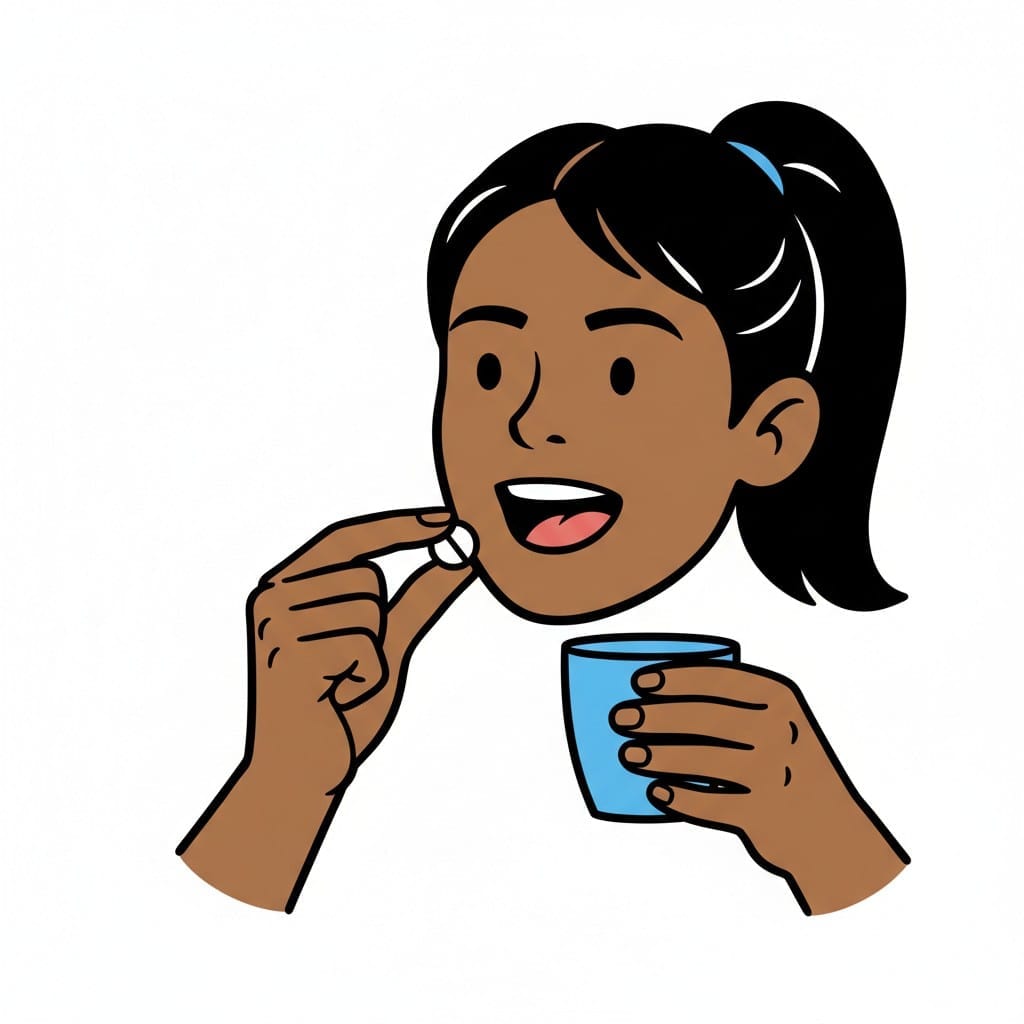 ♀
♀Take medicine
A person taking a pill with a glass of water.
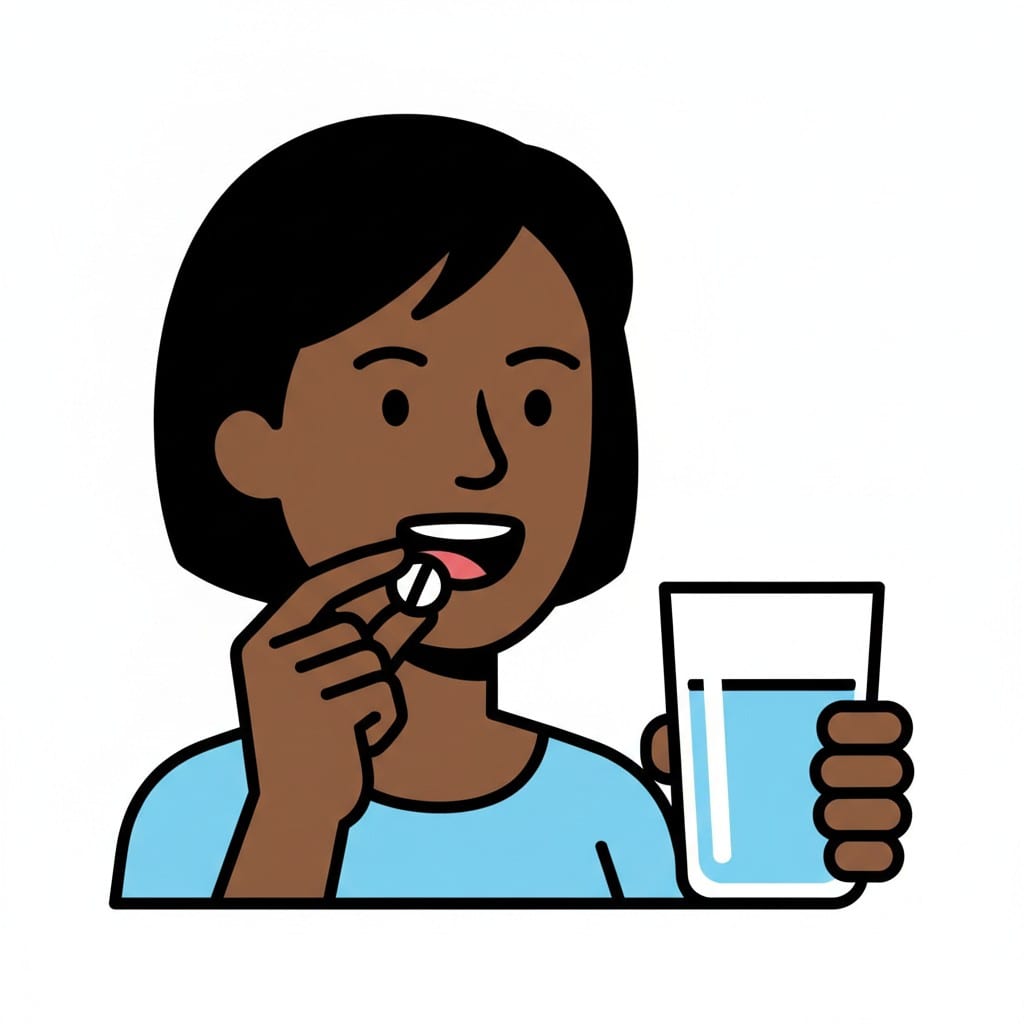 ♀
♀Take medicine
A woman taking a pill with a glass of water.
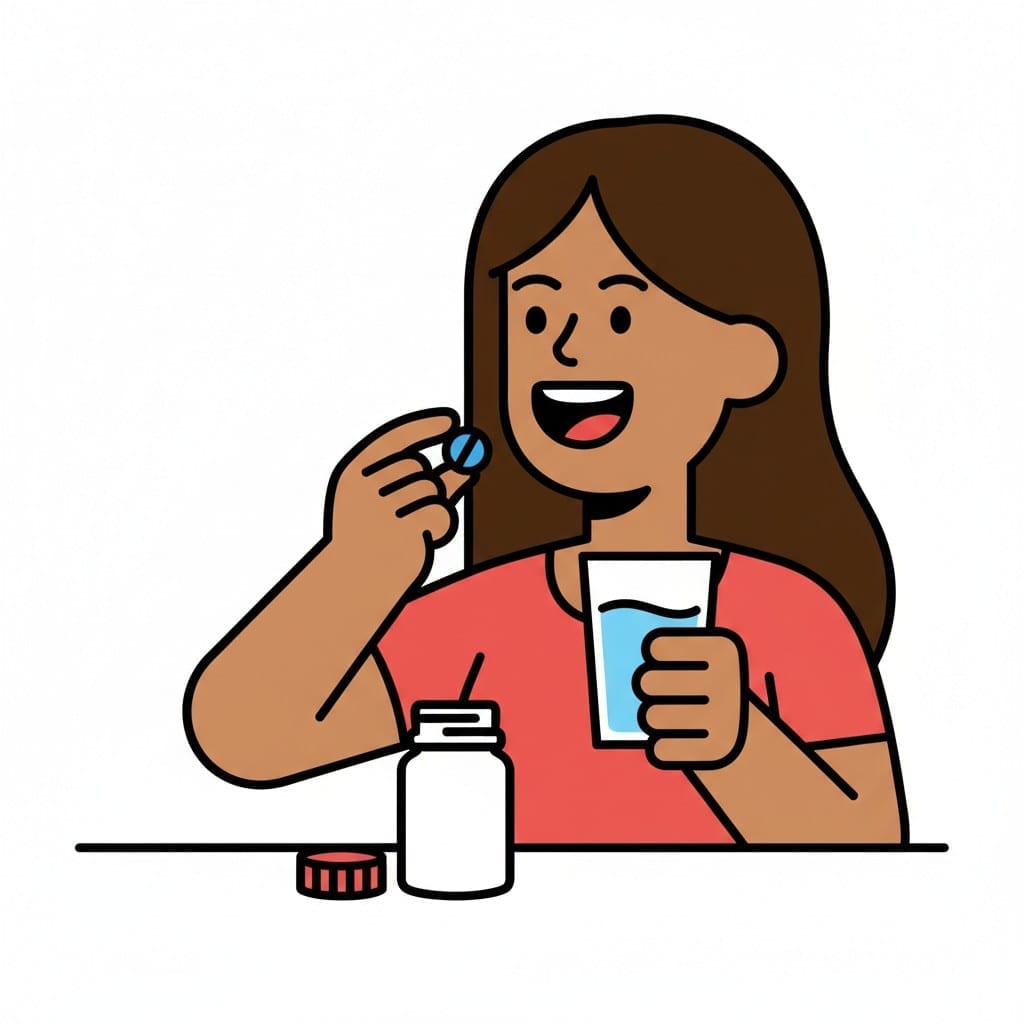 ♀
♀Take medicine
A person taking a pill with a glass of water and a medicine bottle.
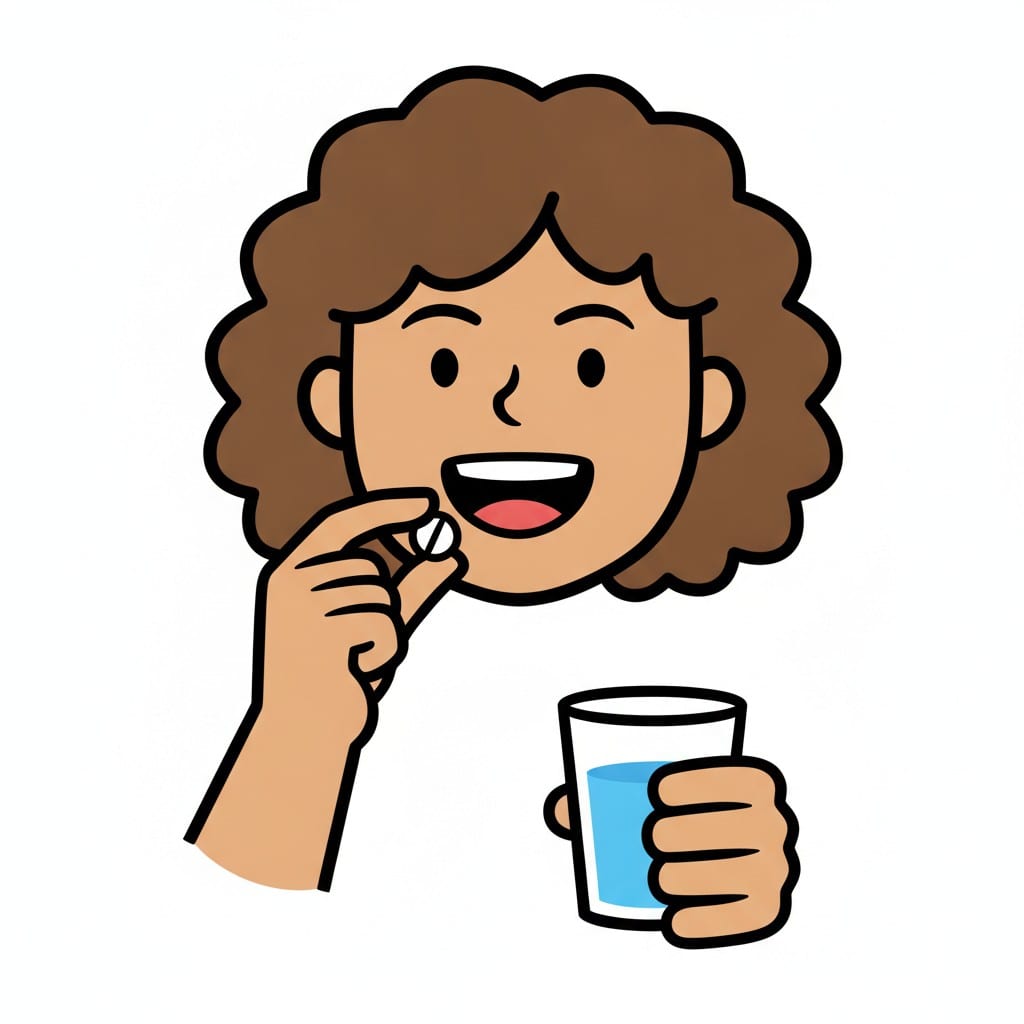 ♀
♀Woman taking a pill
Close-up of a woman lifting a white pill towards her open mouth while holding a glass of water.
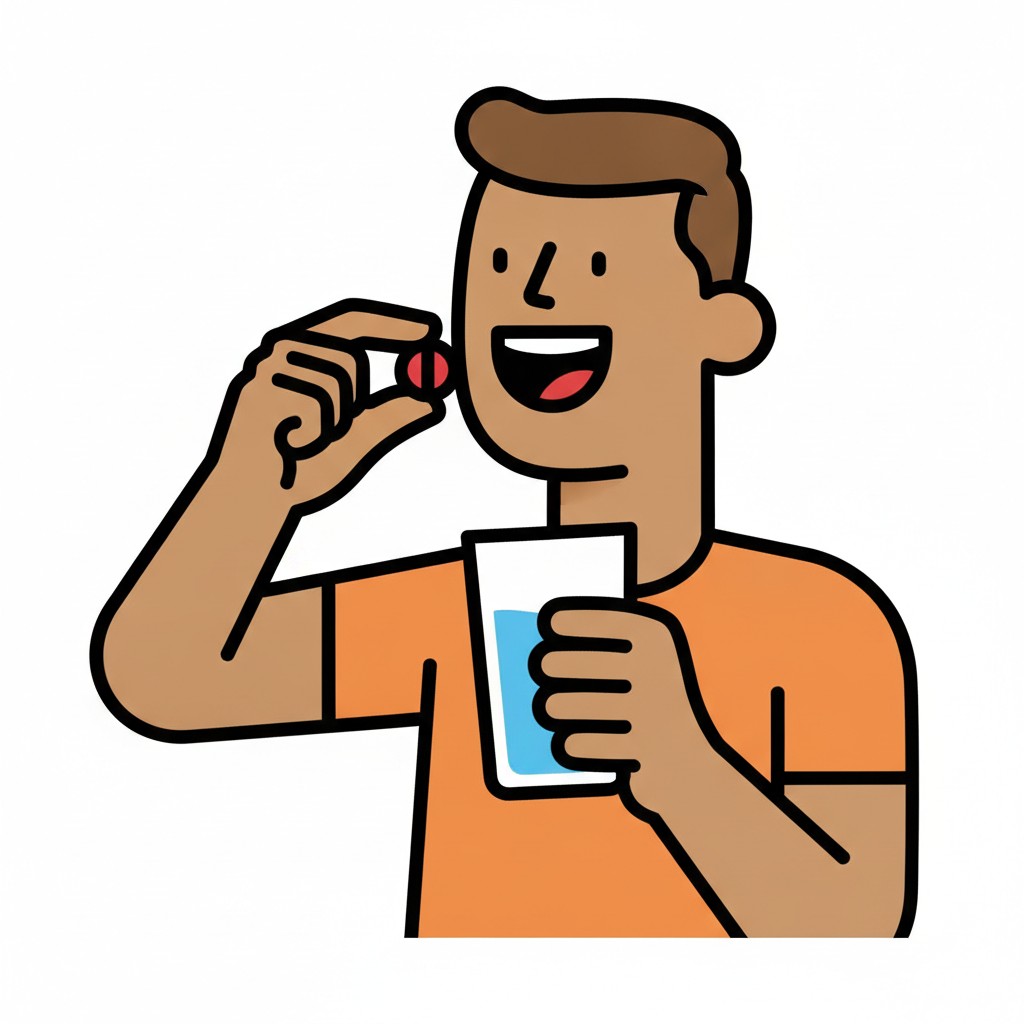 ⚲
⚲Tablet and water in hand
A person holds a tablet in one hand and a glass of water in the other.
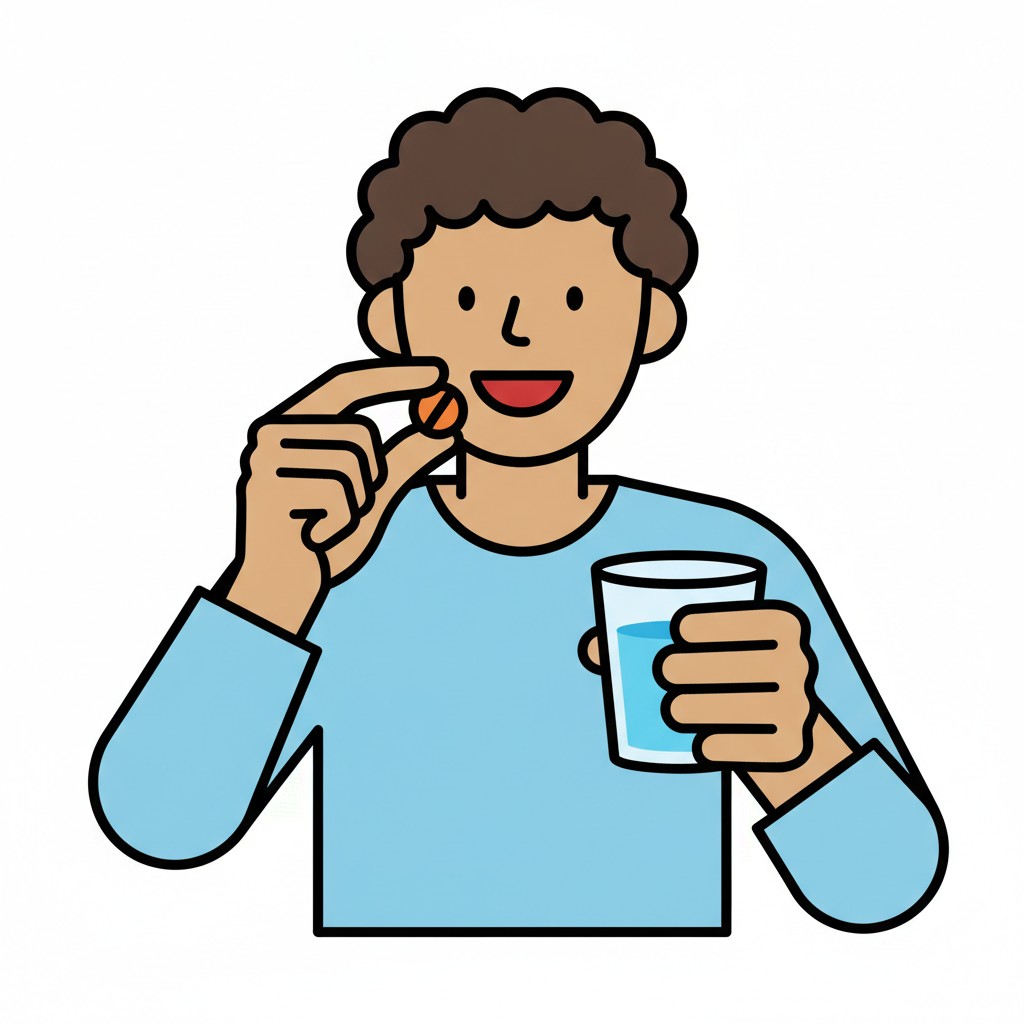 ⚲
⚲Swallow the tablet
A person brings a tablet to their mouth and holds a glass of water in the other hand.
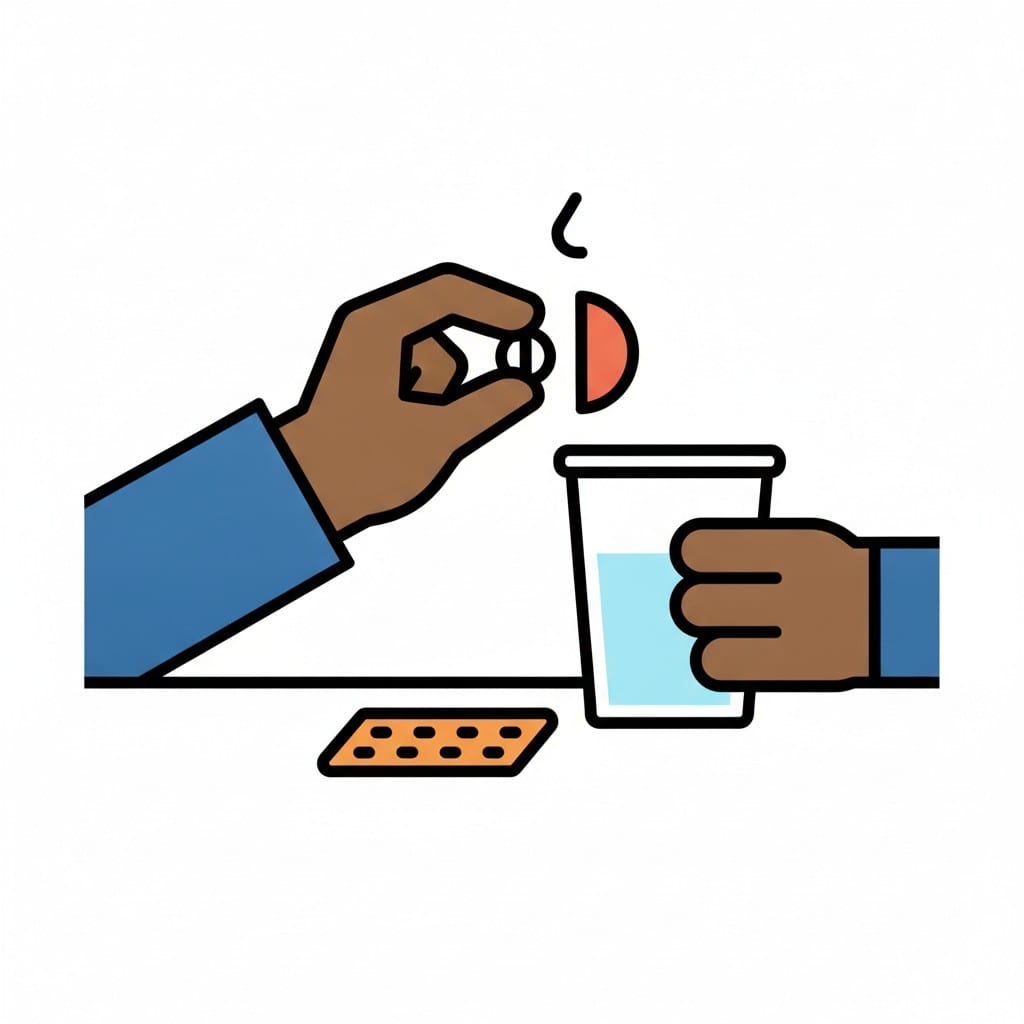 ⚲
⚲Taking medicine with water
One hand takes a pill while the other holds a glass of water.
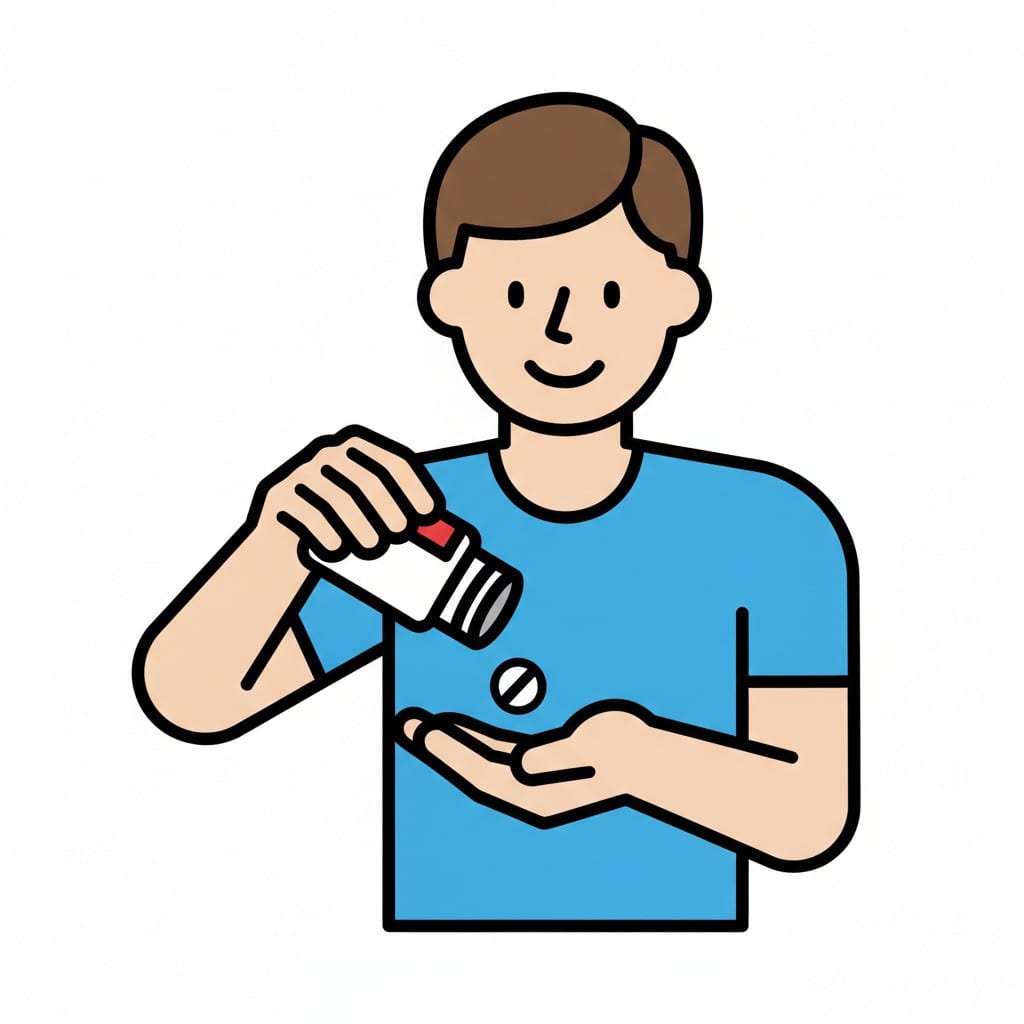 ⚲
⚲Taking a pill
A boy shakes a pill from a bottle into his hand.
About this visual support
Taking medicine is rarely about willingness. The bitter taste arrives before the child can think, the tablet scrapes against the tongue, and the throat tightens at exactly the wrong moment. That reaction is not defiance – it is a body sounding an alarm.
With visual support, the child sees what comes next: a glass of water, the tablet placed on the tongue, a sip, a swallow, another sip. Knowing the sequence dampens the alarm in the throat and makes the swallow reflex less dramatic. One concrete tip: place the tablet far back on the tongue rather than in the middle, and let the child take two sips in a row – the second sip often carries the pill down when the first just wakes the reflex.
Many parents notice that repeating the same sequence three or four evenings in a row turns the moment from a struggle into routine. In the Routined app you can build the full sequence with images, a timer, and a calm order for the whole evening.
Use this image in a schedule
Build your own visual schedule with this image and download it as a print-ready PDF. Completely free.
More similar visual supports
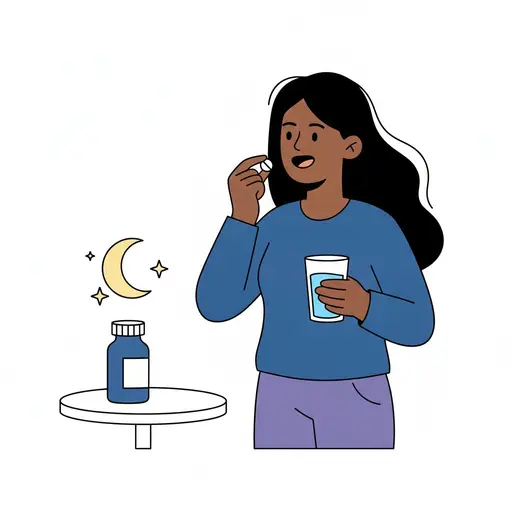
Take night medicine
A woman takes a pill with a glass of water next to a bedside table with a medici...
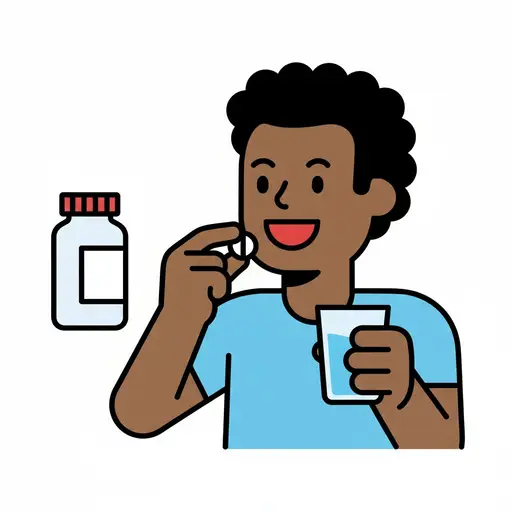
Swallow pills
A boy putting a pill in his mouth, holding a glass of water, with a medicine bot...
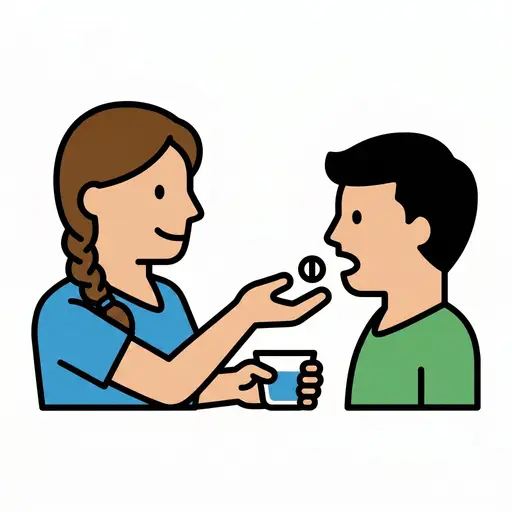
Give medicine
An adult holds out a pill and a glass of water to a child who is opening their m...
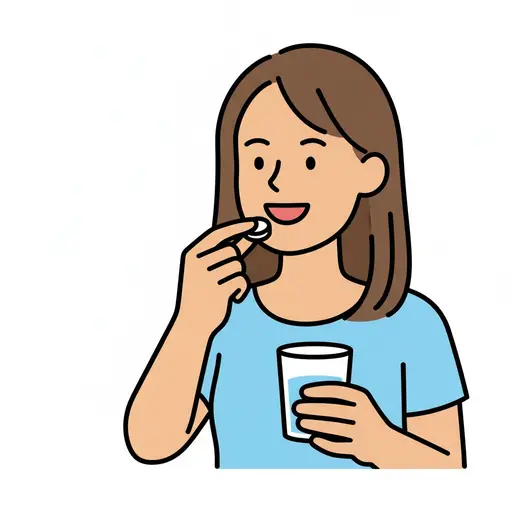
Take tablet
A woman places a tablet in her mouth while holding a glass of water.
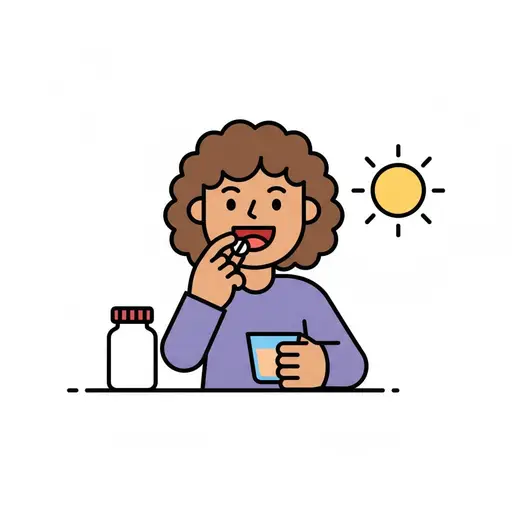
Take morning medicine
A girl with curly hair takes a pill with a glass of water next to a medicine bot...
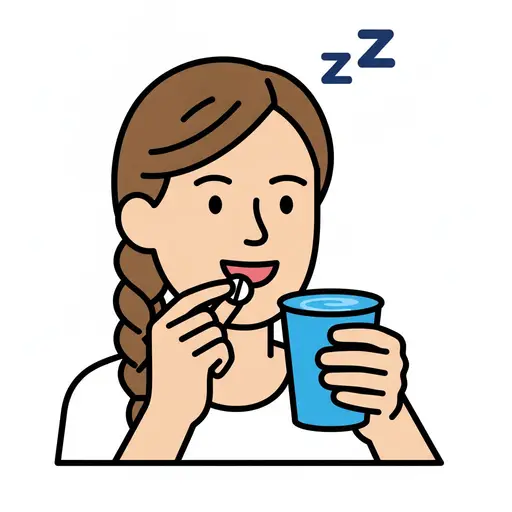
Take sleep medicine
A woman with a braid places a white pill in her mouth and holds a blue cup of wa...
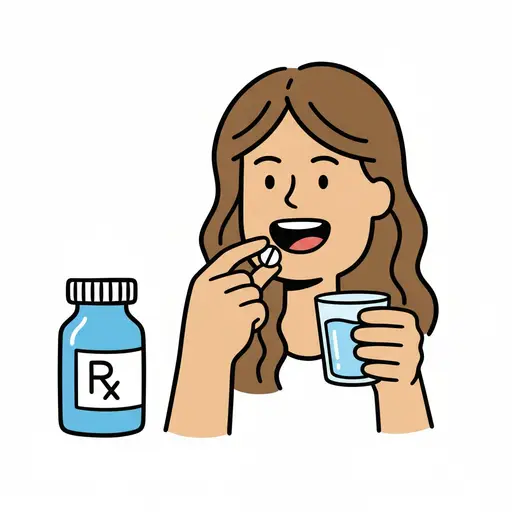
Take Antibiotics
A child holds a pill and a glass of water next to a medicine bottle.
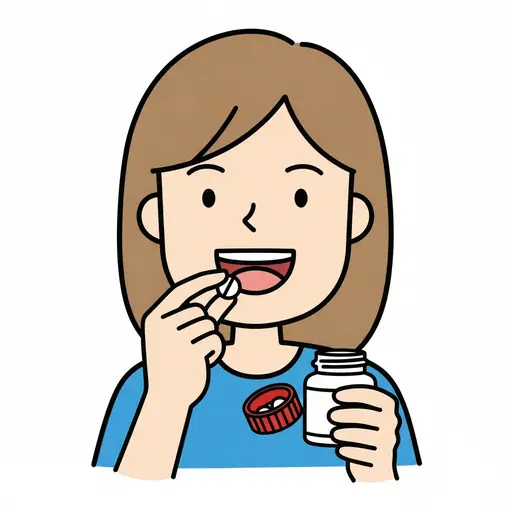
Take pills
A girl holds a pill up to her mouth with an opened pill bottle in her other hand...
This visual support in other languages
Take the visual supports with you
In Routined you build schedules from these pictures, add timers and voice instructions, and your child follows the day on their own.


* 14-day free trial, then $2.39 a month or $20.99 a year (US pricing). Cancel anytime.