Trim nails
Trimming nails takes less than a minute, but that minute is packed with small sensory surprises: the pressure against the nail bed, the sharp click and the thought that it might hurt. The visual support below prepares the body before the clippers come out.
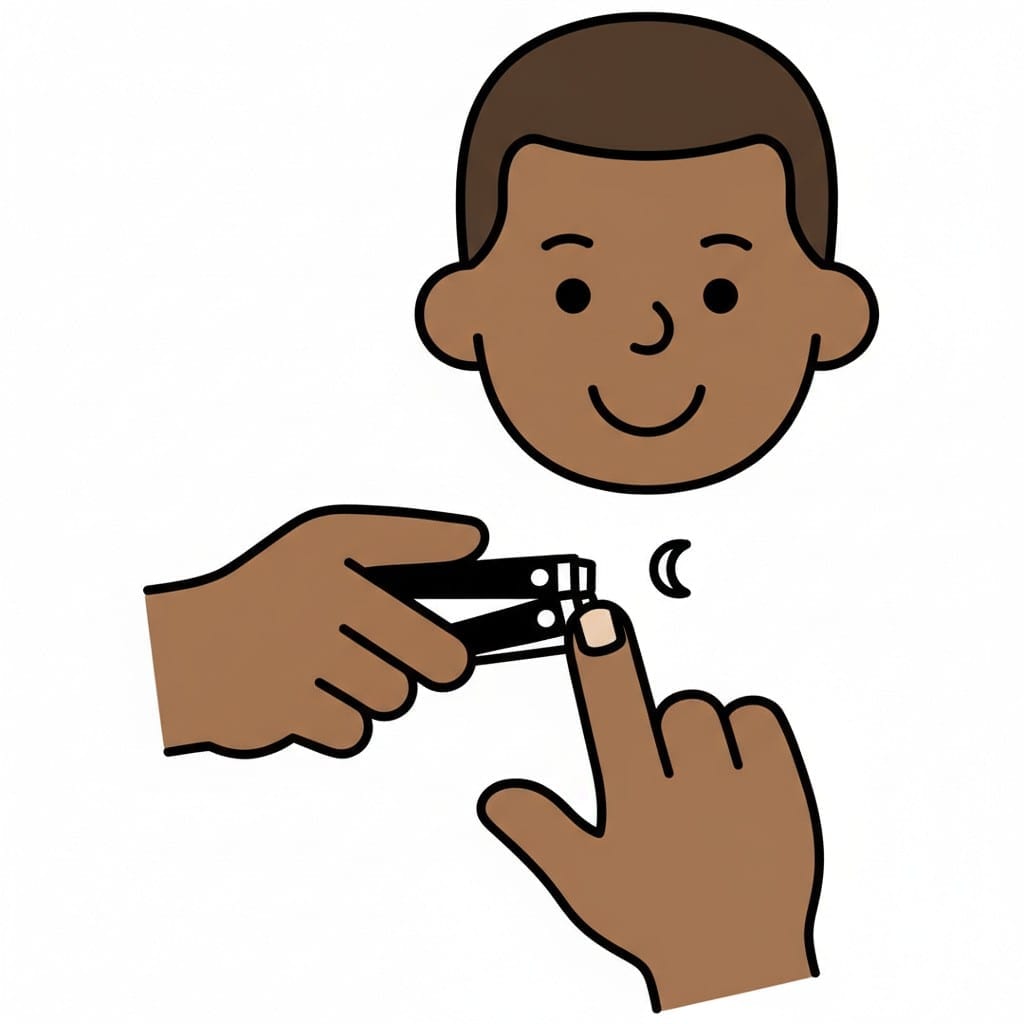 ♂
♂Clip the nails
A happy boy clips the nail on his finger with a nail clipper.
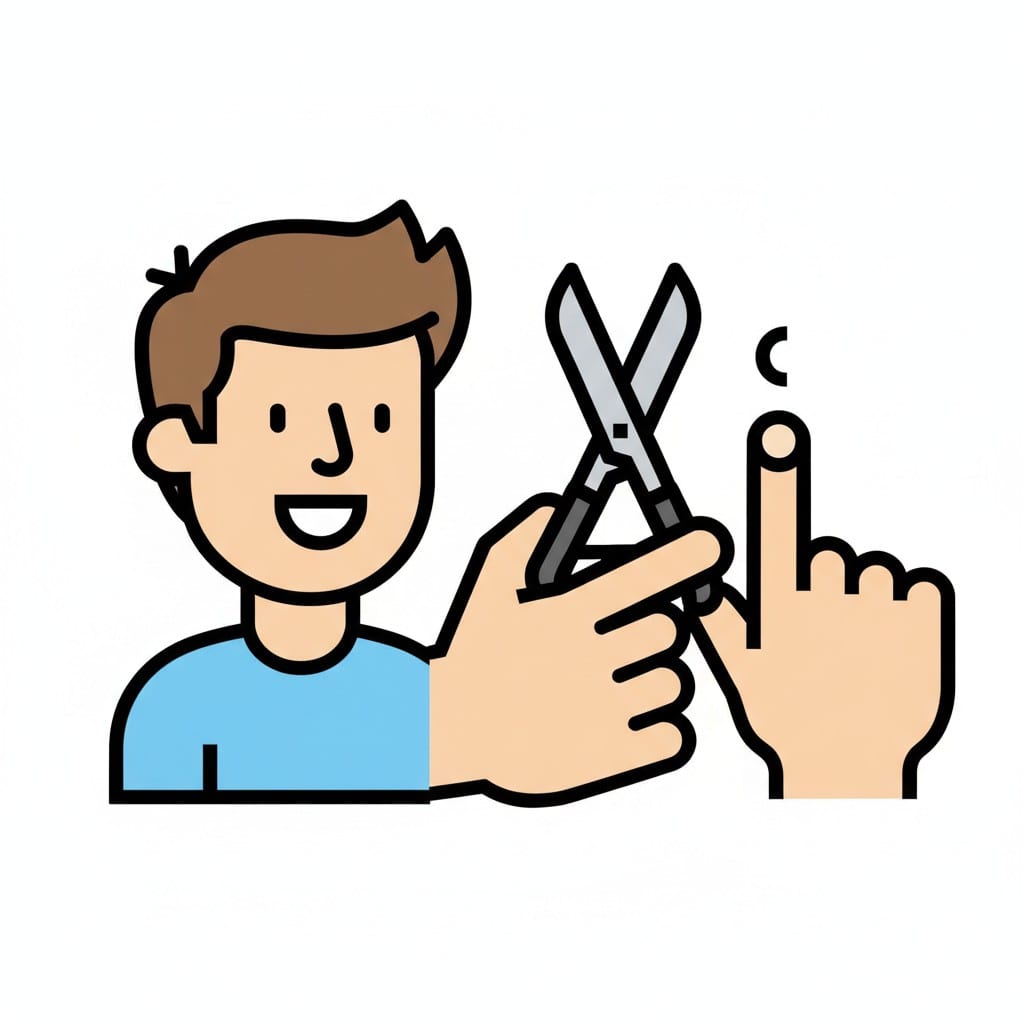 ♂
♂Cutting a nail
A hand uses scissors to cut the nail on a raised finger.
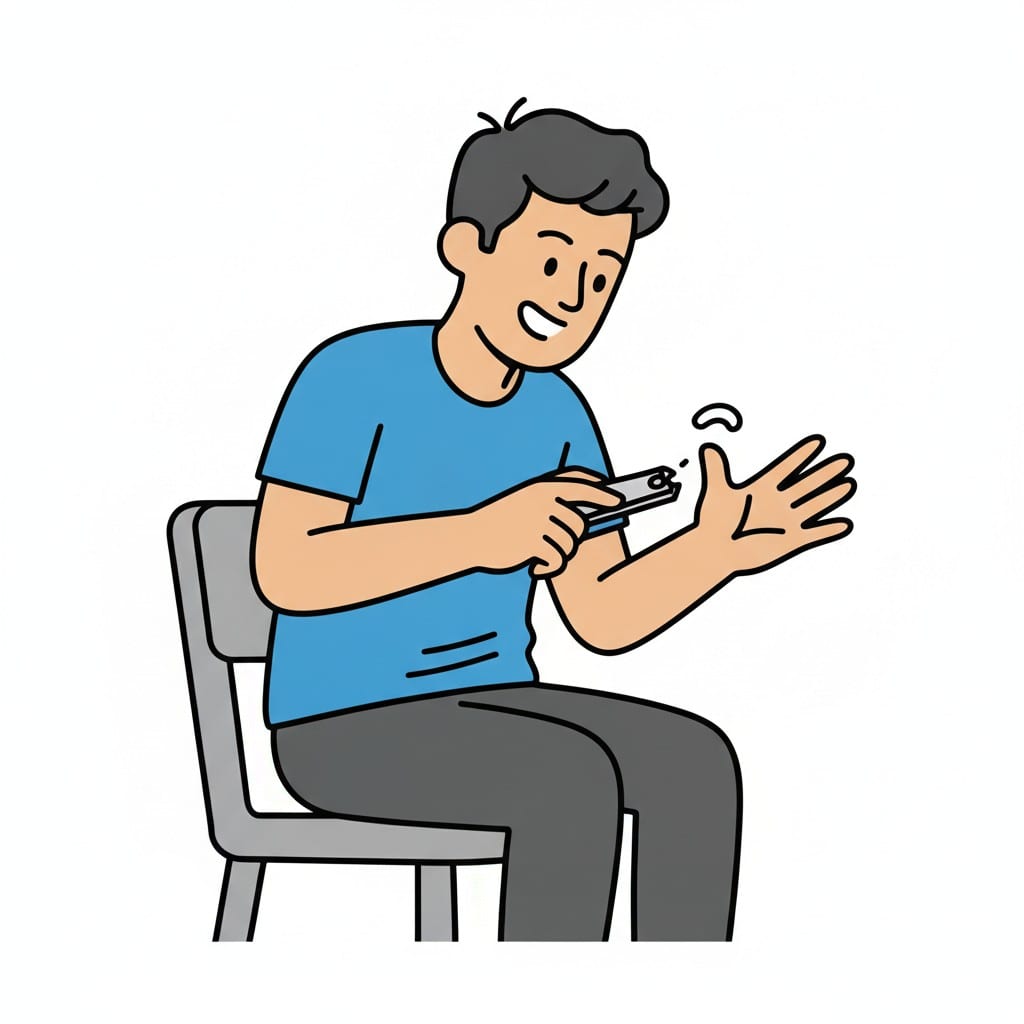 ♂
♂Man clipping nails
A man sits on a chair clipping his nails with nail clippers.
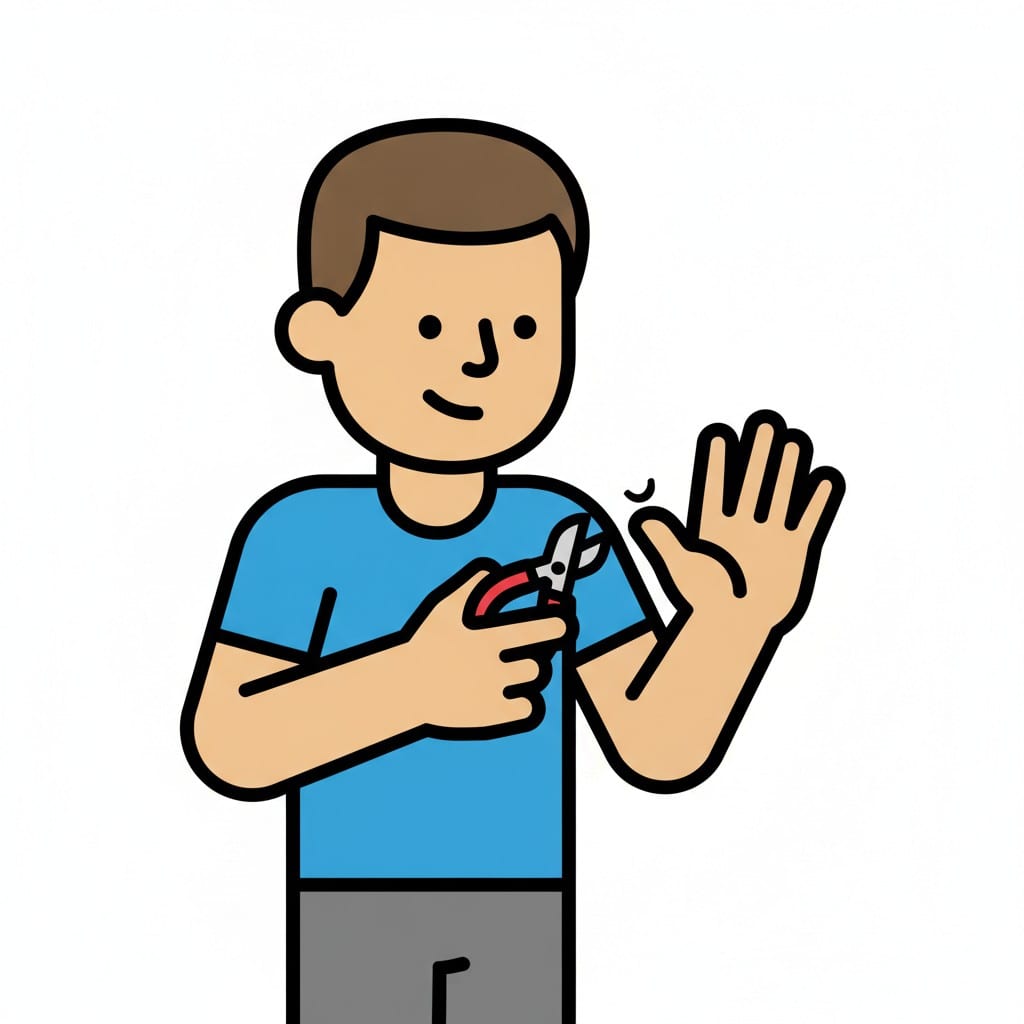 ♂
♂Boy clipping fingernails
A boy clips the nails on one hand with red nail clippers.
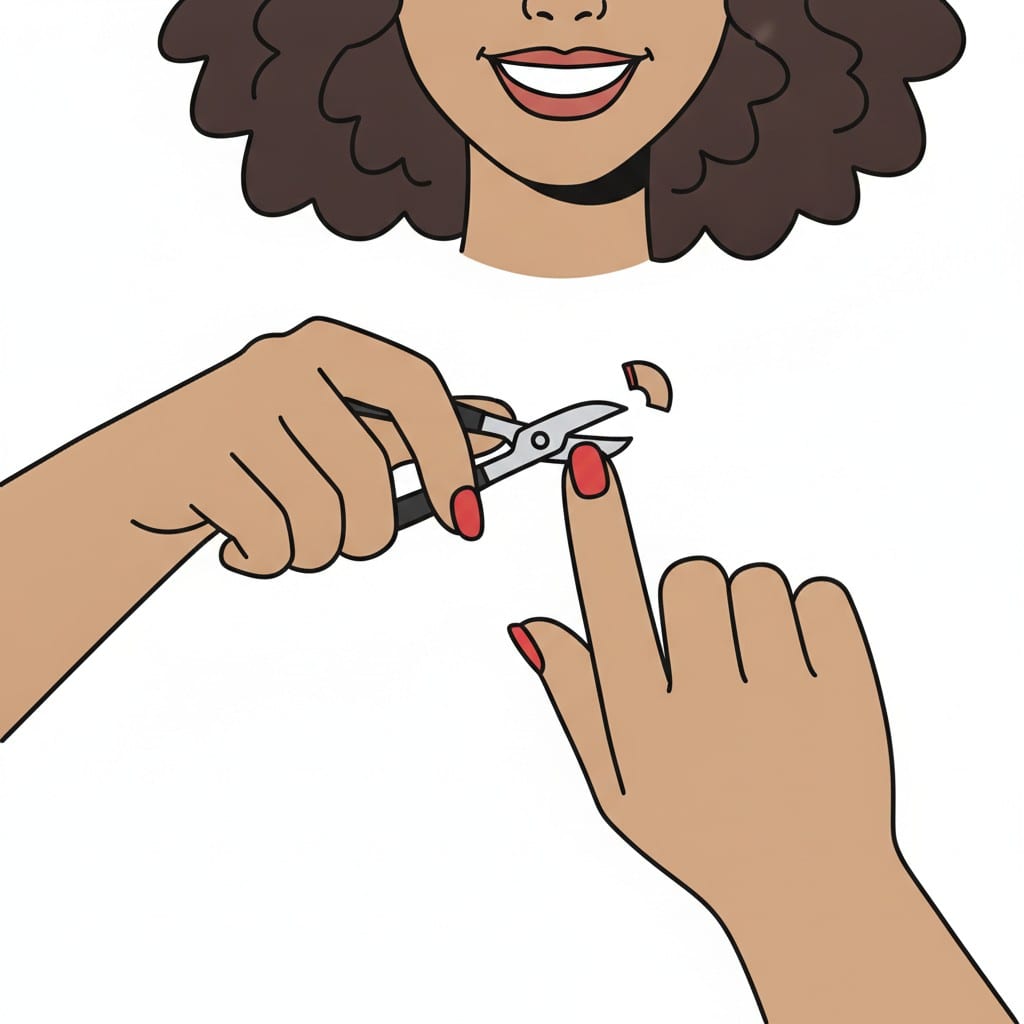 ♀
♀Cutting a nail
A hand uses small scissors to cut the nail on a raised finger.
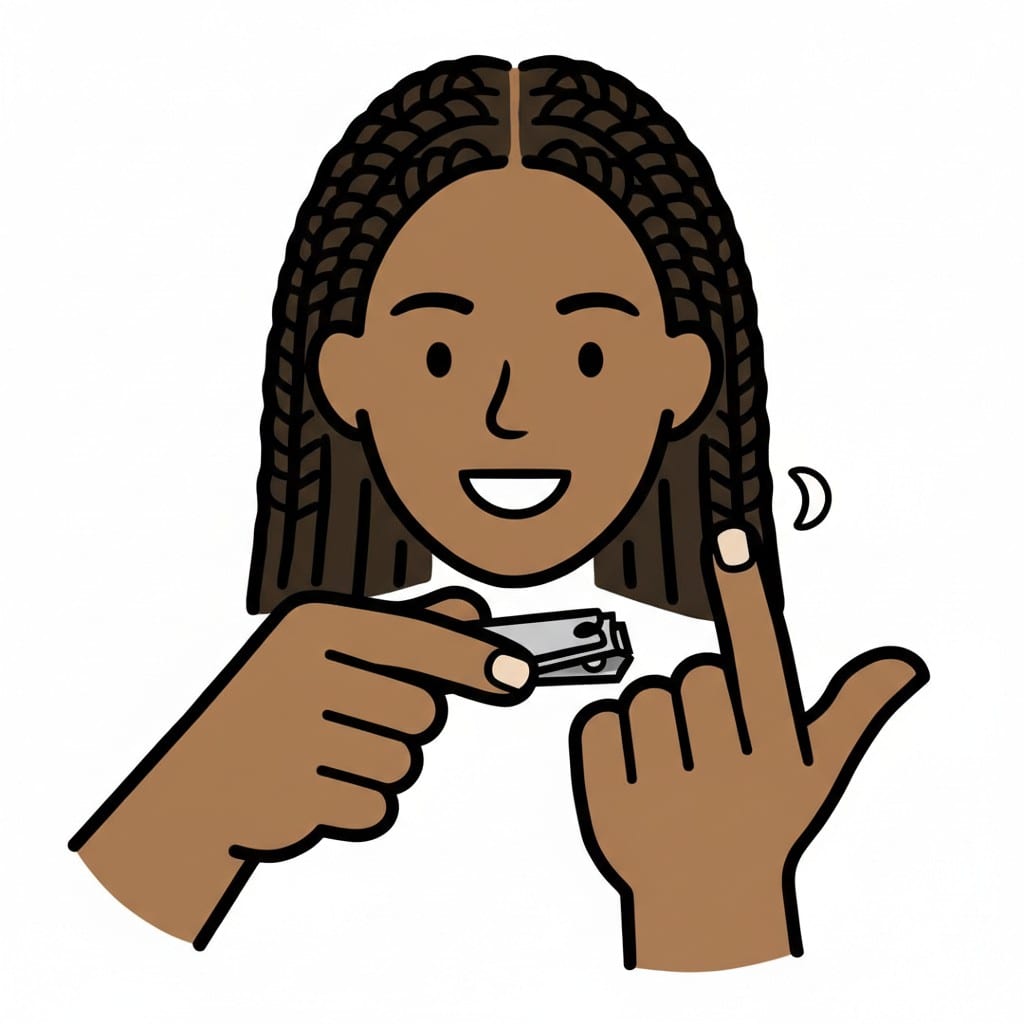 ♀
♀Clip the nails
A happy girl clips the nail on her finger with a nail clipper.
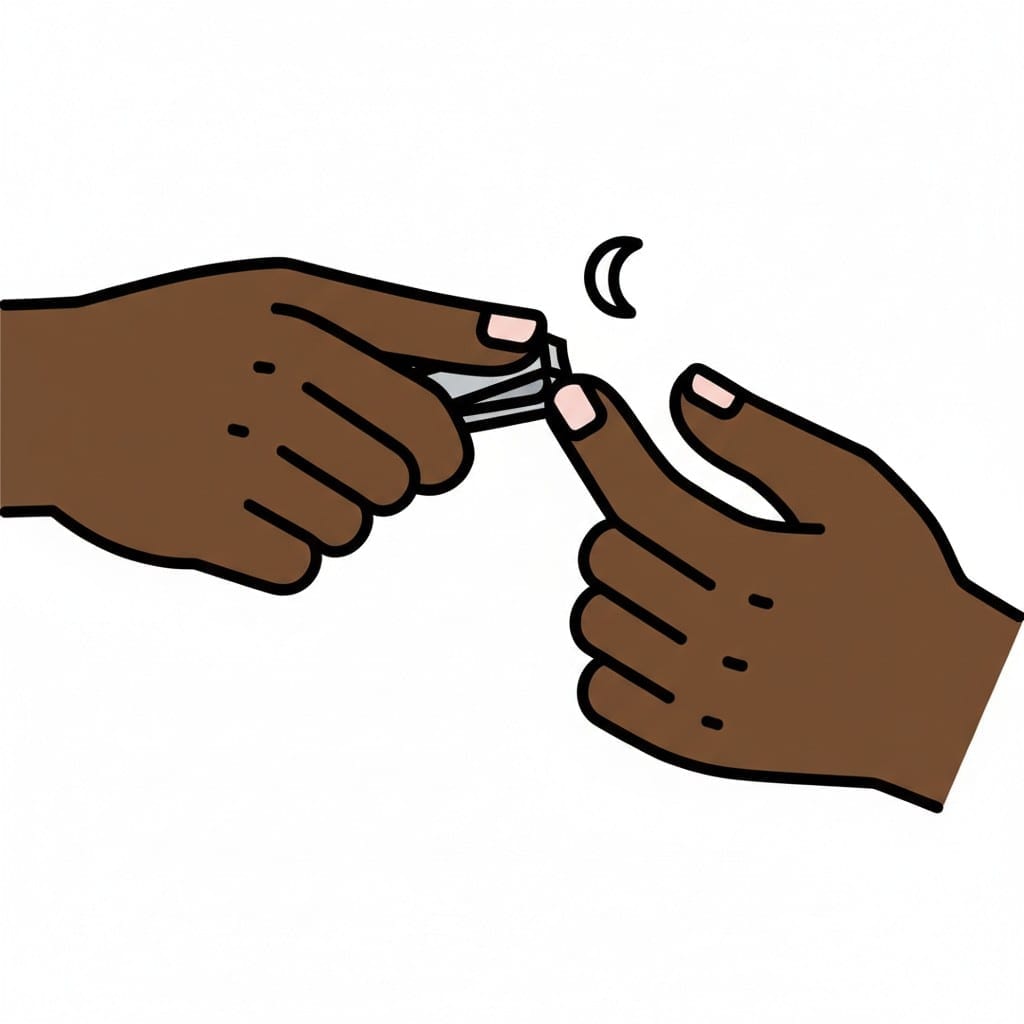 ♀
♀Cutting the nail
Two hands clip the nail on a finger using a nail clipper.
About this visual support
It is not the length of the moment that makes nail trimming hard — it is the intensity. One second of squeezed fingertips, an unexpected click, and the hand pulls away. For children especially sensitive to sudden sound or pressure, the first nail alone is enough for the rest of the hand to lock up.
Visual support shifts the moment from unknown to expected. When the child sees the whole sequence before it starts — hand down, finger out, click, next finger — the surprise element disappears. The brain gets a map of how long this lasts and where it ends, which is often what the body needs in order to soften enough that you can continue.
One concrete tip: walk through the sequence together before the clippers even leave the drawer, and let the child point at which finger goes first. You move the choice from whether to do it at all to which finger you start with. If you want to settle the moment further — maybe as the last step in the evening routine after the bath — you can fold the visual support into a longer sequence in Routined.
Use this image in a schedule
Build your own visual schedule with this image and download it as a print-ready PDF. Completely free.

More similar visual supports
Bath
A happy child sits in a bathtub with bubbles and a rubber duck.
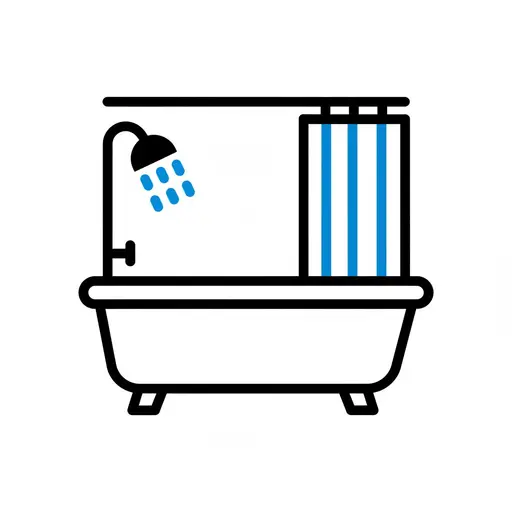
Bath or shower
An illustration of a bathtub with a shower head spraying water and a blue shower...
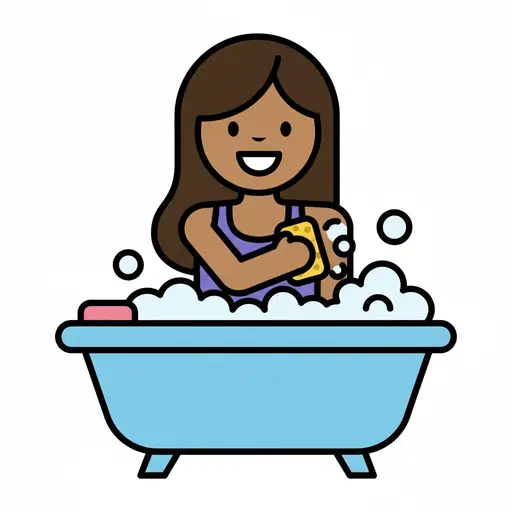
Bathe
A smiling girl sits in a bathtub full of foam and washes her arm with a yellow s...
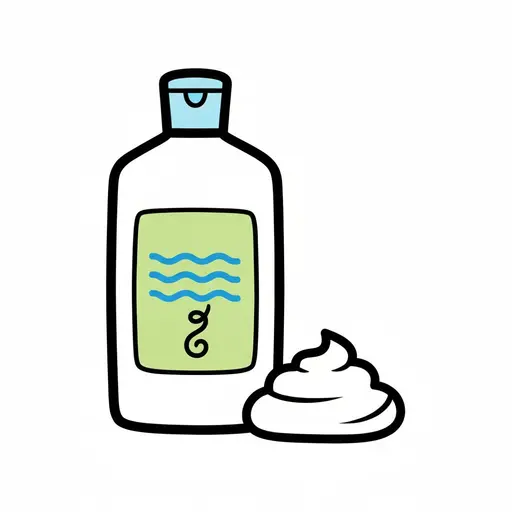
Conditioner
A bottle of conditioner with a dollop of white conditioner beside it.

Dry body and hair
A girl wrapped in a towel dries her hair with a small towel after the shower.
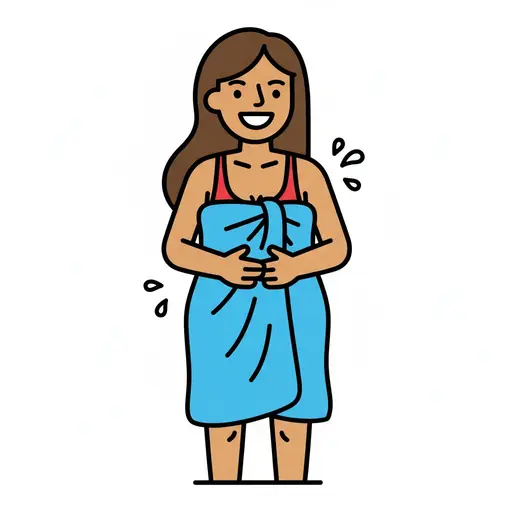
Dry your body
A woman has a towel wrapped around her body after a shower.

Dry yourself
A child dries off with a blue towel after a bath or shower.
Freshen up
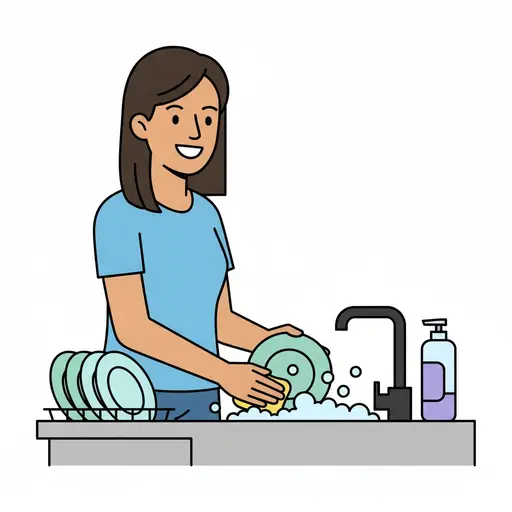
A woman washes plates at the sink with a dish rack beside her.
Take the visual supports with you
In Routined you build schedules from these pictures, add timers and voice instructions, and your child follows the day on their own.


* 14-day free trial, then $2.39 a month or $20.99 a year (US pricing). Cancel anytime.