Use toilet
Going to the toilet is a chain of moves adults rarely register: lifting the lid, checking the seat, sitting down, flushing, washing hands — and dealing with the door. The visual support below pulls the chain apart so the child can follow it alone.
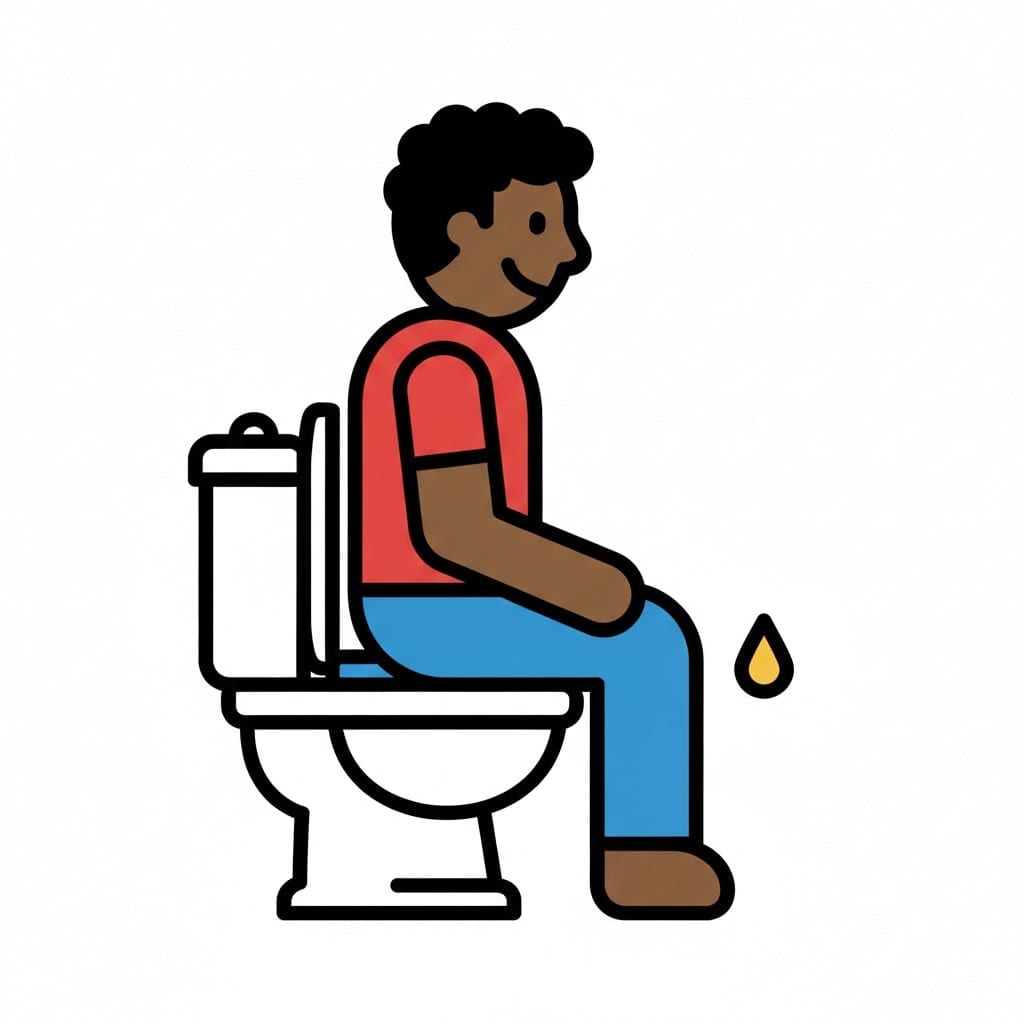 ♂
♂Peeing on the toilet
A person is sitting on the toilet and peeing.
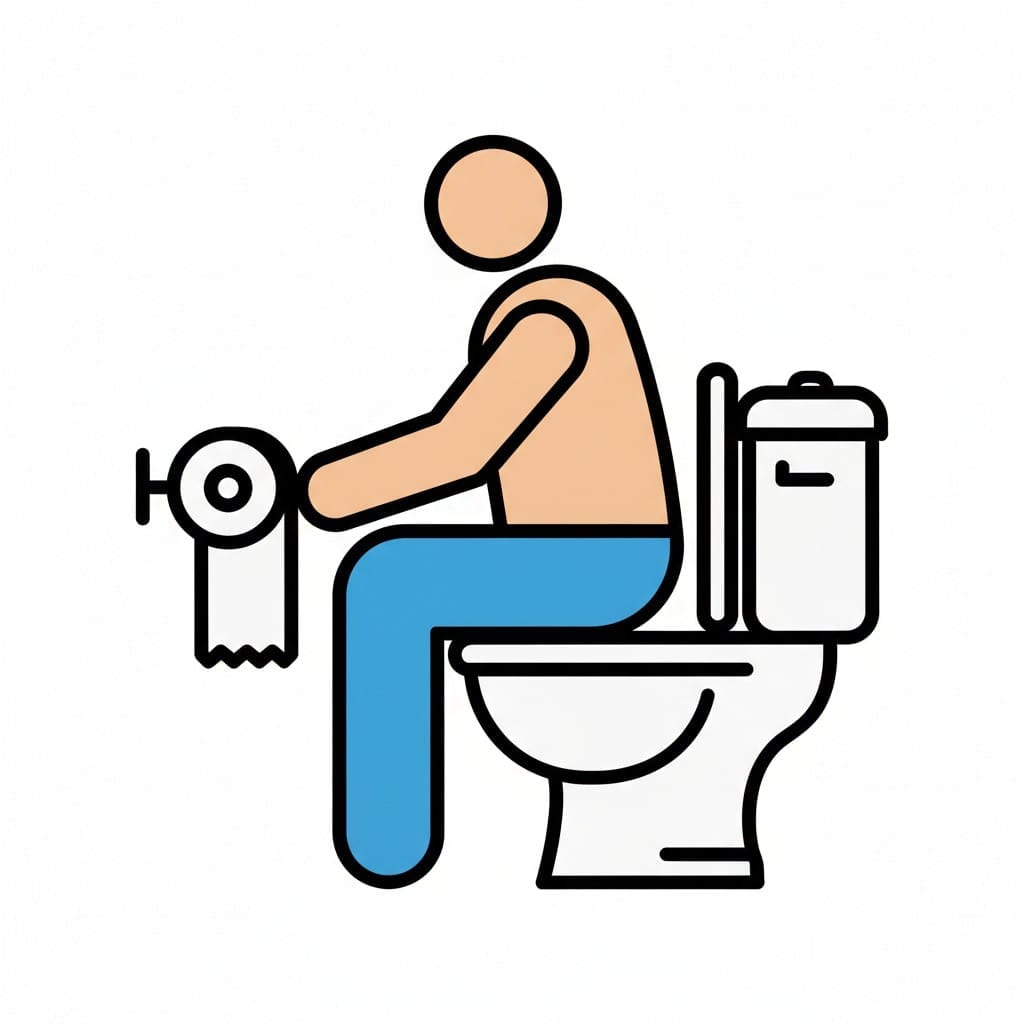 ♂
♂Wiping on the toilet
A person is sitting on the toilet and wiping with toilet paper.
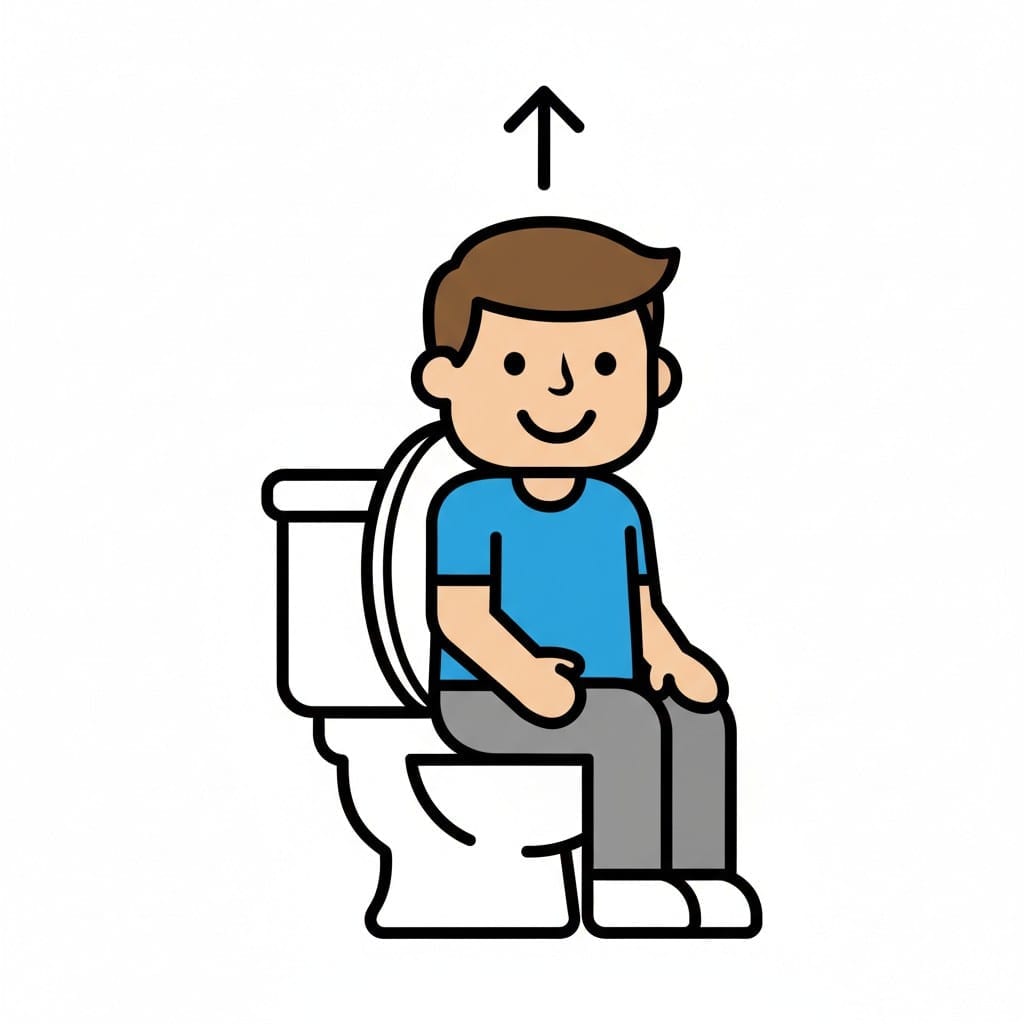 ♂
♂Getting off the toilet
A person is sitting on the toilet with an upward arrow, indicating getting up or being done.
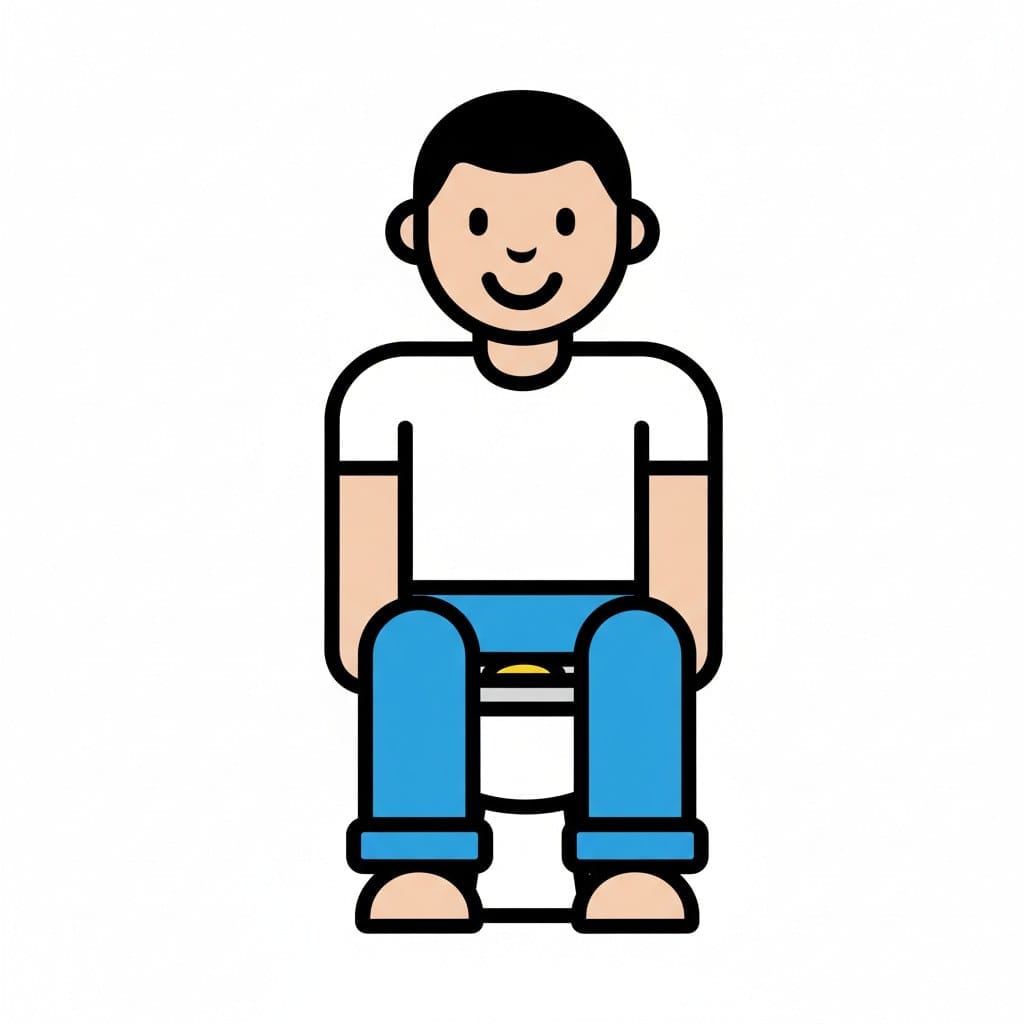 ♂
♂Use toilet
A boy sitting on a toilet.
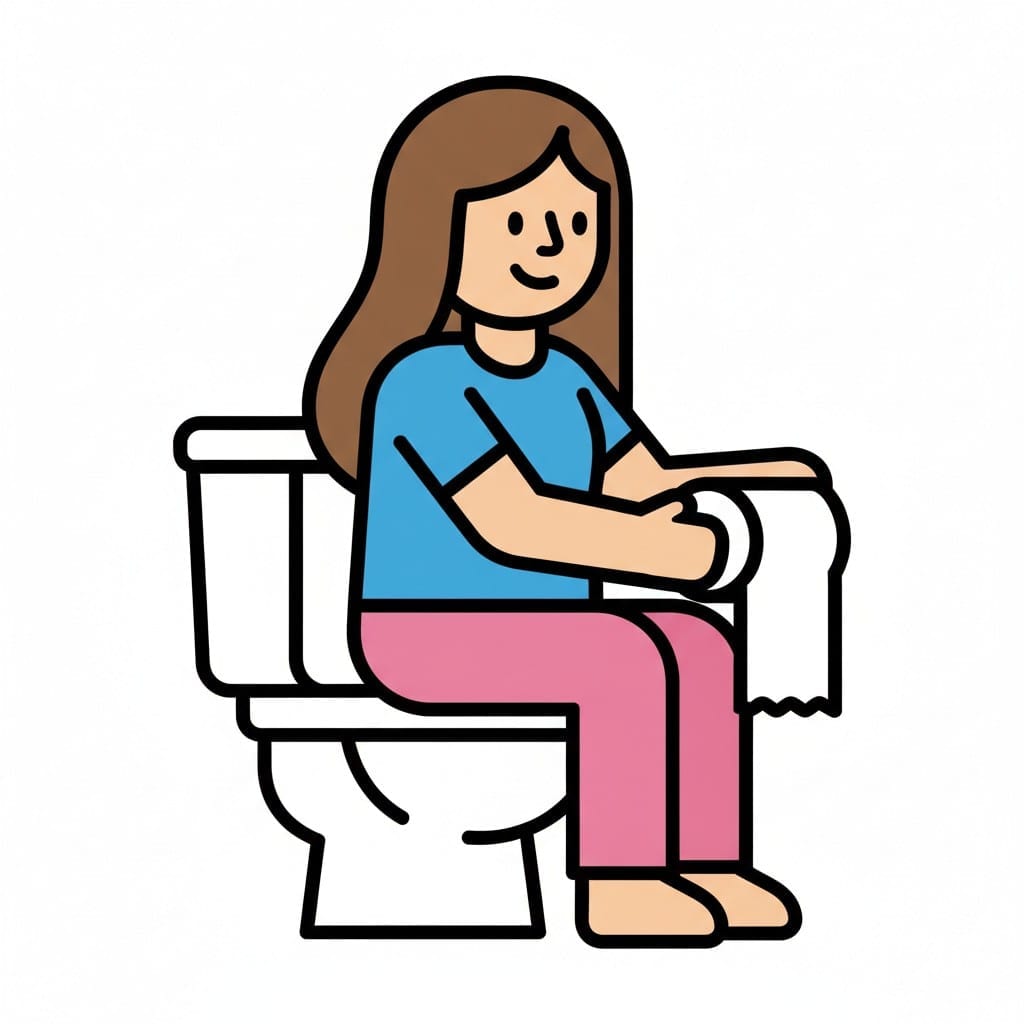 ♀
♀Sit on the toilet
A girl sitting on the toilet holding toilet paper.
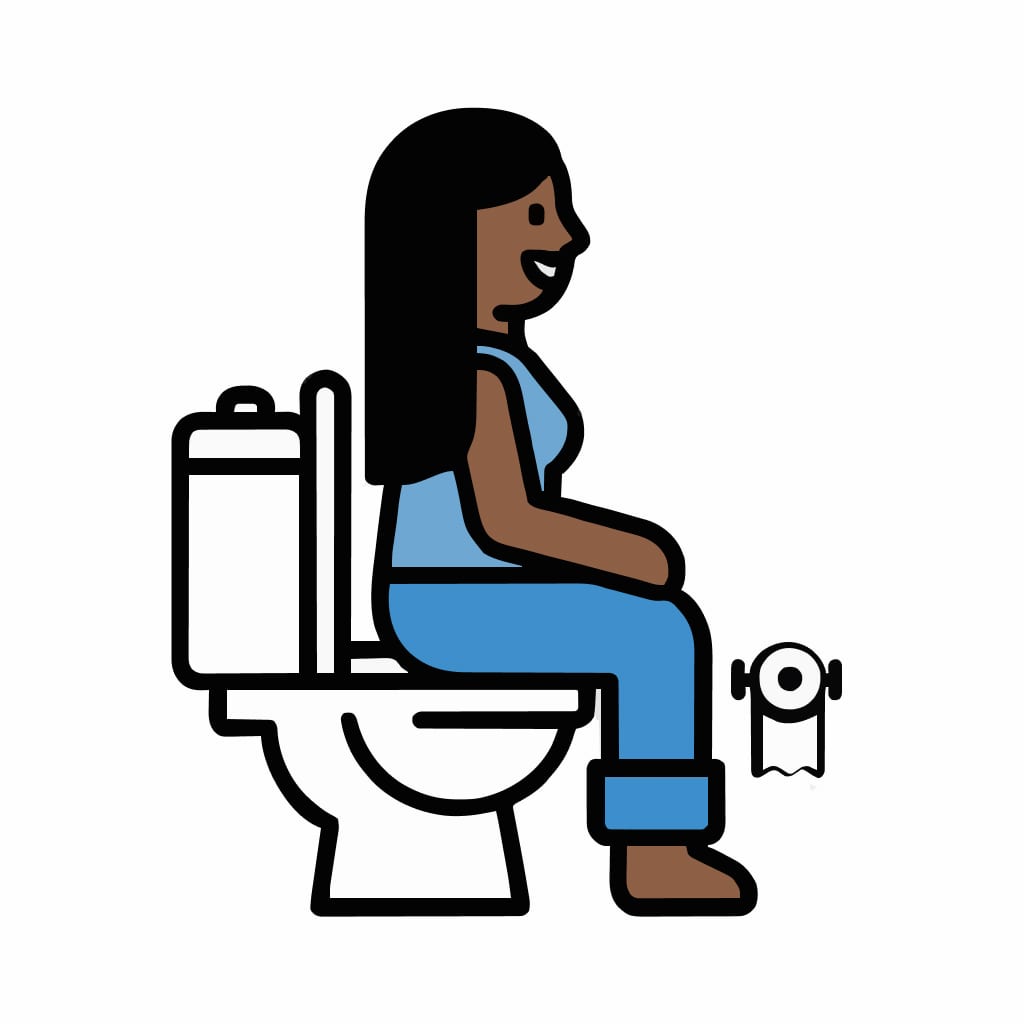 ♀
♀Sit on the toilet
A woman sitting on the toilet in profile.
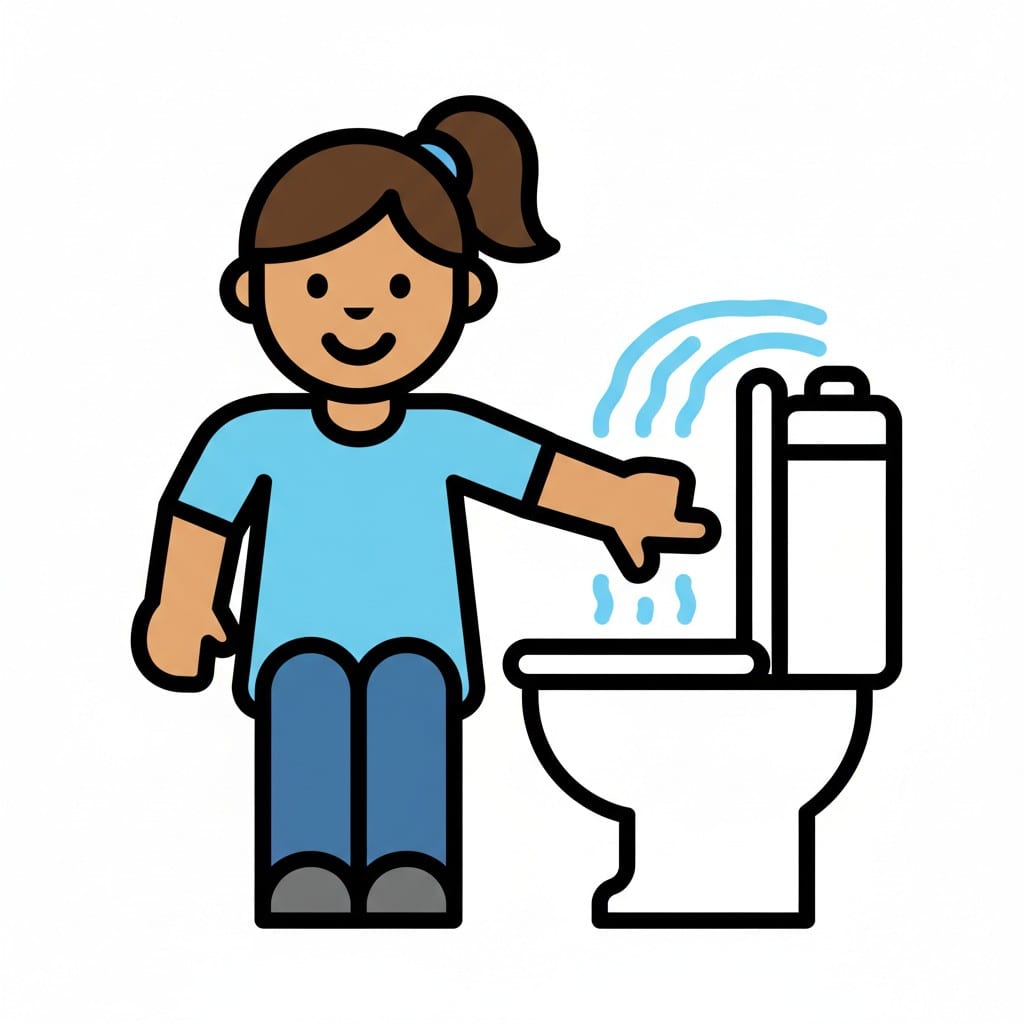 ♀
♀Flush the toilet
A girl flushing the toilet.
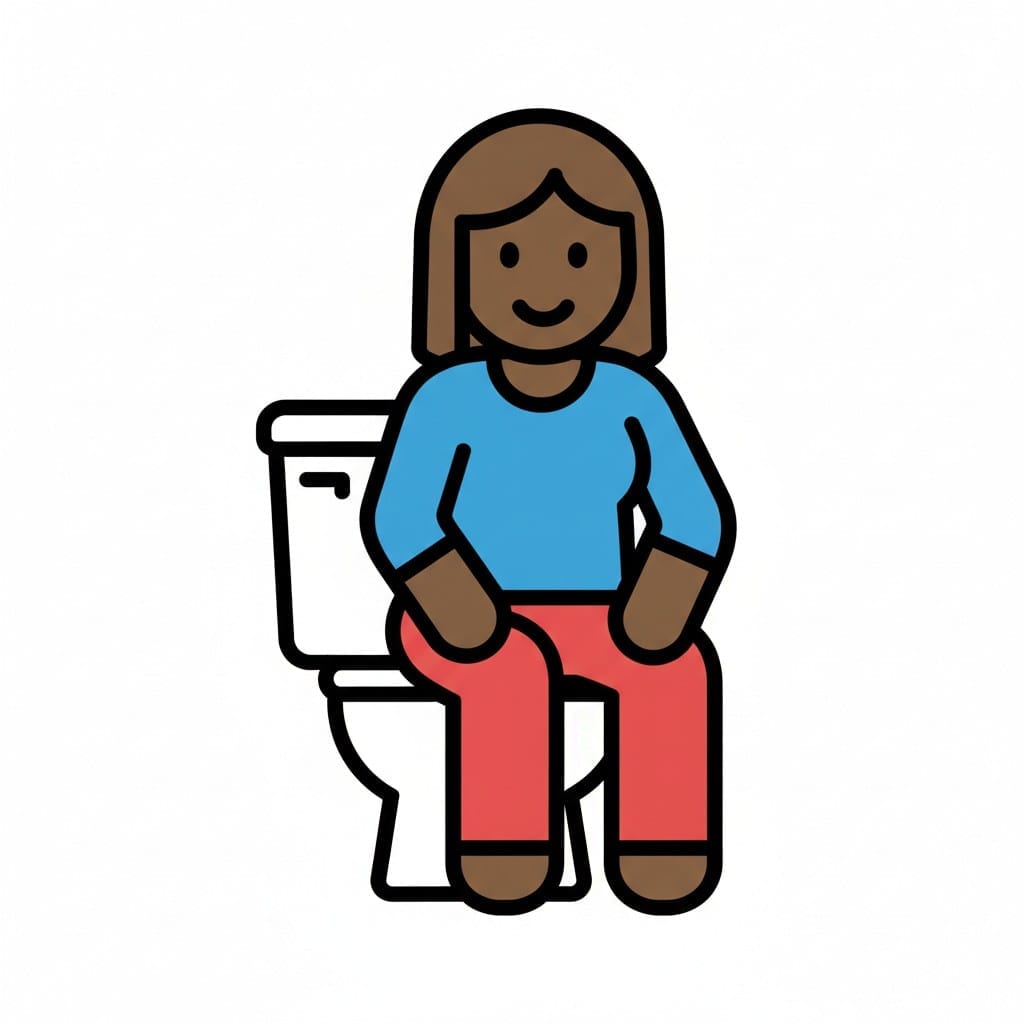 ♀
♀Girl on the toilet
Wearing a blue top and red trousers, a girl sits on a white toilet with her hands on her knees.
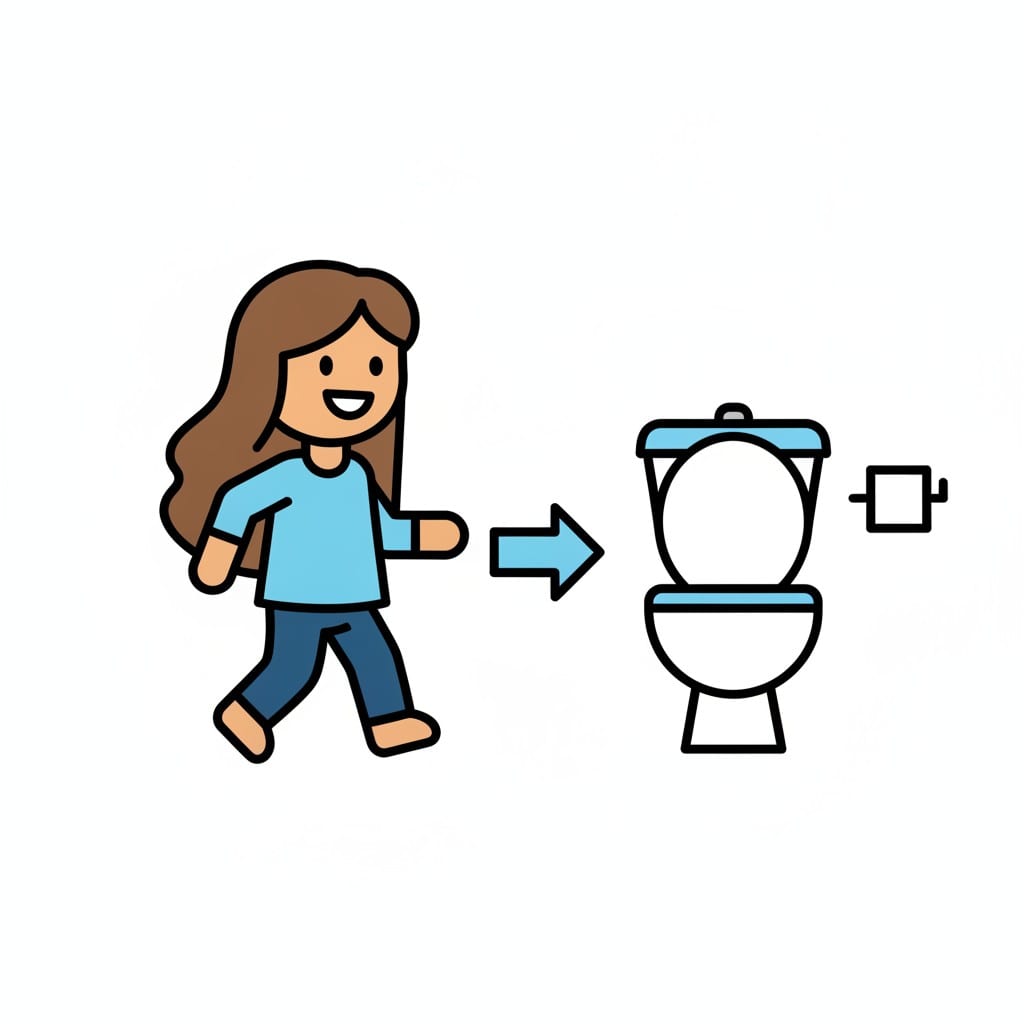 ♀
♀Going to the bathroom
A girl walks towards a toilet with an arrow.
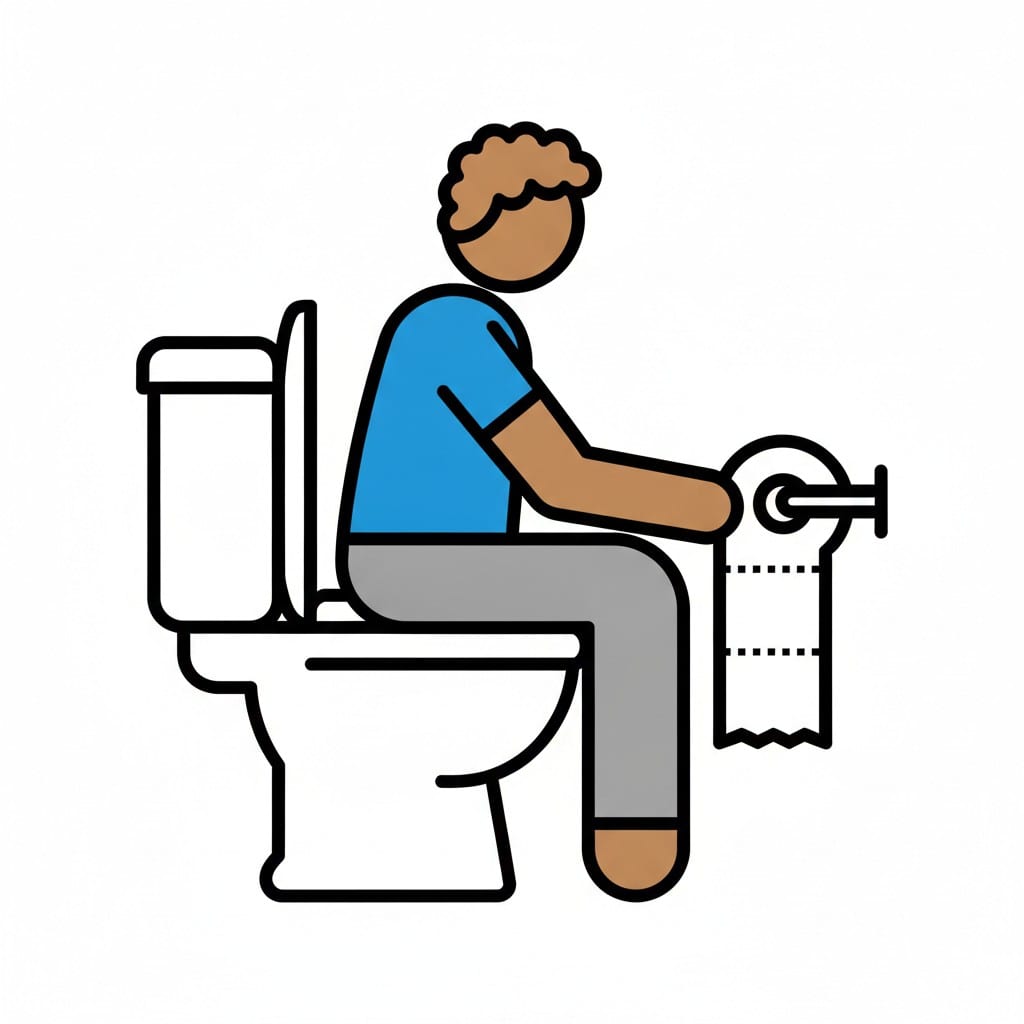 ⚲
⚲Reaching for toilet paper
A person with curly hair sits on the toilet and reaches for the toilet roll.
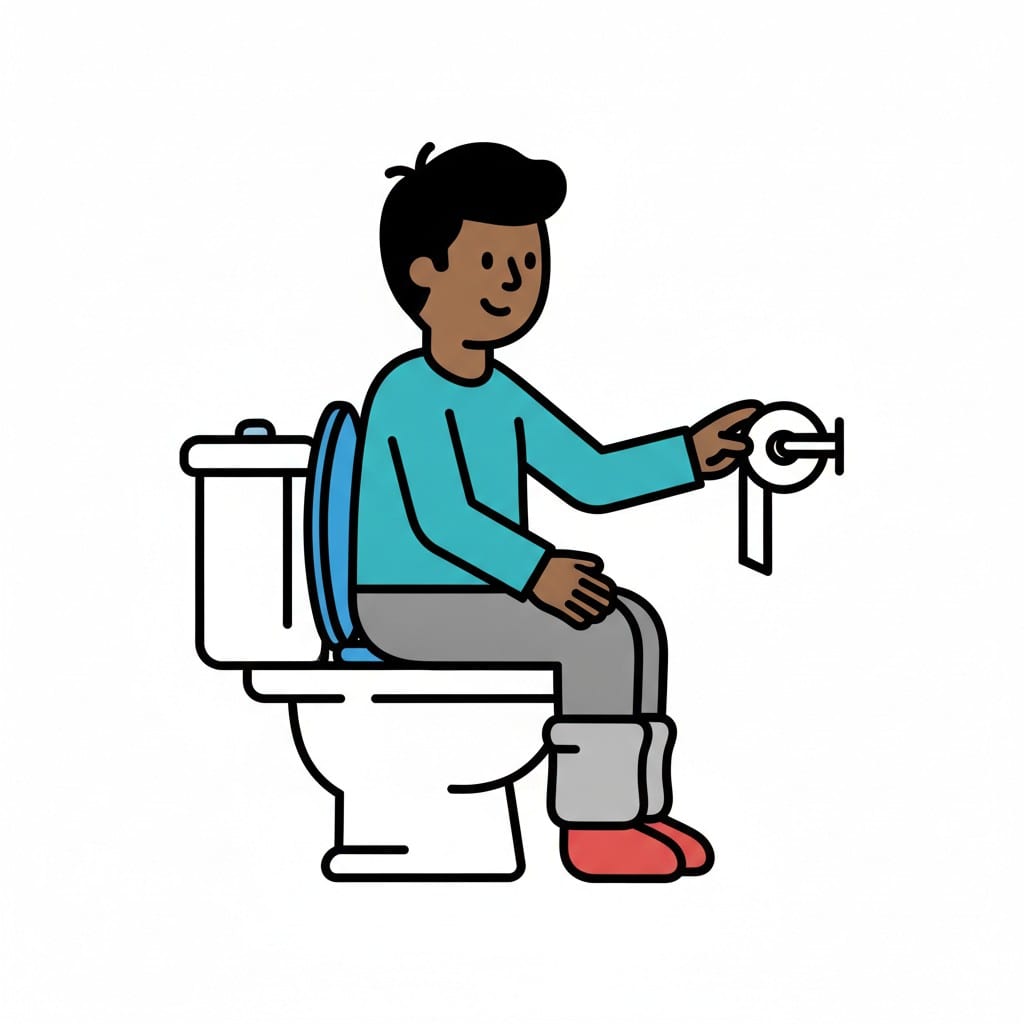 ⚲
⚲Boy on the toilet
A boy sits on the toilet and pulls toilet paper from the holder on the wall.
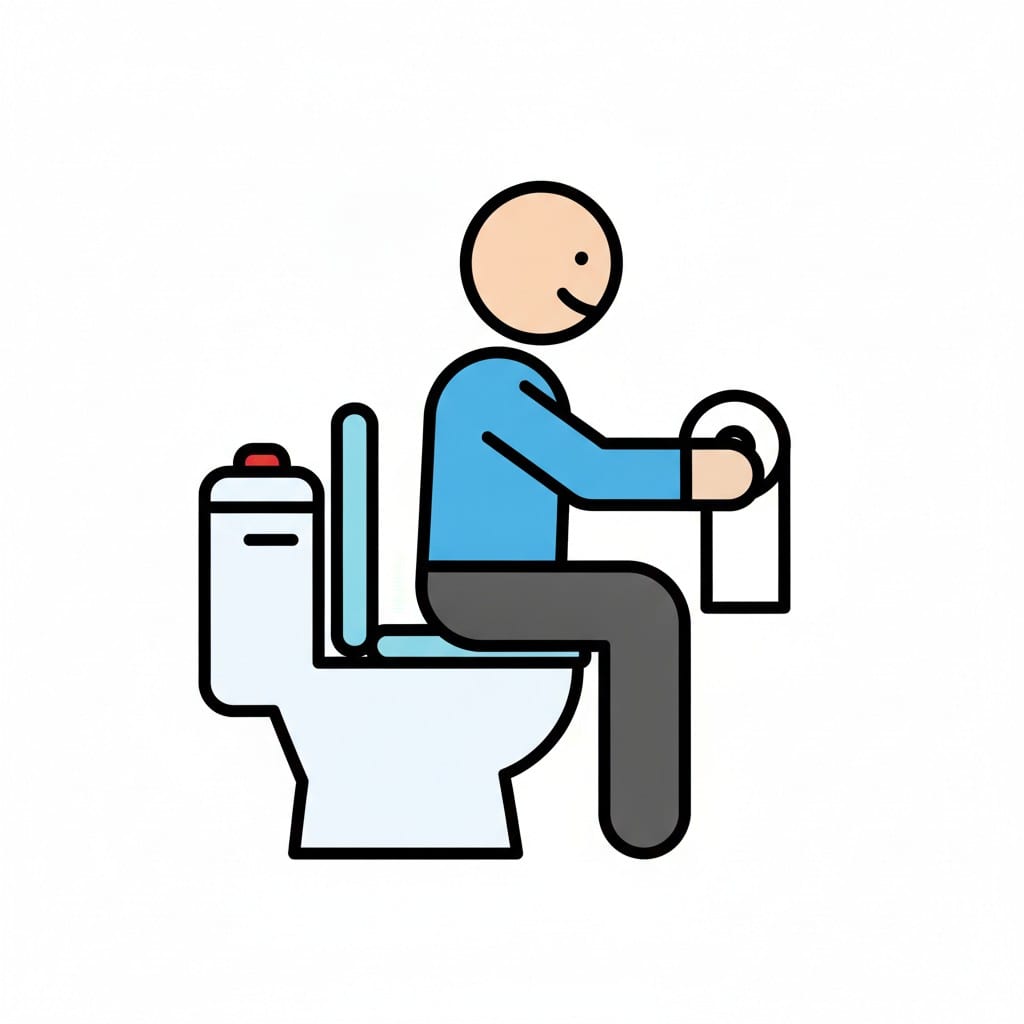 ⚲
⚲Sitting on the toilet
A simple figure sits on the toilet and takes hold of a roll of toilet paper.
About this visual support
For many children, peeing or pooping isn't the hard part on the toilet — it's everything around it. The seat feels cold on bare skin, the flush is loud and unpredictable, the bathroom echoes, and an unfamiliar toilet at a café or a relative's home can have different sounds, smells and locks than the one at home.
A visual support gives the child an internal map that works in any bathroom. The steps stay the same — walk in, pants down, sit, wipe, dress, flush, wash — and when the pictures are the same as at home, the unfamiliar toilet becomes a variation of something known instead of a brand new situation.
One small detail that matters a lot: talk about the lock before the child sits. Some children want to close and lock themselves in, others worry about being trapped. Make it an explicit choice in the sequence. In Routined you can keep a home-toilet sequence and a short away-version that the child can look through ahead of a new place.
This image is part of these ready-made schedules
Use this image in a schedule
Build your own visual schedule with this image and download it as a print-ready PDF. Completely free.
More similar visual supports
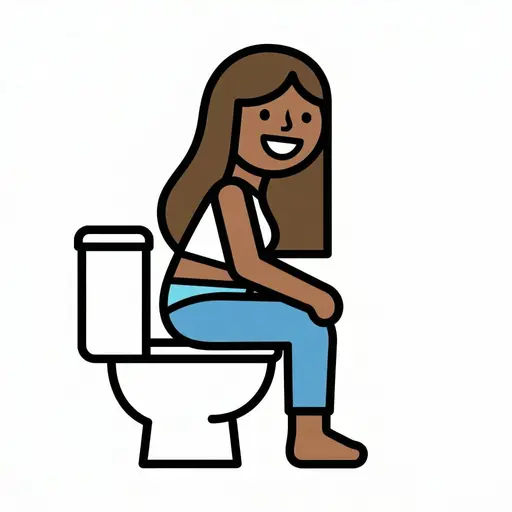
Go pee
A woman is sitting on the toilet and peeing.
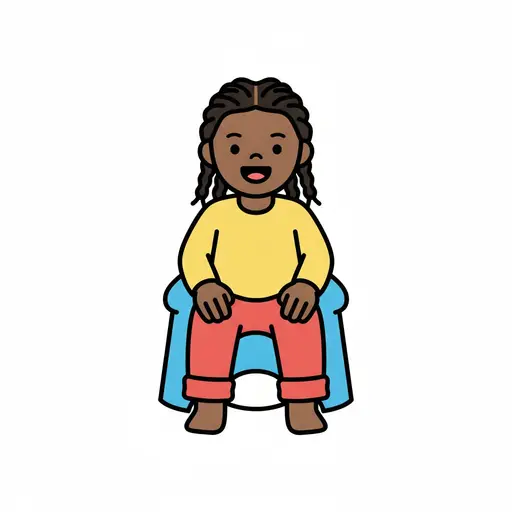
Use potty
A girl sits on a blue potty.

Toilet
A white toilet with a blue flush button on the cistern.
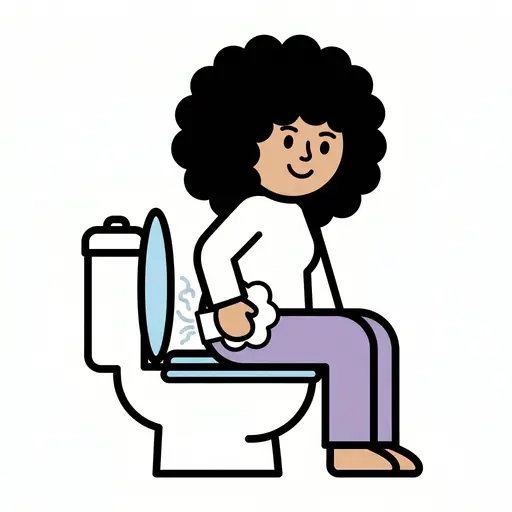
Wipe after toilet
A woman wipes with toilet paper after using the toilet.
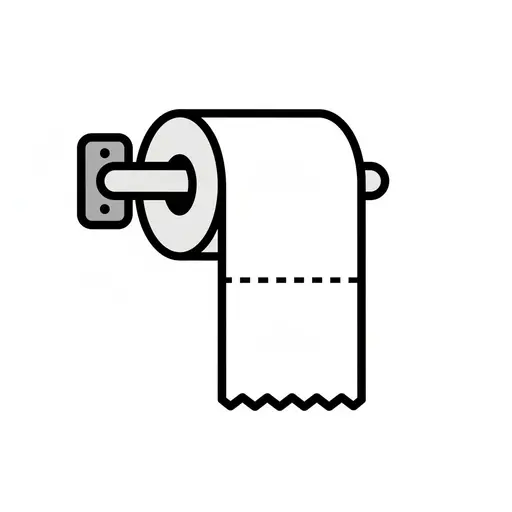
Toilet paper
A roll of toilet paper on a holder.
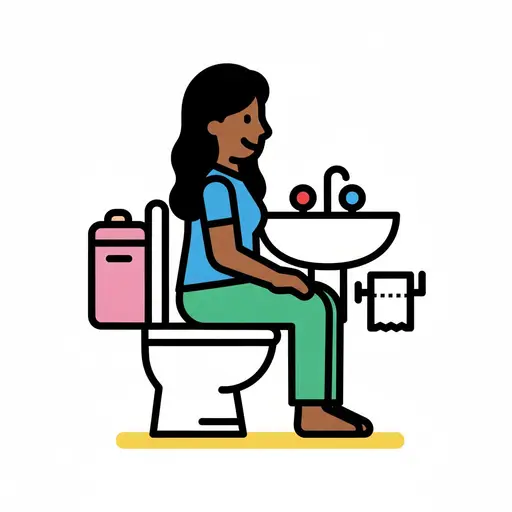
go to the bathroom
A person sits on the toilet in a bathroom with a sink and toilet paper.
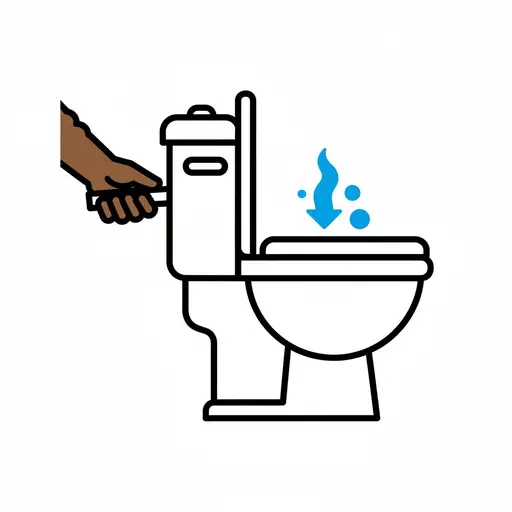
Flush toilet
A hand flushes the toilet.
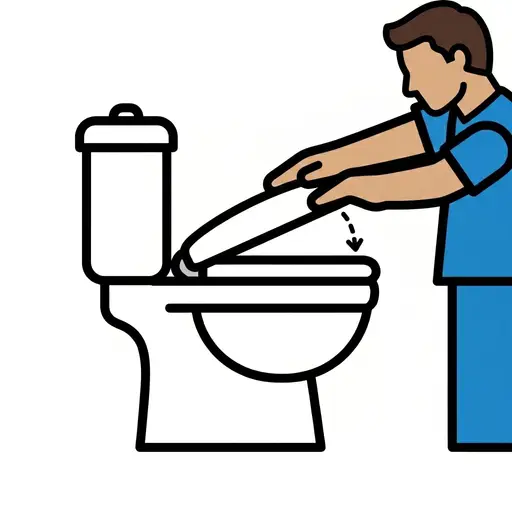
Close toilet lid
A person is closing the toilet lid on a white toilet.
This visual support in other languages
Take the visual supports with you
In Routined you build schedules from these pictures, add timers and voice instructions, and your child follows the day on their own.


* 14-day free trial, then $2.39 a month or $20.99 a year (US pricing). Cancel anytime.