Arts and crafts
Arts and crafts often start with bursting energy and then stall around step three, when fingers are sticky and the finish line is invisible. The visual support below maps the whole route from start to done.
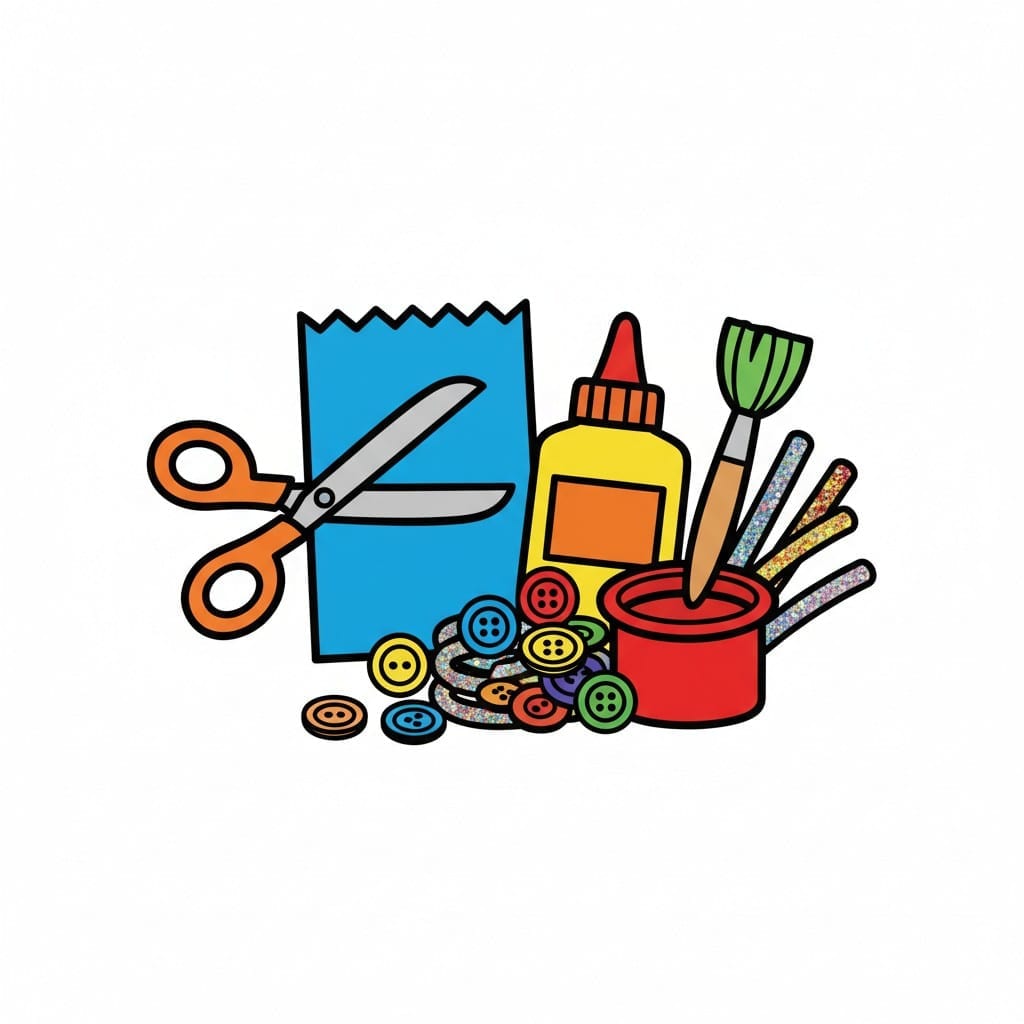
Arts and crafts
Craft supplies with scissors, blue paper, a glue bottle, a paintbrush, buttons and glitter sticks.
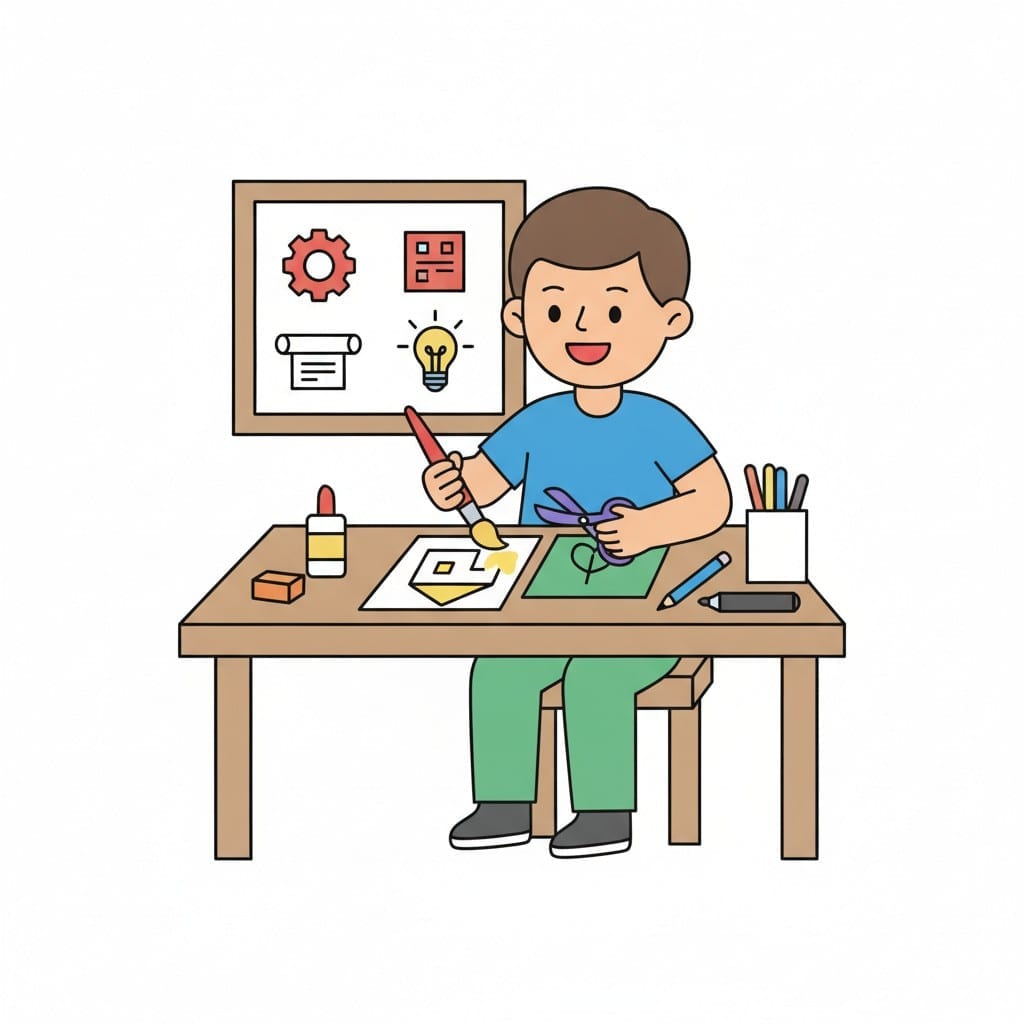 ♂
♂Arts and crafts
A boy sits at a table painting and cutting paper, with a pinboard behind him.
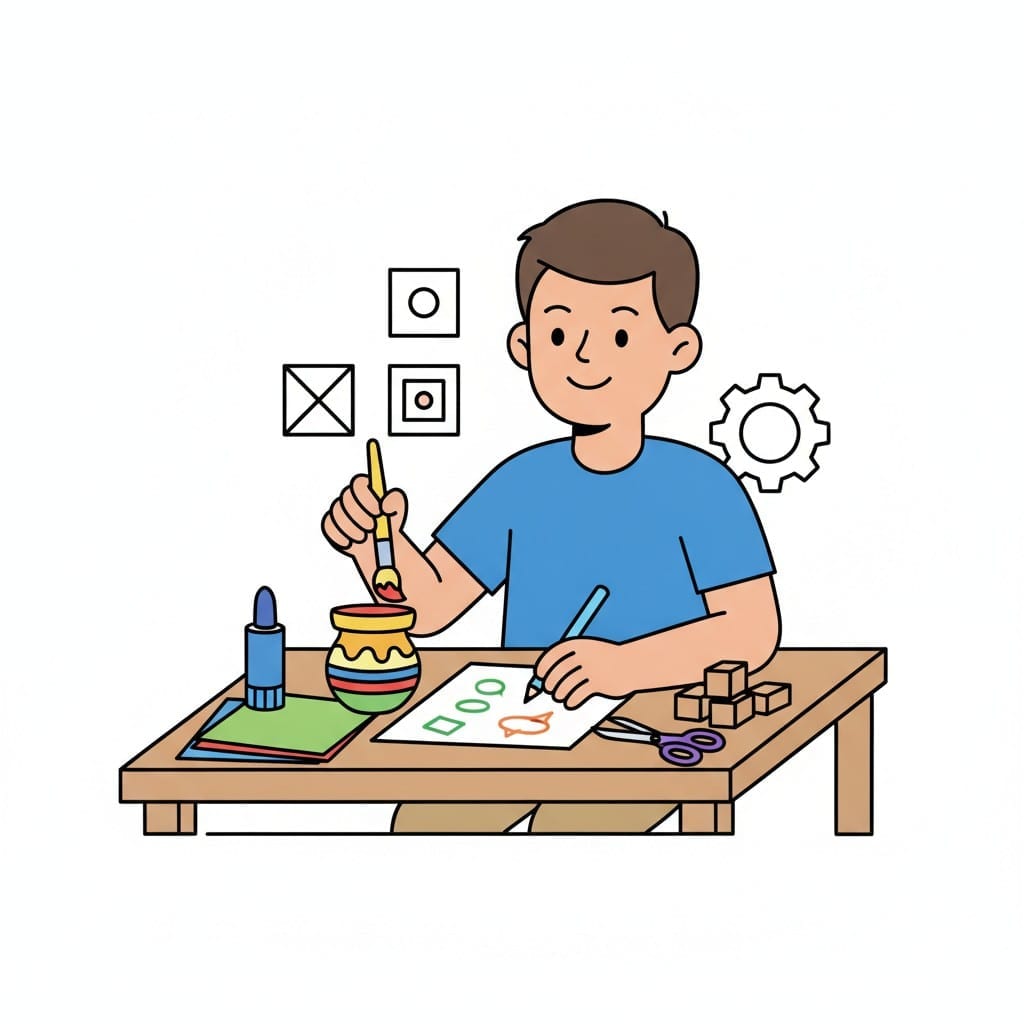 ♂
♂Arts and crafts
A boy paints a striped pot at a table with paper, glue, scissors and blocks.
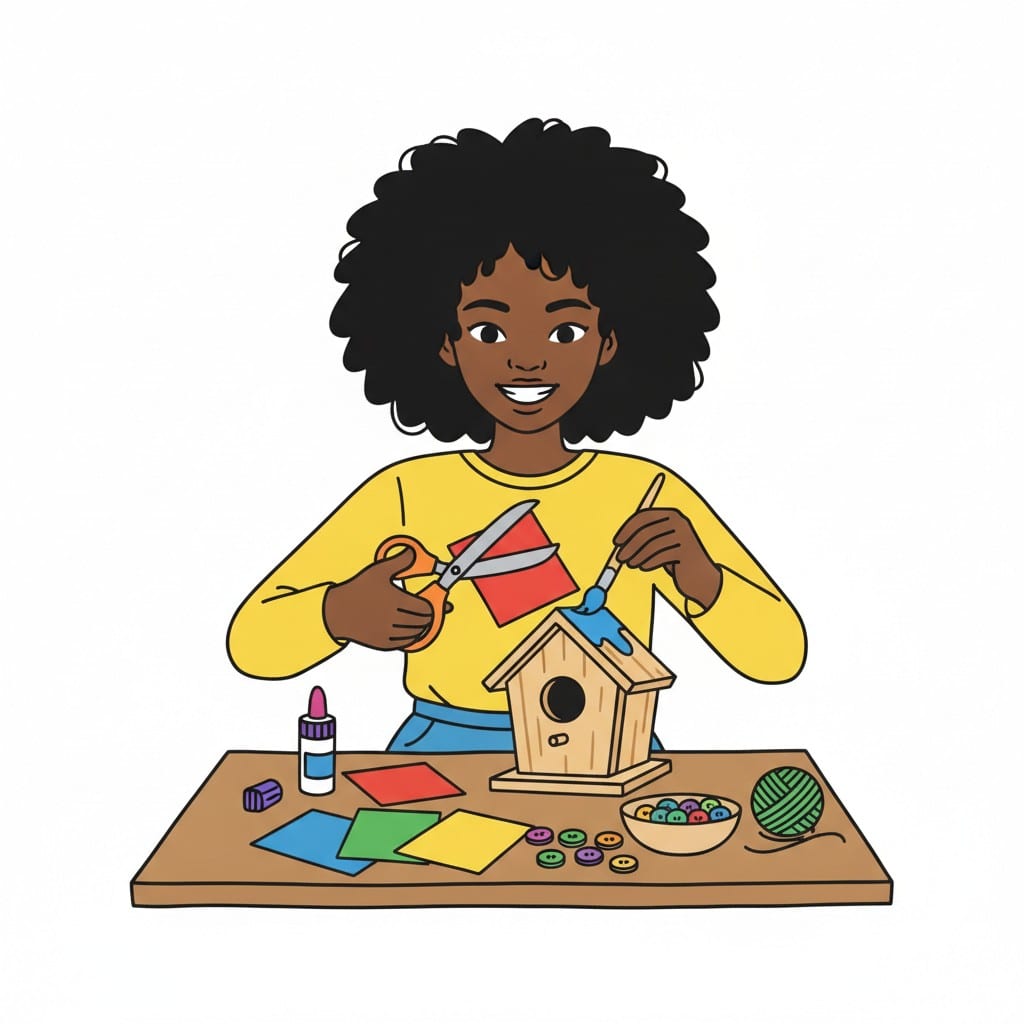 ♀
♀Arts and crafts
A girl cuts red paper and paints a birdhouse at a table with buttons and yarn.
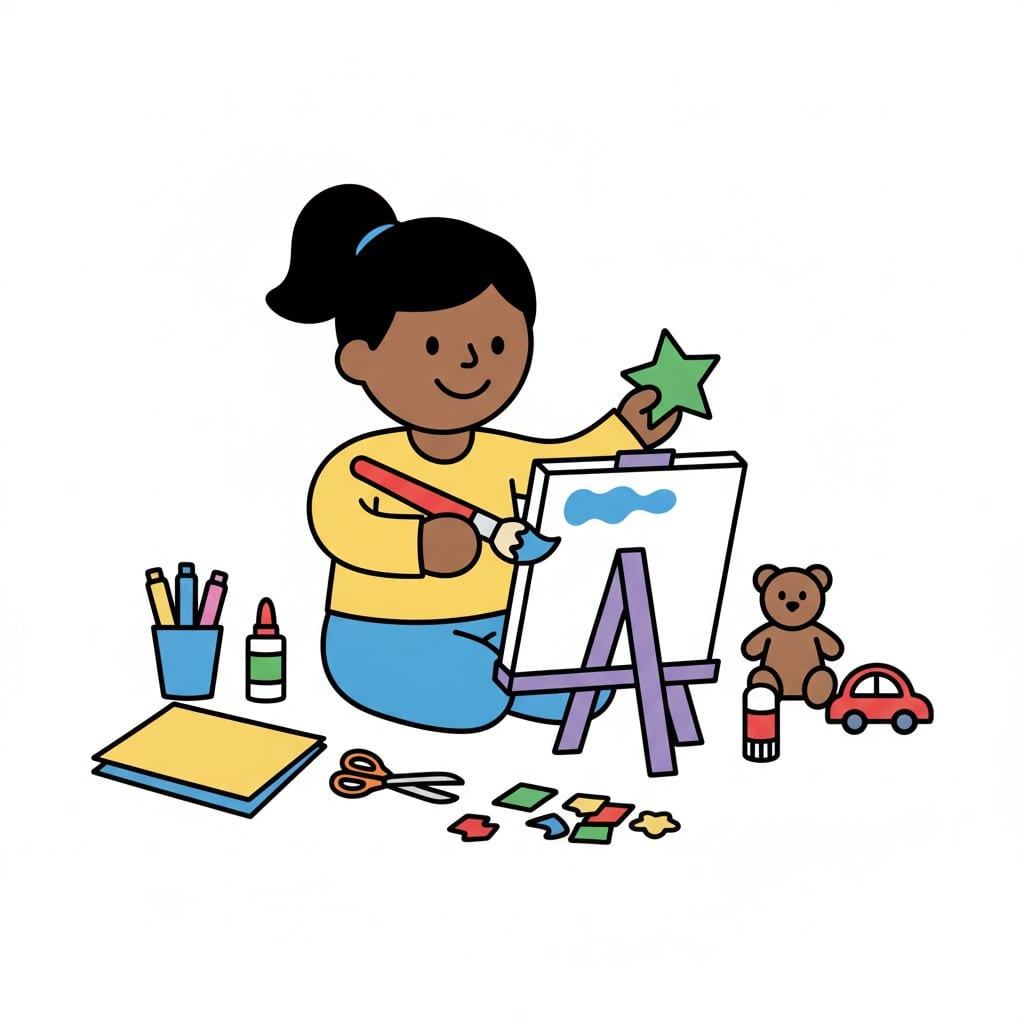 ♀
♀Painting and crafting
A girl paints at an easel surrounded by pens, paper, scissors, glue, a teddy and a toy car.
About this visual support
It is common for arts and crafts to start in beaming spirits and drift away halfway through. Between steps it sinks in that fingers are sticky, that the glue smells, that there is still a long way to go. Many projects end up abandoned on the table without a real finish, and by the next day the air has gone out of them.
With visual support for arts and crafts, both the steps and the ending become visible. The last picture — the one where the piece is finished, hands are washed and the table is wiped — gives your child something specific to aim for. It stops being an endless chain of cutting and gluing and becomes a sequence with a clear end.
A practical tip: make the closing step as visible as the creative ones — wash hands, move the artwork to the drying spot, put the scissors back. Then the activity ends with a sense of done, not interrupted, which makes the child want to start again. To tie crafts together with the rest of an afternoon, Routined keeps the sequence clear from one activity to the next.
Use this image in a schedule
Build your own visual schedule with this image and download it as a print-ready PDF. Completely free.
More similar visual supports
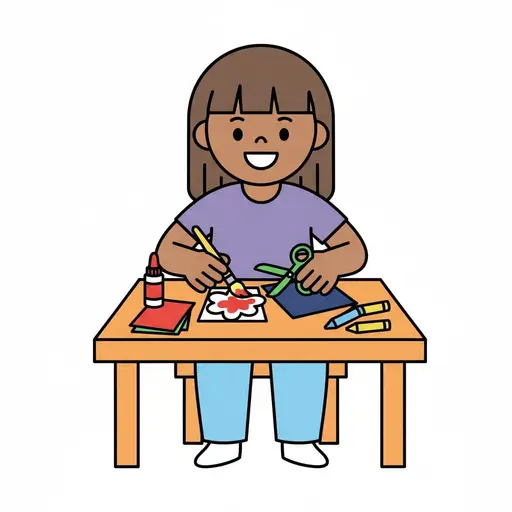
Crafting
A girl cuts and glues colored paper at a table with glue and crayons.
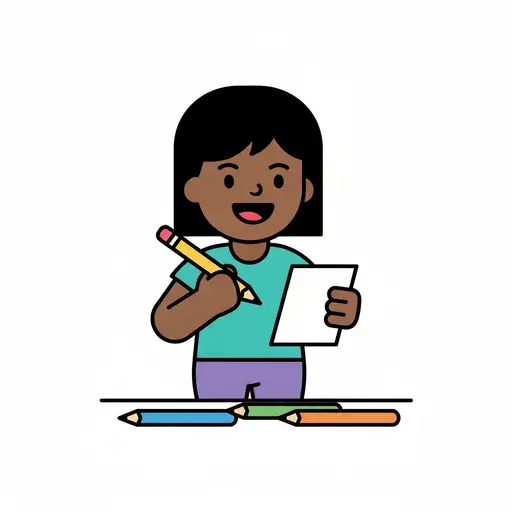
Draw
A girl draws with a pencil with coloured pencils on the table.

Activities
A child surrounded by icons for a book, paint palette, ball and building block.
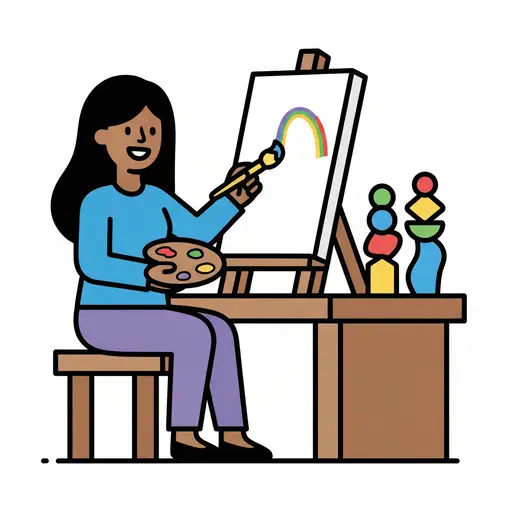
Create
A smiling person sits on a stool holding a paint palette and paints a rainbow on...
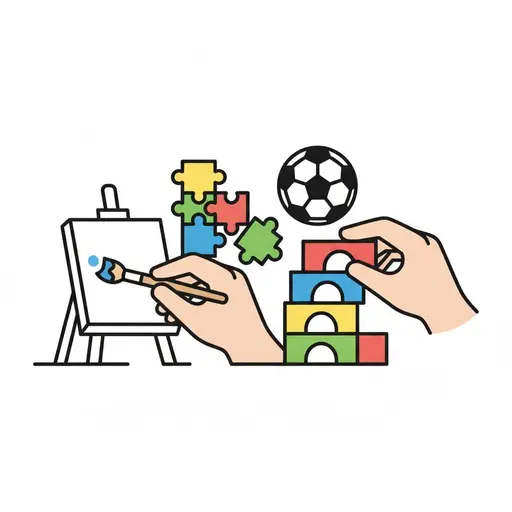
Activity
Hands painting on an easel and stacking colourful blocks, with puzzle pieces and...
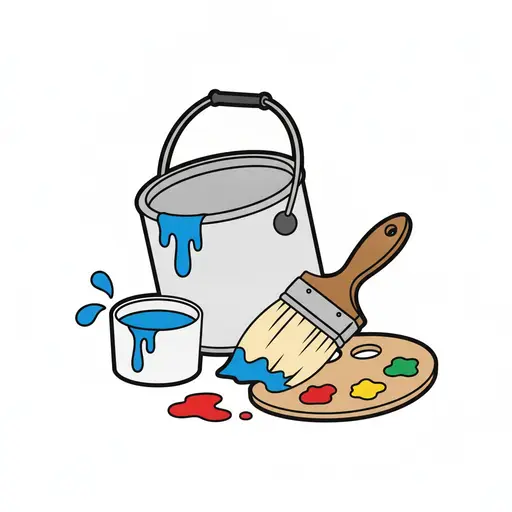
Paint
A large paint can dripping blue, a small tin of blue paint, a wide brush and a w...
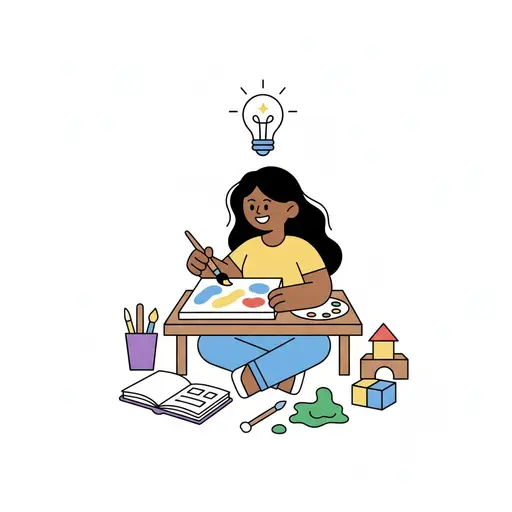
Creative Time
A girl sits at a small table and paints with a brush among craft supplies and bl...
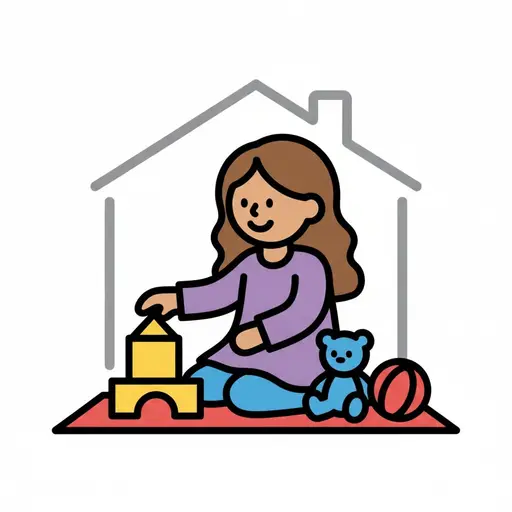
Play indoors
Inside a drawn house, a girl sits on a red rug stacking yellow blocks, with a bl...
This visual support in other languages
Take the visual supports with you
In Routined you build schedules from these pictures, add timers and voice instructions, and your child follows the day on their own.


* 14-day free trial, then $2.39 a month or $20.99 a year (US pricing). Cancel anytime.