Activity
The word activity tells a child nothing. Puzzle, football or beads? Without knowing, there's no way to brace mentally for what's next. The pictures below turn that fuzzy word into something concrete a child can recognise.
 ♂
♂Activities
An illustration of a person surrounded by symbols representing various leisure activities such as sports (ball), music (note), reading (book), and art (palette and brush).
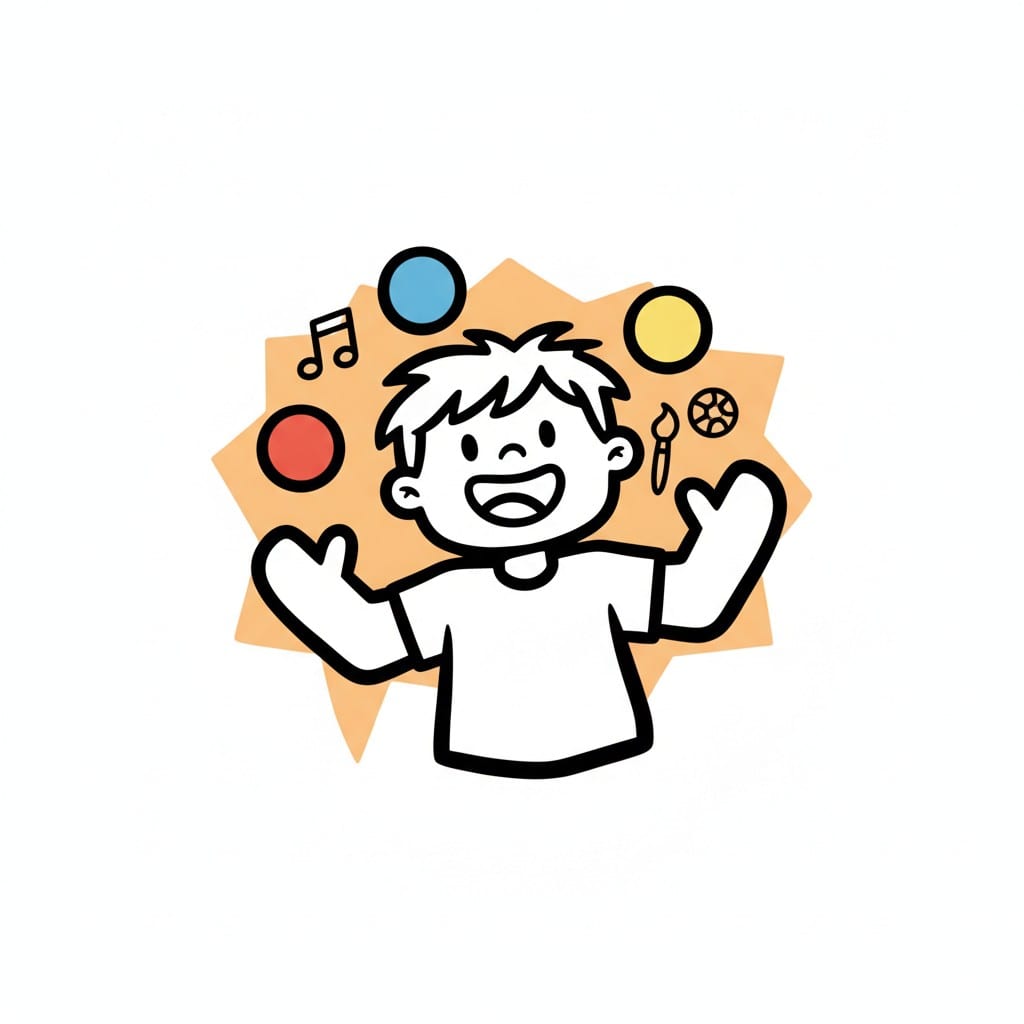 ♂
♂Cheerful boy with activity symbols
A smiling boy raises both arms in front of an orange star shape, with coloured balls, a music note and a paintbrush floating around him.
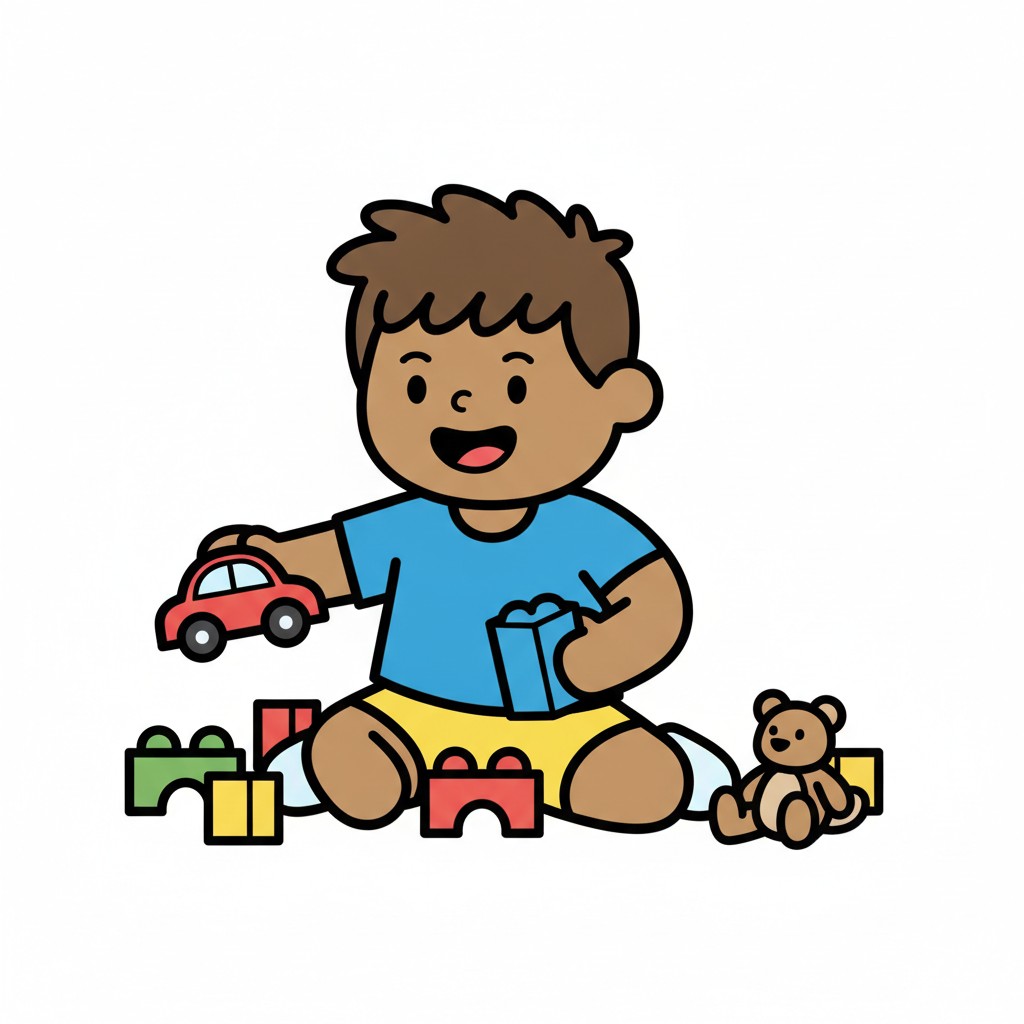 ♂
♂Busy with an activity
A child sits on the floor among blocks playing with a red car, with a teddy beside them.
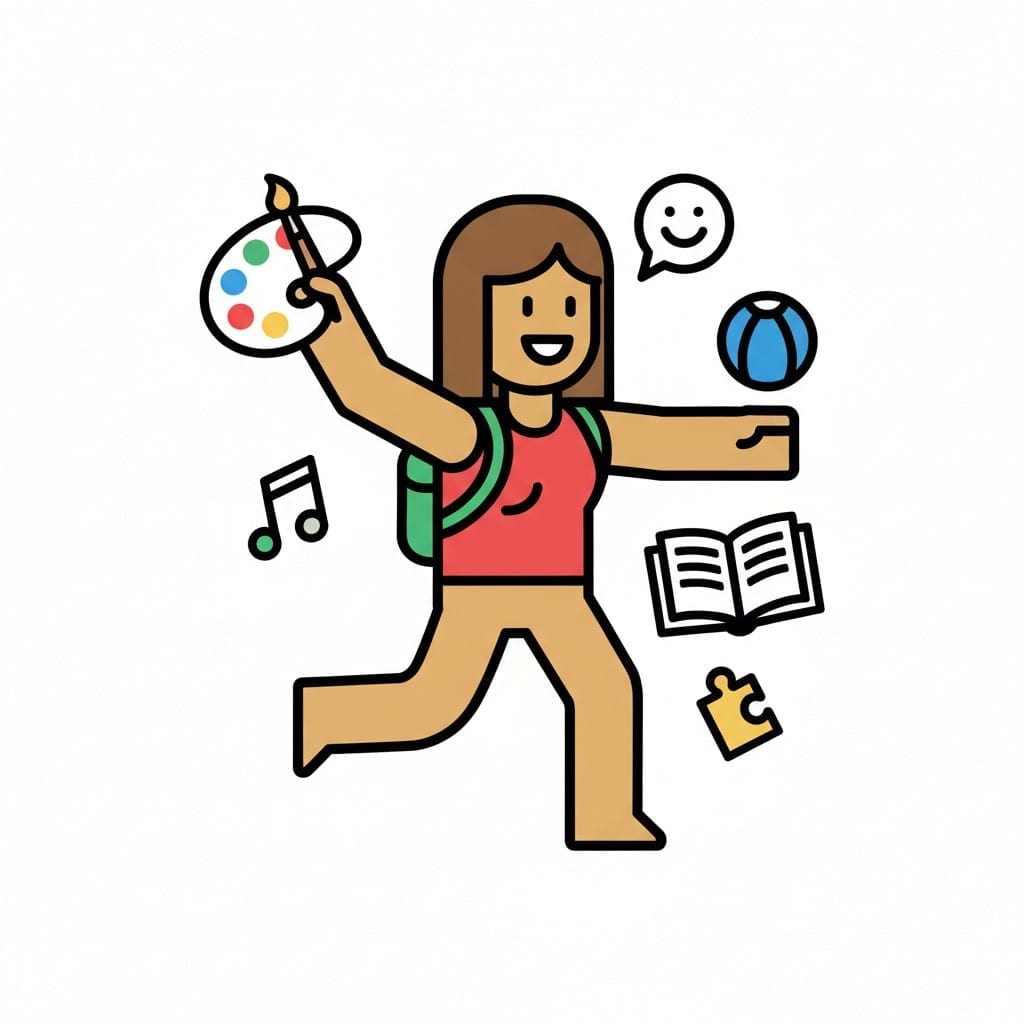 ♀
♀Activity
A cartoon figure with a backpack, holding a paint palette and brush, surrounded by icons such as a music note, a happy speech bubble, a ball, a book, and a puzzle piece.
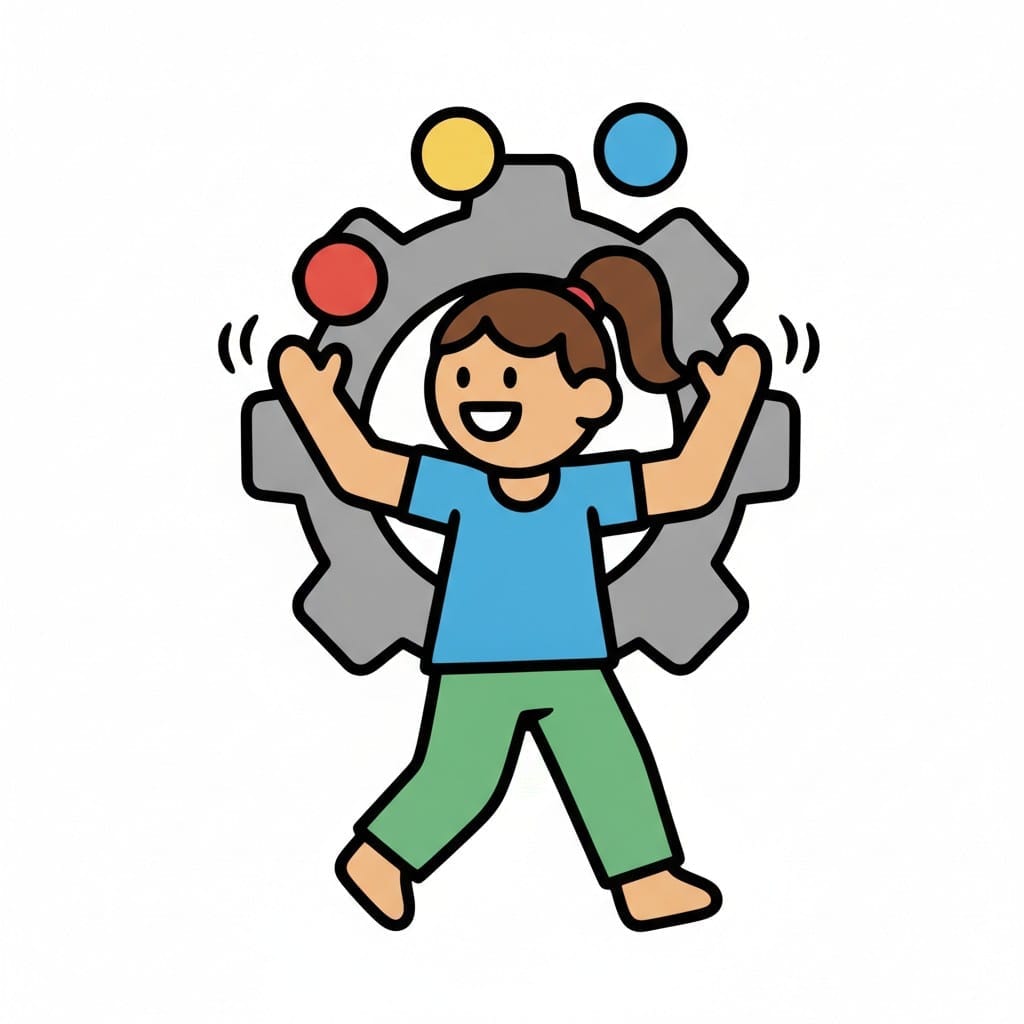 ♀
♀Girl in front of a gear with balls
A girl with a ponytail stands with her arms raised in front of a large grey gear, and three coloured balls hover above her.
 ♀
♀Girl on the move with a ball and a paintbrush
Inside a dashed circle a girl runs along holding a paintbrush in one hand and a football in the other, with music notes, confetti and an open book around her.
About this visual support
Activity is one of the emptiest words in a child's day. To an adult it sounds neutral, but to a child who needs to know what's coming in order to begin, it's almost useless. The brain has no image to attach the expectation to, so motivation stays parked.
When the picture shows the real options – a puzzle, a bike ride, painting, building with blocks – the child can accept or choose based on something real. Moving from sofa to floor becomes a concrete step toward something, not a leap into nothing.
One tip: leave the card visible after the activity starts. Many children glance back at it during the first minute to anchor themselves. In Routined you can build a small palette of two or three activities the child points to, so getting started becomes a choice rather than a demand.
Use this image in a schedule
Build your own visual schedule with this image and download it as a print-ready PDF. Completely free.

More similar visual supports
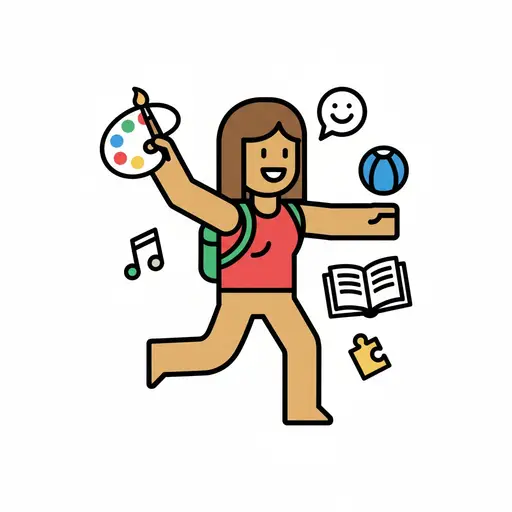
Activities
A child surrounded by icons for a book, paint palette, ball and building block.
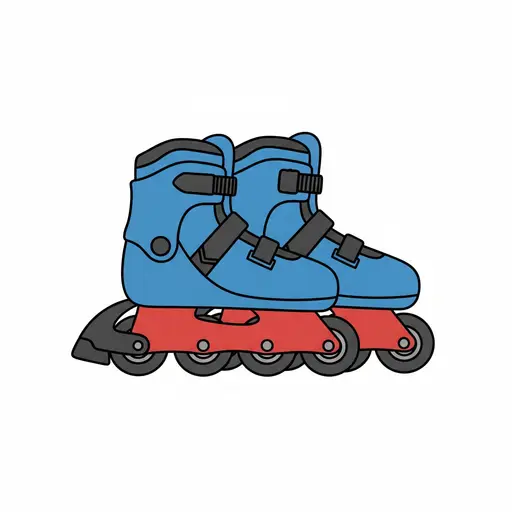
Roller skates
A pair of blue roller skates with red frames and black buckles.
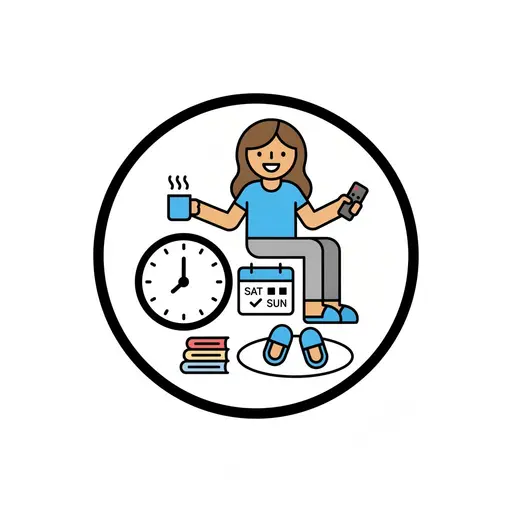
Weekend routine
A girl holding a mug and a phone, surrounded by a clock, a weekend calendar, boo...
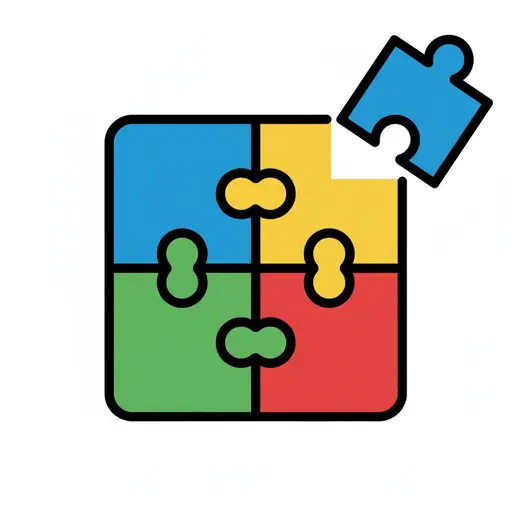
Do a puzzle
A colorful four-piece puzzle with the last blue piece about to be placed.
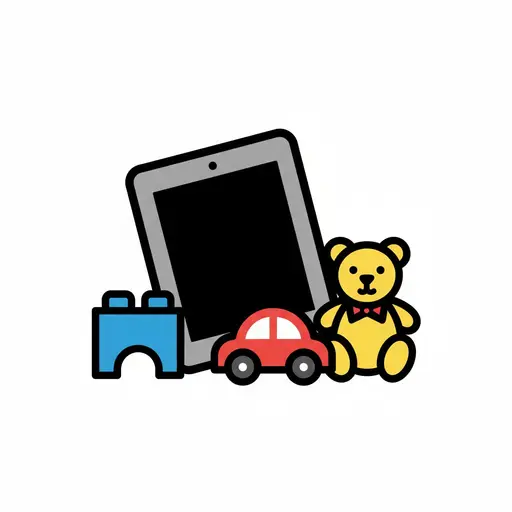
iPad and toys
An iPad is leaning against a blue building block. Next to it are a red toy car a...

Move around
A person jogs forward in a green top and blue trousers.
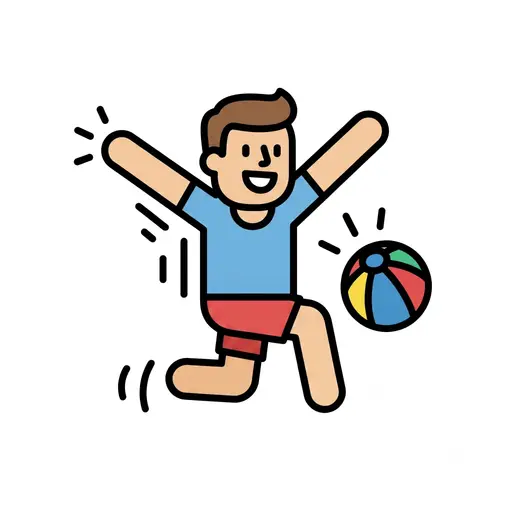
Play and move
A child jumps happily next to a colorful ball.
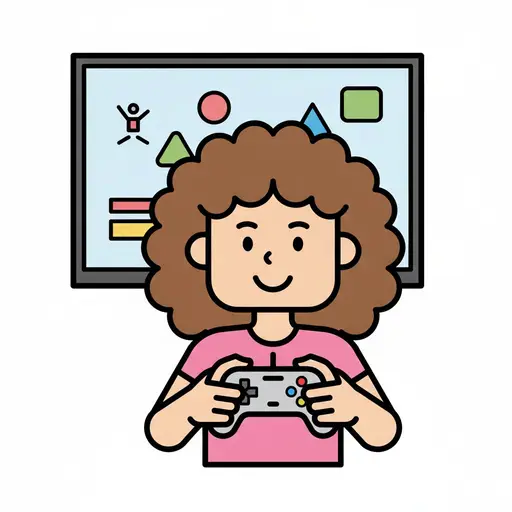
Play games
Holding a controller, a girl with curly hair plays in front of a television show...
Take the visual supports with you
In Routined you build schedules from these pictures, add timers and voice instructions, and your child follows the day on their own.


* 14-day free trial included for new users.