Play games
It is not the game itself that locks up, it is waiting for your turn. While a sibling rolls the dice, patience ticks down fast. The visual support below shows clearly whose turn it is right now.
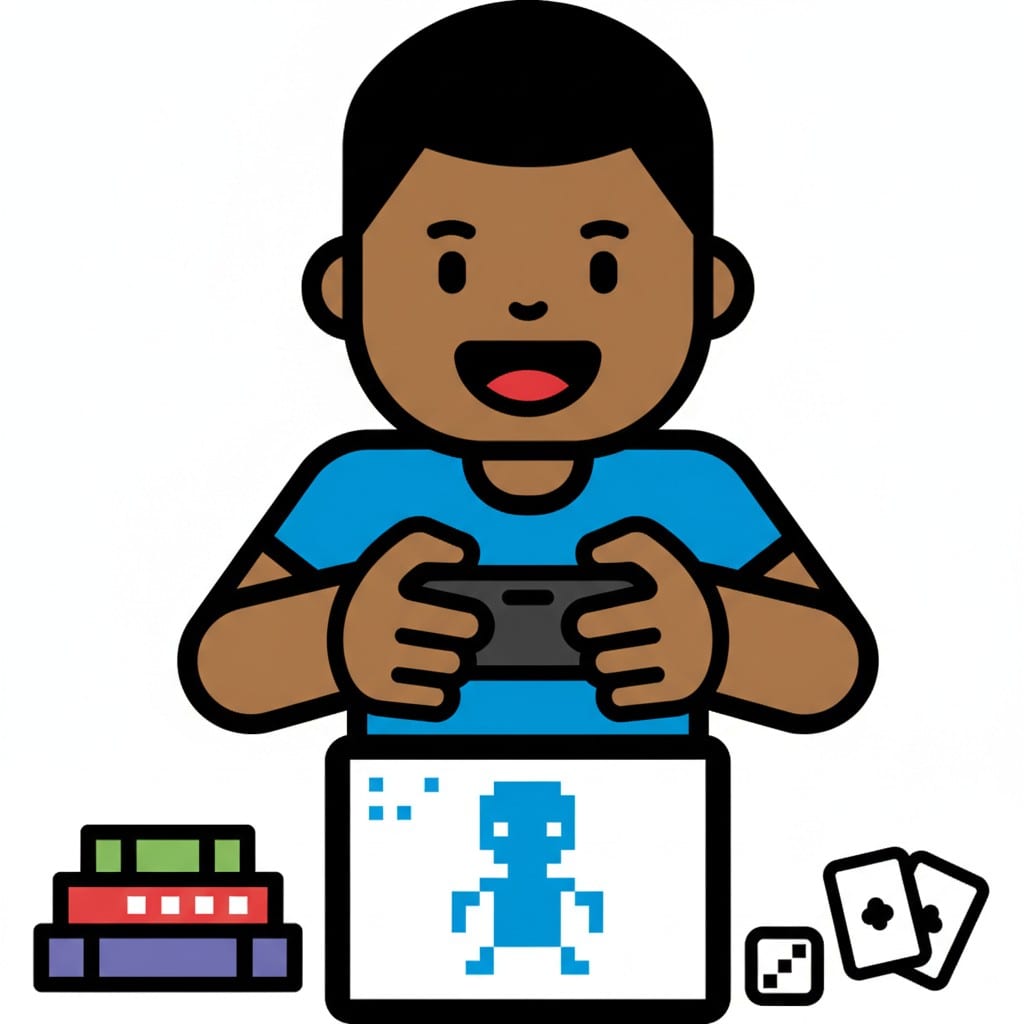 ♂
♂Boy playing games
A happy boy holding a mobile phone and playing a game. In front of him, there's a screen with a pixelated game, a pair of playing cards, dice, and a stack of game chips.
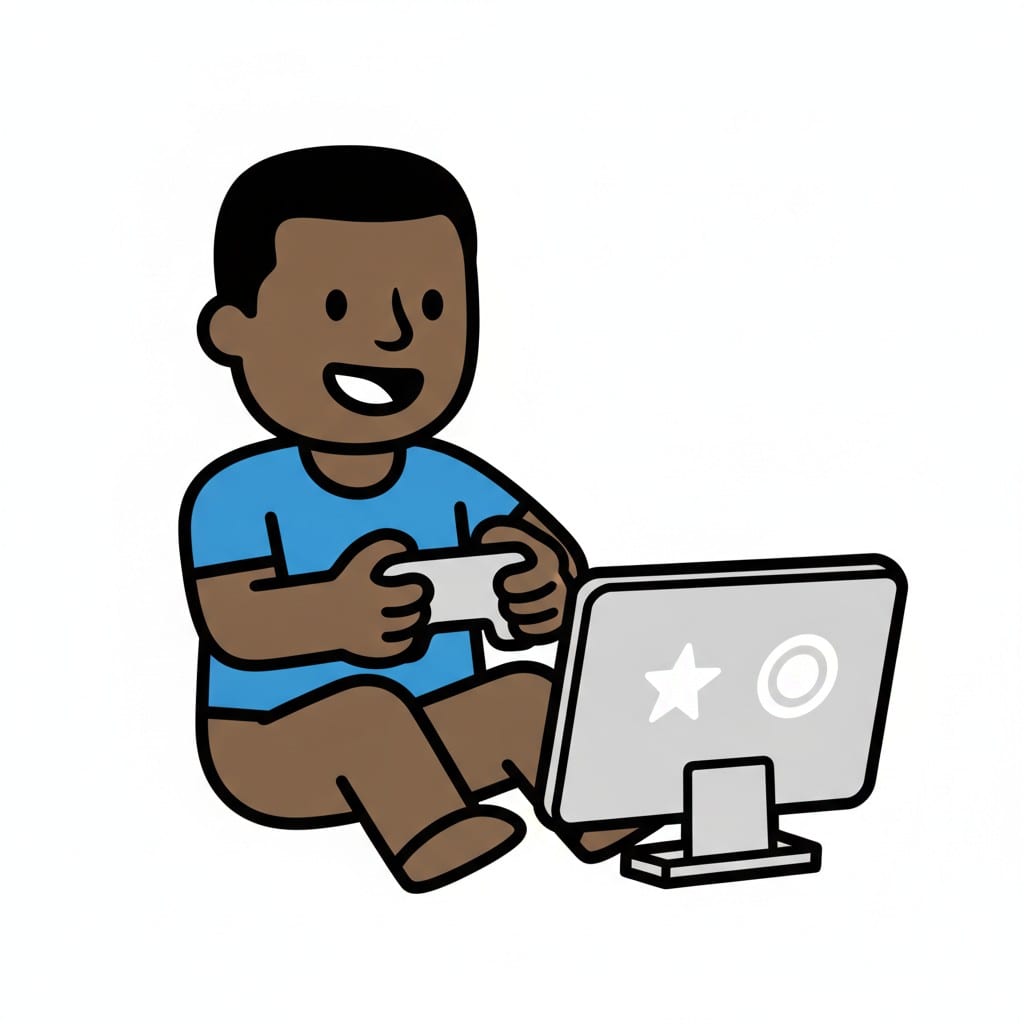 ♂
♂Boy playing a video game
A happy boy sits holding a game controller and plays in front of a screen showing a star and a ring.
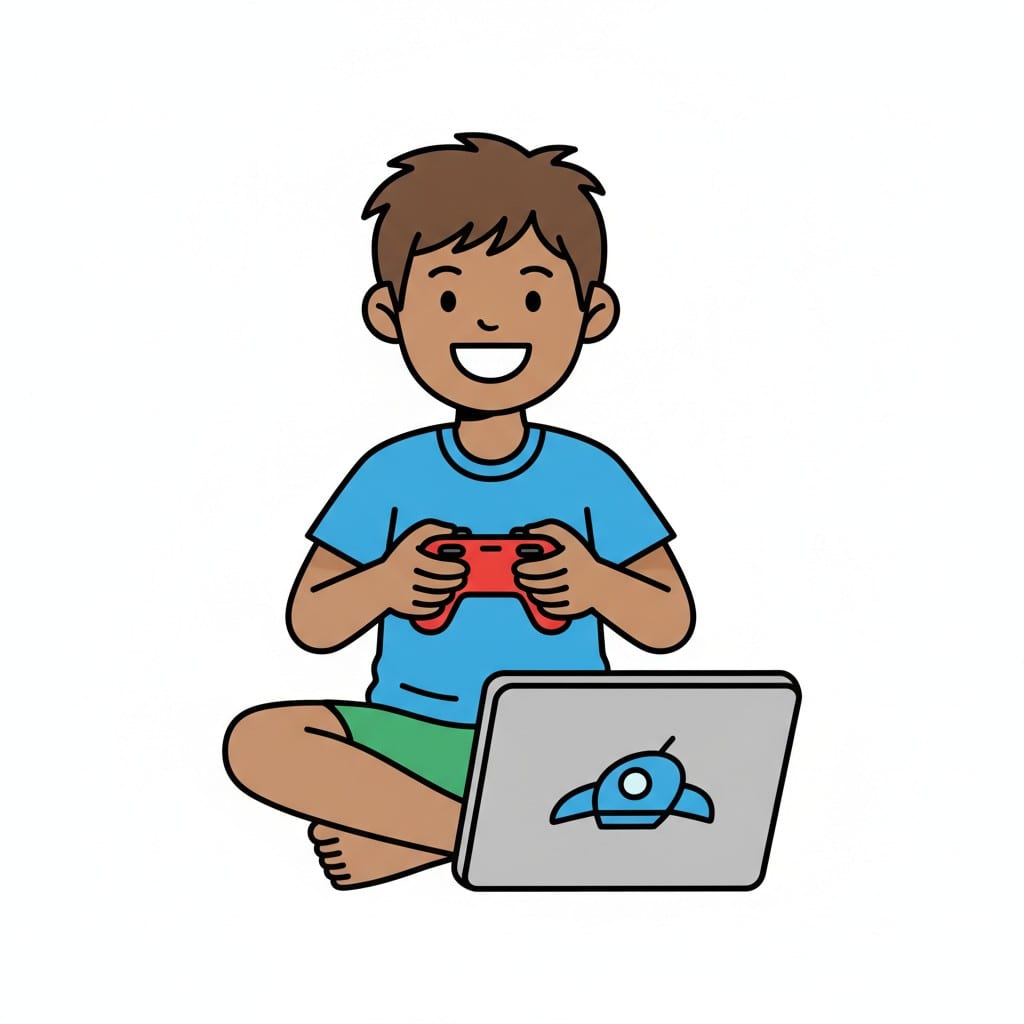 ♂
♂Gaming with a controller
A happy boy sits cross-legged playing with a red controller next to a laptop with a rocket on the screen.
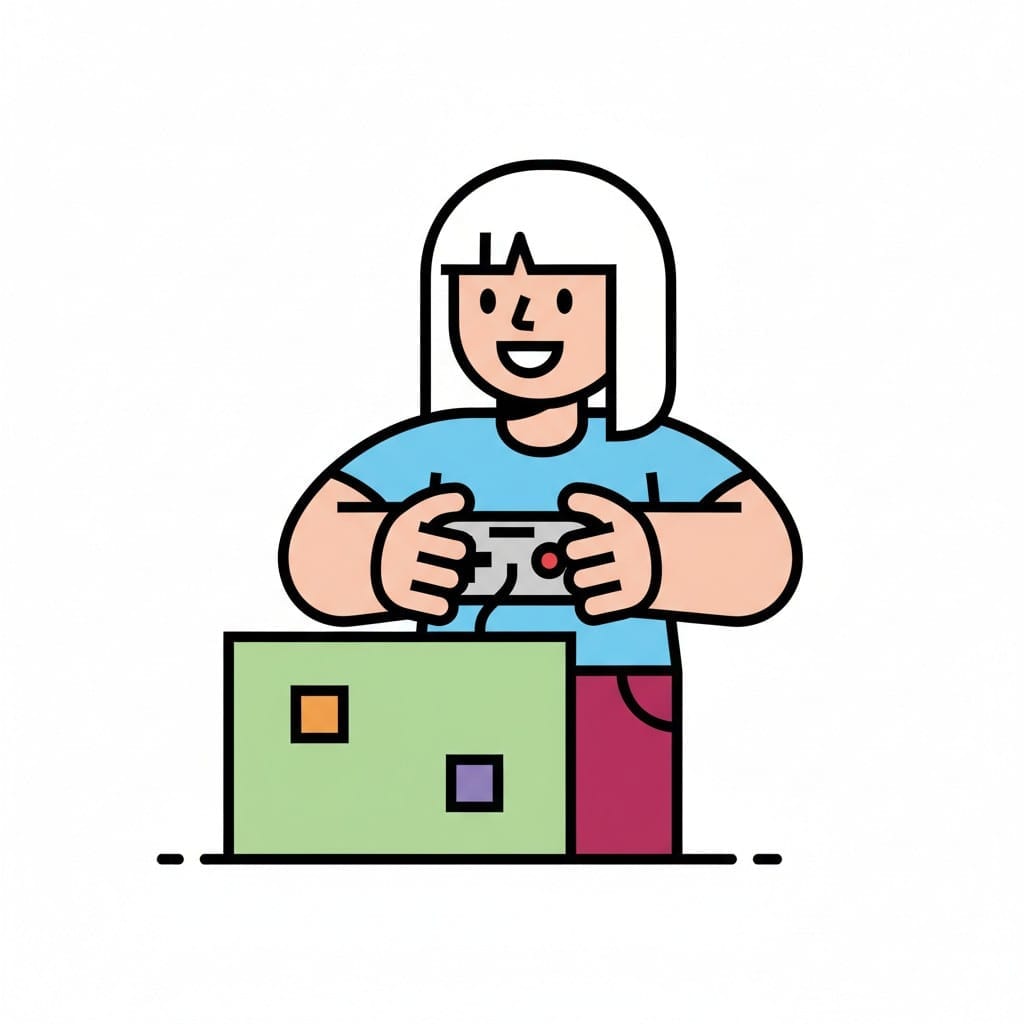 ♀
♀Girl playing a video game
A girl with long light hair holds a small game controller in front of a green screen dotted with coloured squares.
 ♀
♀Girl with controller, card and dice
A cheerful girl with a ponytail grips a game controller with both hands, with a playing card on one side and two red dice on the other.
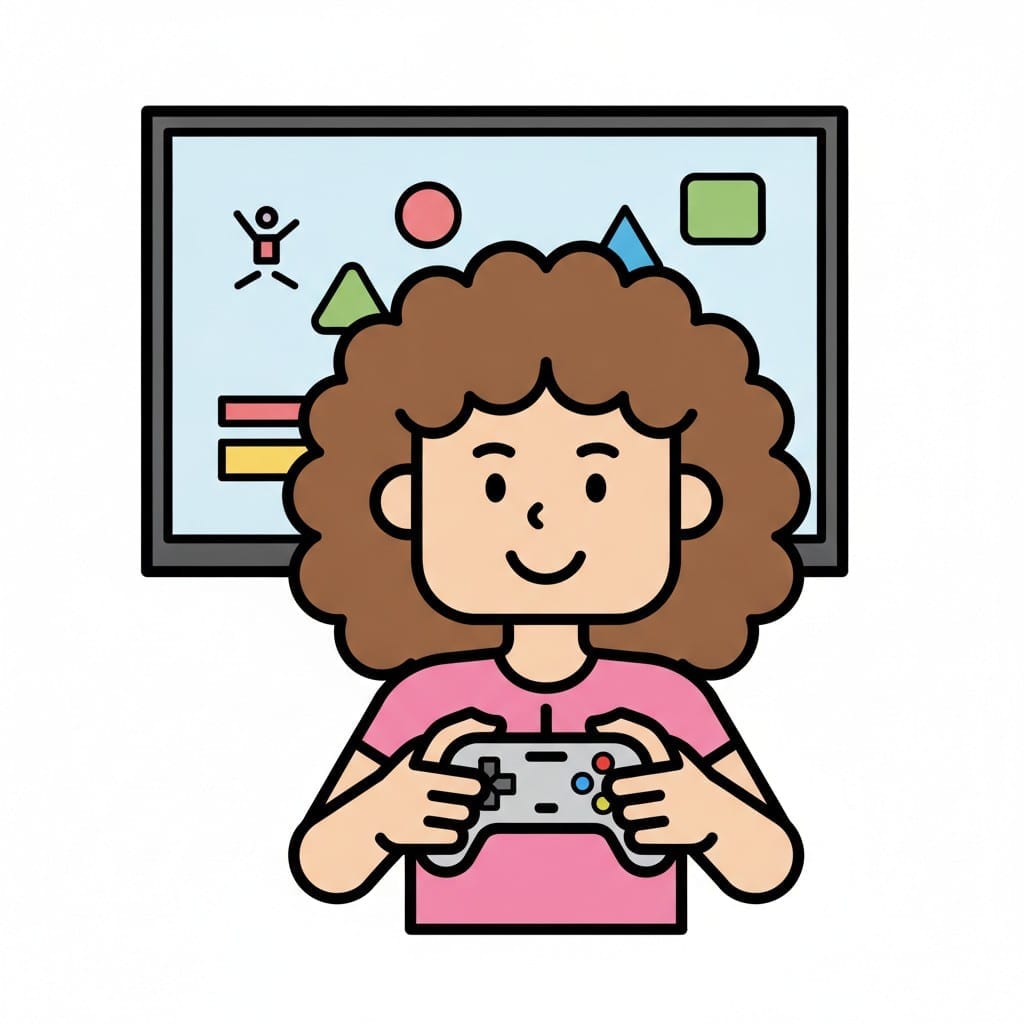 ♀
♀Girl gaming in front of the TV
Holding a controller, a girl with curly hair plays in front of a television showing figures and coloured shapes.
About this visual support
Board games look like a calm kitchen-table activity, but for many children the hardest part is not the rulebook, it is the pause between two moves. Watching a sibling carefully count their squares while the clock seems to have stopped is one of the most common triggers for conflict during play.
This is exactly where a visual schedule earns its place. A flip card with the child's name or photo on top when it is their turn, flipped to the sibling's side when the turn moves on, gives the eyes somewhere to rest. The wait itself becomes a concrete step that also ends, not an endless pause. That alone lowers the temperature in the room, often by surprisingly much.
A concrete suggestion: let whoever is up press a small timer during their own turn, capped at thirty seconds. When time is up, the card is flipped. Both the waiting and the move have a visible edge. In the Routined app you can attach a short timer to every flip, so neither child has to track the clock alone.
Use this image in a schedule
Build your own visual schedule with this image and download it as a print-ready PDF. Completely free.
More similar visual supports
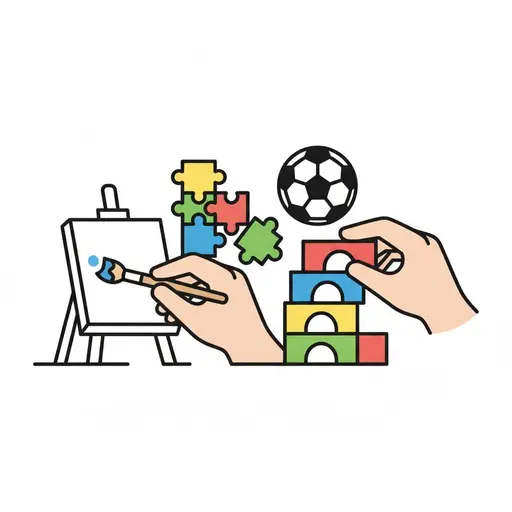
Activity
Hands painting on an easel and stacking colourful blocks, with puzzle pieces and...

Activities
A child surrounded by icons for a book, paint palette, ball and building block.

Play on the tablet
A girl with a braid sits at a table and holds a tablet showing a yellow star.

iPad and toys
An iPad is leaning against a blue building block. Next to it are a red toy car a...

Entertainment
A boy points a remote at a screen showing film, music and game symbols.
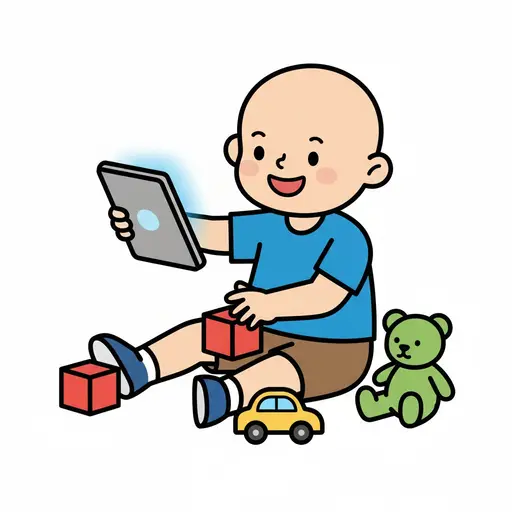
Play iPad and toys
A happy boy is sitting on the floor holding an iPad. Around him are red building...
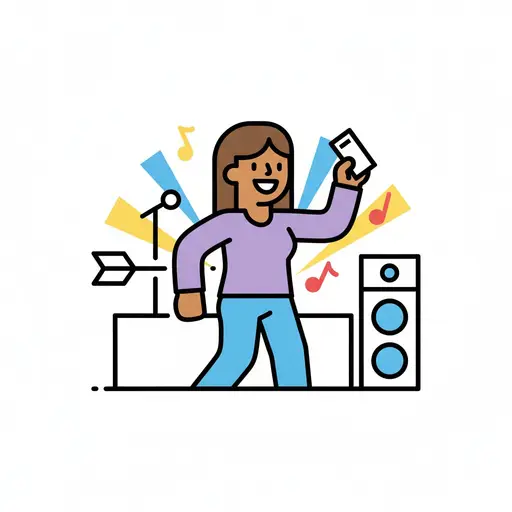
Go to a concert
A person at a concert holds up a phone while music plays.

Concert
A stage with a guitar, drums and a microphone under colorful lights.
This visual support in other languages
Take the visual supports with you
In Routined you build schedules from these pictures, add timers and voice instructions, and your child follows the day on their own.


* 14-day free trial, then $2.39 a month or $20.99 a year (US pricing). Cancel anytime.