Dress up
Dressing up is really two decisions at once: who to be, and what to let other people see. The visual steps below separate those choices so your child can pause between them and think without losing the whole game.
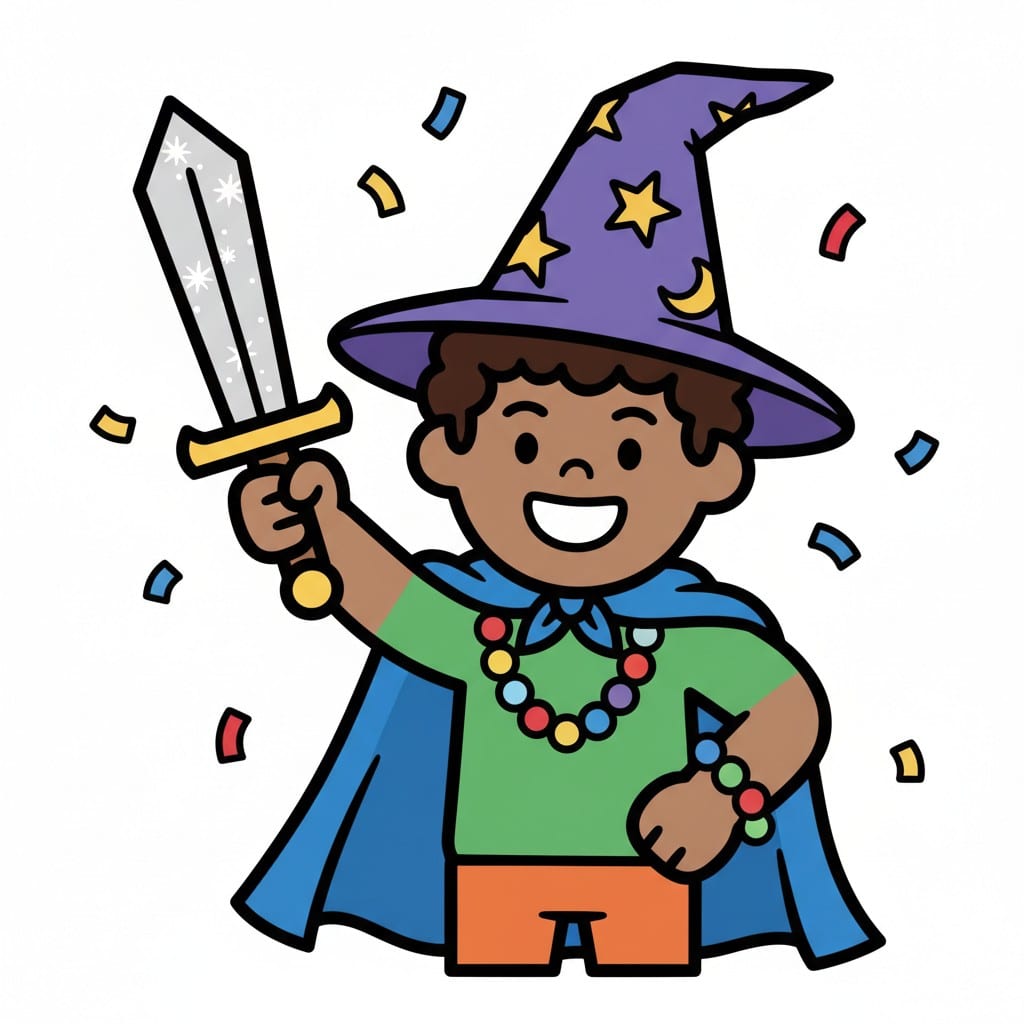 ♂
♂Boy dressing up
A happy boy dressed as a wizard with a purple hat, blue cape, and a toy sword in his hand, surrounded by confetti.
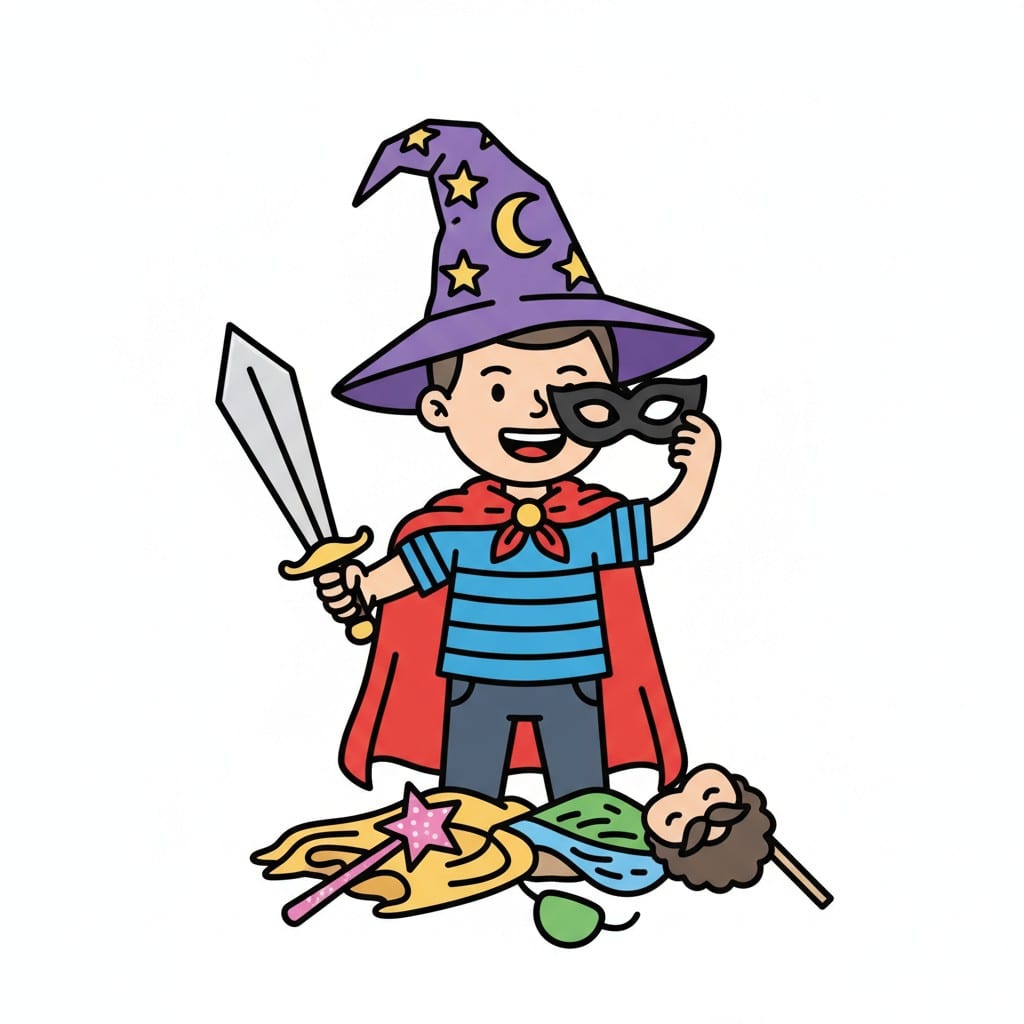 ♂
♂Boy with mask and toy sword
A boy in a wizard hat and red cape holds up a black eye mask and a toy sword, with more costume pieces piled on the floor.
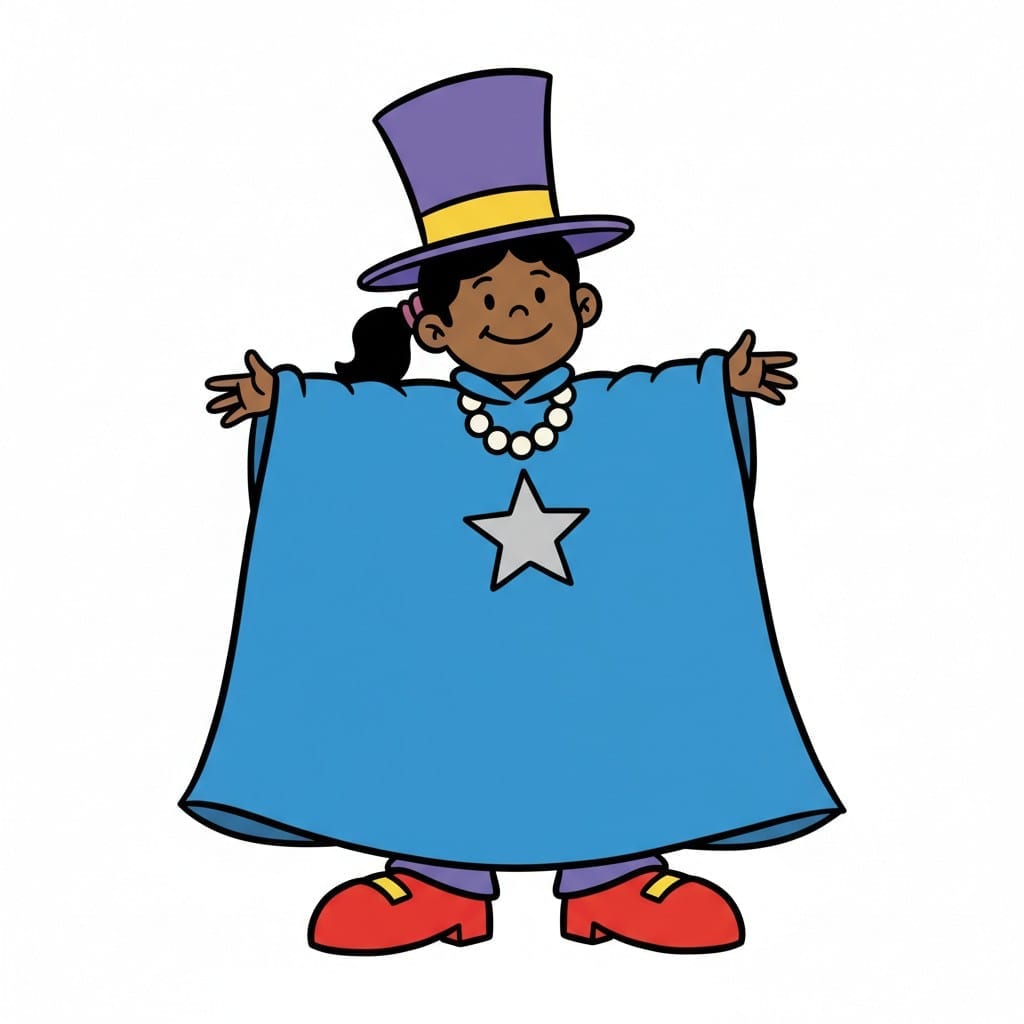 ♀
♀Dressed up in hat and cape
A girl stands in costume with a purple top hat, a blue cape with a silver star, a pearl necklace and big red shoes.
About this visual support
A costume is not mainly fabric, it is a social position. The child who puts on the pirate eyepatch is announcing who they want to be right now, and every audience — the birthday party, preschool, grandparents — comes with a verdict in their eyes. Plenty of children want to dress up at home but freeze in the hallway when they realise the neighbours might see.
Visual support does not remove that exposure, but it makes the process digestible by splitting it. The cards first show choosing the character, then putting on the costume, then looking in the mirror, and only at the end the decision to walk out wearing it. Between each step the child can pause and change their mind without the whole game collapsing. It becomes obvious that you can be a princess in the bedroom without also having to be a princess in the lift.
A tip that helps: give the mirror moment its own card. Your child knows there will be a quiet stretch to look at themselves before any audience joins. The sequence can live in Routined so the same path is ready next time a costume party comes around — fourteen days free to try.
Use this image in a schedule
Build your own visual schedule with this image and download it as a print-ready PDF. Completely free.

More similar visual supports
Role play
A child runs with a wooden sword and a shield, with a toy dragon and a tower bes...
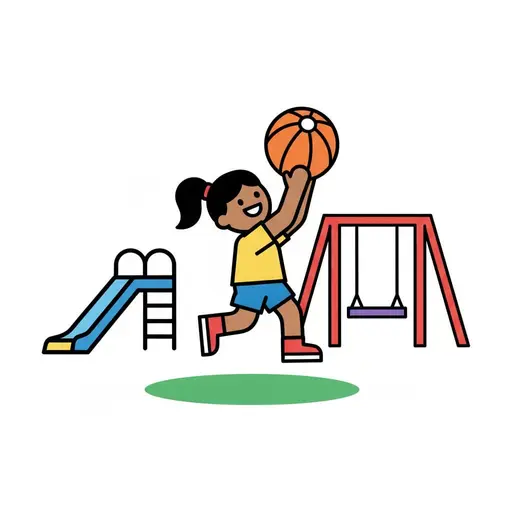
Active play
A girl jumps with a basketball in a playground with a slide and swings.

Activities
A child surrounded by icons for a book, paint palette, ball and building block.

Activity
Inside a dashed circle a girl runs along holding a paintbrush in one hand and a ...
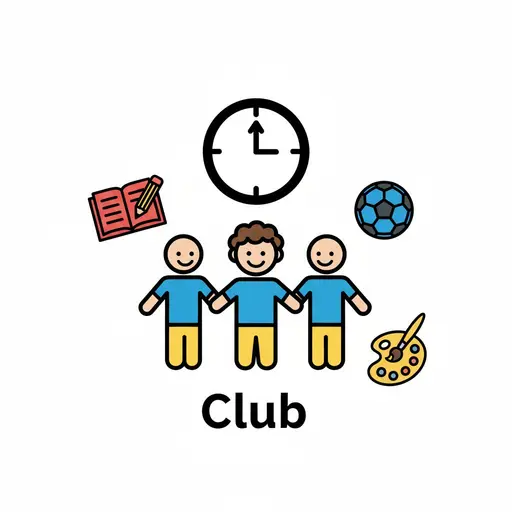
After school club
A symbolic image of an after school club with three people, a clock, a book, a s...
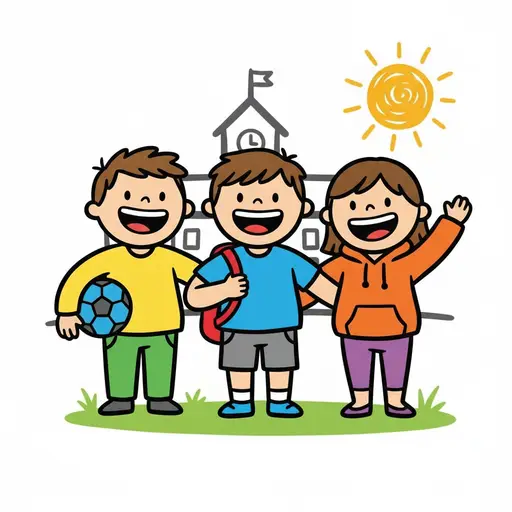
After school friends
Two boys and a girl, all smiling, one boy holding a soccer ball, in front of a s...
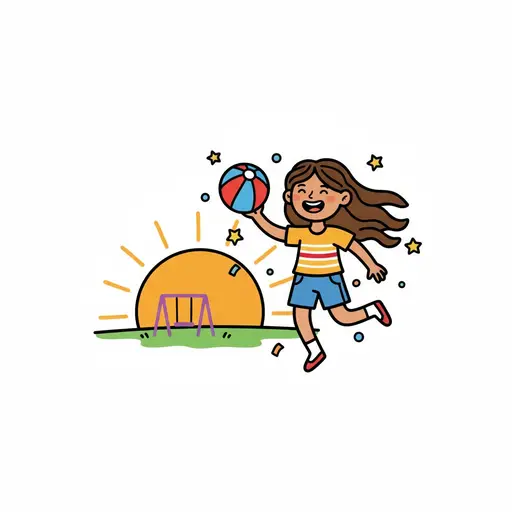
Afternoon playtime
A happy girl runs and plays with a ball outdoors in front of a playground.

Beach
A beach with an umbrella, beach ball and flip-flops by blue sea and sun.
Take the visual supports with you
In Routined you build schedules from these pictures, add timers and voice instructions, and your child follows the day on their own.


* 14-day free trial included for new users.