Bus
A bus doesn't adjust to a child — the sounds, the strangers, the stops and schedules follow their own rhythm. For many children, that loss of control is the hard part, not the bus itself. The visual support below makes the trip predictable in advance.
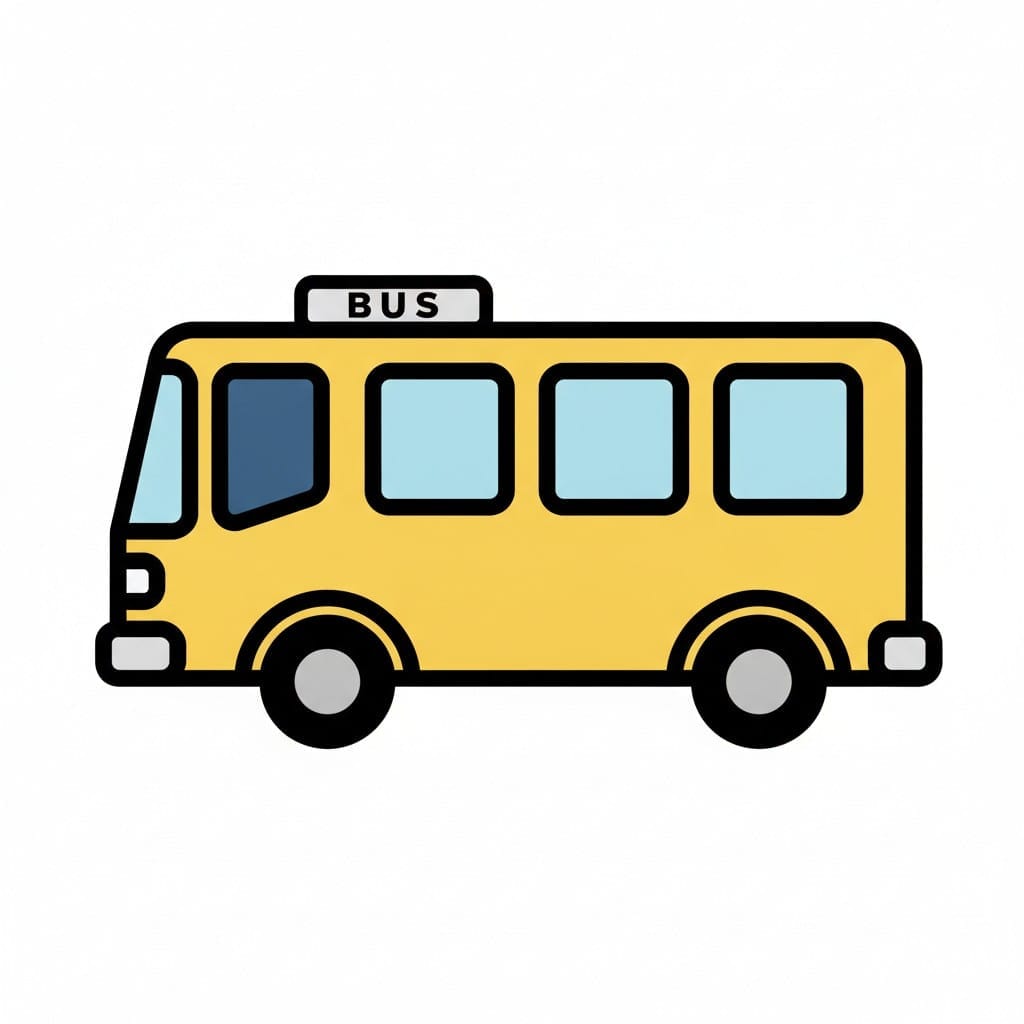
Yellow bus
A yellow bus seen from the side, with pale blue windows and a destination sign on the roof.
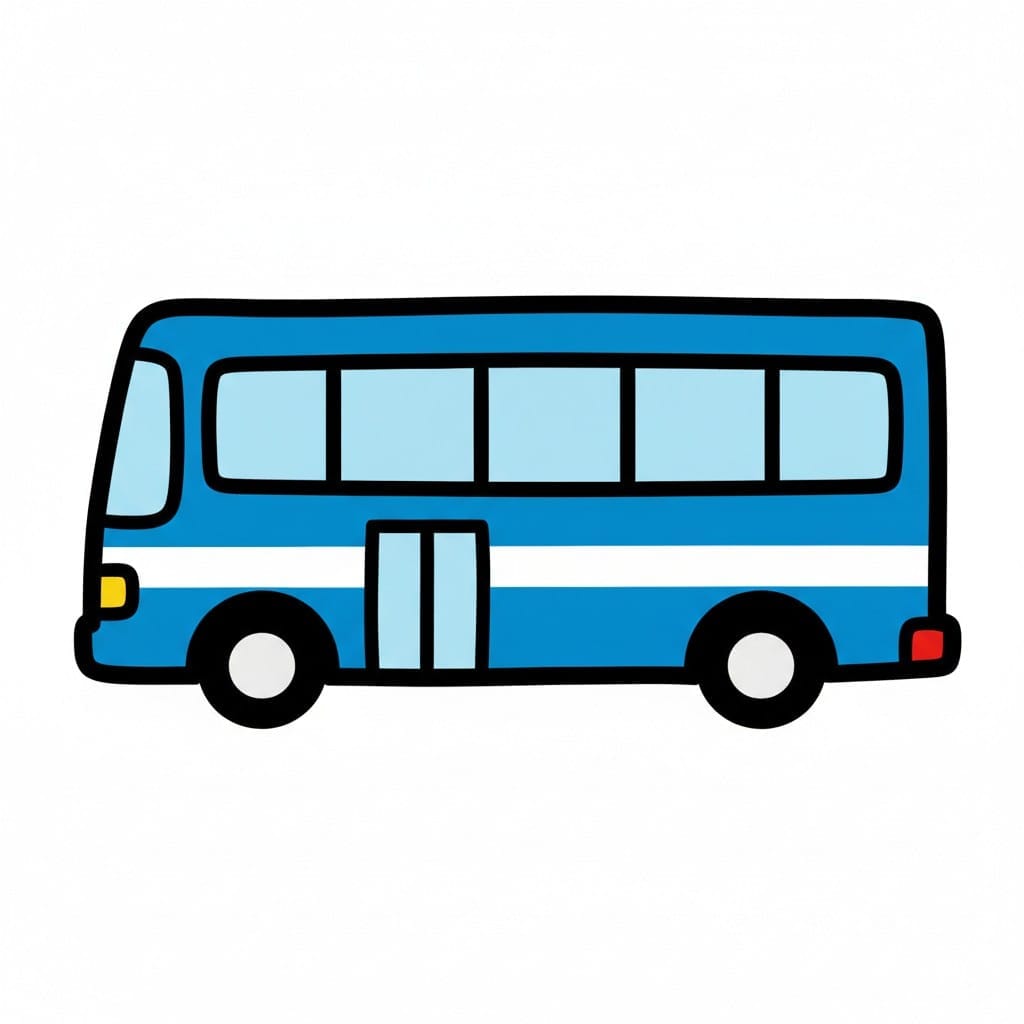
Bus
A cartoon illustration of a blue bus with white stripes and black windows.
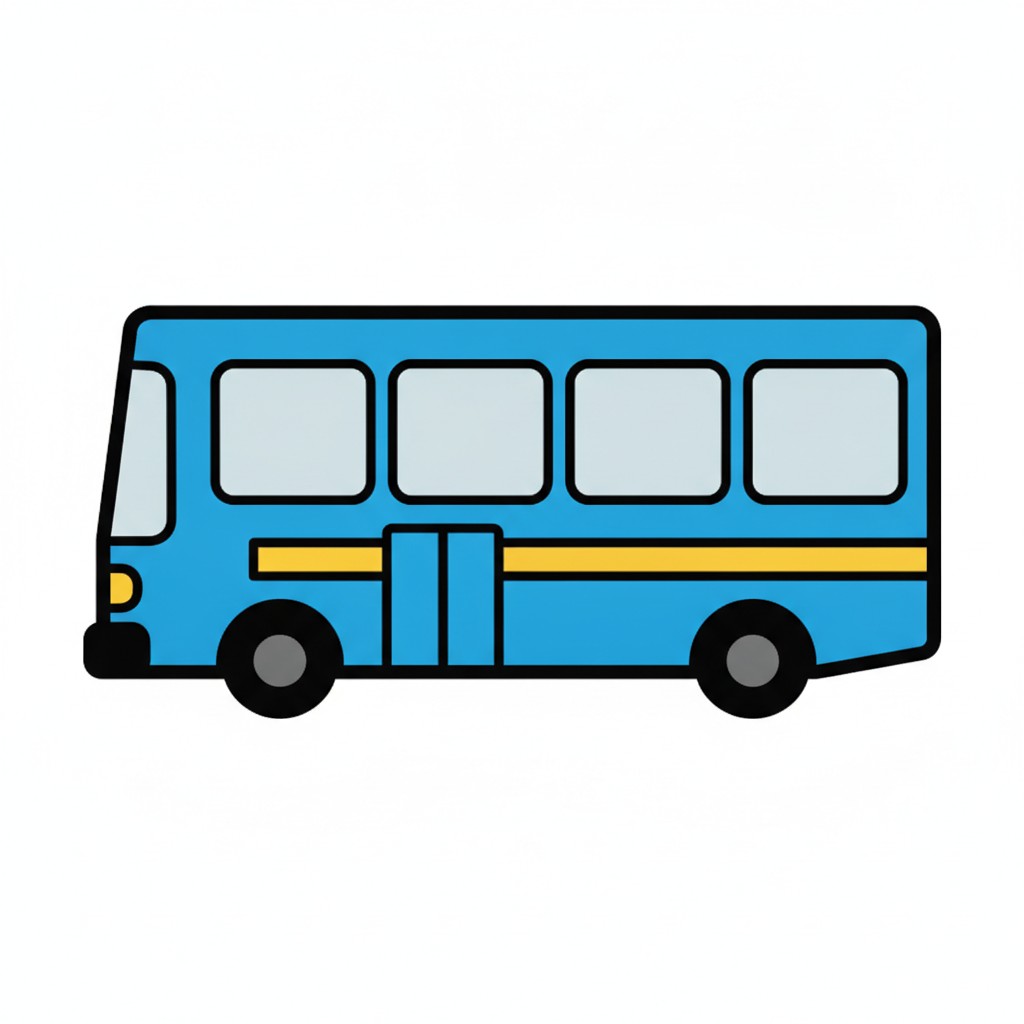
Blue bus
A blue city bus with a yellow stripe.
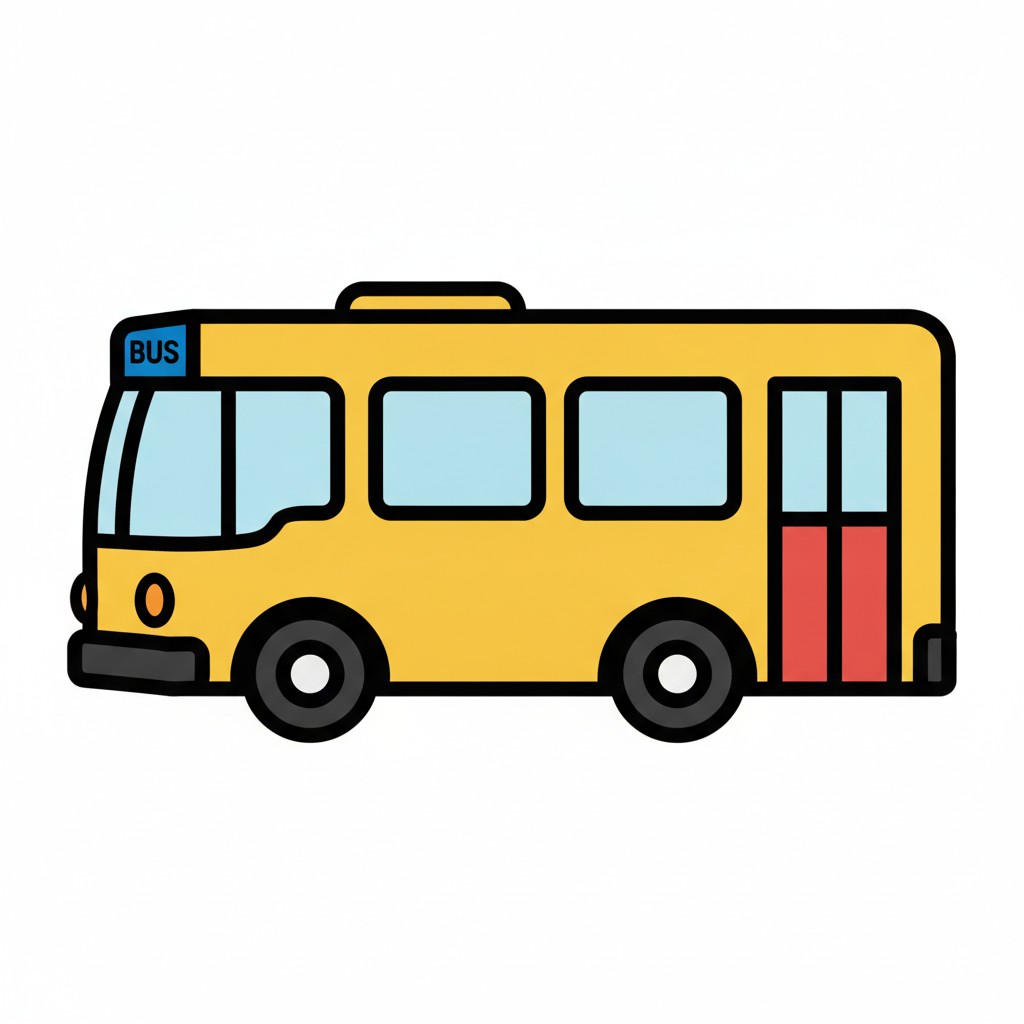
Yellow bus
A yellow bus with red doors.
About this visual support
A bus is an environment that doesn't bend to the child. The noise, strangers sitting close, the engine, doors opening at unexpected times, stop names over the loudspeaker — all of it unfolds at its own pace, regardless of how the child feels right then. For many children, the absence of control is what hurts most, not the bus itself.
Visual support cannot make the bus quieter, but it can make the trip predictable in advance. When the child knows that walk to the stop, wait, show the card, sit down, look out until mum says, get off is laid out as a plan, several of the unknown variables disappear. The trip becomes a sequence instead of a surprise.
A tip: keep a small calm box with a few specific items — headphones, a worn-in toy, a short book — that travel only on bus rides. It anchors the unpredictable sounds to something familiar.
If you want to plan the whole journey digitally, the Routined app lets you combine visual support with a timeline and let your child tick off each step. You can try Routined for 14 days at no cost.
Use this image in a schedule
Build your own visual schedule with this image and download it as a print-ready PDF. Completely free.

More similar visual supports
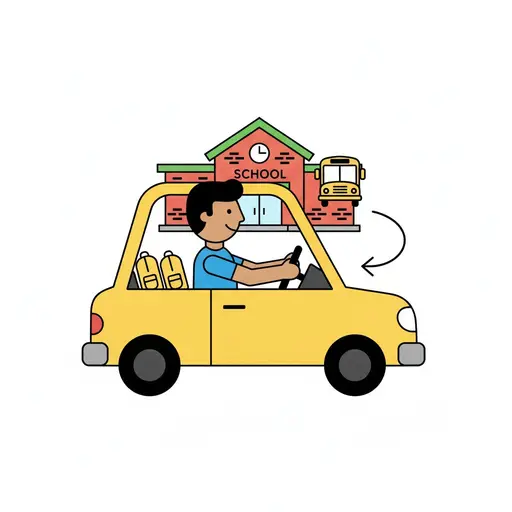
Drive to school
A person drives a yellow car with backpacks in the back seat up to the school.
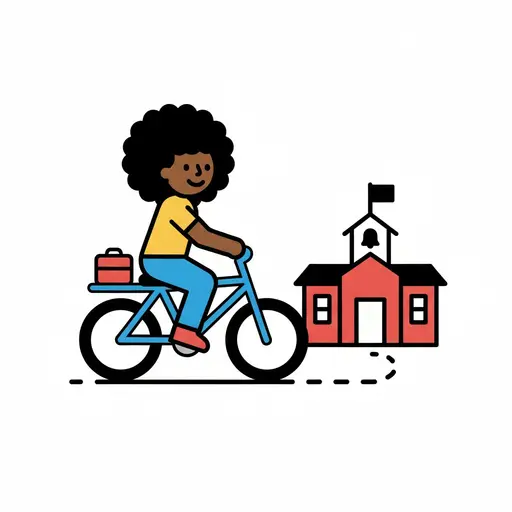
Bike to school
A girl in a yellow top pedals a blue bike with a red bag on the rear rack toward...
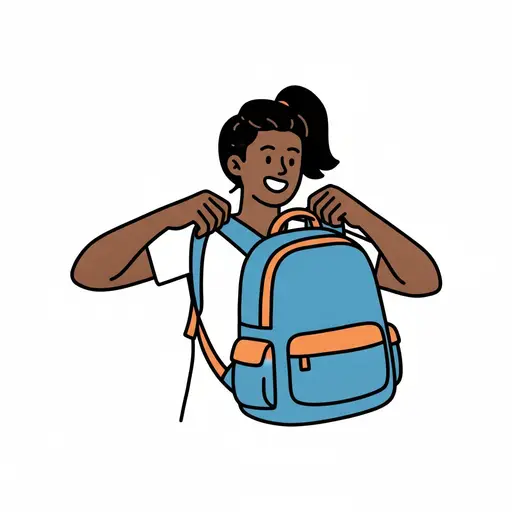
Pick up backpack
A girl lifts a blue backpack by its shoulder straps.
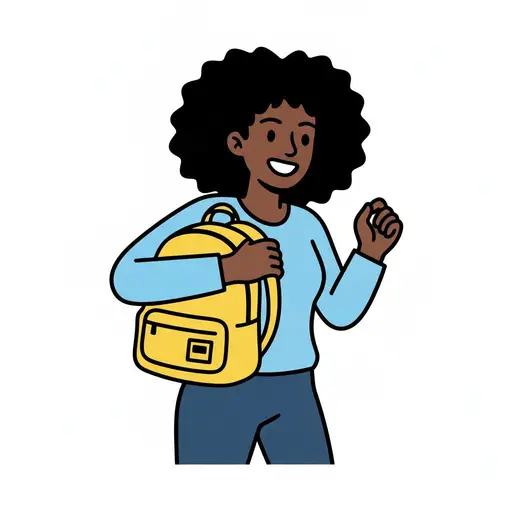
Bring backpack
A smiling girl in a blue top swings a yellow backpack onto her shoulder as she s...
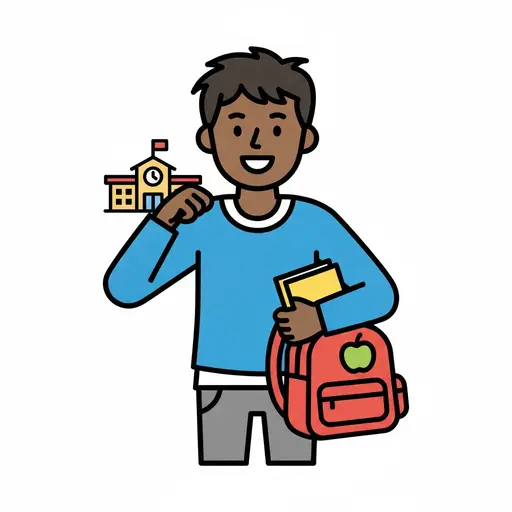
Choose school clothes
A boy with a backpack and a book stands by a school symbol.
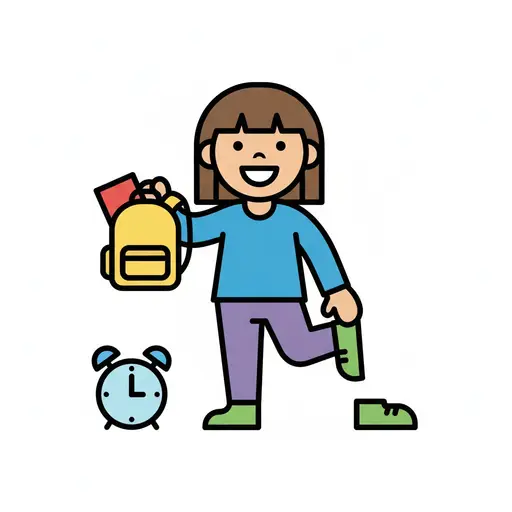
Get ready for school
A girl holds her backpack and puts on a shoe next to an alarm clock.
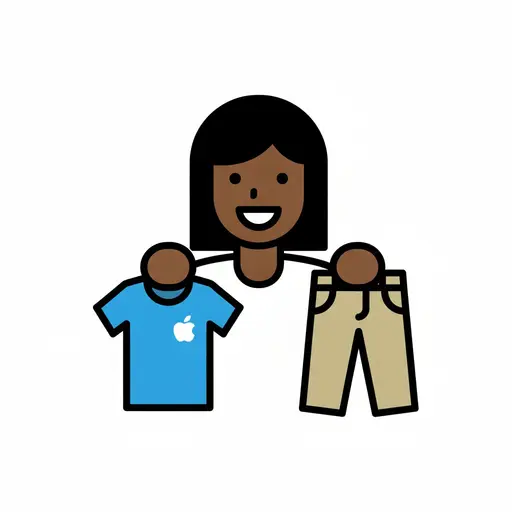
Get school clothes
A girl holds up a blue t-shirt and a pair of trousers for the school day.
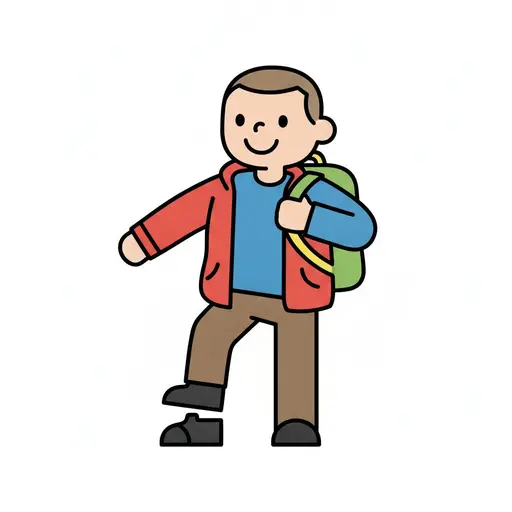
Put on jacket and backpack
A boy wearing a jacket and backpack takes a step.
Take the visual supports with you
In Routined you build schedules from these pictures, add timers and voice instructions, and your child follows the day on their own.


* 14-day free trial, then $2.39 a month or $20.99 a year (US pricing). Cancel anytime.