Get dressed yourself
There are a few seconds when your child cannot see anything at all: the shirt is over the face and the arms are searching for the sleeves. The visual support below maps each step so that blind moment feels short and known.
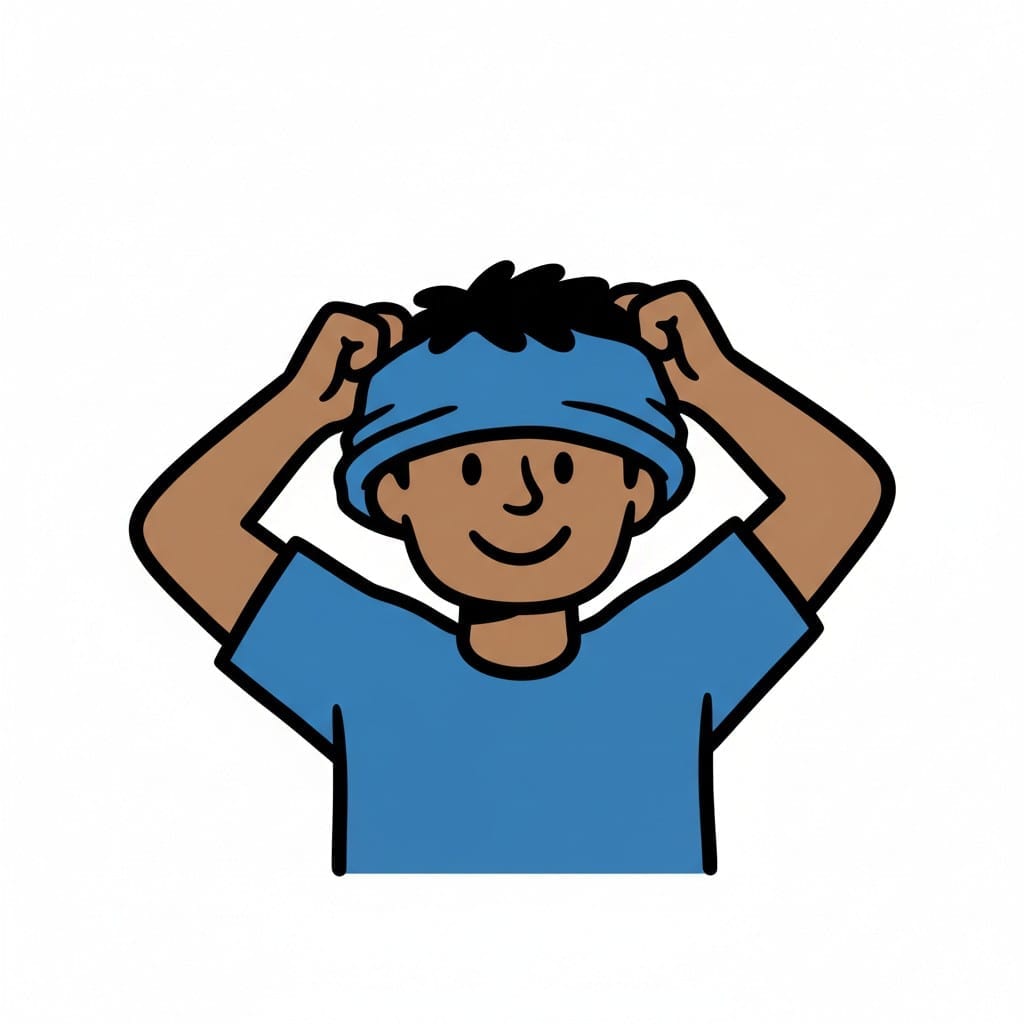 ♂
♂Pulling shirt on
A smiling boy pulling a blue t-shirt over his head with both hands.
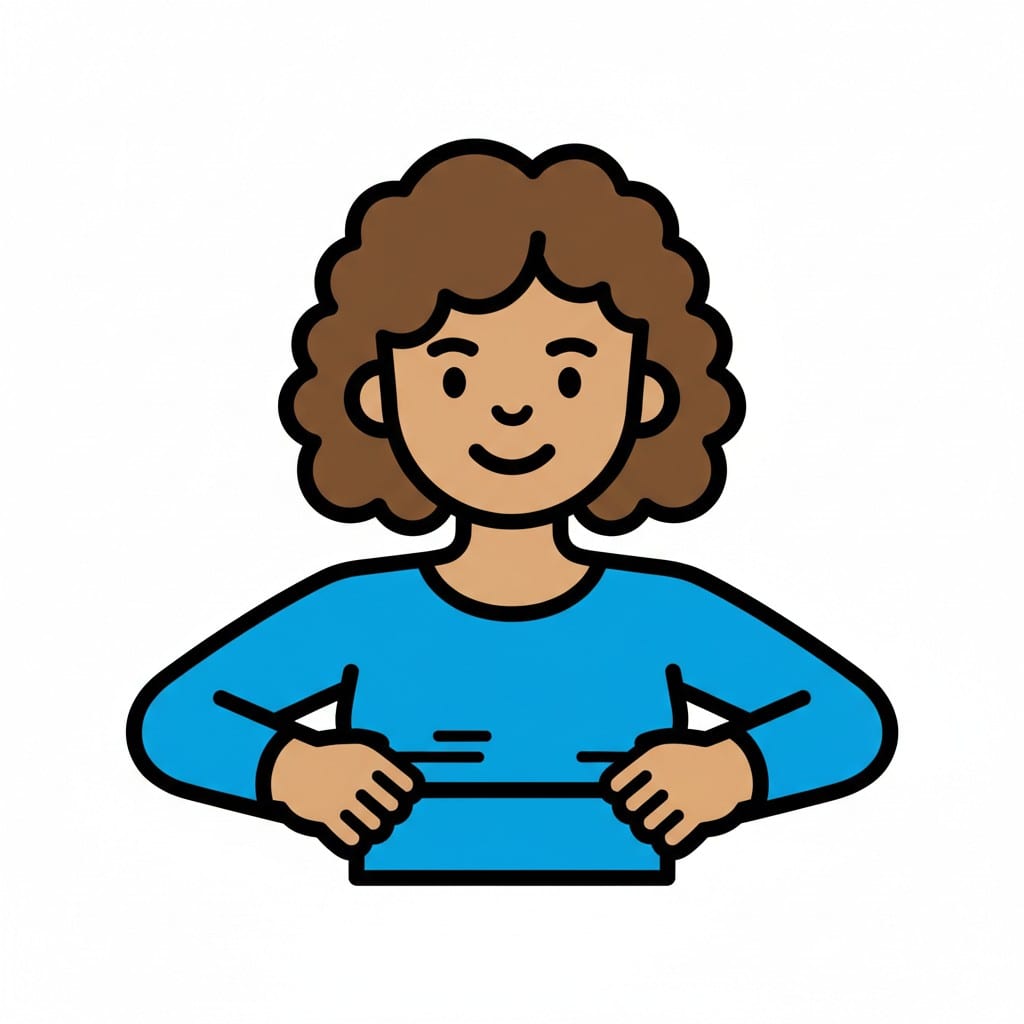 ♀
♀Get dressed
A girl pulls a blue shirt over her head while getting dressed.
About this visual support
The seconds when the shirt slides over the face are the most fragile part of getting dressed. Your child cannot see, the hands are searching for sleeves, and the whole body relies on the head appearing on the other side soon. A snagged seam at that moment is enough to derail a tired morning.
Pictures turn that blind moment into one labelled step among several. The child knows that shirt-over-head is followed by arm-through-sleeve, and after that the room comes back. That predictability lets the body relax during the brief seconds of darkness, which matters especially for children with tactile sensitivity around the face.
A concrete tip: lay the shirt out with the back facing up and the neck opening pointing toward the child. The fabric then falls right in the first motion and the no-sight window stays short. If you want to chain the whole morning into one visual sequence with shirt, trousers and socks in order, you can build it in Routined and let the child follow the pictures.
Use this image in a schedule
Build your own visual schedule with this image and download it as a print-ready PDF. Completely free.

More similar visual supports
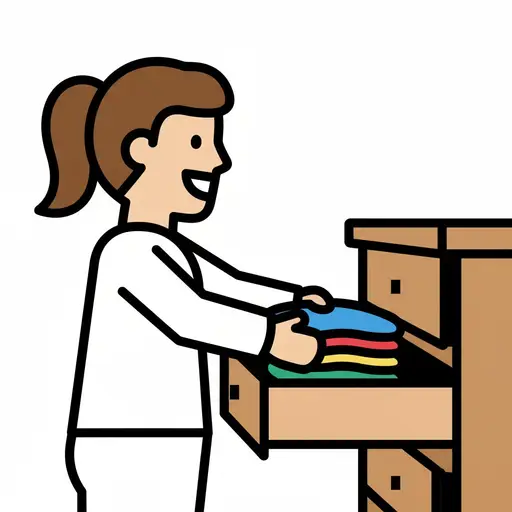
Get out clothes
A smiling woman takes folded clothes out of a dresser drawer.
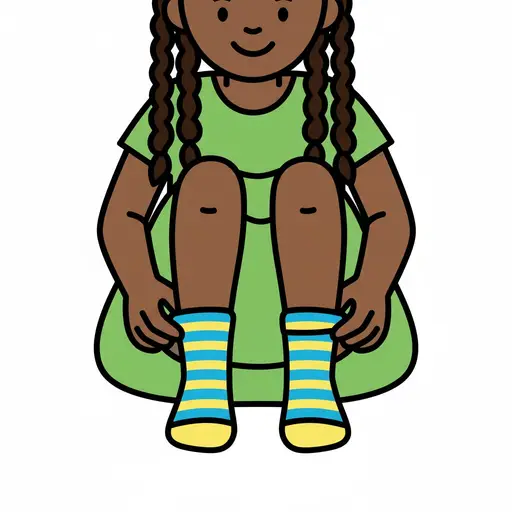
Pull on socks
A girl is sitting down and putting on a pair of striped socks.
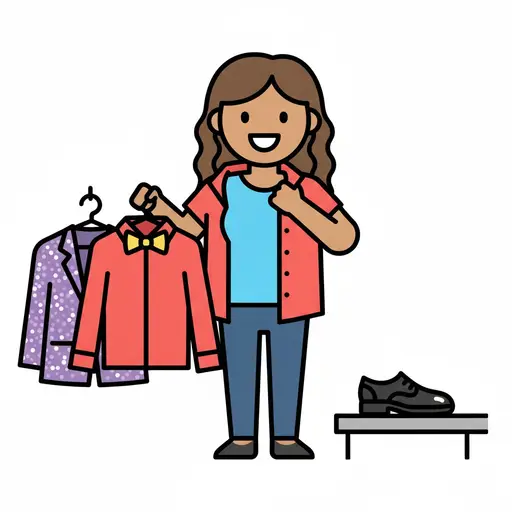
Put on clean clothes
A woman pulls on a red jacket with smart clothes and shoes nearby.
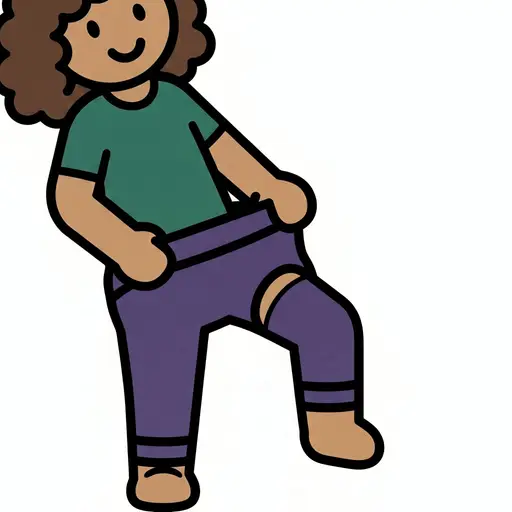
Put on leggings
A smiling person putting on purple leggings.
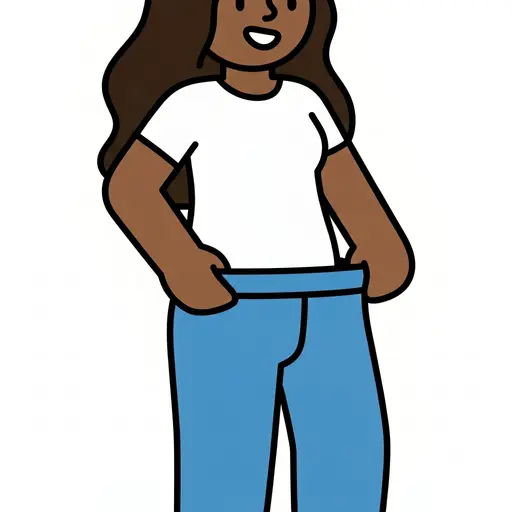
Put on pants
A child pulls a pair of blue pants up over the hips.
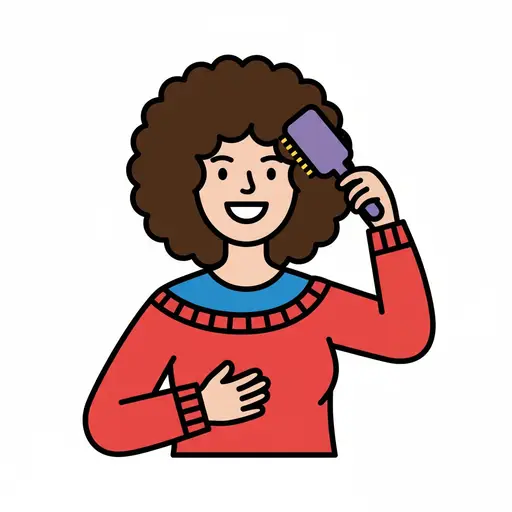
Get dressed and brush hair
A person brushes their curly hair with a purple hairbrush.

Underpants
A pair of light blue boxer briefs.
Braid your hair
Smiling person with a braid in their hair
Take the visual supports with you
In Routined you build schedules from these pictures, add timers and voice instructions, and your child follows the day on their own.


* 14-day free trial, then $2.39 a month or $20.99 a year (US pricing). Cancel anytime.