Go away
Marking a boundary calls for language, courage and timing all at once, and that very word tends to stick when it is needed most. The picture below gives the child something to point at when the voice runs out.
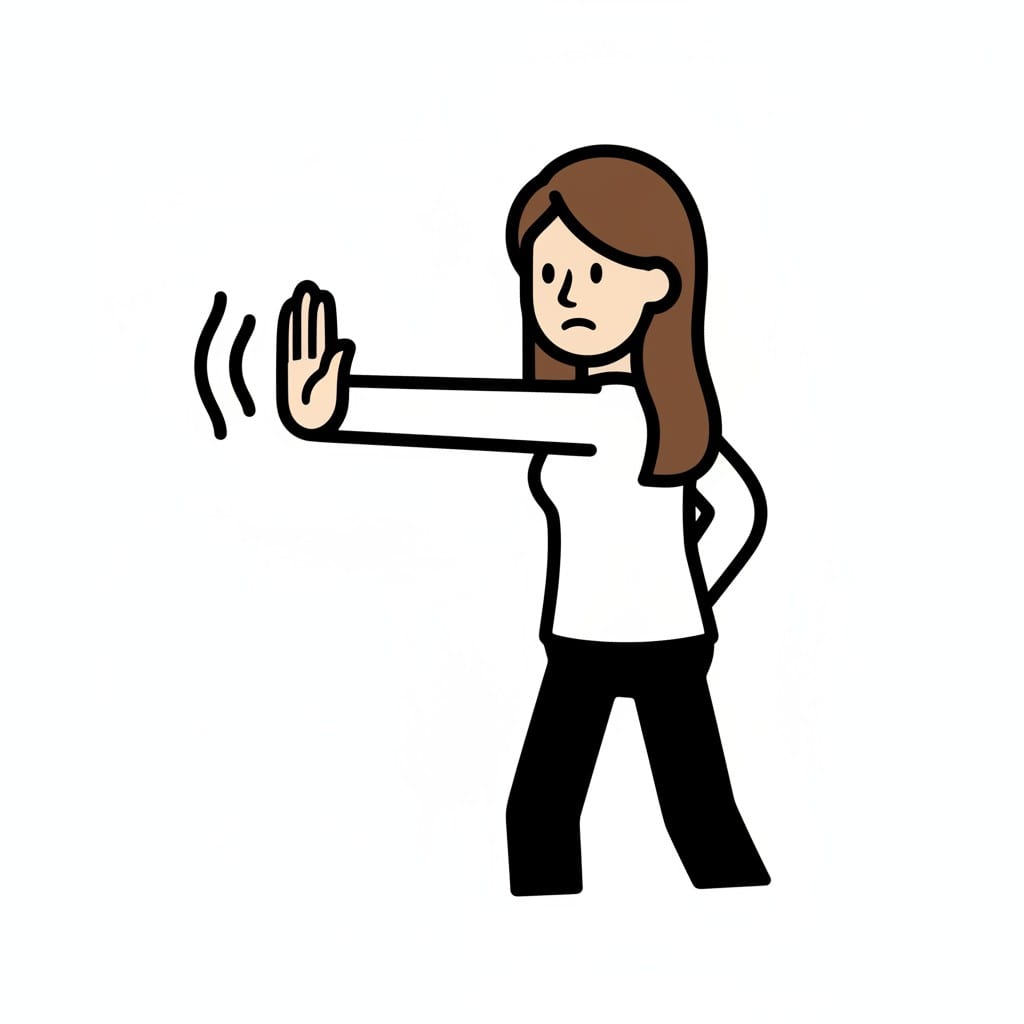 ♀
♀Stop
A woman holds up her hand in a stop gesture.
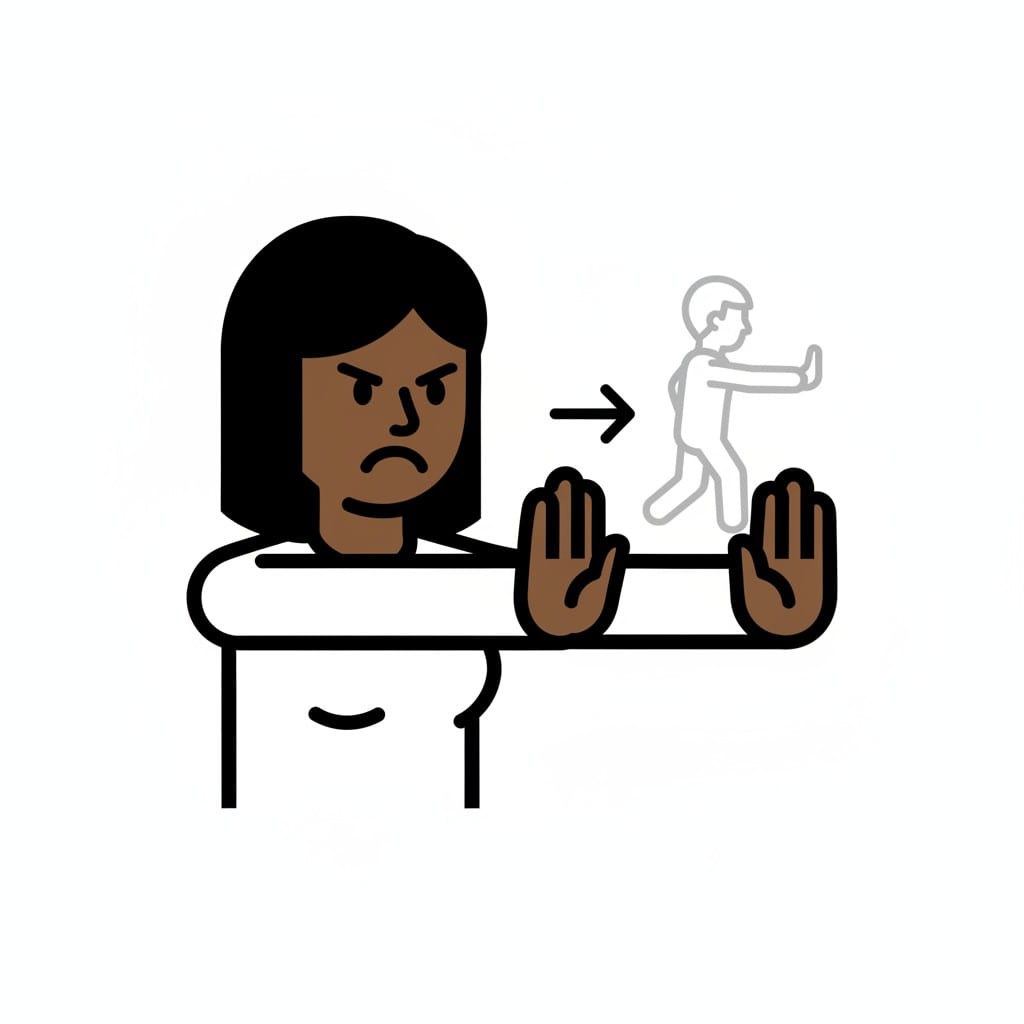 ♀
♀Person goes away
A woman with a concerned expression holds up her hands. A silhouette of a person walks away in the background with an arrow indicating direction.
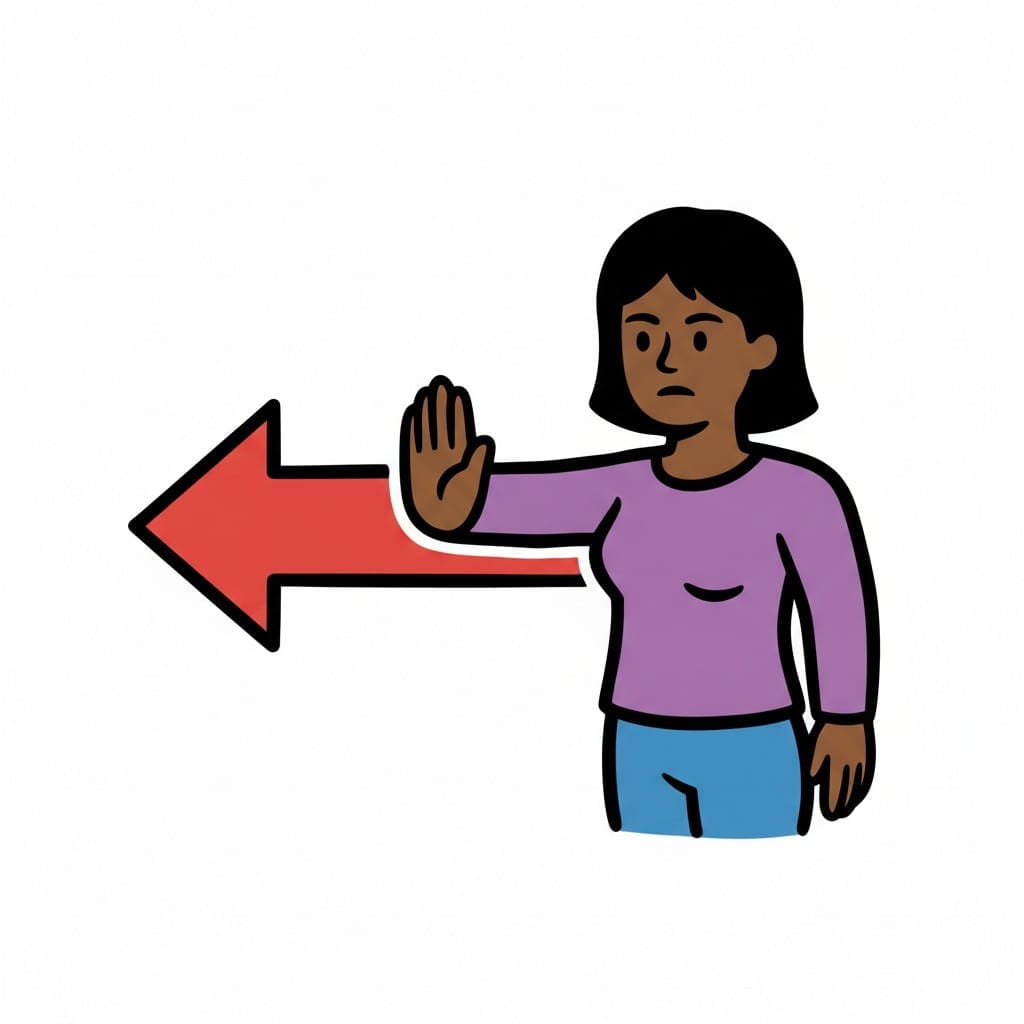 ♀
♀Go away arrow
A woman holds up her hand against a large red arrow pointing to the left, indicating to go away or in that direction.
About this visual support
The word that is needed when someone stands too close — a friend who keeps poking, a younger sibling hanging on the arm, an unknown child at the playground — is almost always short. And yet it tends to be exactly that short word that does not come out, because the situation is already charged and the brain is busy reading what is happening.
A picture that lives in the same place every time gives an alternative: point instead of hunting for the word. Being able to show a picture that means go away or stop now lowers the threshold for marking a limit, because the hand is faster than the sentence in a body that has already started to pull back. The picture also gives a clearer yes or no for the other side to read, which is often what actually breaks an over-stepping situation.
A concrete tip: practise the word and the picture in calm moments, so the two belong together before they are needed for real. Play a round where you pretend a soft-toy friend comes too close and the child gets to show the picture — then it becomes a tool, not a surprise. To gather boundary pictures alongside the rest of the child's visual support, Routined can be tried free for fourteen days.
Use this image in a schedule
Build your own visual schedule with this image and download it as a print-ready PDF. Completely free.
More similar visual supports
Get out
A woman with curly hair pushes a blue door open and steps out through the doorwa...
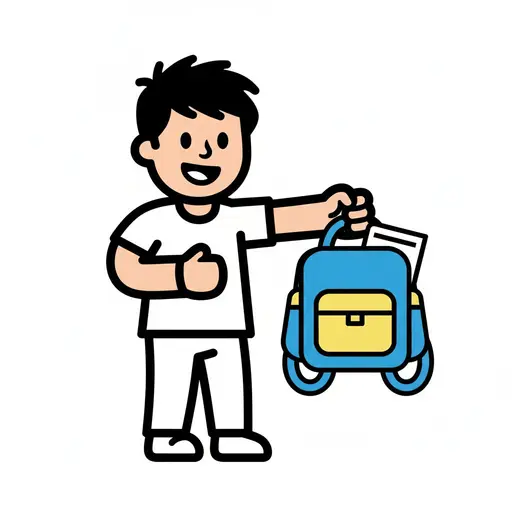
Bring school bag
Illustration of a boy holding a blue and yellow school bag.
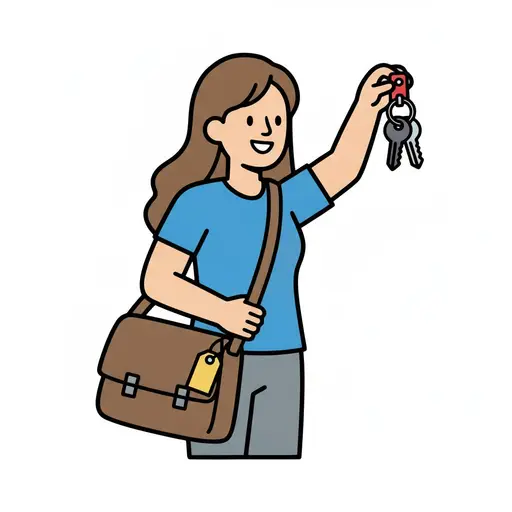
Bring keys
A woman with a shoulder bag holds up a bunch of keys.
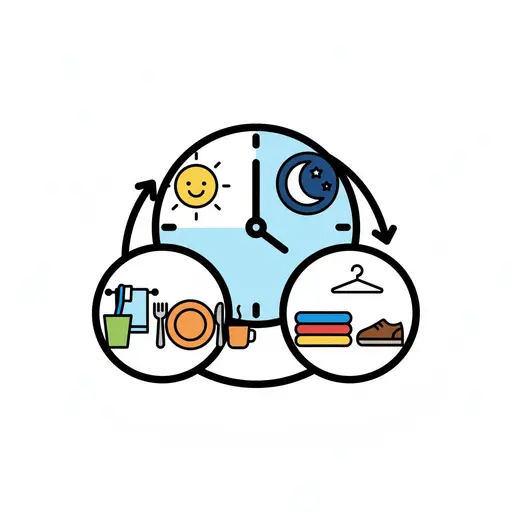
Daily routines
Illustration of a daily routine showing a clock with sun and moon, and symbols f...
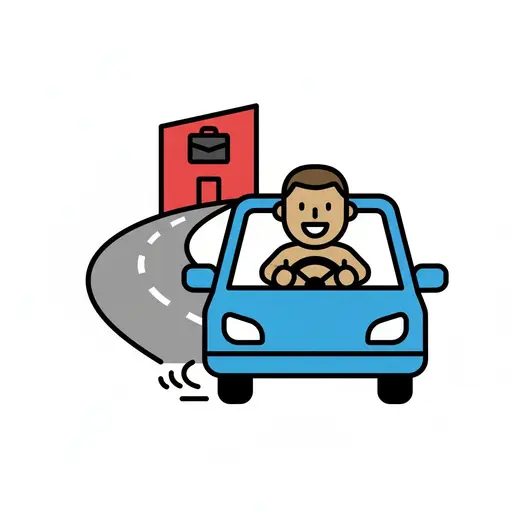
Drive to work
A smiling man driving a blue car along a road that leads to a building marked wi...
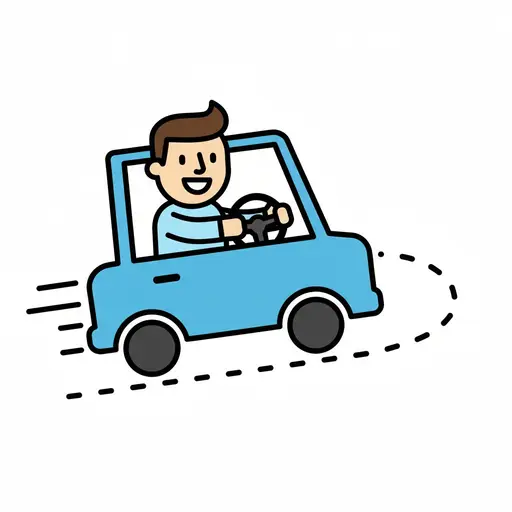
Dad drives
A person is driving a blue car with a steering wheel in their hands. The car has...
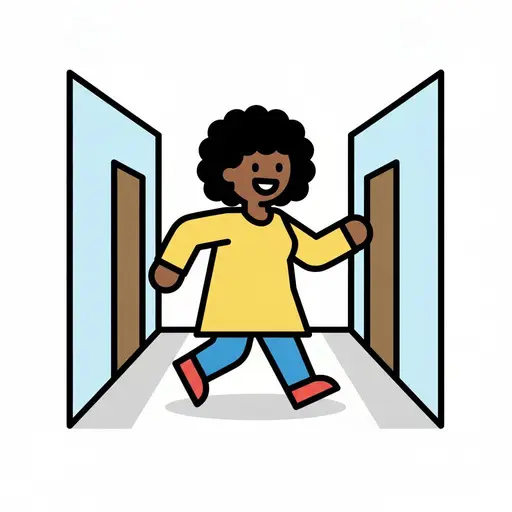
Walk in the hallway
A child walks down a hallway between two open doors.
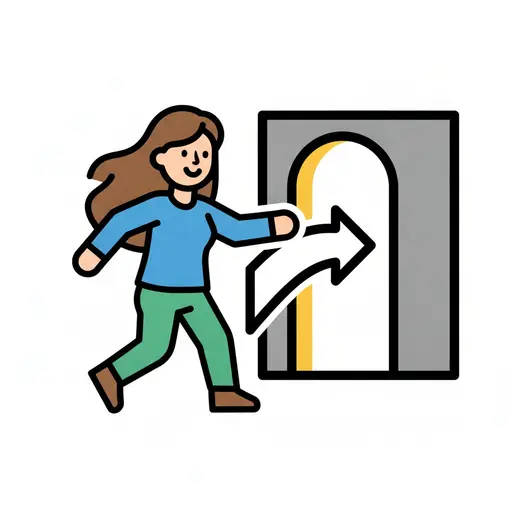
Go to the hallway
A person walks towards an opening with an arrow showing the direction.
This visual support in other languages
Take the visual supports with you
In Routined you build schedules from these pictures, add timers and voice instructions, and your child follows the day on their own.


* 14-day free trial, then $2.39 a month or $20.99 a year (US pricing). Cancel anytime.