Outerwear
Gloves often go on first because they are the fun part, and then the jacket will not follow. With a visible order, getting dressed becomes a sequence instead of a struggle. The visual support below shows the turn order.
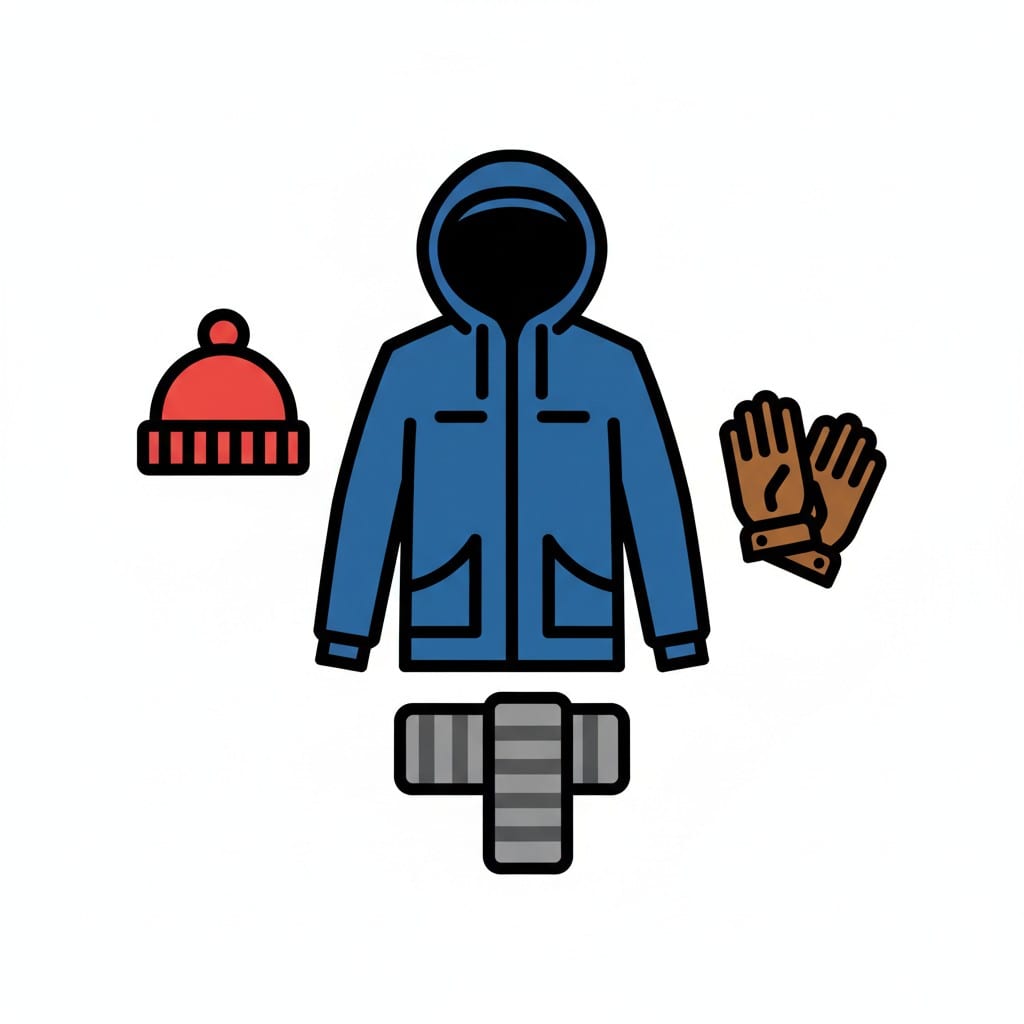
Outerwear
A blue winter jacket, a red beanie, brown gloves, and a grey striped scarf arranged on a white background.
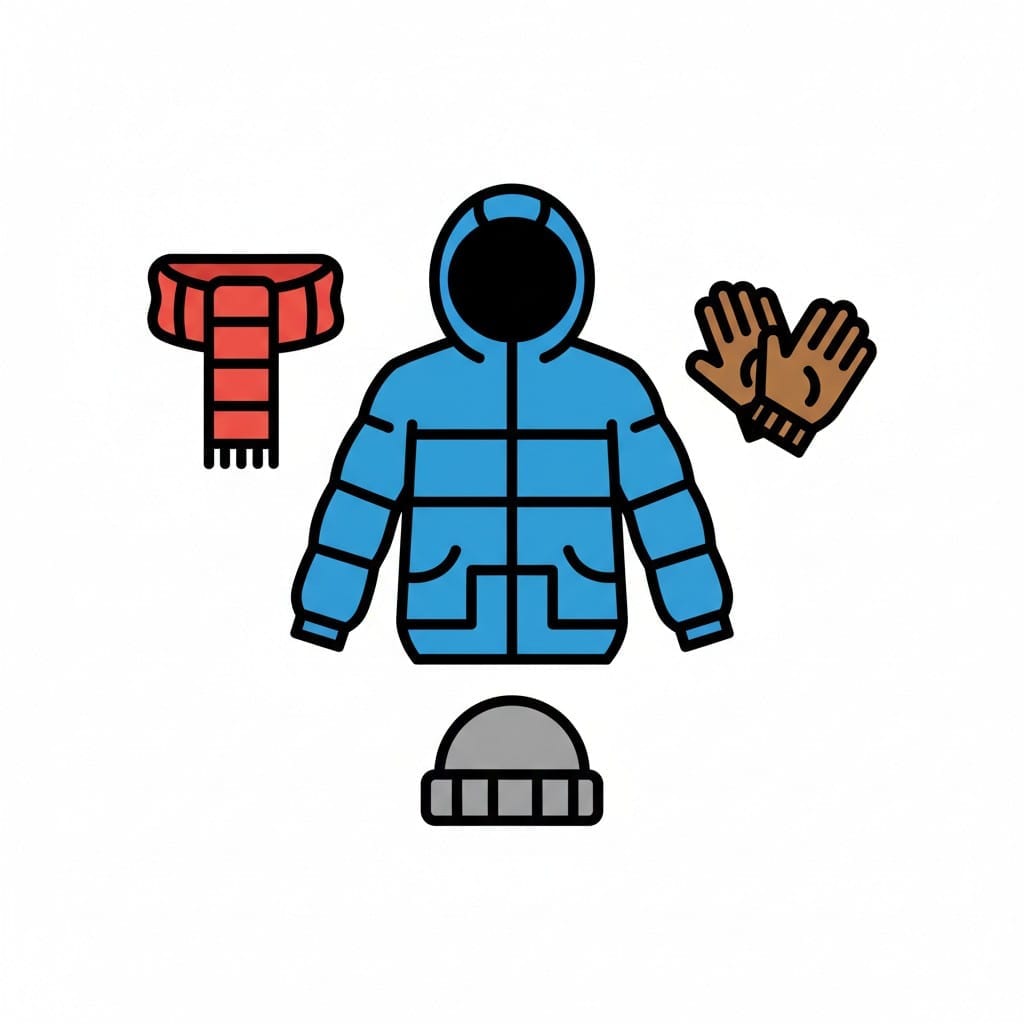
Outerwear
An illustration of a blue winter jacket, a red scarf, brown gloves, and a grey hat.
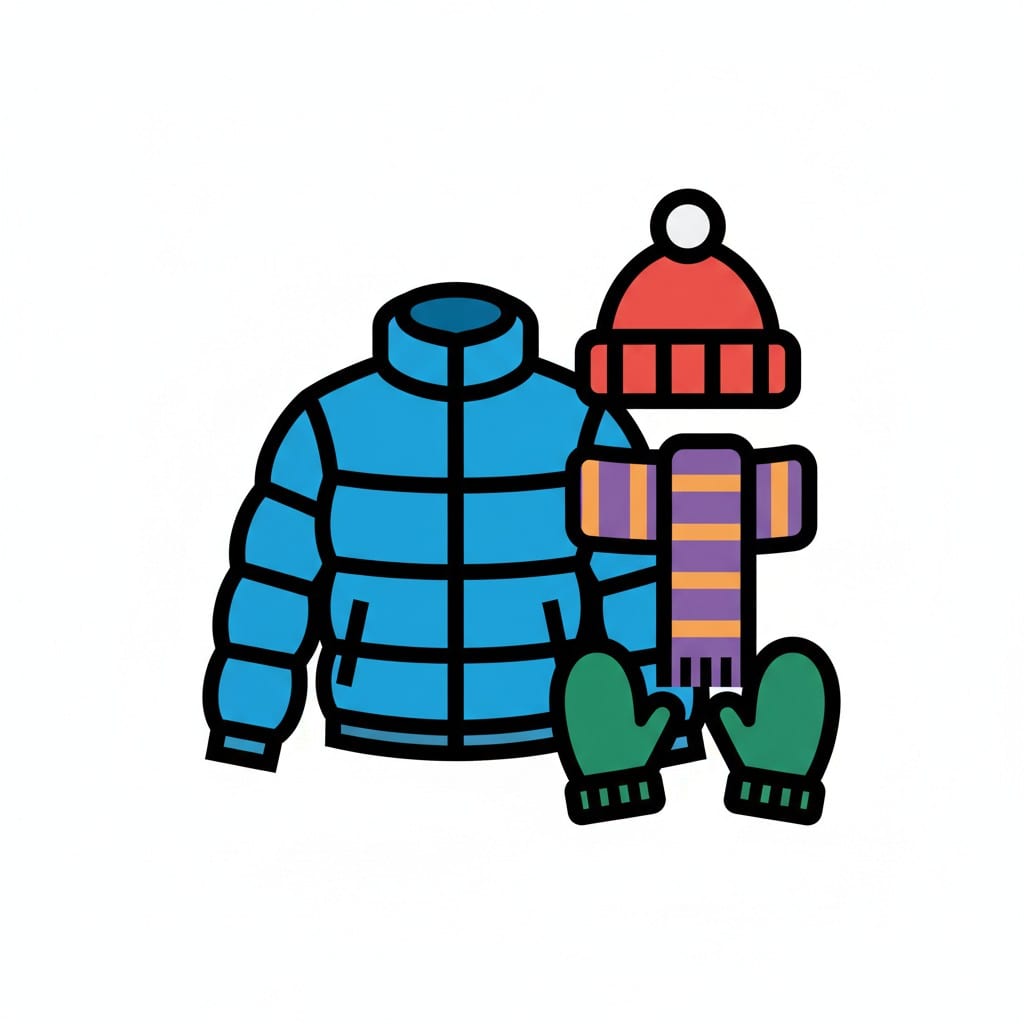
Puffer jacket, beanie, scarf and mittens
A blue puffer jacket lies beside a red beanie with a white pompom, a purple and orange striped scarf, and a pair of green mittens.
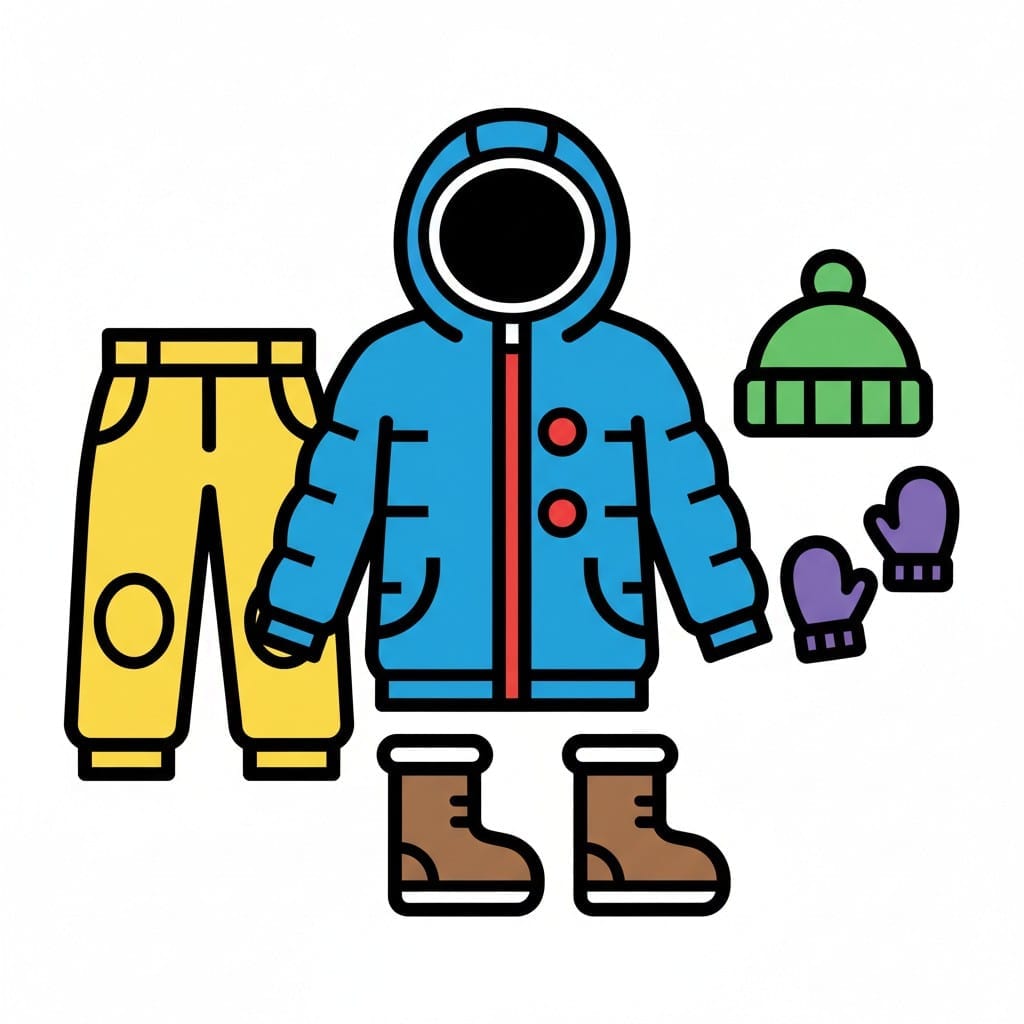
Winter outfit with jacket, pants and boots
Laid out together are a blue hooded winter jacket with a red zipper, yellow snow pants, a green beanie, purple mittens, and a pair of brown boots.
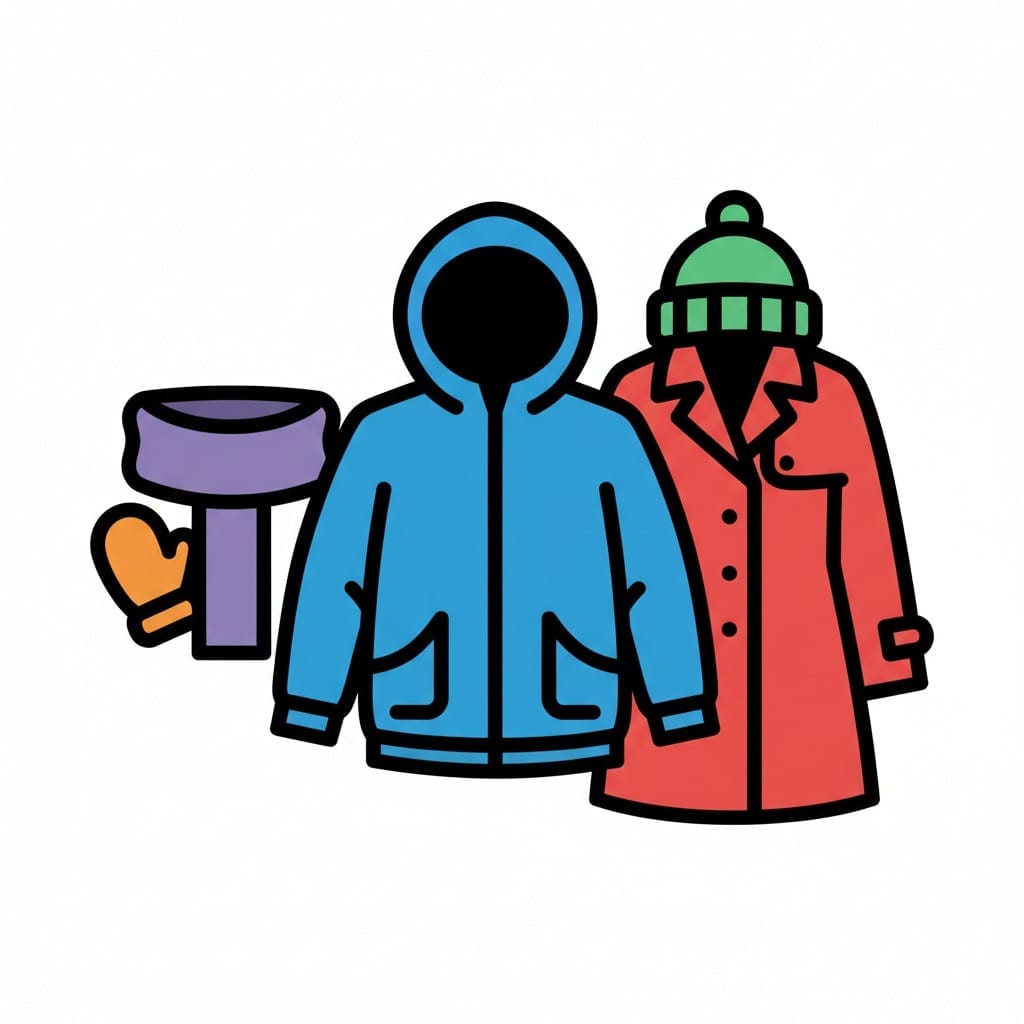
Outerwear
An illustration showing a blue hooded jacket, a red coat with a green beanie, a purple scarf, and an orange glove.
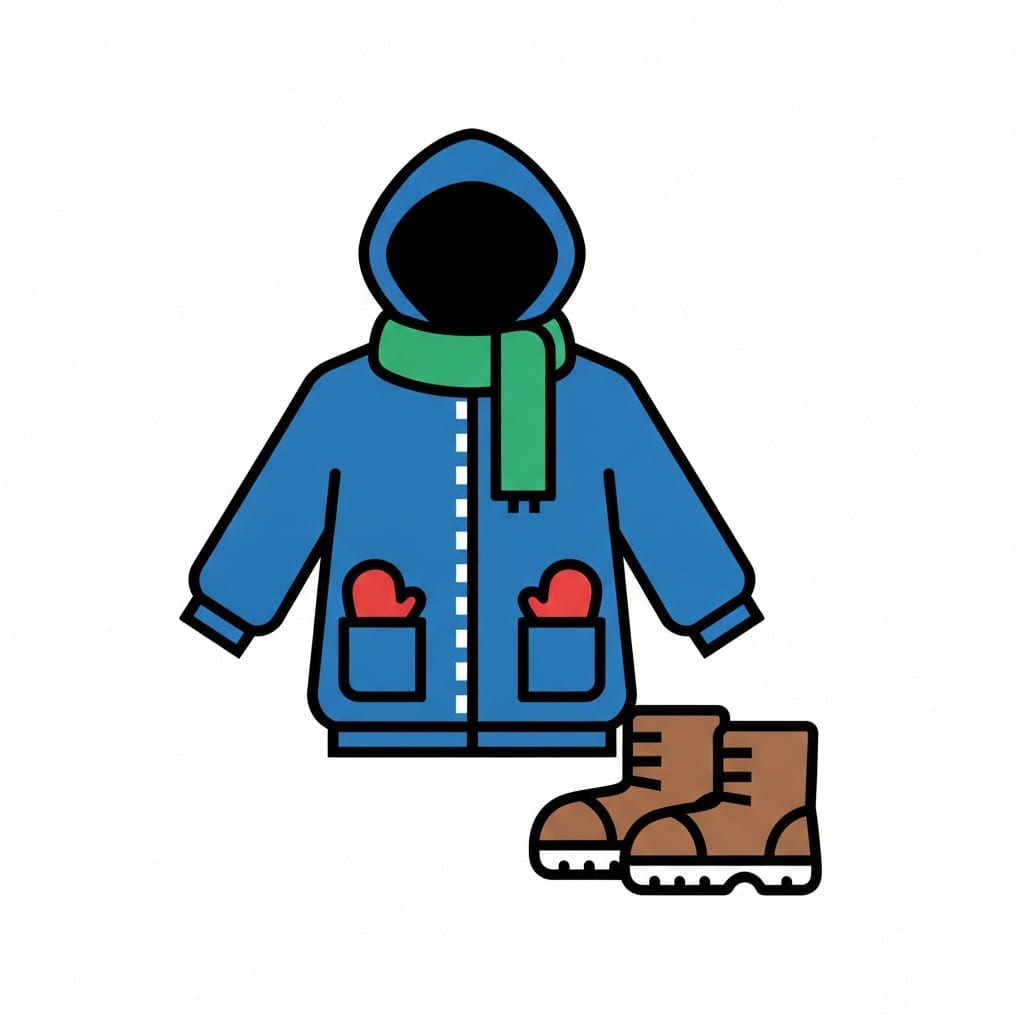
Jacket with scarf, mittens and boots
A blue hooded jacket has a green scarf around the collar and red mittens tucked into the pockets, with a pair of brown boots standing next to it.
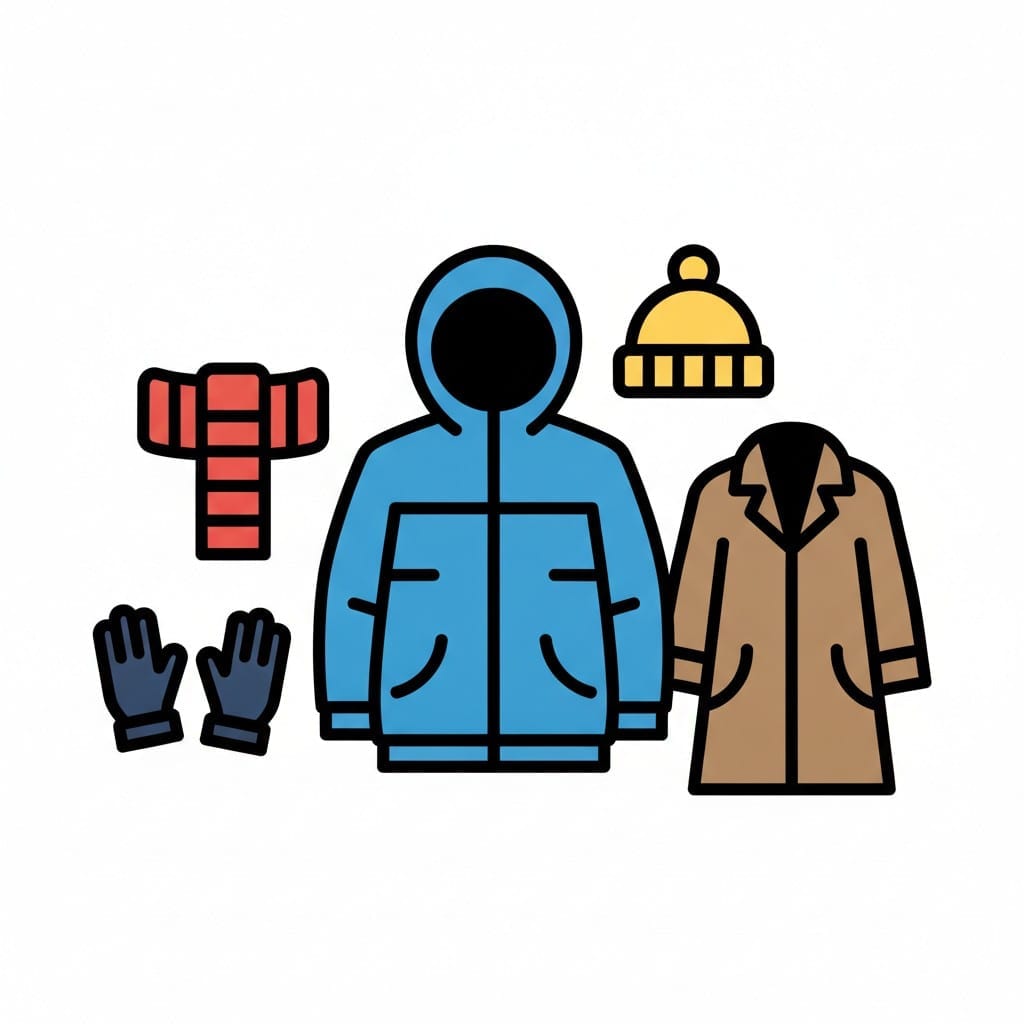
Outdoor clothes in a row
A blue hooded jacket, a beige coat, a yellow hat, a red scarf and a pair of dark gloves.
About this visual support
Outerwear asks the child to do two things at once: hold a sequence and manage rising body heat with every garment added. If you are still wrestling the scarf with the jacket already zipped, you are often already too late – the body has overheated before the door opens, and that is when resistance shows up.
A visual sequence in the right order – jacket, hat, scarf, gloves – removes the first half of the problem. The pictures give a list to follow without keeping it in mind, and show that there is an end: when the last image is checked off, you are ready to go.
A tip aimed at the heat side: place a picture of the open door right after the final garment. That makes it clear no one should be sitting dressed for long, and the way out is tied to the sequence itself.
In Routined you can build the morning routine with outerwear as a stage just before leaving, with a time reminder attached. The app starts with a 14-day free trial.
Use this image in a schedule
Build your own visual schedule with this image and download it as a print-ready PDF. Completely free.

More similar visual supports
Coat and gloves
A blue winter coat lies next to a pair of red gloves.

Dress for the weather
A thermometer between a sun and a cloud with rain and snow.
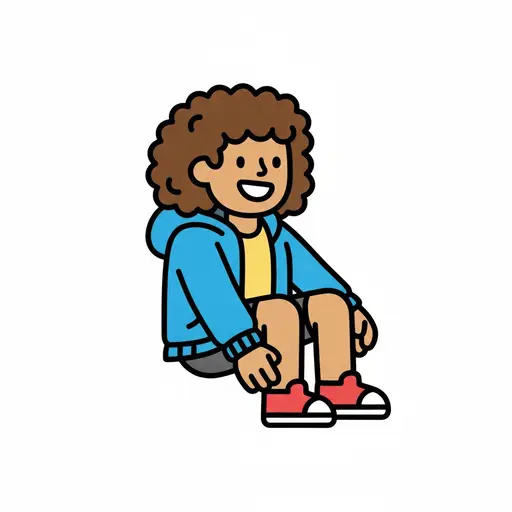
Get jacket and shoes
A girl in a blue jacket sits down to put on her red shoes.
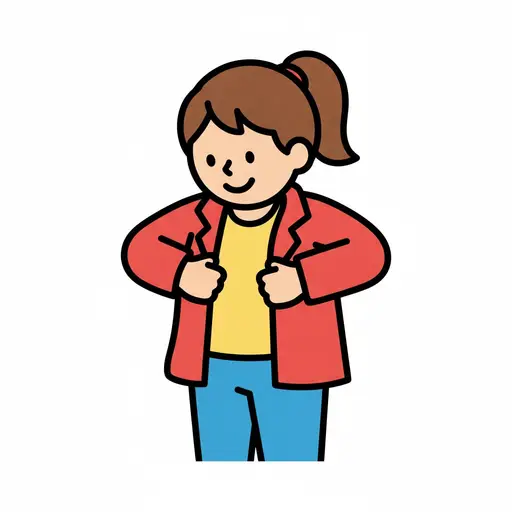
Get jacket on
A girl pulls on a red jacket.
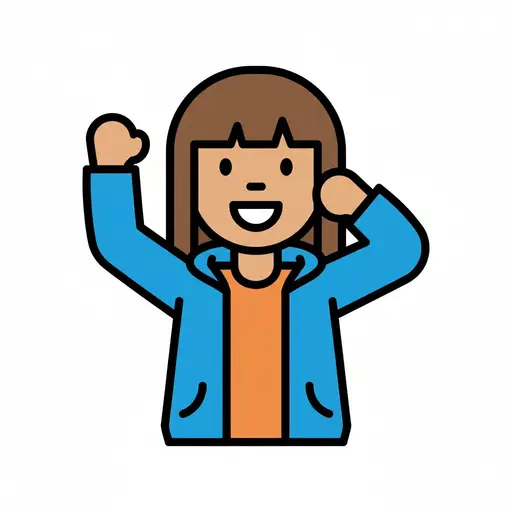
Get ready for outside
A cheerful girl wears her blue jacket over an orange top and lifts both arms in ...
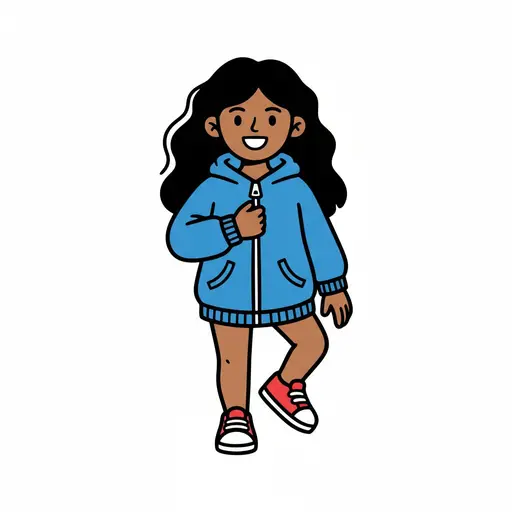
Jacket and shoes
A girl zipping up her blue jacket and wearing red shoes.
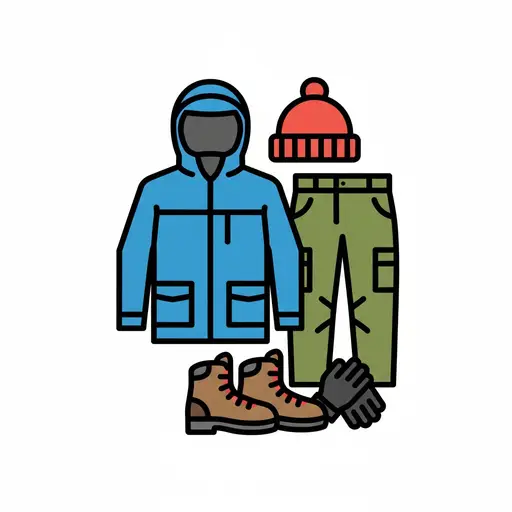
Outdoor clothes
A display of outdoor clothing with a blue hooded jacket, green trousers, a red b...
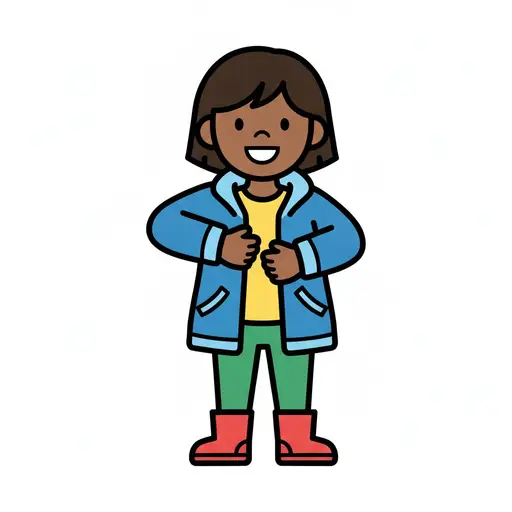
Put on outerwear
A girl wears a blue raincoat and red boots.
Take the visual supports with you
In Routined you build schedules from these pictures, add timers and voice instructions, and your child follows the day on their own.


* 14-day free trial, then $2.39 a month or $20.99 a year (US pricing). Cancel anytime.