Pack bag
Mornings count minutes, and voices tend to rise. A visual support gives the child a calm reference for the eye, not the ear. The pictures below walk through the whole bag in a single row of steps.
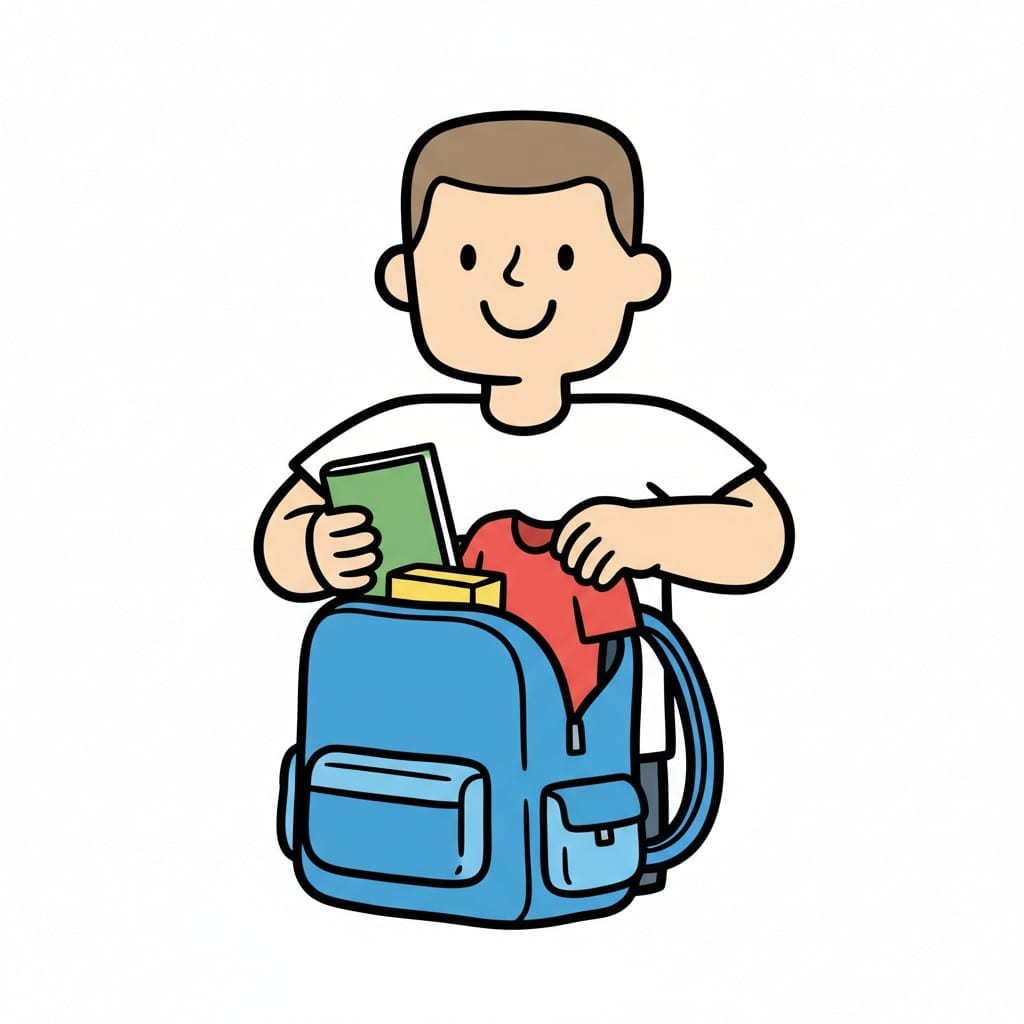 ♂
♂Pack backpack
A person stands and packs a blue backpack with a book and a shirt.
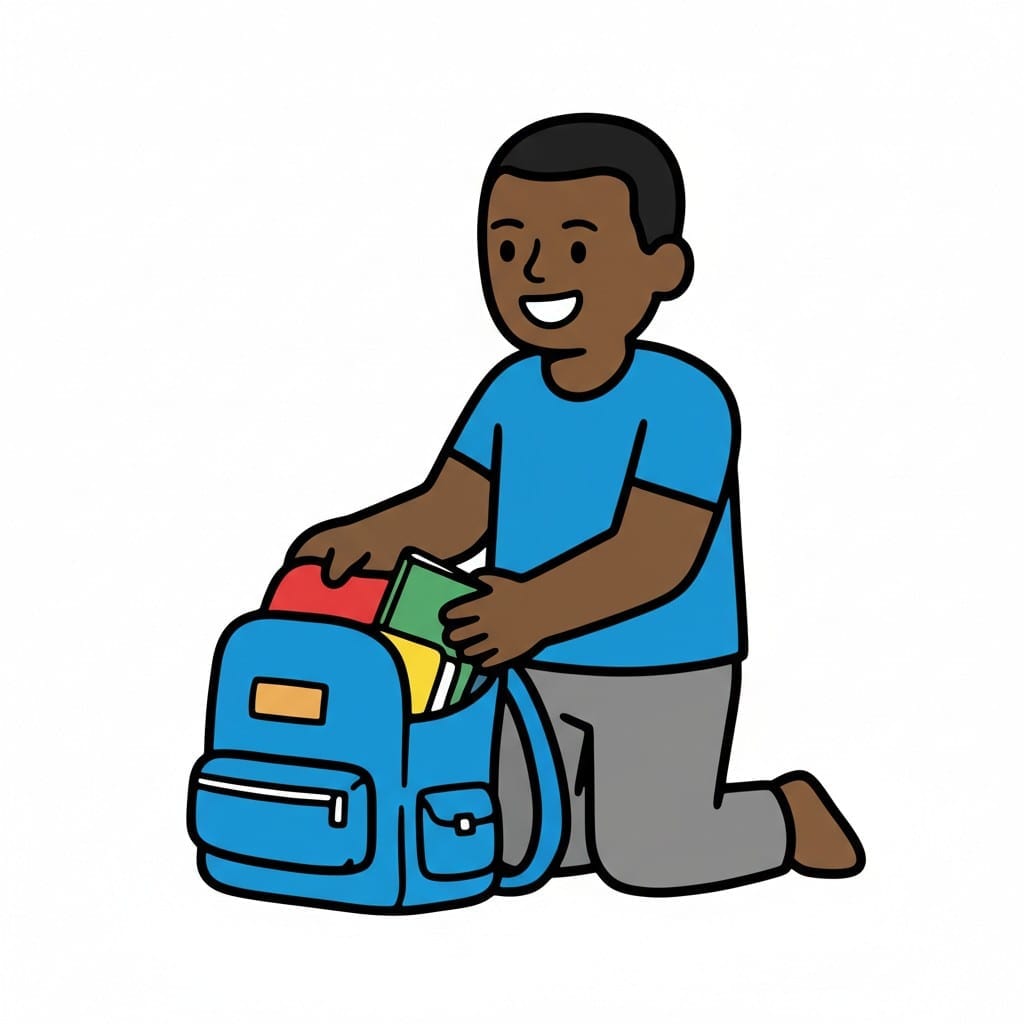 ♂
♂Pack backpack
A person kneels and packs a blue backpack with books.
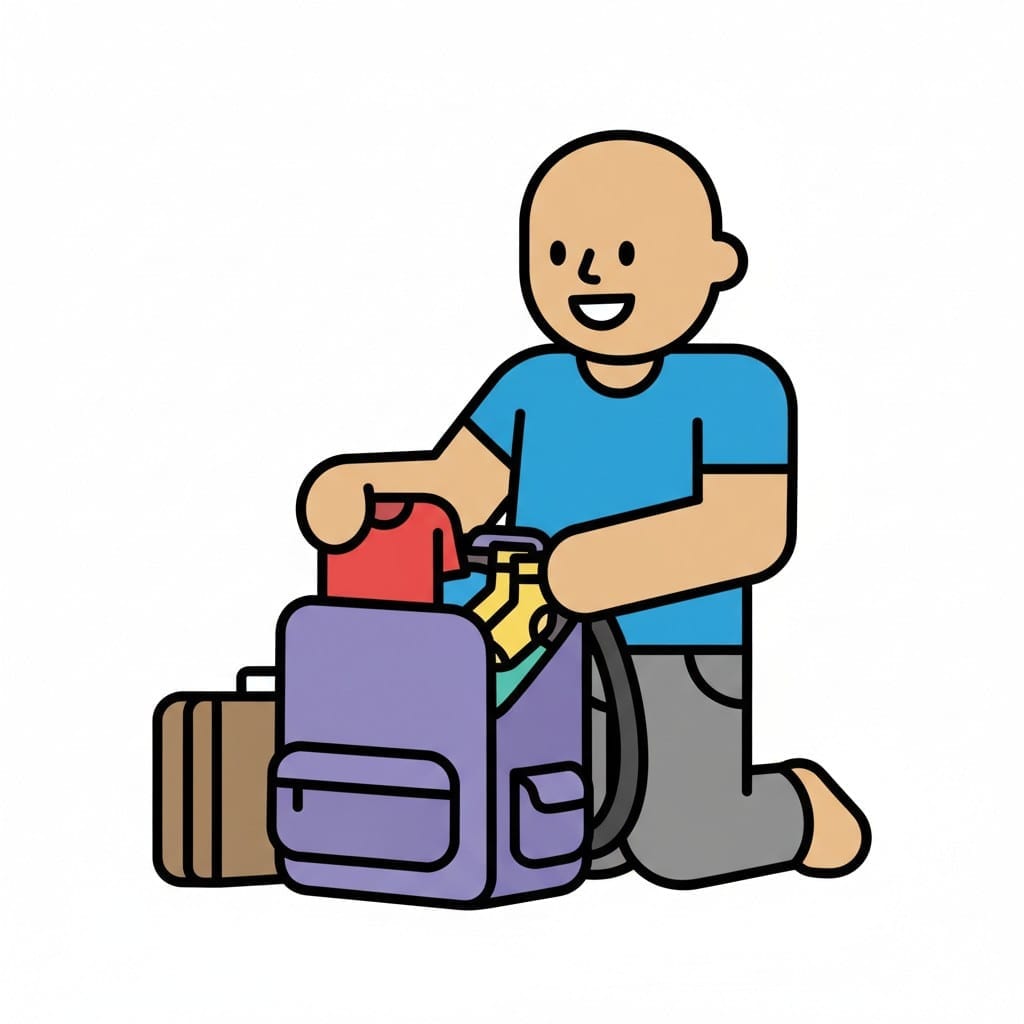 ♂
♂Pack bag and suitcase
A person kneels and packs a purple backpack with clothes, with a brown suitcase next to it.
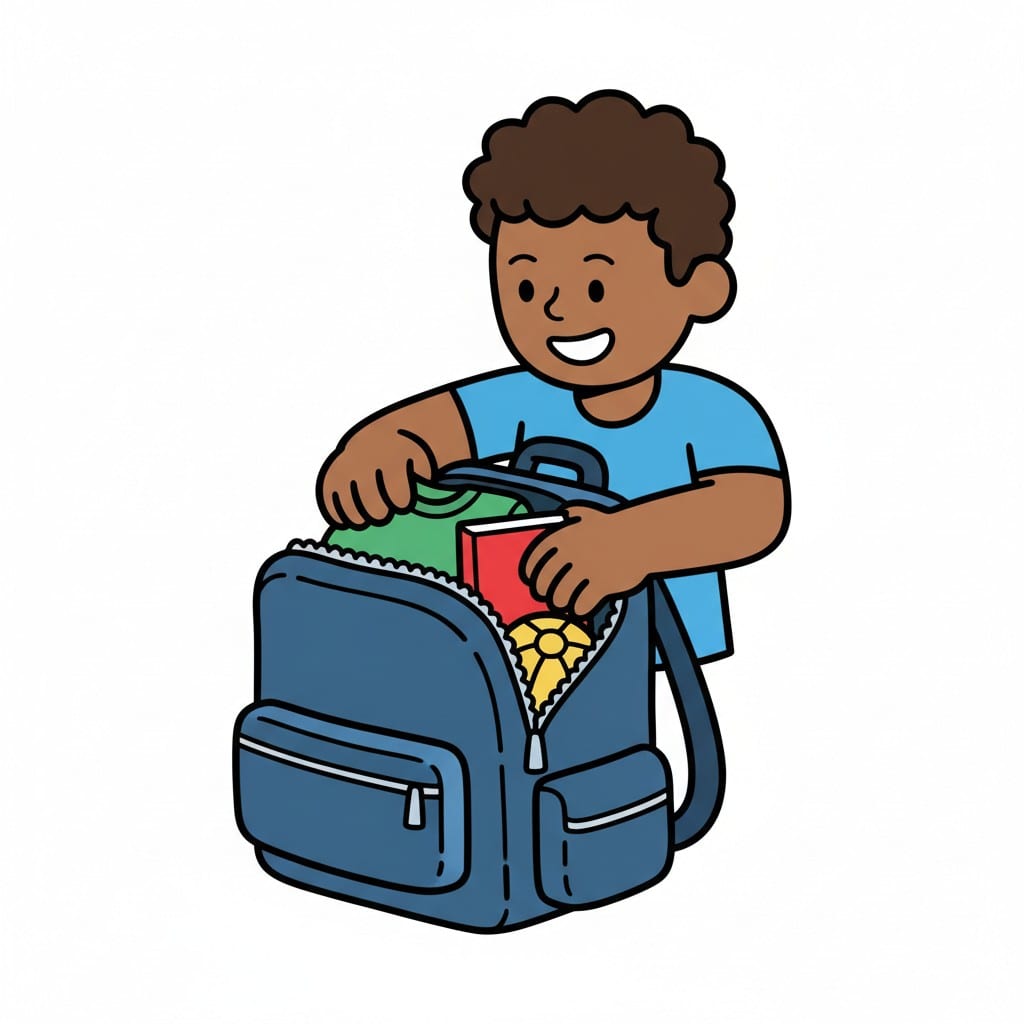 ♂
♂Pack bag
A boy is packing his blue backpack with various items like a green shirt, a red book, and a yellow toy.
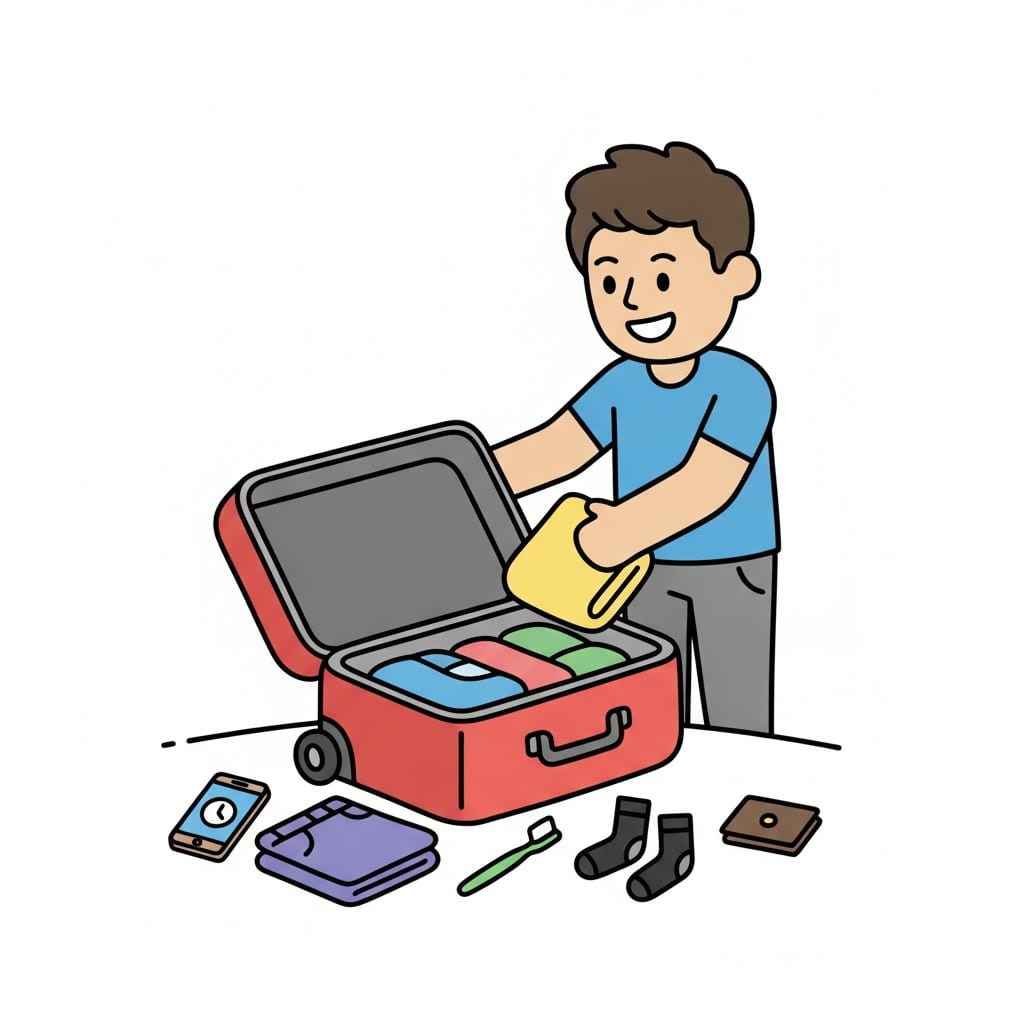 ♂
♂Packing the essentials
A boy packs clothes into a suitcase with a phone, wallet and toothbrush nearby.
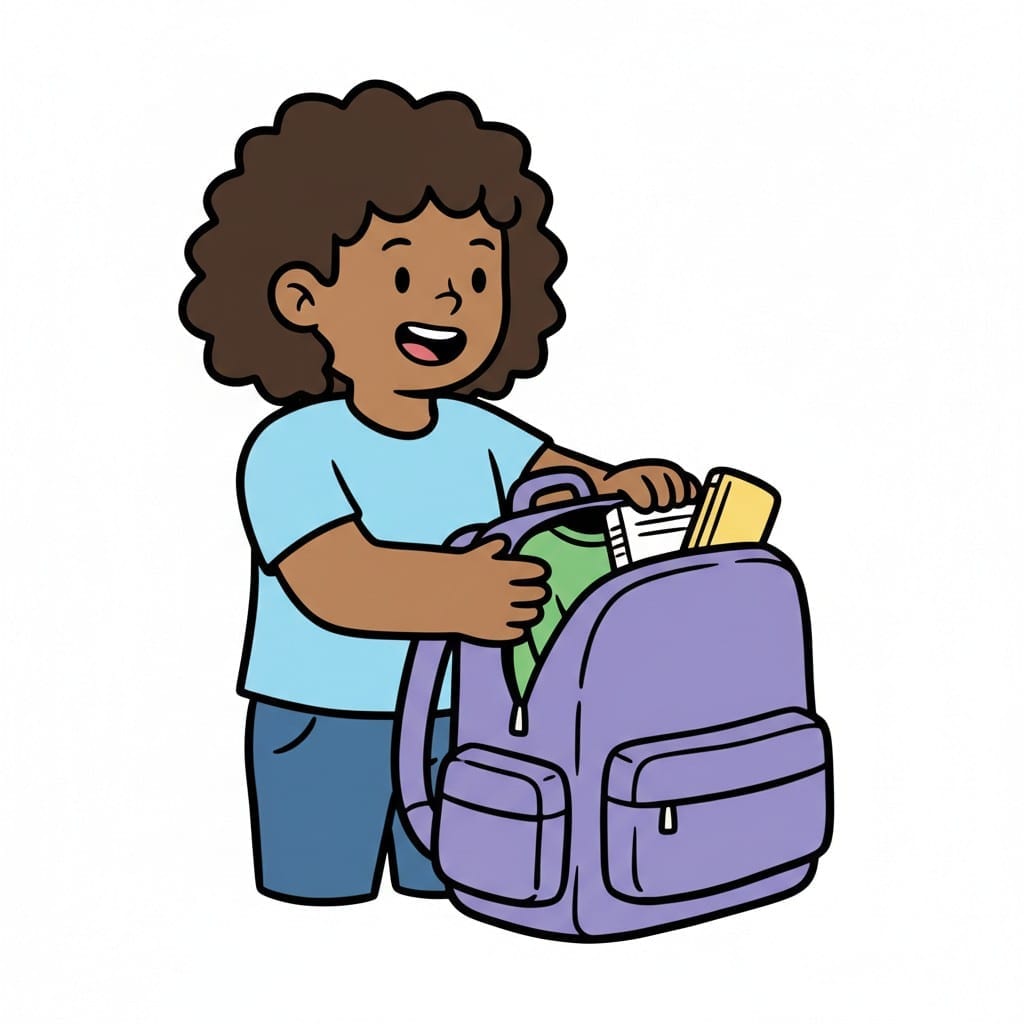 ♀
♀Pack bag
A person happily packing a purple backpack with various items.
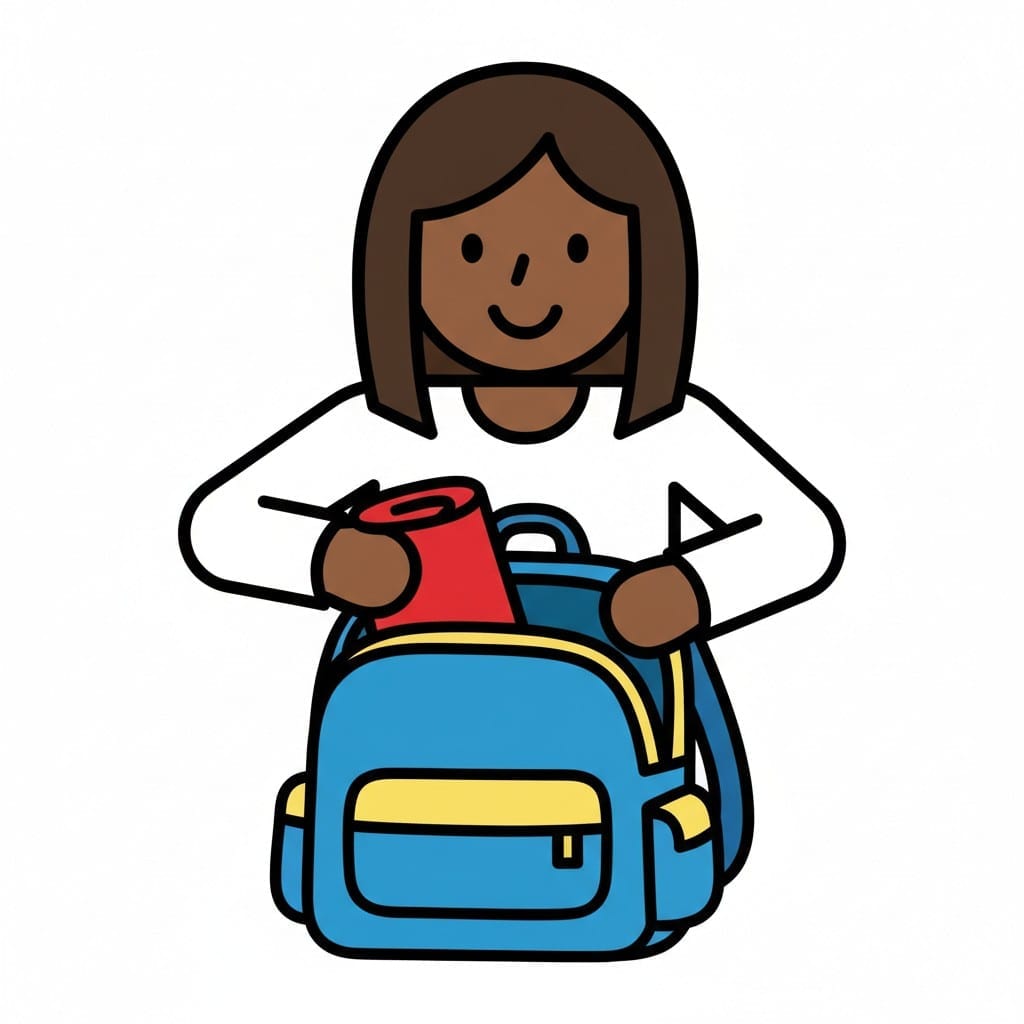 ♀
♀Pack bag
A person packing a bag.
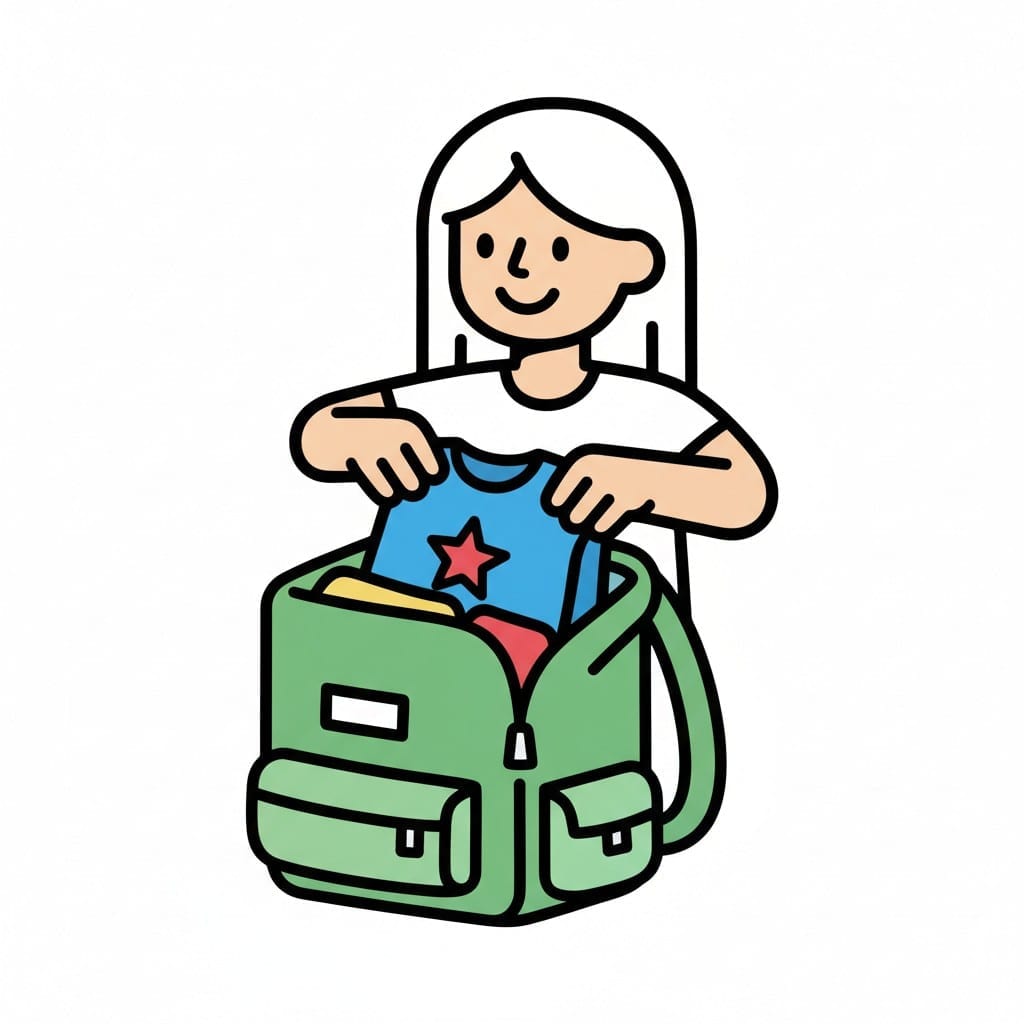 ♀
♀Pack bag
A girl is packing a blue shirt with a red star into a green bag.
♀Pack bag
A person packing items into a red backpack.
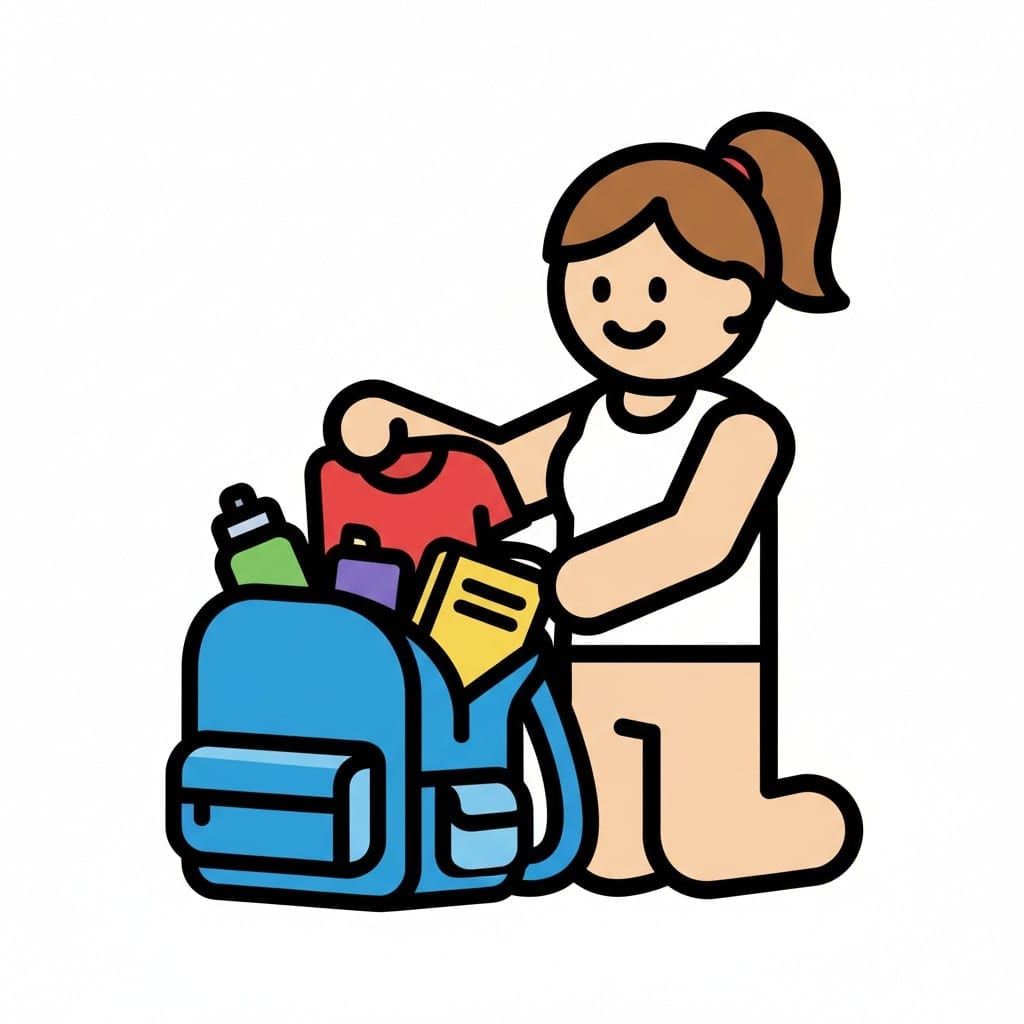 ♀
♀Pack bag
A girl packing a blue backpack with various items.
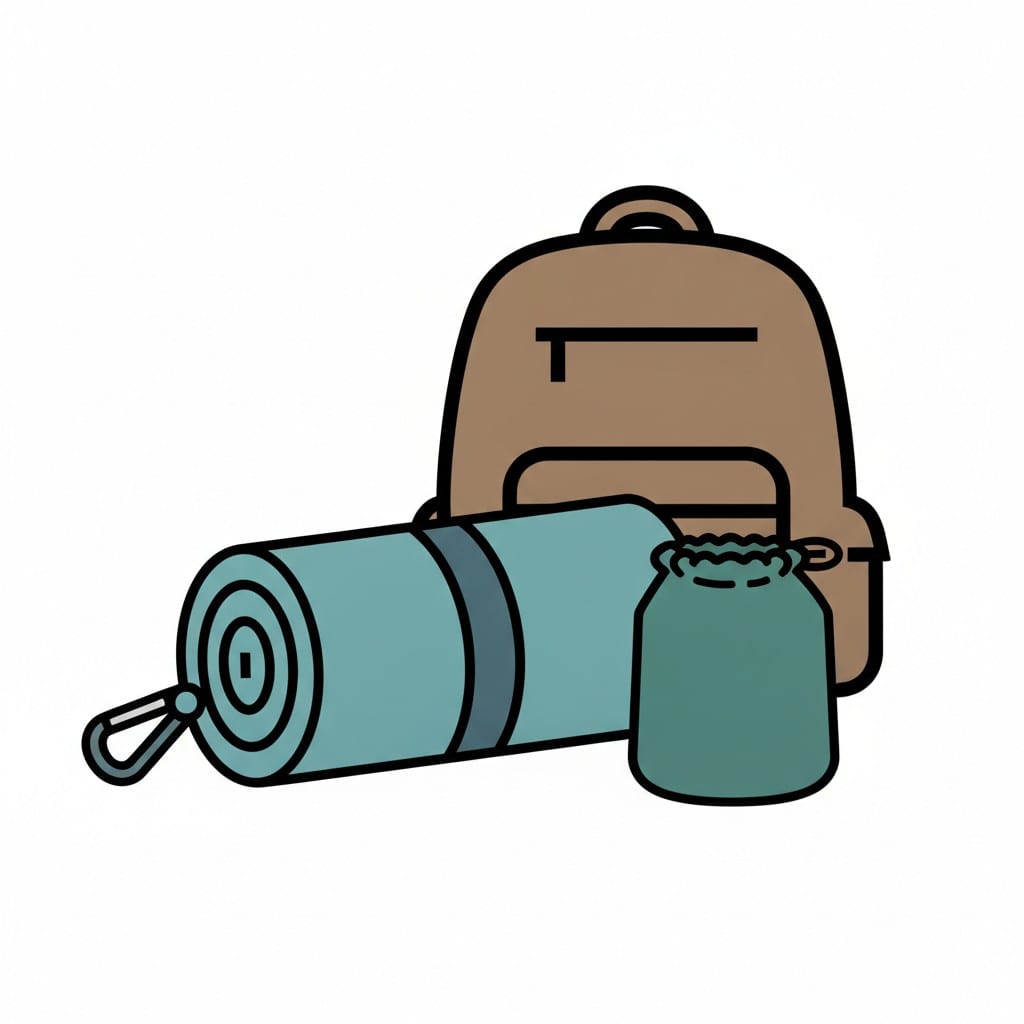
Packed gear
A backpack with a rolled sleeping mat and a dry bag.
About this visual support
Time pressure is the morning's own weight. The clock moves faster than the child, and when an adult voice calls to hurry, focus on a half-packed bag tends to collapse. The important things stay behind and the less important ones come along, because they are the ones in sight at the last moment.
A visual support in the hall or on the bedroom door gives the child a track to follow even when the adult voice rises. The pictures repeat the same message every morning without raising their tone, and they remain available to revisit if the thread is lost. They also let an adult point to the next step instead of reciting it. A practical tip: arrange the pictures in the order the child actually moves through the home in the morning, so the packing follows the body rather than the other way around.
In the Routined app the bag can sit inside a morning routine with a quiet timer, so time becomes something seen rather than shouted. The fourteen-day trial unlocks the full setup.
Use this image in a schedule
Build your own visual schedule with this image and download it as a print-ready PDF. Completely free.
More similar visual supports
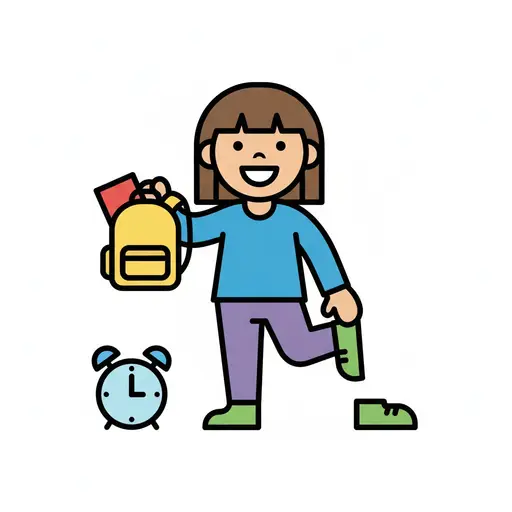
Get ready for school
A girl holds her backpack and puts on a shoe next to an alarm clock.
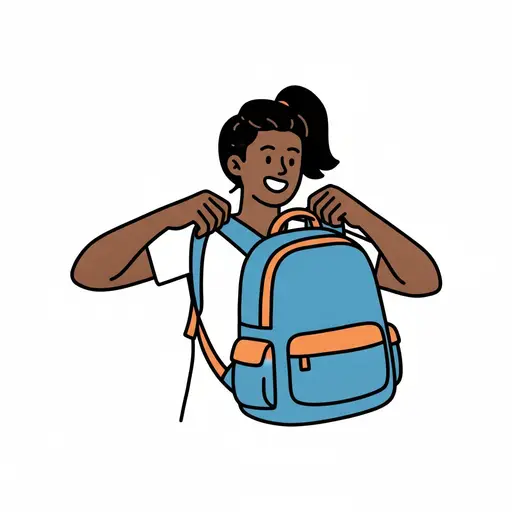
Pick up backpack
A girl lifts a blue backpack by its shoulder straps.
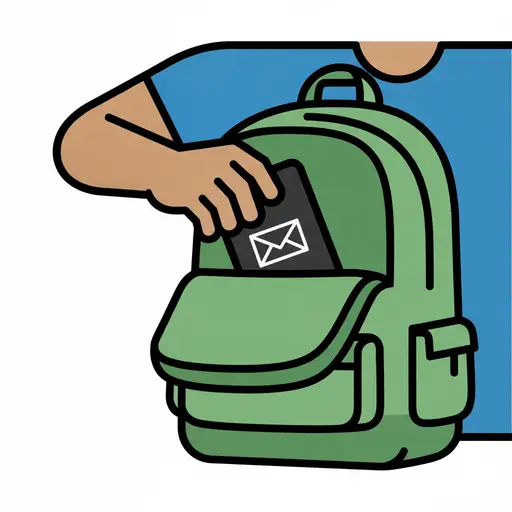
Pack phone
Close-up of a hand sliding a dark phone with an envelope icon on its screen into...
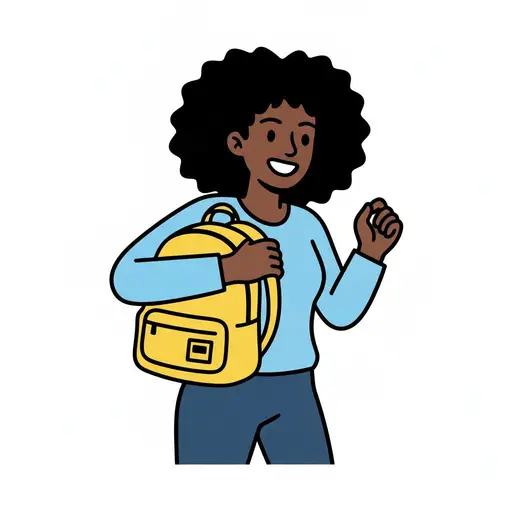
Bring backpack
A smiling girl in a blue top swings a yellow backpack onto her shoulder as she s...
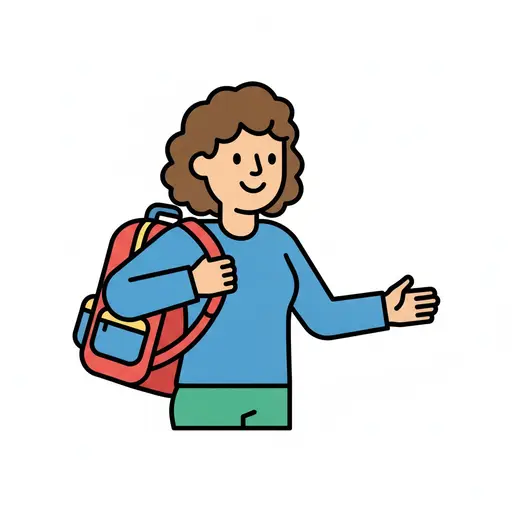
Take out backpack
A smiling person slips a red backpack off their shoulder and stretches out their...
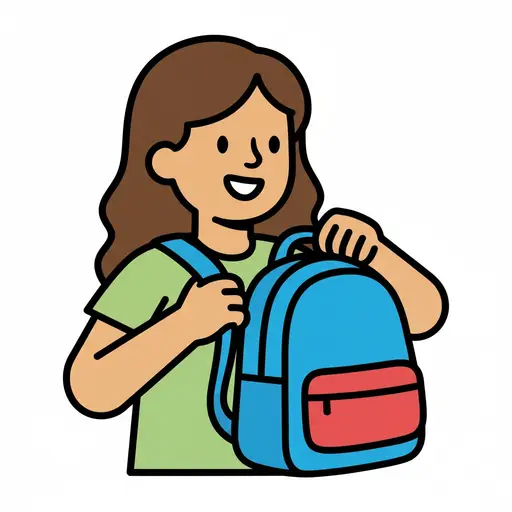
Put on the backpack
A smiling girl puts a blue backpack on over her shoulder.
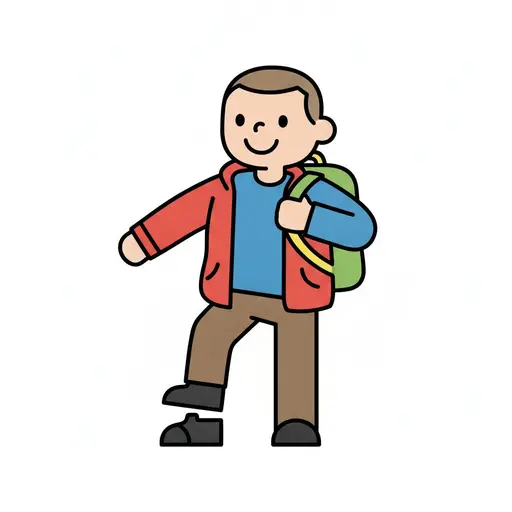
Put on jacket and backpack
A boy wearing a jacket and backpack takes a step.
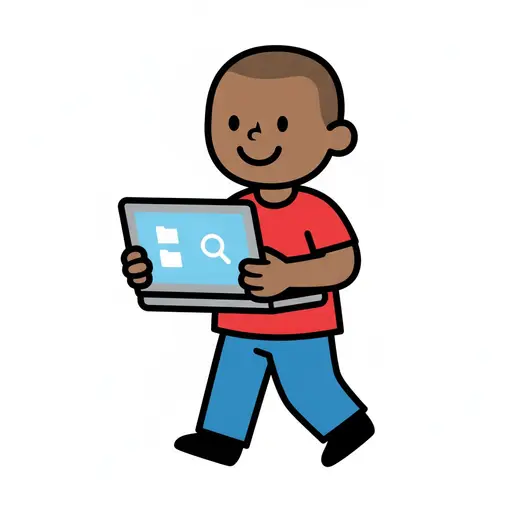
Pack computer
A boy walks carrying a laptop.
This visual support in other languages
Take the visual supports with you
In Routined you build schedules from these pictures, add timers and voice instructions, and your child follows the day on their own.


* 14-day free trial, then $2.39 a month or $20.99 a year (US pricing). Cancel anytime.