Put on coat
Find the right arm, find the right sleeve, turn the coat without twisting it, while the fingers already want to be out the door. The visual support below lets the movement slow down just enough to land right the first time.
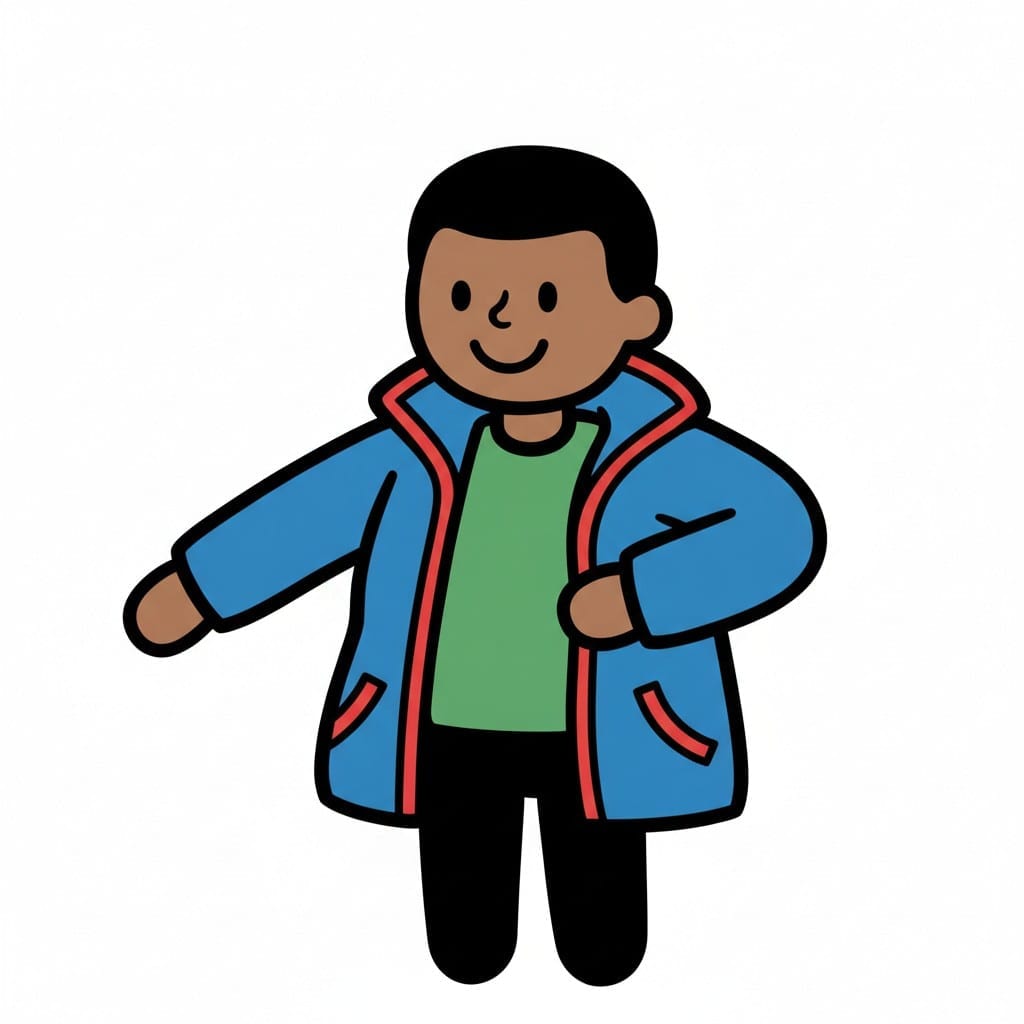 ♂
♂Put on coat
A smiling boy is putting on a blue coat over a green shirt.
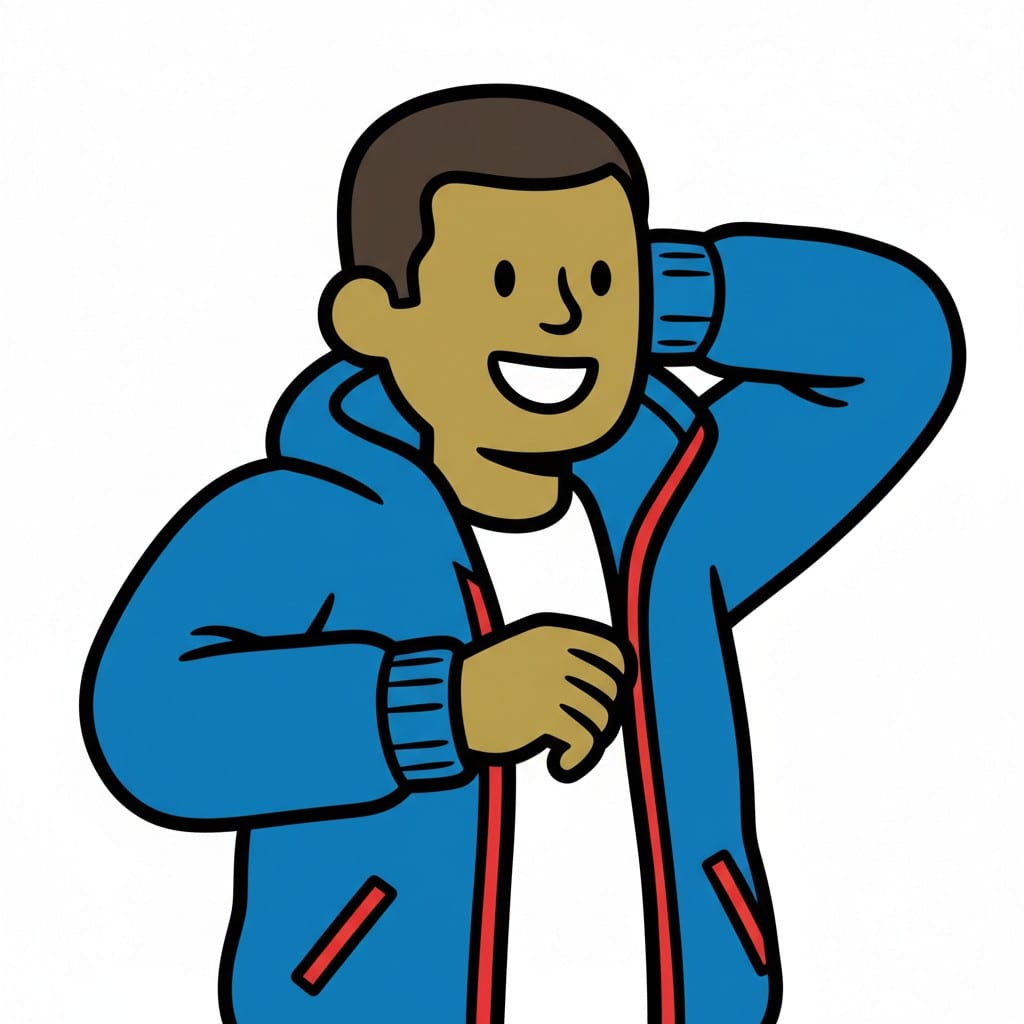 ♂
♂Put on coat
A person is putting on a blue coat.
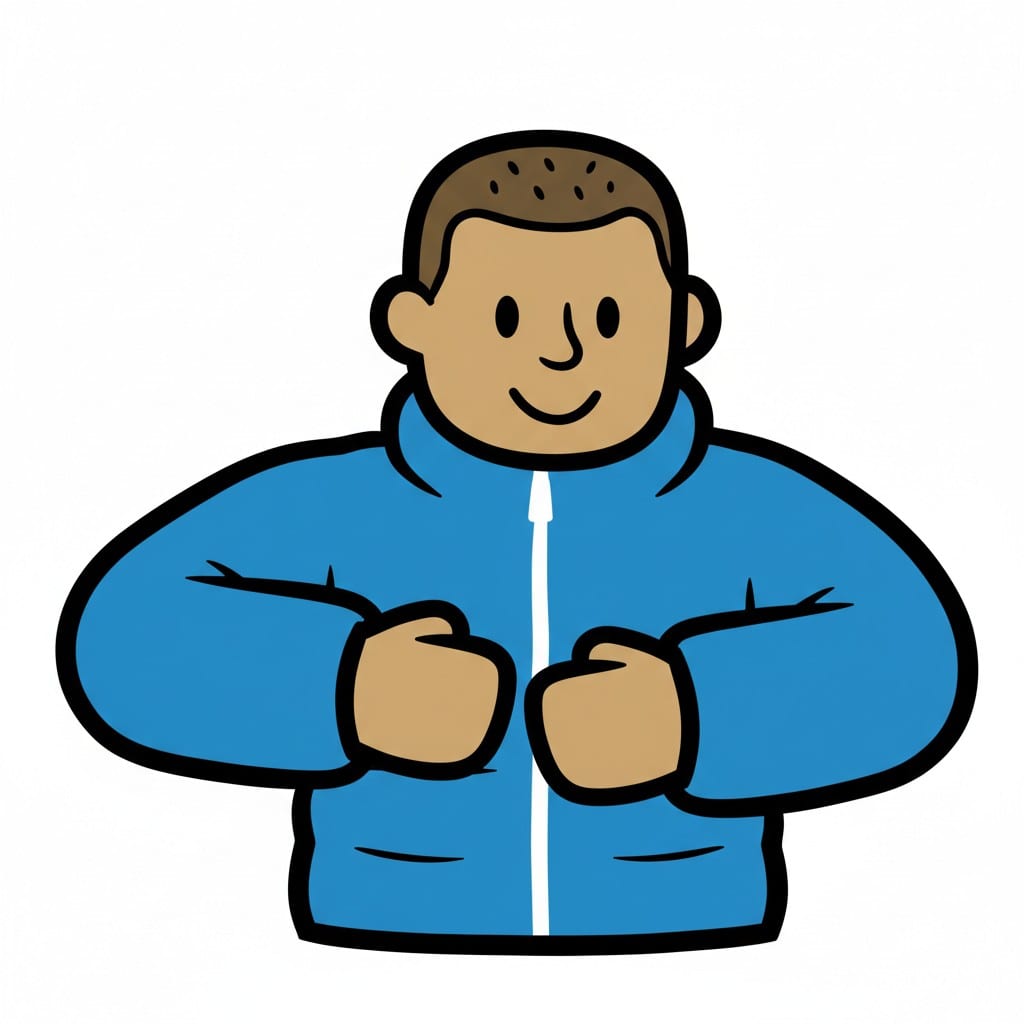 ♂
♂Zipping up the jacket
A smiling boy in a blue jacket holds the zipper with both hands to close it.
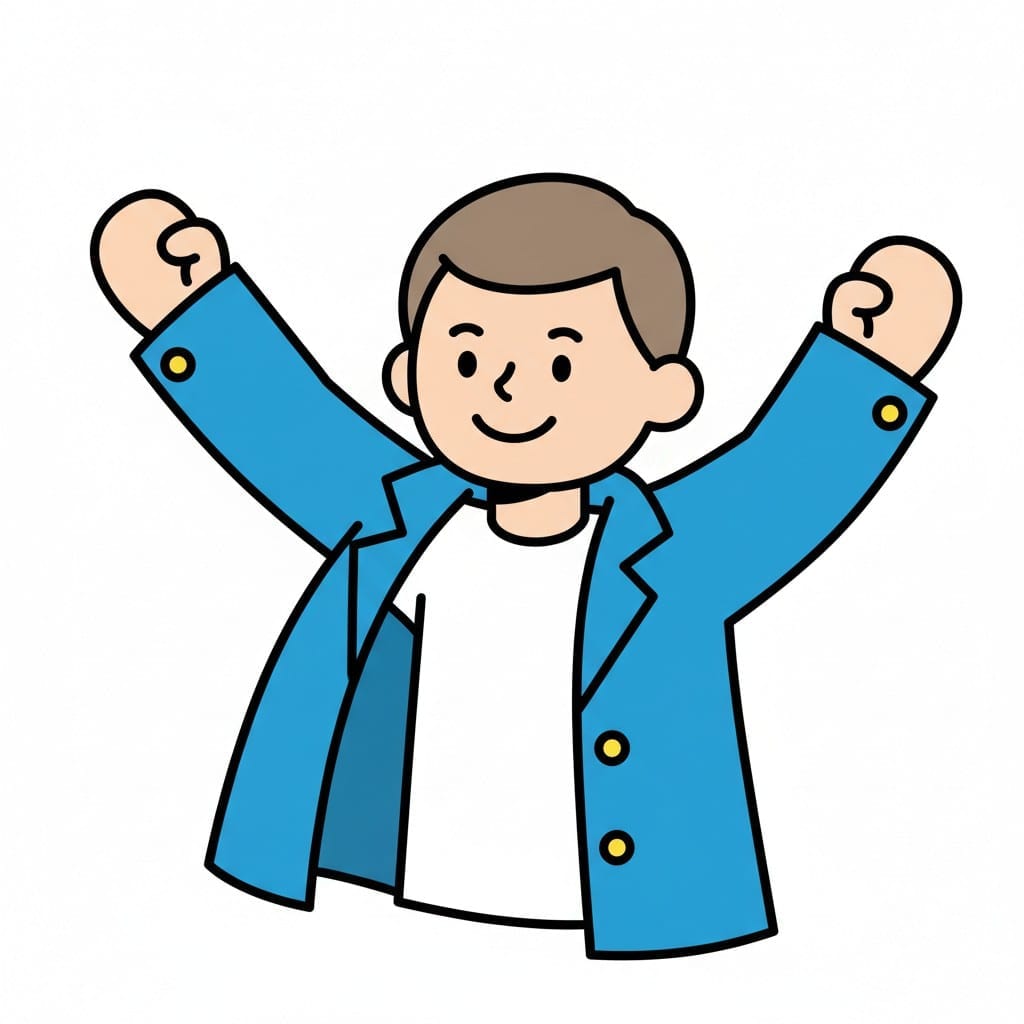 ♂
♂The coat is on
A happy boy raises both arms in the air, wearing an open blue jacket over a white shirt.
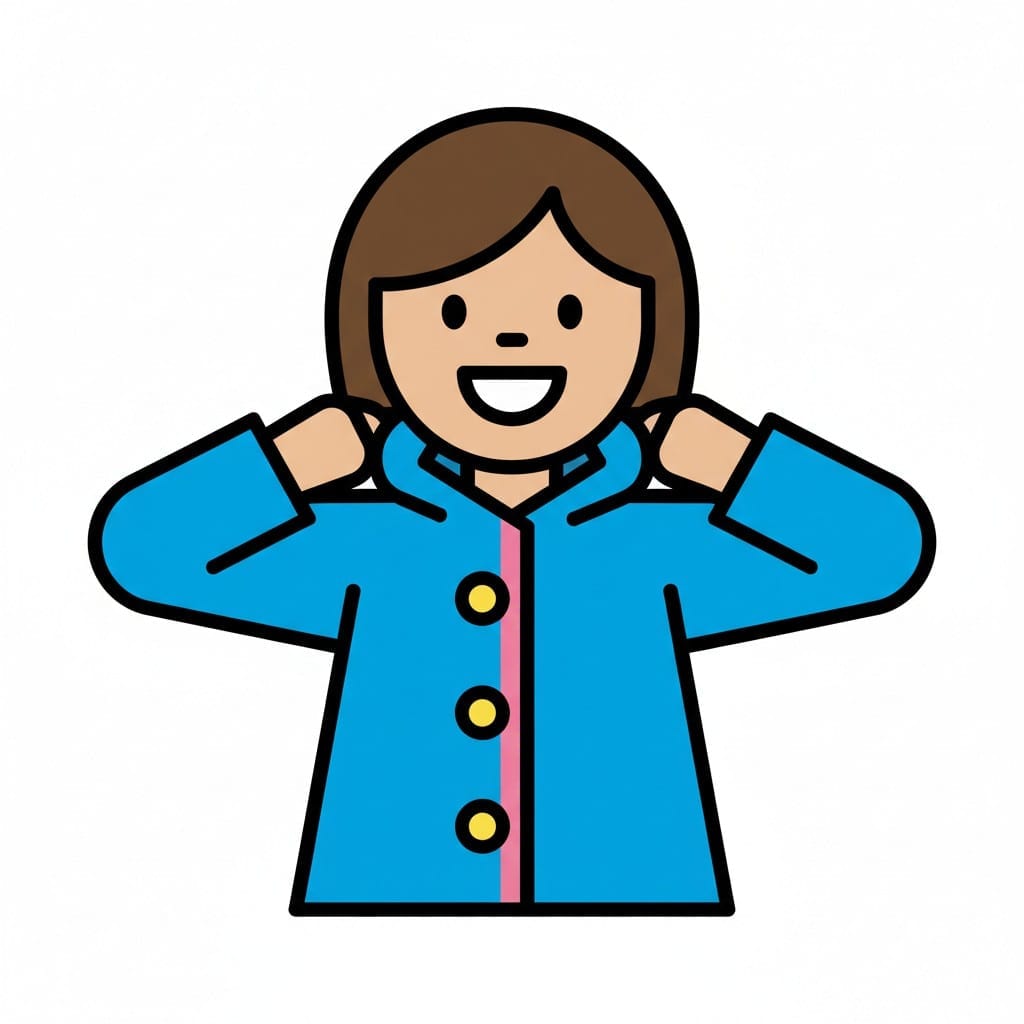 ♀
♀Put on coat
A girl putting on a blue coat.
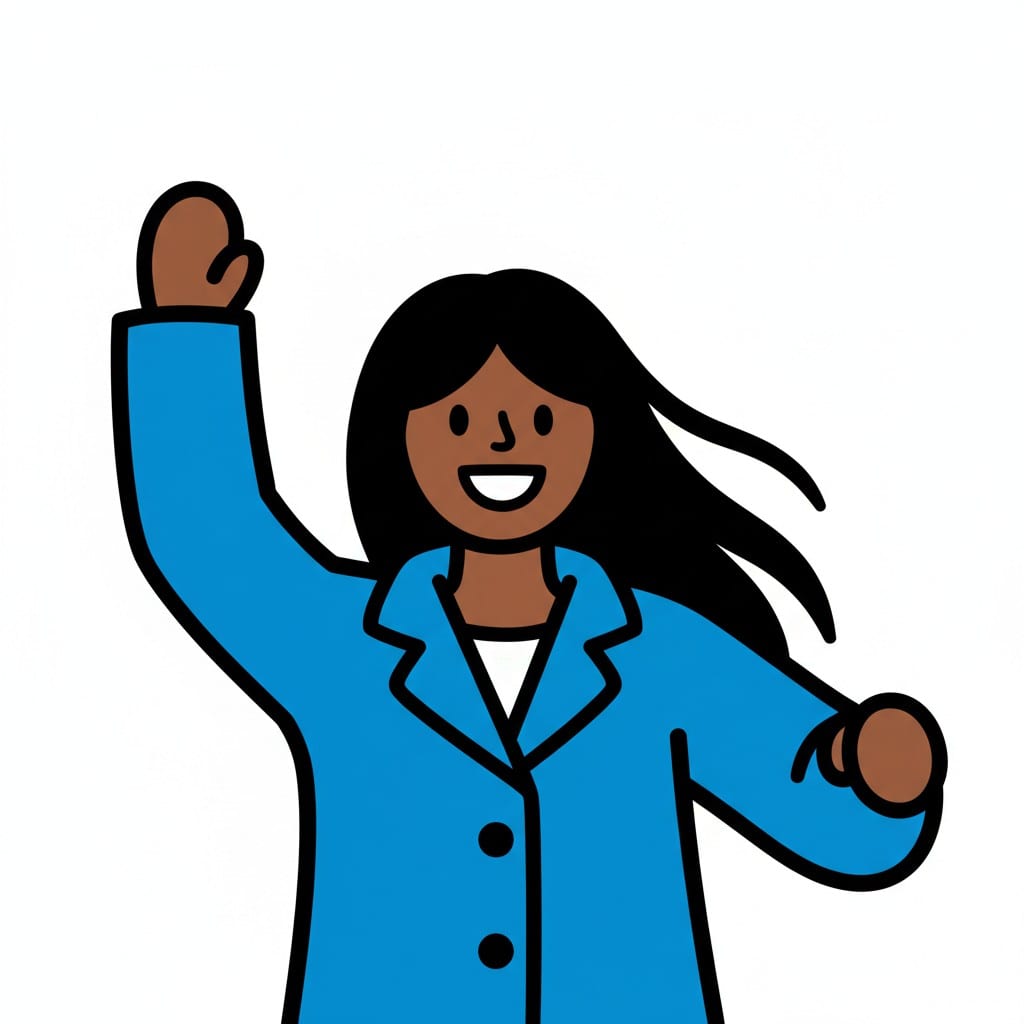 ♀
♀Put on coat
A person putting on a blue coat
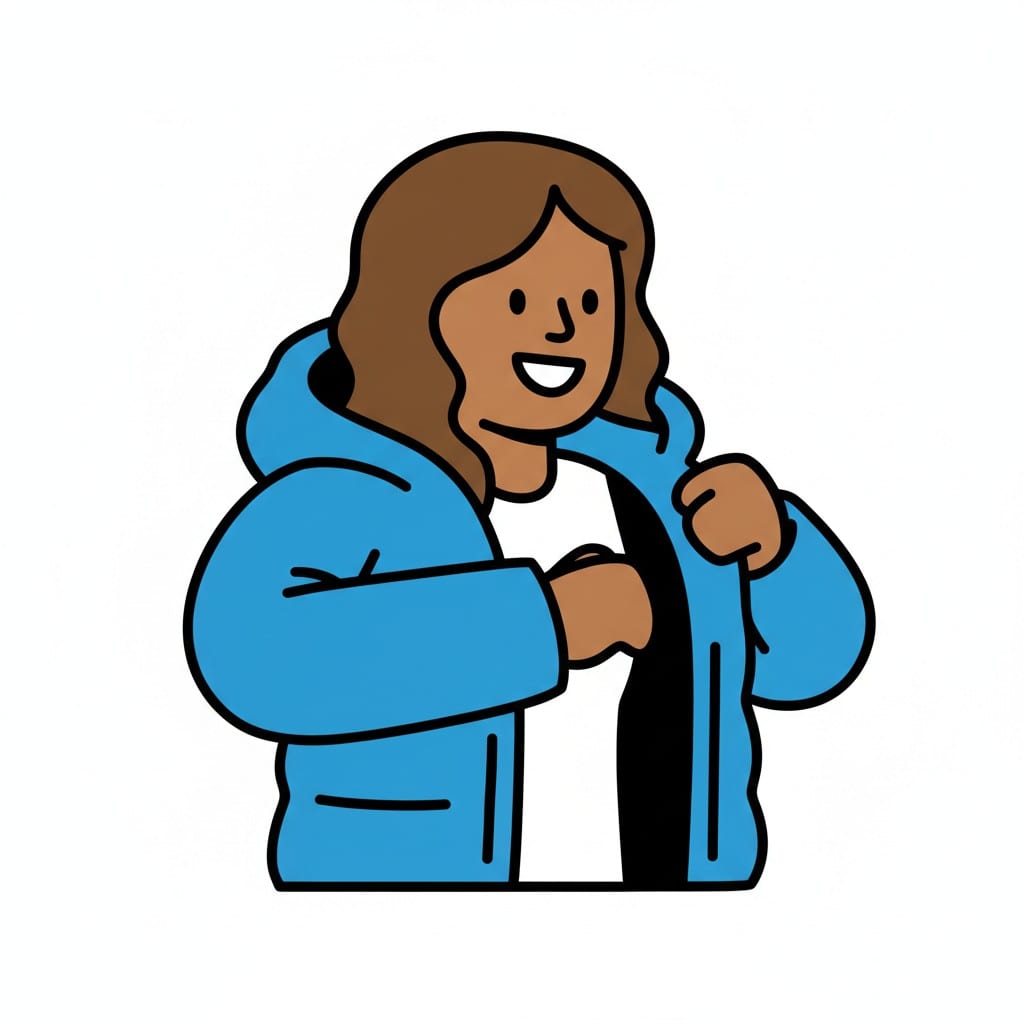 ♀
♀Put on coat
A person puts on a blue coat.
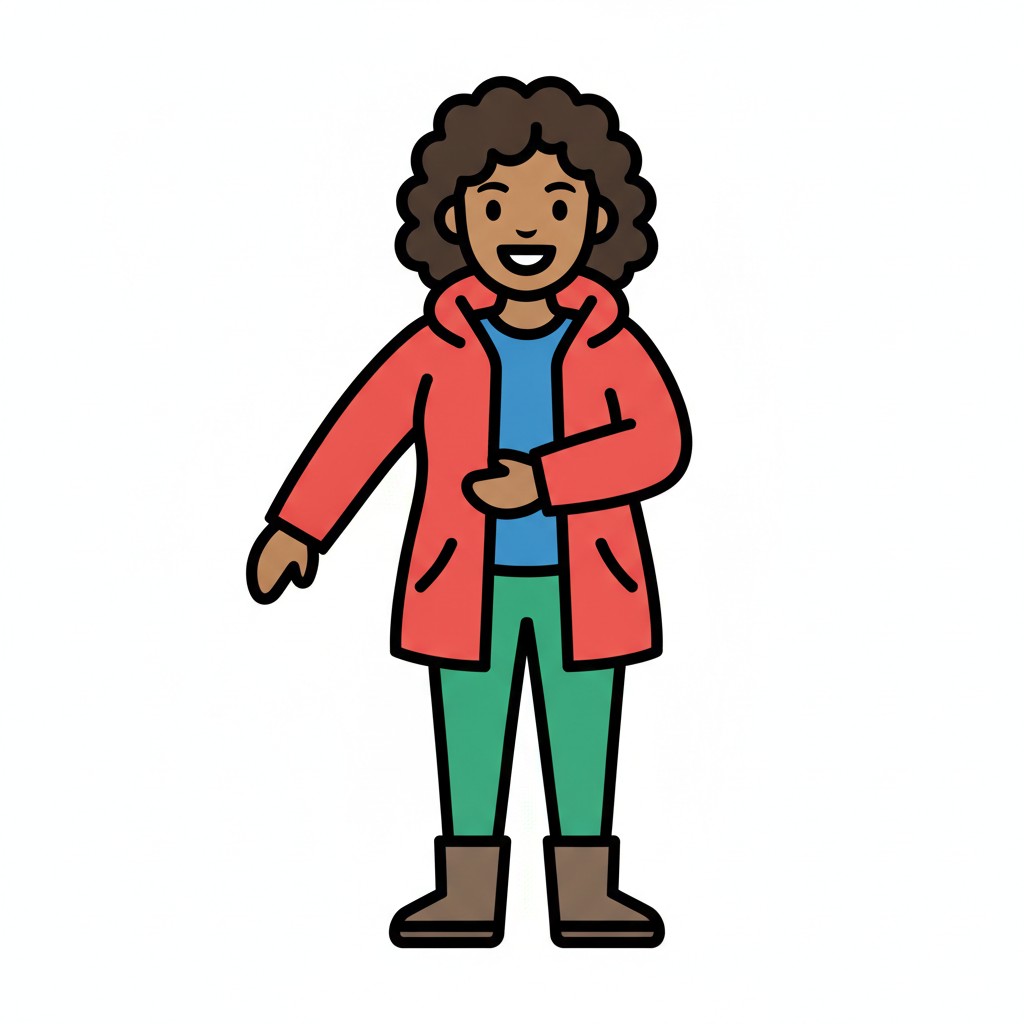 ♀
♀Coat on
A person stands in a red coat, green trousers and boots.
About this visual support
A coat half on the elbow, half hanging behind, is one of the most common scenes at the front door, because the movement is more complicated than it looks. The child first has to work out which side of the coat is the front, then which sleeve goes with which arm, and then push the first arm in while the other holds the coat steady. Somewhere in there the collar needs to sit around the neck, not under the chin.
When the steps are shown as separate pictures, the child does not have to juggle all of that at once. One picture for holding the coat up with the inside facing them, one for the first arm, one for the second arm, one for fixing the collar, one for the zipper or buttons. The task becomes a path rather than a riddle.
A practical tip: help the child lay the coat on the floor with the inside up and the collar pointing at their feet. From a sitting position they can put both arms into the sleeves and swing the coat over their shoulders in one move, a method that has become a classic in preschools because it almost eliminates the twisted-coat problem. To combine the pictures with reminders and a routine flow, you can use the Routined app, which has a 14-day trial.
Use this image in a schedule
Build your own visual schedule with this image and download it as a print-ready PDF. Completely free.
More similar visual supports
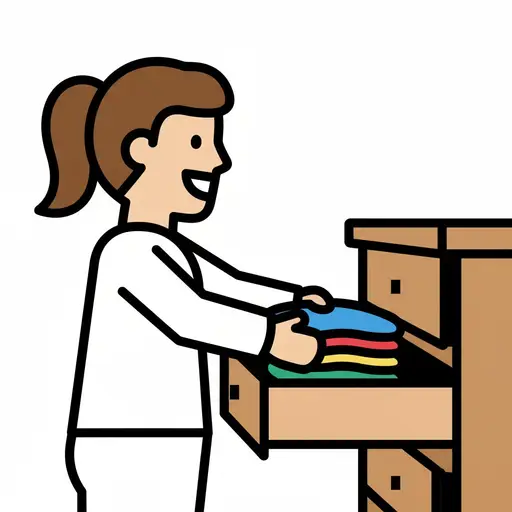
Get out clothes
A smiling woman takes folded clothes out of a dresser drawer.
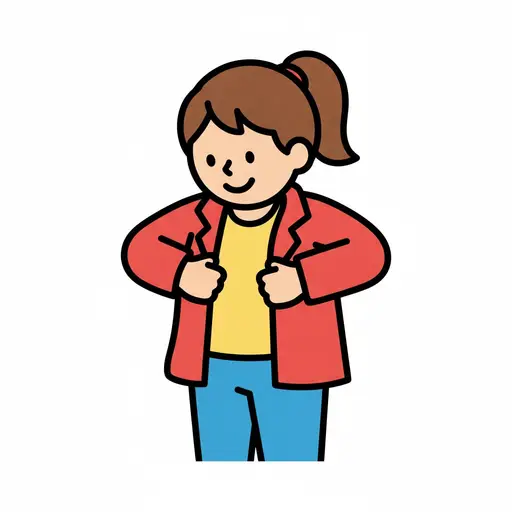
Get jacket on
A girl pulls on a red jacket.
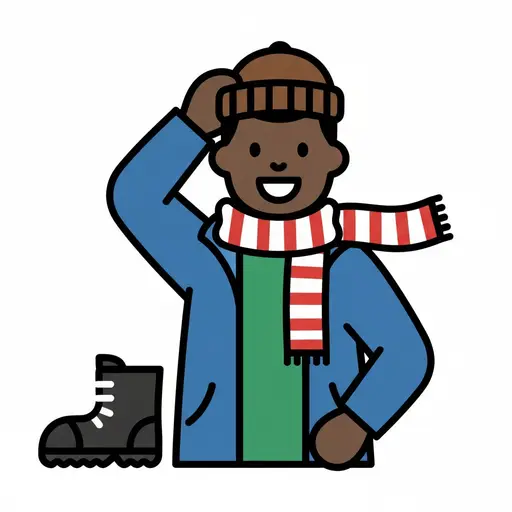
Get dressed for outside
A happy boy wearing winter clothes, including a blue jacket, green shirt, red an...
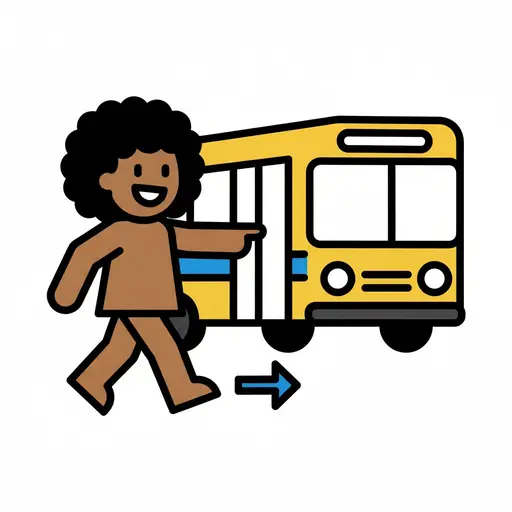
Go to bus
A smiling person pointing at a yellow bus, with an arrow indicating movement tow...
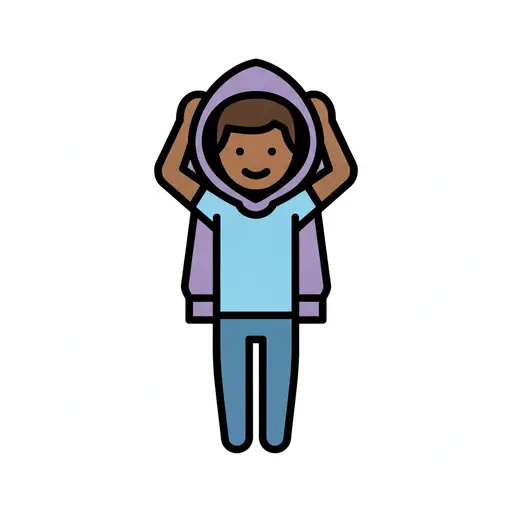
Get dressed
A child pulls a purple hoodie over their head.
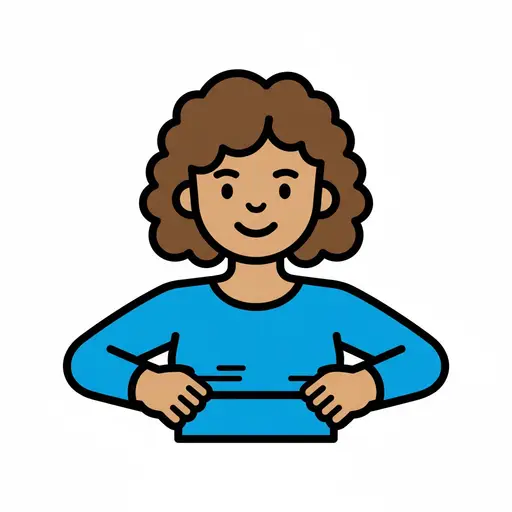
Get dressed yourself
A girl pulls a blue shirt over her head while getting dressed.
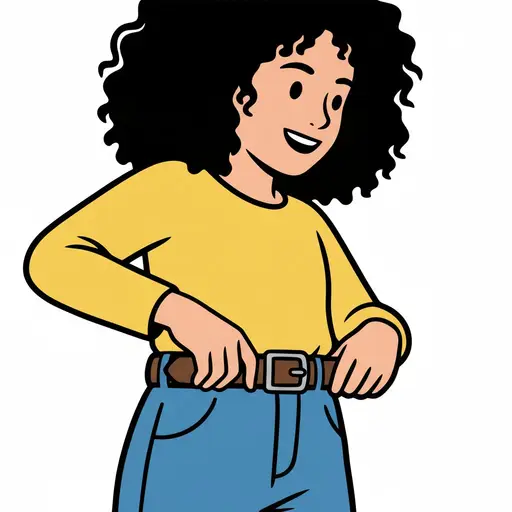
Put on belt
A person putting on a belt around their waist.
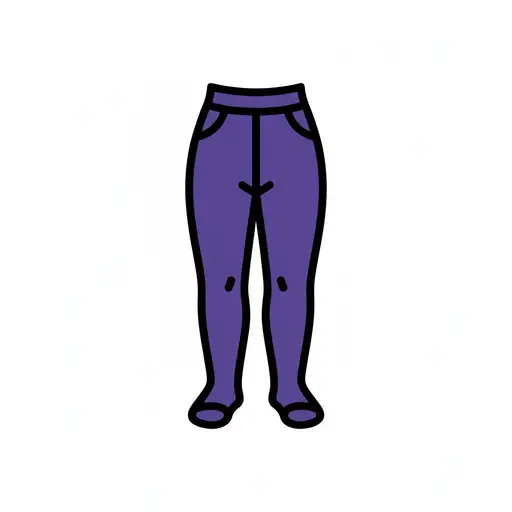
Tights
Purple tights seen from the front.
This visual support in other languages
Take the visual supports with you
In Routined you build schedules from these pictures, add timers and voice instructions, and your child follows the day on their own.


* 14-day free trial, then $2.39 a month or $20.99 a year (US pricing). Cancel anytime.