Put on coat and shoes
The hallway, mid-departure: keys in hand, clock ticking, and two more items between you and the door. The visual support below shifts focus from the parent voice to a sequence the child can navigate alone.
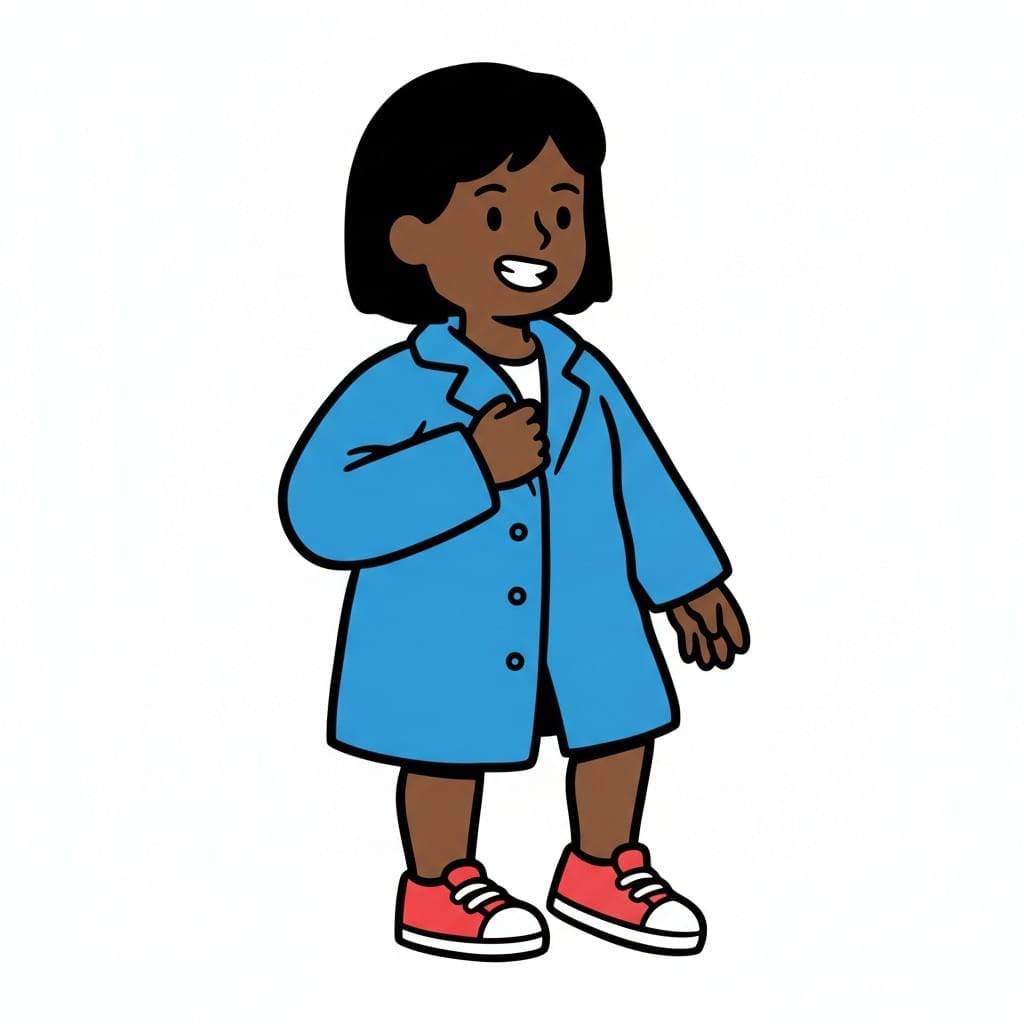 ♀
♀Girl putting on coat and shoes
A girl is putting on a blue coat and red shoes.
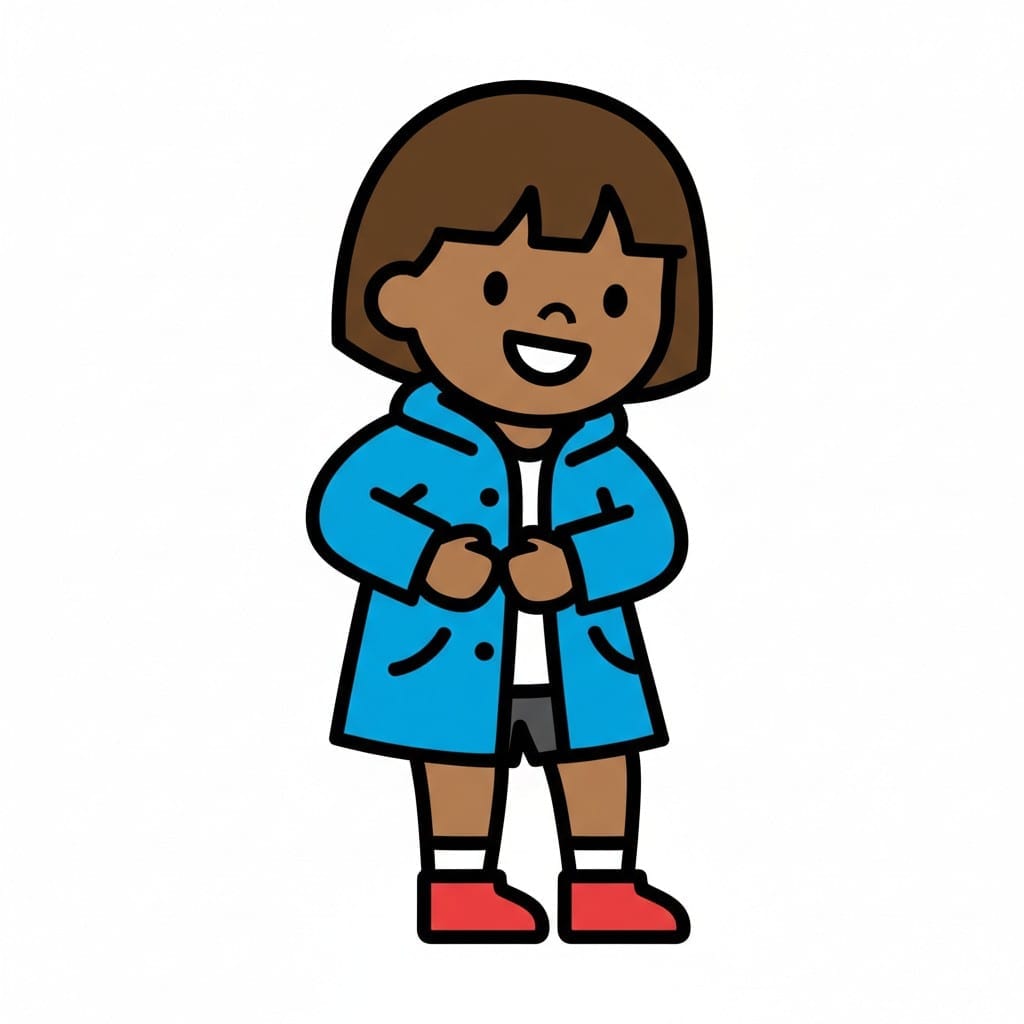 ♀
♀Girl buttoning coat and shoes
A girl is buttoning a blue coat, with red shoes visible.
About this visual support
The hallway is where the day and time pressure meet. It is not always the coat or the shoes that resist, but the threshold itself, the move from the safe inside to an outside where preschool, work and everyone else's schedule are waiting. When a parent stands there with the keys in hand repeating the same sentence one more time, that stress easily transfers the wrong way and the child stalls even further.
A visual schedule gives the transition a body outside the parent voice. Coat on, zipper up, hat if it is winter, shoes on, straps closed. When the pictures sit there every day, authority shifts from a stressed adult to a sequence that looks the same yesterday and tomorrow. It is often exactly that repetition that lets the child start walking through the steps on their own.
A practical tip: place the shoes pointing outwards and the coat on a low hook at the child's height. The physical setup then matches the picture order and the child does not have to turn anything around or hunt for missing pieces. To let the pictures guide the whole morning hour, from breakfast to the door, you can build that sequence in the Routined app, which has a 14-day trial.
Use this image in a schedule
Build your own visual schedule with this image and download it as a print-ready PDF. Completely free.
More similar visual supports
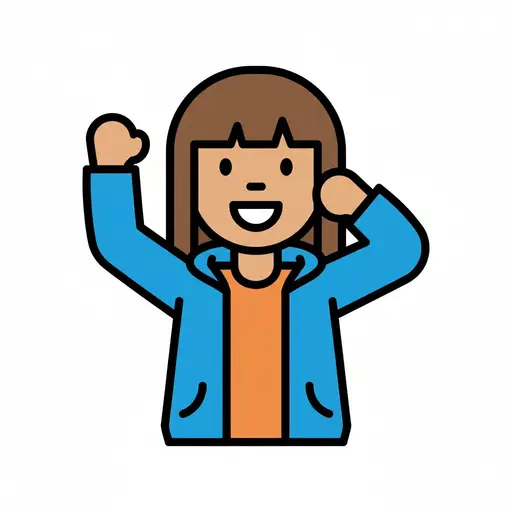
Get ready for outside
A cheerful girl wears her blue jacket over an orange top and lifts both arms in ...

Dress for outdoors
A happy boy dressed in a red jacket, green hat, and blue scarf, ready for snowy ...
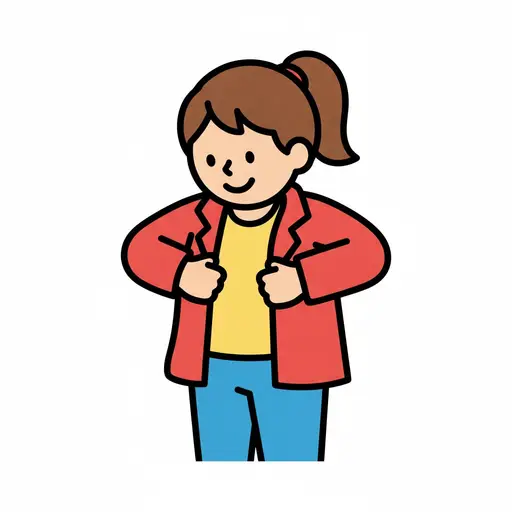
Get jacket on
A girl pulls on a red jacket.
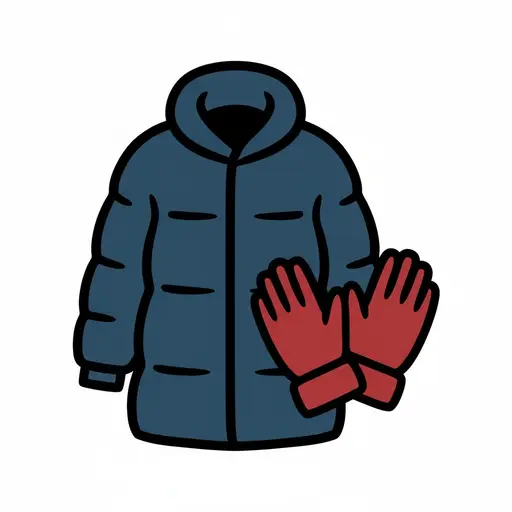
Coat and gloves
A blue winter coat lies next to a pair of red gloves.
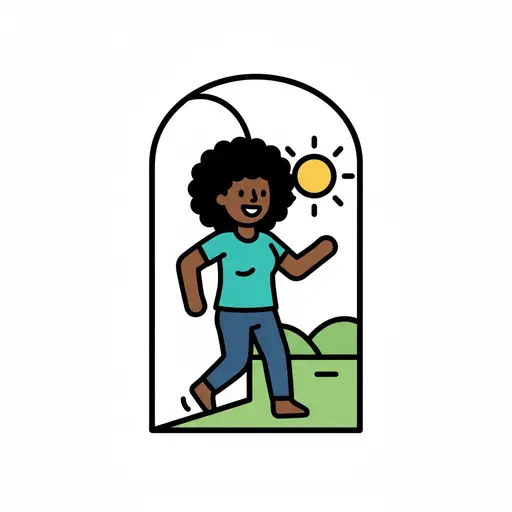
Go outside
A girl walks out into the sun.
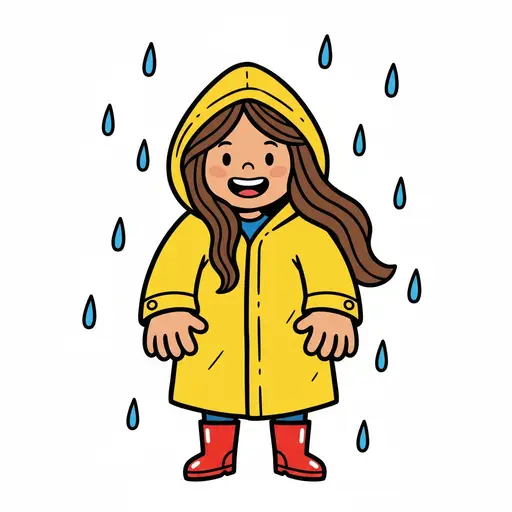
Put on rain clothes
A smiling girl in a yellow raincoat and red rain boots, with raindrops falling a...
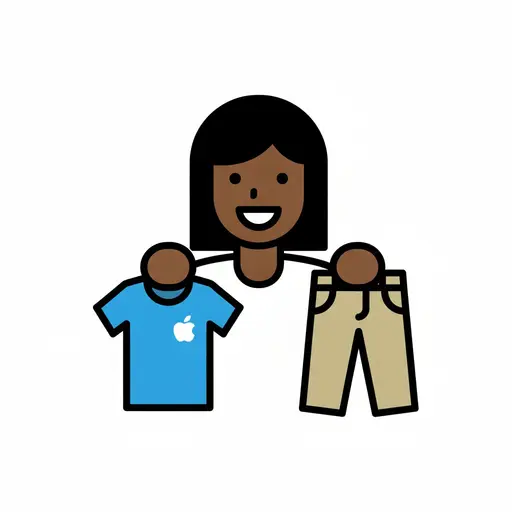
Get school clothes
A girl holds up a blue t-shirt and a pair of trousers for the school day.
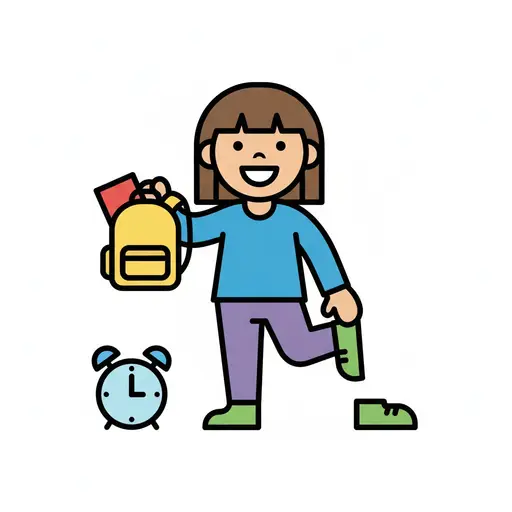
Get ready for school
A girl holds her backpack and puts on a shoe next to an alarm clock.
This visual support in other languages
Take the visual supports with you
In Routined you build schedules from these pictures, add timers and voice instructions, and your child follows the day on their own.


* 14-day free trial, then $2.39 a month or $20.99 a year (US pricing). Cancel anytime.