Shoes and jacket
Two pieces of clothing, one front door and usually a ticking clock. The shoe that refuses to go on tends to be the spot where the whole morning stalls. The visual support below splits jacket and shoes into steps your child can follow alone while you stand there with the lunchbox.
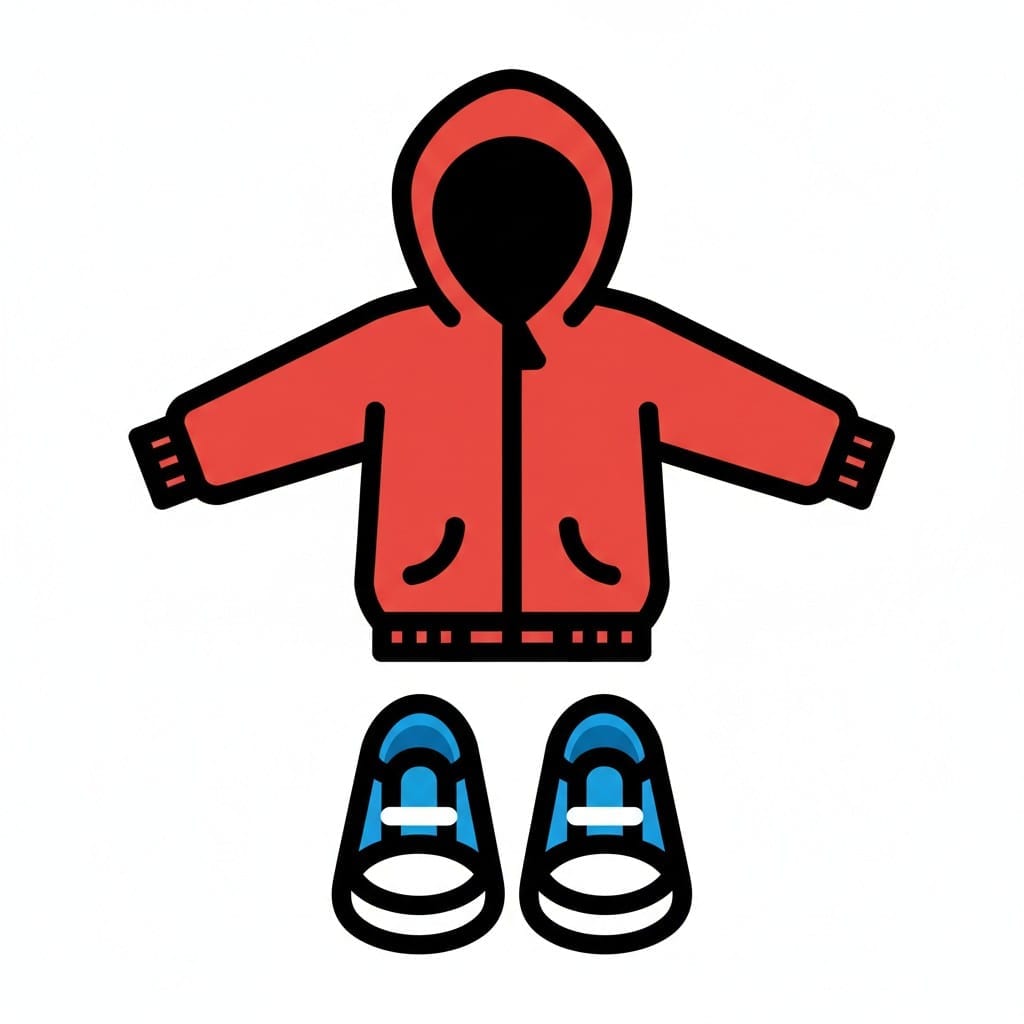
Shoes and jacket
A red hooded jacket with a zipper and a pair of blue shoes with white laces placed below the jacket on a white background.
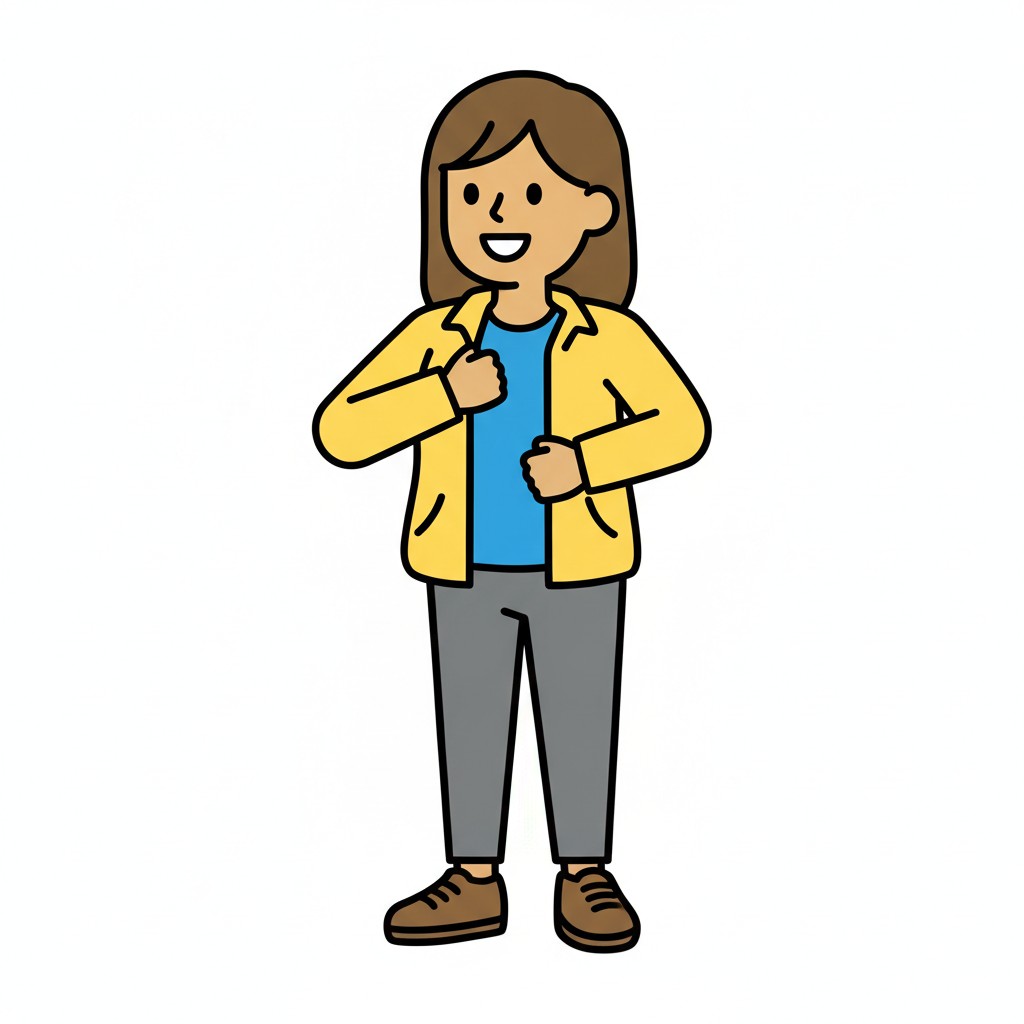 ♀
♀Shoes and jacket on
A woman in a yellow jacket and shoes gets ready to go.
About this visual support
Shoes and jacket are the final threshold of the morning. Everything else may have gone smoothly: breakfast eaten, teeth brushed. But in the hallway two pieces of clothing wait to go on in the right order before you can close the door. And every second spent with a refusing shoe counts twice: once against the clock, once against your child's sense that the morning was going well.
That is why order matters. Jacket first, then shoes is often smart for younger children: arms and zipper move more easily when the feet can still flex freely. For older children it can be the opposite, so the shoe settles while the jacket is being pulled on. The visual support should show your order, not a generic one.
One activity specific tip: keep an empty mat or marked square on the floor where the shoes always go the evening before, toes pointing at the door. Then the step I put on my shoes is not also the hunt for them. Inside Routined you can place shoes and jacket as the last steps of the morning routine and let the timer count down when the picture appears, so your child sees exactly how much time is left before you head out.
Use this image in a schedule
Build your own visual schedule with this image and download it as a print-ready PDF. Completely free.

More similar visual supports
Get jacket and shoes
A girl in a blue jacket sits down to put on her red shoes.
Get jacket on
A girl pulls on a red jacket.
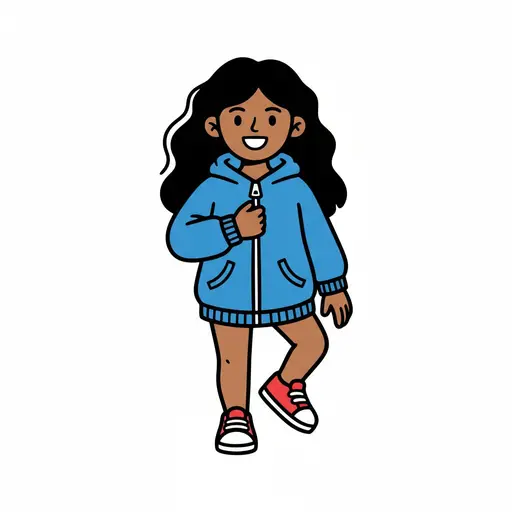
Jacket and shoes
A girl zipping up her blue jacket and wearing red shoes.
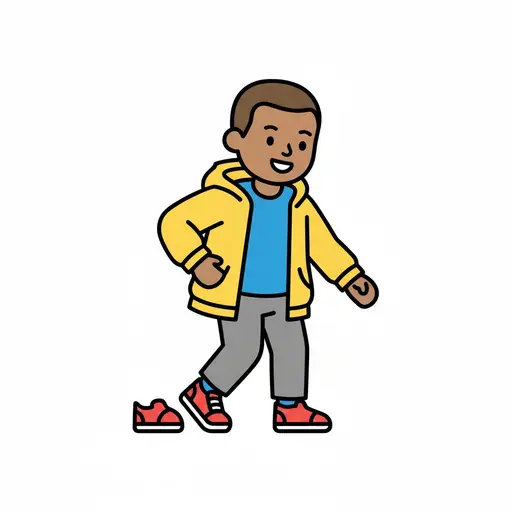
Prepare for outside
A boy in a yellow jacket steps into a pair of red shoes.
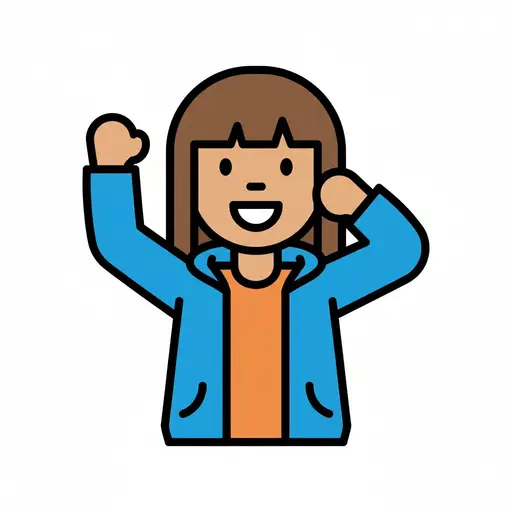
Get ready for outside
A cheerful girl wears her blue jacket over an orange top and lifts both arms in ...
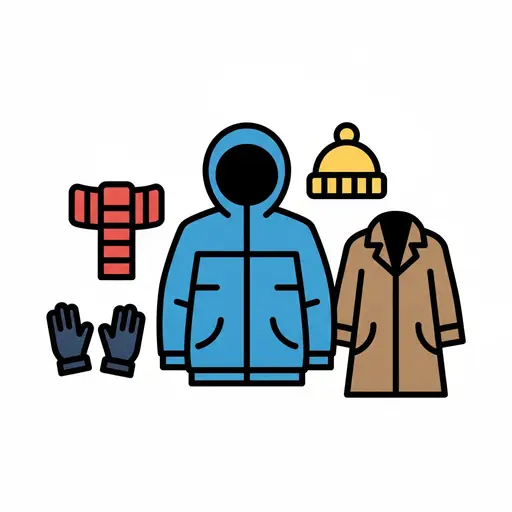
Outerwear
A blue hooded jacket, a beige coat, a yellow hat, a red scarf and a pair of dark...
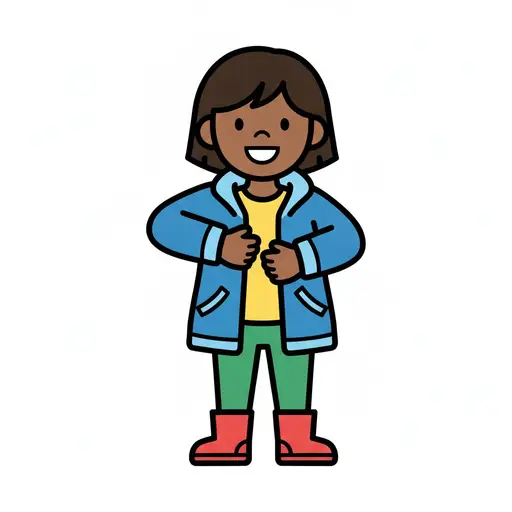
Put on outerwear
A girl wears a blue raincoat and red boots.
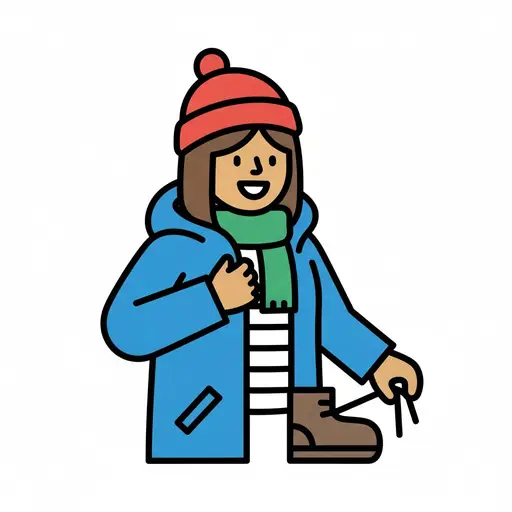
Put on outside clothes
A girl in a blue winter coat, red beanie and green scarf is putting on brown boo...
Take the visual supports with you
In Routined you build schedules from these pictures, add timers and voice instructions, and your child follows the day on their own.


* 14-day free trial, then $2.39 a month or $20.99 a year (US pricing). Cancel anytime.