Take the lunchbox
The rush at the front door is an unkind moment for memory. Shoes on, jacket on, hat on, and the lunchbox stays alone on the counter. The visual support below moves that forgetting away from the head and onto a spot where the eyes look anyway.
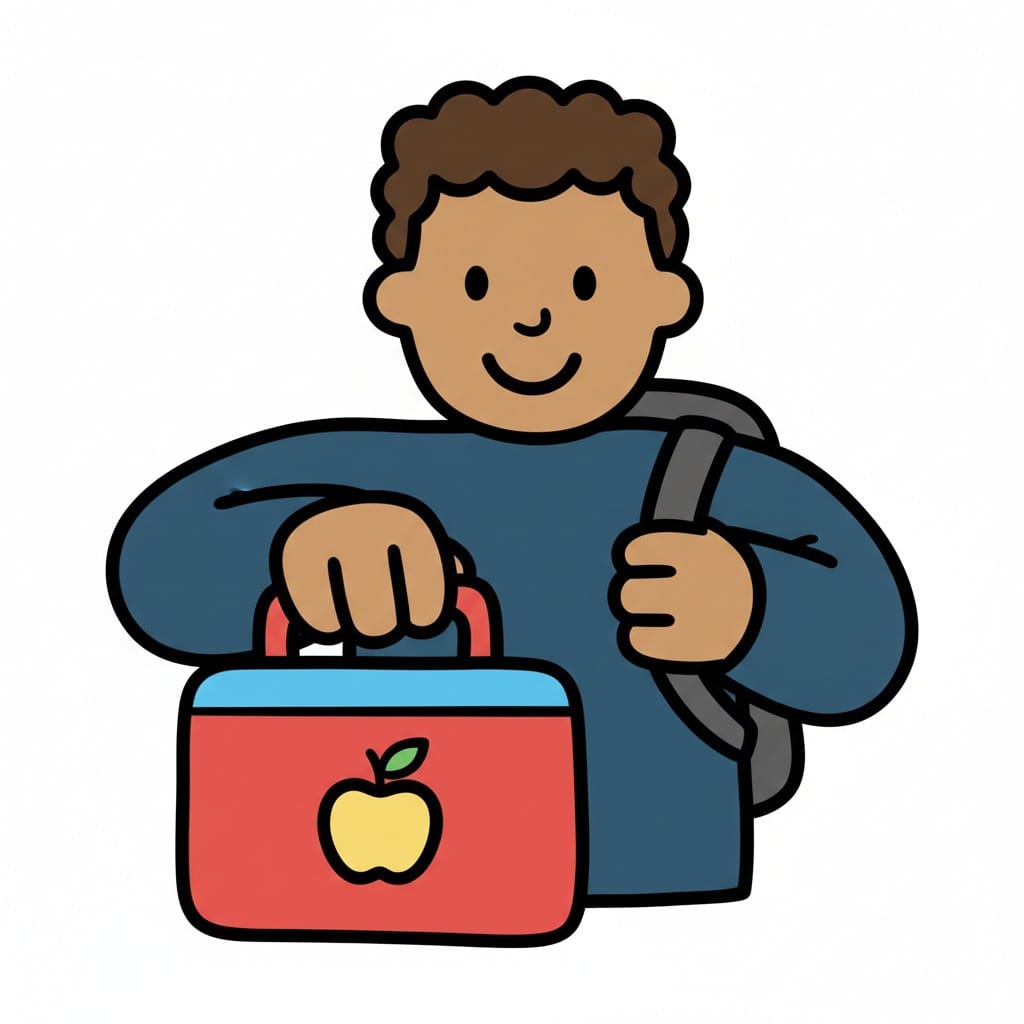 ♂
♂Carrying lunchbox and backpack
A smiling boy with curly brown hair wearing a grey backpack and holding a red lunchbox with a yellow apple on the front.
About this visual support
Lunchboxes are not forgotten because the child does not care, they are forgotten because memory works less well when the body is on the move. The front door opens, the jacket has to go on, someone calls out that you are late, and right then the brain is supposed to recall a separate thing sitting far away in the kitchen. That is not a flaw in the character, that is how stress behaves in a head with a lot going on.
Visual support helps by moving the reminder out of internal memory and onto an external spot. When the picture of the lunchbox hangs where the child is already looking, by the shoe rack, at handle height, next to the coat hook, the step becomes part of getting dressed, not a separate task that has to be fetched back from nowhere.
A concrete tip: place the picture at the same height as the door handle, not up where adult eyes are. The child literally walks past it with their gaze on the way out. If you want to connect the lunchbox to a longer morning routine with breakfast, dressing and backpack so the whole sequence sits in one place, you can build it in the Routined app.
Use this image in a schedule
Build your own visual schedule with this image and download it as a print-ready PDF. Completely free.

More similar visual supports
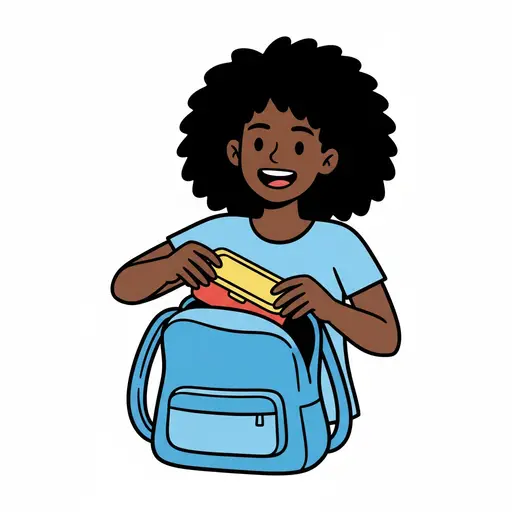
Put lunchbox
A girl is putting a yellow container into a blue backpack.
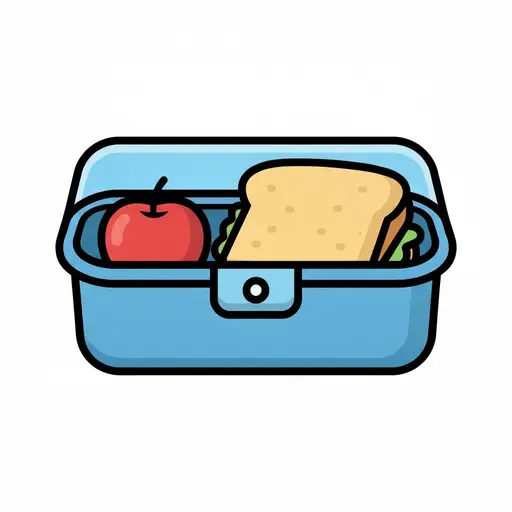
Lunch box
An open blue lunch box holding a sandwich and a red apple.
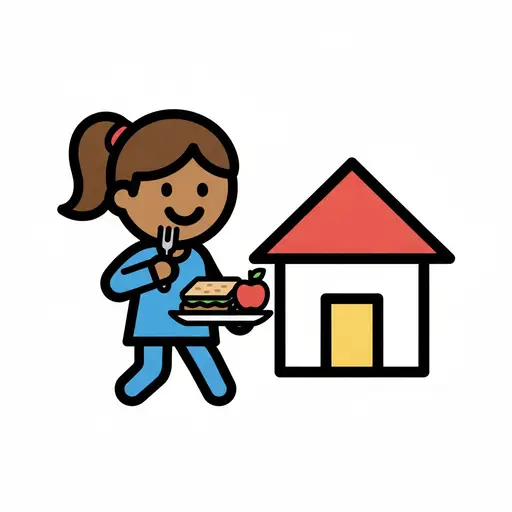
Go home and eat lunch
A child carries a plate of food toward a house.
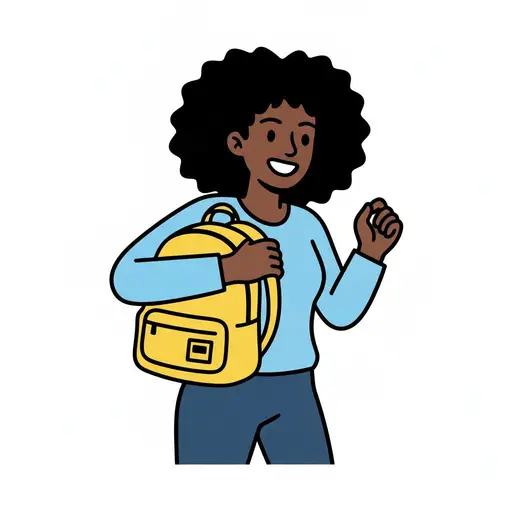
Bring backpack
A smiling girl in a blue top swings a yellow backpack onto her shoulder as she s...
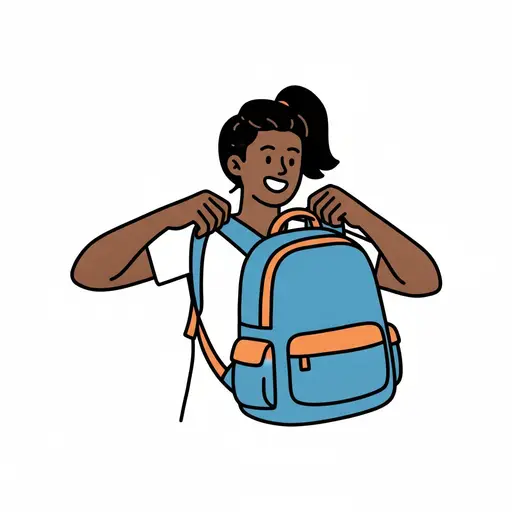
Pick up backpack
A girl lifts a blue backpack by its shoulder straps.
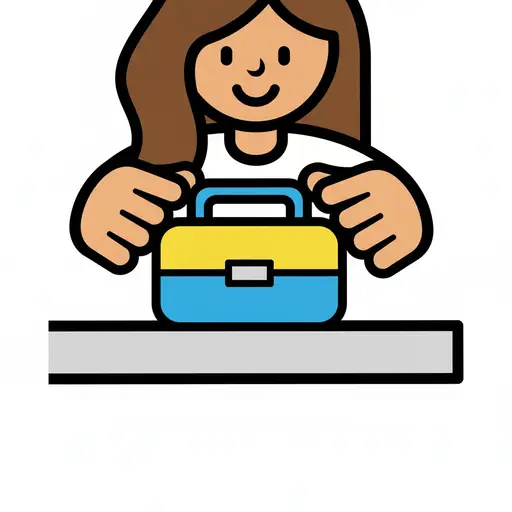
Place lunchbox
A cartoon girl placing a lunchbox.
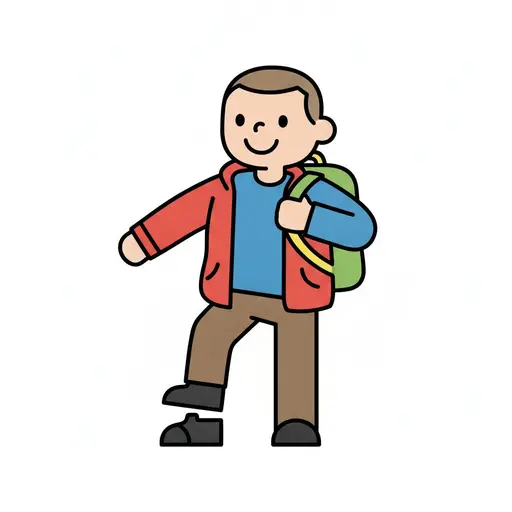
Put on jacket and backpack
A boy wearing a jacket and backpack takes a step.
Put on the backpack
A smiling girl puts a blue backpack on over her shoulder.
Take the visual supports with you
In Routined you build schedules from these pictures, add timers and voice instructions, and your child follows the day on their own.


* 14-day free trial, then $2.39 a month or $20.99 a year (US pricing). Cancel anytime.