Wallet
A first wallet of your own is a sign of independence. At the same time, it means keeping track of cards, cash and where you put it. Pictures make the habits clear. You will find the visual support below.
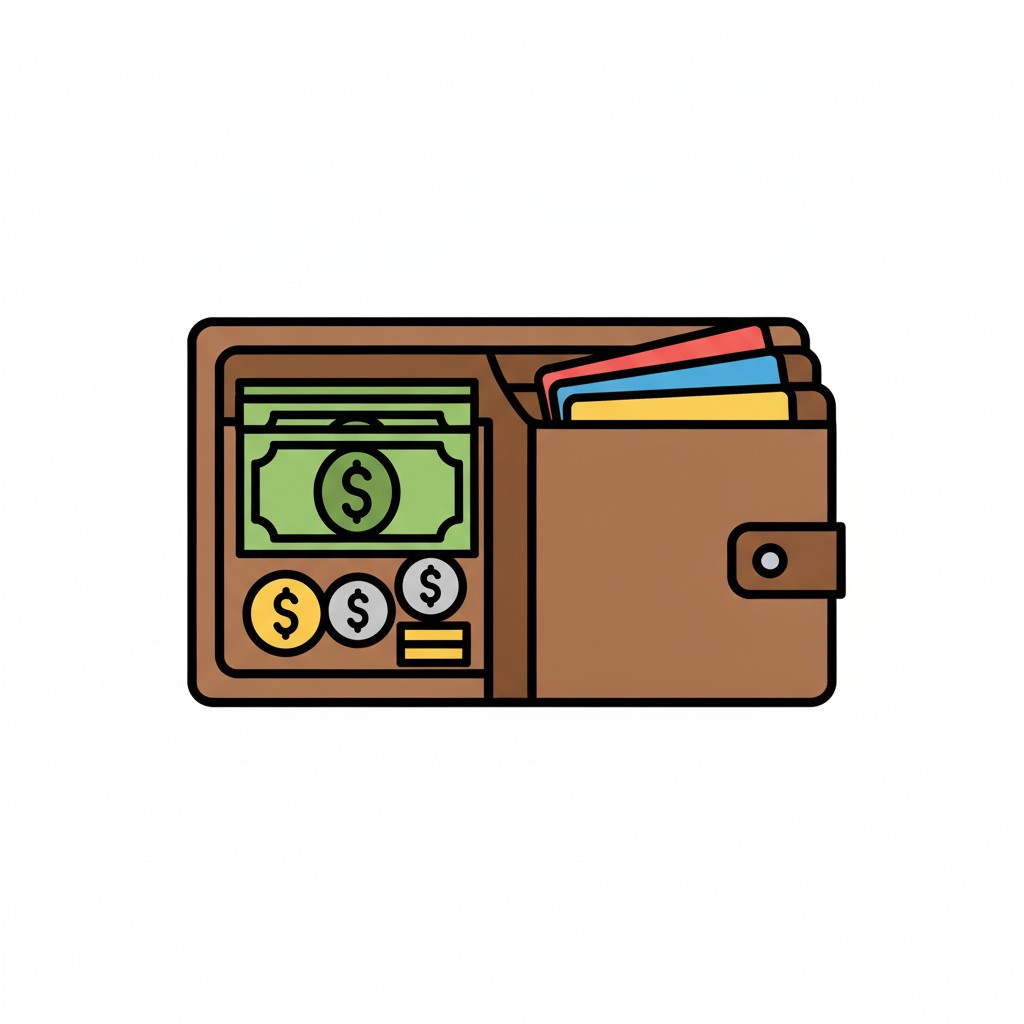
Wallet
A wallet with banknotes, coins and cards.
Brown wallet
A brown wallet with banknotes sticking out.
Wallet with card
A wallet holding a card and a banknote.
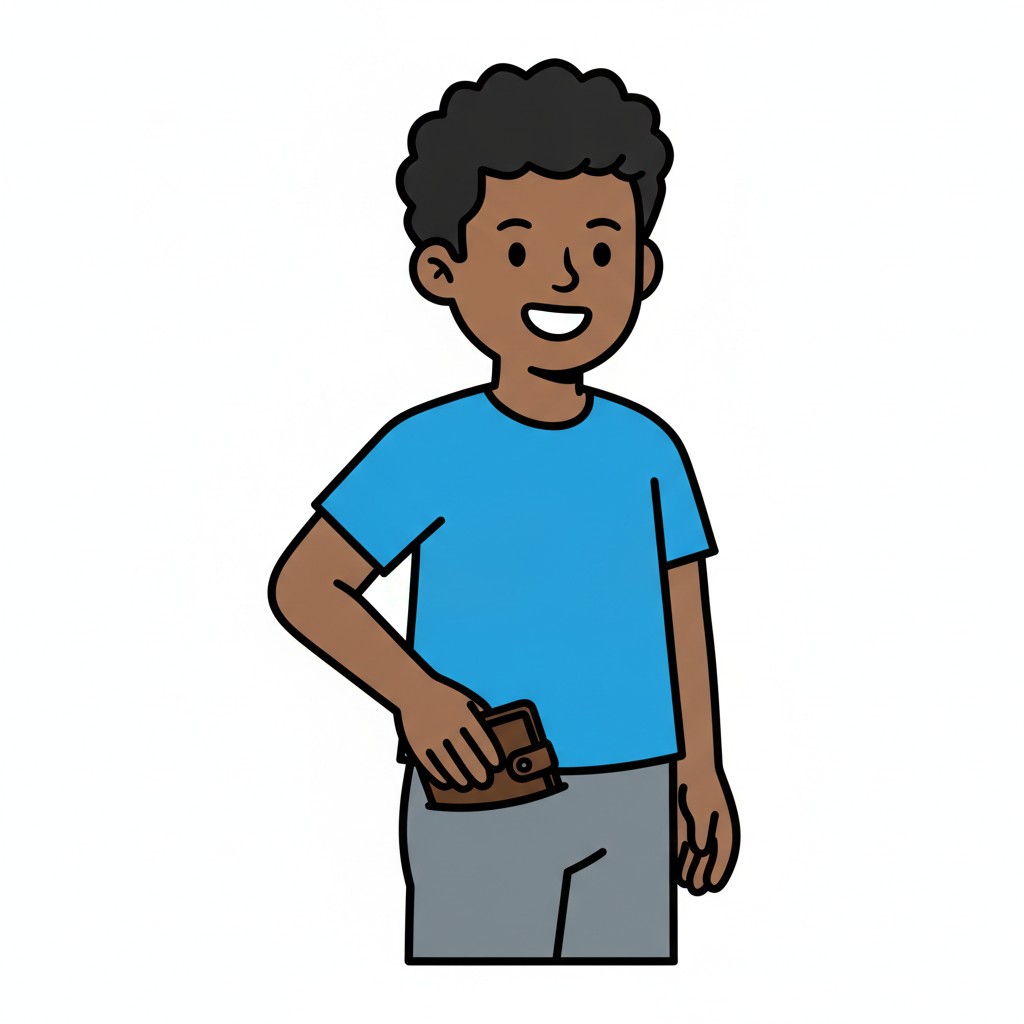 ♂
♂Getting the wallet
A boy puts his wallet into his pocket.
About this visual support
Pocket money, a first bank card or money for the kiosk after practice make the wallet part of everyday life for many children. It brings freedom, but also responsibility. A wallet left on the bench in the changing room or dropped from a pocket without a zip is a common setback, and for children who find it hard to keep track of things, it can happen often.
The visual support builds fixed habits. The pictures show wallets with cards and notes and a boy putting the wallet in his pocket. Use them for short sequences: check that the card and money are in the wallet, put it in the pocket with a zip, feel that it is there as you walk, and put it in its fixed place when you get home. The picture of the boy putting the wallet in his pocket can go by the front door.
A practical tip is to choose a fixed spot at home, such as a bowl on the hall chest, where the wallet always goes. Also talk about what the child should do if it gets lost, so there is no panic. If you want the wallet on a checklist for leaving the house, you can try Routined free for 14 days.
Use this image in a schedule
Build your own visual schedule with this image and download it as a print-ready PDF. Completely free.

More similar visual supports
Before the train
A boy stands on the platform while a dashed arrow points toward a red train on t...
Before work
A woman wearing a yellow hard hat and blue shirt, holding a toolbox and pointing...
Bring backpack
A smiling girl in a blue top swings a yellow backpack onto her shoulder as she s...
Bring keys
A woman with a shoulder bag holds up a bunch of keys.
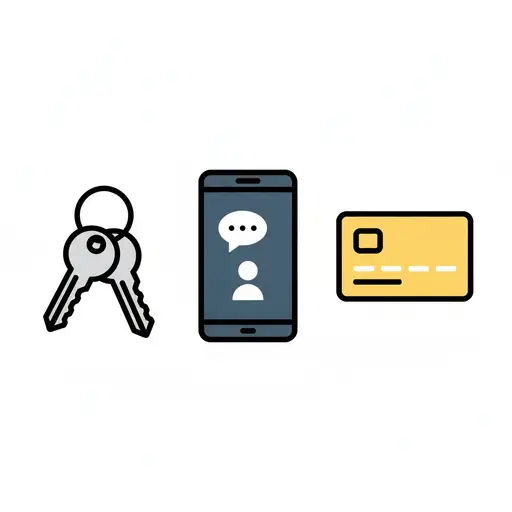
Bring keys and phone
Keys, a phone with a chat icon and a card in a row.
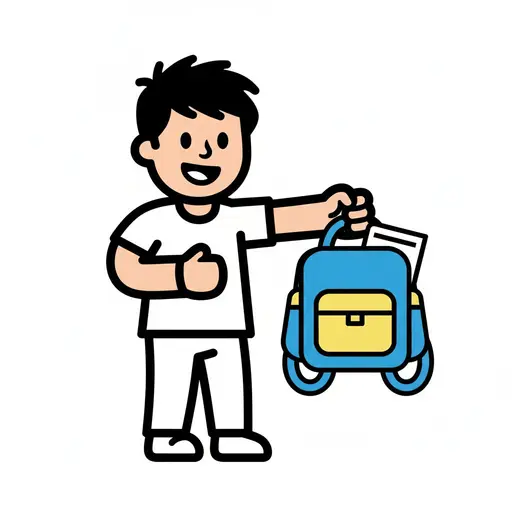
Bring school bag
Illustration of a boy holding a blue and yellow school bag.
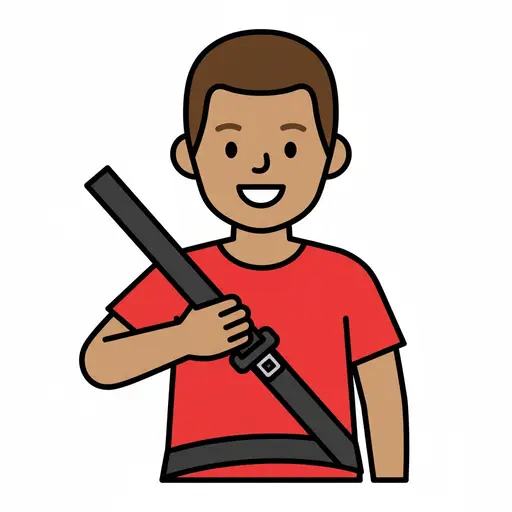
Buckle up
A person in a red t-shirt is holding a black seatbelt that goes across their che...
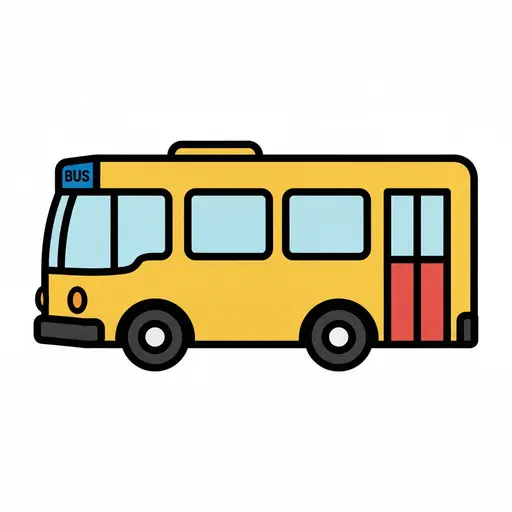
Bus
A yellow bus with red doors.
Take the visual supports with you
In Routined you build schedules from these pictures, add timers and voice instructions, and your child follows the day on their own.


* 14-day free trial included for new users.