Getting Dressed on Their Own: Building Clothing Independence
Getting dressed is a daily flashpoint — too slow, the wrong socks, a total standstill. Summer is the perfect low-pressure time to teach a child to dress themselves.
Helping your child learn to dress themselves is a significant milestone, fostering independence and building profound confidence that extends far beyond their wardrobe. While it might seem like a straightforward daily task, encouraging your child to get dressed independently involves mastering a complex series of cognitive, motor, and sensory skills. For many parents, especially those whose children navigate the world with ADHD or autism, this process can present unique challenges. With patience, clear strategies, and a compassionate focus on individual needs, you can empower your little one to navigate their morning routine with growing self-reliance and joy.
Why Getting Dressed Is Harder Than It Looks
Slipping on clothes might seem simple, yet for a developing child, getting dressed is a multifaceted puzzle requiring skills they're still mastering. Understanding these complexities fosters empathy and effective strategies.
Sequential Thinking: Imagine the mental checklist: underwear, socks, pants, shirt. Each item needs correct orientation – front from back, inside from out – and must be donned in a specific order. For children, especially those who thrive on predictability but struggle with sequencing, this multi-step process can be overwhelming, demanding memory of both what and when.
Fine Motor Skills: Buttons, zippers, snaps, and even threading arms into sleeves demand precise hand-eye coordination and finger dexterity. These are sophisticated movements that develop gradually, and rushing only leads to frustration.
Time Perception: For young children, time is often abstract. 'Five more minutes' might feel endless, or they might not grasp urgency. Distractions or difficulty transitioning can make dressing feel interminable, often a developmental stage or processing difference, not defiance.
Sensory Processing: A crucial, often overlooked aspect, particularly for children with sensory sensitivities. The feel of a rough seam, a scratchy tag, a tight waistband, or certain fabric textures can be profoundly uncomfortable, distracting, or even painful. What adults perceive as 'picky' can be genuine sensory overload, turning dressing into a battle against discomfort.
Break It Into Micro-Steps
Building independence lies in breaking large tasks into their smallest, most manageable components. Don't expect your child to go from pajamas to fully dressed instantly; celebrate mastery of each tiny step.
One Item at a Time: Begin with one article, like socks. Sit and demonstrate slowly: 'Find the heel,' 'Wiggle your toes in,' 'Pull it up!' Use simple, consistent language. Praise their effort for each successful pull.
Specific, Concrete Steps: For pants, it's not just 'put on your pants.' It’s: 'Find the front,' 'One leg in,' 'Now the other,' 'Pull to your knees,' 'Then all the way up!' This detail offers a clear roadmap. You can use a 'hand-over-hand' approach initially, gradually reducing support as confidence grows.
Focus on 'Hard Parts': If buttons are tricky, practice only buttoning. If zippers are a struggle, work only on zipping. If shirts are often inside out, focus on identifying the 'tag in the back' or 'picture on the front' before dressing.
Patience and Repetition: Children learn through repetition. What seems slow is necessary practice. Each successful micro-step builds neural pathways and strengthens their sense of accomplishment, fostering greater independence.
Set It Up the Night Before
Mornings can be a whirlwind. Preparing the evening before is a simple habit that drastically reduces morning stress and empowers your child for a calm start.
Collaborative Outfit Selection: Make choosing tomorrow's outfit a calm evening ritual. Involve your child: 'Which of these two shirts?' or 'Blue pants or grey?' This provides agency without overwhelm.
Weather Check Together: Briefly discuss the next day's weather. 'It's chilly, so we need a long-sleeved shirt.' This connects their choice to practical, real-world factors.
Lay Out in Order: Lay out each chosen item in the precise order it will be donned: underwear, then socks, pants, shirt, perhaps a sweater. Place them on their bed or a designated spot. This visual preparation eliminates decision fatigue and minimizes delays.
Benefits of Predictability: For children who thrive on routine, knowing what to expect reduces anxiety. It transforms a potentially chaotic task into a predictable sequence, offering a clear path as soon as they wake.
Handle Sensory Clothing Issues
Many children, especially those with sensory sensitivities related to ADHD or autism, find certain clothing genuinely distressing. What’s minor to one can be profoundly uncomfortable or painful to another. Understanding these issues with empathy is crucial for a happier dressing experience.
Tags: Often a major culprit. Snip them out carefully, ensuring no sharp edges remain. Some parents even gently file down stubs.
Seams: Rough or prominent seams, particularly on socks or inside shirts, can feel scratchy or create pressure. Look for 'seamless' options or suggest turning clothes inside out.
Textures: Children have strong preferences. Some prefer soft, smooth fabrics like cotton; others seek the gentle compression of snug garments. Conversely, wool, denim, or corduroy might feel irritating or overwhelming. Observe what your child gravitates towards or avoids.
Tightness & Fit: Overly tight waistbands, collars, or cuffs can restrict movement. Ensure clothing is neither too tight nor too loose, as either extreme can be uncomfortable. Some prefer loose clothes, others find snug fits calming.
Empower Through Choice (Within Limits): Offer two acceptable choices rather than an open-ended 'What do you want to wear?' This provides control without overwhelm. For instance, 'Soft blue shirt or soft green shirt today?'
Use a Visual Sequence and Let Them Lead
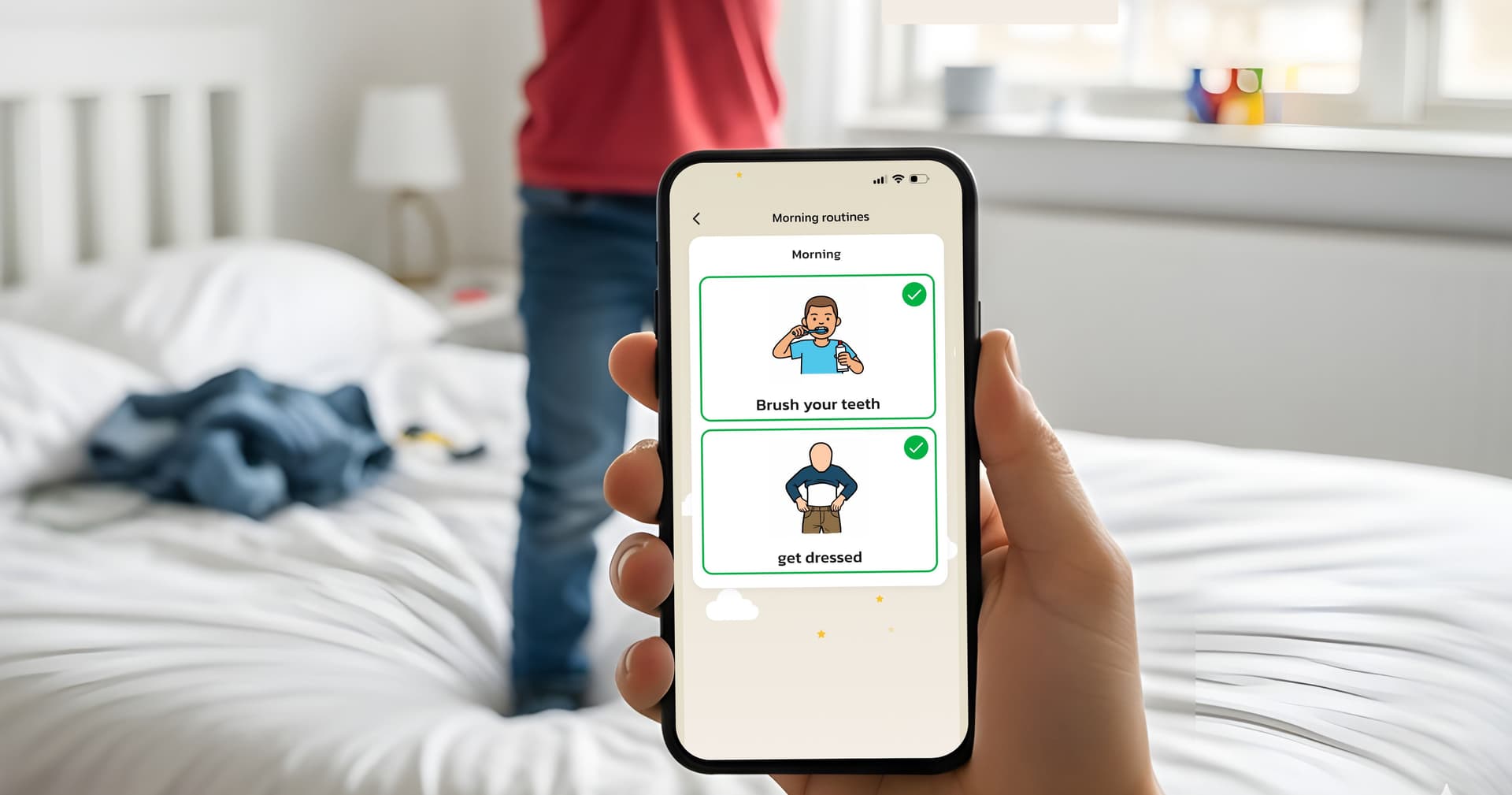
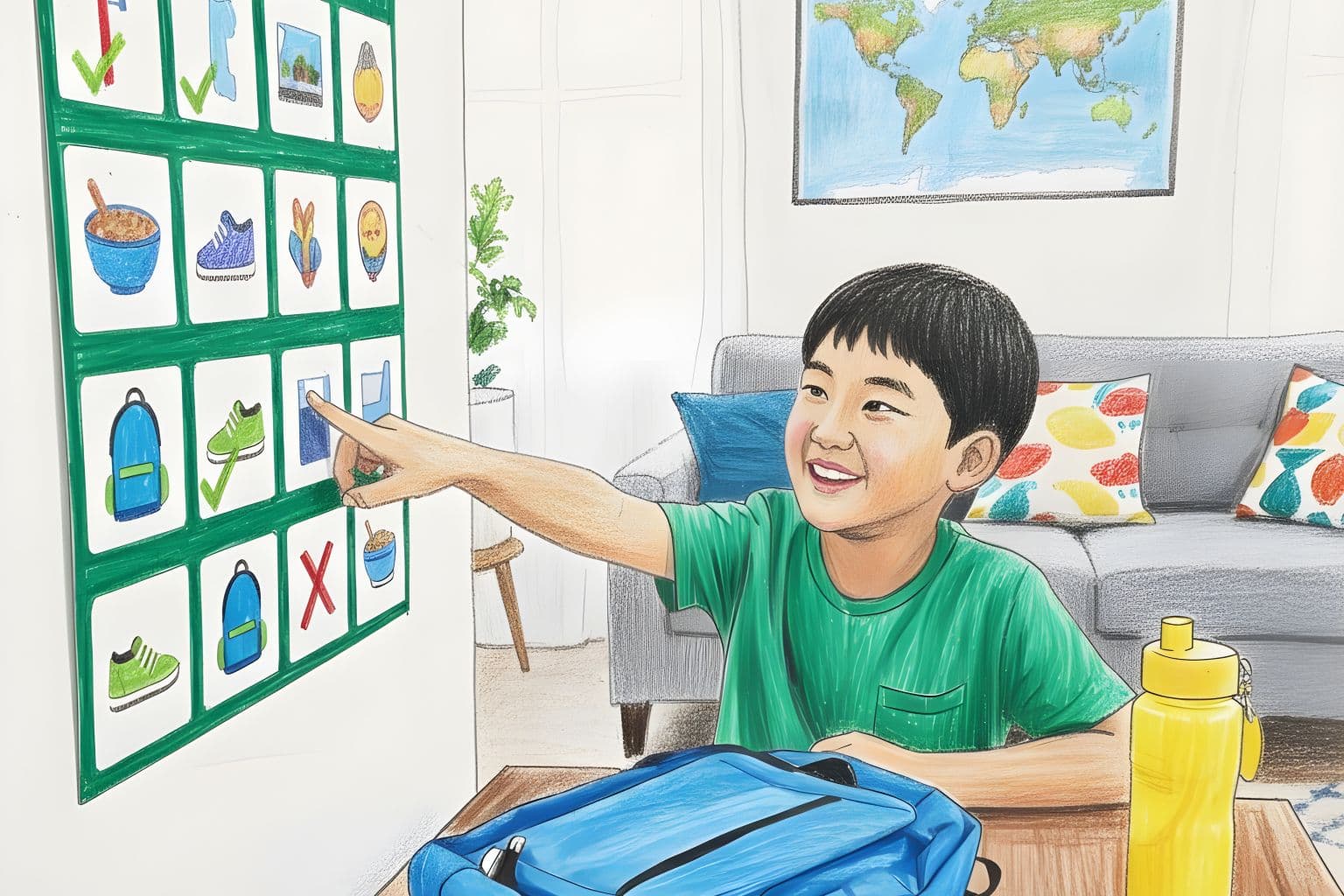
A visual chart with pictures or drawings of each dressing step (underwear, socks, pants, shirt, shoes) is incredibly powerful, especially for children who benefit from clear, tangible instructions. Place it where they can easily see and access it. Instead of constant verbal prompts, encourage them to look at the chart and point to the next step. This shifts responsibility to the child, allowing them to 'read' their routine at their own pace. Be patient, offer gentle nudges, and provide descriptive praise: 'I see you looked at your chart – well done!' Celebrate their engagement and effort, understanding that building independence is a journey towards self-sufficiency, not a race to perfection.
Read more
Frequently asked questions
At what age should a child dress themselves?
While children begin to show interest in dressing as early as 18 months, most can start to master simple steps like pulling up pants or putting on socks by age 2-3. Full independence, including buttons and zippers, typically develops between ages 4-6, varying significantly per child.
My child takes forever to get dressed — what helps?
Break the task into very small, manageable steps and use a visual sequence to guide them. Prepare clothes the night before, minimizing choices and decisions in the morning. Keep instructions clear and simple, and use timers if appropriate to add a playful challenge, not pressure.
How do I handle a child who refuses certain clothes?
Listen to their concerns; often, sensory issues like itchy tags or uncomfortable seams are the cause. Offer two acceptable choices to give them control, or involve them in shopping for comfortable fabrics. Avoid power struggles by validating their feelings and seeking alternative clothing solutions.
Should I let my child choose their own clothes?
Yes, within reasonable limits. Offering choices empowers them and fosters independence. You can present two weather-appropriate or pre-approved outfits for them to select from, which gives them agency without leading to impractical or overwhelming options.
How do I teach the order of getting dressed?
Use a consistent routine and visual aids, such as a picture chart, to show the sequence (e.g., underwear, socks, pants, shirt). Demonstrate each step slowly, and then let your child try. Provide gentle verbal cues or point to the visual sequence as a reminder.