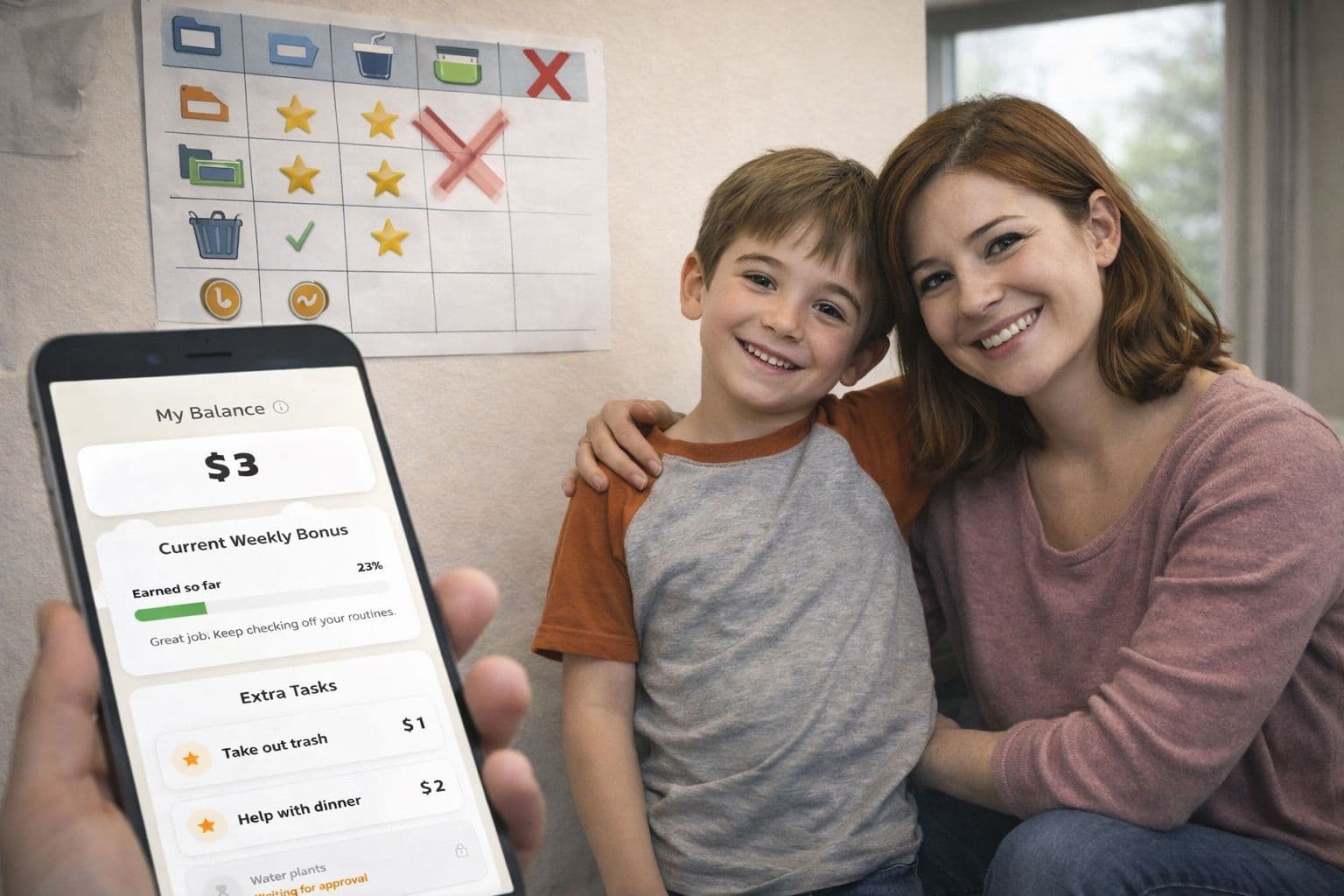
Star Charts and Point Systems That Actually Work
Star charts are one of the most popular parenting tools — and one of the most commonly abandoned. Done well, they turn daily battles into something a child wants to do. Done badly, they fizzle out in a week. The difference is in the details.
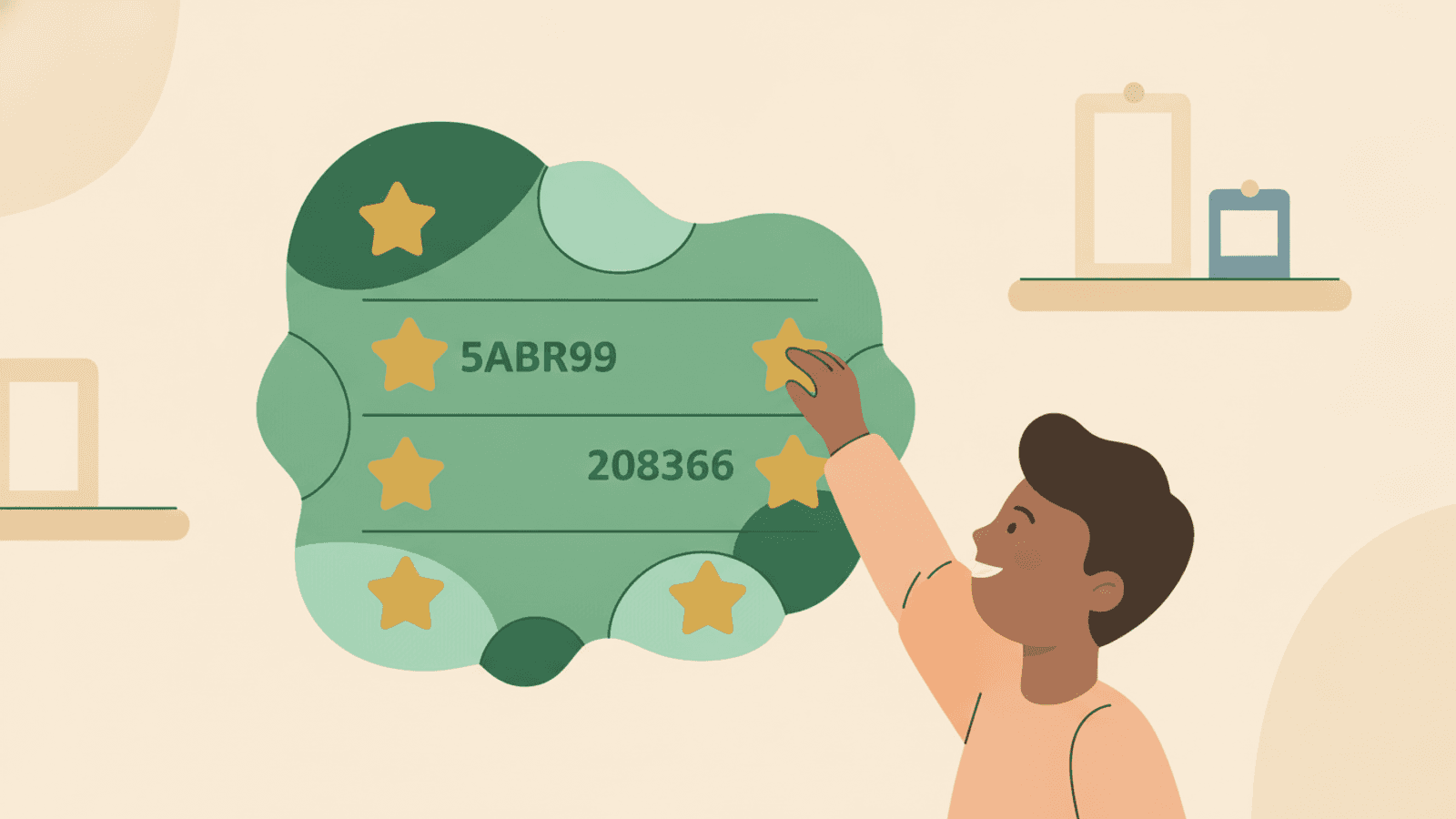
Star charts and point systems are one of the most popular parenting tools — and one of the most commonly abandoned. Done well, they can turn daily battles into something a child actively wants to do. Done badly, they fizzle out within a week. The difference isn’t the idea; it’s in the details. Here is how to build one that actually sticks.
Why star charts often fail
Most charts don’t fail because the idea is wrong — they fail in the execution. The common reasons are familiar: too many targets at once, rewards that are too big and too far away, vague behaviours nobody can quite agree on, taking earned stars away as a punishment, and the parent quietly forgetting to keep it up. A chart that asks for too much, too perfectly, for a prize three weeks away will lose a child fast.
What makes one actually work
- Pick one or two clear, specific behaviours — “brush teeth without reminders,” not “be good.”
- Make each star easy to earn at first; success builds momentum, repeated failure kills it.
- Reward quickly and often — small and soon beats big and distant, especially for younger children.
- Stay positive: you add stars for success, and you never take them away as a punishment.
- Get your child’s buy-in — let them help choose the targets and the rewards.
Setting one up, step by step
- Choose the one or two behaviours you most want to encourage right now.
- Define each one so concretely that everyone knows exactly what earns a star.
- Decide what a star is worth and how stars turn into a reward.
- Make it visual and put it somewhere your child sees it every day.
- Award stars immediately, with genuine praise — the praise matters as much as the star.
- Review after a week or two and adjust whatever isn’t working.
Choosing rewards that motivate
The best rewards are small, frequent, and things your child genuinely values — and they don’t have to cost money. Extra time doing something they love, choosing the film, a special outing, a later bedtime at the weekend, or one-on-one time with you often beat toys. Keep a menu so they can pick, mix small daily rewards with an occasional bigger one, and avoid turning it into payment for things they should simply do — it’s there to build habits, not to buy cooperation.
Reward versus bribe
There’s a real difference, and it matters. A reward is agreed in advance and earned through effort — “when you’ve done X, you get Y.” A bribe is offered in the heat of the moment to stop a behaviour — “stop screaming and you can have sweets.” The first builds good habits; the second teaches a child that kicking off gets results. Keep your system firmly in the first category.
Common pitfalls to avoid
- Too many targets — start with one or two and add more later.
- Removing earned stars as a punishment — it breaks trust and motivation.
- Rewards too big or too far away — children lose interest before they get there.
- Forgetting to keep it up — inconsistency is the quickest way to kill a chart.
- Nagging alongside it — let the chart do the talking, not you.
Keeping it fresh
Even a good system goes stale. Refresh the rewards when interest dips, celebrate progress out loud, and raise the bar gently as a behaviour becomes a habit — what earned a star at first can become simply expected, with the stars moving on to the next challenge. The goal is to grow the behaviour, then let the chart quietly fade as it becomes second nature.
Children with ADHD or autism
Reward systems can be especially powerful for neurodivergent children, but they need to be even more immediate, frequent and visual. A reward three days away is close to meaningless for a child who lives in the now — reward in minutes or hours, not days, at least to begin with. Keep targets concrete, make the chart strongly visual, and lean on praise and quick wins. Done right, it isn’t about control; it’s about giving a child clear, achievable goals and the real satisfaction of meeting them.
Read more
Frequently asked questions
Why do star charts stop working?
Usually because of how they’re run, not the idea itself: too many targets, rewards that are too big or too distant, vague behaviours, taking earned stars away as punishment, or simply not keeping it up. Fix those and most charts start working again.
How many behaviours should a star chart target?
Start with just one or two clear, specific behaviours. A chart that asks for too much at once overwhelms a child and fizzles out. Add more only once the first ones have become habits.
What rewards work best for a point system?
Small, frequent rewards your child genuinely values — often time and experiences rather than toys: choosing the film, a special outing, one-on-one time, or a weekend treat. Keep a menu and mix small daily rewards with an occasional bigger one.
Is a reward chart the same as bribing my child?
No. A reward is agreed in advance and earned through effort; a bribe is offered in the moment to stop a behaviour. The first builds habits; the second teaches that kicking off works. Keep your system to rewards agreed in advance.
Do star charts work for children with ADHD?
Yes, often very well, but they need to be more immediate, frequent and visual. Reward in minutes or hours rather than days, keep targets concrete and the chart strongly visual, and pair every star with genuine praise.