Starting Förskola in August: How to Prepare Over the Summer
Starting preschool or daycare in August is a huge transition — for the child and for you. A gentle summer run-up makes those first mornings far less daunting.
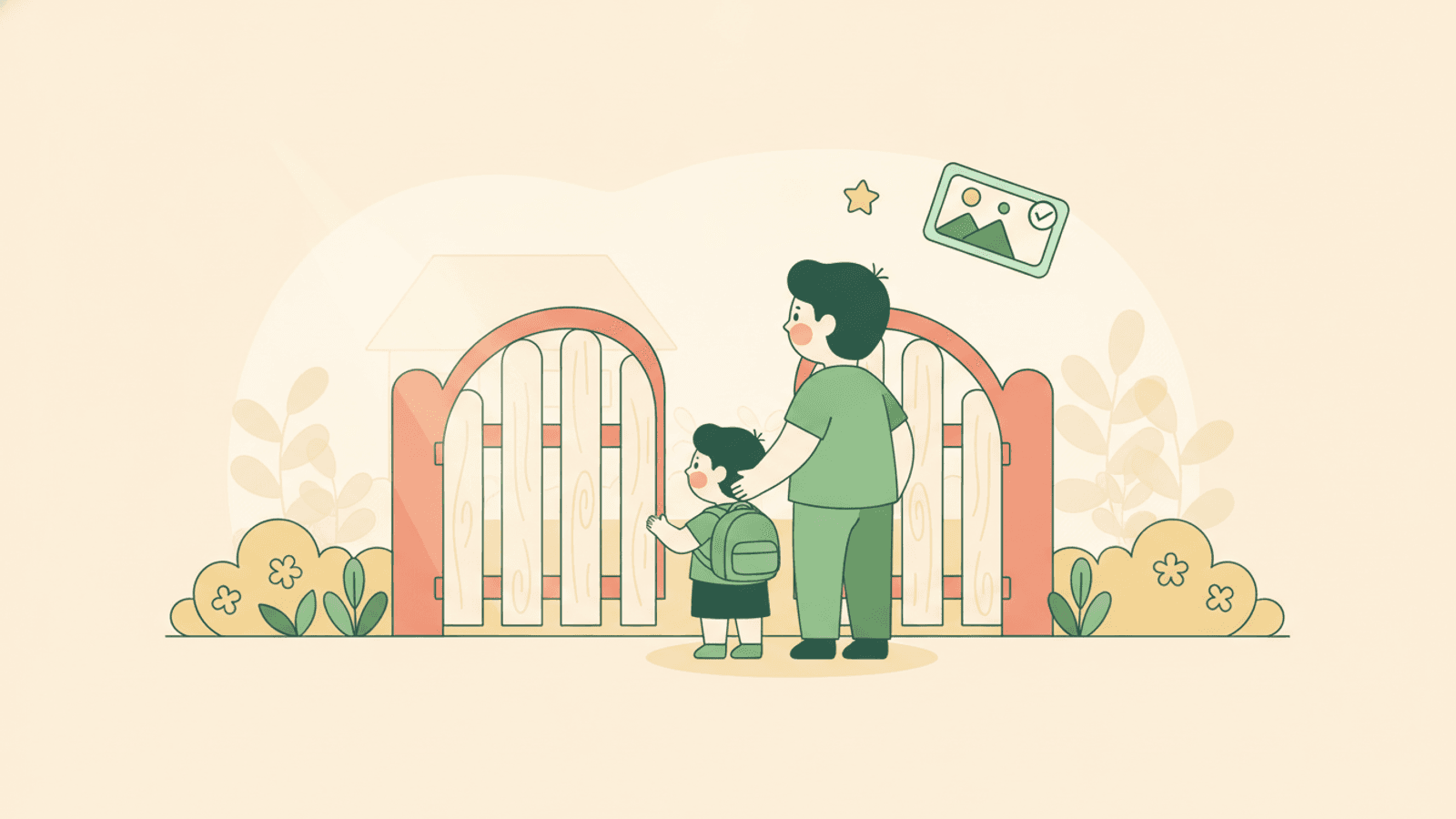
As summer days begin to shorten, many Swedish families turn their thoughts towards August and the exciting, yet sometimes daunting, start of förskola. To truly prepare your child for preschool start, the summer months offer a wonderful, low-pressure opportunity to gently introduce new concepts and routines. By taking small, consistent steps now, you can significantly ease the transition for your little one and your whole family.
Why the Förskola Start is Such a Big Step
For a small child, starting förskola isn't just a new daily activity; it's a monumental shift. They'll be navigating new environments, forming relationships with new adults and peers, and adapting to a completely different routine – often all at once. This combination of separation, novel social dynamics, and a structured schedule can be overwhelming, even for the most outgoing child.
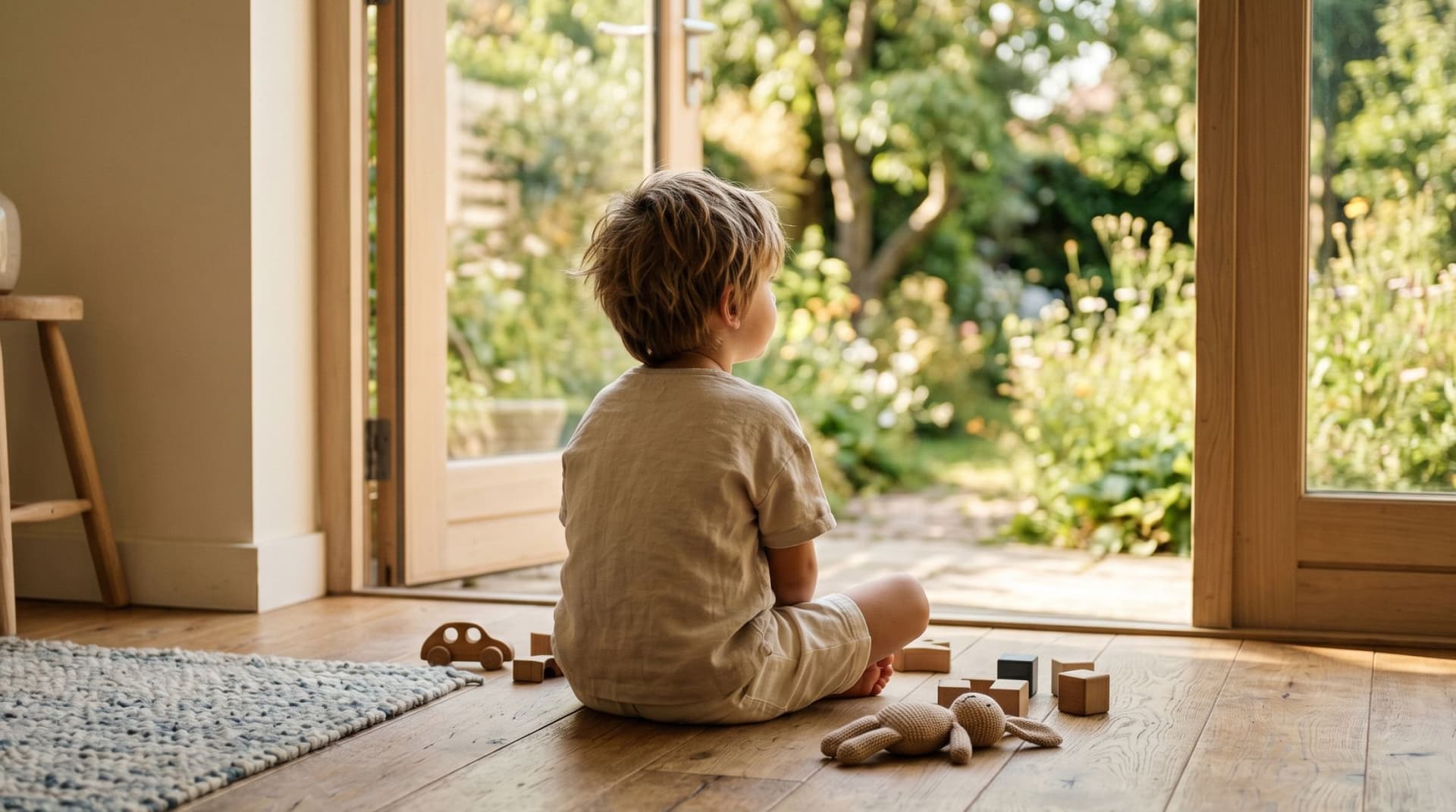
Imagine stepping into a new job where everything is different – the language, the expectations, the people – and you're not entirely sure when your primary caregiver will return. That's a little what it feels like for a toddler or preschooler. Understanding this perspective is key to approaching the transition with empathy and patience. For children who thrive on predictability, such as those with ADHD or autism, this shift can be particularly challenging, making pre-preparation even more vital.
Practise Over the Summer for a Smoother Start
Summer is the perfect low-stakes environment to begin laying the groundwork for förskola. Instead of waiting until August, start incorporating small, manageable practice sessions into your daily lives.
- Short Separations: Gently introduce brief periods of separation. This could be leaving your child with a trusted relative or friend for an hour or two while you run errands, or letting them attend a supervised playdate without you. The key is to make these separations positive and predictable, always returning as promised.
- Talk About Förskola Positively: Begin discussing förskola in an excited, reassuring tone. Use simple language to describe what will happen there: "You'll play with new toys, sing songs, and have lovely teachers." Frame it as an exciting adventure.
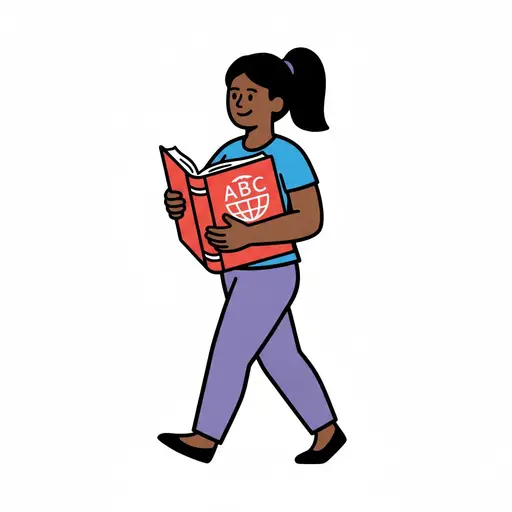
- Read Books Together: Many children's books address starting preschool or daycare. Reading these together can help demystify the experience and provide a safe space to discuss any worries your child might have.
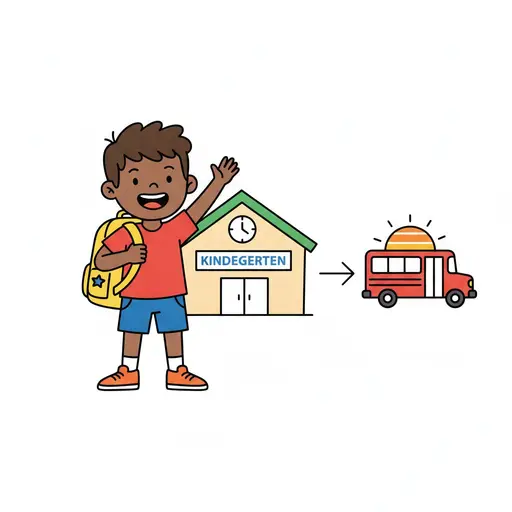
- Visit if Possible: If your förskola offers a pre-start visit, take advantage of it! Even a quick walk past the building, pointing it out as "your new förskola," can help familiarise your child with the physical space. If an official visit isn't possible, look at photos of the building online.
Build the Morning and Goodbye Routine Now
Consistency and predictability are anchors for young children, especially during times of change. A well-established morning routine can significantly reduce stress and meltdowns, setting a positive tone for the day. Start implementing a förskola-like morning routine well before August.
- Wake-up and Breakfast: Aim for a consistent wake-up time that will allow for a calm, unhurried breakfast once förskola starts.
- Get Dressed: Encourage independence by letting your child choose their clothes (from a pre-selected set) or practice getting dressed themselves.
- Pack the Bag: Involve them in packing their small backpack with essentials like a change of clothes or a favorite comfort item (if allowed). This creates a sense of ownership.
- The Goodbye Ritual: Develop a short, sweet, and consistent goodbye ritual. This might be a special hug, a secret handshake, or a quick "see you later, alligator!" phrase. Practice this ritual during your summer separations. The crucial part is to stick to it – once the ritual is complete, it's time to leave. Lingering often makes goodbyes harder for everyone.
Prepare Your Child for the Place and the Day
Demystifying the unknown can significantly reduce anxiety. The more your child understands about what to expect at förskola, the more confident they will feel.
- Use Photos and Videos: Gather photos of the förskola – the entrance, the playrooms, the outdoor area, and ideally, their specific classroom and educators. Look at these together, talking about what they see. "Look, this is where you'll hang your coat!"
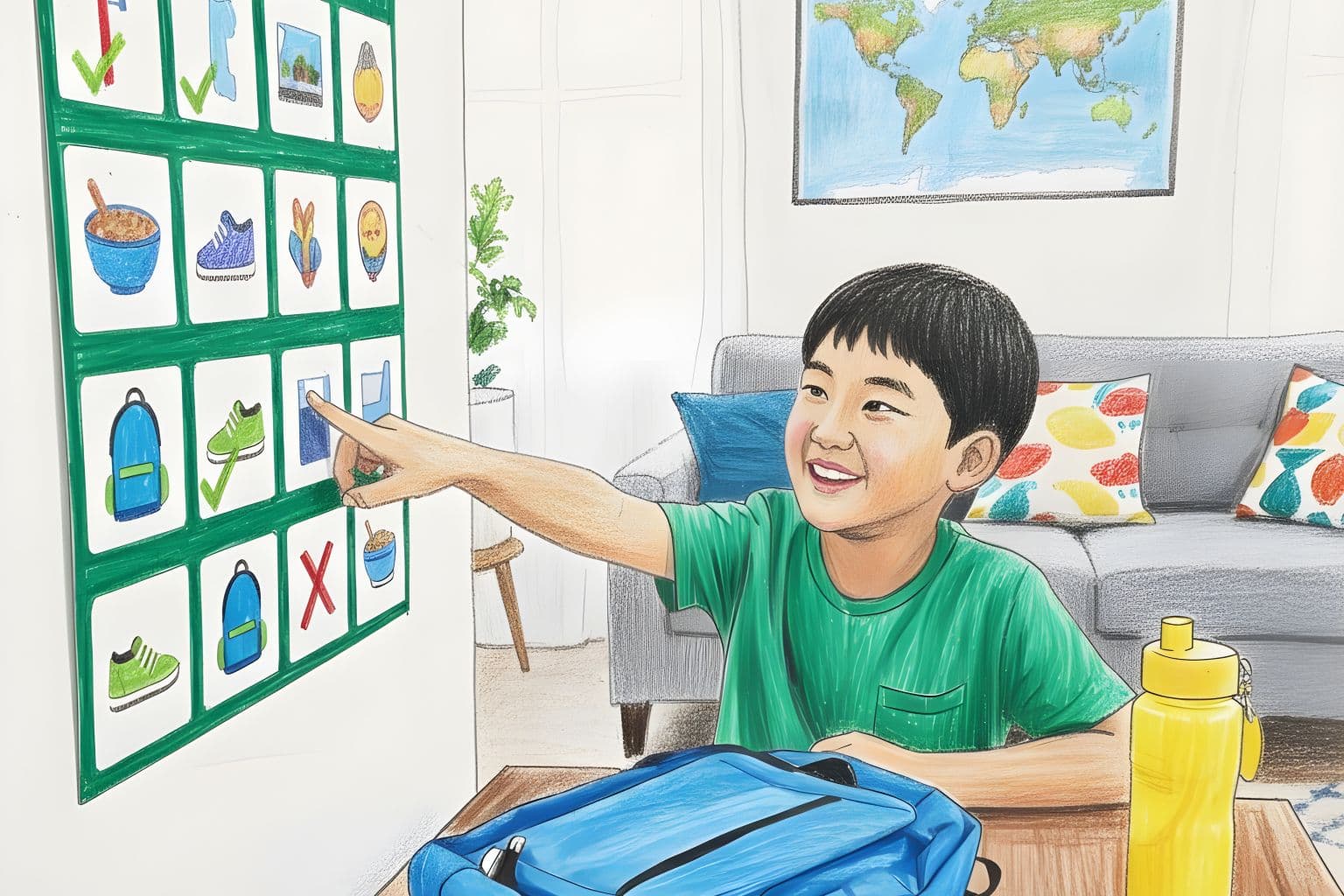
- Describe a Typical Day: Walk your child through a simplified sequence of a förskola day. For example: "First, we'll arrive and say hello to the teachers. Then you'll play with your friends, maybe have some *fruktstund* (fruit snack), and then it will be time for lunch. After lunch, you might nap or have quiet time, then play again, and then Mummy or Pappa will come to pick you up!" Visual schedules (pictures depicting each activity) can be immensely helpful here, especially for children who benefit from visual aids.
- Talk About Feelings: Acknowledge that new things can bring up big feelings. "It's okay to feel a little bit shy or even a little sad sometimes when you're starting something new. But it's also okay to feel excited!" Validate their emotions and reassure them that you'll be there to listen.
Expect a Bumpy First Few Weeks
Even with the best preparation, the first few weeks or even months at förskola can be a rollercoaster. Settling in takes time, and every child's journey is unique. Some children adjust quickly, while others might seem to regress slightly at home, becoming more clingy, tired, or prone to tantrums. This is completely normal and often a sign that they're processing all the new experiences and expending a lot of emotional energy at förskola.
Trust the educators. They are experienced professionals who have guided countless children through this transition. Maintain open communication with them, share your child's unique needs and preferences, and don't hesitate to ask for their insights. Remember to be kind to yourself too; this is a big adjustment for parents as well. Consistency, patience, and a lot of warm cuddles at home will be your greatest tools during this settling-in period. You've got this!
Read more
Frequently asked questions
How do I prepare my child for starting preschool?
Begin by talking positively about förskola and reading related books. Gradually introduce short separations with trusted caregivers to build independence. If possible, visit the förskola beforehand to familiarize your child with the environment, and establish a consistent morning routine well in advance.
How do I handle separation anxiety at drop-off?
Establish a quick, consistent goodbye ritual and stick to it. Reassure your child you will return, hand them over to the educator, and leave promptly. Lingering often prolongs the distress for both of you; trust the förskola staff to comfort them once you are gone.
How long does it take a child to settle into preschool?
Settling times vary greatly for each child, ranging from a few days to several weeks or even a couple of months. It's a significant adjustment, and some regression at home is normal as they process new experiences. Patience and consistent routines are key during this period.
Should I stay or leave quickly at drop-off?
It is generally best to leave quickly after a warm, established goodbye ritual. Lingering or returning after saying goodbye can confuse your child and make future separations harder. Trust the educators to support your child as they adjust after you've left.
What routines help before preschool starts?
Establishing a predictable morning routine – consistent wake-up, breakfast, and getting ready – is incredibly helpful. Practicing a short, clear goodbye ritual and discussing the sequence of events at förskola can also ease the transition significantly. Visual schedules can be especially beneficial for some children.