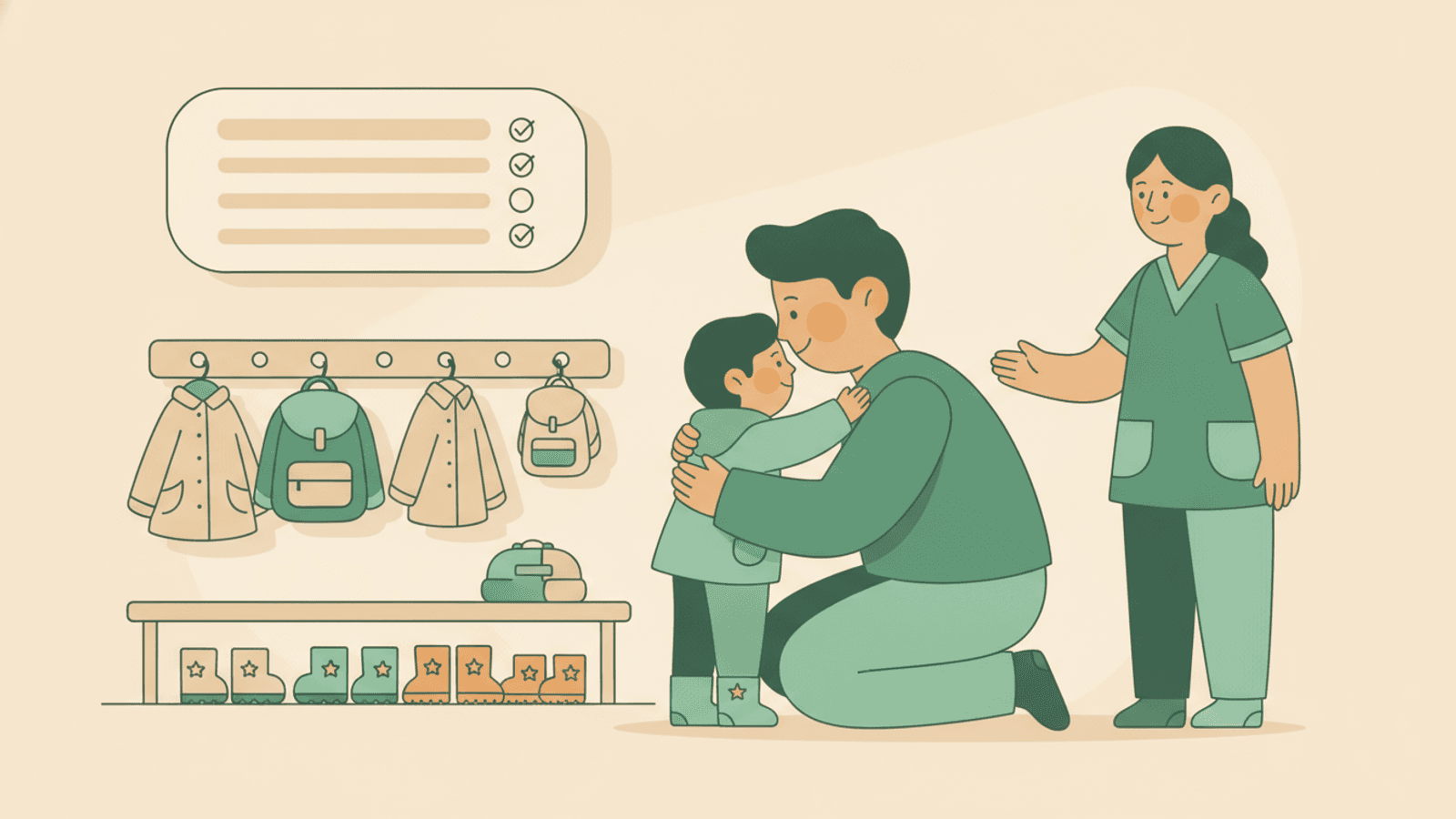
When Your Child Cries at Drop-Off: A Calm Guide to Preschool Goodbyes
The crying at the door says almost nothing about the rest of the day. Here is how to build a goodbye that is short, predictable and survivable.
Strategies to ease the transitions between school, extracurricular activities, and home life. We cover homework tips, how to manage the school bag shuffle without forgetting essentials, and the best ways to prepare your child for activities outside their usual routine.
The crying at the door says almost nothing about the rest of the day. Here is how to build a goodbye that is short, predictable and survivable.
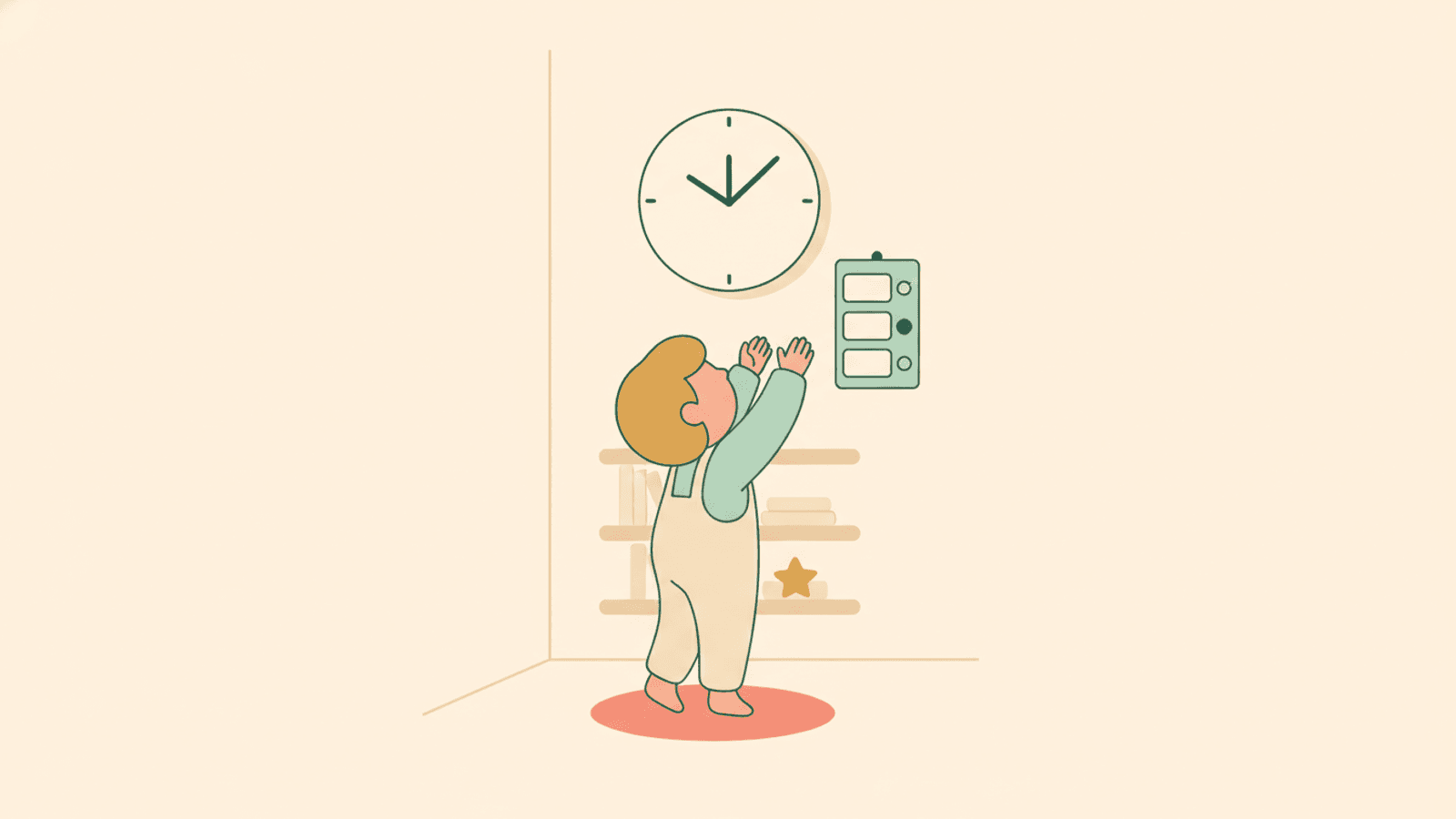
A warm, practical guide to teaching your child to tell the time, from whole hours to minutes, plus why visual timers often help children with ADHD more than clocks.
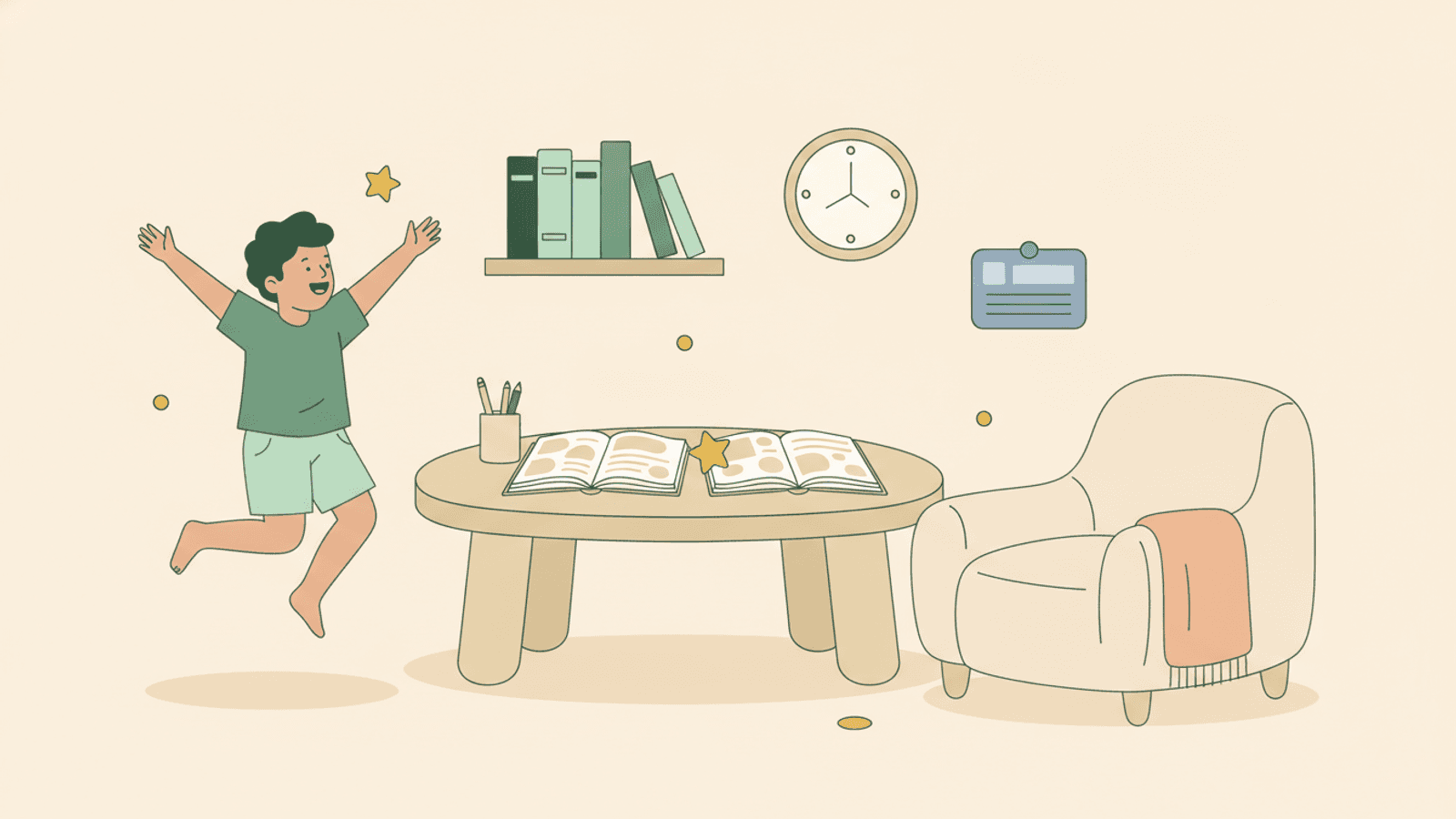
Asking a child to sit still and concentrate for long stretches goes against how young bodies and brains actually work — especially after a whole day at school. Short movement breaks aren’t a distraction from homework; for many children, they’re what makes it possible.

A new school or a new class means a lot of change at once, even when the move is a good one. Here is how to prepare your child, support them through the first weeks, and tell a slow settle from a real problem.
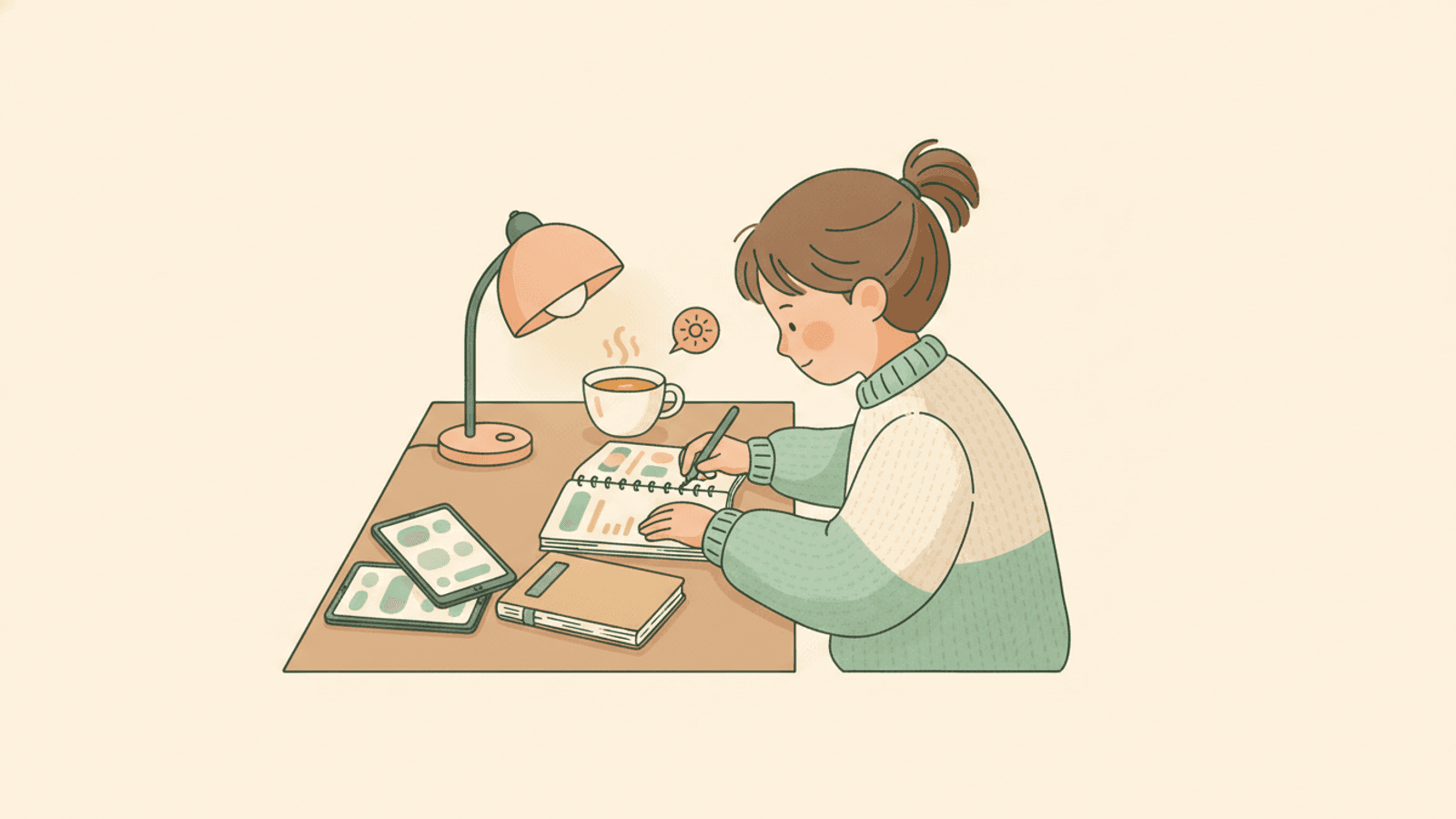
As children get older, tests and exams arrive — and with them, stress. A little is normal and even useful; too much gets in the way. Here is how to help your child prepare, manage the pressure, and keep it all in perspective.
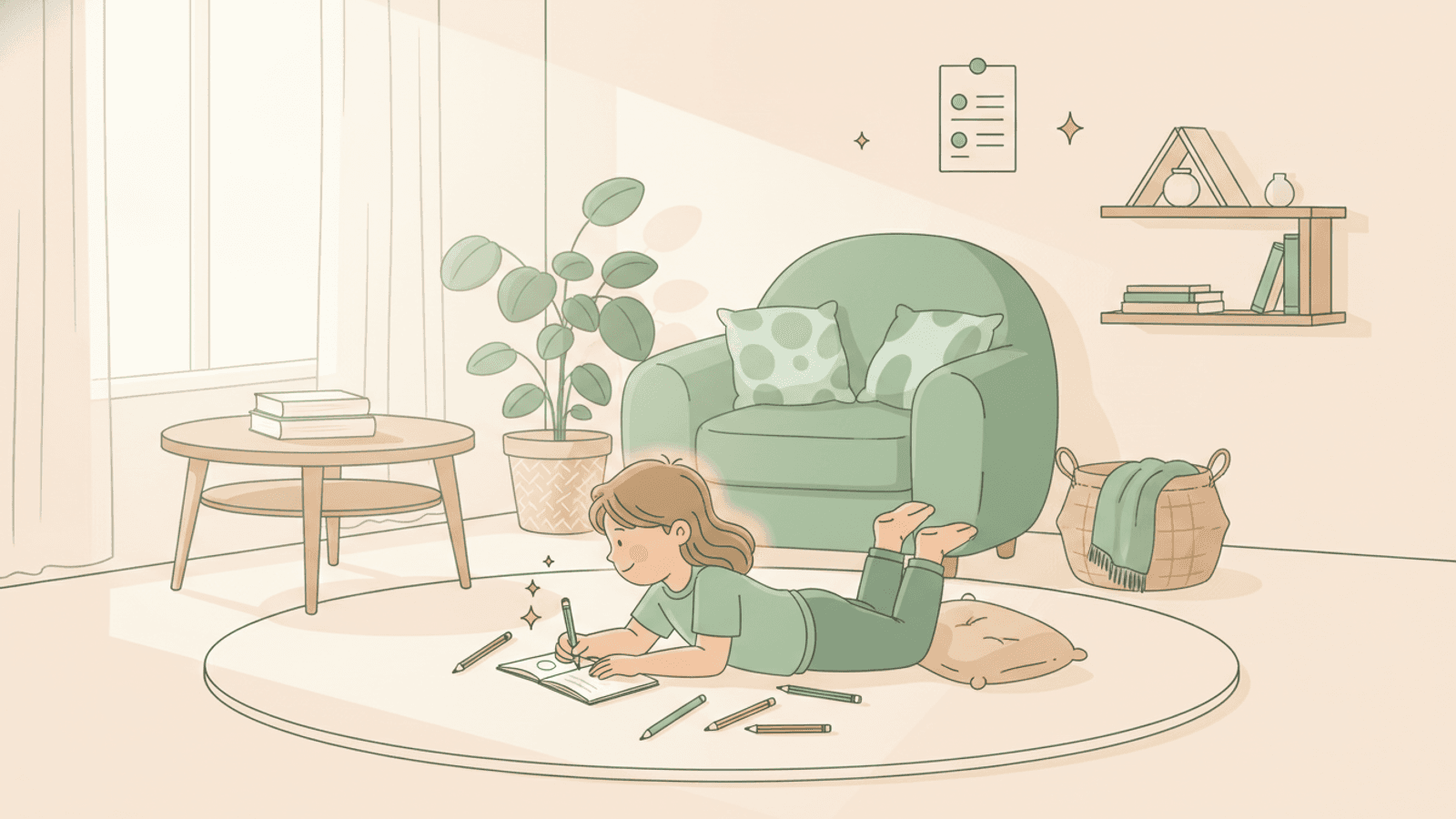
Swimming on Monday, football on Tuesday, music on Wednesday — modern childhood fills up fast, and many parents quietly wonder whether their child is doing too much, or not enough. There’s no magic number, but there are good questions to ask.
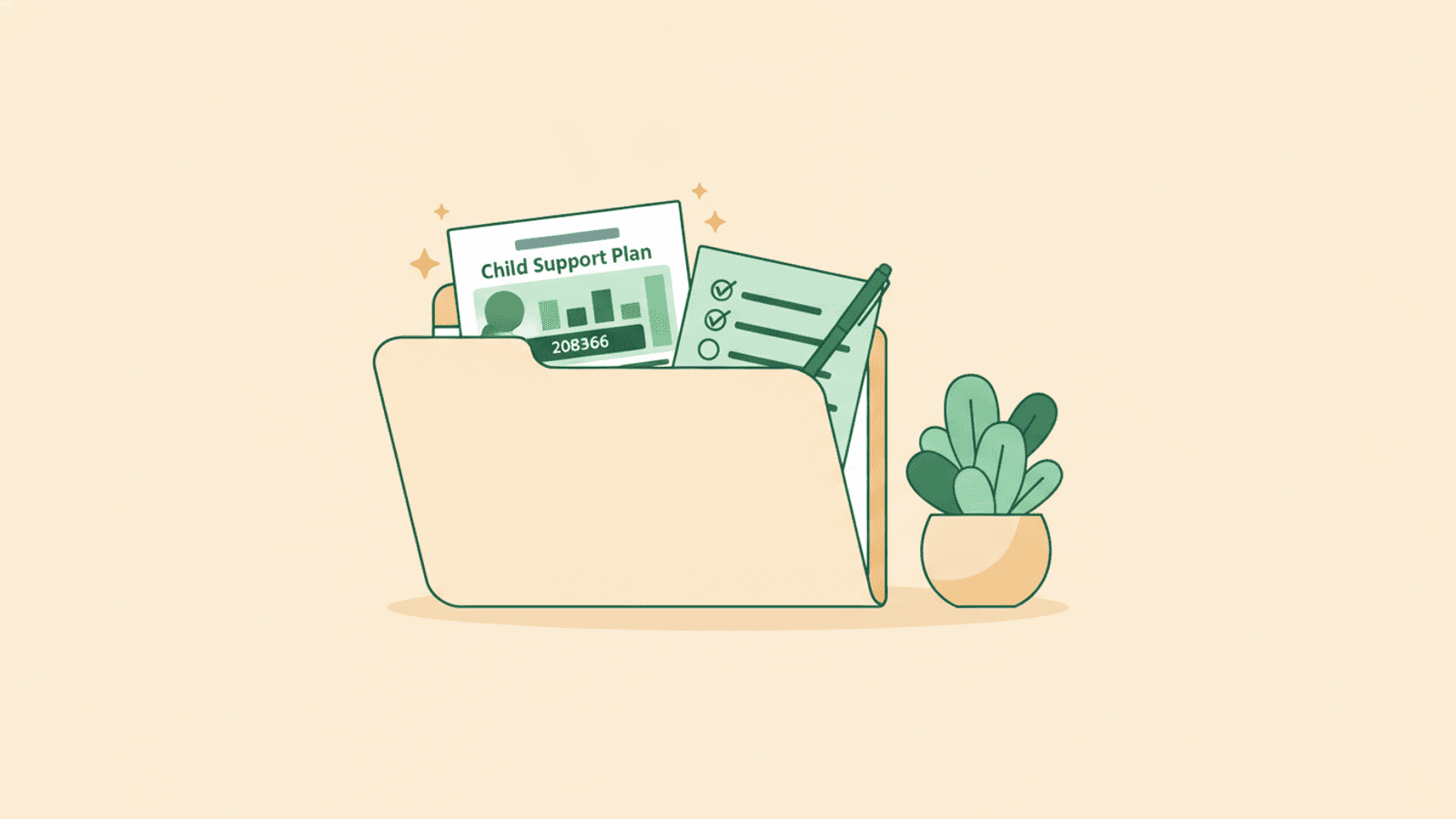
If your child is struggling at school, you’ll hear about adjustments, accommodations, and formal support plans. The terms differ by country, but the idea is the same. Here is how school support is usually structured, and your role in it.
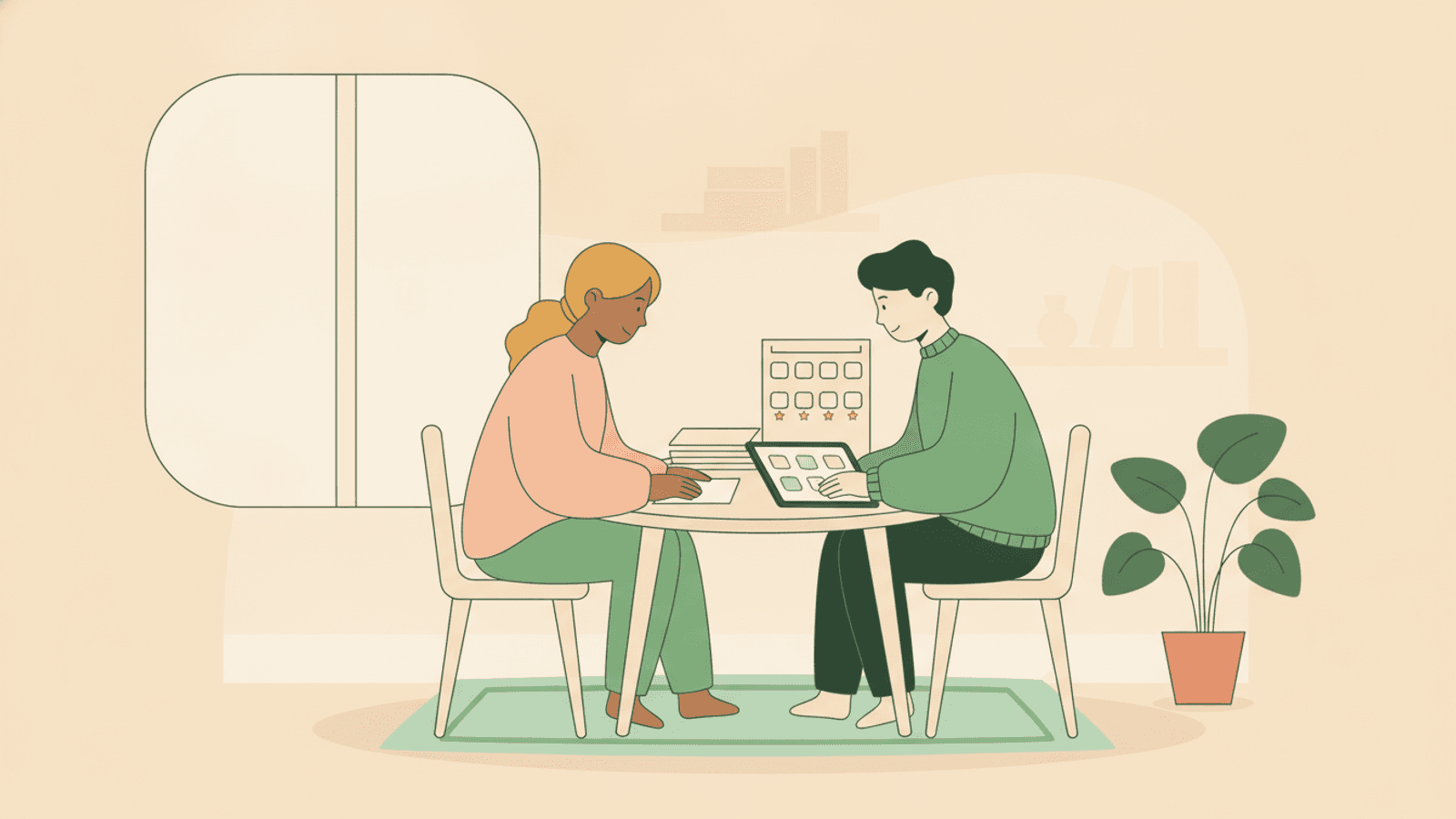
When your child is neurodivergent, school can be one of the hardest arenas — and one where a good partnership with teachers makes an enormous difference. Here is how to build that partnership, calmly and effectively.
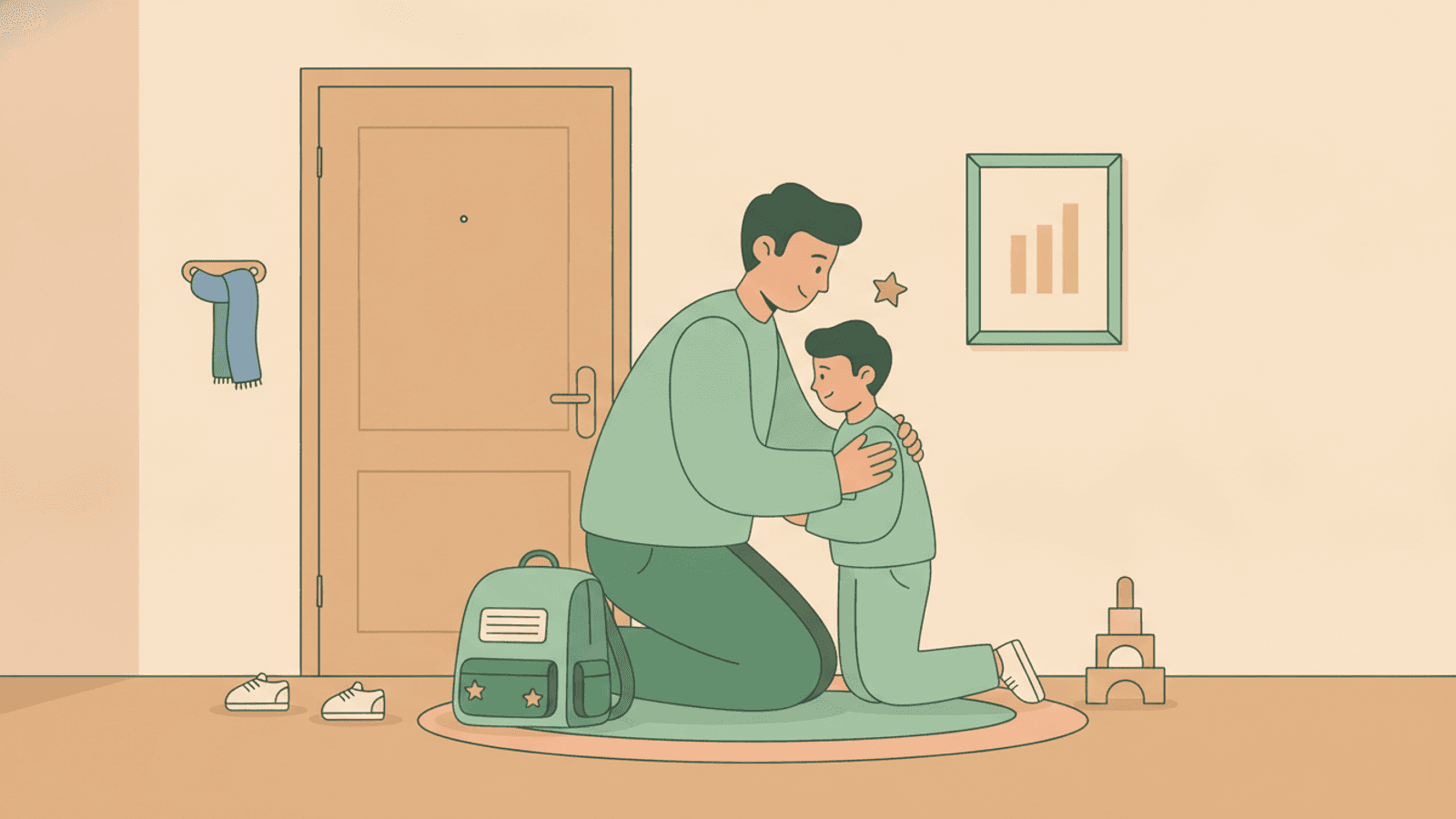
The tummy ache that appears every school morning and vanishes by Saturday, the tears at the gate, the daily battle to get out the door — school refusal is exhausting and worrying. It is almost never simple naughtiness; it is usually fear or distress.

“Do I have to?” For some children, the nightly reading task is a daily battle, and pushing harder usually backfires. The goal is not to force reading but to help a child want to read, and that comes from making it enjoyable rather than a chore.

By September, most family homework routines have already collapsed. The fix isn't more discipline — it's a better-designed routine. Time of day, environment, break structure and reward links, plus what to do when your child has ADHD or other executive function differences.
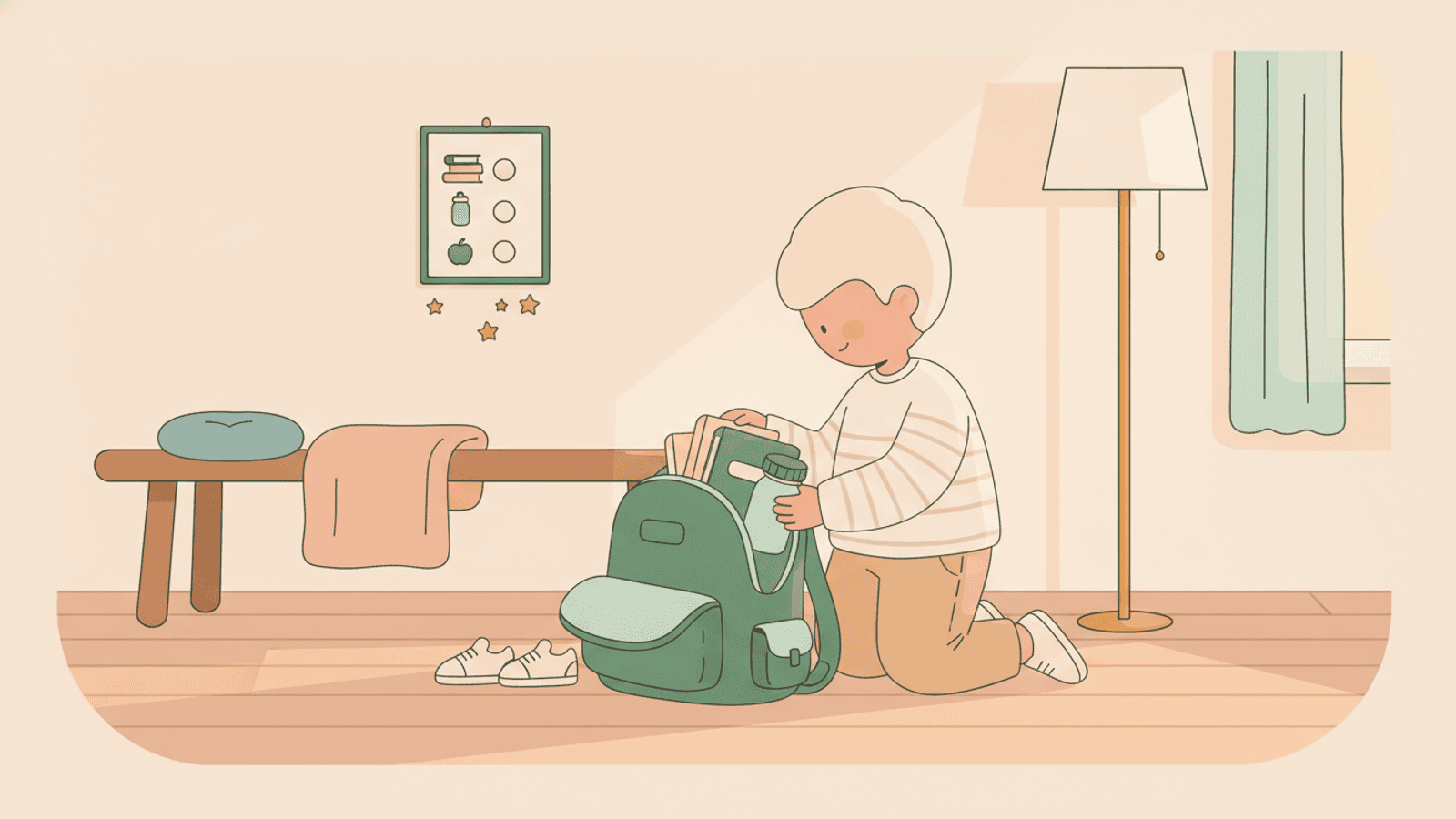
Packing the school bag is one of those jobs parents quietly keep doing for years, and then wonder why their child cannot. It is a perfect first independence task, and with a little scaffolding most children can own it earlier than you would think.
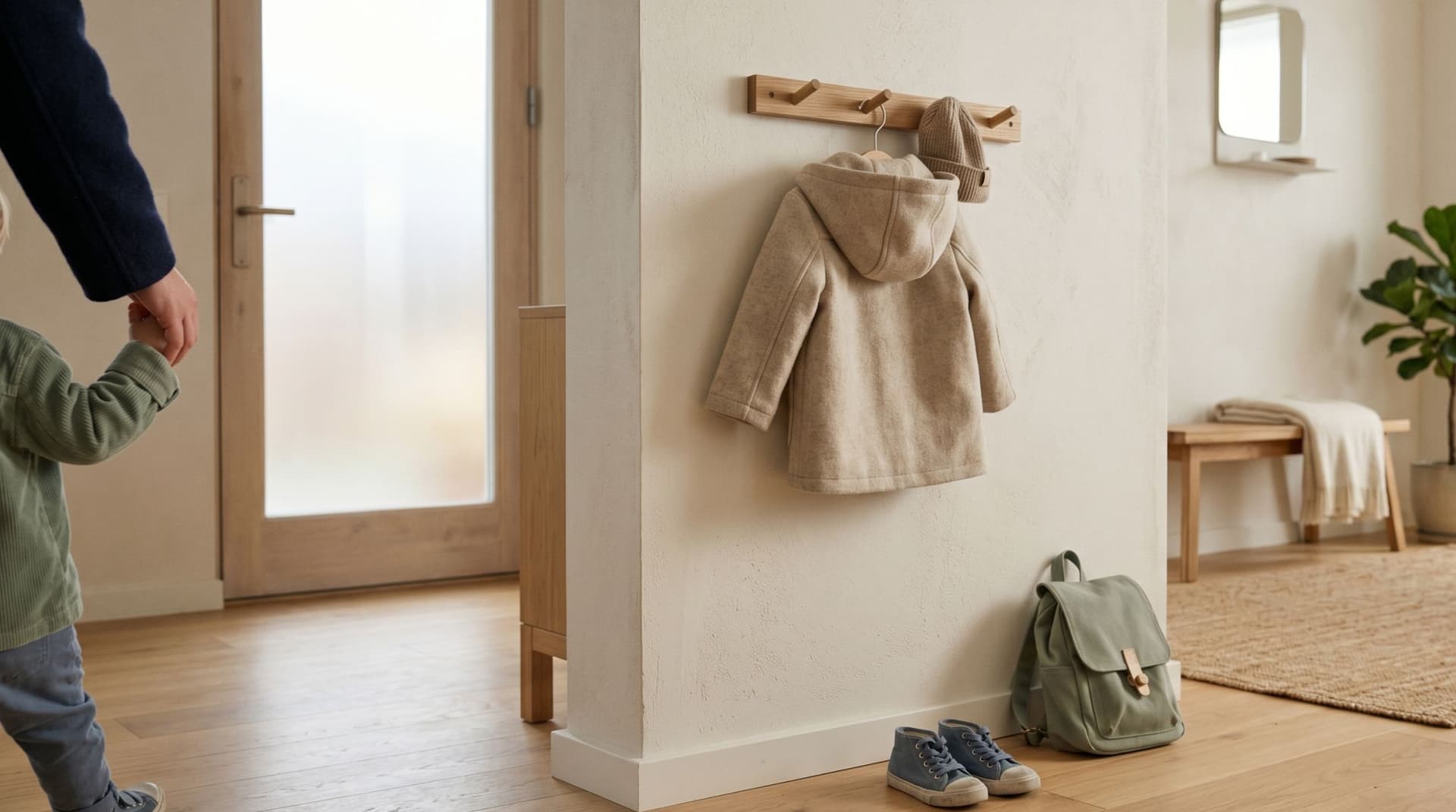
Starting förskoleklass, lågstadiet or mellanstadiet each comes with its own anxieties — for the child and the parent. A stage-by-stage checklist covering routines, anxieties, gear, and the conversations to have in the two weeks before school starts.
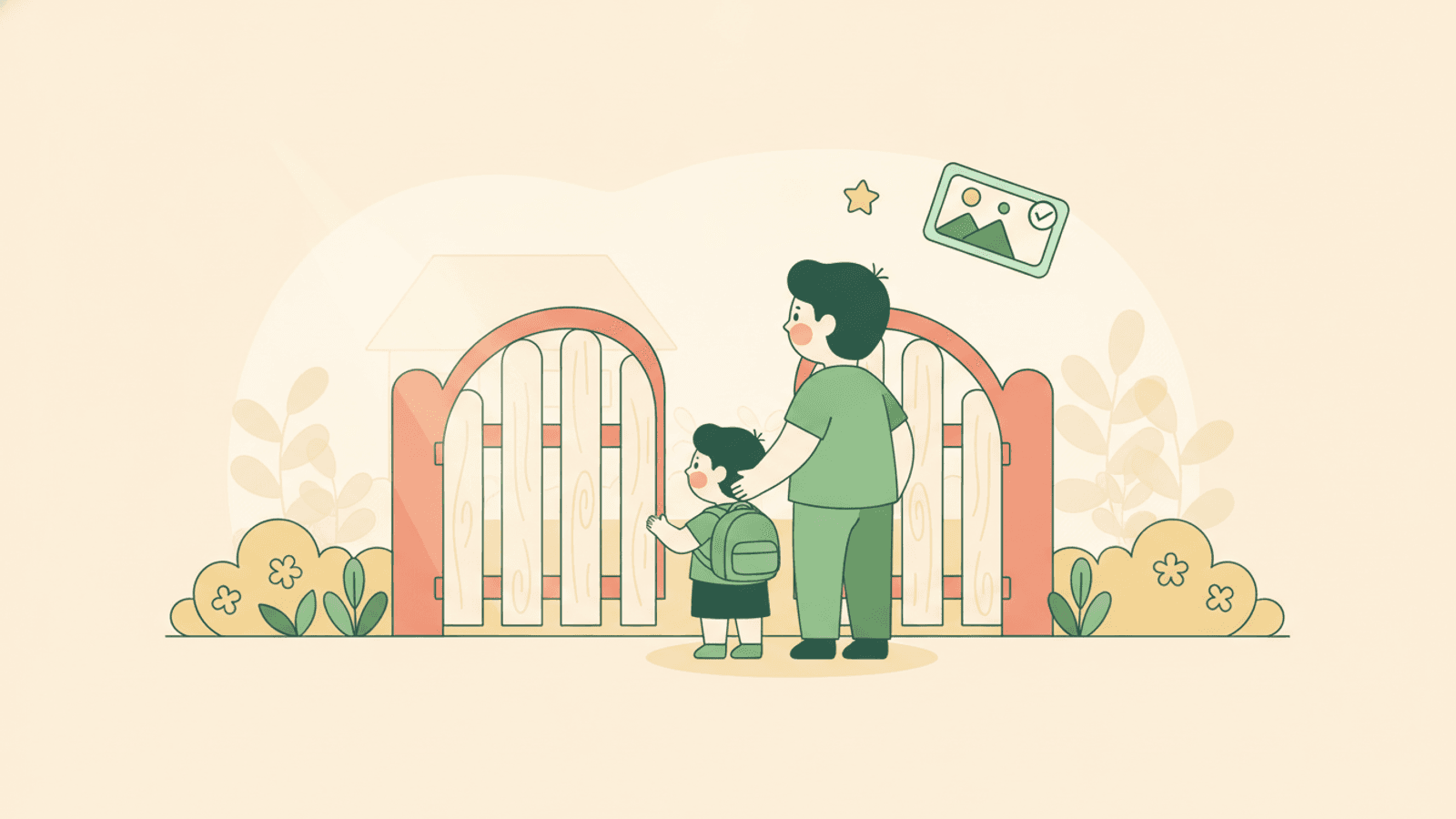
Starting preschool or daycare in August is a huge transition — for the child and for you. A gentle summer run-up makes those first mornings far less daunting.

The daily juggle of school, homework, and extracurricular activities can quickly become overwhelming for both children and parents. Constant questions like "When is my practice?" or "When is my homework due?" often lead to nagging and unnecessary stress. By giving your child the right tools to visualize their time, you can transform chaos into control.