Homework Without Nagging: How to Build a Homework Routine That Lasts the Whole Term
By September, most family homework routines have already collapsed. The fix isn't more discipline — it's a better-designed routine. Time of day, environment, break structure and reward links, plus what to do when your child has ADHD or other executive function differences.

In the second week of every school year, parents make a private vow: this year, homework will be different. We'll do it right after school. We'll have a consistent spot. We'll stop fighting about it.
By mid-September, the routine has usually collapsed. By October, "have you done your homework?" is the most-asked question in the household, and the answer is always "in a minute."
The problem usually isn't the child. It isn't the homework. It's that nobody designed a routine that could survive contact with reality.
Here's what works.
When to do homework — the most important decision
The time of day you choose matters more than any other variable. The wrong time guarantees a fight; the right time makes the fight unnecessary.
The default Swedish family pattern — homework right after the school day or after the afternoon snack — works for some kids and fails for others. Here's how to think about it.
Best time for kids with high energy after school:
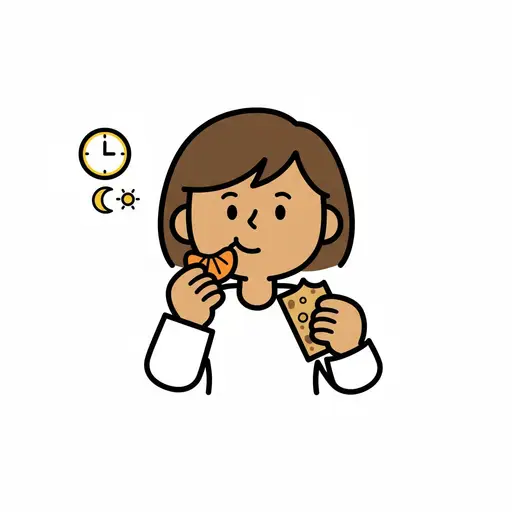
Right after a snack and 30 minutes of physical movement. Around 4:00 PM. The movement burns off the school-built-up tension; the snack restores blood sugar. Then they can focus.
Best time for kids who arrive home depleted:
After a longer rest period. Around 5:00 PM, after a snack, a screen-time break, and a wind-down. Some children need 90 minutes of decompression after school before any focused work is possible.
Best time for ADHD kids whose meds wear off mid-afternoon:
Right after school, while medication is still active. This is non-negotiable for many families. Doing homework after dinner, when meds have worn off, is functionally impossible for some children.
Worst time for almost everyone:
After dinner, in front of screens, with the parent reminding every 4 minutes. This combination guarantees friction.
Pick a time and stick to it for two weeks. If it's not working after two weeks, change it deliberately, not opportunistically.
The environment
Three factors:
1. A consistent spot. Not necessarily a "study desk" — for younger children, the kitchen table is fine. For older children, a quieter space is usually better. The point is consistency. The brain associates that spot with focused work over time.
2. Minimal visual clutter. No screens in line of sight unless the homework requires one. Clear the table of everything except the actual homework. Visual stimuli compete for attention; remove the competition.
3. Reasonable sensory environment. Not silent (most kids find total silence unsettling), but not chaotic either. Background instrumental music helps many ADHD kids focus. Noise-cancelling headphones can help for kids easily distracted by household sounds.
The break structure
Adult research on focused work suggests 25-minute work blocks with 5-minute breaks (the Pomodoro Technique). For children, the blocks need to be shorter:
- Ages 6–8: 10–15 minutes of work, 5-minute break
- Ages 9–11: 15–25 minutes of work, 5-minute break
- Ages 12+: 25–40 minutes of work, 5–10 minute break
A visible timer makes this work. The child sees the time block start, sees it count down, and knows when the break is coming. A break that's earned at a visible end is much more motivating than a break that's "soon."
Important: the break has to be a real break. Not "five minutes of stretching." A snack, a window outside, a brief game. The brain needs to genuinely switch off, not just slow down.
In Routined, you can build a homework routine as a sequence: snack → 15 min math → 5 min break → 15 min reading → break → done. Each step has its own timer; the visual structure makes the whole thing tangible.
The reward link
This is where most homework systems go wrong. Either there's no reward at all (and intrinsic motivation alone isn't enough for a tired 9-year-old), or the reward is too big and creates a transactional dynamic ("how much screen time for one math worksheet?").
What works:
Small, immediate, attached to completion of the routine — not to grades or correctness.
Examples:
- 15 minutes of screen time after the homework routine ends.
- The first pick of the bedtime story.
- A token toward a weekly reward.
What doesn't work:
- "If you get all your math right, you get an ice cream."
- "If you don't do your homework, no screens for a week."
- Large, distant rewards that the child can't visualize achieving.
In Routined the reward types include screen time, custom rewards or amounts. For homework specifically, screen time is often the most natural fit — it's already on the child's mind, and tying it to completion (not duration of homework) keeps the dynamic clean.
What to do when the homework actually happens
A few hard-won principles for the parent during homework time:
Don't sit on top of them. Be available, not hovering. The brain doesn't focus well under surveillance.
Don't pre-correct. If they get something wrong, let them get it wrong. Catching errors yourself, or after they say they're done, is more useful than catching errors in real time. Real-time correction creates dependence and shame.
Don't ask "did you do your homework?" forty times a day. Set the homework time, let the visual routine signal it, then trust the system. If they don't do it, there's a consequence at school — that's the actual feedback loop.
Don't take over. A worksheet half-done by the child is more valuable than a worksheet fully done by the parent. The teacher's job is to see what the child can do, not what you can do.
Special note for ADHD and executive function challenges
If your child has ADHD, autism or significant executive function differences, the standard homework routine usually isn't enough. Add:
- A clear "what" before starting. Look at the homework list together. Verbally restate what needs to happen. The child often can't extract the task from the page on their own.
- An explicit start ritual. Something that signals "we're starting now." A specific snack, a specific phrase, a specific visual cue. Starting is the hardest part.
- Body doubling. Sit nearby and do your own focused work. The presence of another focused person regulates attention, especially for ADHD.
- Smaller chunks. 10 minutes, then a break. Even 5 minutes. Build up duration over weeks, not days.
- Forgiveness for forgotten work. ADHD brains forget. The forgetting isn't disrespect; it's the disorder. Build a system that doesn't depend on remembering: visual schedule, photo of the homework board, a parent-teacher check-in.
A homework routine that lasts the whole term isn't built on willpower. It's built on a good time of day, a consistent environment, manageable chunks, real breaks, and a clean reward link. Get those right, and the nagging mostly disappears on its own.
Tip: Download our ready-made visual schedule Homework routine – one step at a time (free printable PDF), or browse all ready-made visual schedules.
Frequently asked questions
What if there's no homework?
Do 15 minutes of reading or quiet focused work anyway. The point is the habit, not the homework. A child who has a 4:00 PM focus block built into their day is in a fundamentally different position than a child who only focuses when forced to.
What if my child has too much homework?
Talk to the teacher. Genuinely. Don't let homework occupy the family's entire evening. Most teachers don't realize that a 30-minute assignment took your child 90 minutes.
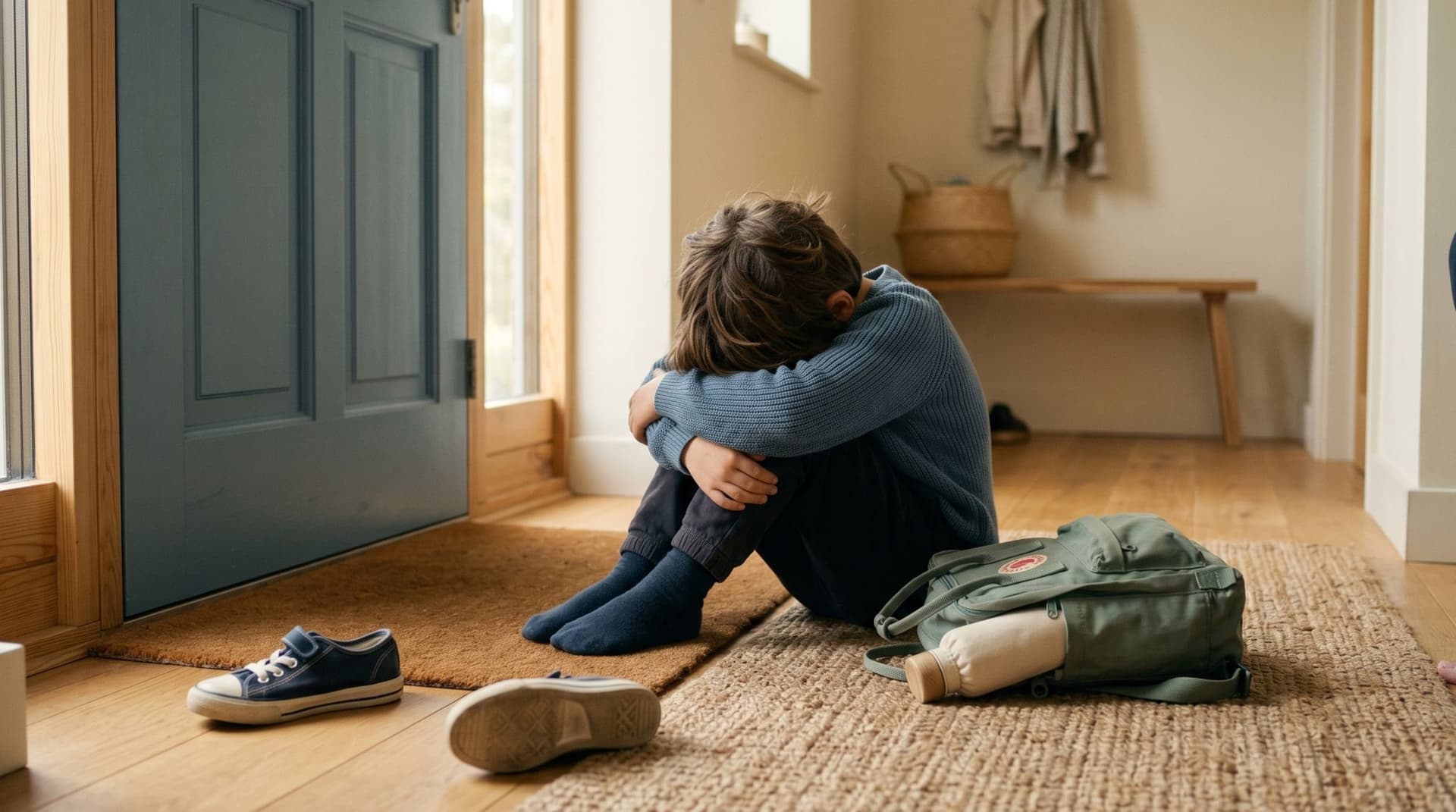
My child cries during homework.
Stop the session. The brain isn't accessible. Try again tomorrow with a shorter chunk, an earlier time, or a different environment. Persistent crying is a signal that the design needs to change, not that the child needs to push harder.
How do I get my teenager to do homework without micromanaging?
You don't, really. By 13–14 the homework conversation needs to be their problem with consequences they own. Your job becomes providing the environment (a quiet spot, a reasonable schedule, food) and stepping out. Hovering at 14 ensures hovering at 18.