Packing the School Bag: Teaching Your Child to Do It Themselves
Packing the school bag is one of those jobs parents quietly keep doing for years, and then wonder why their child cannot. It is a perfect first independence task, and with a little scaffolding most children can own it earlier than you would think.
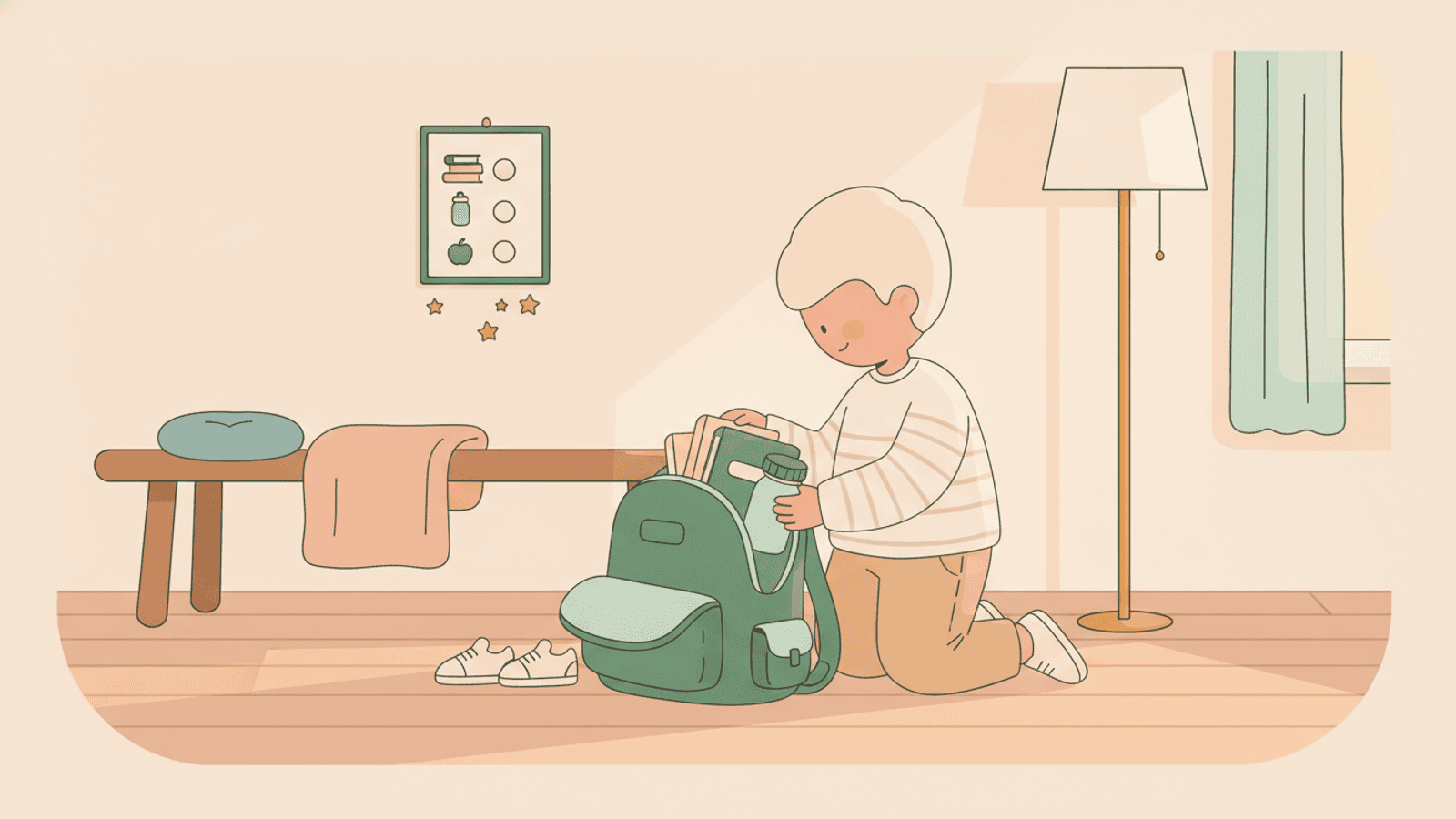
Packing the school bag is one of those jobs parents quietly keep doing for years — and then wonder why their ten-year-old still cannot manage it. It is actually one of the best first independence tasks there is, and with a little scaffolding most children can take it over far earlier than you would expect. Better still, a child who packs their own bag tends to forget less, not more.
Why it's worth teaching
Packing a bag is real executive-function practice: planning ahead, putting things in sequence and holding a list in mind. It gives your child genuine ownership of their school day, and it takes a recurring job off your plate. And counter-intuitively, a child working from their own routine usually forgets fewer things than a parent throwing the bag together from memory at 7:45 in the morning.
What to expect at different ages
As a rough guide: in preschool and the first school years, children pack alongside you, following a picture list, while you double-check. Around seven to nine, many can pack alone from a checklist with a final glance from you. From about ten, most can own it completely, including checking tomorrow’s timetable. Every child is different, so build up gradually rather than handing the whole thing over in one go.
Make a packing checklist
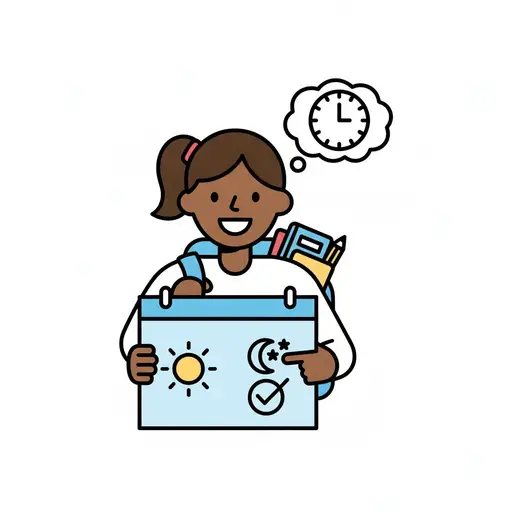
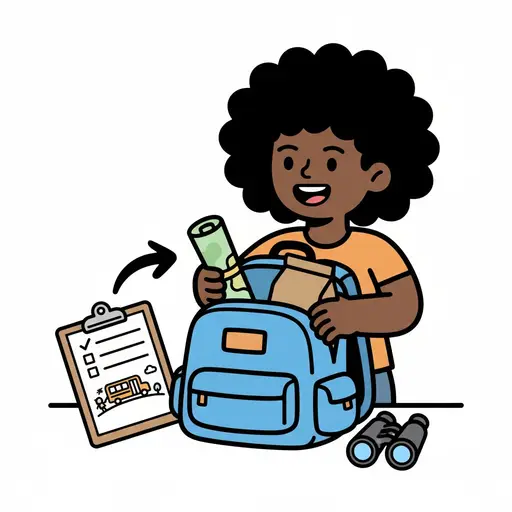
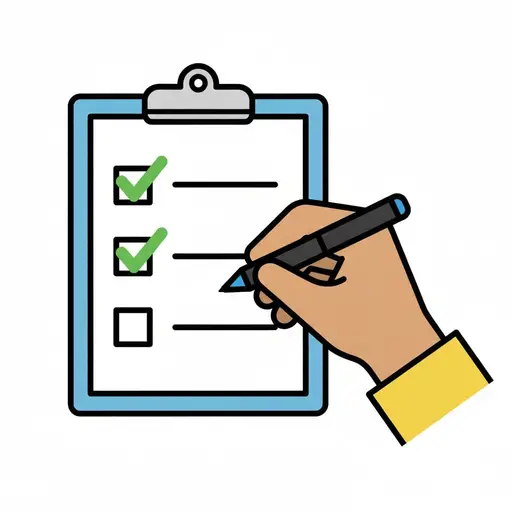
The single most useful tool is a checklist your child works from instead of their memory. Use a picture list for younger children and a written one for older ones. Include the everyday items, plus a line that says “check tomorrow’s timetable” to catch the variable things — gym kit, library book, an instrument. Keep the list right where the packing happens so it is impossible to skip.
Give the bag a home and a time
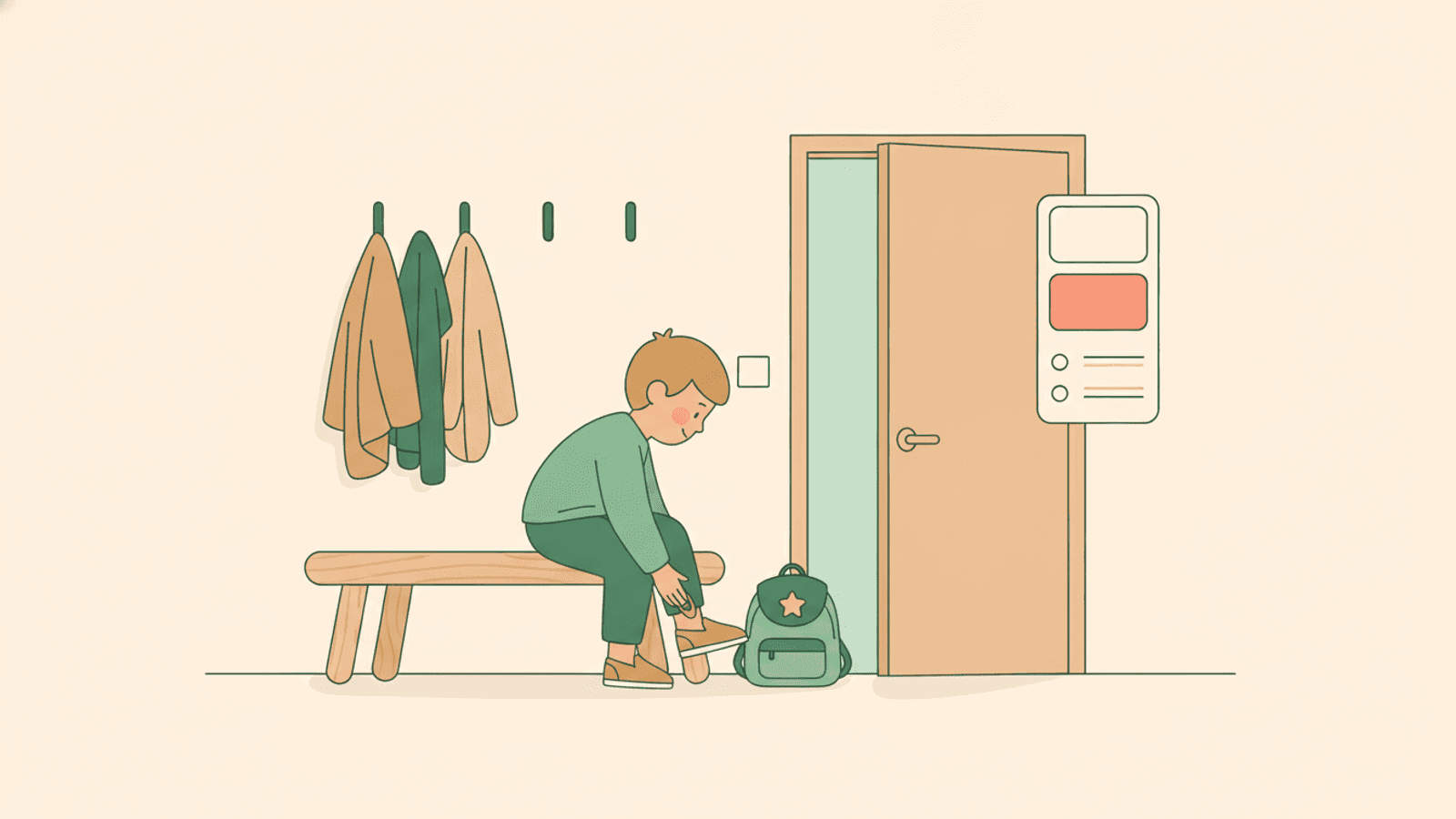
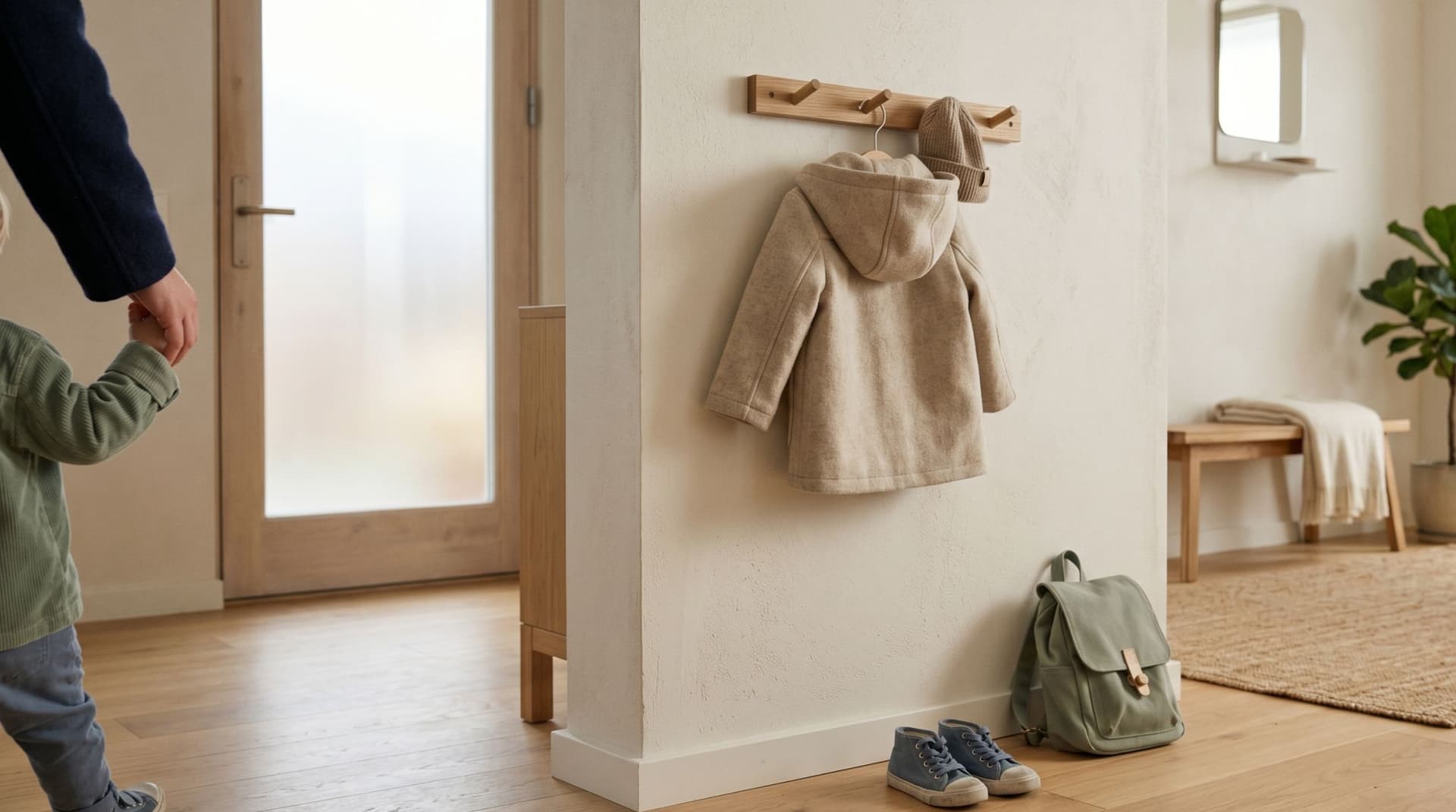
- A fixed spot where the bag lives and gets packed — the launch pad by the door works perfectly.
- Pack the night before, as part of the evening routine, never in the morning rush.
- Check the next day’s schedule together at first, then hand that over too.
- Keep the checklist where the packing happens, so following it becomes automatic.
Scaffold, then step back
The pattern is simple: do it together, then let them do it while you read the checklist aloud, then let them do it alone with the checklist, then let them own it. Resist re-checking forever. Once your child is genuinely capable, a one-off forgotten gym kit is a gentle natural consequence that teaches more than years of reminders. Within reason, of course — do not let them fail at something that really matters, but a small, recoverable miss is part of learning.
For children with ADHD or autism
Working memory difficulties make “just remember your things” genuinely unfair, so a checklist is not a crutch here — it is the tool. Keep it visual, keep the bag’s spot and packing time fixed, and always pack the night before so the morning never depends on recall. Praise the using-the-checklist, not only the outcome, so the system itself becomes the habit. This article is general guidance, not medical advice.
Read more
Frequently asked questions
At what age can a child pack their own school bag?
Most children can pack with you and a picture list in the early school years, pack alone from a checklist around seven to nine, and fully own it from about ten — including checking the timetable. Build up gradually, since every child develops at their own pace.
How do I teach my child to pack their bag?
Make a checklist they work from, give the bag a fixed home and a packing time, and scaffold: do it together, then beside them, then let them do it alone with the list. Hand over each step only once they are ready for it.
My child keeps forgetting things — what helps?
A visual or written checklist kept where the bag is packed, packing the night before, and a line to check the next day’s timetable. Most forgetting comes from relying on memory in a morning rush, which a routine removes.
Should I let my child forget something to teach them a lesson?
Once they are genuinely capable, letting a small, recoverable item be forgotten can teach more than constant reminders. Keep it within reason — do not let them fail at something that really matters, but a one-off forgotten gym kit is a fair natural consequence.
Should we pack the school bag in the morning or the night before?
The night before, every time. Packing as part of the evening routine removes a major morning flashpoint, gives time to check the timetable calmly, and means the bag is ready by the door before anyone is rushing.