Checklist
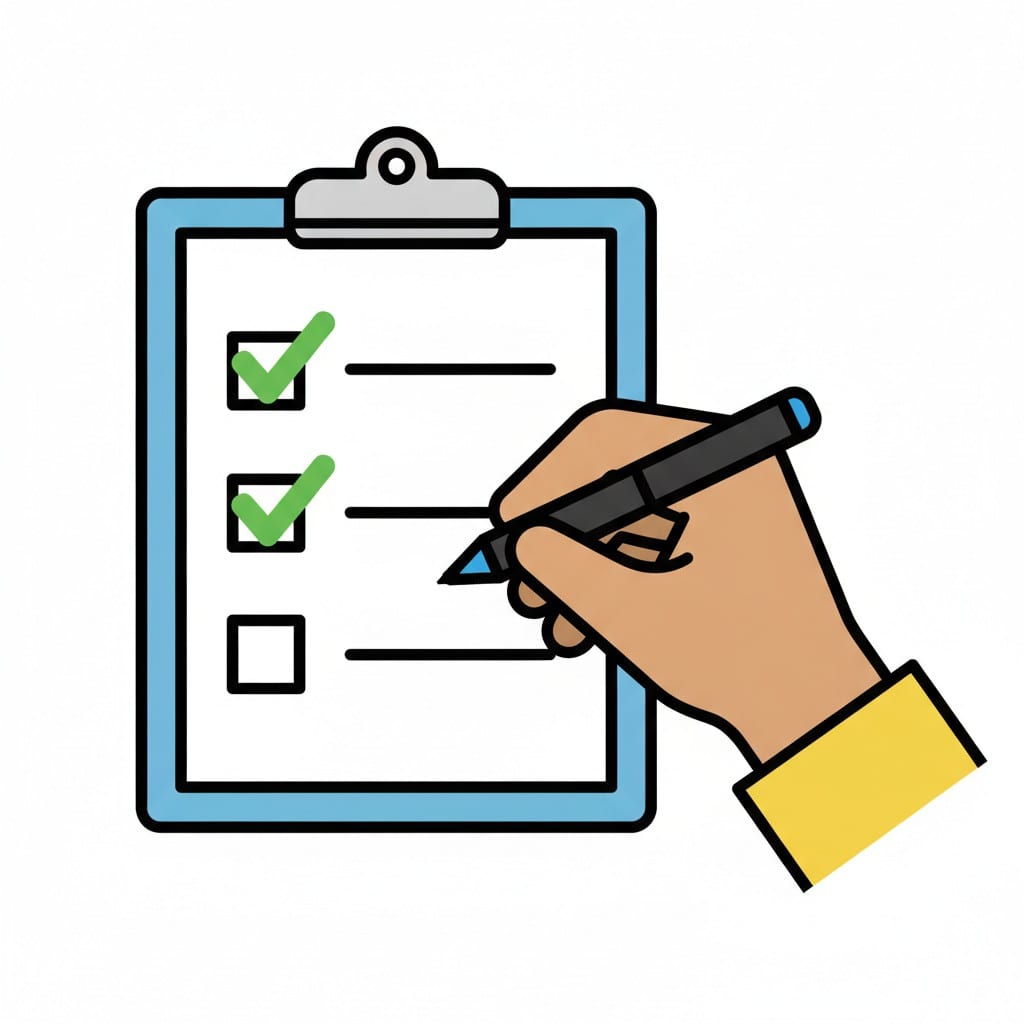
Five things to do can sound like one huge task when getting started is hard. A checklist splits the pile into boxes, and the picture below shows what it looks like once the ticks start filling in.
 ♂
♂Ticking off the list
A hand with a pen ticks off items on a checklist on a clipboard, where two boxes already have green ticks.
About this visual support
A task without a clear beginning and a clear end is hard to take on, and five of them in a row is harder still. It is rarely about willingness. The brain first has to decide what comes first, keep the rest in mind and at the same time remember why it needs doing. A checklist takes over much of that work, because the order is already written down and the only thing left is the next box.
The picture shows a hand ticking off items on a clipboard where two boxes already have green ticks and the third is waiting. That visible difference between done and still to do is exactly what makes the list useful. Your child sees how much is finished, not only how much remains, and every tick becomes a small receipt. Use the picture as a symbol at the top of a paper list or as its own item in a daily schedule.
A practical tip is to keep the list short, three to five items, and to let the first item be something your child can manage in under a minute. A quick first tick makes it easier to keep going. In Routined you can build checklists with pictures and ticks in your child's own schedule, and the app can be tried for 14 days at no cost.
Use this image in a schedule
Build your own visual schedule with this image and download it as a print-ready PDF. Completely free.
More similar visual supports
To do
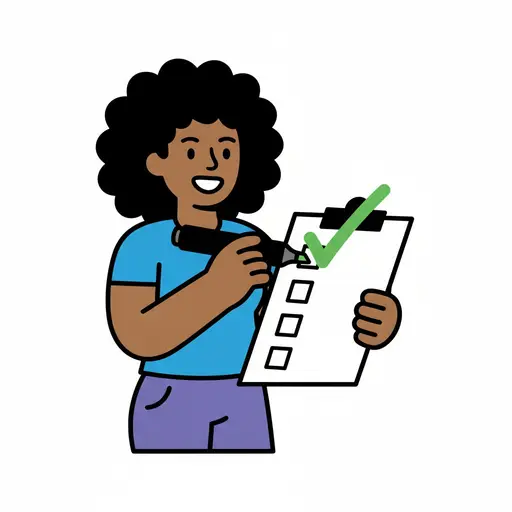
A woman ticks off a checklist.
Plan move
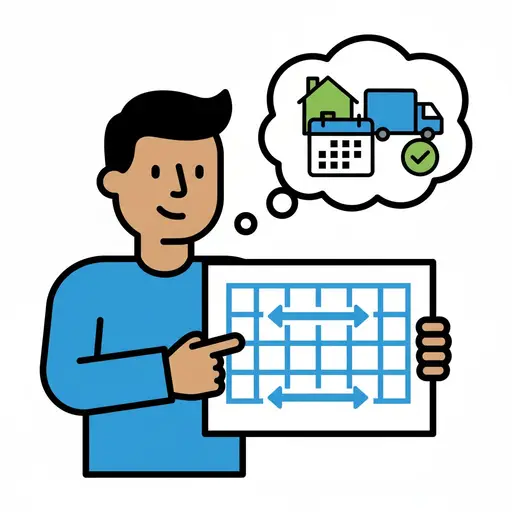
A man holds a board with arrows, and a thought bubble shows a house, a moving tr...

Shopping list
A sheet of paper with a checkmark and three lines next to a pencil.
Air out
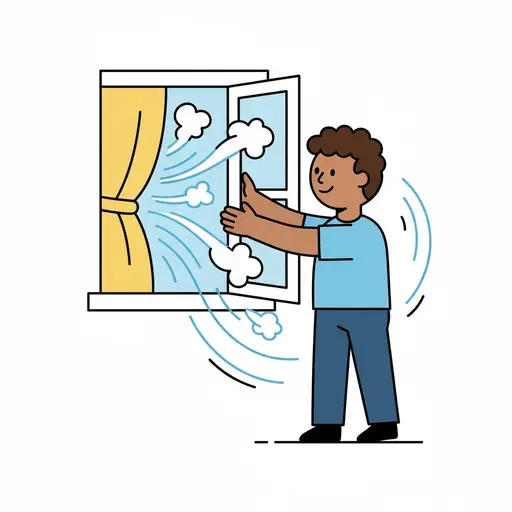
A boy opens a window to air out the room.
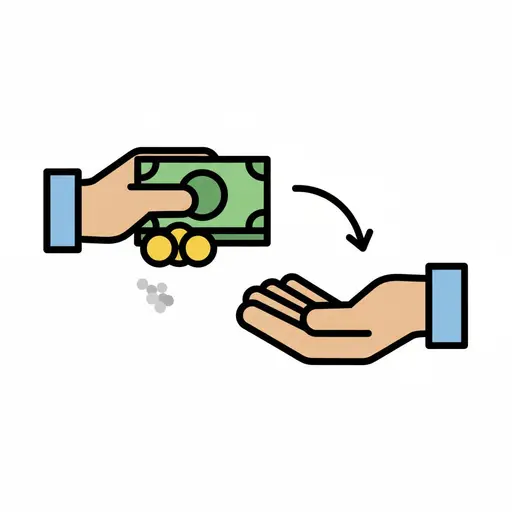
Allowance
One hand passes a banknote and coins to another open hand.

Allowance included
A hand receives a banknote and a coin from a wallet, with an arrow indicating mo...
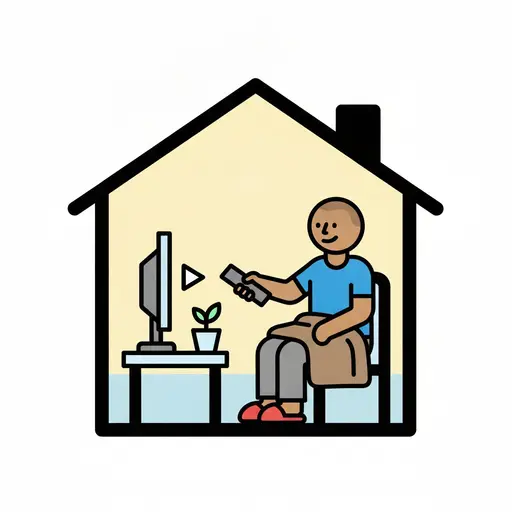
At home
A person sits in a chair inside a house watching TV with the remote in hand.
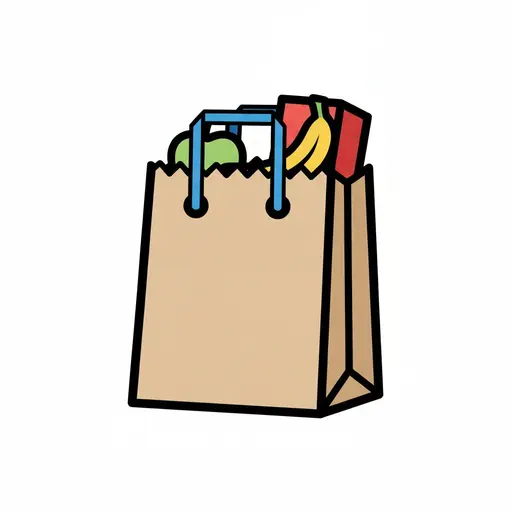
Bag
A brown paper bag with blue handles, filled with groceries such as an apple, a b...
Take the visual supports with you
In Routined you build schedules from these pictures, add timers and voice instructions, and your child follows the day on their own.


* 14-day free trial, then $2.39 a month or $20.99 a year (US pricing). Cancel anytime.