Bag
Packing a bag is less about the motions and more about thinking a few steps ahead: where are we going, for how long, what's needed then. The visual support below makes that hidden planning visible.
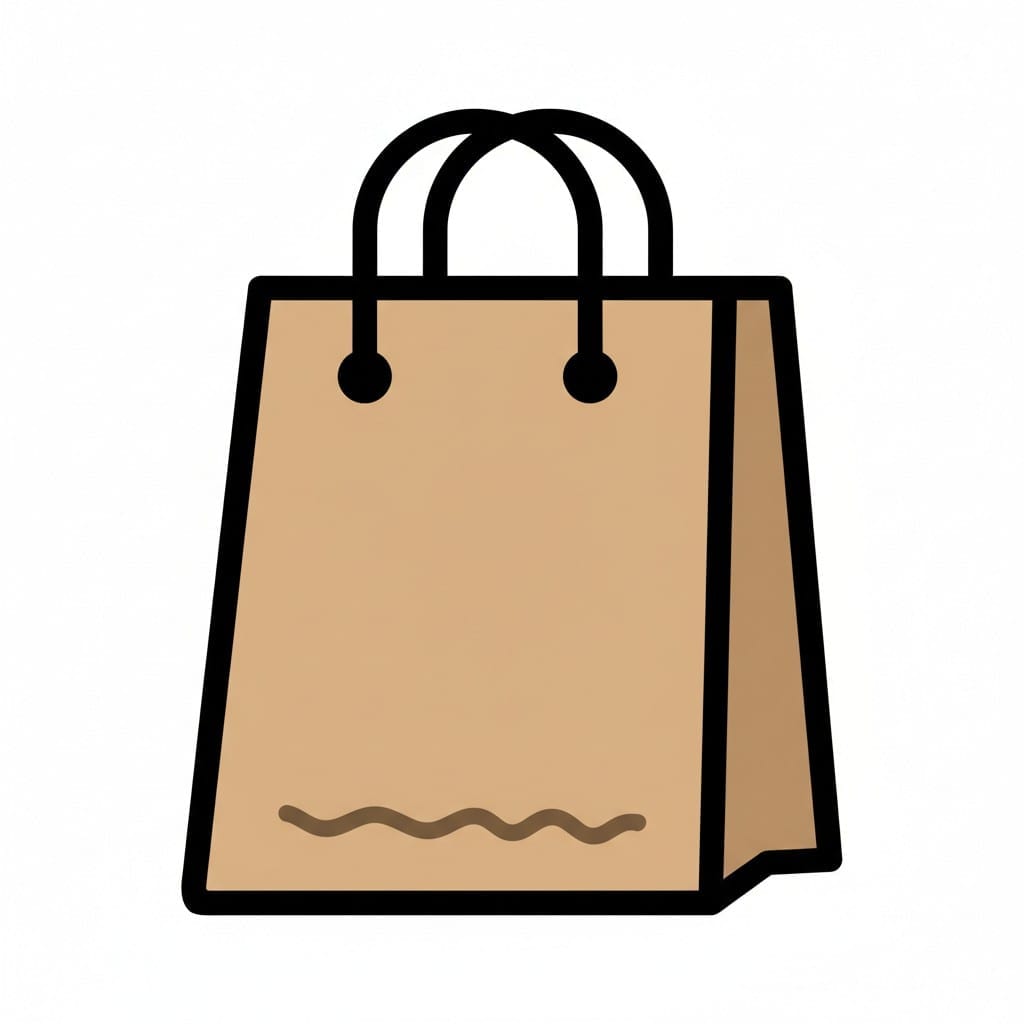
Bag
A brown paper bag with black handles.
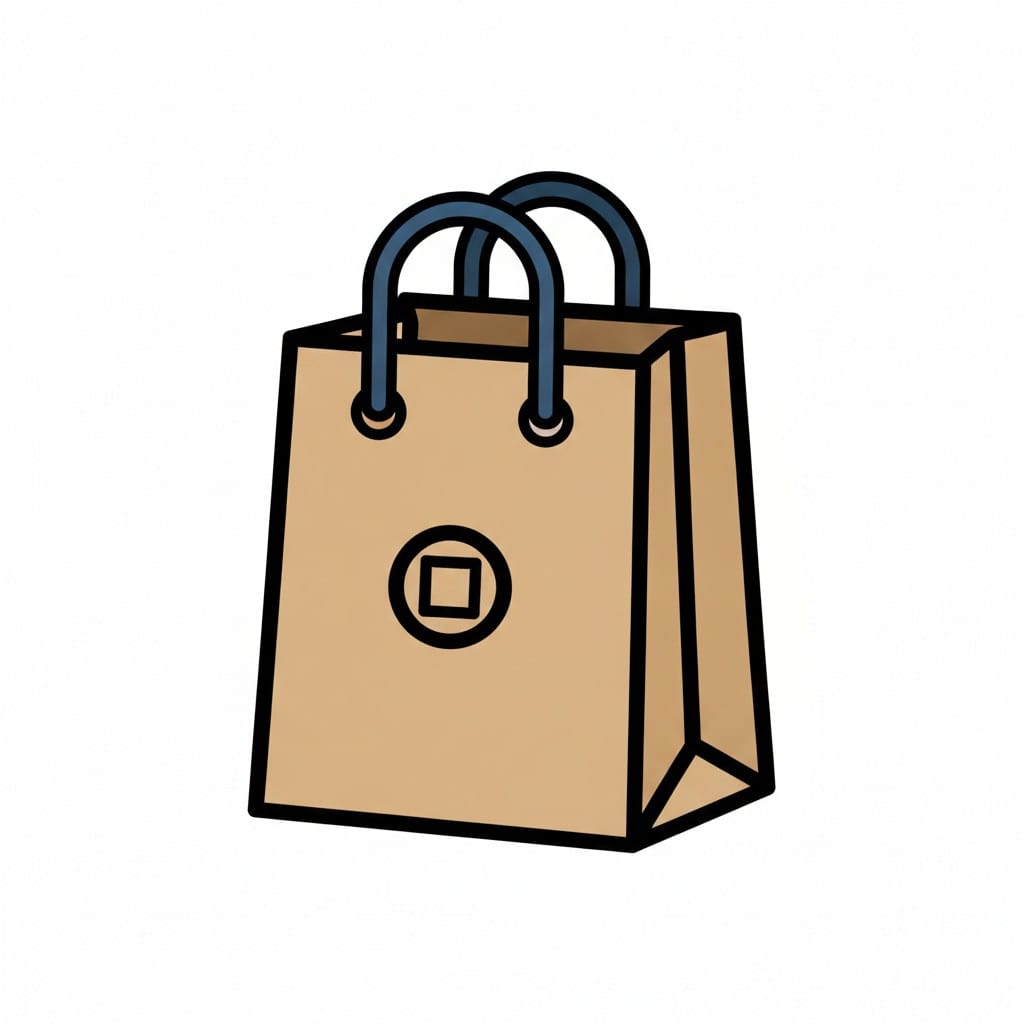
Paper bag
A brown paper bag with handles.
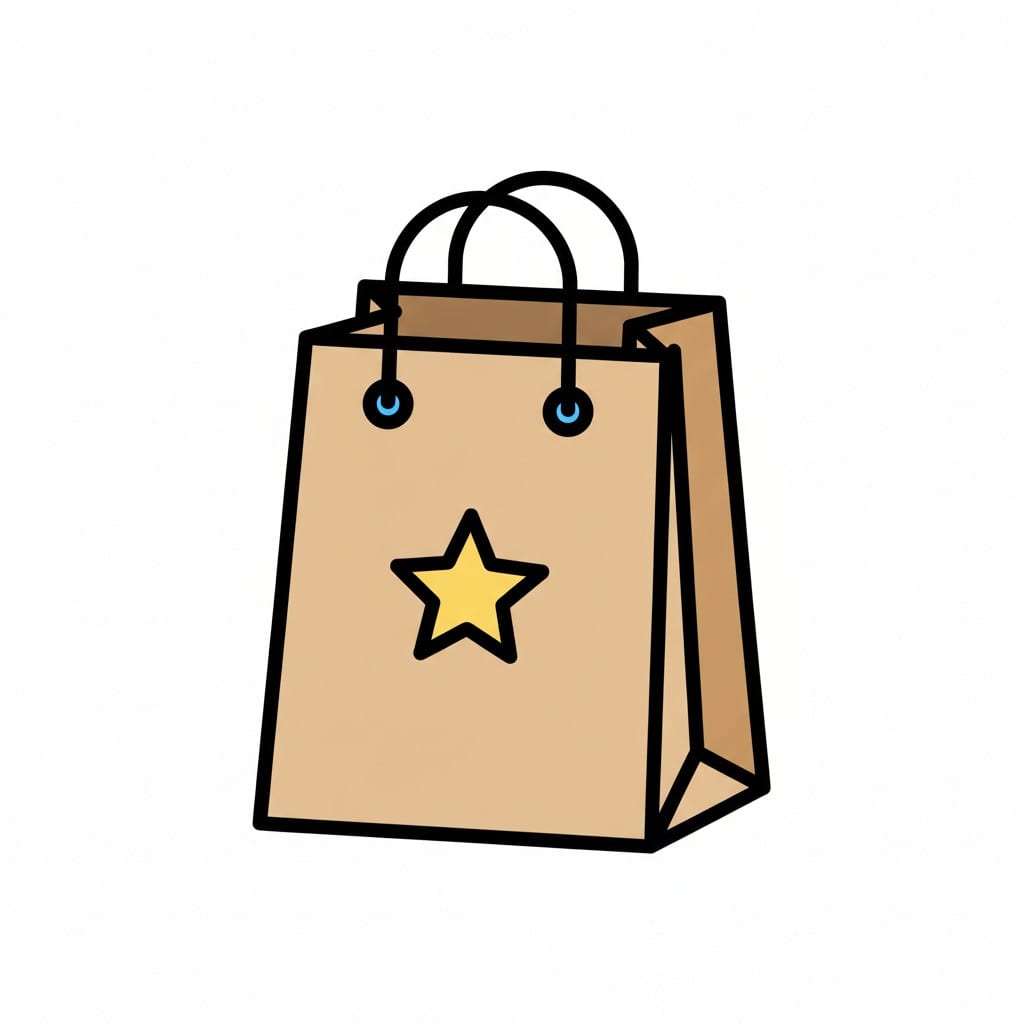
Bag with star
A brown paper bag with handles and a yellow star.
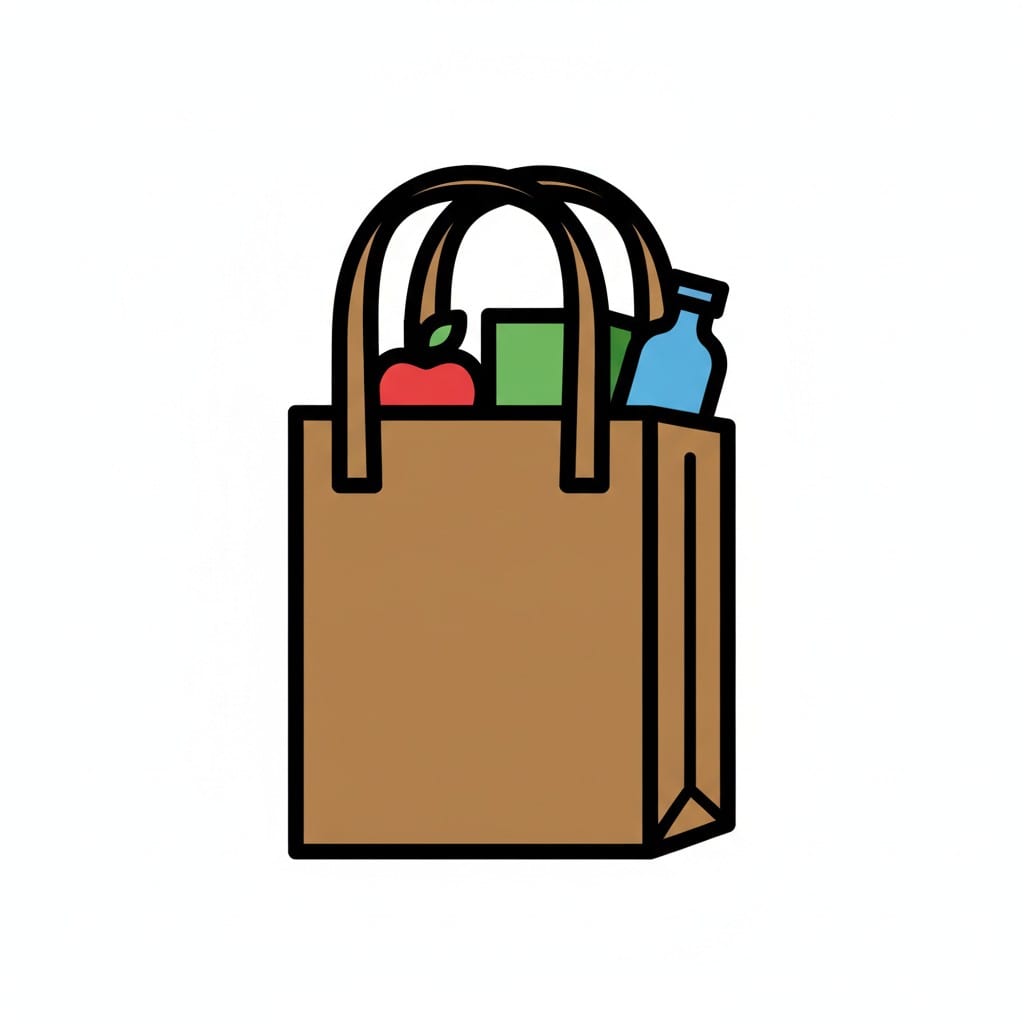
Bag with groceries
A brown paper bag holding an apple, a box and a bottle.
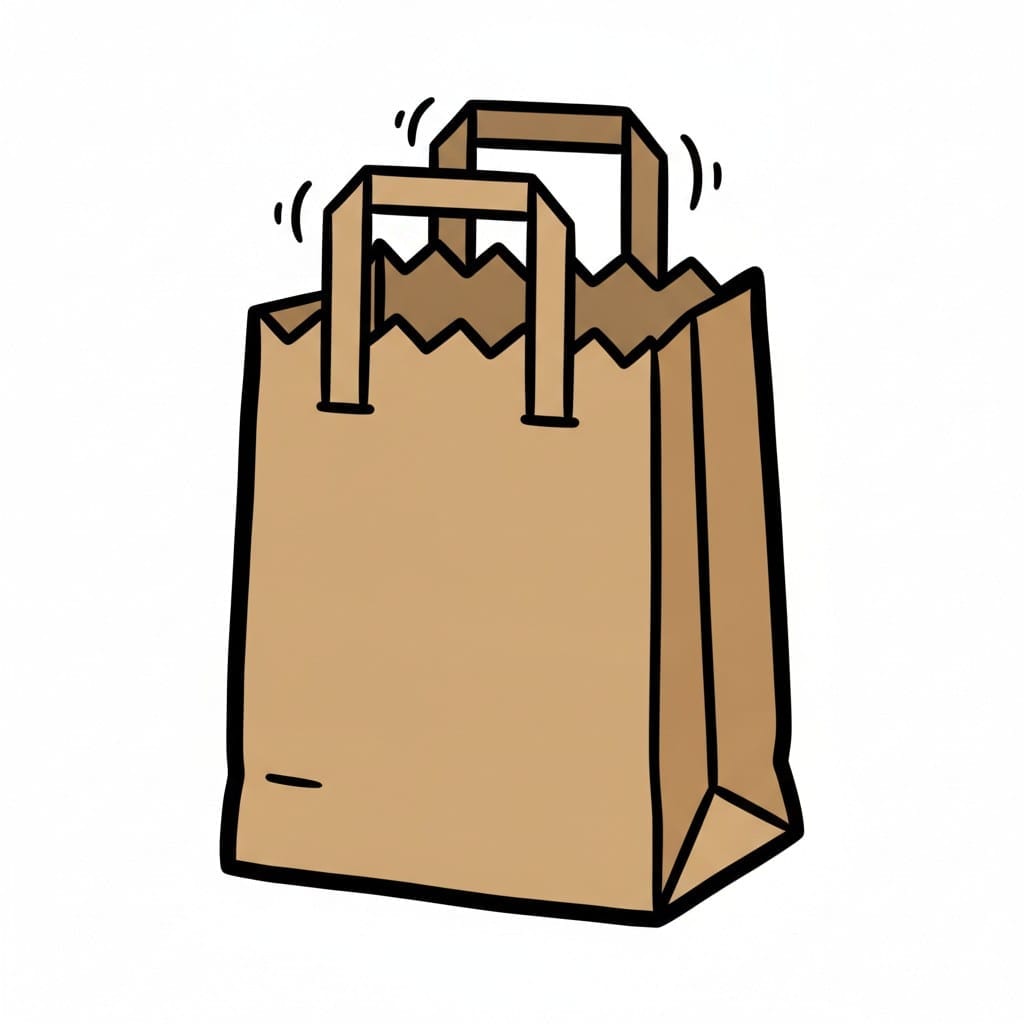
Empty paper bag
An empty brown paper bag with two handles and a zigzag cut along the top edge.
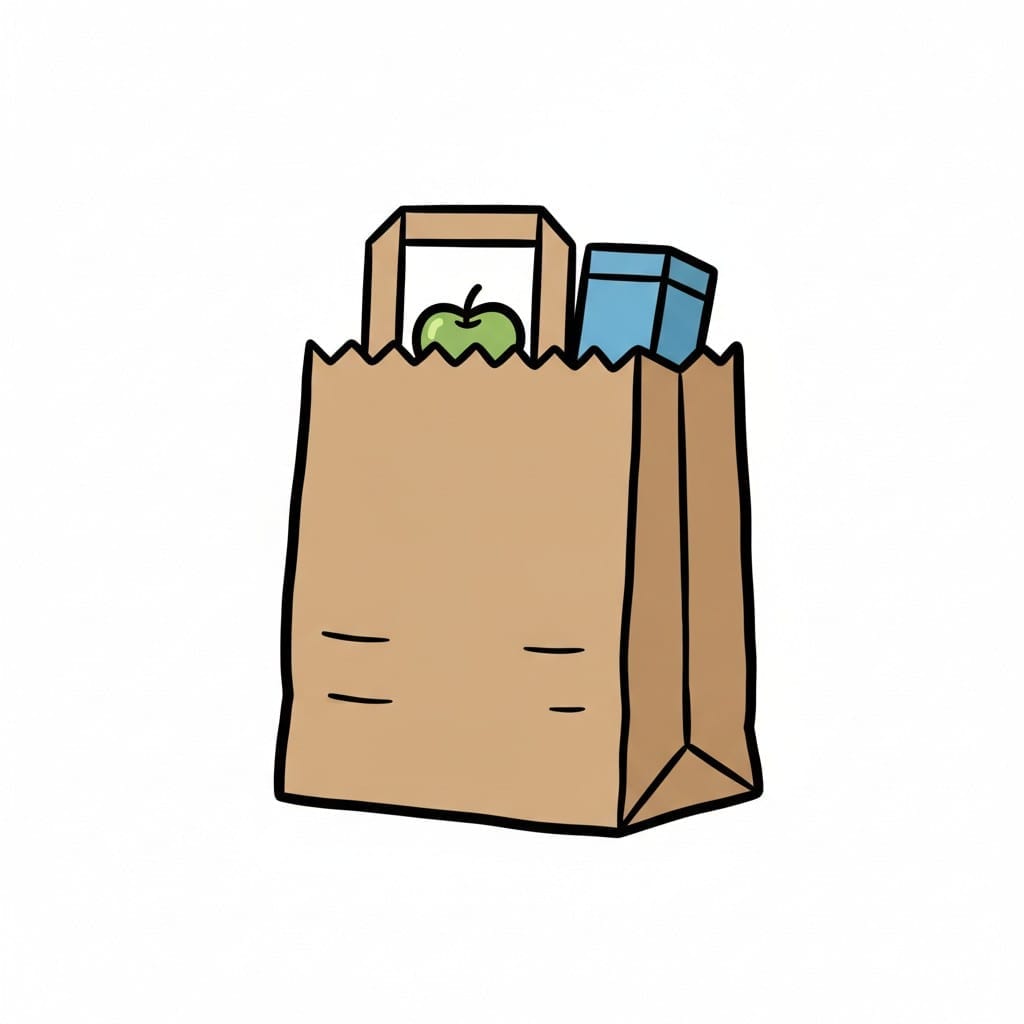
Paper bag with groceries
A brown paper bag holding a green apple and a blue carton that peek over the rim.
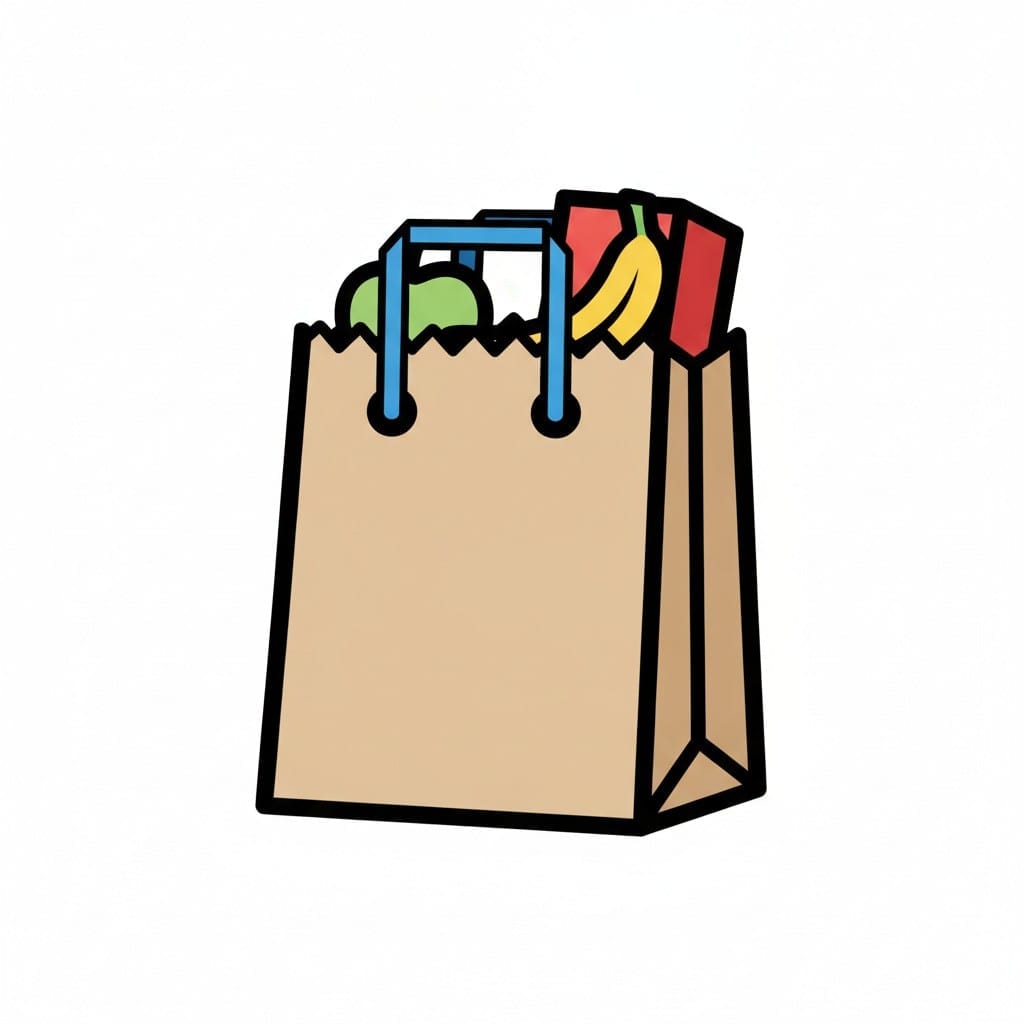
Paper bag with groceries
A brown paper bag with blue handles, filled with groceries such as an apple, a banana and packets.
About this visual support
The tricky part of a bag is that its contents are dictated by something that hasn't happened yet. Library, football, grandma's house — each answer makes a different list, and for a child who struggles to hold several future scenes in mind at once, packing becomes guesswork that ends with something important missing.
Visual support flips the order. Instead of constructing the list mentally, the child sees the options laid out as pictures and matches them to today's errand. Water bottle, book, raincoat, bus card — each image asks one small question: do I need this today? The decision is concrete, not abstract.
A useful trick: spread the pictures on the table next to the empty bag and let the child move over the ones that belong with today's plan before touching any actual item. Planning becomes its own step, separate from the physical packing, and the child sees the whole picture before the bag starts filling. To build reusable packing lists for recurring errands, you can assemble the images into routines in the Routined app.
Use this image in a schedule
Build your own visual schedule with this image and download it as a print-ready PDF. Completely free.
More similar visual supports
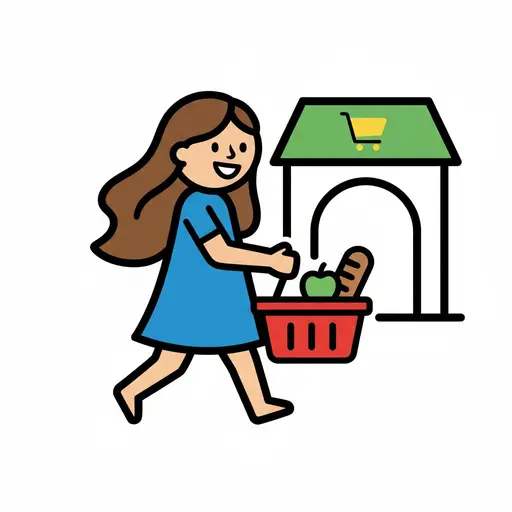
Go to the store
A person walks towards a store entrance, smiling and carrying a red shopping bas...
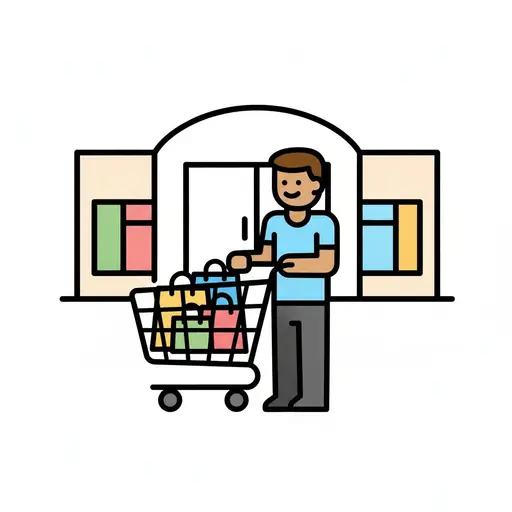
Go shopping
A man pushes a trolley of bags outside a mall.
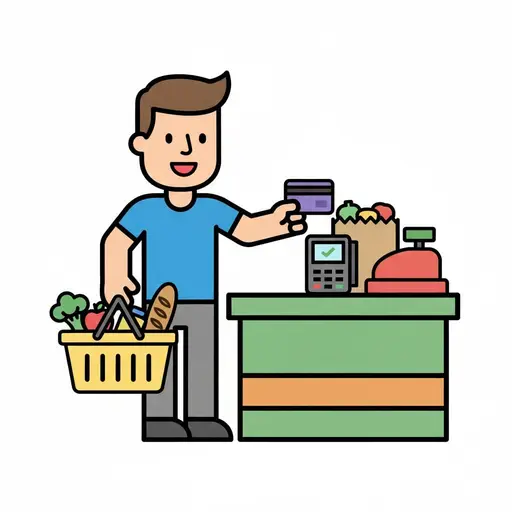
Buy groceries
A man with a basket full of groceries pays by card at the checkout.
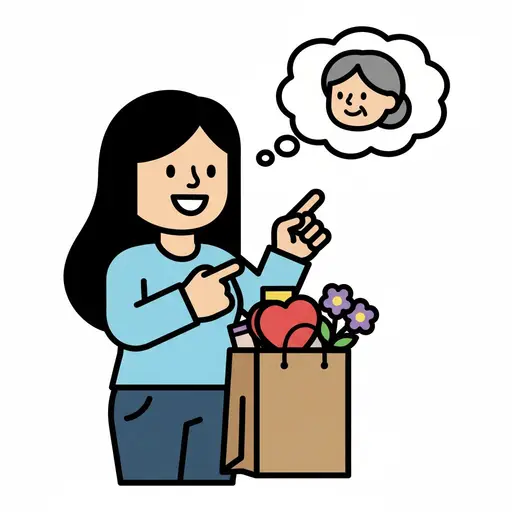
Shop for mom
A smiling person points to a thought bubble of mom while holding a bag of grocer...
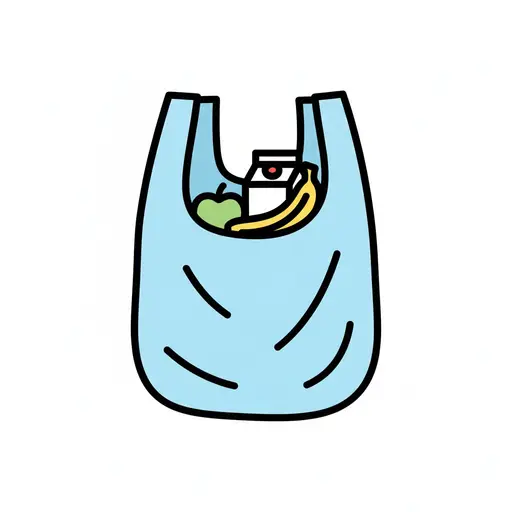
Plastic bag
A light blue plastic carrier bag with handles, filled with a green apple, a bana...
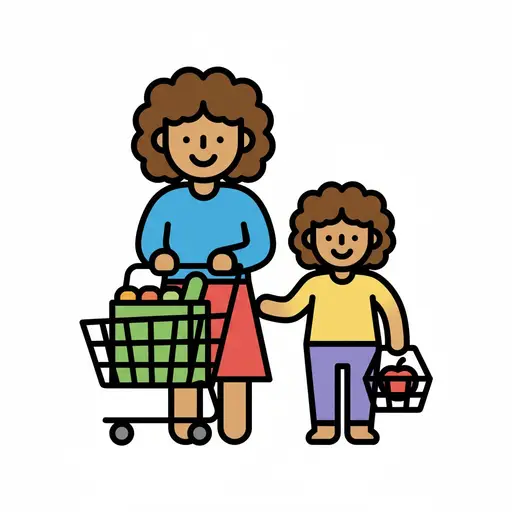
Shop with mom
A parent pushes a cart full of groceries while a child holds a basket with an ap...
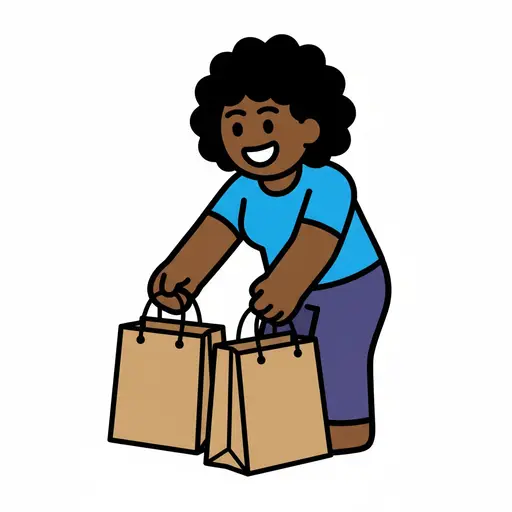
Get bags
A woman with short dark curly hair and a blue t-shirt leans forward and picks up...
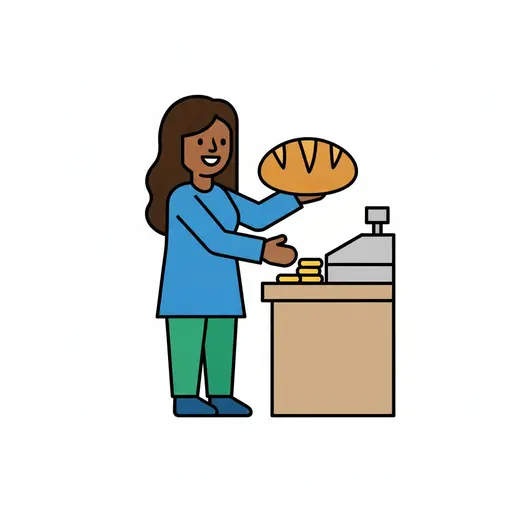
Buy bread
A smiling person holds up a loaf of bread at a checkout counter with coins and a...
This visual support in other languages
Take the visual supports with you
In Routined you build schedules from these pictures, add timers and voice instructions, and your child follows the day on their own.


* 14-day free trial, then $2.39 a month or $20.99 a year (US pricing). Cancel anytime.